
Understanding the basics of mirrors is essential for home improvement, decor, and safety. We’ll cover how mirrors work, different types for various uses, and simple tips for choosing and caring for them. Learn to use mirrors effectively to enhance your space confidently and safely.
Hey there, DIY fans! Bryan Lee here. Ever feel like a room could use a little more oomph, or maybe you need a clearer view in a tricky spot? Mirrors aren’t just for checking your reflection; they’re secret weapons in home design and utility. But with so many options, picking the right one can feel a bit overwhelming. Don’t worry! This guide breaks down the simple essentials of mirrors, making it easy for you to choose, place, and care for them like a pro. Get ready to unlock their potential!
What Exactly is a Mirror, Anyway?
At its heart, a mirror is a surface that reflects light. Think of it like a super-smooth wall that sends light rays bouncing back at you. Most common mirrors are made by coating a piece of glass with a thin layer of reflective material, usually silver or aluminum. This coating is what creates the reflection you see. The smoother the surface, the clearer the reflection!
How Mirrors Create Your Reflection
It all comes down to a simple physics principle called the law of reflection. When a ray of light hits a smooth surface like a mirror, it bounces off at an angle that’s exactly the same as the angle it hit. This predictable bouncing is why you see a clear image. Imagine throwing a ball at a flat wall – it bounces straight back. Light does the same thing when it hits the perfectly smooth backing of a mirror.
The backing material is crucial. Silver or aluminum coatings are chosen because they are excellent at reflecting most visible light wavelengths. The glass in front protects this delicate coating from scratches and damage, and it also helps to flatten the surface even further for a distortion-free image. Without the glass, the reflective coating would be fragile and easily tarnished.
Types of Mirrors: More Than Just What You See

Mirrors aren’t one-size-fits-all. They come in various forms, each suited for specific purposes. Understanding these types helps you choose the best mirror for your project, whether it’s for decoration, safety, or increased functionality.
Common Mirror Types for Your Home
- Flat Mirrors: These are the most common type, offering a true, undistorted reflection. They are perfect for bathrooms, bedrooms, and living spaces.
- Convex Mirrors: These mirrors curve outward, like the back of a spoon. They reflect a wider area but make objects appear smaller. You often see these in stores or at blind corners for safety.
- Concave Mirrors: These curve inward. They magnify objects that are close to them and can make distant objects appear smaller. Dentists use them for teeth, and they can be found in some telescopes.
- Two-Way Mirrors (One-Way Mirrors): These look like regular mirrors from one side but are actually transparent from the other, usually when one side is much brighter than the other. They are often used in observation rooms or security settings.
- Decorative Mirrors: These are designed with aesthetics in mind, featuring unique shapes, frames, or finishes to add style to your decor.
Mirrors for Safety and Utility
Beyond the decorative, mirrors play vital roles in safety and everyday utility. Think about how often you encounter them without realizing their function:
- Automotive Mirrors: Your car’s rearview and side-view mirrors are essential for safe driving. Side-view mirrors are often slightly convex to give you a wider field of vision, which is why objects can appear further away than they are.
- Security Mirrors: As mentioned, convex mirrors are used in shops, garages, and other areas to prevent accidents and deter theft by offering clear views of blind spots.
- Industrial Mirrors: In factories or workshops, specific mirrors might be used to help operators monitor machinery or see into hazardous areas.
Choosing the Right Mirror: Key Considerations
Selecting a mirror involves more than just grabbing the first shiny thing you see. Think about where it’s going, what its primary purpose will be, and how it fits with your style. Here are some factors to weigh:
Size and Shape Matter
The scale of the mirror should complement the space. A tiny mirror in a large room will look lost, while an oversized mirror in a small area can feel overwhelming. Similarly, the shape can influence the feel of the room. Rectangular mirrors often lend a sense of order and formality, while round or oval mirrors can soften a space and add a touch of elegance.
Frame or Frameless?
The frame is a significant design element. A mirror with a ornate frame can be a statement piece, adding character and luxury. A minimalist metal or wooden frame can blend seamlessly with modern or rustic decor. Frameless mirrors offer a clean, contemporary look and can make a space feel larger and more open, which is why they are popular in bathrooms and hallways.
Reflectivity and Clarity
Not all mirror backings are created equal. For everyday use where a clear, true reflection is paramount (like in a bathroom for grooming), opt for high-quality glass with a reliable reflective coating. Cheaper mirrors might have slight distortions or a tinted reflection, which can be less ideal for tasks requiring precision.
Purpose of the Mirror
Is this mirror purely decorative, or does it have a functional job? A mirror over a fireplace might be for aesthetic appeal, while a full-length mirror in an entryway is for checking your appearance before heading out. A mirror in a small dining room might be strategically placed to make the space feel bigger and brighter. For functional needs, like in a gym or a dance studio, clarity and distortion-free reflection are key.
Where to Place Your Mirrors for Maximum Impact
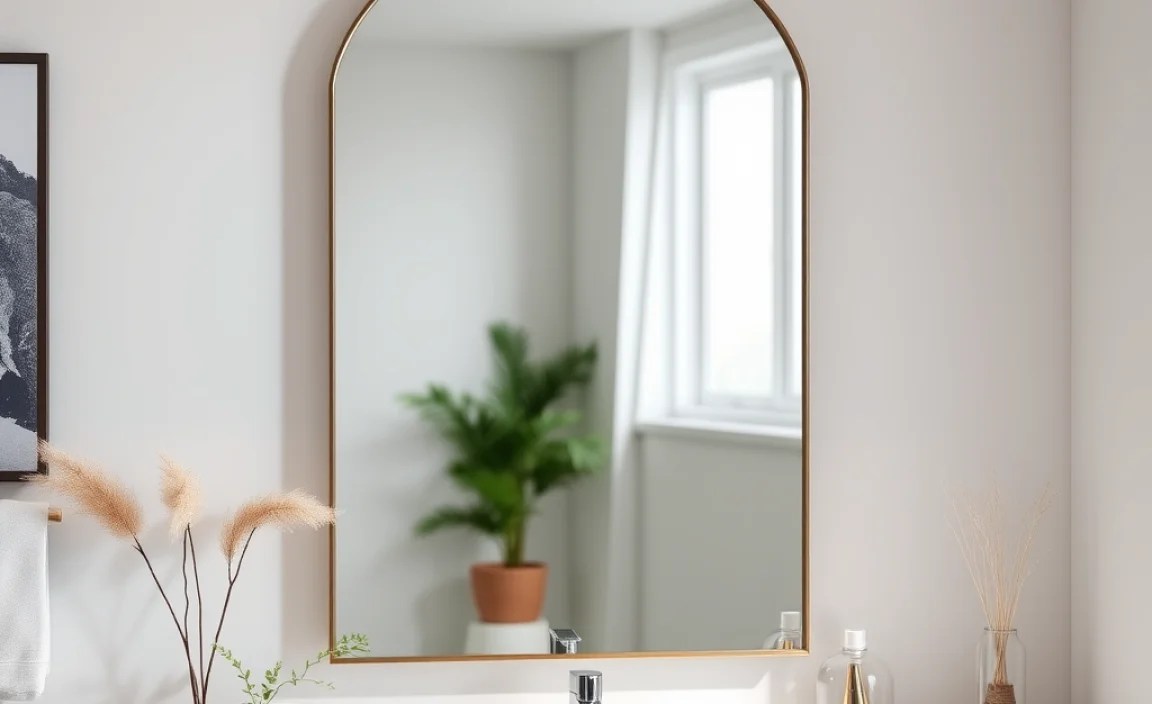
The placement of a mirror is just as important as the mirror itself. Strategic placement can transform a room, making it feel larger, brighter, and more visually interesting. Here are some tips:
Making Small Spaces Feel Bigger
Mirrors are fantastic for creating the illusion of space. Placing a large mirror opposite a window can double the natural light and make a room feel twice as big. A full-length mirror leaning against a wall in a narrow hallway can also help it feel more expansive.
Boosting Natural Light
Position mirrors to catch and reflect natural light. Placing a mirror directly across from a window or on a wall adjacent to one will bounce sunlight around the room, brightening even the darkest corners. This can reduce the need for artificial lighting during the day.
Adding Depth and Interest
A well-placed mirror can add a surprising amount of visual depth. Consider hanging a mirror above a console table in an entryway or above a sofa in a living room. It can act as a piece of art, reflecting interesting features of the room or an appealing view.
Functional Placement for Specific Rooms
- Entryway: A mirror here is practical for last-minute checks and welcoming guests. It also helps make a typically small space feel more open.
- Living Room: Use decorative mirrors above fireplaces or mantels, or to reflect a beautiful view.
- Dining Room: A mirror can make a dining room feel more spacious and can reflect the ambiance of a dining experience.
- Bedroom: A full-length mirror is a must for practical reasons. A decorative mirror above a dresser can add style.
- Bathroom: Essential for grooming, ensure it’s at a height suitable for most users. Consider an anti-fog mirror if steam is an issue.
Mirror Maintenance: Keeping Them Sparkling
Mirrors are relatively low-maintenance, but a little care goes a long way in keeping them looking their best. Dust and smudges can quickly detract from their beauty and effectiveness.
Cleaning Your Mirrors: What to Use and What to Avoid
The key to a streak-free shine is using the right solutions and tools. Here’s a breakdown:
- What to Use:
- Microfiber cloths: These are your best friends for cleaning mirrors. They are lint-free and won’t scratch the surface. Have at least two – one for cleaning and one for drying/buffing.
- Glass cleaner: A standard ammonia-based glass cleaner works effectively for most dirt and grime. For a more eco-friendly option, a mixture of equal parts white vinegar and water in a spray bottle is also excellent.
- Distilled water: If your tap water has a lot of minerals, using distilled water for your DIY cleaner can help prevent streaks.
- What to Avoid:
- Paper towels: They can leave behind lint and streaks.
- Abrasive cleaners or scrub pads: These can scratch the glass or the reflective coating.
- Too much cleaner: Spraying directly onto the mirror (especially around the edges) can cause the liquid to seep behind the reflective backing, leading to corrosion and damage over time.
Step-by-Step Mirror Cleaning
- Dust the mirror: Before applying any cleaner, gently wipe away any loose dust with a dry microfiber cloth. This prevents you from just smearing dust around.
- Spray the cleaner: Lightly spray your chosen glass cleaner onto the cleaning microfiber cloth, NOT directly onto the mirror, especially if it has a decorative frame or edges. For very large mirrors, a light mist directly onto the surface might be necessary, but do it sparingly.
- Wipe in a pattern: Wipe the mirror surface using the damp cloth. A common technique is to wipe in an “S” pattern, going from top to bottom, or side to side, to ensure you cover the entire surface without missing spots.
- Buff dry: Immediately use a second, dry microfiber cloth to buff the mirror dry. This step removes any remaining moisture and prevents streaks. Work in the same pattern you used for cleaning.
- Check for streaks: Step back and look at the mirror from different angles to spot any missed spots or streaks. Touch them up with the dry cloth as needed.
Dealing with Stubborn Spots
For tough spots like toothpaste splatters or hairspray residue, try this:
- Dampen a corner of your cleaning cloth with a little extra cleaner or a dab of rubbing alcohol.
- Gently rub the stubborn spot until it loosens.
- Proceed with the regular cleaning and buffing process.
Understanding Different Types of Mirror Coatings
The reflective coating is the soul of the mirror. Different materials and applications result in variations you might encounter.
Silver vs. Aluminum Backing
Historically, silver was the primary material for mirror coatings. Silver provides excellent reflectivity, bouncing back almost all light that hits it. However, silver is susceptible to tarnishing, especially in humid environments. For this reason, modern mirrors, particularly those intended for bathrooms or outdoor applications, often use aluminum.
Aluminum is more durable and resistant to corrosion than silver. While it might reflect slightly less light than silver, the difference is often imperceptible to the average user. Many higher-quality mirrors today still use silvering processes but apply protective layers to prevent tarnishing.
Protective Layering
To enhance durability, mirror manufacturers apply several protective layers over the reflective coating. These typically include:
- Copper layer: Applied over aluminum to further enhance durability and reflectivity.
- Paint layers: One or more layers of paint are applied to protect the reflective backing from physical damage and oxidation. This is why mirrors can sometimes be cut from the back to reveal the reflective material underneath.
When you see a mirror that’s “gone bad,” often you’ll notice black spots or discoloration along the edges. This is typically a sign that the protective coating has failed, allowing moisture or air to corrode the reflective backing.
Mirrors in Home Improvement: Beyond the Bath
Mirrors are incredibly versatile tools for renovating and decorating your home. They can solve design challenges and add a touch of glamour.
DIY Mirror Projects
Even beginners can tackle simple mirror projects:
- Framing a Plain Mirror: Buy an inexpensive frameless mirror and add your own decorative frame using wood, tiles, or even vintage picture frames.
- Mirror Wall: Cover a section of a wall with multiple smaller mirrors for a dramatic effect. Ensure they are securely mounted.
- DIY Mirror Tray: Glue mirror tiles to the base of a wooden tray for an elegant serving piece.
Strategic Use in Different Rooms
Consider these ideas:
- Kitchen: A mirrored backsplash behind the stove or countertops can make a galley kitchen feel much more spacious and brighter. Ensure it’s tempered or safety glass for protection.
- Hallways: A long, narrow hallway can be transformed with a strategically placed mirror. A tall, narrow mirror can make it feel wider, while a series of smaller mirrors can add visual interest.
- Basement or Interior Rooms: If you have a room with no windows, a large mirror can bring a sense of openness and light, mimicking an exterior view.
Table: Common Mirror Applications and Considerations
| Application | Type Recommended | Key Considerations | DIY Friendliness |
|---|---|---|---|
| Bathroom Vanity | Flat, High-quality reflective coating | Moisture resistance, Anti-fog options, Size for grooming | High (mounting can vary) |
| Hallway/Entryway | Flat, Decorative options | Illusion of space, Style of frame, Full-length for utility | High |
| Living Room/Dining Room | Decorative, Flat | Aesthetic appeal, Size relative to furniture, Reflection of light/features | Medium (framing/mounting) |
| Gym/Dance Studio | Flat, Distortion-free glass | Large surface area, Clarity, Safety (tempered if large) | Low (professional installation often needed) |
| Blind Corners/Security | Convex | Wide field of view, Durability (often shatter-resistant) | Medium (mounting height is key) |
Safety First: Hanging and Handling Mirrors
While mirrors add beauty, they can also be a safety hazard if not handled and installed correctly. Glass is fragile, and heavy mirrors can cause significant damage if they fall.
Proper Hanging Techniques
The most crucial aspect of hanging a mirror is using the right hardware for the wall type and the weight of the mirror.
- Identify Wall Studs: Whenever possible, anchor your mirror’s hardware directly into wall studs. Studs provide the strongest support. Use a stud finder for accuracy.
- Appropriate Anchors: If studs aren’t available, use heavy-duty wall anchors designed for the weight of your mirror. Options include toggle bolts or molly bolts for drywall. Always check the weight rating of the anchor!
- Secure Hanging Hardware: Use D-rings, wire, or cleat systems on the back of the mirror that are rated for its weight. Ensure these are securely attached to the mirror itself.
- Leveling: Use a spirit level to ensure your mirror hangs straight. Ask a friend to help hold the mirror while you mark points or check alignment.
For heavy or very large mirrors, consider professional installation from a handyman service or moving company specializing in such tasks. It’s a small investment to ensure safety and peace of mind.
Handling and Transportation
When moving or transporting mirrors:
- Wrap Generously: Use bubble wrap, moving blankets, or thick cardboard to protect glass surfaces and edges.
- Secure for Transport: Lay mirrors flat in a vehicle if possible, or secure them upright so they cannot slide or shift.
- Always Lift with a Partner: Especially for larger or heavier mirrors, always have at least two people to lift and carry them to prevent dropping or injury.
FAQs About Mirror Basics
What is the most common type of mirror?
The most common type of mirror is a flat mirror backed with silver or aluminum on glass. These are used in bathrooms, bedrooms, and for general decorative purposes because they provide a true, undistorted reflection.
Can I use a regular mirror in a bathroom?
Yes, but for bathrooms, it’s best to use mirrors with a good quality, moisture-resistant backing. Over time, humidity can corrode the reflective layer on lower-quality mirrors, causing black spots. Many bathroom-specific mirrors have enhanced protective coatings.
How do I clean a mirror without streaks?
Use a clean microfiber cloth and a glass cleaner sprayed lightly onto the cloth (not the mirror). Wipe the mirror in an ‘S’ pattern, then immediately buff dry with a separate, dry microfiber cloth. Avoid paper towels. For stubborn spots, try a dab of rubbing alcohol.
Are there different qualities of mirrors?
Yes, mirror quality varies based on the glass used.
