
Have you ever noticed the gaps around your windows? These gaps can let cold air in. Caulking can fix this! It’s like magic paste that seals things. Knowing the basics of caulking can help keep your home cozy and save energy. It’s easy to learn, fun to do, and makes a big difference.
Key Takeaways
- The basics of caulking keep your home warm and energy-efficient.
- Caulking seals gaps and prevents air and water leaks.
- Tools needed for caulking include a caulk gun and safety gear.
- Choose the right caulk for indoor or outdoor projects.
- Practice makes perfect when learning how to caulk.
Understanding the Basics of Caulking

Caulking is a simple but important task. It involves sealing cracks and gaps in your home. To start, gather your tools. The main tool is the caulk gun. You also need the right type of caulk. There are different kinds for different jobs. Some are for wet places like the bathroom. Others are for outside, where it’s hot and cold. Read the caulk label to know where to use it.
- Caulk guns make applying caulk easy.
- Choose caulk for wet or dry areas.
- Read labels to know where to use caulk.
- Caulking keeps water and cold air out.
- Practice helps you improve your technique.
- Wear safety gear like gloves and goggles.
When you caulk, you fill the gaps around windows and doors. This keeps your house warm in winter and cool in summer. It saves energy by stopping drafts. You might feel a little nervous at first. But with practice, it gets easier. Remember to squeeze the caulk gun slowly for a smooth line. Clean up any extra caulk with a damp cloth. Soon, you’ll be a caulking expert.
Fun Fact or Stats : Proper caulking can save up to 10% on heating bills!
Why Caulking Matters
Have you ever felt a chilly breeze inside your house? That breeze might come from tiny gaps in the walls or windows. Caulking is like putting a coat on your house. It keeps the warm air in during winter. It also stops cool air from escaping in summer. This makes your home comfortable all year round. So, does caulking really help save energy? Yes, it does!
Choosing the Right Caulk
Do you need help picking the right caulk? There’s silicone, latex, and acrylic caulk. Silicone is great for bathrooms because it’s waterproof. Latex is easier to clean up with water. Acrylic is good for painting over. Make sure to choose the right type for your project. A little research can help pick the best caulk for your needs. Remember, the right caulk makes a big difference.
Using the Caulk Gun
The caulk gun is your main tool. Do you know how to use it? First, load the caulk tube into the gun. Cut the tube tip at an angle. Squeeze the handle gently. Apply the caulk in a smooth line. If you go too fast, it can get messy. So, practice on some cardboard first. This will help you get the hang of it. Soon, you will be caulking like a pro!
Getting Started With Caulking
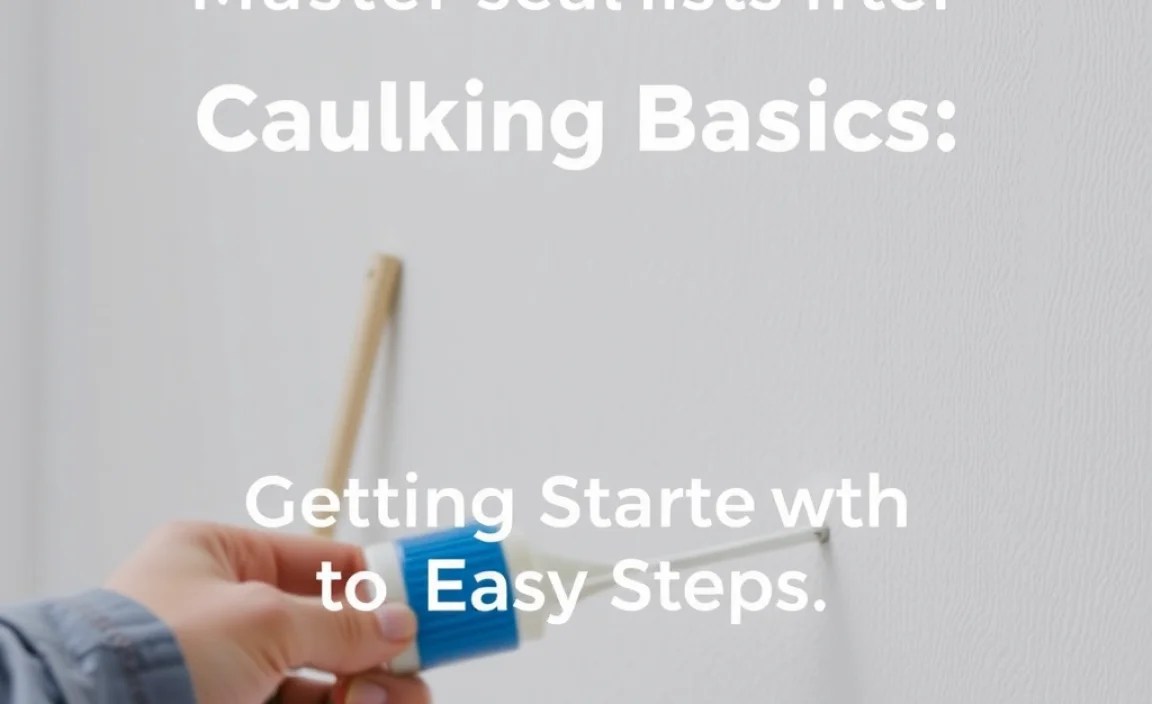
Before you start caulking, prepare your workspace. Clean the area where you’ll apply the caulk. Remove any old caulk or debris. This helps the new caulk stick better. Next, gather your tools. You’ll need a caulk gun, the right caulk, and safety gear. Wearing gloves and goggles protects your hands and eyes. Check the weather if you’re working outside. Dry weather is best for caulking.
- Prepare the area by cleaning it well.
- Remove old caulk for a better seal.
- Gather tools before starting work.
- Wear gloves for hand protection.
- Check the weather for outdoor jobs.
- Avoid working in wet or cold conditions.
- Dry weather helps caulk set properly.
Once you’re ready to start, load your caulk gun. Squeeze the trigger to apply the caulk in a smooth line. Wipe away any extra with a damp cloth. This makes the finished job look neat. Remember, practice makes perfect. The more you caulk, the better you’ll get. Soon, your home will be draft-free and energy-efficient.
Fun Fact or Stats : Caulking a single window can prevent 10 gallons of water from leaking in yearly!
Preparing Your Workspace
Have you ever tried to work in a messy room? It can be hard to concentrate. The same is true for caulking. Before you start, clean your work area. Remove any old caulk and dirt. This helps the new caulk stick well. A clean surface makes the job easier and more effective. Is your workspace ready? Then it’s time to start caulking!
Tools You Will Need
What tools do you need for caulking? The main tool is a caulk gun. You’ll also need the right type of caulk. A utility knife helps cut the caulk tube tip. Use a damp cloth to clean up extra caulk. Safety items like gloves and goggles are important. They protect your hands and eyes. Having the right tools makes the job easier and safer.
Weather Considerations
Did you know that weather can affect caulking? Caulking in wet or cold weather can be tricky. Dry weather is best for caulking because it helps the caulk set properly. If it’s too cold, the caulk might not stick well. Always check the weather forecast before starting your project. This way, you can plan the best time to caulk your home.
Different Types of Caulk and Their Uses

Did you know there are many types of caulk? Each type has a special use. Silicone caulk is great for bathrooms because it’s waterproof. Latex caulk is easy to clean up and paint over. Acrylic caulk works well for indoor projects. Knowing which caulk to use is important. It can make your project last longer and work better. Always read the label before buying caulk.
- Silicone caulk is waterproof, ideal for bathrooms.
- Latex caulk is easy to clean and paint.
- Acrylic caulk is best for indoor use.
- Choose the right caulk for the job.
- Read labels for best usage instructions.
- Different caulk types fit different needs.
- Using the right caulk ensures a long-lasting seal.
Understanding the types of caulk can help you choose the best one for your needs. Reading the labels gives you information about where to use it. Using the right caulk for the right job makes your efforts more effective. Whether it’s for the kitchen or the outside of your home, the right choice matters.
Fun Fact or Stats : Silicone caulk can last up to 20 years in the right conditions!
Silicone Caulk
Have you ever wondered why bathrooms use silicone caulk? It’s because silicone is waterproof. It stops water from leaking into walls or floors. This keeps the bathroom dry and mold-free. Using silicone caulk is easy. Apply it around sinks and tubs. Let it dry completely before using water. Whether you’re new to caulking or a pro, silicone is a great choice for wet areas.
Latex Caulk
Do you need caulk that is easy to clean up? Latex caulk might be your best choice. It’s water-based, so cleanup is simple. Just use water and a cloth. Latex caulk is also great for painting over. This makes it perfect for indoor projects where you want a nice finish. Whether it’s sealing gaps in your living room or around windows, latex caulk works well.
Acrylic Caulk
Have you ever heard of acrylic caulk? It’s a popular choice for many indoor projects. Acrylic caulk is paintable, making it useful for decorative purposes. It is also easy to apply and clean up. Use it to seal gaps around doors, windows, or baseboards. Acrylic caulk helps keep your home looking neat and tidy. It bonds well and lasts a long time.
How To Apply Caulk Properly
Applying caulk may seem tricky, but it’s not. First, clean the area you want to seal. Remove any old caulk or debris. This helps the new caulk stick better. Next, prepare your caulk gun. Cut the tube tip at a 45-degree angle. Load it into the gun. Squeeze the trigger gently to apply a smooth line of caulk. Practice on a piece of cardboard if you need to.
- Clean the area before applying caulk.
- Remove old caulk for best results.
- Cut the tube tip at a 45-degree angle.
- Load the tube into the caulk gun.
- Squeeze the trigger gently for a smooth line.
- Practice on cardboard first.
- Clean extra caulk with a damp cloth.
After applying, smooth the caulk with your finger or a tool. This ensures an even seal. Use a damp cloth to wipe away any extra. Let the caulk dry completely before using the area. This might take a few hours. Remember, practice makes perfect. The more you practice, the better you’ll get. Soon, you’ll be sealing like a pro!
Fun Fact or Stats : Experienced caulkers can seal a window in under 10 minutes!
Preparing Your Surface
Why is cleaning the surface important before caulking? A clean surface ensures the caulk will stick well. Remove old caulk and dirt to help the new caulk bond properly. This step is key for a strong and lasting seal. Make sure to dry the area before applying caulk. A little prep work makes a big difference in the final result.
Using the Right Technique
Have you ever seen a pro apply caulk? It looks so easy! The secret is in the technique. Squeeze the caulk gun gently for a smooth line. Don’t rush; take your time. Practice on a spare surface first. This will help you get comfortable with the tool. Remember, a steady hand and slow pace are key to a neat finish.
Smoothing the Caulk Line
Did you know you can use your finger to smooth caulk? It’s true! After applying, run your finger along the caulk line. This removes any bumps and creates a smooth finish. You can also use a special caulking tool. A damp cloth helps clean up any extra caulk. A smooth caulk line looks nice and seals better.
Common Mistakes and How to Avoid Them

Even with practice, mistakes can happen. But don’t worry! Knowing the common mistakes can help you avoid them. One mistake is using the wrong type of caulk for the job. Always read the caulk label. Another mistake is not cleaning the area first. This prevents the caulk from sticking well. Also, avoid rushing. Take your time for the best result.
- Use the right caulk for your project.
- Always clean the area before caulking.
- Don’t rush the application process.
- Practice on a spare surface first.
- Apply caulk in smooth, even lines.
- Use a damp cloth to clean extra caulk.
- Let the caulk dry completely before use.
Understanding common mistakes helps you do a better job. If you make a mistake, don’t worry. You can always try again. Remember, practice makes perfect. With time and experience, you’ll become a caulking expert. Caulking can be fun and rewarding with the right approach.
Fun Fact or Stats : Proper caulking can save 20% on energy bills by sealing gaps!
Using the Wrong Caulk
Have you ever used the wrong caulk? It can cause problems. The wrong caulk might not stick or last long. For example, using bathroom caulk for windows might not work well. Always read the label to choose the right caulk. This helps ensure your project is successful and long-lasting. With the right caulk, you’ll have fewer headaches!
Not Cleaning the Area
Do you think skipping cleaning will save time? Think again! Not cleaning the area before caulking can cause problems. The caulk might not stick well to dirty surfaces. This can lead to gaps and leaks later. Take the time to clean and dry the area before applying caulk. A little prep work goes a long way!
Rushing the Job
Are you tempted to rush caulking? Rushing can lead to mistakes. A fast job might not seal properly. Take your time to apply caulk smoothly and evenly. Practice helps you get faster over time. Remember, a neat and careful job is more important than speed. Your patience will pay off in the end.
Conclusion
Learning the basics of caulking is a very useful skill. It helps keep your home cozy and energy-efficient. Caulking is not hard, and practice makes perfect. With the right tools and techniques, you can seal gaps like a pro. Start small, and soon you’ll see how easy and rewarding it can be. Enjoy your caulking adventures!
FAQs
Question: What tools do I need for caulking?
Answer: You need a caulk gun, the right type of caulk, and safety gear. A utility knife and a damp cloth are also helpful for cutting the tube tip and cleaning extra caulk. These basics of caulking tools make the job easier and safer.
Question: How can I choose the right caulk?
Answer: Read the caulk label for usage information. Silicone is great for wet areas like bathrooms. Latex is easy to clean and paint. Acrylic works well for indoor use. Choosing the right caulk ensures a lasting seal.
Question: Is caulking only for windows?
Answer: No, caulking can be used in many areas. It seals gaps around doors, bathrooms, and kitchens. It helps prevent water and air leaks, making your home more energy-efficient. Understanding the basics of caulking can help in different areas of your home.
Question: How long does caulk take to dry?
Answer: Drying time depends on the type of caulk. It usually takes a few hours to dry. Always read the instructions on the label. Make sure the caulk is fully dry before using the area. This ensures a strong and lasting seal.
Question: Can I paint over caulk?
Answer: Yes, but only certain types. Acrylic and latex caulks are paintable. Silicone caulk is not. Check the label to see if the caulk is paintable. Painting over caulk can provide a neat finish to your project.
Question: What are the basics of caulking for beginners?
Answer: Beginners should start by choosing the right caulk for their project. Prepare the area by cleaning it well. Apply the caulk in a smooth line using a caulk gun. Finally, smooth the line with your finger or a tool. Practice helps improve the technique and makes caulking easier.
