
Have you ever wondered what makes toilets flush smoothly? A small part called the flush valve is the secret! This valve helps control the water rushing into the toilet bowl. It may seem simple, but knowing the basics of flush valve pros and cons can help you choose the right one. Let’s dive into this important bathroom part!
Key Takeaways
- Flush valves control water flow in toilets effectively.
- Basics of flush valve pros and cons guide choice decisions.
- Efficient flush valves save water and money.
- Not all flush valves fit every toilet model.
- Proper installation ensures long-lasting performance.
Understanding Flush Valves
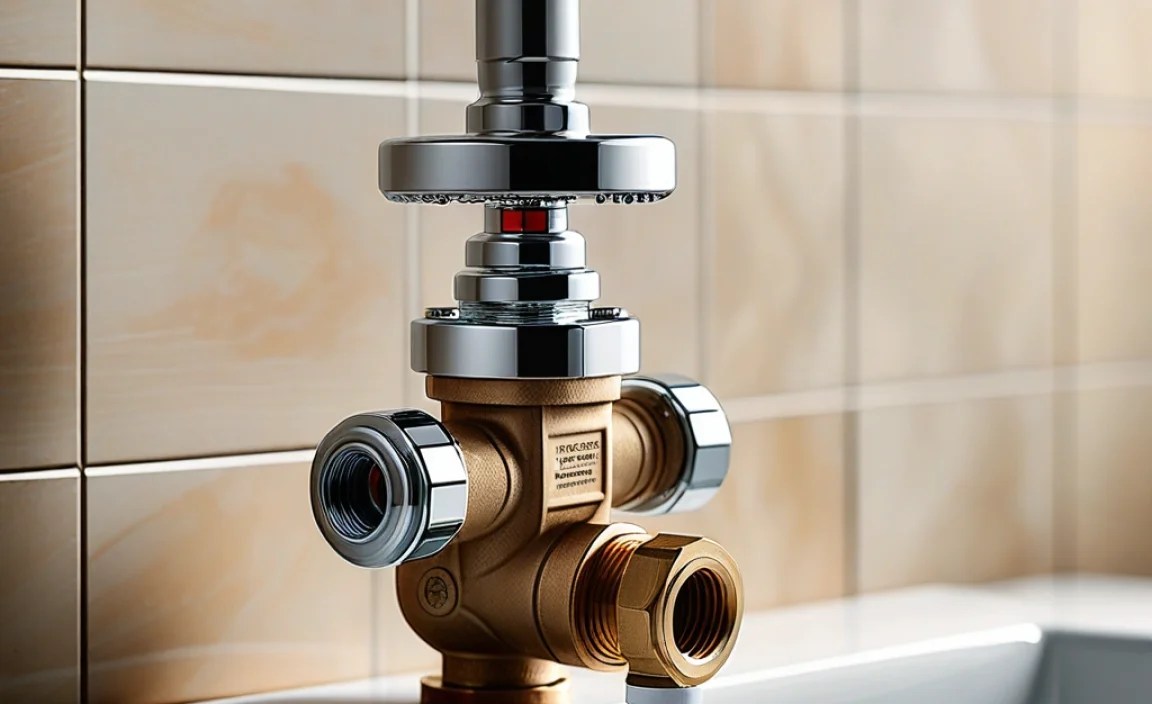
What exactly is a flush valve? It’s a device inside your toilet tank. When you push the handle, the valve opens. This lets water flow into the toilet bowl, cleaning it. There are different types of flush valves, like gravity, pressure-assisted, and dual-flush. Each type works in its own way but serves the same purpose. Let’s explore these types and the basics of flush valve pros and cons.
- Flush valves are located in toilet tanks.
- They release water for flushing.
- Gravity valves use simple mechanics.
- Pressure-assisted valves use air pressure.
- Dual-flush valves offer water-saving options.
- Proper valve choice affects toilet efficiency.
- Regular maintenance can prevent leaks.
Choosing the right flush valve depends on your needs. Do you want a strong flush or a water-saving one? Understanding the basics will help you make the best choice for your bathroom. Remember to consider the size and style of your toilet too.
Fun Fact or Stats : The average toilet uses about 1.6 gallons per flush!
Gravity Flush Valves
Gravity flush valves are the most common type. They use the force of gravity to pull water into the bowl. Imagine pouring a bucket of water into the toilet. That’s how gravity valves work! These valves are simple and reliable. They don’t require extra parts or pressure systems. But are they the best choice? Let’s explore more about them.
Pressure-Assisted Valves
Pressure-assisted valves use air pressure to flush. Imagine squeezing a full balloon. The pressure pushes water into the toilet fast. This makes them powerful and efficient. They are great for heavy-duty flushing. However, they might be noisy. Do you value power over quietness? Think about this when choosing a valve.
Dual-Flush Valves
Dual-flush valves offer two flush options. One for liquid waste and one for solids. Imagine having a light switch with two settings. This design helps save water. You choose the right flush depending on the need. These valves are eco-friendly. Are you interested in conserving water? Dual-flush could be your best option.
Pros and Cons of Flush Valves


Every type of flush valve has benefits and drawbacks. Gravity flush valves are cheap and easy to fix. Pressure-assisted ones offer powerful flushing. But they can be loud and expensive. Dual-flush valves help save water, but they can be complex. Knowing the basics of flush valve pros and cons helps you decide which one is right for you. Let’s break it down further.
- Gravity valves: Affordable and simple design.
- Pressure-assisted: Strong flush, but noisy.
- Dual-flush: Water-saving, but complex.
- Installation varies by valve type.
- Regular maintenance ensures efficiency.
- Cost differences depend on type and brand.
Choosing a flush valve means balancing pros and cons. Do you prioritize cost, performance, or water savings? Each factor can affect your choice. Be sure to match the valve with your toilet’s design and your personal needs.
Fun Fact or Stats : Dual-flush toilets can save up to 68% more water than traditional toilets!
| Valve Type | Cost | Performance | Noise Level |
|---|---|---|---|
| Gravity | Low | Moderate | Quiet |
| Pressure-Assisted | High | High | Noisy |
| Dual-Flush | Moderate | Varied | Quiet |
Why Choose Gravity Valves?
Gravity valves are popular for a reason. They are easy to find and affordable. Their simple design means less can go wrong. If you’re on a budget, these are a good choice. They might not flush as powerfully as pressure-assisted, but they get the job done. Does your bathroom need a simple solution? Gravity valves could be it!
Pressure-Assisted Performance
Imagine the power of a fire hose. That’s what pressure-assisted valves offer. They’re perfect for homes needing extra flushing strength. These valves can handle more waste with less water. But they can be noisy. Are you okay with a bit of noise for better performance? Consider this when choosing a valve.
Dual-Flush Water Savings
Water conservation is important. Dual-flush valves let you control water usage. They offer a choice between a full or half flush. Think about the environment and your water bill. Saving water means saving money. Are you eco-conscious? Dual-flush valves could be your perfect match.
Installation Tips
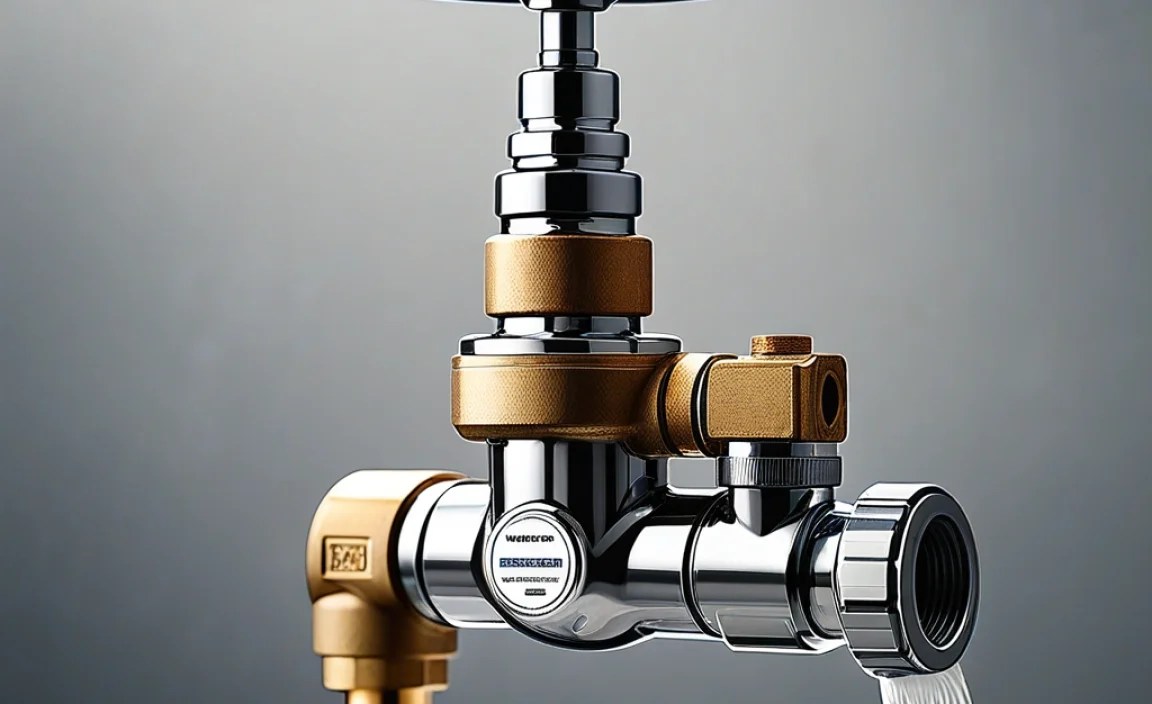
Installing a flush valve isn’t too hard. First, make sure you have the right tools. You’ll need a wrench and a screwdriver. Follow instructions carefully. Make sure the valve fits your toilet. Proper installation ensures the valve works well. Mistakes can lead to leaks or poor performance. Here are some tips to help you.
- Read instructions before starting.
- Turn off the water supply.
- Remove old valve carefully.
- Fit new valve securely.
- Check for leaks after installation.
- Test flush several times.
Don’t rush the installation. Taking your time prevents mistakes. Ask an adult for help if needed. Remember, a well-installed valve lasts longer and works better.
Fun Fact or Stats : The average person flushes the toilet about 5 times a day!
Choosing the Right Tools
Do you have the right tools for the job? A wrench and screwdriver are key. They help you remove the old valve and install a new one. Ask a parent or guardian if you don’t have these tools. Proper tools make the job easier and faster. Safe and correct application ensures a successful installation.
Fitting the Valve
Fitting a new valve isn’t tricky. Ensure it matches your toilet model. Place it correctly for smooth operation. It’s like putting a puzzle piece in the right spot. Double-check the fit. Correct fitting prevents leaks and ensures efficient flushing. Are you ready to try it? Follow instructions and take your time.
Testing for Leaks
Once installed, check for leaks. Turn the water supply back on. Flush the toilet a few times. Look for any water escaping around the valve. No leaks mean a successful job! Leaks can cause water waste and damage. Are you confident it’s leak-free? Test thoroughly to ensure everything is in order.
Conclusion
Understanding the basics of flush valve pros and cons helps pick the right valve. Knowing the types and their features is important. It affects performance and efficiency. Whether you choose gravity, pressure-assisted, or dual-flush, each has advantages. Make an informed decision for a happy bathroom experience.
FAQs
Question: What are the main types of flush valves?
Answer: The main types are gravity, pressure-assisted, and dual-flush valves. Gravity valves use simple mechanics, pressure-assisted offer powerful flushing, and dual-flush help save water. Choosing depends on your needs and bathroom setup. Knowing the basics of flush valve pros and cons helps you decide.
Question: How do dual-flush valves save water?
Answer: Dual-flush valves have two flush options. You can choose a half-flush for liquid waste and a full-flush for solids. This conserves water by using less when possible. They’re a great choice for eco-friendly homes aiming to reduce water use.
Question: Are pressure-assisted valves noisy?
Answer: Yes, pressure-assisted valves can be noisy. They use air pressure to flush, which creates sound. If noise is a concern, consider other options. However, they offer powerful performance. Weigh the basics of flush valve pros and cons to choose what suits your home best.
Question: Can I install a flush valve myself?
Answer: Yes, you can install it yourself with the right tools and instructions. A wrench and screwdriver are essential. Ensure the valve fits your toilet model. Follow the instructions carefully. Always check for leaks after installation to ensure everything is working correctly.
Question: How often should I replace my flush valve?
Answer: Replace your flush valve every 6 to 7 years, or sooner if issues arise. Signs that you need to replace it include leaks, weak flushing, or if the valve is not sealing properly. Regular maintenance can extend the life of your flush valve.
Question: Why is my flush valve leaking?
Answer: A leaking flush valve can be due to poor installation, wear and tear, or a broken seal. Checking the valve for cracks or misalignment can help identify the problem. Addressing leaks promptly prevents water waste and potential damage. Consider the basics of flush valve pros and cons for repair guidance.
