
Have you ever wondered why floors are so smooth and shiny? The secret lies in the basics of tiles in construction. Tiles are like magic pieces that make floors beautiful. They are not only colorful but also long-lasting. Let’s dive into the world of tiles and discover their wonders.
In many homes, hotels, and schools, tiles play a big role. They protect floors and make them look nice. But what makes tiles so special? What are they made of, and how do they fit together like puzzle pieces? If you are curious, you are in the right place. Let’s explore the basics of tiles in construction.
Key Takeaways
- Tiles are key in making floors beautiful and strong.
- Understanding tile types helps choose the right one.
- The basics of tiles in construction involve many steps.
- Tiles come in different materials, sizes, and colors.
- Proper installation ensures tiles last for a long time.
Understanding Tile Materials
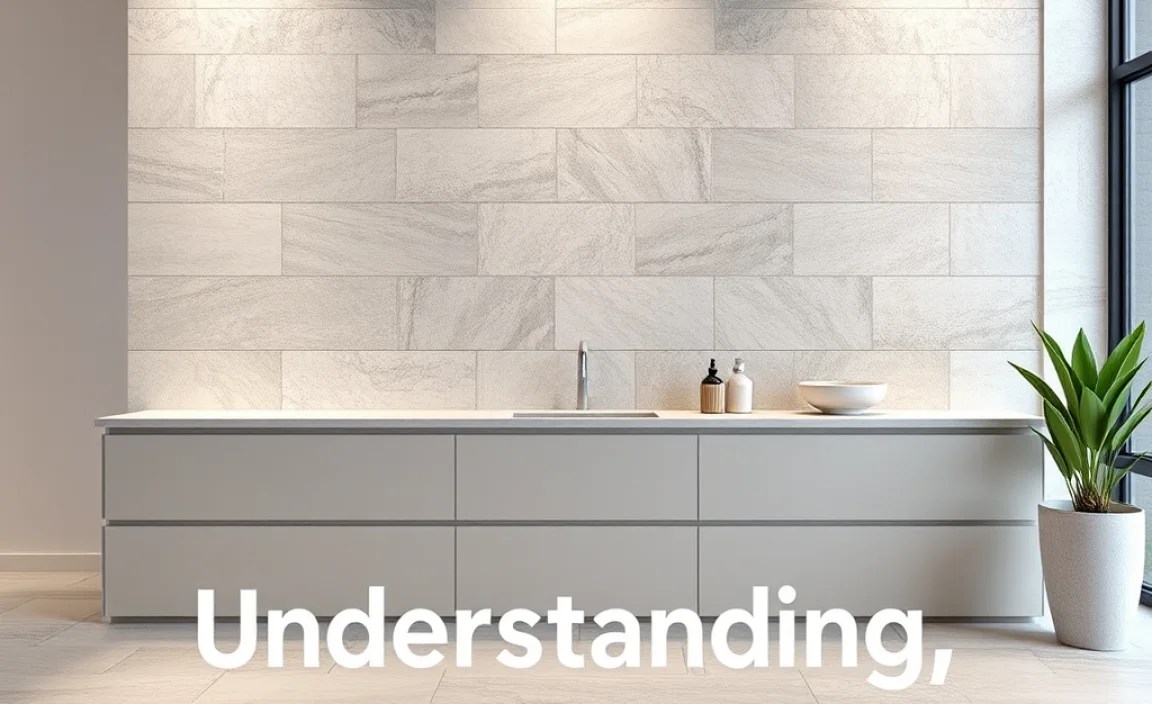
Tiles are made from various materials. Each material has unique properties. Common tile materials include ceramic, porcelain, and stone. Ceramic tiles are made from clay. They are baked at high temperatures. Porcelain tiles are a type of ceramic but are denser and less porous. Stone tiles, like marble and granite, are natural and elegant. Choosing the right material depends on the use and location of the tiles.
- Ceramic is affordable and easy to install.
- Porcelain is strong and water-resistant.
- Stone tiles add a natural look.
- Each material has different maintenance needs.
- Consider where you will use the tiles.
- Tiles come in various colors and designs.
- Some materials are more slip-resistant than others.
Knowing the materials helps in choosing the right tiles for different areas. For example, bathrooms need water-resistant tiles like porcelain. Kitchens can also benefit from durable and easy-to-clean tiles. In living rooms, stone tiles can add elegance and warmth. Understanding the basics of tiles in construction helps make smart choices. Always select tiles that fit the purpose and style of the space.
Fun Fact or Stats : Did you know porcelain tiles can last over 50 years?
What Are Ceramic Tiles?
Ceramic tiles are popular in many homes. They are made from clay and other natural materials. The process begins with shaping the clay into tiles. Then, the tiles are heated in a kiln to harden them. This makes them strong and durable. Why choose ceramic? They are easy to clean and come in many colors. Ceramic tiles are often used in bathrooms and kitchens. They resist water and stains well. Do you remember seeing shiny tiles at Grandma’s house? They might have been ceramic!
Advantages of Porcelain Tiles
Porcelain tiles are a favorite for many reasons. They are dense and less porous than ceramic. This makes them highly water-resistant. If you spill water on them, it won’t soak in. Porcelain tiles are also very strong. They can handle heavy foot traffic without breaking. Have you seen tiles that look like wood? Those are often porcelain! Because of their durability, they are great for outdoor use too. With porcelain tiles, you can have the beauty of wood without the worry of water damage.
The Beauty of Stone Tiles
Stone tiles bring nature indoors. They are made from real stone like marble, granite, and slate. Each stone tile is unique because of its natural patterns. Imagine walking on a piece of Earth inside your home. That’s what stone tiles offer. They are perfect for adding luxury to any space. However, stone tiles require special care. They need to be sealed to protect against stains. But the beauty they add is worth the extra care. Ever seen a hotel lobby with shiny floors? Those might be stone tiles.
Tile Sizes and Patterns
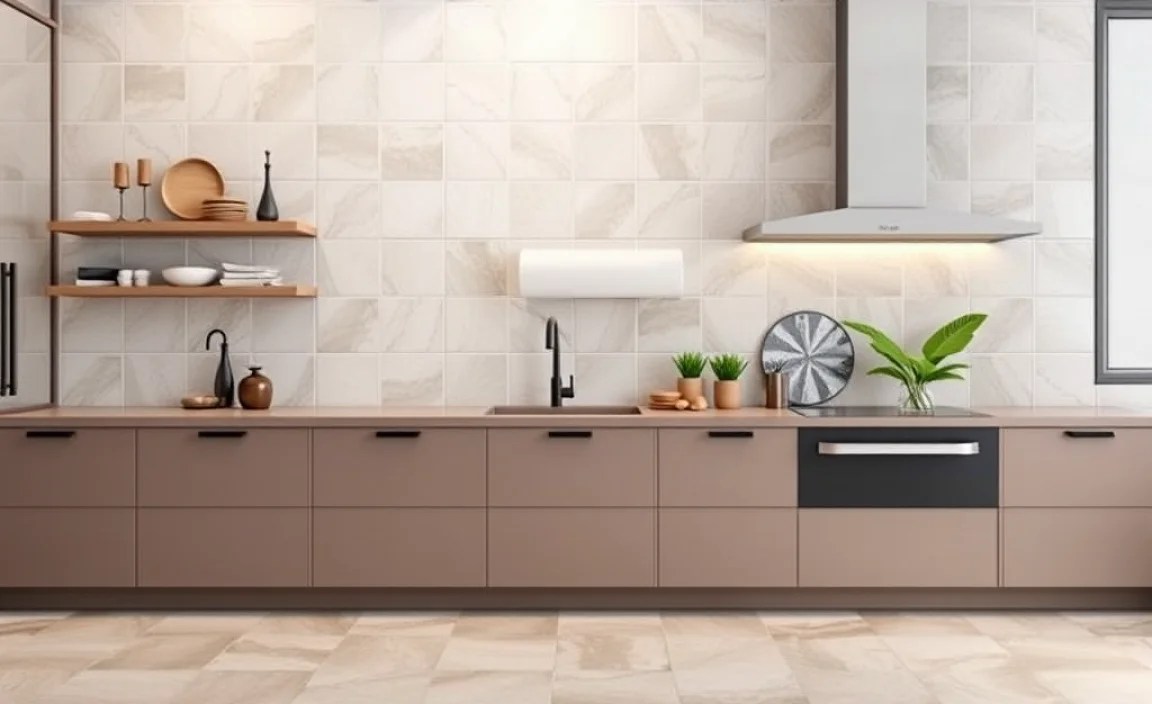
Tiles come in many sizes and patterns. This variety allows for creative designs. Small tiles can create detailed mosaics. Large tiles often make spaces look bigger. Patterns like herringbone or basketweave add style to floors. When choosing tile size, consider the room size. Big rooms can handle larger tiles. Small rooms might look better with smaller tiles. Mixing sizes and patterns can also create a unique look. The basics of tiles in construction include knowing size and pattern options.
- Small tiles are great for intricate designs.
- Large tiles make spaces feel open.
- Patterns add visual interest to floors.
- Matching grout color with tiles enhances look.
- Tile layout can affect room’s appearance.
- Consider ease of cleaning when choosing pattern.
- Mixing tiles creates unique designs.
Choosing the right size and pattern can transform a space. Want a modern look? Go for large tiles with a simple pattern. Prefer something traditional? Small tiles with a bold pattern might be perfect. The right combination of size and pattern can enhance the beauty of any room. Remember, the basics of tiles in construction not only include materials and sizes but also the creative use of patterns.
Fun Fact or Stats : The largest ceramic tile ever made is over six feet long!
Why Tile Size Matters
Tile size can change how a room feels. Large tiles make a small room seem bigger. They have fewer grout lines, which leads to a seamless look. Small tiles, on the other hand, are perfect for tiny spaces. They add texture and detail. Think of a shower floor with tiny mosaic tiles. The choice of tile size affects cleaning too. Bigger tiles mean less grout to clean. Which tile size suits your space?
Choosing the Right Pattern
Patterns can make or break a room’s design. Some patterns are simple, like straight lines. Others, like herringbone, add complexity. Imagine a kitchen floor with a checkerboard pattern. It can make the kitchen lively and fun. Patterns also affect how you see a space. A diagonal layout can make a narrow room feel wider. Choosing the right pattern is essential in tile construction basics. Do patterns excite you?
Mixing Tile Sizes and Patterns
Mixing tiles can create a unique look. You can combine small and large tiles. This creates a dynamic and interesting floor. Imagine a bathroom with a border of small tiles and a center of large ones. It adds depth and style. Mixing tiles allows for personal expression. But remember, balance is key. Too many patterns can look chaotic. Think of mixing tiles like cooking. A little spice makes the dish, but too much can ruin it. Ready to create your own tile masterpiece?
Proper Tile Installation
Installing tiles correctly is crucial for their longevity. The process begins with preparing the surface. It must be clean and level. Next, adhesive is applied to hold the tiles in place. Tiles are then laid carefully, ensuring even spacing. Grout fills the gaps between tiles, adding strength. Proper installation ensures tiles stay in place for years. Mistakes during installation can lead to loose tiles and cracks. That’s why knowing the basics of tiles in construction includes understanding installation steps.
- Surface preparation is key for tile stability.
- Use the right adhesive for tile type.
- Even spacing prevents misalignment.
- Grout fills gaps and strengthens tile bonds.
- Check for loose tiles during installation.
- Use tile spacers for consistent gaps.
- Allow proper drying time for adhesive and grout.
Installing tiles might sound simple, but it’s a skillful process. It requires attention to detail and patience. A well-installed tile floor can last decades. Errors, however, can lead to costly repairs. Always consider professional help if unsure. Remember, the beauty and durability of a tile floor depend on proper installation.
Fun Fact or Stats : The Great Wall of China used tiles over 2,000 years ago!
Steps in Tile Installation
Have you ever built a puzzle? Installing tiles is a bit like that. First, you prepare the surface. Make sure it’s clean and flat. Next, spread adhesive evenly where the tile will go. Lay the tiles carefully. Use spacers to keep them even. Finally, fill the spaces with grout. It keeps tiles in place. Installation takes time and care. Too much haste can ruin the job. Like a puzzle, patience and precision lead to perfection.
Importance of Proper Surface Preparation
Starting with a good base is crucial for tile success. Imagine trying to build a Lego tower on a wobbly table. It would not stand for long. The same applies to tiles. The floor must be flat and clean. If not, tiles may crack or come loose. Surface preparation is a vital step in the basics of tiles in construction. It ensures the tiles are secure and long-lasting. Ever seen a cracked tile? It might be due to poor preparation.
Using the Right Adhesive and Grout
Have you used glue to fix a broken toy? Adhesive is like glue for tiles. It holds them in place. Choosing the right adhesive is important. Different tiles need different adhesives. After laying tiles, grout fills the gaps. It strengthens the tiles and prevents dirt from settling. Using the right grout ensures a long-lasting floor. Without it, tiles might shift or get damaged. Picking the right adhesive and grout is key to tile installation success.
Caring for Your Tiles
Keeping tiles clean and in good condition is important. Regular cleaning prevents dirt build-up. It keeps tiles shining bright. Use a damp mop for ceramic and porcelain. Stone tiles need special cleaners to avoid damage. Avoid harsh chemicals that can scratch tiles. Sealing stone tiles adds protection from stains. Proper care ensures tiles last longer and look their best. Knowing the basics of tiles in construction includes understanding maintenance.
- Clean tiles regularly with appropriate cleaners.
- Avoid harsh chemicals on tiles.
- Seal stone tiles to prevent stains.
- Use mats to reduce dirt on tile floors.
- Repair damaged grout promptly.
- Inspect tiles regularly for cracks.
- Polish tiles occasionally for extra shine.
Caring for tiles might seem like a chore, but it’s worth it. Regular maintenance keeps them looking new and extends their life. A well-maintained tile floor can enhance the beauty of any room. Remember, the basics of tiles in construction also include proper care and maintenance.
Fun Fact or Stats : Ceramic tiles can resist heat up to 2,000 degrees Fahrenheit!
Regular Cleaning Routines
Keeping tiles clean is like brushing your teeth. It keeps them healthy and shining. Regular cleaning stops dirt from settling. Use a soft mop or cloth for ceramic and porcelain. For stone tiles, choose gentle, stone-safe cleaners. Avoid harsh chemicals as they can damage tiles. Make cleaning a habit. It saves time and keeps tiles beautiful. Do you remember Mom’s shiny kitchen floor? It stayed that way because she cleaned it regularly.
Sealing Stone Tiles
Stone tiles are beautiful but need special care. They are porous, which means they can absorb liquids. Sealing them adds a protective layer. It prevents stains and damage. Think of sealing like putting on sunscreen. It shields tiles from spills and dirt. Most stone tiles require sealing every year. It’s a small effort for long-lasting beauty. Ever seen a stained stone tile? It might have been unsealed.
Fixing Grout and Tile Repairs
Grout holds tiles together. Over time, it can crack or get dirty. Fixing grout is important to keep tiles secure. Cleaning grout can make a big difference. Sometimes tiles crack or chip. Quick repairs prevent bigger problems. Have you ever stepped on a loose tile? It feels and sounds different. Fixing it right away keeps the floor safe and beautiful. Taking care of grout and tiles ensures your floors last longer.
Tiles in Different Spaces
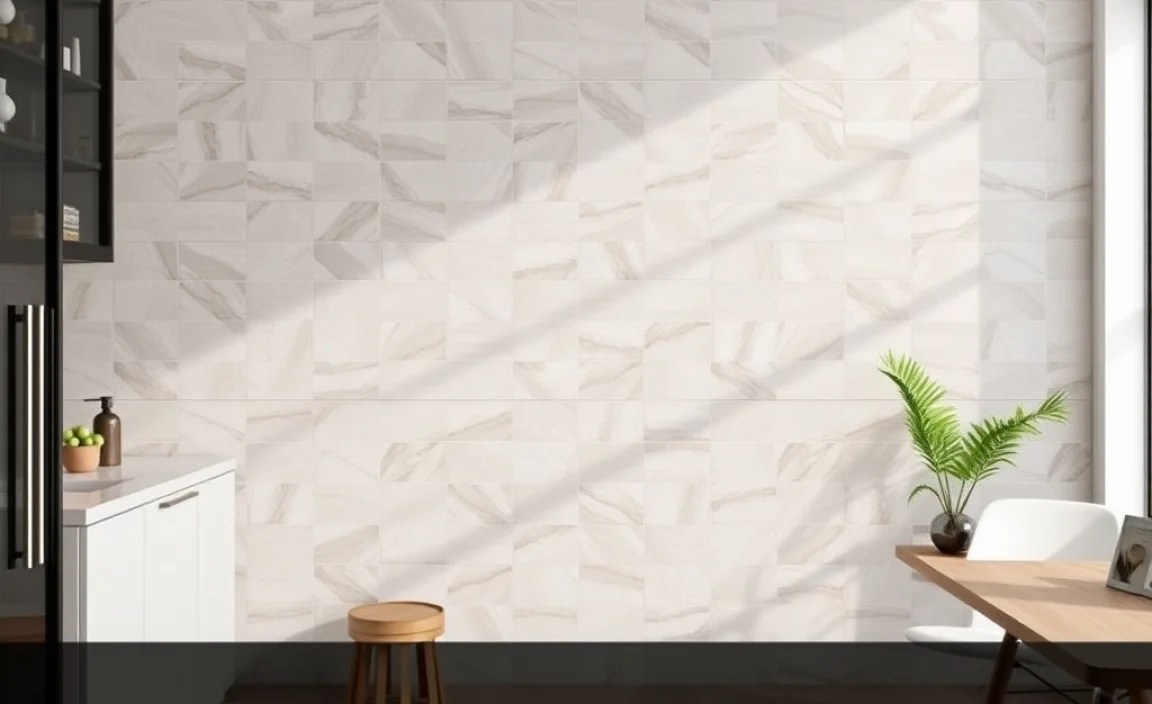
Tiles are versatile and can be used in many places. They beautify kitchens, bathrooms, and even outdoor areas. In kitchens, tiles resist spills and heat. In bathrooms, they handle water splashes. Outdoors, they withstand weather changes. Knowing which tiles suit each space is part of the basics of tiles in construction. Choosing the right tile for each space enhances its function and beauty.
- Kitchen tiles resist heat and stains.
- Bathroom tiles need to be water-resistant.
- Outdoor tiles should withstand weather changes.
- Living room tiles add elegance and warmth.
- Entryway tiles handle heavy foot traffic.
- Patio tiles should be slip-resistant.
- Poolside tiles need to be non-slip and water-resistant.
Using tiles in the right places enhances a home’s function and style. In kitchens, bright and durable tiles create a cheerful space. In bathrooms, water-resistant tiles ensure safety and cleanliness. Outdoors, weather-resistant tiles keep spaces looking great all year round. The basics of tiles in construction include choosing the right tiles for the right spaces.
Fun Fact or Stats : The world’s largest ceramic tile mural is over 44,000 square feet!
Kitchen Tiles
Imagine cooking in a kitchen with sparkling tiles. They not only look good but are practical too. Kitchen tiles resist heat and spills. They are easy to clean, making them ideal for this busy space. Ceramic and porcelain tiles are popular choices. They handle the kitchen environment well. Have you ever seen tiles with fruit designs? They add a fun touch to any kitchen.
Bathroom Tiles
Bathroom tiles need to be water-resistant. They keep the space safe and clean. Ceramic and porcelain tiles work well here. Their smooth surface makes cleaning easy. Stone tiles can add luxury but need sealing. Have you noticed tiles with fish or seashell designs? They create a coastal vibe in bathrooms. Choosing the right tiles ensures a safe and stylish bathroom.
Outdoor Tiles
Outdoor tiles face challenges from weather. They need to be durable and slip-resistant. Porcelain tiles are a popular choice. They resist moisture and temperature changes. Stone tiles add a natural look to gardens and patios. Have you walked on a beautifully tiled garden path? It feels like stepping into a storybook. Outdoor tiles enhance your garden’s beauty while ensuring safety.
| Tile Use | Material | Resistance | Ideal Location |
|---|---|---|---|
| Kitchen | Ceramic | Heat and stains | Floors, backsplashes |
| Bathroom | Porcelain | Water | Floors, walls |
| Outdoor | Stone | Weather | Patios, pathways |
| Poolside | Porcelain | Slip | Pool edges |
Conclusion
The basics of tiles in construction cover much more than meets the eye. From understanding materials to choosing the right size and pattern, every detail is important. Tiles not only beautify spaces but also protect them. Proper installation and care ensure they last long. By choosing the right tiles for each space, you enhance both function and aesthetics. Embrace the magic of tiles and transform your spaces.
FAQs
Question: What are the basics of tiles in construction?
Answer: The basics include selecting the right material, size, and pattern. Proper installation and maintenance are also crucial. Each step ensures tiles are beautiful and durable.
Question: Why are tiles important in construction?
Answer: Tiles add beauty and protection to floors and walls. They are durable, easy to clean, and come in many designs. Tiles enhance a room’s function and appearance.
Question: What materials are tiles made from?
Answer: Common materials include ceramic, porcelain, and stone. Each material has unique properties. Choosing the right material is part of the basics of tiles in construction.
Question: How do I choose the right tile size?
Answer: Consider the room size and design. Large tiles make spaces look bigger. Small tiles add detail. The right size enhances the room’s appearance and function.
Question: What is the importance of tile patterns?
Answer: Patterns add visual interest to floors and walls. They can affect how a room looks and feels. Choosing the right pattern is an important step in tile construction.
Question
