
Tiles are everywhere! They are in kitchens, bathrooms, and even on floors. But do you know why people choose tiles? Understanding the basics of tiles pros and cons can help you make the right choice. Tiles come in many shapes, sizes, and materials, each with its own strengths and weaknesses. Ready to learn more about the fascinating world of tiles?
Key Takeaways
- Tiles come in various shapes, sizes, and materials.
- Knowing tiles’ pros and cons aids in making informed choices.
- Tiles are durable and easy to clean.
- Some tiles can be slippery when wet.
- Tiles can fit any home style or design.
The Basics of Tile Materials

Tiles can be made from different materials like ceramic, porcelain, and stone. Each type has unique properties that make them suitable for different areas. Ceramic tiles are popular in homes because they are affordable and come in many designs. Porcelain tiles are denser and less porous, making them great for wet areas like bathrooms. Stone tiles, such as marble and granite, are natural and provide a luxurious look. But, they can be expensive and need regular care. Understanding the basics of tiles pros and cons helps you pick the right tile material for your needs.
- Ceramic tiles are affordable and easy to clean.
- Porcelain tiles are water-resistant and durable.
- Stone tiles offer a natural, stylish look.
- Glass tiles are shiny and great for accents.
- Mosaic tiles add color and creativity to designs.
- Cement tiles provide strength and a rustic feel.
- Metal tiles are modern and easy to maintain.
Choosing the right tile material depends on where you will use it. For instance, kitchens and bathrooms benefit from water-resistant tiles like ceramic or porcelain. Living rooms can have stone tiles for a classy touch. Remember, each tile has its own care needs. Some tiles need sealing or polishing, while others just require regular cleaning. This way, you can enjoy their beauty for a long time.
Fun Fact or Stats : Did you know porcelain tiles originated in China over 1,000 years ago?
Ceramic Tiles Explained
Ceramic tiles are made from clay and then baked at high temperatures. This process makes them strong and long-lasting. Many homes use ceramic tiles in areas like kitchens and bathrooms. Why are they so popular? Ceramic tiles are easy to clean and maintain. They come in many colors and patterns, so you can match them with any decor. However, they can chip if something heavy falls on them.
Porcelain Tiles Advantages
Porcelain tiles are like a stronger cousin to ceramic tiles. They are also made from clay but baked at even higher temperatures. This makes them denser and less likely to absorb water. That’s why they are perfect for bathrooms and outdoor areas. Porcelain tiles can mimic the look of stone or wood, offering style without the cost. Next time you walk on a shiny tile floor, check if it’s porcelain!
Stone Tiles for Elegance
Stone tiles are made from natural rocks like marble, granite, and travertine. They bring a touch of nature into your home. Each stone tile is unique with its own patterns and colors. This gives a luxurious feel to spaces like living rooms and hallways. Stone tiles need extra care. They can stain if not sealed regularly. But the beauty they add is often worth the effort!
Understanding Tile Sizes and Shapes
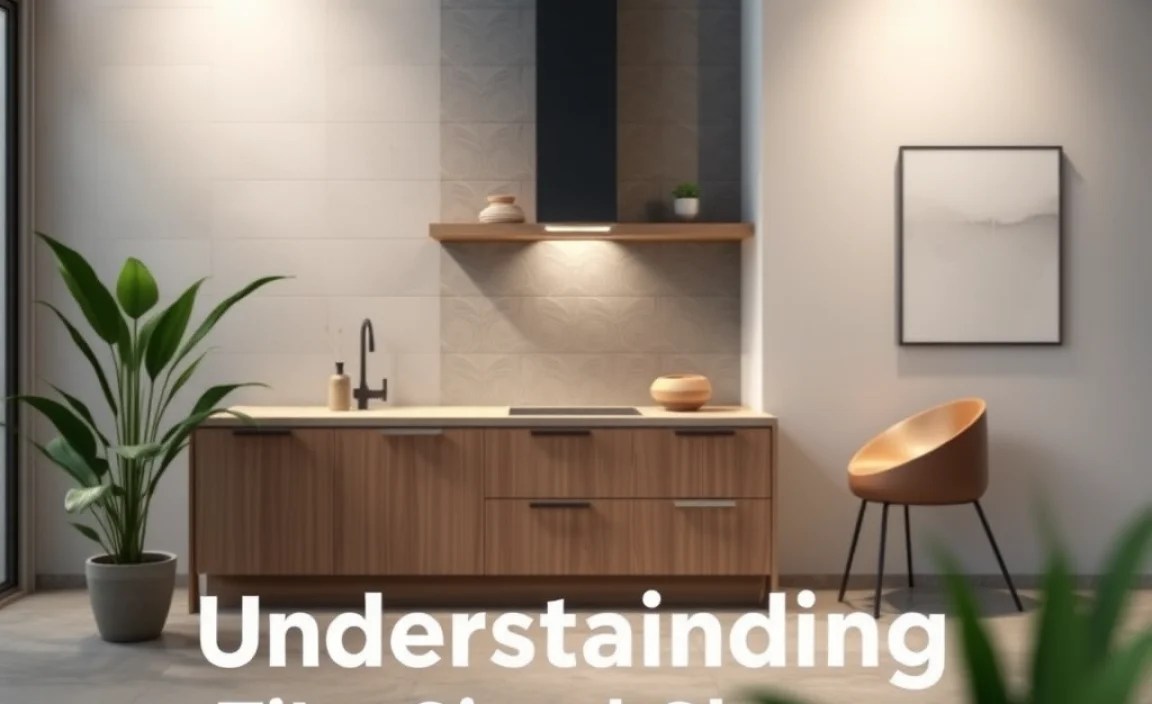
Tiles are not just square pieces. They come in different sizes and shapes. Small tiles like mosaics can create intricate designs. Large tiles make big spaces look even bigger. Rectangular tiles are common for walls, while hexagonal tiles add a touch of fun. Knowing the basics of tiles pros and cons helps you choose the right size and shape for your space. A big room might benefit from larger tiles, reducing the number of grout lines.
- Square tiles are the most common type.
- Rectangular tiles are great for modern designs.
- Hexagonal tiles add a playful element.
- Large tiles make small rooms feel bigger.
- Small tiles are perfect for detailed patterns.
- Mosaic tiles allow for creative designs.
- Subway tiles are popular for backsplashes.
Choosing the right tile shape can change the look of your room. Square tiles give a classic look, while hexagonal or mosaic tiles offer creativity. Large tiles reduce grout lines, which can make cleaning easier. Small tiles are great for adding details and color. For a sleek, modern look, rectangular tiles are a top choice. Play with different shapes to find the best fit!
Fun Fact or Stats : The world’s largest tile floor is in Italy, spanning over 1 million square feet!
Square Tiles in Homes
Square tiles are a popular choice because of their simple design. They are easy to install and fit well in any room. Most square tiles range from 1 inch to 24 inches. They come in many colors and patterns, making it easy to match them with different styles. Many schools and public places use square tiles because they are durable and easy to clean. Would you choose square tiles for your home?
Rectangle Tiles for Modern Look
Rectangle tiles, also known as subway tiles, are trendy in modern homes. They are often used for kitchen backsplashes and bathroom walls. Their long shape gives a sleek and clean appearance. You can arrange them in different patterns like herringbone or stacked. This versatility makes them a favorite for designers. Imagine how a touch of rectangle tiles could change your space!
Creative Hexagonal Tiles
Hexagonal tiles bring a playful and artistic touch to any room. They have six sides and come in many sizes. This shape allows for unique and eye-catching designs. You can mix different colors or materials to create a mosaic effect. Hexagonal tiles work great on floors and walls. They are sometimes used in bathrooms to add a modern twist. Would you like to try hexagonal tiles?
Tile Installation Basics
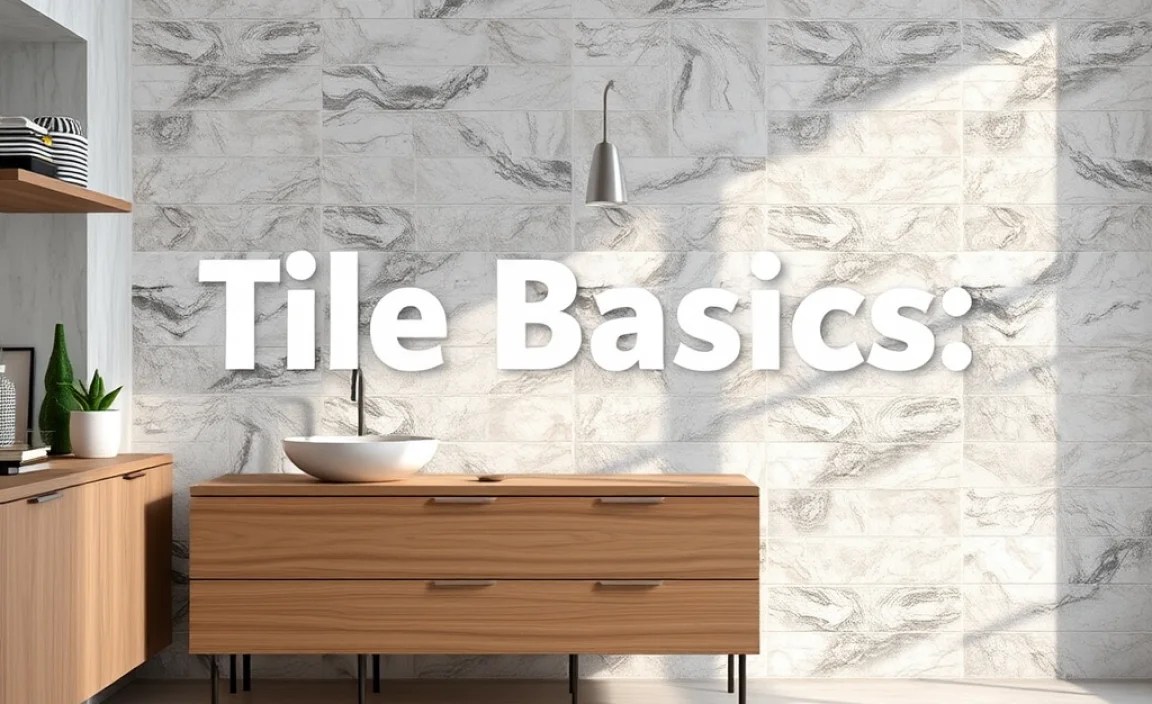
Installing tiles might seem like a daunting task, but knowing the basics can help. First, measure the area where you plan to install tiles. This helps you buy the right amount. Prepare the surface by cleaning and leveling it. Use tile adhesive to stick the tiles in place. Once set, apply grout to fill the gaps. Finally, clean the tiles and let them dry. Knowing the basics of tiles pros and cons can make installation easier.
- Measure the area before buying tiles.
- Prepare a clean and level surface.
- Use adhesive to stick tiles.
- Apply grout to fill gaps.
- Clean tiles after installation.
- Let tiles dry before use.
- Consider hiring a professional for complex projects.
Installing tiles requires patience and precision. Start by laying out the tiles to plan the pattern. Cut tiles as needed to fit around edges. Use spacers between tiles for even grout lines. After grouting, clean off any excess with a damp sponge. Be sure to follow drying times for adhesive and grout. With careful planning, tile installation can be a rewarding DIY project.
Fun Fact or Stats : The Ancient Romans invented tile mosaics over 2,000 years ago!
Planning Your Tile Layout
Planning a tile layout is like solving a puzzle. You need to think about how each piece fits together. Before you start, lay out the tiles on the floor. This helps you see the pattern and make adjustments. Consider starting at the center of the room for a balanced look. Use spacers to keep tiles evenly spaced. Did you know that planning can save you from cutting too many tiles?
Using the Right Tools
Having the right tools can make tile installation easier. A tile cutter helps you cut tiles to fit edges. Tile spacers ensure even gaps for grout. A notched trowel spreads adhesive evenly. A grout float applies grout between tiles. Finally, a sponge wipes away excess grout. Using these tools helps achieve a professional finish. Are you ready to start tiling like a pro?
Challenges in Tile Installation
Tile installation can have challenges, but you can overcome them with preparation. Uneven surfaces can cause tiles to crack. Make sure to level the surface before starting. Tiles can also shift during installation. Use spacers to keep them in place. Grout can dry quickly, so work in small sections. If you make a mistake, don’t worry. Carefully remove and reposition the tile. Facing these challenges helps you learn and improve!
Tile Maintenance and Care
Keeping your tiles looking new requires regular maintenance. Cleaning tiles is simple. Use a mild cleaner and a soft cloth. Avoid harsh chemicals that can damage the surface. Seal porous tiles like stone to prevent staining. Grout lines can collect dirt, so clean them with a brush. Understanding the basics of tiles pros and cons helps you care for them properly and extend their lifespan.
- Clean tiles with mild cleaners.
- Seal porous tiles to prevent stains.
- Regularly clean grout lines with a brush.
- Avoid harsh chemicals on tiles.
- Use a soft cloth to prevent scratches.
- Check tiles for cracks or damage.
- Replace broken tiles promptly.
Proper care keeps your tiles looking great for years. Regular cleaning prevents dirt buildup. Sealing tiles, especially stone, protects them from moisture. Check for any cracks or chips and repair them quickly. This prevents further damage. With the right care, tiles can last a lifetime. Don’t forget, maintaining tiles is an important part of keeping your home beautiful!
Fun Fact or Stats : The oldest known tiled floor was found in Mesopotamia, dating back to 4000 BC!
Why Seal Your Tiles?
Sealing tiles creates a protective layer on the surface. This is especially important for porous materials like stone. Sealing prevents liquids from seeping into the tile and causing stains. It also makes cleaning easier. You should seal tiles every few years to keep them in good condition. Have you ever tried sealing tiles? It can make a big difference in their appearance!
Cleaning Tile Grout
Grout lines can get dirty over time. Cleaning them is important for keeping tiles looking fresh. Use a mixture of water and baking soda for a gentle clean. Apply it to the grout lines and scrub with a brush. Rinse with water and wipe dry. This simple method helps remove stains and dirt. Do you have grout that needs cleaning? Give this technique a try!
Repairing Damaged Tiles
Sometimes tiles get damaged. A heavy object might crack a tile or it may chip. Replace broken tiles to prevent further issues. Remove the damaged tile carefully. Clean the area and apply new adhesive. Place the new tile and add grout. This fixes the problem and keeps your tiles looking nice. Have you ever replaced a tile? It can be a great learning experience!
Comparing Tiles: Pros and Cons
When choosing tiles, it’s important to weigh the pros and cons. Tiles are durable, easy to clean, and come in many designs. However, they can be cold and hard underfoot. Some tiles can be slippery when wet. Others, like stone, are costly and need special care. Knowing the basics of tiles pros and cons helps you make the best choice for your home.
- Tiles are durable and long-lasting.
- They are easy to clean and maintain.
- They come in a variety of styles.
- Some tiles can be slippery when wet.
- Stone tiles can be expensive.
- Tiles can feel cold underfoot.
- Tiles require careful installation.
Choosing tiles involves thinking about what you need in your space. Consider the room’s function and who will use it. For example, bathrooms need non-slip tiles, while living rooms might benefit from warmer tiles. Compare the cost, durability, and maintenance of each tile to find the perfect fit. Thinking about these factors ensures your tiles will serve you well.
Fun Fact or Stats : In Ancient Greece, decorated tiles were used for storytelling!
| Material | Pros | Cons |
|---|---|---|
| Ceramic | Affordable, easy to clean | Can chip easily |
| Porcelain | Water-resistant, durable | Higher cost |
| Stone | Luxurious, natural look | Requires regular sealing |
| Glass | Stylish, reflective | Can be slippery |
Durability of Tiles
Tiles are known for their durability. They can withstand heavy foot traffic, making them ideal for busy areas. Unlike carpets, tiles don’t wear out as quickly. This means they can last a long time without needing replacement. Their hard surface is resistant to scratches and stains. Have you ever walked on a tile floor and noticed how strong it feels?
Style and Versatility
Tiles offer endless design possibilities. With so many colors and patterns, you can create any look. From a modern, sleek bathroom to a rustic kitchen, tiles can do it all. Mix and match different materials for a unique style. Their versatility makes them a favorite in both homes and commercial spaces. How would you use tiles to express your style?
Care and Maintenance
Tiles are easy to care for. Regular sweeping and mopping keep them clean. Unlike carpets, they don’t trap dust or allergens. This makes them a healthy choice for homes. Sealing certain tiles, like stone, helps maintain their beauty. Proper care ensures tiles remain in good condition for years. Do you think tiles are easier to care for than other flooring options?
Conclusion
Understanding the basics of tiles pros and cons helps you make smart choices. Tiles offer durability, style, and easy maintenance. However, some types can be costly or slippery. Consider what best fits your home and needs. With the right knowledge, you can enjoy the beauty and benefits of tiles for a long time.
FAQs
Question: What are the main types of tile materials?
Answer: The main types of tile materials include ceramic, porcelain, stone, glass, cement, and metal. Each material has its own pros and cons. For example, ceramic is affordable and easy to clean, while stone offers a luxurious look. Understanding the basics of tiles pros and cons helps in choosing the right material for your needs.
Question: How should I clean my tiles?
Answer: To clean tiles, use a mild cleaner and a soft cloth. Avoid harsh chemicals that can damage the surface. Regular cleaning keeps tiles looking fresh. For grout, use a brush and a mixture of water and baking soda. This helps remove dirt and stains, making your tiles shine.
Question: Why should I seal certain tiles?
Answer: Sealing tiles, especially porous ones like stone, creates a protective layer. It prevents liquids from seeping in and causing stains. Sealing also makes cleaning easier. Regular sealing ensures tiles stay in good condition, extending their lifespan. It’s an important part of tile maintenance.
Question: What are the pros and cons of ceramic tiles?
Answer: Ceramic tiles are affordable and come in many designs. They are easy to clean and are perfect for kitchens and bathrooms. However, they can chip if something heavy falls on them. Understanding the basics of tiles pros and cons helps you make informed decisions about using ceramic tiles.
Question: Are tiles a good choice for all rooms?
Answer: Tiles are versatile and can be used in many rooms, like kitchens and bathrooms. However, they can feel cold and hard underfoot, so they might not be ideal for bedrooms or living areas where warmth and comfort are priorities. Consider room function when choosing tiles.
Question: Can I install tiles myself?
Answer: Yes, with the right tools and preparation, you can install tiles yourself. Measure the area, prepare a clean surface, and use adhesive to stick tiles. Apply grout between tiles and let them dry. For complex projects, consider hiring a professional to ensure the best results.
