
The P-trap is a simple U-shaped pipe under your sink that’s crucial for preventing sewer gases from entering your home. Understanding its basics ensures a healthy and odor-free living space. This guide will walk you through what a P-trap is, why it’s vital, and how to keep it functioning smoothly.
Ever noticed a funny smell coming from your sink drain, especially after it hasn’t been used for a while? You’re not alone! This common plumbing puzzle is usually the work of a sneaky sewer gas, and the hero standing guard against it is a humble pipe fitting called a P-trap. It might look simple, but this U-shaped curve is one of the most important parts of your home’s plumbing system.
Without it, your kitchen or bathroom could quickly start smelling like the sewer. Don’t worry if the term “P-trap” sounds a bit technical; we’re going to break down exactly what it is, why it matters so much, and how you can make sure it’s always doing its job. We’ll cover everything you need to know, from its basic function to simple troubleshooting tips, so you can tackle any P-trap mysteries with confidence.
What Exactly is a P-Trap in Plumbing?

A P-trap is a plumbing fixture designed to hold a small amount of water. It’s typically located directly beneath a sink, drain, or other plumbing fixture. Its distinctive U-shape is key to its function. When water flows through the drain, some of it gets intentionally trapped in this bend, creating a water seal.
This water seal acts as a barrier. It effectively blocks unpleasant and potentially harmful sewer gases from traveling up the drainpipe and into your home. These gases are a byproduct of the decomposition of waste in the sewer system or septic tank and can contain methane, hydrogen sulfide, and other volatile compounds that are not only smelly but can also be unhealthy to breathe in large concentrations. The P-trap ensures these gases stay where they belong – in the drainage system.
P-traps are usually made of plastic (PVC or ABS) or metal (like galvanized steel or brass). While they are robust, they can sometimes get clogged or develop leaks, requiring a homeowner’s attention.
The Science Behind the Water Seal
The magic of the P-trap lies in a simple principle of physics: gravity and water’s natural tendency to seek its own level. When you run water down the drain (whether it’s from your sink, shower, or toilet), the water flows through the trap. Because of the U-shape, the water cannot completely drain out due to atmospheric pressure and gravity. A small amount of water is retained in the lowest part of the bend, creating a liquid seal.
This water seal is crucial. It’s what prevents sewer gases, which are typically lighter than air and would otherwise rise through the pipes, from entering your living space. Think of it like a small plug of water that stops unwanted gases from passing through. This is why it’s particularly important to run water in drains that aren’t used frequently. If the water in the P-trap evaporates, the seal is broken, and you’ll start to smell those tell-tale sewer odors.
Why is the P-Trap So Important?
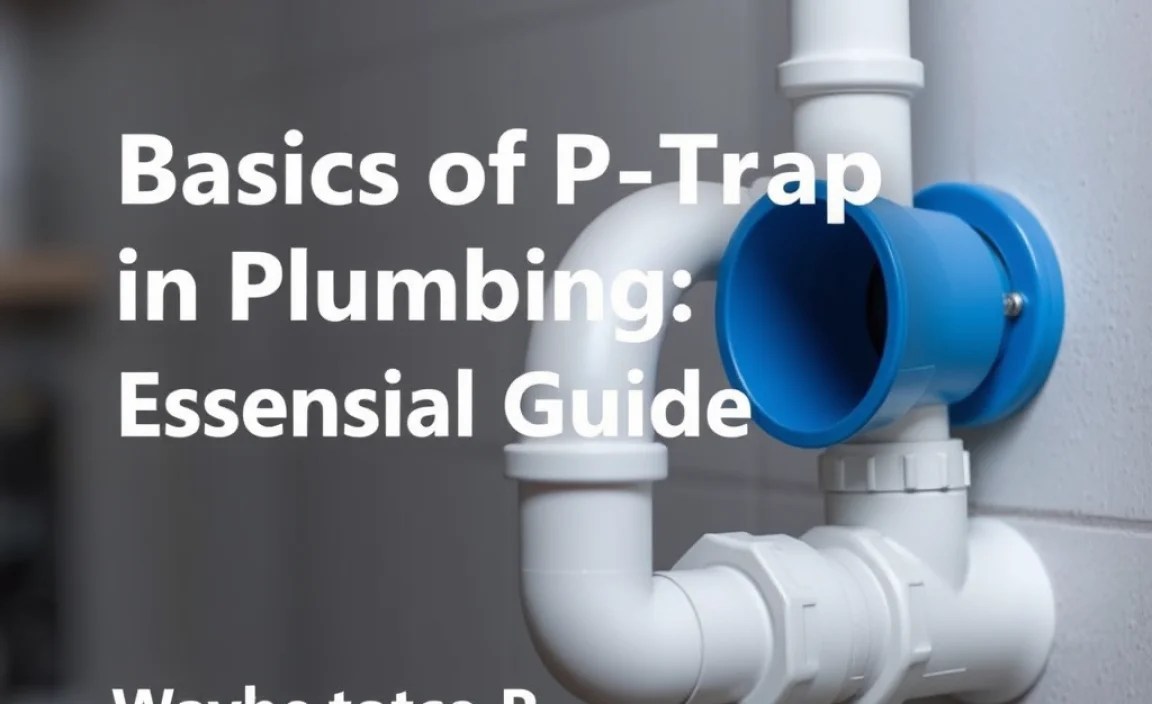
The importance of a P-trap cannot be overstated. It’s a fundamental component of a safe and healthy plumbing system. Here’s why it’s so vital:
- Odor Prevention: This is its primary role. By maintaining a water seal, it stops unpleasant smells from the sewer gases from entering your home. No one wants their kitchen or bathroom to smell like a septic system!
- Gas Barrier: Sewer gases are not just smelly; they can be harmful. Methane is flammable, and other gases can be toxic or cause respiratory irritation. The P-trap provides a basic but effective barrier against these potential health hazards.
- Debris Trap: While not its main purpose, the P-trap can also catch small, heavier items that might accidentally fall down the drain. This can prevent them from getting lodged further down the drainpipe, where they would be much harder to retrieve and could cause a significant blockage. Things like jewelry, small toys, or even larger food particles can be caught here.
- Prevents Pest Entry: In some cases, the water seal can also help prevent small pests, like sewer rats or insects, from crawling up from the sewer lines into your home through the drains.
Essentially, the P-trap is a silent guardian of your home’s air quality and hygiene. It’s a simple device that performs a critical function for everyday comfort and safety.
Common P-Trap Problems and How to Identify Them
While P-traps are generally reliable, they can encounter a few common issues. Knowing how to spot these problems can save you from more serious plumbing woes.
1. Clogs
This is the most frequent problem. Hair, grease, soap scum, food particles, and other debris can accumulate in the P-trap, restricting or completely blocking the flow of water. A clogged P-trap will cause your sink to drain very slowly, or not at all.
Signs of a Clog:
- Slow draining water in the sink, shower, or tub.
- Gurgling sounds coming from the drain when water is running.
- Water backing up into the sink or tub.
- An unpleasant odor that might indicate trapped waste.
2. Leaks
P-traps are connected with seals and nuts that can loosen over time or degrade. This can lead to water leaking from the trap, usually onto the cabinet floor beneath your sink.
Signs of a Leak:
- Visible moisture or a puddle under the sink.
- Dampness or water stains on the cabinet floor.
- Dripping water from the underside of the P-trap.
- A musty smell due to persistent dampness.
3. Dry Trap (Evaporation)
If a fixture isn’t used regularly, the water in the P-trap can evaporate. This breaks the water seal, allowing sewer gases to enter your home. This is more common in guest bathrooms, basements, or seldom-used sinks.
Signs of a Dry Trap:
- A strong, unpleasant sewer odor emanating from an unused drain.
- The smell might be intermittent or become stronger when the weather is warm or dry.
4. Suction (Siphonage)
This occurs when the water seal in the P-trap is siphoned out by negative pressure in the drainpipe. This can happen if there’s a blockage further down the system, or if the venting system for your plumbing is inadequate. When the water seal is gone, sewer gases can enter your home. You might notice gurgling sounds, and intermittently smell sewer odors.
Signs of Suction:
- Water level in the P-trap visibly drops or disappears.
- Gurgling sounds, especially after flushing a toilet or using an appliance that drains.
- Intermittent sewer odors.
DIY Troubleshooting: Clearing a Clogged P-Trap
Dealing with a clogged P-trap is one of the most common DIY plumbing tasks. With the right approach, you can often resolve it yourself.
Tools You’ll Need:
- Bucket or basin
- Work gloves
- Safety glasses
- Plumber’s wrench or pliers (adjustable or pipe wrench)
- Old towels or rags
- Wire coat hanger (optional, for minor clogs)
Step-by-Step Guide to Clearing a Clogged P-Trap:
- Preparation is Key: First, place a bucket directly underneath the P-trap. This will catch any water and debris that spills out when you loosen the trap. Put on your gloves and safety glasses for protection.
- Locate the Trap: The P-trap is the U-shaped pipe section under your sink. It’s usually connected to the vertical drainpipe coming from the sink basin and then to the horizontal drainpipe that leads to your main sewer line.
- Loosen the Slip Nuts: The P-trap is typically held in place by threaded plastic or metal nuts called slip nuts. These are usually hand-tightened but might require a pipe wrench or pliers to loosen if they’re stubborn. Turn the nuts counter-clockwise to loosen them. Be gentle, especially with plastic pipes, to avoid cracking them.
- Remove the P-Trap: Once the slip nuts are loose, carefully remove the curved section of the pipe. Gently maneuver it out, allowing any trapped water and debris to fall into the bucket.
- Clean the Trap: Inspect the inside of the P-trap for any blockages. You can use a brush, a straightened coat hanger, or even just your gloved hand to remove hair, gunk, and other debris. Rinse the pipe thoroughly with water to ensure all debris is removed. Check the connected pipes for any visible obstructions as well.
- Check the Drainpipe Opening: Sometimes, the clog isn’t in the trap itself but just beyond it in the horizontal pipe. You can try to use a straightened coat hanger to gently probe and dislodge any obstructions you can reach in the drainpipe opening.
- Reassemble the P-Trap: Once clean, reinsert the P-trap. Make sure the slip nuts are properly aligned. Hand-tighten the nuts as much as you can. Then, use your wrench or pliers to give them a final snug turn (about a quarter to half turn) to ensure a good seal. Don’t overtighten, as this can damage the pipes or nuts.
- Test for Leaks: Run water into the sink for a minute or two. Watch carefully underneath the sink to ensure there are no leaks around the slip nuts. If you see drips, try tightening the nuts slightly more. If leaks persist, you might need to check the condition of the plastic or rubber washers inside the slip nuts and potentially replace them.
If these steps don’t resolve the clog, the blockage might be further down the line, and you may need to call a professional plumber.
When to Call a Professional Plumber
While many P-trap issues are DIY-friendly, there are times when it’s best to call in a professional. These situations often involve more complex problems, potential for significant damage, or safety concerns.
- Stubborn or Recurrent Clogs: If you’ve tried clearing the P-trap and basic drain clearing methods, but the clog keeps returning or remains, the blockage is likely deeper in your plumbing system. This could indicate a larger issue with your main drain line or venting.
- Persistent Leaks After Tightening: If you’ve tightened the slip nuts and still have leaks, it could indicate damaged threads, a cracked pipe, or missing/worn-out washers. A plumber can diagnose and repair these issues correctly.
- Suspected Pipe Damage: If you notice corrosion, rust, or visible cracks in metal pipes, or significant wear in plastic pipes, it’s safer to have a plumber inspect and potentially replace sections of the trap or drainpipe.
- Sewer Gas Odors that Won’t Go Away: If you have persistent sewer smells that you can’t trace to a dry trap or a minor clog, it could signal a more serious problem with your plumbing vents or a breach in the sewer line itself. This requires expert diagnosis. You can learn more about plumbing vent systems from resources like the EPA.
- Lack of Confidence or Proper Tools: Plumbing work can be messy and frustrating. If you’re not comfortable with the process, don’t have the right tools, or are worried about causing damage, calling a plumber is always the wisest choice.
- Access Issues: Some P-traps, especially in older homes or commercial buildings, might be difficult to access. A plumber has the specialized tools and techniques to handle these situations safely.
For more complex drain cleaning, plumbers often use specialized equipment like drain augers (snake cameras) that can inspect the entire drainpipe system and identify blockages or structural issues far beyond the P-trap.
P-Trap Materials: Pros and Cons
P-traps come in different materials, each with its own set of advantages and disadvantages. The type of material can affect durability, cost, and ease of installation.
| Material | Pros | Cons |
|---|---|---|
| Plastic (PVC/ABS) |
|
|
| Galvanized Steel |
|
|
| Brass |
|
|
| Chrome-Plated Brass |
|
|
When selecting a P-trap, consider the location in your home, your budget, how visible it will be, and your own comfort level with installation. For most under-sink applications where appearance isn’t the top priority, plastic P-traps are excellent, affordable, and easy-to-use options.
Maintaining Your P-Trap for Longevity
Keeping your P-trap in good working order doesn’t require a lot of effort, but a little regular maintenance can go a long way in preventing future headaches.
Regular Water Flushes:
- For drains that aren’t used regularly (like in a guest bathroom or basement), make it a habit to run water for about 30 seconds once a week. This replenishes the water seal in the P-trap and prevents it from drying out.
Beware of What Goes Down the Drain:
- Avoid pouring grease, oil, or large food scraps down kitchen sinks. These are major culprits for P-trap clogs. Use a strainer in your sink to catch debris.
- For bathroom sinks, try to use a hair catcher to prevent hair from accumulating in the trap.
- Be cautious about pouring harsh chemical drain cleaners down the drain. While they can sometimes clear minor clogs, they can also corrode pipe materials over time and are not a substitute for proper maintenance. For more environmentally friendly cleaning options, consider natural remedies like baking soda and vinegar. You can find more information on household plumbing best practices from resources like CPSC.gov.
Occasional Cleaning:
- If you notice slow draining or odors, a quick manual cleaning of the P-trap (as described in the troubleshooting section) can often resolve the issue and prevent it from becoming a bigger problem.
Inspect for Leaks:
- Periodically check under your sink for any signs of moisture or leaks around the P-trap connections. Addressing minor drips early can prevent water damage to cabinets and flooring.
By following these simple maintenance tips, you can ensure your P-trap continues to effectively do its job, keeping your home free from unpleasant odors and potential hazards.
Understanding Plumbing Codes and Venting
While the P-trap is a critical component, it works in conjunction with your plumbing system’s venting. A properly designed venting system is essential for P-trap function.
The Role of Vents: Plumbing vents are pipes that extend from your drain system up through your roof. Their primary purpose is two-fold:
- Preventing Siphonage: Vents allow air to enter the drainage system. This prevents negative pressure (a vacuum) from forming behind the flowing water. Without this air, the negative pressure could suck the water seal right out of your P-traps, as we discussed with siphonage.
- Allowing Gases to Escape: Vents also allow sewer gases to safely escape into the atmosphere outside your home, rather than.
