Quick Summary:
Understanding the basics of sink plumbing involves knowing its main parts – the sink basin, faucet, drain, and P-trap – and how they work together to move water from your tap to your drainpipe. This guide simplifies these components, explaining their function and common issues, empowering you for basic maintenance and troubleshooting.
Let’s face it, when something goes wrong with your sink, it can be a real headache. Water might be dripping, or a clog could be backing things up. Knowing the basic parts of your sink’s plumbing system doesn’t mean you’ll become a master plumber overnight, but it’s a huge step towards fixing small problems yourself or at least understanding what a professional is talking about. This guide breaks down the essential components in simple terms. Get ready to feel more confident about your home’s plumbing. We’ll cover everything from the shiny faucet to the hidden pipes, making sure you understand how it all connects and functions.
Understanding Your Sink’s Plumbing: A Beginner’s Overview
As Bryan Lee, your go-to for home and DIY, I know that plumbing can sound intimidating. But when it comes to your sink, the core concepts are surprisingly straightforward. Think of your sink as a system designed to deliver clean water and safely remove used water. Each part plays a crucial role, and understanding these roles is the first step to confident home maintenance. We’re going to demystify these components, from the everyday faucet to the often-overlooked drain assembly and the clever P-trap. By the end of this guide, you’ll have a solid grasp of the basics of sink plumbing, ready to tackle minor issues and appreciate the ingenious design of your everyday essential.
The Anatomy of Your Sink: Key Components Explained

Every sink, whether in your kitchen or bathroom, is made up of a few core plumbing components that work in harmony. Let’s break them down:
1. The Sink Basin
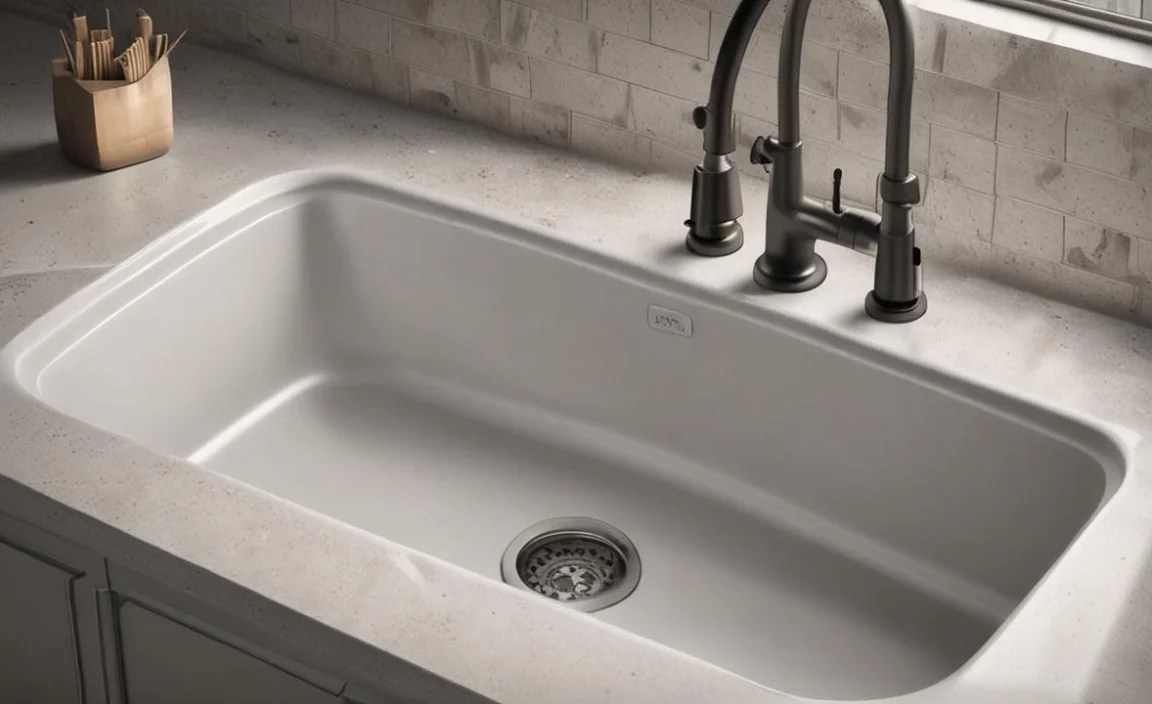
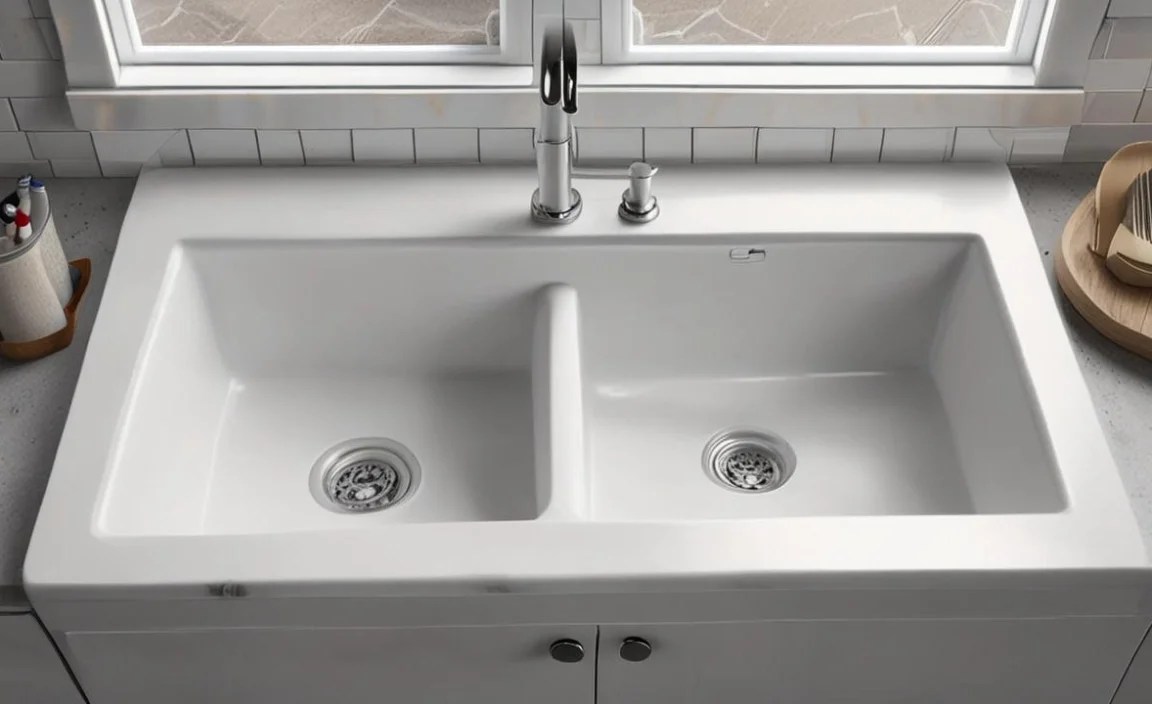
This is the most obvious part – the bowl that holds the water. While it’s not directly involved in the plumbing’s mechanics, its design influences water flow and drainage. Sink basins can be made from various materials like stainless steel, ceramic, composite, or even natural stone, each with its own maintenance needs.
2. The Faucet: The Water’s Gateway
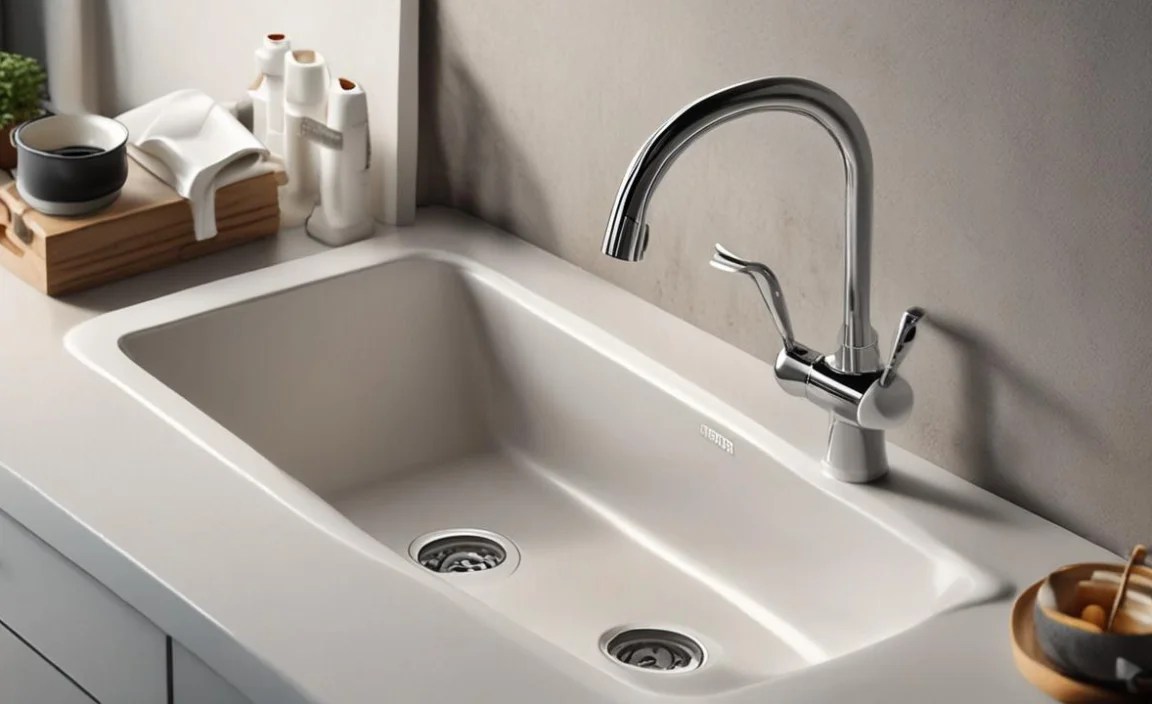
Your faucet is where water enters the sink. It’s more than just a handle; it’s a valve system that controls water flow and, often, temperature. For basic understanding, think of two main types:
- Compression Faucets: These are older, but you might still find them. They use rubber washers that compress against a valve seat to stop water flow.
- Cartridge Faucets: More common today, these use a movable stem (cartridge) that, when moved by the handle, aligns ports to control water flow and mixing.
- Ball Faucets: Often found in kitchens, these use a slotted metal or plastic ball to rotate and control water.
- Ceramic Disc Faucets: These have two sturdy ceramic discs that slide against each other to control water. They are known for their durability and ease of use.
Learning which type of faucet you have can be helpful if you ever need to replace a part, like a worn-out O-ring or cartridge, which are common culprits for drips. For more detailed information on faucet types and repairs, resources like This Old House offer excellent, beginner-friendly guides.
3. The Drain Stopper & Strainer Assembly
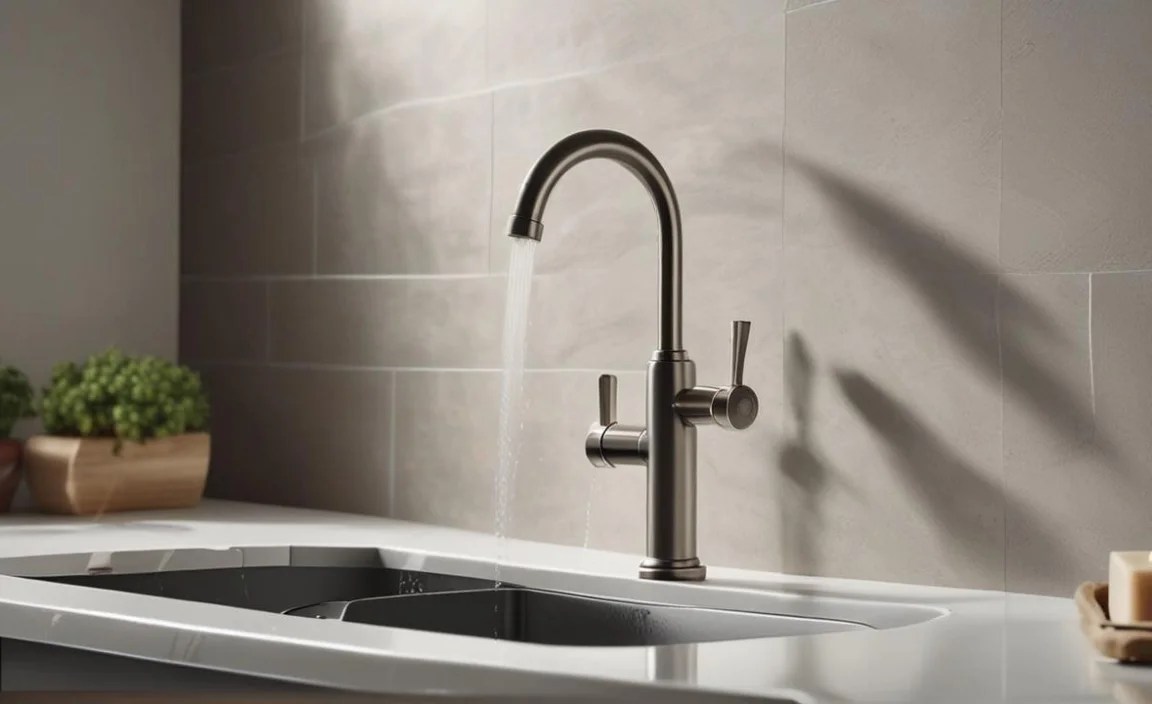
This part sits at the bottom of the sink basin. It has a few jobs:
- Strainer: It’s a metal basket or a grid that catches food scraps and other debris, preventing them from entering and clogging the drainpipe.
- Stopper: This is what you use to fill the sink with water. It can be a pop-up stopper (activated by a lever behind the faucet), a lift-and-turn stopper, or a simple plug.
When you close the stopper, it creates a seal to hold water. When you open it, water can flow freely down into the drainpipe. Cleaning the strainer regularly is a simple but effective way to prevent slow drains.
4. The Drainpipe & Tailpiece
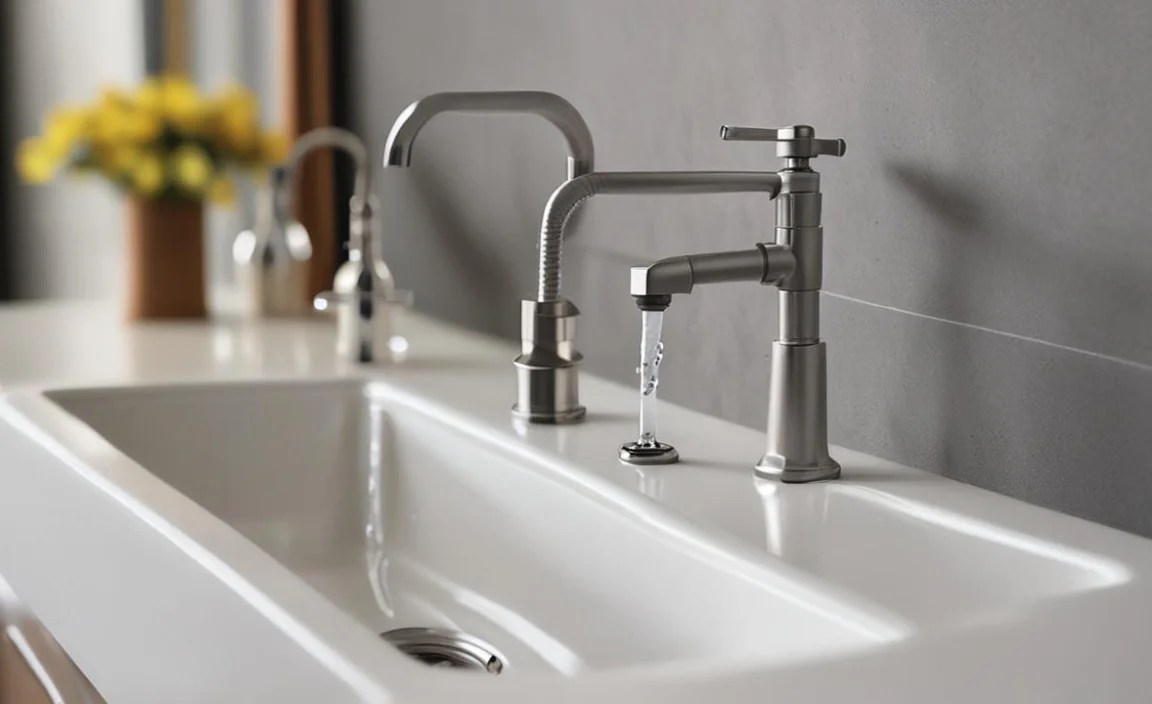
Once water passes the strainer and stopper, it enters the drainpipe. The visible section directly beneath the sink basket is called the ‘tailpiece.’ It’s usually a straight pipe that connects the sink’s drain flange (the part visible inside the sink basin where the strainer sits) to the P-trap.
5. The P-Trap: The Unsung Hero

This is arguably the most critical, yet often overlooked, part of sink plumbing. The P-trap is the curved section of pipe beneath your sink. Its unique U-shape is designed to retain a small amount of water after each use. Why is this important?
- Prevents Sewer Gases: The trapped water acts as a seal, preventing foul-smelling sewer gases from rising up through your drainpipes and into your home. This is its primary and most vital function.
- Catches Debris: The curve also helps to catch heavier debris, preventing it from going further into your main drainage system and causing a more serious clog.
If you ever experience a strange smell coming from your sink drain, especially if the sink hasn’t been used for a while, it’s often because the water seal in the P-trap has evaporated. Running water for a minute or two will refill it and resolve the odor. For more on plumbing basics and common parts, check out EPA’s WaterSense program, which promotes water efficiency and provides foundational knowledge about water systems.
6. Water Supply Lines
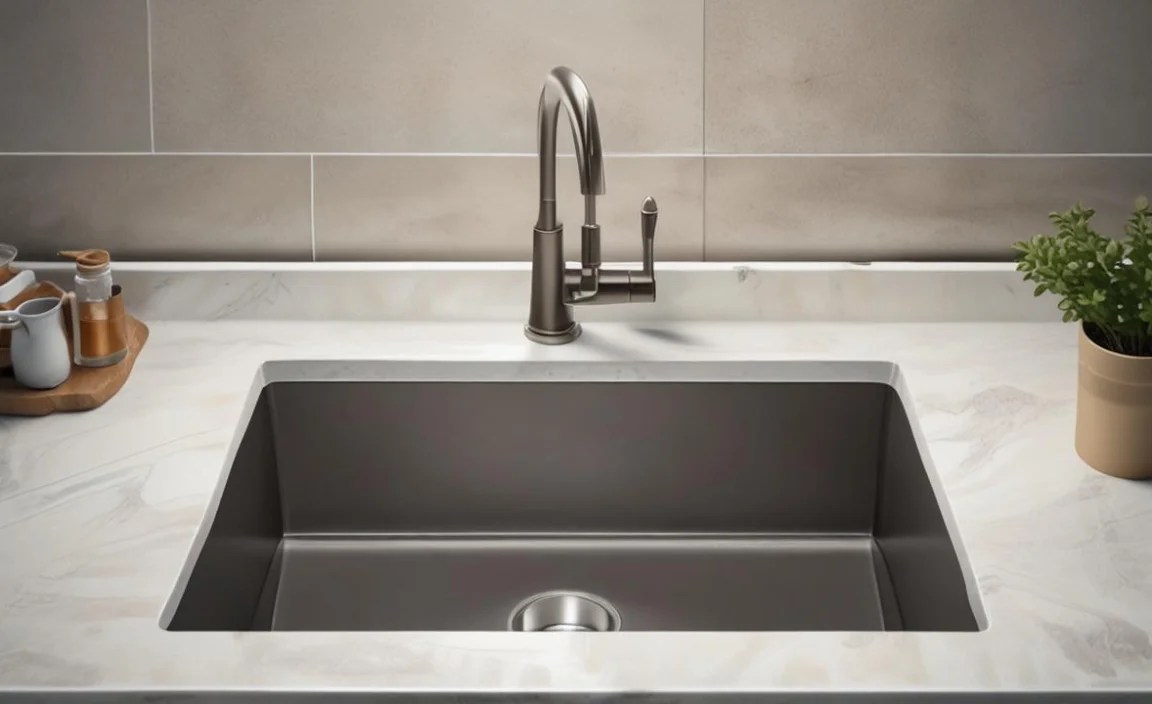
These are the flexible or rigid tubes that bring hot and cold water from your home’s main water supply to your faucet. They connect to the valves under your sink and run up to the faucet body. They are usually made of braided metal or plastic. Ensuring these lines are secure and free from leaks is essential for preventing water damage.
7. Shut-off Valves
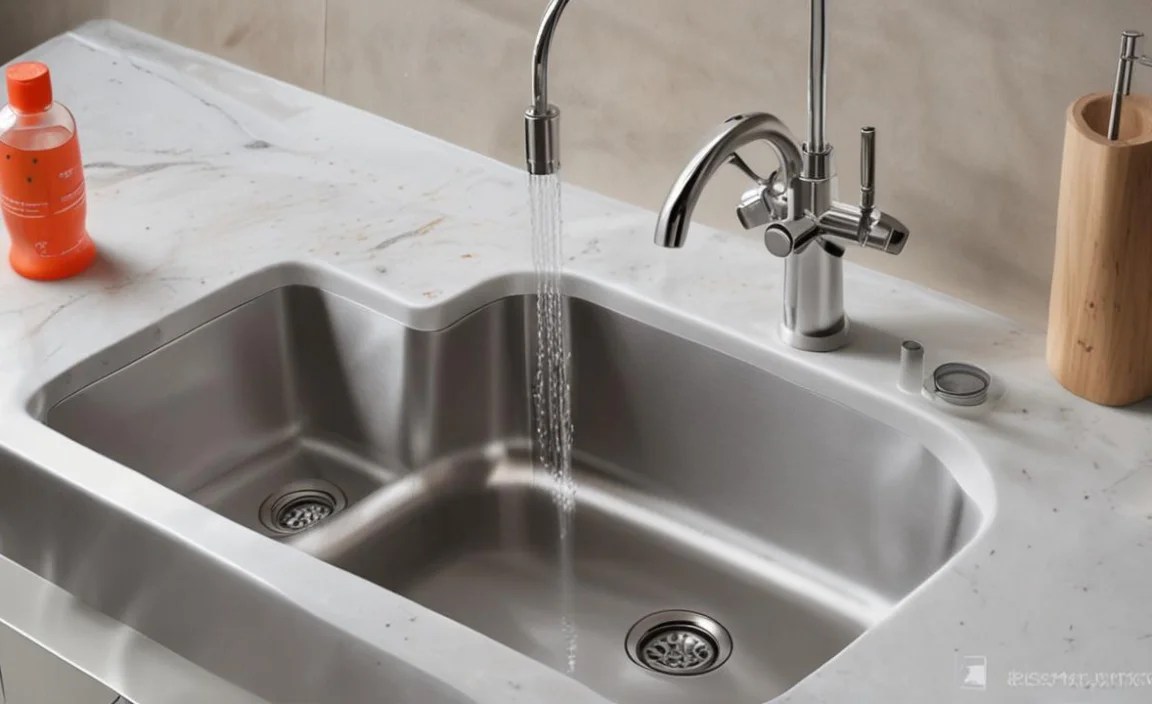
Underneath almost every sink, you’ll find two small valves – one for hot water and one for cold. These are crucial! They allow you to turn off the water supply specifically to that sink without shutting off water to your entire house. They are perfect for making repairs or dealing with leaks. Always turn these off first if you’re working on the faucet or drain!
How Your Sink Plumbing Works Together

Let’s visualize the journey of water:
- Water On: You turn on the faucet. Water flows from your home’s supply lines, through the faucet’s internal mechanism, and out the spout.
- Filling the Basin: You can choose to let water run or stop it using the stopper.
- Draining Water: When you open the stopper, water flows through the sink strainer, into the tailpiece.
- The P-Trap’s Role: The water then enters the P-trap, where a portion is held back to seal out sewer gases.
- To the Main Drain: The rest of the water, along with any loose debris, travels from the P-trap into your home’s main drainpipe system and eventually out of your house.
This continuous loop keeps your kitchen or bathroom functional and hygienic.
Common Sink Plumbing Problems and Their Simple Fixes
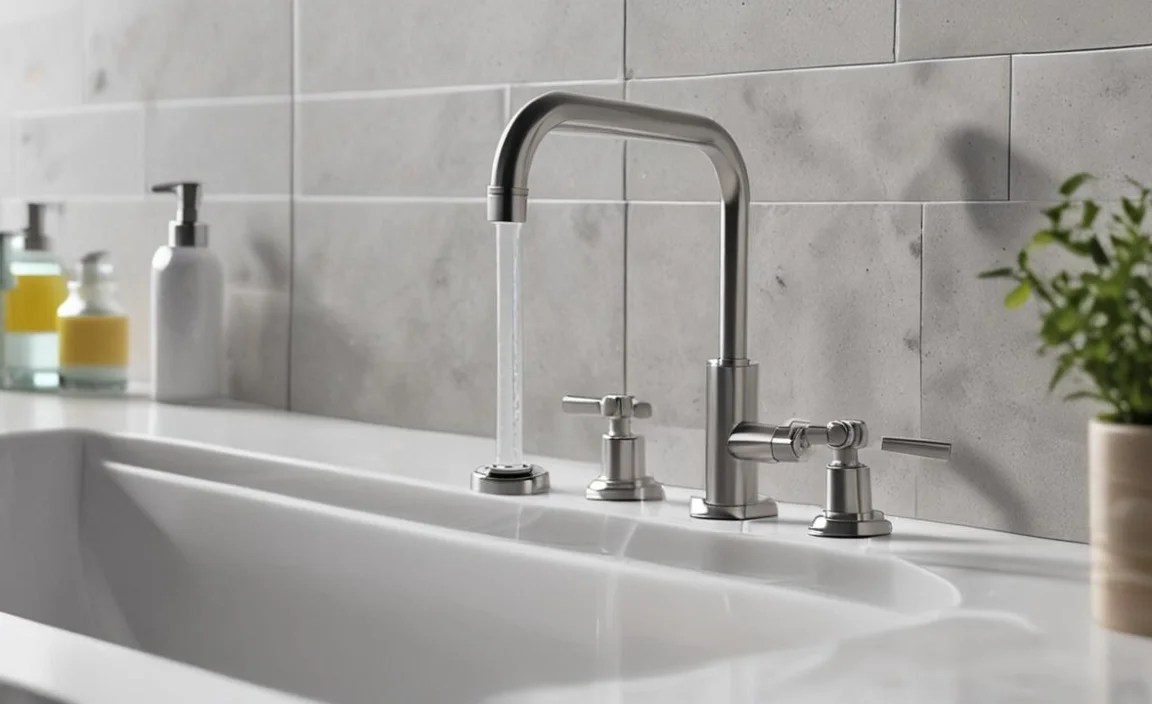
Even with a basic understanding, you might encounter issues. Here are a few common ones:
1. Dripping Faucet
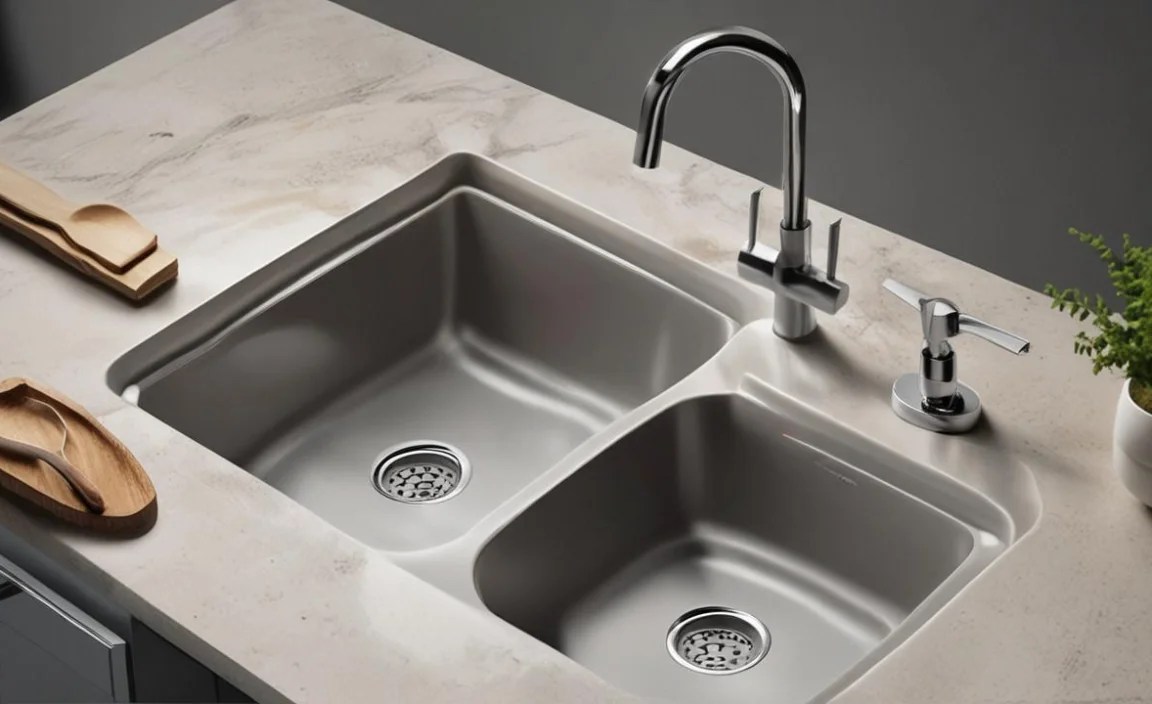
What it looks like: Water consistently dripping from the spout, even when turned off.
Why it happens: Often due to a worn-out washer (in older faucets) or a faulty cartridge (in newer faucets). O-rings can also degrade.
Simple Fix: Depending on your faucet type, you might need to replace the washer, O-ring, or cartridge. This often involves turning off the shut-off valves under the sink and carefully disassembling the faucet handle.
2. Slow Drain
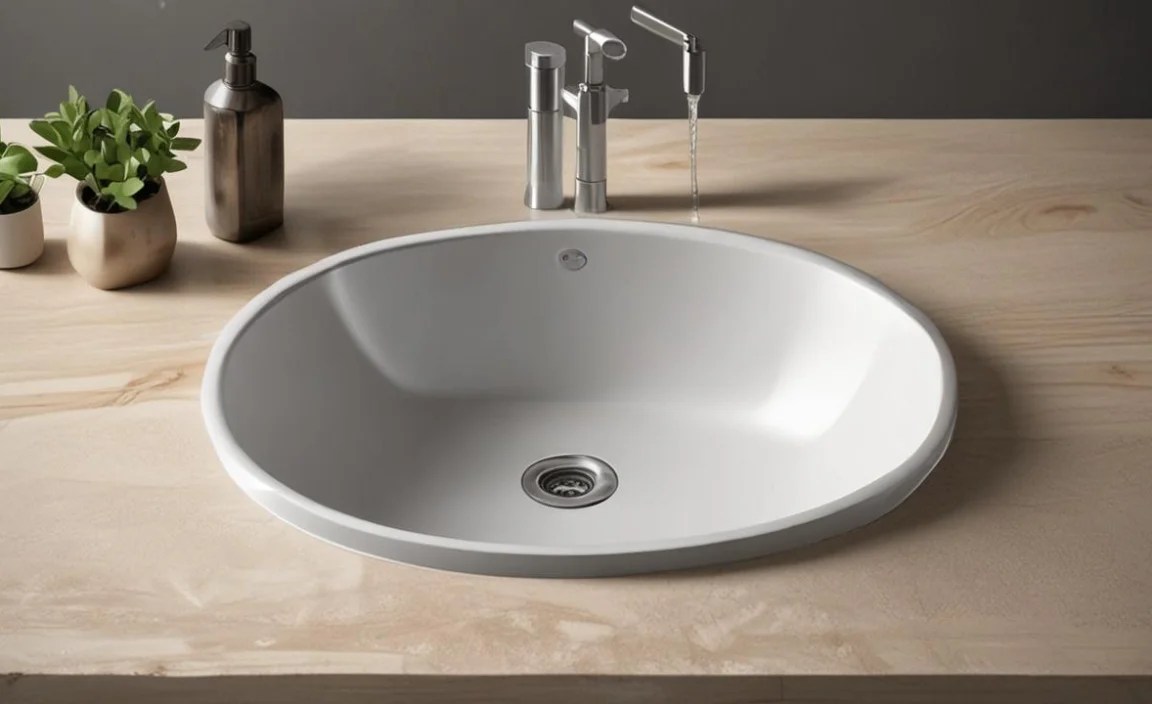
What it looks like: Water drains away slowly from the sink basin.
Why it happens: Usually caused by a buildup of hair, soap scum, grease, or food particles in the drainpipe, strainer, or P-trap.
Simple Fix:
- Clean the Strainer: Remove and clean the sink strainer.
- Manual Removal: Use a drain snake or even a straightened wire coat hanger to carefully try and retrieve debris from the tailpiece or P-trap.
- Clear the P-Trap: Place a bucket underneath the P-trap, then unscrew the slip nuts holding it in place. Empty the trap and clean it out. Reassemble securely.
- Plunger: A sink plunger can help dislodge minor clogs.
3. Leaking Under the Sink
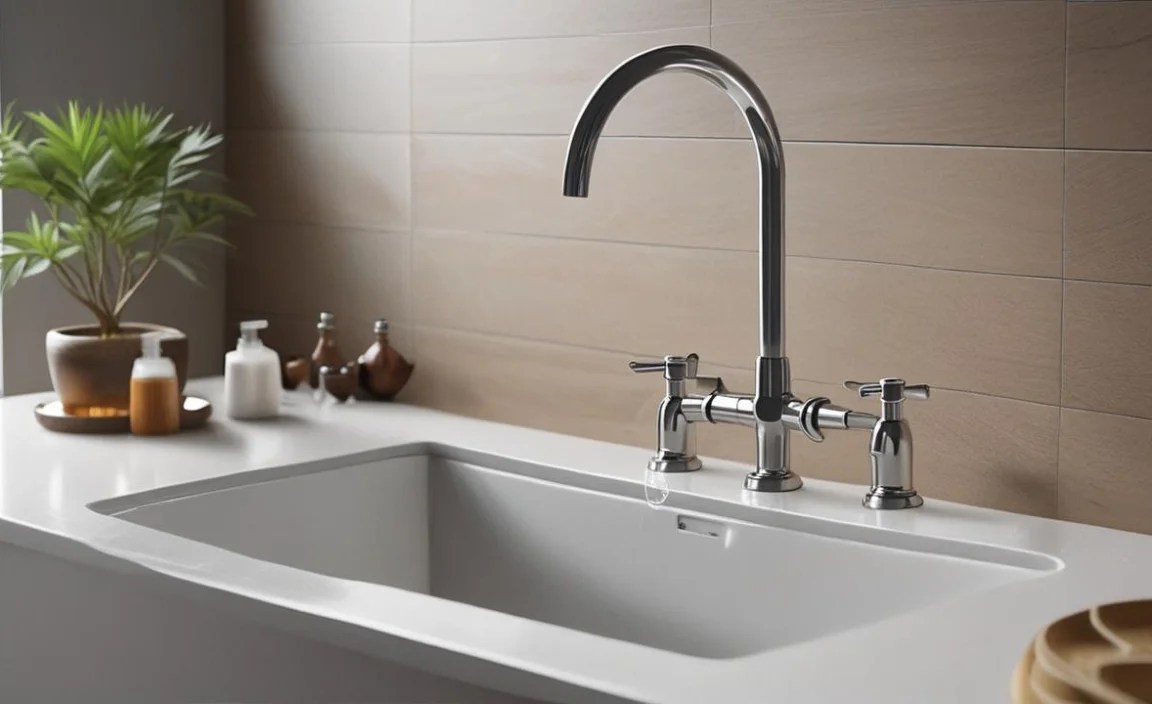
What it looks like: Water pooling on the cabinet floor under the sink.
Why it happens: Loose connections at the drain assembly, tailpiece, P-trap, or supply lines. A cracked pipe can also be the cause.
Simple Fix:
- Identify the Source: Dry everything thoroughly, then run water and watch closely to pinpoint the exact leak.
- Tighten Connections: Gently tighten any loose slip nuts or compression fittings. Be careful not to overtighten, which can crack plastic parts.
- Replace Seals: If tightening doesn’t work, the rubber washer or gasket inside the connection might be worn out and need replacement.
4. Clogged Drain
What it looks like: Water completely backs up and won’t drain at all.
Why it happens: A more severe blockage in the drainpipe. This could be further down than the P-trap.
Simple Fix:
- Try a Plunger: Ensure there’s some water in the sink to create a seal, then plunge vigorously.
- Baking Soda & Vinegar: Pour about half a cup of baking soda down the drain, followed by half a cup of vinegar. Let it fizz for 15-30 minutes, then flush with hot water.
- Drain Snake: For clogs further down, a drain snake is often more effective than other methods.
- Caution with Drain Cleaners: While chemical drain cleaners might seem like a quick fix, they can be harsh on pipes, are bad for the environment, and can cause burns if splashed. Use them sparingly and as a last resort, following instructions precisely. Better yet, consider a less toxic, enzyme-based cleaner.
Essential Tools for Basic Sink Maintenance
You don’t need a professional’s toolbox for most sink maintenance. Here are a few essentials:
- Adjustable Wrench: Great for tightening or loosening various nuts and fittings.
- Pipe Wrench: Provides a stronger grip for larger pipes, though use with caution on plastic to avoid damage.
- Plunger: A must-have for dealing with clogs. A sink plunger has a flat bottom, while a toilet plunger has a flange.
- Bucket: Catches water and debris when working on drainpipes.
- Screwdriver Set: For faucet handles and other small components.
- Pliers: Various types can be useful for gripping and turning.
- Safety Glasses and Gloves: Always protect yourself!
- Drain Snake/Auger: For more stubborn clogs further down the pipe.
When to Call a Professional Plumber
While understanding the basics is empowering, it’s equally important to know when to step back and call in the experts. You should consider calling a plumber if:
- You’ve tried basic fixes, and the problem persists.
- You suspect a leak within the wall or under the floor.
- You’re dealing with multiple clogged fixtures.
- You’re uncomfortable working with plumbing components.
- You’ve encountered a situation that requires specialized tools or knowledge.
- You need to replace a main fixture like the sink itself or the entire faucet assembly and aren’t confident in your DIY skills.
Professional plumbers have the experience, tools, and expertise to diagnose and fix complex issues safely and efficiently. For instance, if you notice persistent low water pressure throughout your home, it could indicate a larger problem that a professional can diagnose, such as issues with your main water line or pressure regulator. Resources like Plumbing-Specific.com can offer insights into the broader world of plumbing, helping you understand when specialized help is needed.
Sink Plumbing Components Comparison Table
Here’s a quick look at the main parts and their primary functions:
| Component | Primary Function | Why It’s Important |
|---|---|---|
| Faucet | Controls water flow and temperature | Delivers water into the sink |
| Sink Basin | Holds water temporarily | The collection point for water |
| Drain Stopper/Strainer | Stops water flow, catches debris | Prevents clogs, allows filling/draining |
| Tailpiece | Connects sink drain to P-trap | Directs water downwards |
| P-Trap | Retains water to block sewer gases | Maintains sanitation and prevents odors |
| Supply Lines | Carry hot and cold water to faucet | Connect faucet to main water source |
| Shut-off Valves | Control water to the specific fixture | Allows for localized repairs without shutting off water to the house |
Understanding Standard Pipe Sizes and Materials
When you’re under the sink, you’ll notice different kinds of pipes. Most sink drains in residential plumbing systems are made of either PVC plastic or metal (like galvanized steel or brass, though brass is less common now for drains). Here’s a quick overview:
Drain Pipes
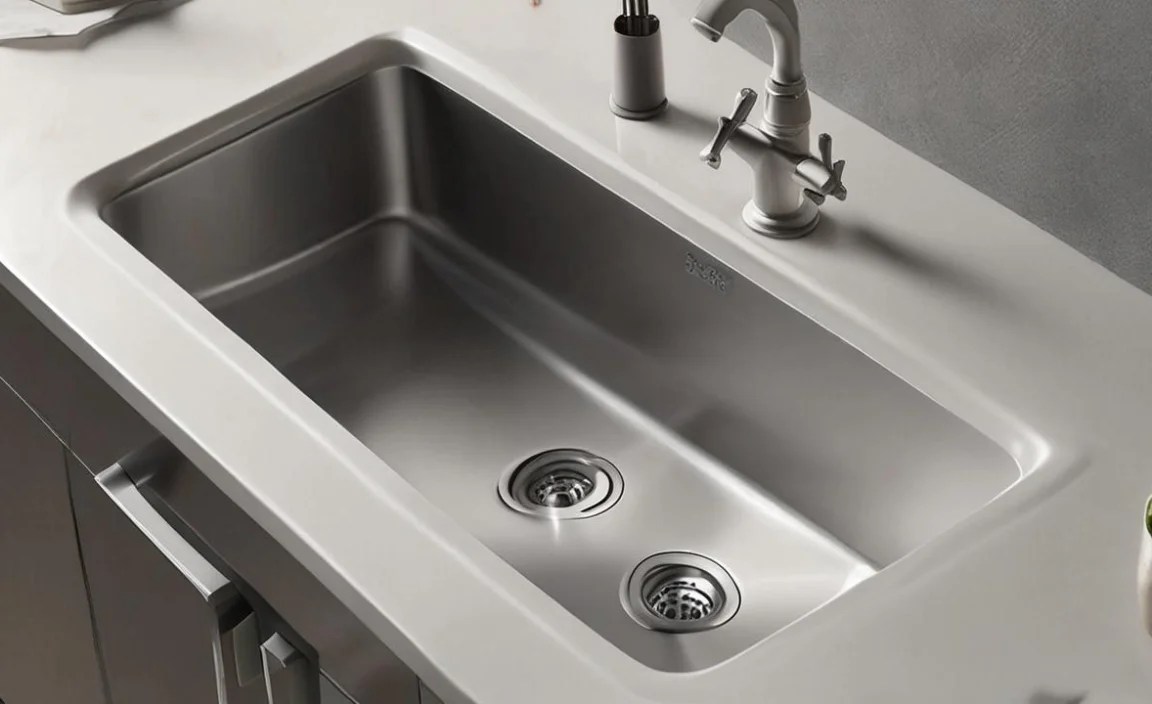
- PVC: Lightweight, durable, and easy to work with. Most modern installations use white PVC pipes. Common sizes for sink drains are 1-1/4 inch and 1-1/2 inch diameter.
- ABS: Similar to PVC but usually black. It’s also common in plumbing systems.
- Galvanized Steel: Older pipes might be made of this. It’s strong but can eventually rust and corrode, leading to leaks or reduced water flow.
Water Supply Lines
- PEX (Cross-linked Polyethylene): A flexible plastic tubing that’s become very popular due to its durability and ease of installation.
- Copper: A traditional material, still widely used. It’s durable but can be more expensive and labor-intensive to install than PEX.
- Braided Stainless Steel: Often used for flexible connectors between rigid pipes and faucets or toilets. These are very common for appliance connectors and under-sink supply lines. Sizes typically connect to 1/2 inch or 3/8 inch fittings.
Knowing the nominal size of your pipes (e.g., 1-1/2 inch for a drainpipe, 1/2 inch for a supply line fitting) can be helpful if you need to buy replacement parts like connectors or a new P-trap kit. Reputable hardware stores and plumbing supply centers will have these standardized sizes available.
Proactive Sink Maintenance Tips
Preventing problems is always easier than fixing them. Incorporate these simple habits into your routine:
- Be Mindful of What Goes Down the Drain: Avoid pouring grease, coffee grounds, eggshells, or fibrous food waste down kitchen sinks. Use drain strainers diligently.
- Use Strainers in Bathroom Sinks/Showers: Hair is a major culprit for bathroom clogs. A simple hair catcher can save you a lot of trouble.
- Regularly Clean Your Drains: Even if they aren’t slow, a monthly flush with hot water or a natural cleaner can help prevent buildup.
- Wipe Down Faucet and Sink: Keeping your faucet and sink clean prevents grime buildup and allows you to spot any early signs of wear or leaks.
- Check for Leaks: Periodically feel around the connections under your sink for any sign of moisture.
- Run Water in Unused Sinks: If you have a guest bathroom or sink that isn’t used often, run water for a minute or two every couple of weeks to keep the P-trap full and the seal effective.
Frequently Asked Questions (FAQ) About Sink Plumbing
Q