
Tired of slippery bathroom floors? The latest non-slip bath mat sets offer a stylish, safe, and practical upgrade, providing superior grip and comfort right where you need it most. Embrace peace of mind with an essential bathroom addition designed for modern homes. This guide shows you why and how to choose the perfect set.
Stepping out of a shower or bath onto a wet, slick floor is a common worry for many households. It’s a small moment, but the risk of a slip and fall can turn a relaxing bath into a stressful experience. Fortunately, there’s a simple and effective solution that’s both functional and enhances your bathroom’s look: the latest non-slip bath mat set. These aren’t just about catching water; they are engineered for safety and comfort. We’ll explore why an upgrade to a modern non-slip mat set is one of the smartest, easiest improvements you can make for your bathroom, and how to pick the best one for your needs.
Why Upgrade Your Bath Mat? The “Latest” Factor
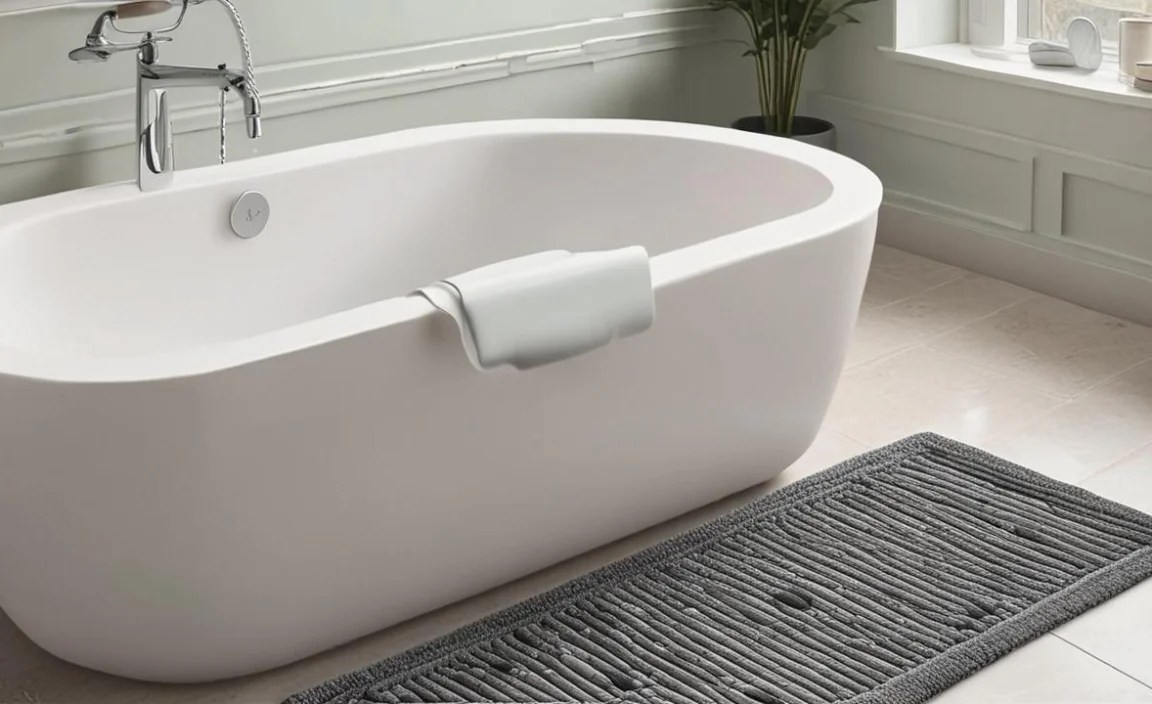
You might think, “My bath mat isn’t that old.” But bathroom technology and design have come a long way! The “latest” bath mat sets aren’t just about aesthetics; they represent significant improvements in safety, material science, and durability. Older mats might have a rubber backing that degrades over time, becoming brittle or losing its grip. Modern non-slip bath mats often feature advanced gripping technologies, superior water absorption, and styles that blend seamlessly with contemporary bathroom décor. They’re designed to solve the problems of yesterday’s mats, offering a more secure, comfortable, and hygienic experience. Think of it as a vital safety upgrade that also adds a spa-like feel to your daily routine.
The Science of Grip: What Makes a Mat “Non-Slip” Today?

The core of any effective non-slip bath mat is its ability to stay put. This isn’t magic; it’s smart engineering. Latest designs move beyond basic rubber backing. Here’s what to look for:
- TPR (Thermoplastic Rubber) Backing: This is a highly durable and effective material that offers excellent grip without the cracking or shedding issues of older rubber compounds. It’s flexible and conforms well to the floor.
- Microfiber or Chenille Pile Construction: While not directly related to the grip on the floor, the material your mat is made of dramatically impacts water absorption and comfort. Dense, plush piles don’t just feel good; they wick moisture away quickly, reducing the chance of water pooling and making the mat itself less slippery.
- Textured Surfaces: Some mats incorporate finely engineered textures on the underside of the backing or even on the top surface of the mat itself. These micro-ridges and patterns increase surface contact area, providing more friction with both the floor and your feet.
- Suction Cup-like Designs: While less common for typical bath mats and more for shower mats, some advanced designs might incorporate patterns that act like miniature suction cups, creating a strong bond with smooth surfaces.
Safety is paramount in the bathroom. According to the Centers for Disease Control and Prevention (CDC), falls are a major cause of injury, and bathrooms are a high-risk area. Upgrading to a mat with proven non-slip technology is a proactive step towards preventing accidents for everyone in your home.
Beyond Grip: Features of Modern Bath Mat Sets

A good bath mat set does more than just prevent slips. Contemporary sets are designed with your comfort, hygiene, and bathroom aesthetics in mind. Here are features that make today’s sets a true upgrade:
- Superior Water Absorption: The top layers of modern mats are designed to soak up water quickly. This keeps your bathroom floor dry and reduces the risk of mildew and mold compared to mats that stay perpetually damp.
- Quick Drying Properties: Advanced fibers allow air to circulate, helping the mat dry faster after use. This is crucial for maintaining hygiene and preventing odors.
- Plush Comfort: Stepping out of a warm shower onto a soft, dense pile feels luxurious and adds a spa-like experience to your bathroom. Materials like microfiber and chenille are exceptionally soft underfoot.
- Durability and Machine Washability: High-quality bath mat sets are made to withstand frequent washing. This means they’re easy to keep clean and fresh, looking great for years.
- Coordinated Aesthetics: Sets typically include a bath mat and a smaller contour mat (for around the toilet) or a longer runner. They are designed to match, bringing a cohesive and stylish look to your bathroom.
- Hypoallergenic Materials: For those with sensitivities, many new mats are made from hypoallergenic materials, reducing the risk of skin irritation.
Choosing Your Latest Non-Slip Bath Mat Set: A Step-by-Step Guide

Selecting the right bath mat set might seem straightforward, but considering a few key factors ensures you get the best performance and value. Think of this as a mini-project to enhance your bathroom’s safety and style.
Step 1: Measure Your Space
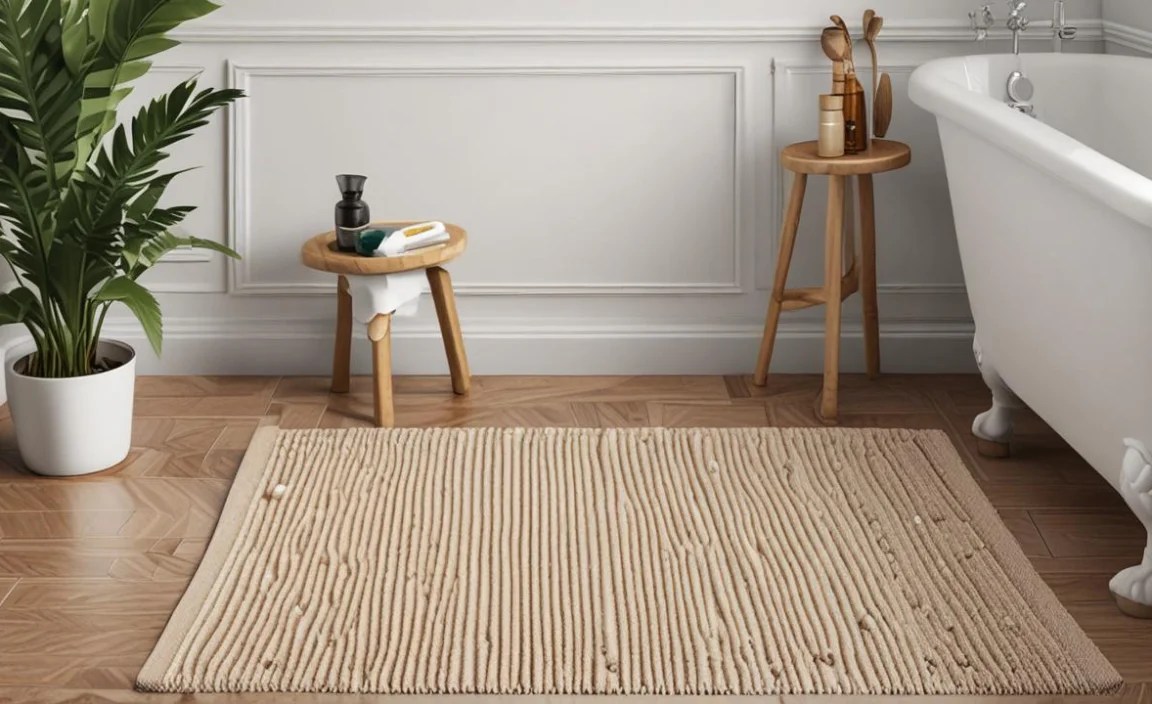
Before you even look at mats, grab a tape measure. You’ll want to know the dimensions of the area you need to cover. Measure the width and depth of the space directly in front of your shower or tub. If you’re considering a contour mat for your toilet, measure the area around its base. Standard bath mat sizes are common, but knowing your specific needs will help you choose sets that fit perfectly.
Step 2: Assess Your Flooring
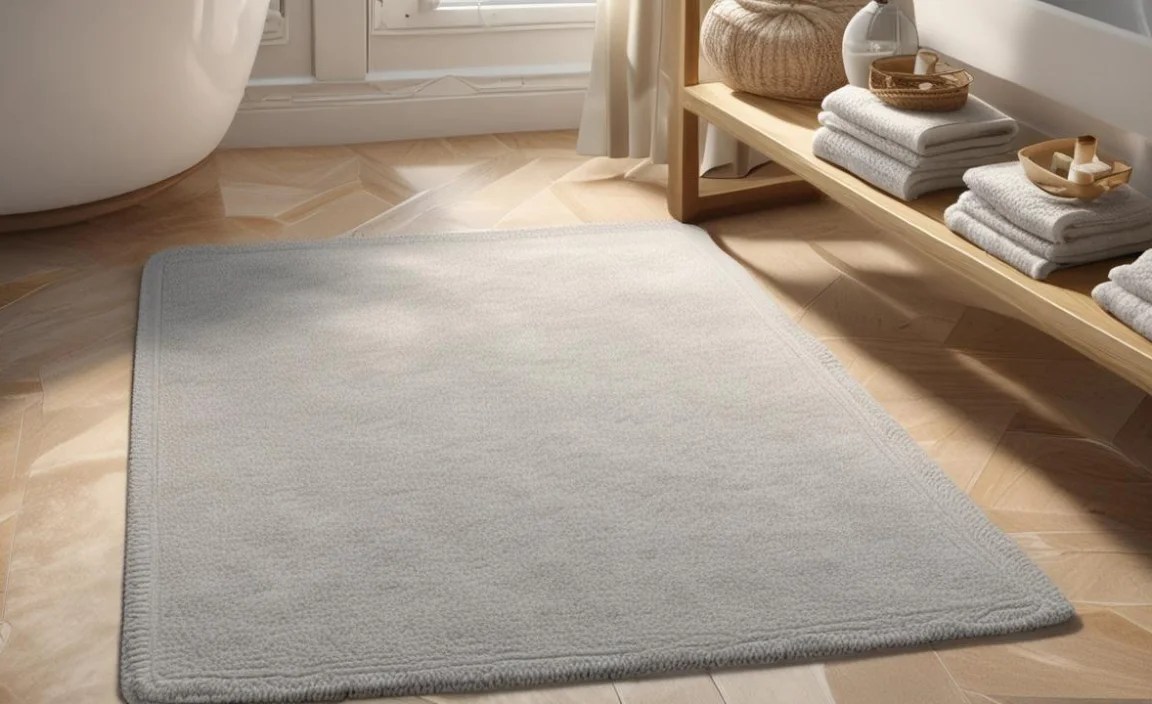
The type of flooring in your bathroom can influence how well a non-slip backing works. Most non-slip backings are designed for smooth, non-porous surfaces like tile, linoleum, or sealed natural stone. If you have a very textured or porous floor, you might need to look for mats with extra-strong grip technology or consider a different type of solution. Always test a small, inconspicuous area if you’re unsure.
Step 3: Determine Your Material Preference
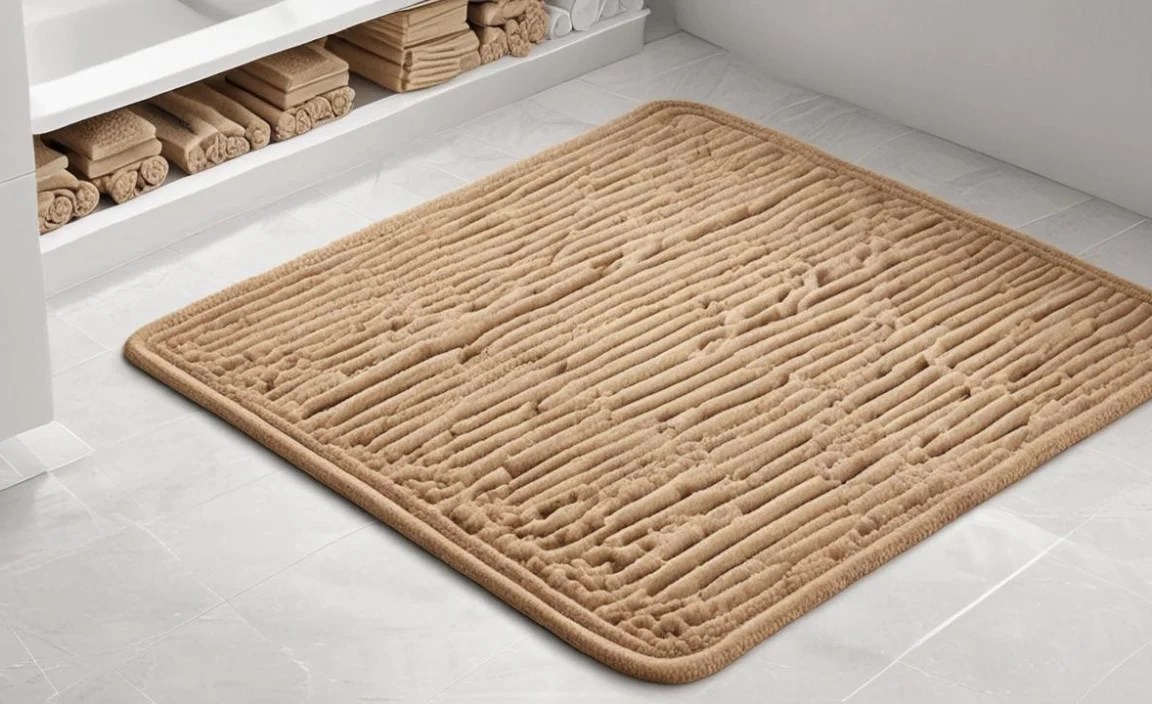
The pile material affects comfort, absorbency, and drying time. Consider these popular options:
- Microfiber: Extremely soft, highly absorbent, and quick to dry. Great for a plush feel.
- Chenille: Similar to microfiber, known for its deep, luxurious pile and excellent absorbency.
- Cotton: Natural, highly absorbent, but can take longer to dry and may not be as soft as synthetic options.
- Polypropylene/Polyester Blends: Durable, stain-resistant, and quick-drying, though sometimes less soft than microfiber.
Step 4: Consider the Backing Technology
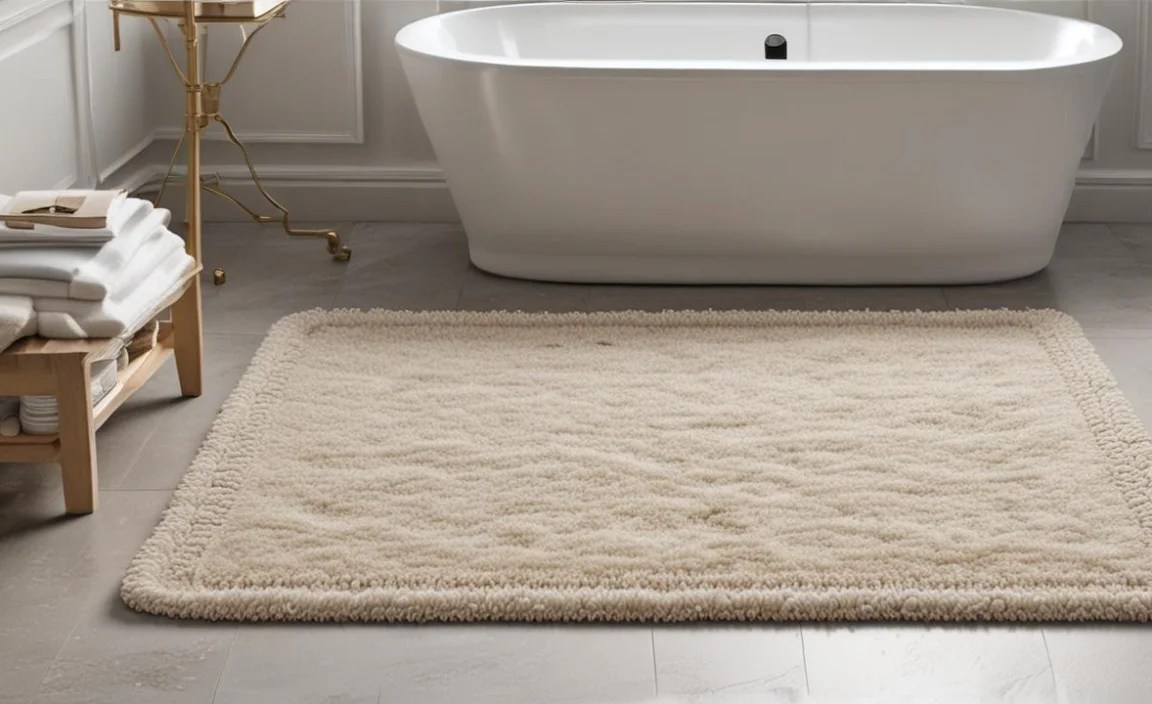
As discussed, the backing is crucial for non-slip performance. Prioritize mats with TPR or advanced rubber compounds specifically designed for grip. Avoid mats with old, cracked, or peeling backings. Some high-end mats might even have layered backing systems for enhanced performance.
Step 5: Think About Style and Color
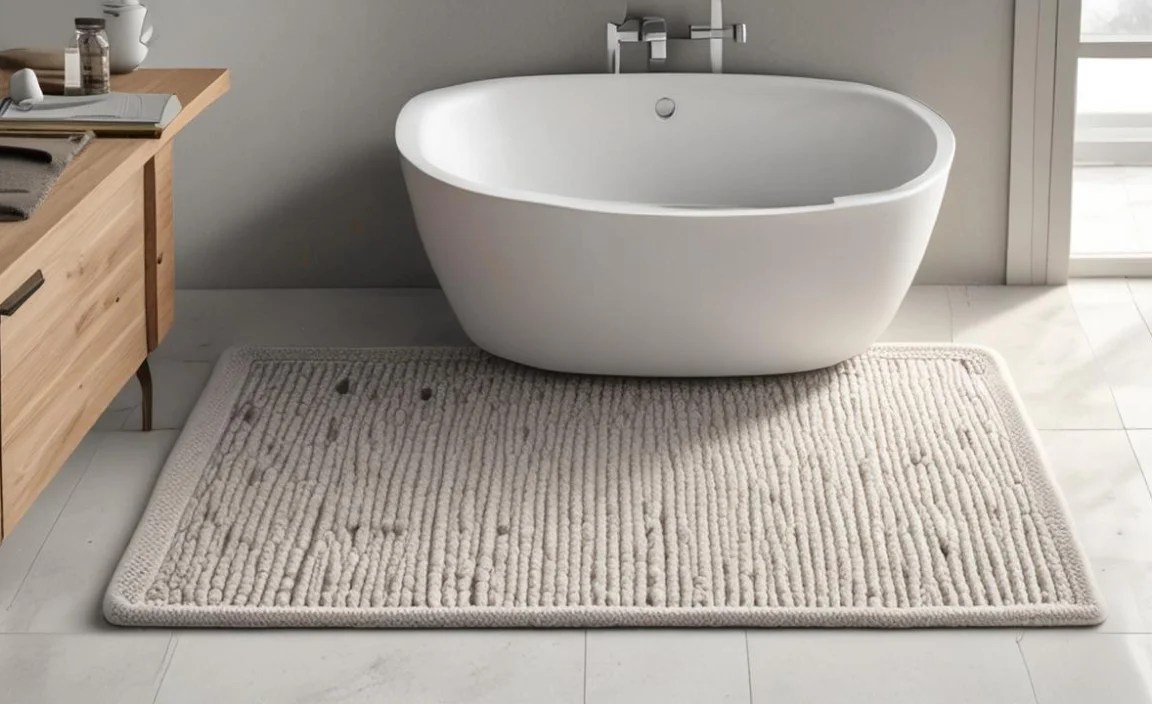
Bath mats are a part of your bathroom décor. Choose a set that complements your existing color scheme and style. Today’s options range from solid neutral tones to vibrant patterns. Consider a set that includes both a bath mat and a matching contour mat for visual harmony.
Step 6: Check for Washability and Durability
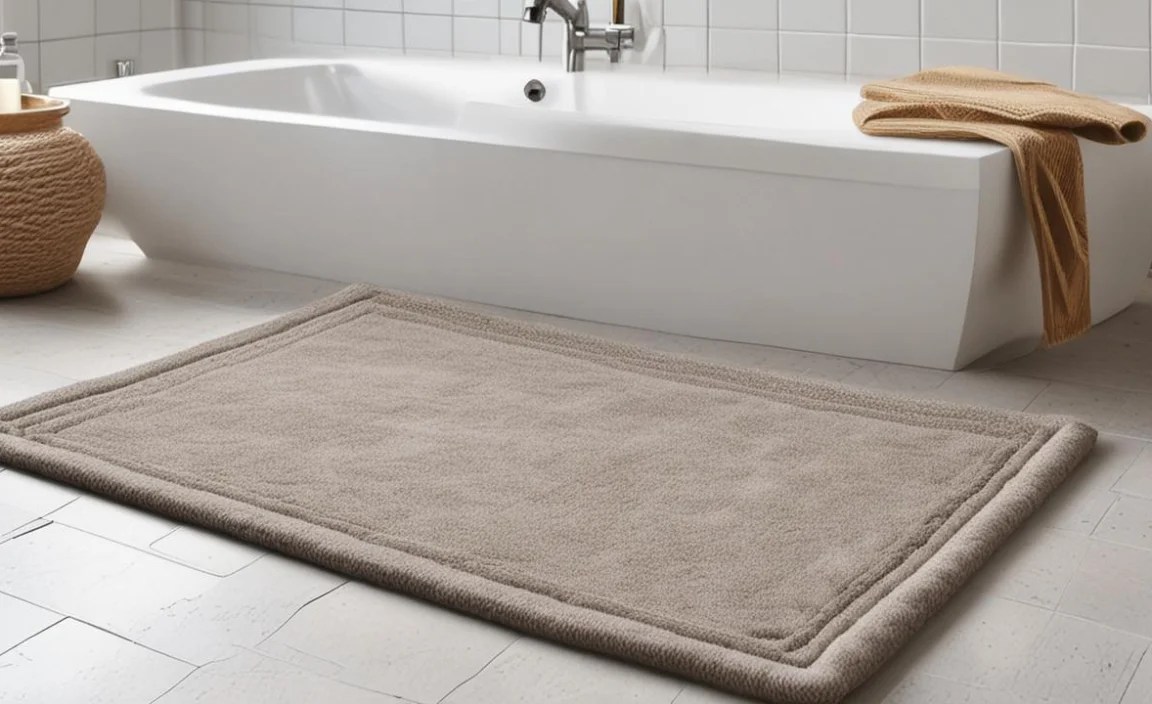
For easy maintenance and hygiene, look for mats that are explicitly machine washable and dryable. This ensures you can keep them fresh and clean without hassle. Read reviews to gauge their long-term durability. High-quality construction often means better stitching and material resilience.
Common Bath Mat Set Configurations
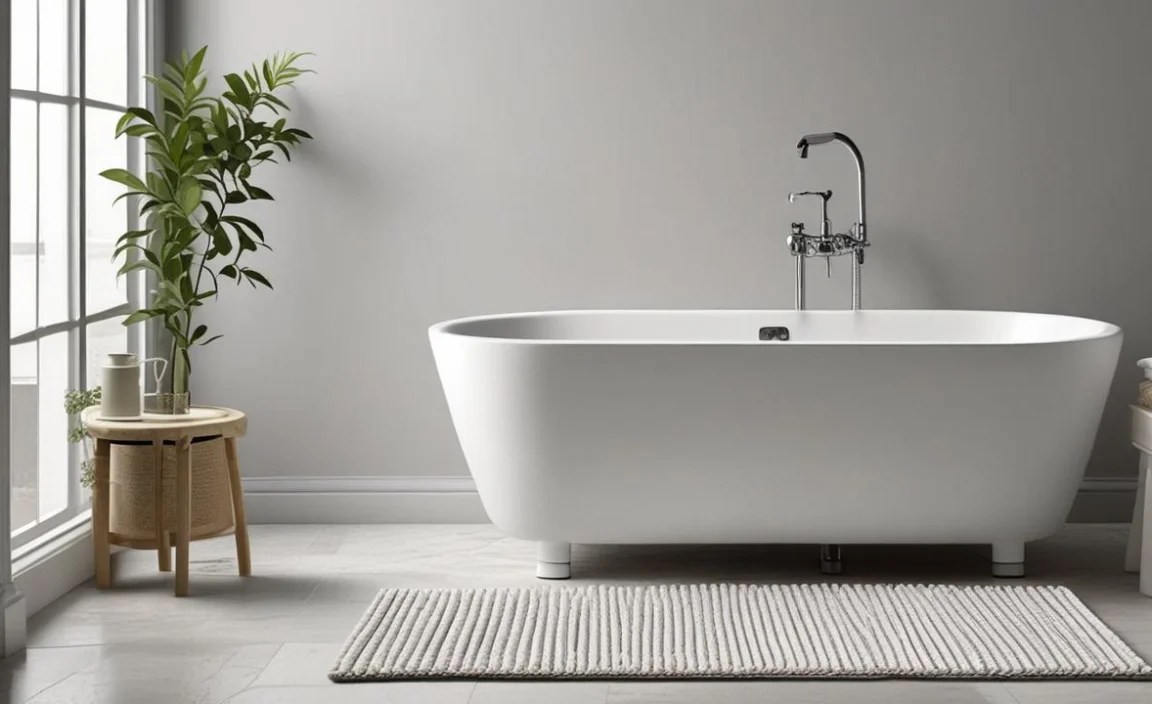
Bath mat sets come in various combinations to suit different needs and bathroom layouts. Understanding these can help you find the perfect fit:
| Set Type | Typical Components | Best For |
|---|---|---|
| Standard Bath Mat Set | 1 Bath Mat (larger) + 1 Contour Mat (shaped for toilet base) | Most bathrooms, provides coverage by tub/shower and toilet. |
| Runner Set | 1 Bath Mat (standard) + 1 Runner (long, narrow mat) | Longer bathrooms or areas in front of double vanities or a long shower. |
| Two-Piece Mat Set | 2 Bath Mats (often identical or similar) | Larger bathrooms needing coverage in multiple areas, or if only one size is preferred. |
| Single Bath Mat | 1 Bath Mat only | Minimalist bathrooms or when only coverage by the tub/shower is needed. |
When browsing, check the exact dimensions of each mat in the set. A “standard” bath mat can vary, and so can a contour mat. Ensure the smaller mat will fit comfortably around your toilet base without obstructing the tank or lid.
Maintenance and Care for Longevity
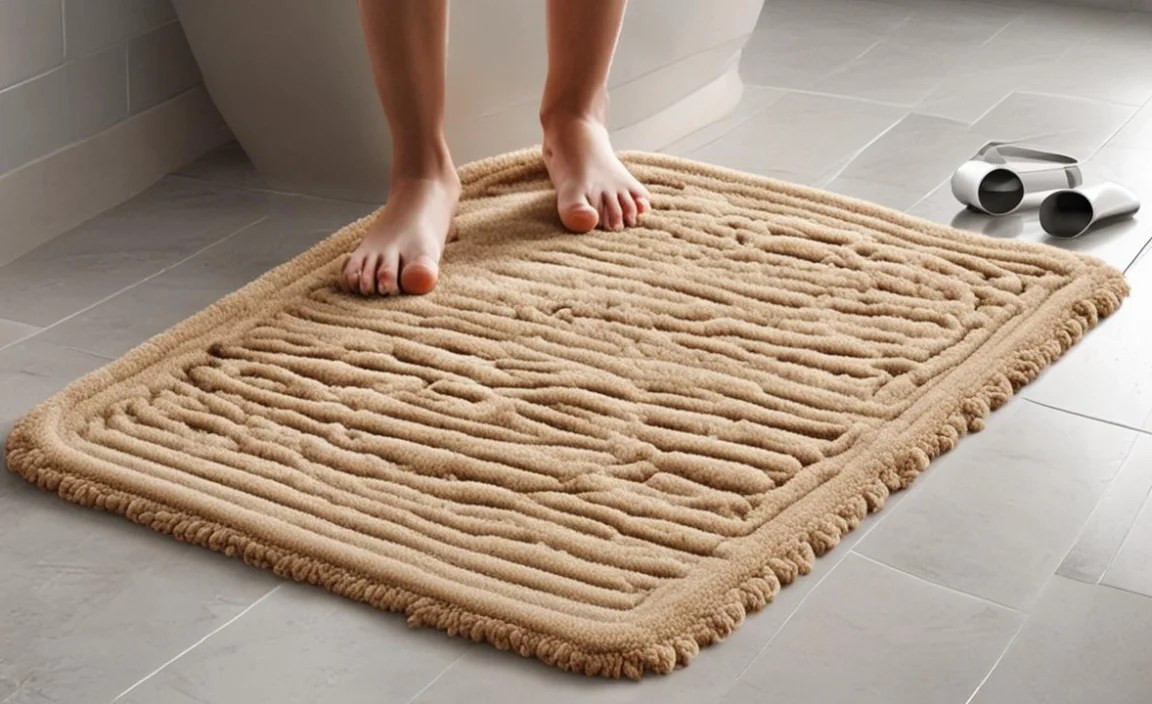
To get the most out of your new non-slip bath mat set and ensure it remains safe and hygienic, proper care is essential. It’s simpler than you might think!
Regular Cleaning
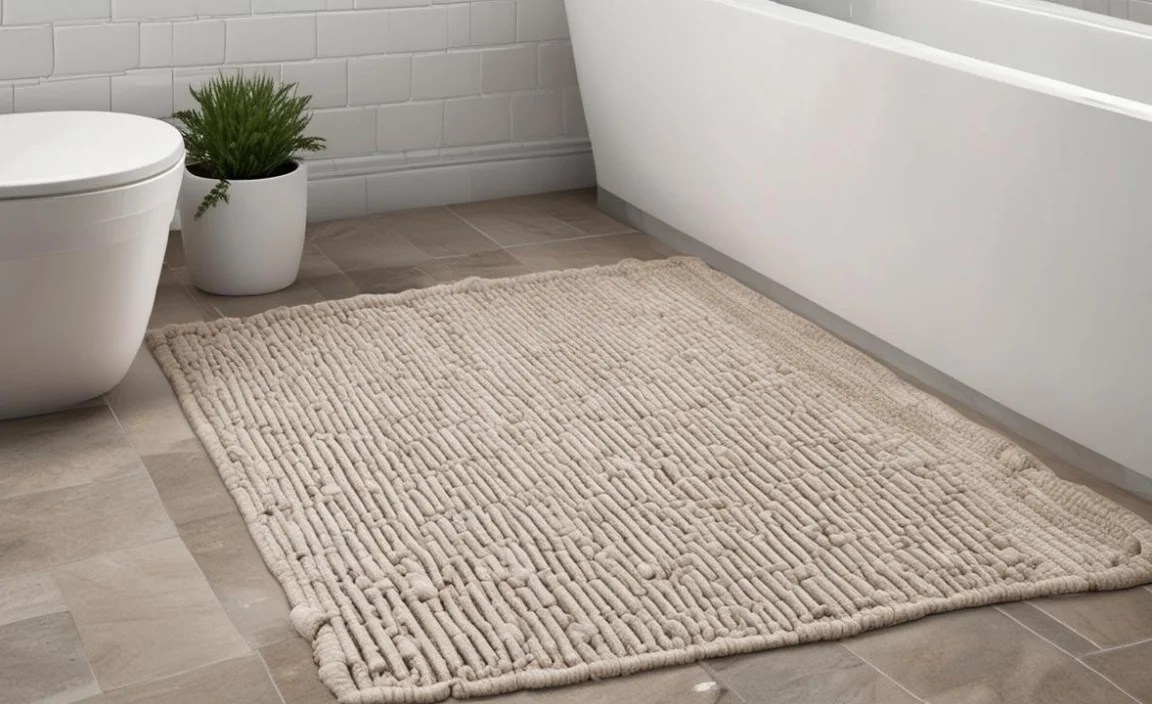
Most modern bath mat sets are designed for machine washing. Always check the care label on your specific mat.
- Shake Off Debris: Before washing, give your mats a good shake outdoors or over a trash can to remove any loose hairs, dust, or lint.
- Machine Wash: Place the mats in your washing machine. Use a mild detergent and a gentle or permanent press cycle. For most microfiber or chenille mats, washing in cool or warm water is recommended. Avoid bleach, as it can degrade fibers and backing materials over time.
- Avoid Fabric Softeners: Fabric softeners can coat the fibers, reducing their absorbency and potentially weakening the grip of the backing. It’s best to skip them for bath mats.
Drying Techniques
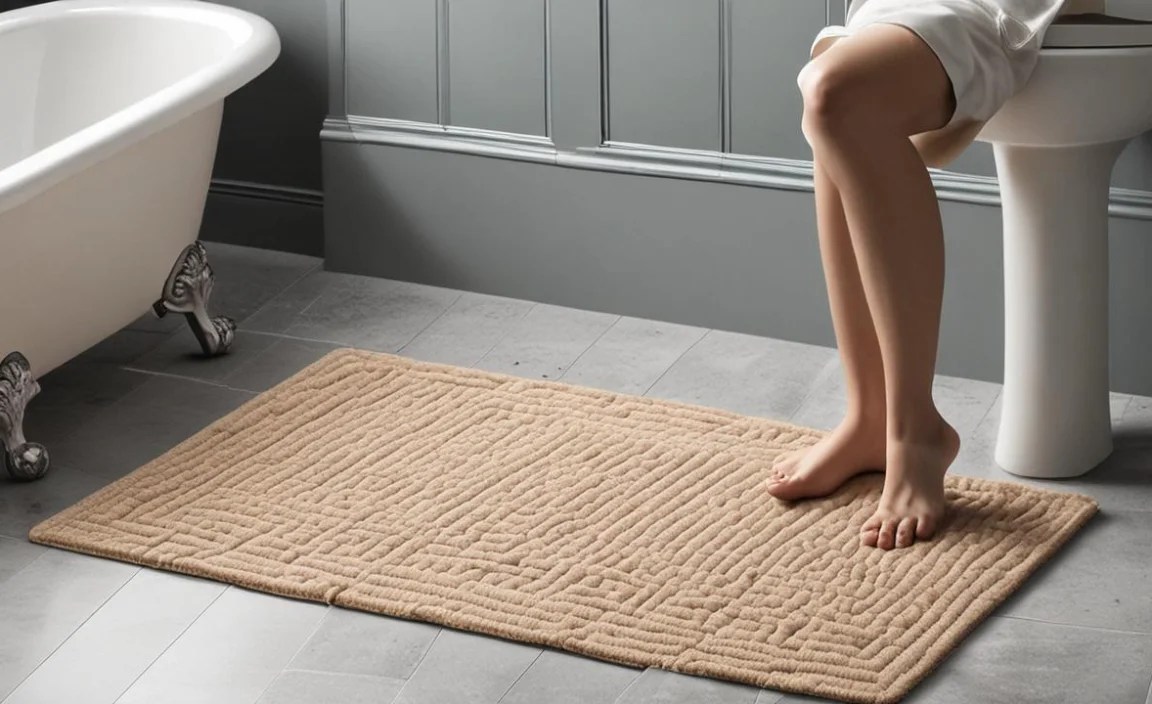
Proper drying is key to preventing mildew and maintaining the mat’s integrity.
- Tumble Dry Low: The easiest method is to tumble dry your mats on a low heat setting. This helps to fluff the fibers and ensures they dry thoroughly.
- Air Dry: If you prefer to air dry, hang the mats over a clothes rack or shower rod. Make sure they have good air circulation around them. Avoid direct, intense sunlight for extended periods, as it can fade colors or damage materials over time.
- Ensure Full Dryness: Before placing the mats back on the floor, ensure they are completely dry to the touch. A slightly damp mat can still promote mildew growth underneath.
Deep Cleaning and Stain Removal
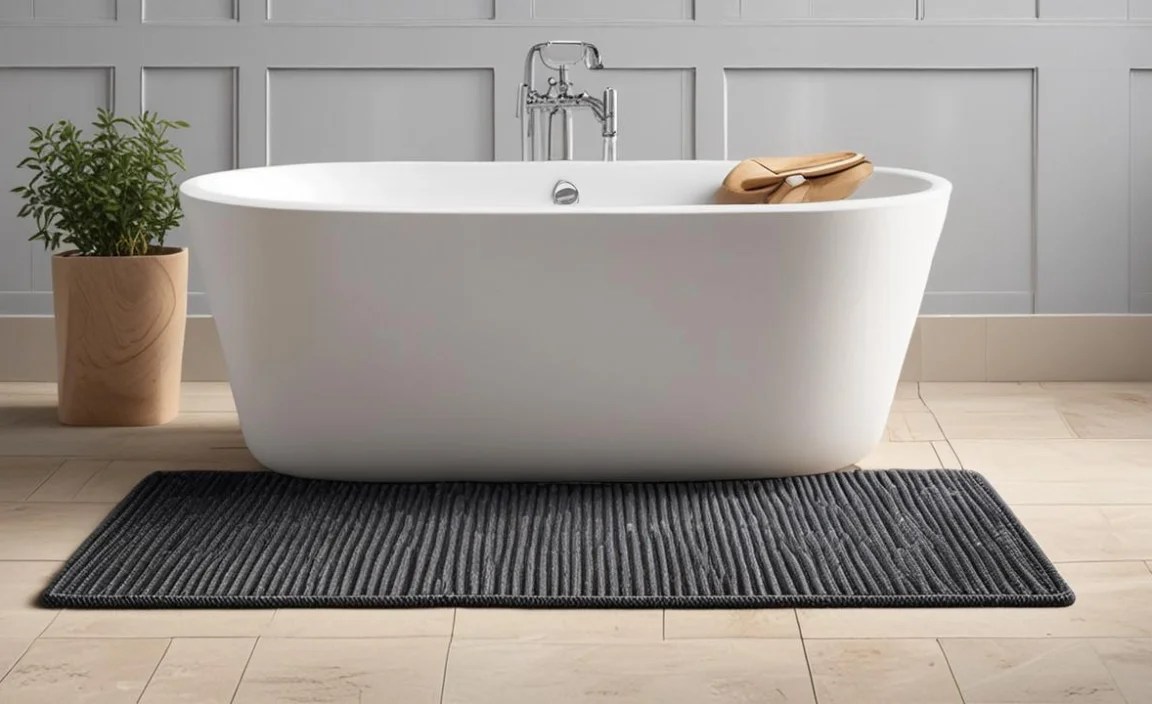
For tougher stains or a deeper clean, consider soaking the mats in a solution of water and a small amount of white vinegar or an oxygen-based cleaner for a few hours before washing. Always rinse thoroughly and dry completely afterward.
Check the Backing Periodically
While modern backings are durable, it’s good practice to periodically inspect the underside of your mats. Ensure there’s no degradation, peeling, or loss of grip. If the backing starts to wear significantly, it’s time to consider a replacement for safety reasons.
Troubleshooting Common Issues
Even the best products can sometimes present minor challenges. Here’s how to tackle them:
- Mat Still Slipping? Ensure the floor beneath is clean and dry. Any soap residue or moisture can create a barrier. For some floors, placing a thin, mesh rug gripper pad underneath can add an extra layer of security (ensure the pad itself is safe for your floor type).
- Mat Not Absorbing Well? This can happen if fabric softener was used inadvertently or if the fibers have become compacted. Try a vinegar soak and wash as described above, and avoid fabric softeners in future washes.
- Odors Persist? Ensure the mat is drying completely between uses and after washing. Regular washing (every 1-2 weeks) is usually sufficient. If odors are persistent even after washing, it may be time to replace the mat, as mildew might be deeply embedded.
- Mat Curling at Edges? This can sometimes happen with older mats or if they haven’t been dried perfectly flat. Try placing a heavy book on the curled edge for a day or two after washing, or consult the manufacturer’s care guide for specific recommendations.
The Environmental Impact of Bath Mats

As consumers become more conscious of their environmental footprint, the materials and production of home goods are under scrutiny. When choosing your next bath mat set, consider these eco-friendly aspects:
- Recycled Materials: Some manufacturers are beginning to offer bath mats made from recycled plastics or other post-consumer materials. These can provide the same comfort and safety while reducing waste.
- Sustainable Fibers: Look for mats made from organic cotton, bamboo, or other sustainably sourced natural fibers. While these might have different care requirements, they can be a more environmentally friendly choice.
- Durable Construction: The most eco-friendly mat is one that lasts. Choosing a high-quality, durable set that you won’t need to replace frequently reduces overall consumption and waste.
- Low-VOC Materials: Volatile Organic Compounds (VOCs) can be released from some synthetic materials. Opting for mats labeled as low-VOC contributes to better indoor air quality and is generally a healthier choice. Organizations like The U.S. Environmental Protection Agency (EPA) provide more information on VOCs.
By considering these factors, you can make a purchase that not only benefits your home but also aligns with a more sustainable lifestyle.
Frequently Asked Questions about Non-Slip Bath Mat Sets
Q1: How often should I replace my bath mat?
A: It’s recommended to replace your bath mat every 1-2 years, or sooner if the backing starts to crack, peel, or lose its grip, or if it persistently harbors odors or stains that cannot be removed. Regular washing can extend its life.
Q2: Can I put my bath mat in the dryer?
A: Most modern bath mat sets made from materials like microfiber or chenille are safe to tumble dry on a low heat setting. Always check the care label for specific instructions, as high heat can damage the backing or fibers.
Q3: Will a non-slip bath mat damage my floor?
A: High-quality non-slip mats, especially those with TPR backing, are generally safe for most sealed bathroom floors like tile or linoleum. However, older or degraded rubber backings can sometimes leave residue. It’s always wise to test in an inconspicuous area or check the manufacturer’s recommendations for your specific flooring type.
Q4: What’s the difference between a bath mat and a shower mat?
A: A standard bath mat is typically placed outside the tub or shower to absorb water when you step out. A shower mat is designed to be placed on the floor inside the shower or tub to provide grip and prevent slips while bathing. Some shower mats use suction cups for secure placement within the wet environment.
Q5: How do I get rid of mild-dew smell from my bath mat?
A: Wash the mat in cool or warm water with a mild detergent. For persistent odors, soak the mat in a solution of equal parts water and white vinegar or a baking soda paste for a few hours before washing. Ensure it dries completely thereafter. Avoid using fabric softener.
Q6: Are “anti-microbial” or “anti-bacterial” bath mats worth it?
A: Mats with these treatments can help inhibit the growth of odor-causing bacteria and mold, making them more hygienic. However, they are not a substitute for regular washing. Many high-quality, quick-drying mats naturally resist mildew if cared for properly. If you are prone to mold issues, this can be a beneficial feature.
Conclusion: The Simple, Stylish Safety Upgrade
Upgrading to a latest non-slip bath mat set is a remarkably simple yet impactful way to enhance your bathroom’s safety, comfort, and overall aesthetic. Gone are the days of flimsy mats that shift precariously or lose their grip after a few washes. Today’s sets offer advanced non-slip technology, superior absorbency, plush materials that feel wonderful underfoot, and stylish designs that can elevate your bathroom’s look. By following the straightforward steps of measuring your space, understanding material options, and checking for key features like durable TPR backing and machine washability, you can easily find a set that perfectly suits your needs.
Remember, a quality bath mat set is an investment in your household’s safety and well-being. It’s a small change that provides significant peace of mind, especially for families with children or elderly members. From the plush comfort of microfiber to the practical elegance of coordinated designs, the latest non-slip bath mat sets are an essential upgrade that brings both function and style to your daily routine. Don’t underestimate the power of this basic bathroom accessory to make a big difference.
