
Have you ever walked into your bathroom and noticed the ceiling peeling paint? It’s a common problem, but many people ignore it. That peeling paint can tell a story about more than just bad looks—it might hint at bigger issues.
Imagine waking up to a beautiful morning. You step into the bathroom, and right above you, the paint is flaking away. Doesn’t that spoil your mood? You might wonder how it happened and what to do next.
Did you know that bathroom ceilings often peel due to humidity? In places like bathrooms, moisture loves to build up. With time, that moisture can lift paint right off the ceiling. Fixing this issue could make your bathroom look new again.
In this article, we’ll explore why bathroom ceiling peeling paint happens and how to fix it. Let’s make your bathroom a pleasant space, starting from the top down!
Bathroom Ceiling Peeling Paint: Causes And Solutions
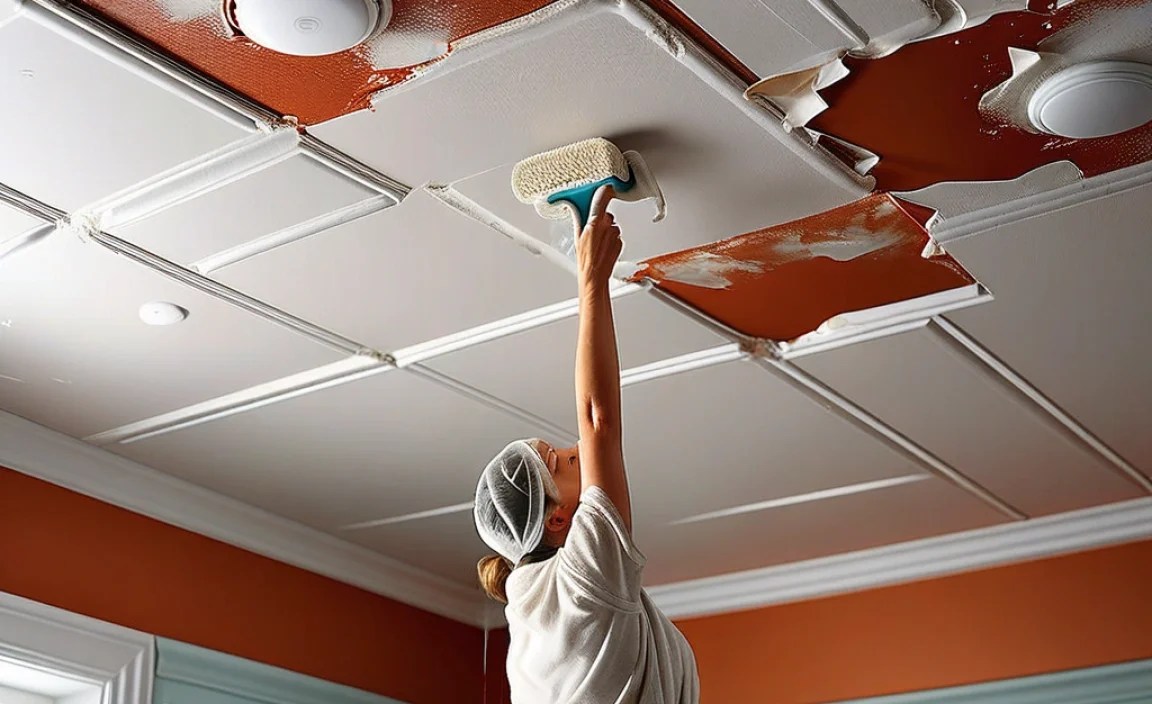

Bathroom Ceiling Peeling Paint
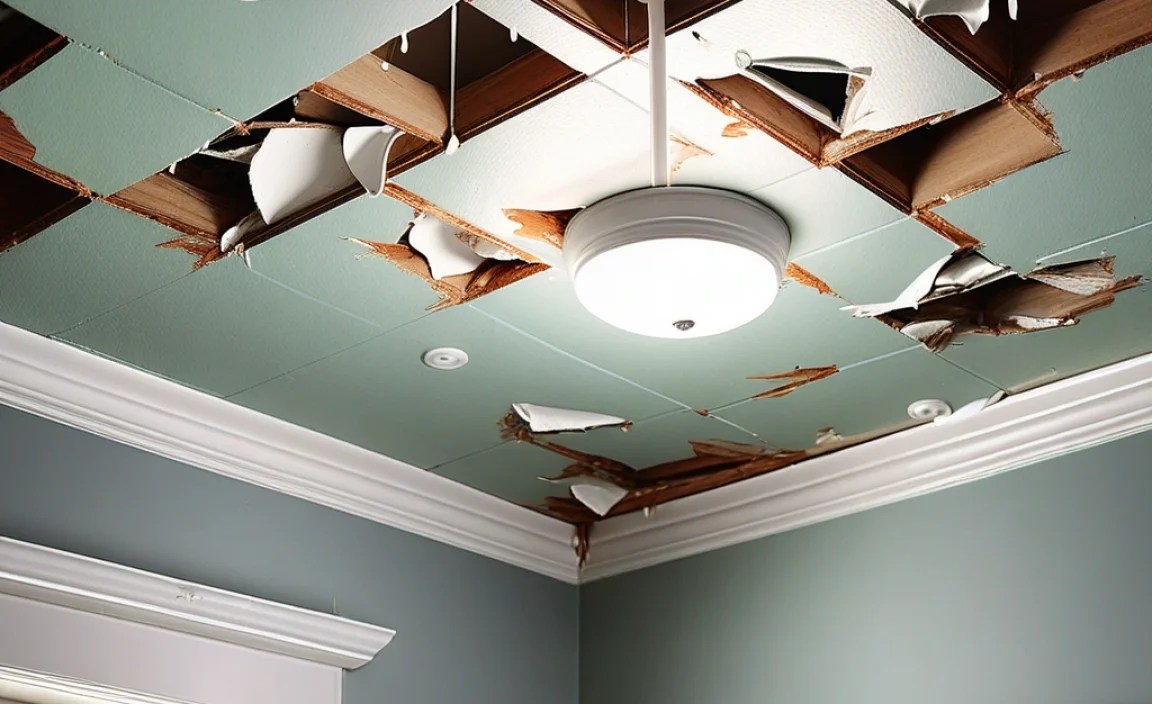
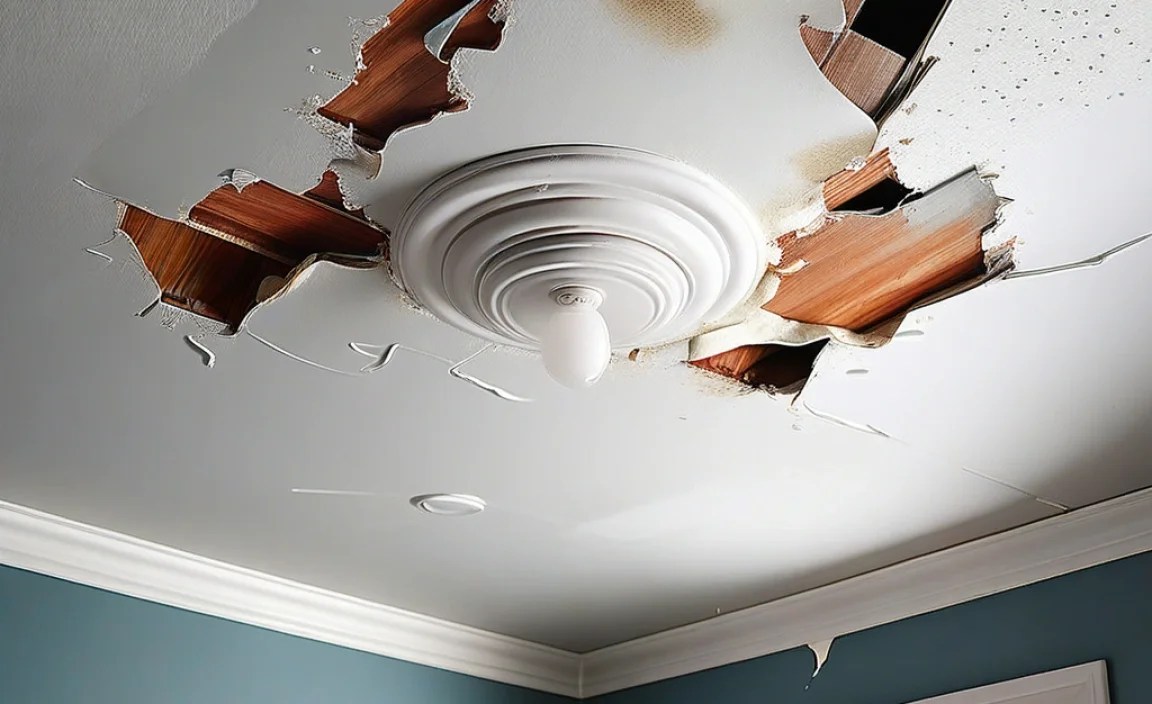
Bathroom ceiling peeling paint can be more than just a cosmetic issue. It often signals moisture problems that need attention. If you notice your paint curling or cracking, it might be time to investigate leaks or high humidity. Ignoring this can lead to bigger problems, like mold! Did you know that bathrooms are one of the most humid areas in a home? Using proper ventilation can prevent this sticky situation. Remember, a little care today can save you from costly repairs tomorrow!
Causes of Bathroom Ceiling Peeling Paint

High humidity and moisture levels. Poor ventilation and airflow.
Several problems can cause the paint on your bathroom ceiling to peel. High humidity and moisture levels are a big reason. When you take hot showers, steam fills the air. If the moisture isn’t cleared, it can weaken the paint. Poor ventilation and airflow make things worse. Without fresh air, wet air lingers, leading to peeling. You need good fans or windows to keep the air moving. Taking action can help keep your ceiling looking fresh.
What causes ceiling paint to peel in bathrooms?
High humidity and poor airflow are the main causes of ceiling paint peeling in bathrooms. Good ventilation is key to preventing this issue.
Signs of Peeling Paint

Blistering or bubbling texture. Discoloration and staining.
Peeling paint can be a sign of trouble in your bathroom. Look for blistering or bubbling textures. This means moisture is trapped under the paint and pushing it up. Discoloration or staining is another red flag. You might see brown or yellow spots on your ceiling. These signs show that water damage could be happening.
What causes peeling paint in the bathroom?
One reason is high humidity. Bathrooms are often warm and damp, which can break down paint. Also, poor ventilation fuels the problem.
Common Signs of Peeling Paint:
- Blistering or bubbling textures
- Unusual discoloration or stains
Assessment and Inspection

Checking for water leaks or damage. Evaluating paint quality and application.
Start with a careful check of the bathroom. Look for signs of water leaks or damage. Check around pipes and under the sink. If you see water stains, it’s a warning sign. Next, evaluate the paint on the ceiling. Is it peeling? This might mean bad application or moisture issues. Good paint should stick well and look smooth. A small inspection can save you big problems later.
How do you check for water leaks?
Look for water stains or damp spots. These can appear on walls or ceilings. Check areas around plumbing fixtures carefully.
Signs to watch for:
- Dark spots on the ceiling
- Dripping sounds
- Mold growth
Taking some time to assess the situation helps keep your bathroom safe and feeling fresh!
Preparation for Repair
Cleaning and removing loose paint. Protecting surrounding areas and surfaces.
Start by cleaning the ceiling to prepare for repairs. Use a broom or vacuum to remove dust. You can also wash it with soapy water. Remove any loose paint with a scraper. This step helps the new paint stick better.
Next, cover your bathroom surfaces to protect them from paint. Use drop cloths for the floor and tape for edges. These simple actions will save you time during cleanup.
Lastly, a little preparation can help you avoid mistakes. Remember, taking these steps will lead to a fresh and nice-looking ceiling!
Why is it important to clean before painting?
Cleaning helps to ensure better paint adhesion, reducing future peeling. A clean surface allows new paint to stick well.
Steps for Preparation:
- Dust the ceiling
- Scrape off loose paint
- Use soapy water for washing
- Cover surfaces with drop cloths
- Use tape to protect edges
Repair Techniques for Peeling Paint
Repainting with moistureresistant paint. Using primer to ensure adhesion.
Imagine stepping into a bathroom that feels like a jungle, thanks to peeling paint. Not a fun sight! So, how do we fix this? First, use moisture-resistant paint. This helps keep the paint intact, even in steamy conditions. Next, applying a good primer is key. It ensures the new paint sticks well, preventing future flaking. You can think of primer as the trusty glue that holds everything together. Let’s make those ceilings shine!
| Repair Technique | Benefit |
|---|---|
| Moisture-resistant paint | Stops peeling and lasts longer |
| Using primer | Improves paint adhesion |
Preventive Measures to Avoid Future Peeling
Improving ventilation with exhaust fans. Regular maintenance and inspections.
To keep that bathroom ceiling looking fresh, you must improve airflow. Adding an exhaust fan does wonders. It helps reduce moisture, which is a common cause of peeling paint. Think of it as a mini superhero fighting humidity! Regular maintenance is also key. Check your ceilings often for any trouble spots. If you see bubbles or chips, it’s time to act. A little inspection can save you from a messy repaint later! Who wants to live with sad, flaking paint anyway? It’s like wearing mismatched socks!
| Preventive Measures | Benefits |
|---|---|
| Exhaust Fans | Reduces humidity |
| Regular Inspections | Spot issues early |
When to Call a Professional
Identifying serious water damage. Complex repairs beyond DIY capabilities.
Sometimes, your bathroom ceiling can look like a pizza left in the oven too long – burnt and peeling. If you see *serious water damage*, don’t delay! It might mean trouble, like leaks hiding behind the walls. Calling a professional is wise if you spot large patches of damage. Their tools and skills can tackle repairs that make your DIY skills look like finger painting. Don’t be a hero; let the pros deal with complex messes. Save your ceiling before it starts looking like Swiss cheese!
| Signs to Call a Professional | Description |
|---|---|
| Large Water Stains | Big stains can mean leaks, needing expert help. |
| Rotted Wood | Wood that is soft or brown? Time to call for backup! |
| Mold Growth | If black spots appear, professionals can remove it safely. |
Conclusion
In summary, peeling paint on your bathroom ceiling often means moisture problems. You should check for leaks or high humidity. Fixing these issues can prevent further damage. We recommend repainting with moisture-resistant paint once repairs are done. For more tips and solutions, keep reading trusted home improvement sources. Together, we can keep your bathroom looking great!
FAQs
What Are The Common Causes Of Peeling Paint On Bathroom Ceilings?
Peeling paint on bathroom ceilings usually happens for a few reasons. First, there’s too much moisture from showers or baths. This wetness can make the paint lose its grip. Second, poor ventilation can trap steam, causing problems. Lastly, if the surface wasn’t clean or dry before painting, the paint may not stick well.
How Can Humidity Levels In A Bathroom Contribute To Paint Deterioration?
High humidity in a bathroom means there’s a lot of moisture in the air. This can make paint peel or bubble up. When it’s damp, the paint can’t stay stuck to the walls. You might also see mold grow, which can harm the paint even more. Keeping your bathroom dry helps paint last longer.
What Steps Can Be Taken To Properly Prepare A Bathroom Ceiling Before Repainting To Prevent Future Peeling?
First, we need to clean the ceiling well. Use warm, soapy water to remove dirt and mold. Next, let the ceiling dry completely. After that, you can sand any rough spots lightly. Finally, apply a special primer for bathrooms to help the paint stick better.
Are There Specific Types Of Paint Recommended For Use In High-Moisture Areas Like Bathrooms?
Yes, there are special paints for bathrooms. You should look for “moisture-resistant” or “mold-resistant” paint. These paints help keep water and mold away. They usually dry fast and are easy to clean. By using them, your bathroom will stay looking nice!
How Can Homeowners Effectively Repair And Maintain Their Bathroom Ceilings To Avoid The Recurrence Of Peeling Paint?
To fix and take care of your bathroom ceiling, start by removing the old peeling paint. Clean the area with soap and water. Make sure the bathroom is well-ventilated by using a fan or opening a window. Use good-quality paint that resists moisture. Finally, check for leaks and fix them to keep the ceiling dry.
