
Have you ever wondered what makes a bathroom work? It might seem like magic, but it’s actually the amazing world of plumbing. Let’s explore how bathrooms work with plumbing. We’ll discover how water gets to your faucet and where it goes after you flush. Are you ready to dive into the world of bathroom plumbing?
Key Takeaways
- Plumbing makes our bathrooms work smoothly every day.
- Water travels through pipes to your faucet.
- The toilet relies on gravity and plumbing magic.
- Drain pipes carry away dirty water.
- Learn how the bathroom is explained in plumbing.
Water Supply in Bathrooms

Every bathroom needs water. It comes through pipes from a water source. These pipes connect to your sink, shower, and toilet. When you turn on the faucet, water flows out. This happens because of water pressure. Water pressure pushes water through the pipes. It’s like squeezing a tube of toothpaste! Without water pressure, no water would come out.
- Water comes from local water systems.
- Pipes connect to sinks and showers.
- Faucets control water flow.
- Water pressure makes it work.
- Plumbing connects all parts.
Plumbing ensures we have clean water when needed. It also makes sure wastewater goes away. These systems are hidden behind walls. But they do important work. Next time you use the sink, remember the plumbing magic happening behind the scenes.
Fun Fact or Stats : The average American uses 82 gallons of water a day!
How Water Gets to Your Faucet
Did you know your faucet’s water journey is fascinating? Water starts at a treatment plant. It is cleaned and made safe. Then, it travels through large pipes. These pipes lead to smaller pipes under your street. Finally, water reaches your home. At home, pipes carry it to your faucet. Isn’t it cool how water travels so far to reach you?
The Role of Water Pressure
Imagine water as a group of runners. Water pressure is like a coach pushing them forward. Without the coach, the runners slow down. Water pressure keeps water moving fast. It helps water flow out of faucets quickly. So next time water gushes out, thank water pressure. It works hard so you can wash your hands easily.
Importance of Pipe Materials
Have you ever seen a pipe? Not all pipes are the same. Some are made of metal, and others are plastic. Metal pipes are strong but can rust. Plastic pipes are light and don’t rust. The type of pipe depends on where it’s used. Choosing the right pipe keeps water clean and flowing smoothly. Isn’t it interesting how materials matter in plumbing?
The Magic Behind Toilet Plumbing

Toilets might seem simple, but they are plumbing wonders. When you flush, water rushes into the bowl. This water comes from a tank behind the toilet. The water’s force pushes waste down the drain. Gravity helps too! It pulls waste through pipes to the sewer. Toilets have a special trap to keep odors away. It holds water in the bowl to block smells.
- Toilets use water and gravity.
- Tanks store water for flushing.
- Drains carry waste away.
- Traps prevent bad odors.
- Plumbing explains the toilet’s magic.
Plumbing makes toilets work without any fuss. It’s amazing how pipes, gravity, and water work together. Next time you flush, think about the plumbing magic. It keeps bathrooms fresh and clean, every single day.
Fun Fact or Stats : The average person flushes 5 times a day!
How Toilets Flush
Have you ever watched a magic trick? Flushing a toilet is like one! When you press the lever, a chain lifts a flap. Water rushes from the tank to the bowl. This fast water movement creates a swirl. It pushes waste down the drain. It’s like a mini water slide in your home. Isn’t it amazing how a simple flush works?
The Role of Gravity in Toilet Plumbing
Gravity is a powerful force. It pulls objects down. In plumbing, gravity helps move waste. After flushing, gravity pulls waste into pipes. These pipes lead to the sewer. Without gravity, waste would stay in the toilet. Imagine a world without gravity in plumbing. It would be a smelly mess!
Why Toilets Have a Trap
Have you ever smelled something yucky from a drain? Toilets have traps to stop this. A trap is a curved pipe. It holds water in the toilet bowl. This water blocks sewer gas. Sewer gas can’t pass through water. So, the trap keeps bad smells away. Isn’t it clever how a simple water trap can stop odors?
Understanding Bathroom Drains
Drains are like highways for dirty water. They carry water away from sinks, showers, and toilets. Drains connect to larger pipes called sewers. Sewers take wastewater to treatment plants. At treatment plants, water is cleaned before returning to nature. Drains have special covers to catch hair and dirt. This prevents clogs and keeps the water flowing.
- Drains carry away dirty water.
- Connect to larger sewer pipes.
- Sewers lead to treatment plants.
- Drain covers catch debris.
- Plumbing keeps water moving.
Drain systems are crucial for clean bathrooms. They ensure no dirty water stays behind. By understanding how drains work, we can keep them clear. Always remember to keep the drain cover clean. This helps water flow smoothly, just like a mini river in your home.
Fun Fact or Stats : A single shower uses about 17 gallons of water!
How Sink Drains Work
Have you watched water disappear down a sink? It’s like magic! Water spirals down the drain. It enters a pipe called a P-trap. The P-trap holds some water to block sewer gas. Then, water flows into bigger pipes. These pipes carry it to the sewer. Isn’t it neat how all the water disappears so smoothly?
Preventing Clogs in Drains
Have you ever seen a clogged drain? It’s messy and slow! To prevent clogs, use drain covers. Covers catch hair and soap scum. Avoid putting food or grease down the drain. These can build up and block pipes. By keeping drains clean, water flows freely. It’s like keeping a road free of traffic jams.
The Journey of Wastewater
Ever wonder where wastewater goes? After leaving your home, it enters sewers. Sewers lead to treatment plants. At these plants, water gets cleaned. Trash and dirt are removed. Then, clean water returns to rivers or oceans. Isn’t it amazing how water gets a second chance in nature?
Shower Plumbing Explained
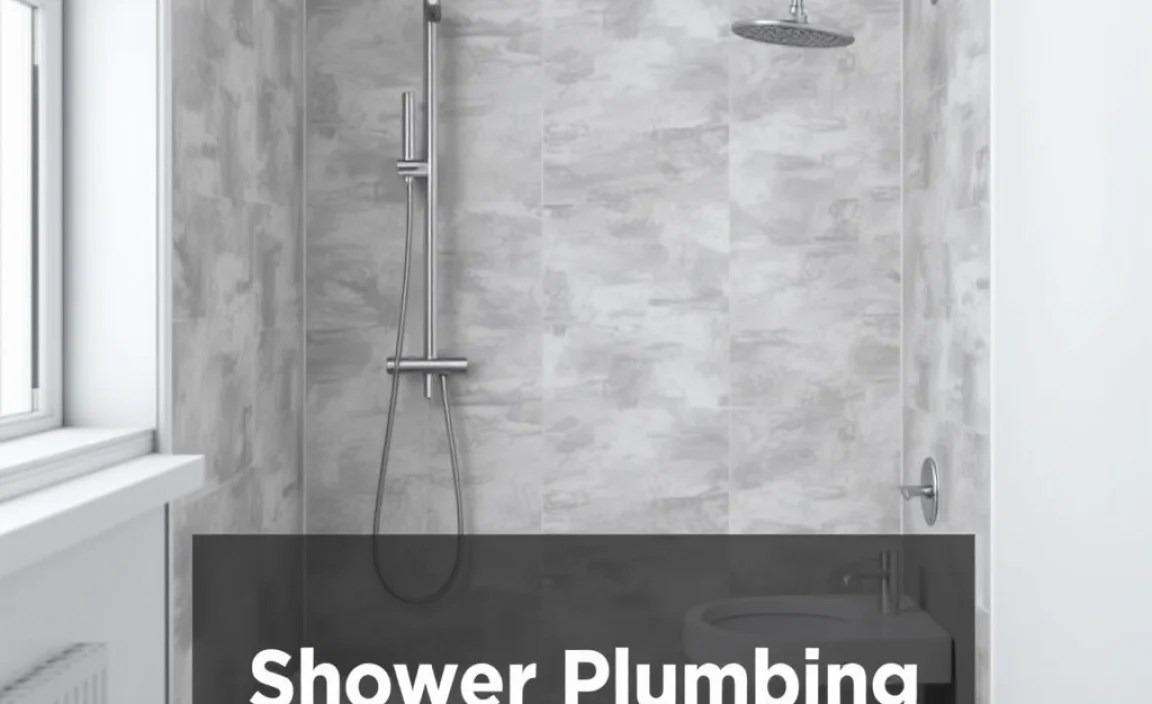
Showers are a wonderful way to start the day. Plumbing makes showers possible. Pipes deliver hot and cold water to your shower. A valve controls the mix of hot and cold water. This ensures the water is just right. Showerheads spray water evenly. Plumbing makes sure water flows smoothly and drains away.
- Pipes bring hot and cold water.
- Valves mix water temperatures.
- Showerheads spray water.
- Drains remove used water.
- Plumbing keeps showers pleasant.
Shower plumbing is like a symphony of pipes and water. Each part plays its role perfectly. So, next time you enjoy a warm shower, think about the plumbing magic. It ensures you have a refreshing start to your day.
Fun Fact or Stats : The average shower lasts 8 minutes.
How Showerheads Work
Have you ever watched a showerhead? Water sprays in tiny streams. Showerheads have small holes for water. These holes help water spray evenly. Some showerheads can change water patterns. They offer gentle rain or strong jets. Isn’t it fun to have a mini waterfall in your bathroom?
The Role of Valves in Showers
Valves are like the brain of a shower. They control water temperature. Turning the handle adjusts the mix of hot and cold water. This ensures the perfect shower temperature. Without valves, showers would be too hot or cold. Valves make sure your shower is always just right!
Keeping Shower Drains Clear
Have you ever noticed water pooling in the shower? This happens when drains are clogged. To keep drains clear, clean them regularly. Remove hair or soap build-up. Use a drain cover to catch debris. Keeping drains clear ensures water can flow away quickly.
The Importance of Plumbing Maintenance

Plumbing needs regular care to work well. Maintenance prevents leaks and clogs. Check pipes and faucets for drips. Fixing small issues early prevents bigger problems. Regular cleaning keeps drains clear. It’s like taking care of your bike. Regular checks keep it running smoothly.
- Check pipes for leaks.
- Fix dripping faucets.
- Clear drains regularly.
- Prevent clogs with drain covers.
- Plumbing needs regular care.
Plumbing maintenance is key to happy bathrooms. When everything works well, we use less water. This helps the environment too. Taking care of plumbing is like having a plant. Water and love keep it healthy. Remember to give your plumbing some care!
Fun Fact or Stats : A dripping faucet can waste 3,000 gallons yearly!
Why Pipes Leak
Have you noticed a wet spot under a sink? This could be a leak. Leaks happen when pipes have cracks or loose connections. Old pipes can rust and develop holes. Fixing leaks quickly is important. Leaks waste water and can cause damage. It’s like having a hole in your straw. No one likes a messy sip!
How to Fix a Dripping Faucet
Have you heard a constant drip from a faucet? It’s annoying! Fix it by tightening the faucet’s parts. Sometimes, a worn-out washer causes drips. Replacing the washer stops the drip. It’s a simple fix and saves water. Imagine how much water you save by fixing one drip!
Tools for Plumbing Maintenance
Do you have a toolbox? Some tools are great for plumbing. Wrenches tighten loose pipes. Plungers clear simple clogs. Tape seals small leaks. Even a hair trap helps! Having the right tools makes plumbing care easy. It’s like having the right tools for a fun science project.
Conclusion
Plumbing is the magic behind every bathroom. It makes water appear and disappear. With plumbing, sinks flow, and toilets flush. Understanding bathroom explained in plumbing helps us care for it. So next time you wash your hands, remember the plumbing wonders. They work hard to make life easy!
FAQs
Question: How does plumbing work in a bathroom?
Answer: Plumbing carries water to and from your bathroom. Pipes bring clean water to faucets and showers. Drains carry away dirty water to sewers. Plumbing connects everything, making bathrooms function smoothly.
Question: Why is plumbing important in a bathroom?
Answer: Plumbing is crucial for water supply and waste removal. It ensures clean water reaches your taps and dirty water leaves. Without plumbing, bathrooms wouldn’t work. Imagine no water for showers or toilet flushing!
Question: How do toilets and plumbing work together?
Answer: Toilets rely on plumbing to flush waste. A tank stores water for flushing. When flushed, water flows into the bowl, pushing waste down the drain. Plumbing explained in bathrooms includes pipes and traps for odor control.
Question: How can I prevent plumbing problems in my bathroom?
Answer: Regular maintenance prevents problems. Check for leaks and fix them quickly. Use drain covers to catch debris. Clean drains to prevent clogs. Taking care of your plumbing keeps bathrooms working well and avoids big issues.
Question: What materials are pipes made from in bathroom plumbing?
Answer: Pipes can be metal or plastic. Metal pipes are strong but may rust. Plastic pipes are lightweight and won’t rust. The choice depends on where the pipes are used. Both types ensure water flows smoothly in your bathroom.
Question: Can I fix a plumbing issue myself?
Answer: Some minor issues can be fixed at home. Tighten loose faucets or clear small clogs with a plunger. For bigger issues, it’s best to call a plumber. A professional can handle complicated plumbing explained in bathroom systems.
