
Quick Summary:
Choosing the right bathroom hooks for robes is an essential upgrade, offering convenience and style. This guide will help you buy the perfect ones, ensuring they are strong, suited to your decor, and easy to install. Get ready for a tidier, more luxurious bathroom!
Bathroom Hooks for Robes: Your Essential Buy
Tired of finding your plush robe draped over the toilet lid or the edge of the shower? You’re not alone! A soggy robe is never a good look, and it can even lead to musty smells. But don’t worry, there’s a simple, stylish solution: bathroom hooks specifically designed for robes. These aren’t just any hooks; they’re the unsung heroes of bathroom organization, providing a dedicated, secure spot for your comfy robe. Installing them is easier than you think, and the payoff in terms of a clutter-free, spa-like atmosphere is huge. We’ll walk you through everything you need to know to buy and install the perfect robe hooks, transforming your bathroom experience.
Why Robe Hooks Are a Bathroom Must-Have
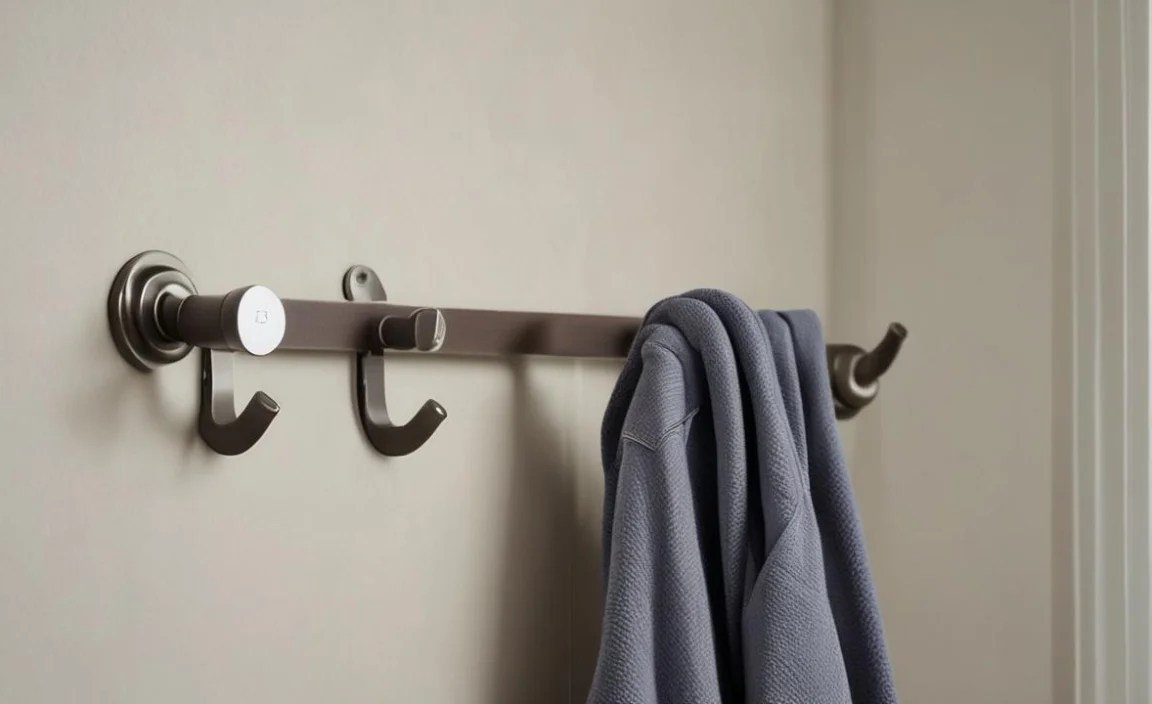
Think about your bathroom. It’s a space for relaxation and getting ready. A heavy, fluffy robe adds to that feeling of comfort, but it can quickly become a tripping hazard or an eyesore if not properly stored. Robe hooks are the elegant answer. They keep your robe off the floor, allowing it to air out properly and preventing moisture buildup. This also means your robe is always within easy reach when you step out of the shower or bath, ready to wrap you in warmth.
Beyond practicality, robe hooks can also be a fantastic design element. They come in a variety of styles, finishes, and sizes that can complement or even enhance your bathroom’s existing aesthetic. Whether you’re aiming for a modern minimalist look, a rustic charm, or a classic feel, there’s a robe hook out there that fits perfectly. They signal a level of care and intentionality in your home, making the space feel more polished and inviting.
Choosing the Right Bathroom Hooks for Robes: What to Consider

When you decide to buy bathroom hooks for robes, it’s not a one-size-fits-all scenario. Several factors come into play to ensure you get the best hooks for your needs and your bathroom. Let’s break them down:
Material Matters: Durability and Style
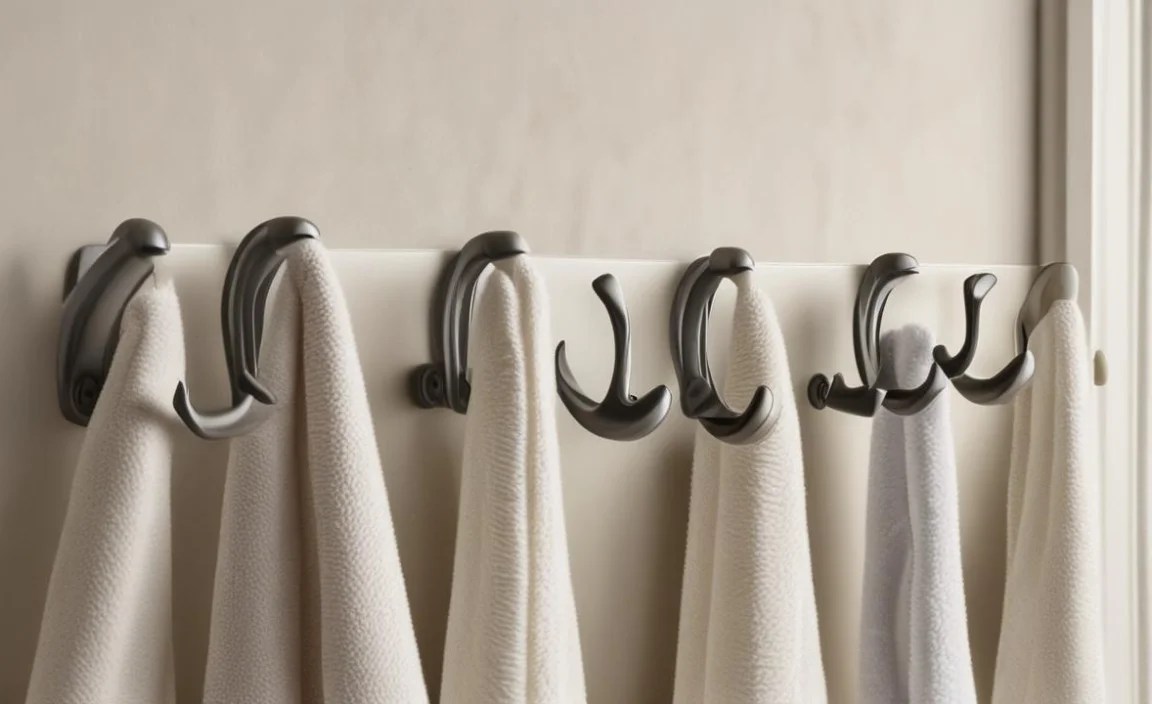
The material of your robe hook will affect its durability, how it looks, and how well it holds up in a humid bathroom environment. Here are some common options:
- Stainless Steel: This is a top choice for bathrooms. Stainless steel is highly resistant to rust and corrosion, making it perfect for humid conditions. It offers a modern, clean look and is very durable. You’ll find brushed, polished, and matte finishes.
- Brass: Often plated with chrome or nickel, brass hooks are strong and can offer a classic or luxurious feel. Ensure the plating is high quality to prevent tarnishing over time.
- Zinc Alloy: A good balance of durability and affordability. Zinc alloy hooks are often finished with chrome or nickel. They are generally resistant to corrosion but might not be as robust as solid stainless steel for very heavy use.
- Aluminum: Lighter than steel or brass, aluminum hooks are often used for decorative purposes or in less demanding applications. They can be prone to bending if a very heavy robe is hung on them frequently.
- Plastic (High-Quality): While some plastic hooks can look cheap, high-quality, heavy-duty plastic hooks can be a budget-friendly and surprisingly durable option, especially for children’s rooms or less formal bathrooms. They are also naturally rust-proof.
Weight Capacity: How Much Can It Hold?
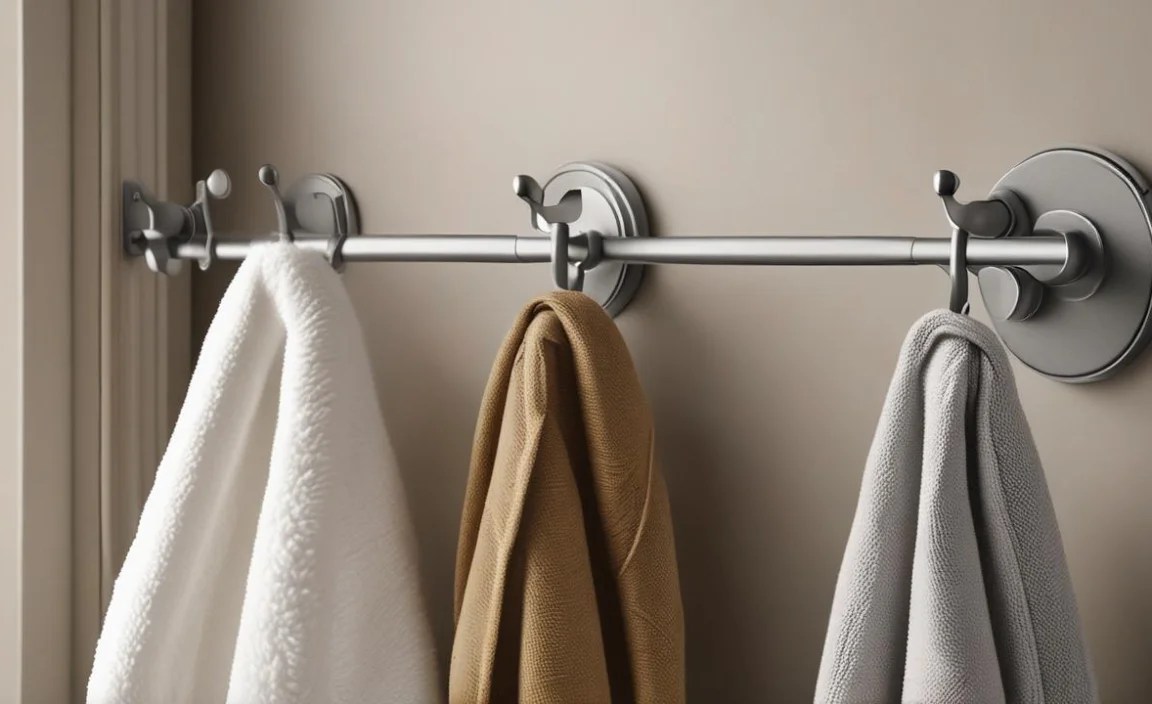
This is crucial! Robes, especially when wet, can be surprisingly heavy. Look for hooks that explicitly state their weight capacity. A standard robe hook should ideally hold at least 10-15 pounds (around 4.5-7 kg). If you have particularly bulky or heavy-duty robes, or plan to hang multiple items, you’ll want to find hooks rated for higher weights. Always err on the side of caution and choose hooks that are rated to hold more than you think you’ll need. Reputable manufacturers often test and certify their products, so look for that information.
Size and Shape: Functionality and Aesthetics
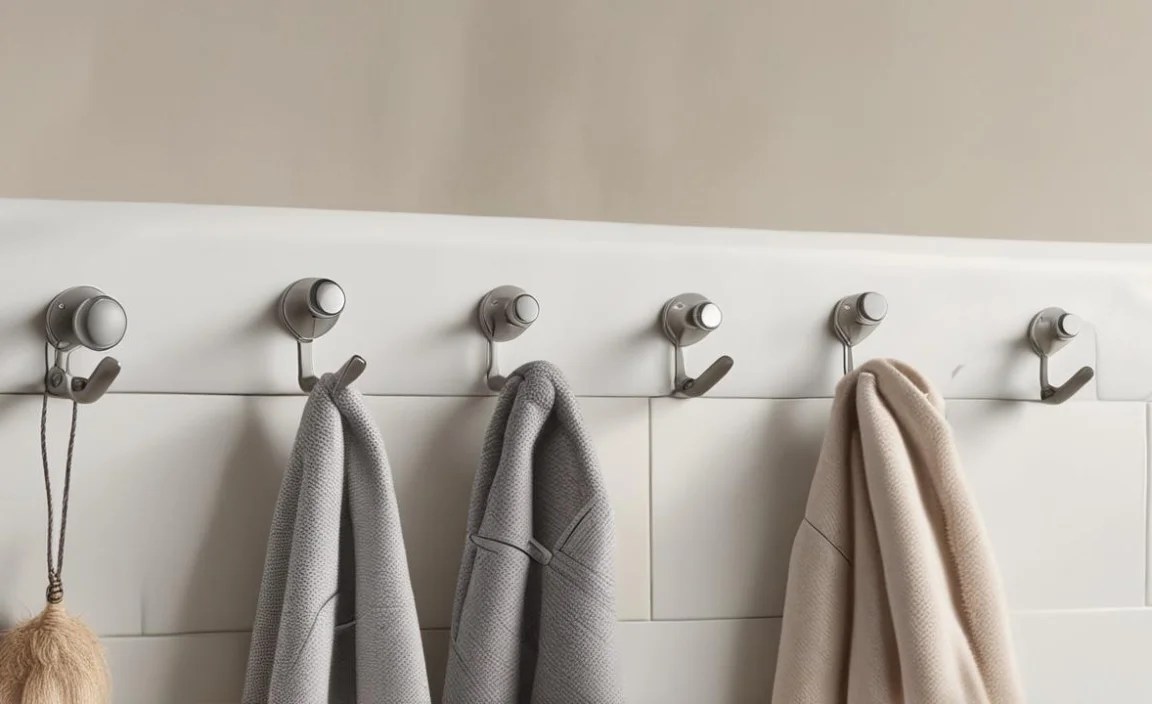
Robe hooks come in various shapes and sizes:
- Single Hooks: The most common type, perfect for one robe or towel. They can be simple posts, curved arms, or decorative shapes.
- Double Hooks: These have two arms, allowing you to hang two robes or a robe and a towel. They offer more hanging space and can be a good option for shared bathrooms.
- Hook Length: Ensure the hook is long enough to hold your robe without it slipping off. A length of 2-4 inches (5-10 cm) is usually sufficient for most robes.
- Backplate Size: The part that attaches to the wall. A larger backplate can distribute weight better and provide a more secure mounting.
Mounting Type: Screw-In vs. Adhesive
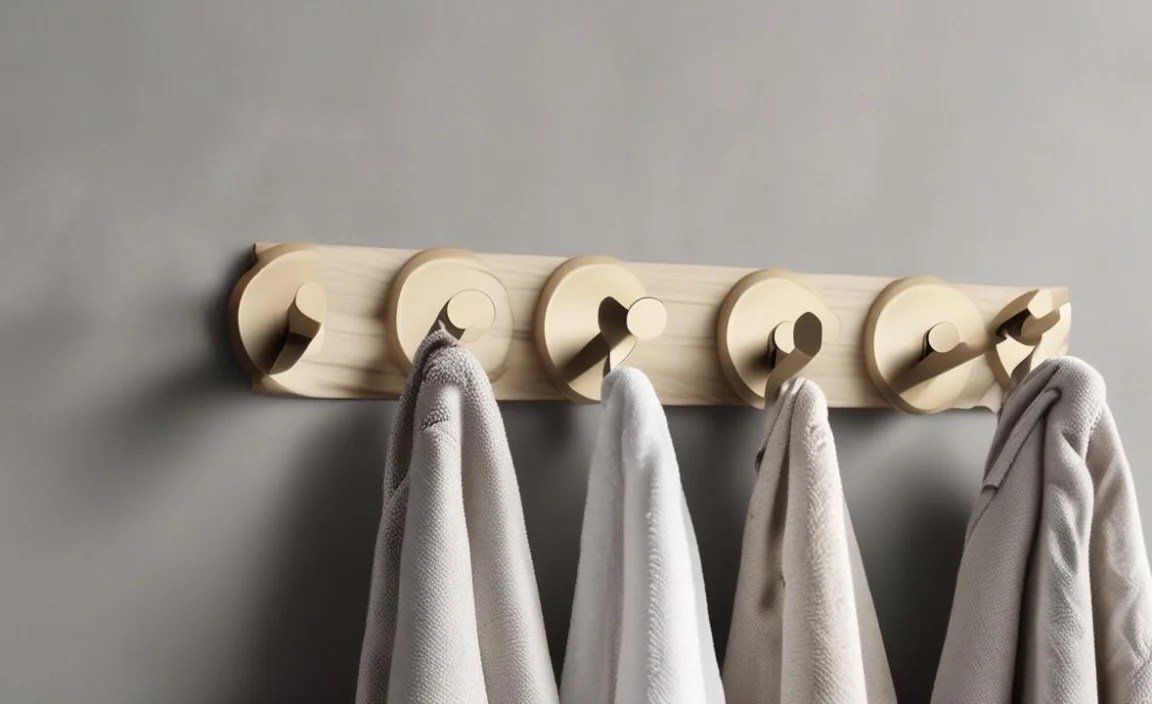
How you plan to install the hooks will dictate the type you buy:
- Screw-In Hooks: These are the most secure and recommended for holding heavier items like robes. They require drilling into your wall. For drywall, you’ll need to locate studs or use appropriate drywall anchors. For tile or solid walls, you’ll likely need a drill suitable for those materials. This is the most reliable method for long-term stability.
- Adhesive Hooks: These are very easy to install – just peel and stick! They are great for renters or for those who don’t want to drill holes. However, their weight capacity is often lower, and they may not hold up as well over time, especially in steamy bathrooms where moisture can affect the adhesive. Always check the manufacturer’s weight limit and follow installation instructions precisely. Some high-quality adhesive hooks might be suitable for lighter robes or as temporary solutions.
Finish and Style: Matching Your Bathroom Decor

The finish of your robe hooks should complement your existing bathroom hardware, like faucets, showerheads, and towel bars. Common finishes include:
- Chrome: Shiny, reflective, and very popular.
- Brushed Nickel: A softer, matte silver finish that hides fingerprints well.
- Matte Black: Offers a modern, bold statement.
- Oil-Rubbed Bronze: A darker, warmer finish that can add a traditional or rustic touch.
- Polished Brass: For a vintage or luxurious appearance.
Consider the overall style of your bathroom – modern, traditional, farmhouse, minimalist – and choose hooks that enhance that look. A mismatched hook can detract from an otherwise well-designed space.
Where to Buy Bathroom Hooks for Robes Online

The convenience of buying online is unmatched, offering a vast selection right at your fingertips. When you’re ready to buy bathroom hooks for robes online, focus on reputable retailers and brands known for quality. Here are some reliable places to start your search:
- Amazon: Offers an enormous selection from countless brands, with customer reviews to help you gauge quality and performance. You can filter by material, finish, weight capacity, and price.
- Home Depot & Lowe’s: Their online stores carry a wide range of bathroom hardware, often featuring professional-grade brands and options.
- Wayfair: Specializes in home goods and has an extensive collection of bathroom accessories, often with unique and stylish designs.
- Specialty Bathroom Fixture Websites: Sites like Build.com or Signature Hardware focus exclusively on bathroom and kitchen fixtures, providing a curated selection of high-quality products.
- Manufacturer Websites: Brands like Delta, Moen, Kohler, and Baldwin often sell directly or have a “where to buy” section on their sites, linking to authorized online retailers.
Pro Tip: When buying online, always read the product description carefully. Pay close attention to the material, dimensions, weight capacity, and included mounting hardware. Check return policies before purchasing, especially if you’re unsure about the size or style.
Installation Guide: Getting Your Robe Hooks Up
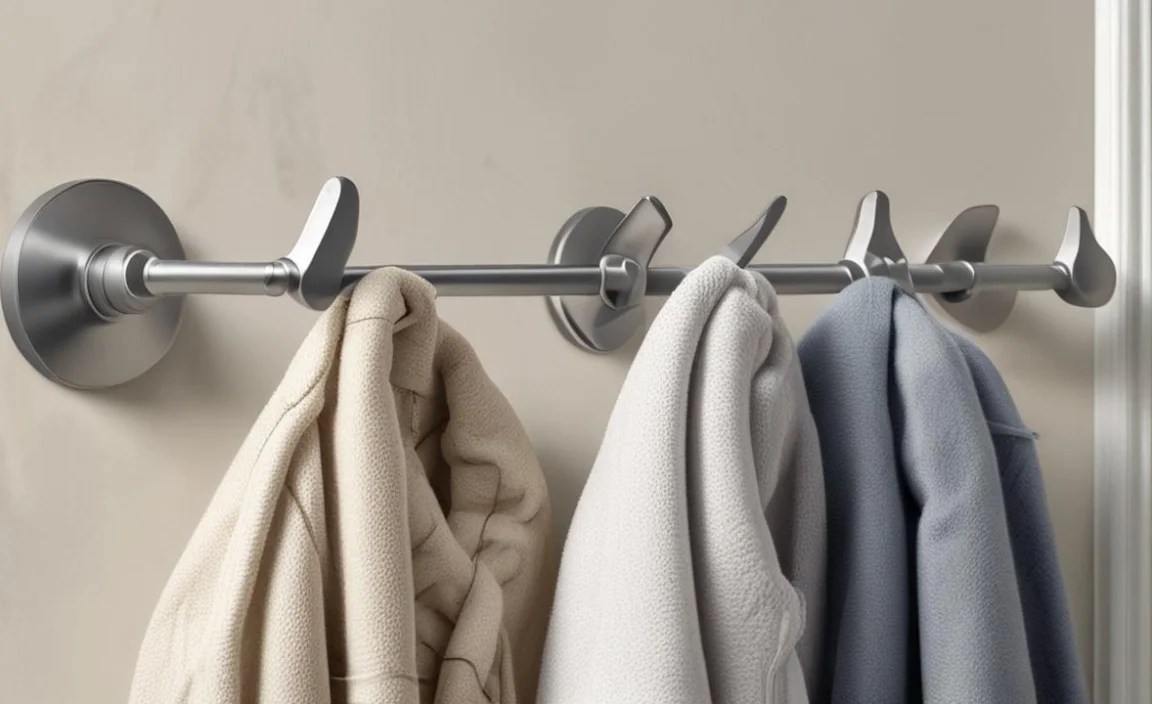
Installing screw-in robe hooks is generally straightforward for most DIYers. Here’s a step-by-step guide. If you’re unsure about drilling into tiled or specific wall types, it’s always wise to consult a professional or a resource like This Old House’s guide on drilling into tile.
Tools and Materials You’ll Need
- New robe hook(s)
- Mounting screws (usually included)
- Wall anchors (if not screwing into a stud or solid wall)
- Stud finder
- Pencil
- Measuring tape
- Level
- Drill with appropriate drill bits (for pilot holes and anchors)
- Screwdriver (or drill bit)
- Safety glasses
Step-by-Step Installation (Screw-In Hooks)
- Determine the Location: Decide where you want your robe hook. Consider convenience (close to the shower or bath) and height. A good starting height is typically around 60-66 inches (150-170 cm) from the floor, but adjust based on who will be using it most. Ensure there’s enough clearance so your robe won’t brush against wet shower walls.
- Check for Studs: Use a stud finder to locate wall studs in your desired mounting area. Mounting directly into a stud provides the strongest hold. Mark the stud’s center with a pencil.
- Mark the Mounting Point: Hold the robe hook’s backplate (or a template if provided) against the wall at your chosen height. Use a level to ensure it’s straight. Mark the screw hole positions with your pencil. If you can’t hit a stud, you’ll need to plan for wall anchors.
- Drill Pilot Holes:
- Into a Stud: Drill a pilot hole slightly smaller than your screw diameter at each screw mark.
- Into Drywall (No Stud): Drill a hole large enough to insert your wall anchors. Follow the anchor manufacturer’s instructions for the correct drill bit size.
- Into Tile/Masonry: This requires a special masonry or tile drill bit. Start drilling slowly and use water to keep the bit cool and prevent cracking. Once through the tile, you may need a different bit for the wall behind it. Consider watching YouTube tutorials on drilling into bathroom tile for detailed visual guidance.
- Insert Wall Anchors (If Necessary): If you drilled for anchors, gently tap them into the pilot holes until they are flush with the wall surface.
- Attach the Hook: Align the robe hook’s backplate with the pilot holes (or anchors). Insert the mounting screws through the backplate and into the holes.
- Tighten the Screws: Using a screwdriver or drill, carefully tighten the screws until the hook is snug and secure against the wall. Be careful not to overtighten, as this can strip the holes or damage the anchor/wall. Ensure the hook doesn’t wobble.
- Test the Hook: Give the hook a gentle tug to confirm it’s firmly attached. You’re now ready to hang your robe!
Adhesive Hook Installation (Read Manufacturer Instructions!)
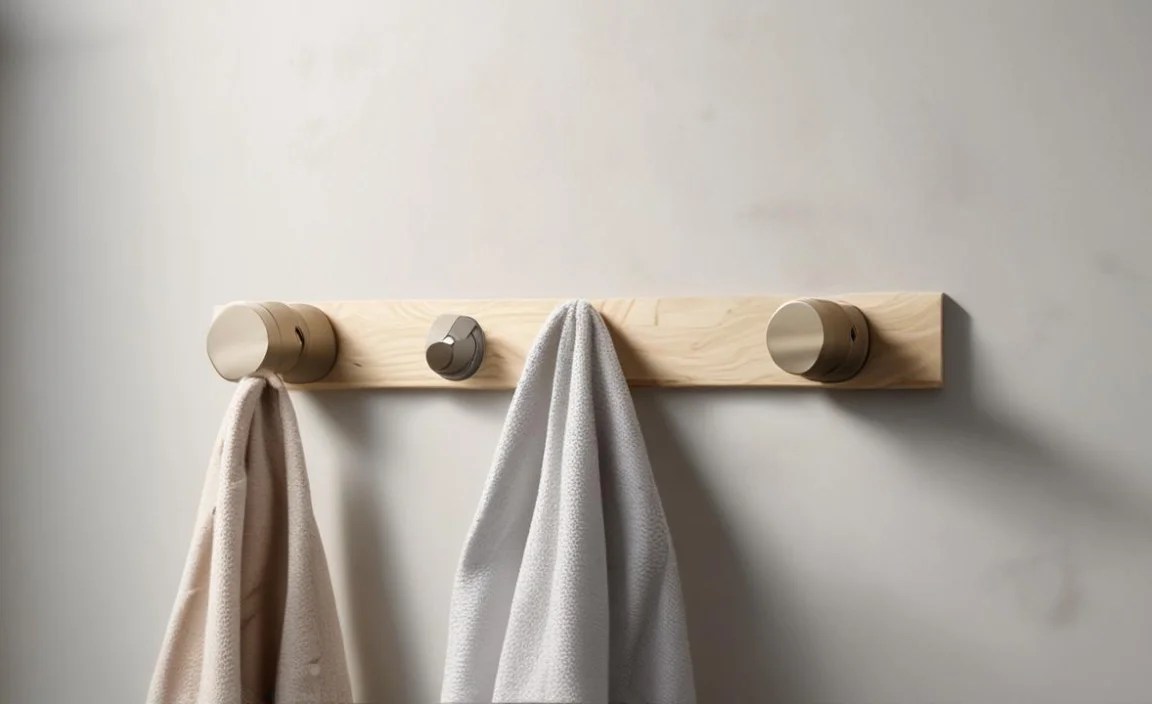
Adhesive hooks are simple, but success hinges on proper surface preparation and following the specific instructions provided by the manufacturer. General steps include:
- Clean the Surface: The wall area must be spotlessly clean and dry. Use rubbing alcohol to remove any grease, soap scum, or residues. Do not use household cleaners, as they can leave a film.
- Mark the Position: Measure and mark where the hook will go.
- Apply Adhesive: Peel off the backing from the adhesive strip. Carefully press the hook firmly onto the marked spot.
- Apply Pressure: Hold the hook in place for at least 30 seconds to ensure good adhesion.
- Wait: This is CRUCIAL! Most adhesive hooks require a waiting period (often 24-72 hours) before they can be used. This allows the adhesive to fully cure and reach its maximum strength. Hanging a robe too soon is the most common reason for adhesive hook failure.
Always refer to the specific instructions that come with your adhesive hooks. Look for brands that offer high-strength adhesives designed for bathrooms, such as those from 3M Command. For detailed advice on bathroom adhesives, consider resources from organizations like The Ceramic Tile and Stone Consultants (often provide tips relevant to wall preparation).
Troubleshooting Common Issues
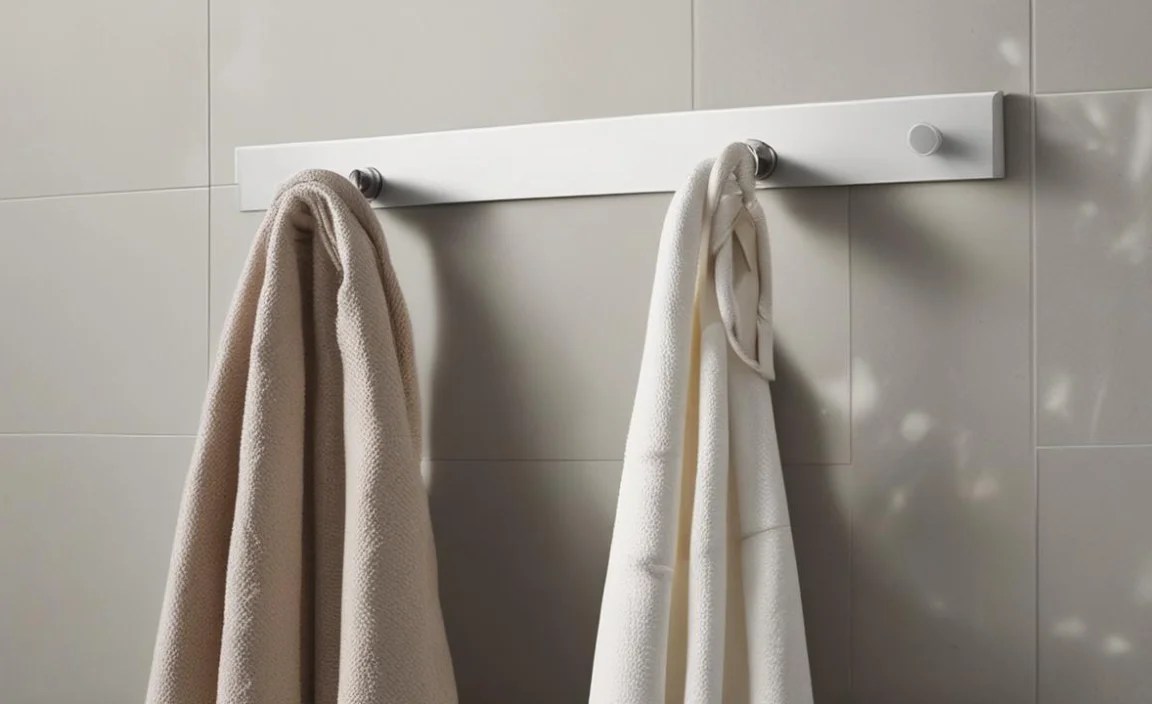
Even with the best intentions, you might run into a snag during installation or use. Here are solutions to common problems:
- Hook Feels Loose: If your screw-in hook is wobbly, the pilot hole might be too large, or the anchor isn’t seated properly. Try removing the hook, using a slightly larger anchor, or refilling the hole with wood filler (for studs) and re-drilling.
- Adhesive Hook Fell Off: This usually means the wall wasn’t clean/dry enough, the adhesive wasn’t pressed firmly, or the hook was used before the adhesive cured. For re-attachment, thoroughly clean both the wall and the hook’s back, then reapply with fresh, high-quality adhesive strips.
- Screws Won’t Tighten: If screws spin freely, you’ve likely stripped the hole. For drywall, you’ll need to use a larger wall anchor or fill the hole and re-drill.
- Rusting or Tarnishing: If your hook starts to rust or tarnish quickly, it might be made of a lower-quality material or an alloy that’s not fully protected. Ensure you’re buying hooks specifically rated for bathroom use with features like rust-resistant coatings.
Beyond the Robe: Other Uses for Bathroom Hooks
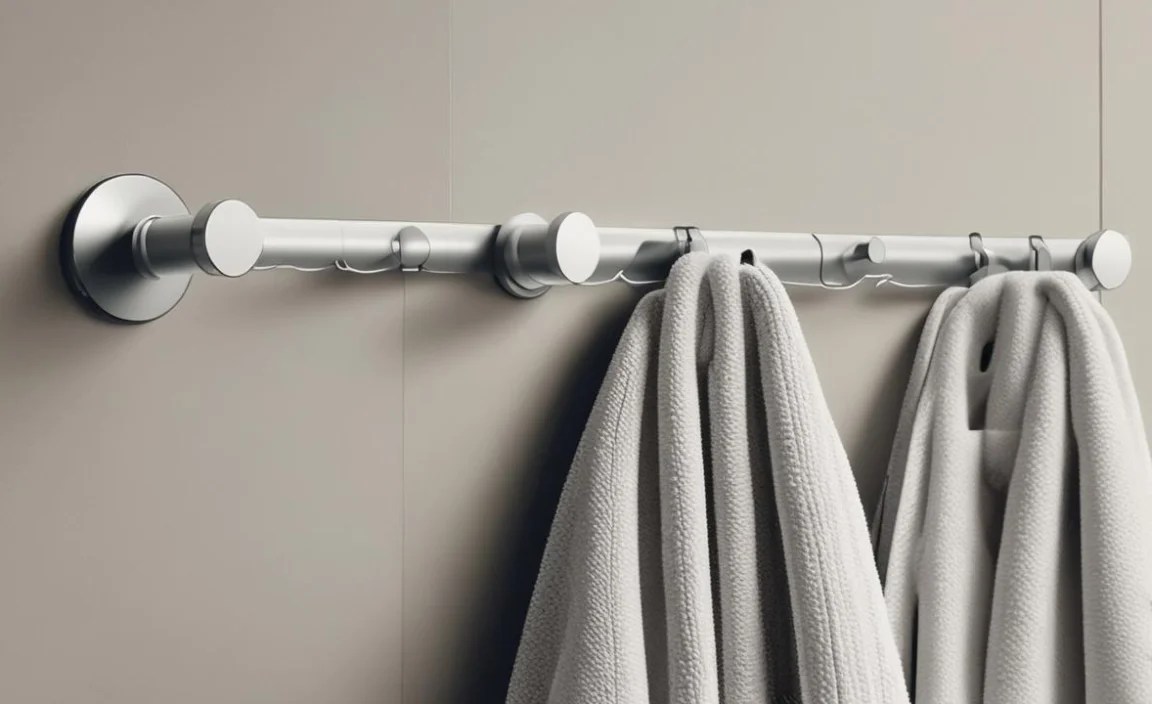
While buying hooks specifically for robes, you might realize their versatility extends far beyond just holding your bathrobe. Consider these other handy uses:
- Towels: Different hooks can be used for bath towels, hand towels, or washcloths, keeping them neat and accessible.
- Loofahs/Sponges: Many hooks have a shape that’s perfect for hanging poufs, loofahs, or bath sponges to dry.
- Pajamas: Keep your sleepwear off the bed and neatly hung.
- Laundry Bags: A sturdy hook can hold a small, hanging laundry bag for items needing immediate washing.
- Hair Dryers & Styling Tools: Some specialized hooks or caddies can organize these.
- Decorative Items: Hang small plants, framed photos, or other decor on hooks to add personality.
By strategically placing a few well-chosen hooks, you can significantly improve the functionality and organization of your bathroom.
A Look at Different Types of Robe Hooks
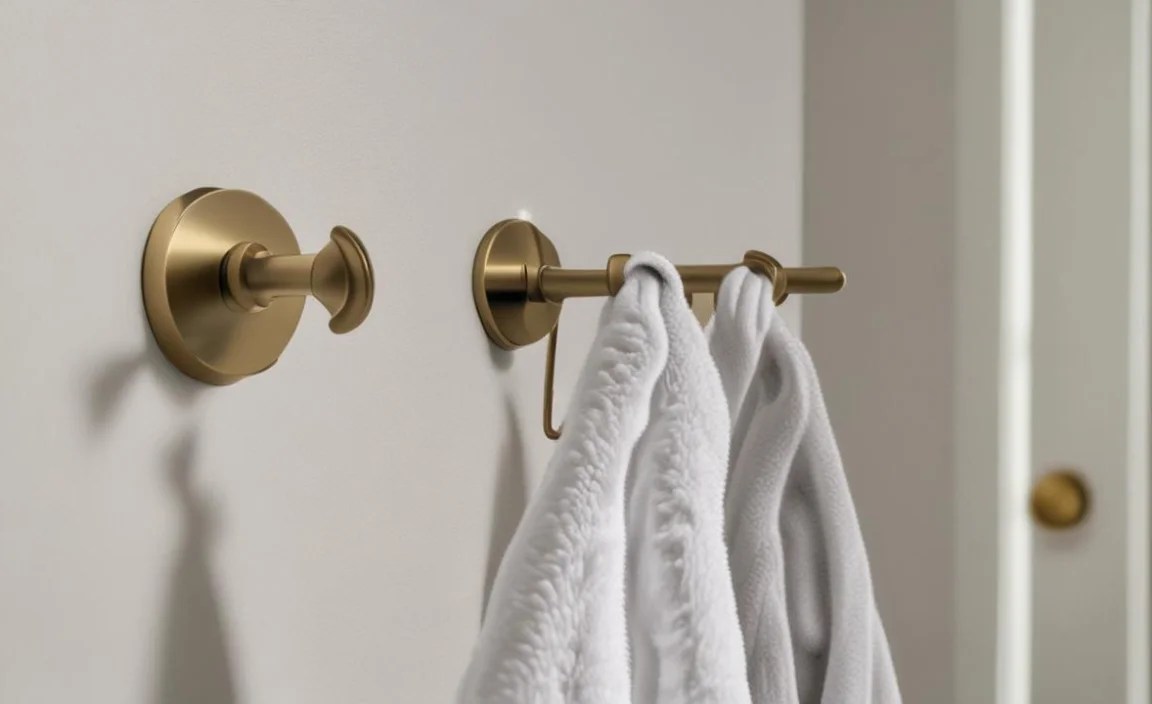
The variety of robe hooks available means you can find one to suit any need and aesthetic. Here’s a quick comparison of popular styles you’ll encounter when you shop to buy bathroom hooks for robes:
| Hook Type | Description | Best For | Pros | Cons |
|---|---|---|---|---|
| Single Post Hook | A simple, sturdy post extending from a base. | Single robe, towel, or item. | Minimalist, space-saving, easy to install. | Only holds one item; can be too narrow for very thick robes. |
| Curved Arm Hook | Features a curved arm that extends outward, often with a decorative finial. | Robes, towels, jackets. | Accommodates larger items, offers a classic look. | Can protrude more than a post hook. |
| Double Hook | Two hooks mounted either side-by-side or stacked on a single base. | Multiple robes, robe and towel, or heavier items. | Higher hanging capacity, saves wall space compared to two singles. | Can appear bulkier, might require more careful placement to avoid obstruction. |
| Robe Hook with Shelf | A hook integrated with a small shelf above or below it. | Robe, plus small items like keys, soap, or decorative items. | Provides dual function, maximizes space. | Can be more expensive, shelf might be too small for practical storage. |
| Decorative Hooks |
