
For an effortlessly stylish and functional bathroom, choosing the right bathroom hooks for robes is a simple yet impactful decor combo. These essential accessories not only keep your robes tidy but also add a touch of personal flair, turning a practical need into a design statement.
Tired of your fluffy bathrobe ending up on the floor or a doorknob? It’s a common frustration that can quickly make your bathroom feel cluttered and less relaxing. But what if I told you that solving this problem is as simple as picking out a picture frame or a new bathmat? Bathroom hooks for robes are more than just hangers; they’re a key part of your bathroom’s overall look and feel.
They offer a smart solution for storage while also being a fantastic opportunity to inject some personality into your space. Let’s explore how these often-overlooked details can elevate your bathroom from ordinary to extraordinary, transforming a daily chore into a delightful part of your home’s aesthetic.
Why Hooks for Robes Are a Bathroom Decor Essential

Think about your favorite hotel bathroom. Chances are, there were plush robes waiting for you, neatly hung. This simple act of hanging elevates the experience. In our own homes, the same principle applies. Bathroom hooks for robes do more than just hold fabric; they:
- Promote Tidy Spaces: A robe hook means your robe has a designated spot, preventing it from cluttering the floor or your vanity. This visual order contributes significantly to a serene bathroom atmosphere.
- Enhance Accessibility: Having your robe readily available right after a shower or bath is pure comfort. No more searching or shaking out damp fabric.
- Add Decorative Flair: Hooks come in countless styles, finishes, and designs – from minimalist chrome to ornate brushed brass. They can act as small pieces of jewelry for your walls, complementing your existing bathroom decor.
- Increase Perceived Value: A well-appointed bathroom with thoughtfully placed accessories feels more luxurious and inviting, both for you and for guests.
Choosing the Right Hooks: A Style and Function Guide
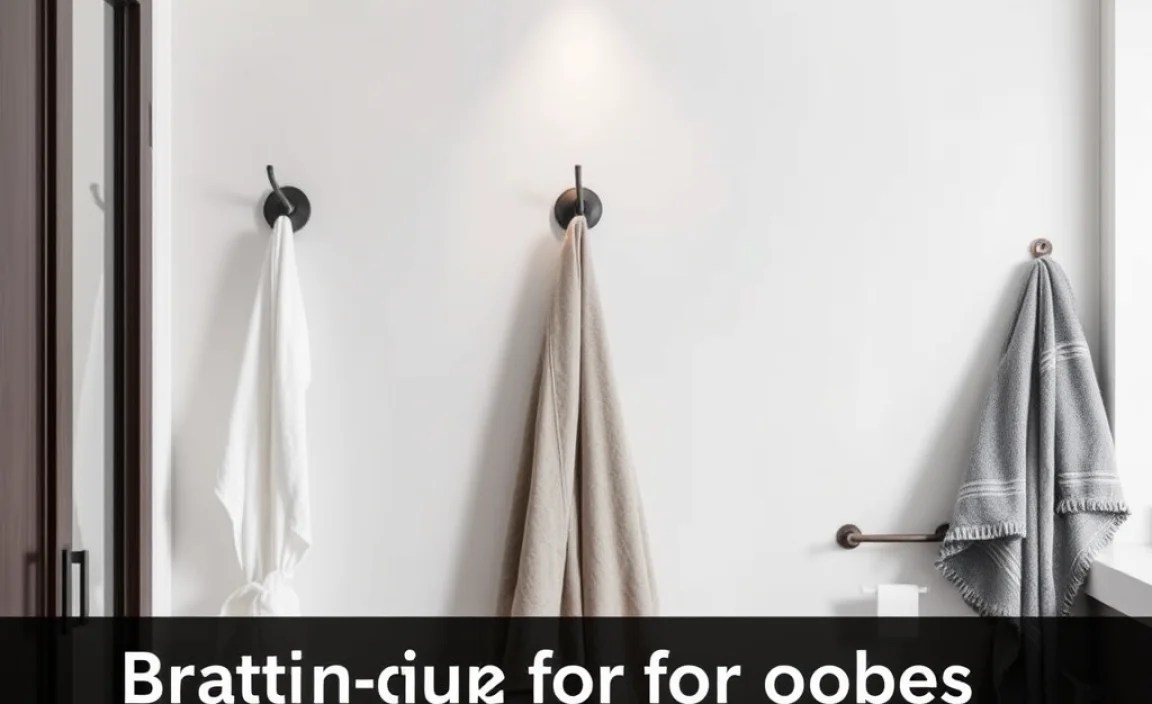
When selecting hooks for your robes, it’s like choosing the right accessories for an outfit – they need to work with the rest of your bathroom’s style while being sturdy enough for the job. Let’s break down what to consider.
Types of Robe Hooks
Not all hooks are created equal. Understanding the different types will help you make the best choice for your needs and aesthetic.
- Single Robe Hooks: These are the most common and versatile. They typically have a single arm or peg designed to hold one robe. They are great for smaller spaces or when you only need to hang one or two robes.
- Double Robe Hooks: As the name suggests, these hooks have two arms, allowing you to hang two robes or a robe and a towel on the same fixture. They are a good space-saving option for shared bathrooms.
- Hook Racks or Bars: These are longer fixtures with multiple hooks spaced along them. They are ideal for families or bathrooms where towels and robes need to be organized efficiently.
- Over-the-Door Hooks: A fantastic option for renters or those who don’t want to drill into their walls. These hooks simply slide over the top of your bathroom door.
- Adhesive Hooks: These use strong adhesive backing for mounting. They are easy to install and remove without damage, making them another good choice for temporary setups or delicate wall surfaces, though their weight-bearing capacity might be less than screwed-in options.
Material and Finish Considerations
The material and finish of your hooks play a huge role in their durability and how well they blend with your bathroom’s design palette. Moisture in bathrooms can be harsh, so choosing the right material is key for longevity.
- Stainless Steel: Excellent resistance to rust and corrosion, making it a top choice for humid environments. Available in polished, brushed, or matte finishes.
- Brass: Can be a luxurious option. Look for solid brass or brass-plated. Finishes like polished brass, antique brass, or brushed gold can add warmth. Ensure it’s protected against corrosion if not solid.
- Zinc Alloy: Often used for decorative hooks and is generally durable. Finishes can vary widely.
- Chrome: A classic and popular choice, known for its shiny, reflective surface. It’s hard-wearing and easy to clean, resisting tarnish well.
- Nickel (Brushed or Polished): Offers a softer, warmer metallic look than chrome. Brushed nickel is particularly popular for its understated elegance and ability to hide water spots.
Always ensure the finish you choose matches or complements other fixtures in your bathroom, such as faucets, showerheads, and towel bars, for a cohesive look. You can find excellent guides on hardware finishes and how to match them from reputable home improvement resources. For instance, institutions like This Old House offer detailed advice on selecting bathroom hardware that stands the test of time and style.
Weight Capacity and Installation
A robe hook might look small, but it needs to support the weight of a wet, heavy bathrobe. Always check the product specifications for the recommended weight limit. For standard robe hooks, a capacity of 5-10 pounds (2.3-4.5 kg) is usually sufficient, but it’s wise to err on the side of caution.
The installation method is crucial for ensuring your hooks are secure. While adhesive and over-the-door options are hook-and-go, traditional hooks require drilling. For secure mounting, it’s vital to:
- Locate Wall Studs: Whenever possible, anchor your hook into a wall stud for maximum strength. Use a stud finder for this.
- Use Appropriate Anchors: If a stud isn’t available, use the correct wall anchors for your wall type (e.g., drywall anchors, toggle bolts) to distribute weight and prevent the hook from pulling out.
- Follow Instructions: Always adhere to the manufacturer’s installation instructions.
Where to Strategically Place Your Robe Hooks

Placement is key to both functionality and aesthetics. Think about your routine and the flow of your bathroom.
Inside the Shower or Bath Area
- Pros: Ultimate convenience for hanging robes or towels just within reach after a shower or bath. Prevents water from splashing out of the shower.
- Cons: Requires waterproof installation. Hooks must be made of rust-resistant materials like stainless steel or treated metals. Can make the shower area feel smaller if not well-placed. Look for hooks designed specifically for shower use, often with a higher profile or specific mounting hardware.
Near the Vanity or Sink
- Pros: Handy for hanging a robe while you’re performing your morning or evening skincare routine. Also useful for guest hand towels.
- Cons: Can sometimes be in the way if placed too close to the sink or if the vanity area is small.
Behind the Bathroom Door
- Pros: An excellent way to utilize often-unused space. Keeps robes out of sight when not in use. Door hooks are an easy, no-drill solution.
- Cons: Might prevent the door from opening all the way if not positioned carefully. Ensure the door doesn’t hit the hanging robe.
On an Empty Wall Space
- Pros: Offers flexibility in placement without interfering with door swings or shower access. Allows you to create a dedicated “robe station.”
- Cons: Requires careful consideration of wall studs for secure mounting. Can disrupt the visual flow if placed awkwardly.
Near the Bathtub (but Outside of Splash Zone)
- Pros: Convenient for bathrobes and towels when taking a bath.
- Cons: Ensure it’s far enough away to avoid splashes if you tend to fill the tub high or have active bathers.
The “Decor Combo” Explained: Matching Hooks to Your Style

This is where the “decor combo” truly shines. Your robe hooks become an intentional design element. Consider these pairings:
Modern & Minimalist Bathrooms
- Hooks: Sleek, single robe hooks in brushed nickel, matte black, or polished chrome. Simple geometric shapes.
- Placement: Clean, intentional spacing on a blank wall or near the shower.
- Look: Uncluttered, sophisticated, and functional.
Farmhouse & Rustic Bathrooms
Think natural materials and a touch of warmth.
- Hooks: Hooks made from wrought iron, oil-rubbed bronze, or even distressed wood. Double hooks with a slightly more ornate or curved design.
- Placement: Can be installed on a shiplap wall or an accent plank, adding to the textured look.
- Look: Cozy, charming, and inviting.
Glam & Transitional Bathrooms
Shiny metals and elegant curves are key.
- Hooks: Polished brass, gold finishes, or crystal accents. Single hooks with a decorative backplate or a more substantial, sculpted design.
- Placement: Positioned to catch the light, perhaps opposite a vanity mirror.
- Look: Luxurious, polished, and refined.
Industrial Bathrooms
Embrace raw materials and utilitarian design.
- Hooks: Cast iron, matte black metal, or even repurposed pipe fittings. Hooks with a heavy-duty, practical appearance.
- Placement: Mounted on exposed brick or concrete-effect tiles.
- Look: Edgy, raw, and functional.
A great resource for understanding different interior design styles and how hardware fits in is provided by design publications like Architectural Digest, which frequently explores hardware trends and their impact on overall room aesthetics.
Installation Step-by-Step: Mounting Your Robe Hooks Securely

Let’s get hands-on! Installing a robe hook is a straightforward DIY project that can be completed in under an hour. For this guide, we’ll cover the most common method: mounting a hook directly to the wall.
Tools and Materials You’ll Need:
- Your chosen robe hook(s) with mounting hardware (screws, anchors)
- Drill with appropriate drill bits
- Stud finder
- Pencil
- Measuring tape
- Level
- Screwdriver (often Phillips head)
- Safety glasses
Step-by-Step Installation Process:
- Choose Your Location: Decide exactly where you want your hook. Hold the hook base against the wall and mark the screw hole positions with your pencil. Use a level to ensure the hook will be straight.
- Check for Studs: Use your stud finder to see if your marked location is over a wall stud. If it is, you’ll drill pilot holes directly into the stud.
- Prepare the Wall:
- If hitting a stud: Drill pilot holes slightly smaller than your screws into the stud at the marked locations.
- If NOT hitting a stud: Drill holes large enough to accommodate your wall anchors. Insert the wall anchors into the holes until they are flush with the wall surface.
- Attach the Hook:
- If using screws directly into a stud, align the hook’s mounting plate and drive the screws through the plate and into the pilot holes.
- If using anchors, align the hook’s mounting plate and drive the screws through the plate and into the wall anchors.
- Secure Firmly: Tighten the screws until the hook is firmly attached to the wall. Be careful not to overtighten, which could strip the screws or damage the wall.
- Test the Hook: Gently tug on the hook to ensure it is securely mounted. Hang your robe on it to test its stability.
Safety First: Always wear safety glasses when drilling. If you’re unsure about your wall type or drilling into pipes/electrical wires, consult a professional or a more experienced DIYer. Resources like the Popular Mechanics guide on finding studs can be invaluable.
Maintenance for Your Robe Hooks
Once installed, good quality robe hooks require minimal maintenance, but a little care ensures they look good and last longer.
- Regular Cleaning: Wipe down hooks with a soft, damp cloth regularly. For tougher grime, use a mild soap and water solution. Avoid abrasive cleaners that can scratch finishes.
- Drying: After cleaning, dry hooks with a soft cloth to prevent water spots, especially on chrome or polished finishes.
- Check for Tightness: Periodically give your hooks a gentle tug to ensure they remain securely fastened to the wall. Re-tighten screws if necessary.
- Material-Specific Care: For brass, you might use a specific brass cleaner if you want to maintain a high shine, but many prefer an aged patina. For stainless steel, a specialized stainless steel cleaner can remove smudges and restore luster.
Pros and Cons of Using Robe Hooks
Like any home accessory, robe hooks have their advantages and disadvantages.
| Pros | Cons |
|---|---|
| Space Saving: Frees up floor and counter space. | Installation Required: Most types require drilling into walls. |
| Enhanced Organization: Keeps robes and towels neat and accessible. | Potential for Damage: Improper installation can damage walls. |
| Decorative Element: Adds style and personality to the bathroom. | Weight Limitations: Some hooks may not support very heavy items. |
| Improved Aesthetics: Contributes to a polished, finished look. | Rust/Corrosion Risk: If made of poor-quality materials or placed in overly damp areas without proper treatment. |
| High Convenience: Robes are readily at hand after bathing. | Limited Options for Some: Over-the-door or adhesive hooks might not suit all decor styles. |
Maximizing Your Bathroom’s Potential with Robe Hooks
Beyond just hanging your robe, think about how robe hooks can further enhance your bathroom experience:
- Guest Comfort: Place hooks near the guest bath so visitors have a convenient place for their own robes or towels.
- Towel Management: While designated for robes, hooks are also excellent for frequently used towels, encouraging family members to hang them up rather than leaving them on surfaces.
- The “Spa” Vibe: Imagine stepping out of a long soak and having a luxurious robe waiting on a beautifully designed hook. It’s a small indulgence that significantly boosts the feeling of a personal retreat.
Consider grouping a couple of hooks together. For instance, a single robe hook paired with a smaller hook or even a decorative knob can create a charming vignette, serving your needs while adding visual interest. This layered approach to accessory placement is a hallmark of well-designed spaces. For more on creating functional yet beautiful zones in the home, resources from organizations like the National Institutes of Health (NIH) often include advice on home organization and safety that can be adapted to bathroom layouts.
Frequently Asked Questions About Bathroom Hooks for Robes
Q1: How many robe hooks do I need for my bathroom?
This depends on your household size and habits. For a single person or couple, one to two hooks are usually sufficient. For families, consider one hook per person for robes, plus perhaps an extra for towels. Think about how many robes or towels you typically have airing out at once.
Q2: Can I hang towels on robe hooks too?
Absolutely! Robe hooks are versatile. They are perfect for large bathrobes but equally adept at holding thick bath towels, hand towels, or even loofahs if they have a loop to hang from.
Q3: Are adhesive hooks strong enough for a wet robe?
Some high-strength adhesive hooks are designed for bathrooms and can hold a good amount of weight, even for a wet robe. Always check the product’s maximum weight capacity and ensure you clean and prepare the wall surface thoroughly according to the instructions for the best adhesion.
