
Quick Summary: Installing bathroom hooks for kids’ bathrobes is a simple, effective way to keep your bathroom tidy and teach children responsibility. Choose kid-friendly hooks for easy access and durability, making bathrobe management a breeze for everyone.
Welcome! Getting the kids’ bathroom organized can feel like a puzzle. Between tiny towels, stray toys, and damp bathrobes, things can quickly get out of hand. One of the biggest culprits? Those big, bulky robes that end up on the floor or draped over the shower curtain. But don’t worry, there’s a straightforward solution: kid-friendly bathroom hooks for robes! This guide will show you exactly why they’re a game-changer and how to pick and install the best ones, making that post-bath cleanup a little less chaotic.
Why Hooks for Kids’ Robes Are a Must-Have Bathroom Organizer

Let’s face it, children’s bathrobes are cozy and essential for post-bath comfort. However, when they’re not in use, they can become a tripping hazard or simply make your bathroom look cluttered. This is where dedicated hooks for kids’ robes come into play. They offer a designated spot for these garments, transforming a messy corner into an organized space.
Think about it: a wet bathrobe left on the floor can take ages to dry, potentially leading to musty smells and even mold. Draping them over other fixtures often means they slip off, creating more mess. Kid-friendly hooks solve these common bathroom organizational headaches by providing a secure and accessible hanging solution.
Beyond just tidiness, installing hooks at a kid-friendly height is a fantastic way to foster independence and responsibility in your children. They can learn to hang up their own robes, contributing to the upkeep of the bathroom and developing good habits from an early age. This simple addition can lead to a more harmonious and visually appealing bathroom for the whole family.
Choosing the Right Bathroom Hooks for Kids’ Robes

Selecting the perfect hooks for your little ones involves a few key considerations. You want something that’s easy for them to use, strong enough to hold a bulky robe, and safe for their environment. Here’s what to look for:
Durability and Material
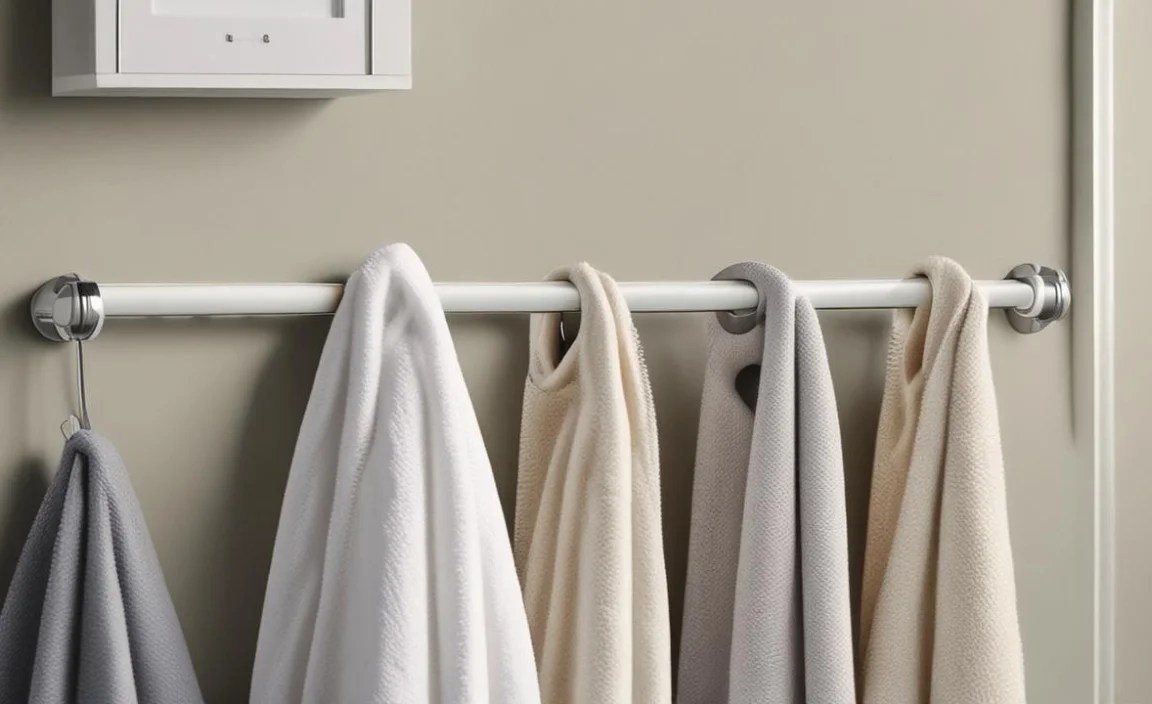
Kids can be tough on their belongings, so opt for hooks made from sturdy materials like:
- Stainless Steel: Excellent for resisting rust and corrosion in humid bathroom environments.
- Durable Plastic: Often comes in a variety of fun colors, is lightweight, and generally chip-resistant.
- Coated Metal: Offers a good balance of strength and style, with coatings protecting against moisture.
Avoid flimsy materials that might bend or break easily. Look for hooks specifically designed to withstand the moisture and wear associated with a bathroom setting. For tips on general bathroom material care, resources like the EPA’s guidance on preventing mold and moisture can be useful context for maintaining a healthy bathroom environment.
Size and Shape
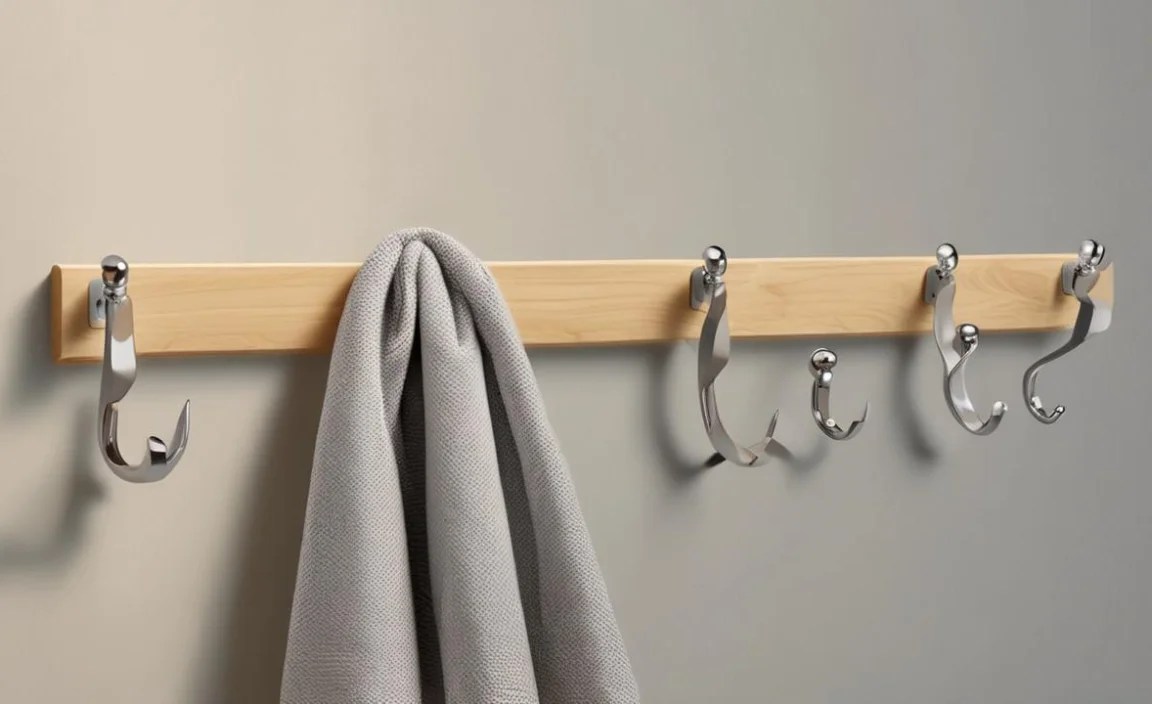
The size and shape of the hook are crucial for both function and safety. A hook that’s too small might not accommodate a thick bathrobe, while one with sharp edges could be a safety concern for children.
- Generous Curve: Look for hooks with a good, rounded curve that can easily hold the loop of a robe without stretching it or causing damage.
- Smooth Edges: Ensure there are no sharp points or rough edges that could snag clothing or scratch little hands.
- Appropriate Projection: The hook shouldn’t stick out too far, posing a hazard for bumping into.
Weight Capacity
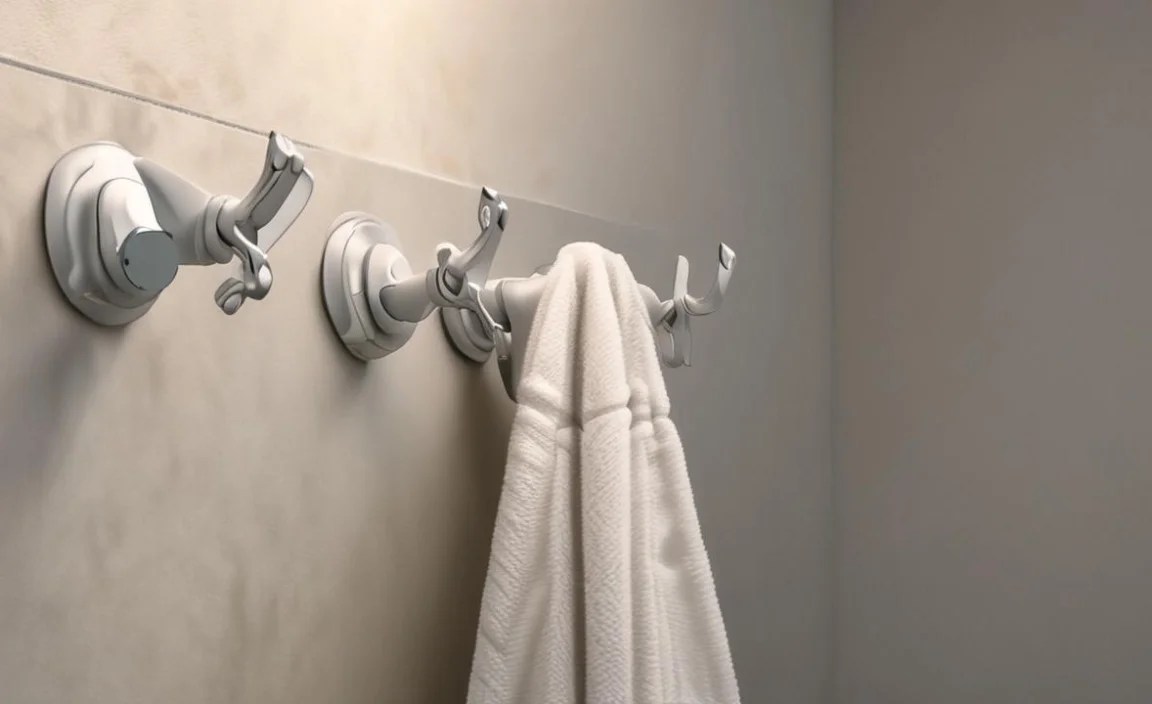
Bathrobes, especially when damp, can be surprisingly heavy. While you might not find specific weight capacities listed for every kid’s hook, choose designs that look robust and are clearly built for more than just a light towel. Many adhesive hooks may not be suitable for heavier items like robes. For more robust options, consider screw-in hooks, which offer significantly higher weight-bearing capabilities.
Installation Method
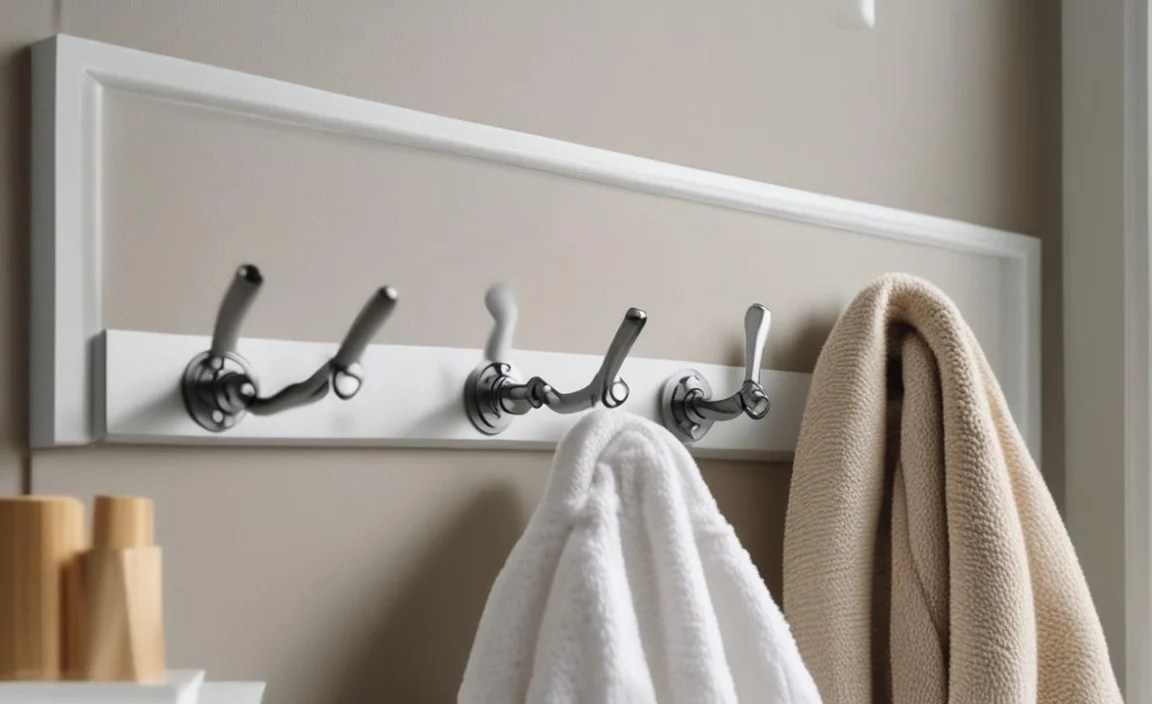
How you plan to install the hooks will influence your choice. Common methods include:
- Adhesive Hooks: These are the easiest to install, requiring no drilling. Perfect for renters or those who prefer not to make permanent holes. However, ensure they are rated for bathroom use and can hold significant weight.
- Suction Cup Hooks: Similar to adhesive, but rely on suction. Best for lighter items and smooth, non-porous surfaces. Not ideal for heavy robes.
- Screw-In Hooks: The most secure option, providing superior weight capacity and long-term stability. Requires drilling into the wall.
- Over-the-Door Hooks: A great drill-free option that hangs over the top of the door. Easy to reposition but can sometimes make the door harder to close.
Kid-Friendly Design and Aesthetics
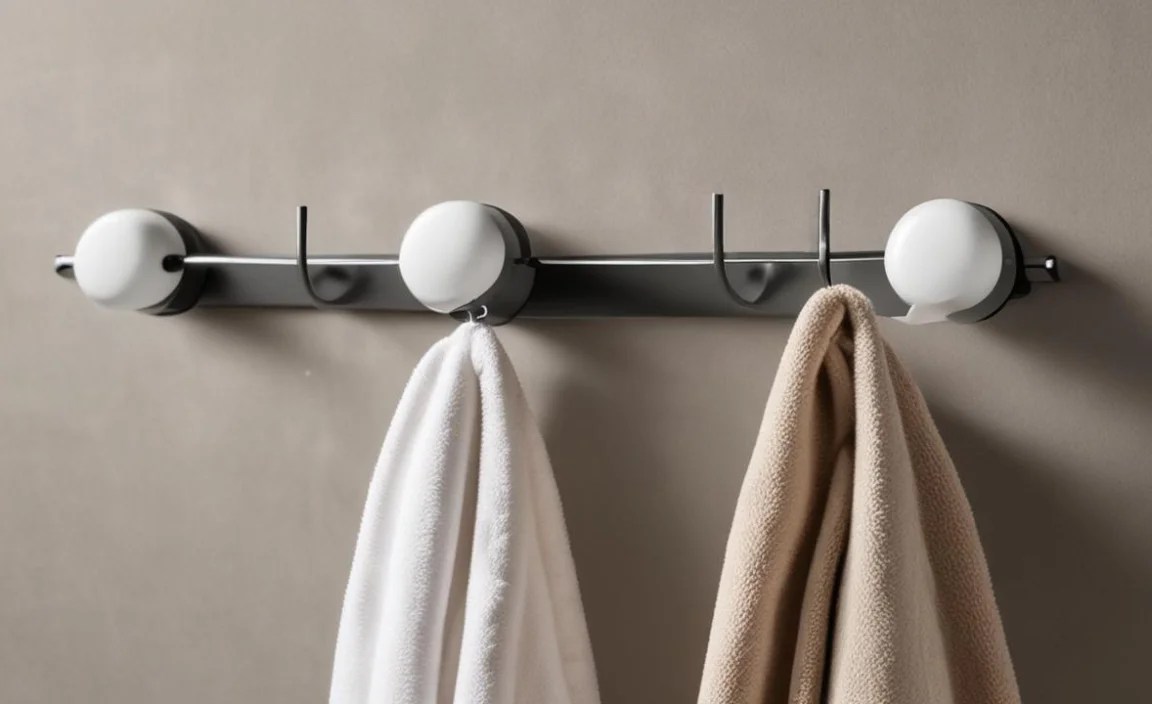
This is where the fun comes in! Many hooks for kids are designed to be engaging and visually appealing:
- Bright Colors: Hooks in vibrant colors can make the bathroom more cheerful and appealing to children.
- Character Themes: Hooks featuring favorite cartoon characters or animals can encourage kids to use them.
- Simple Shapes: Even simple, rounded hooks can be designed with children in mind, making them easy to grasp.
Types of Bathroom Hooks for Robes for Kids

The world of bathroom hooks is vast, but for children’s robes, a few types stand out for their practicality and kid-appropriateness. Understanding the pros and cons of each will help you make the best choice for your home.
Adhesive Hooks
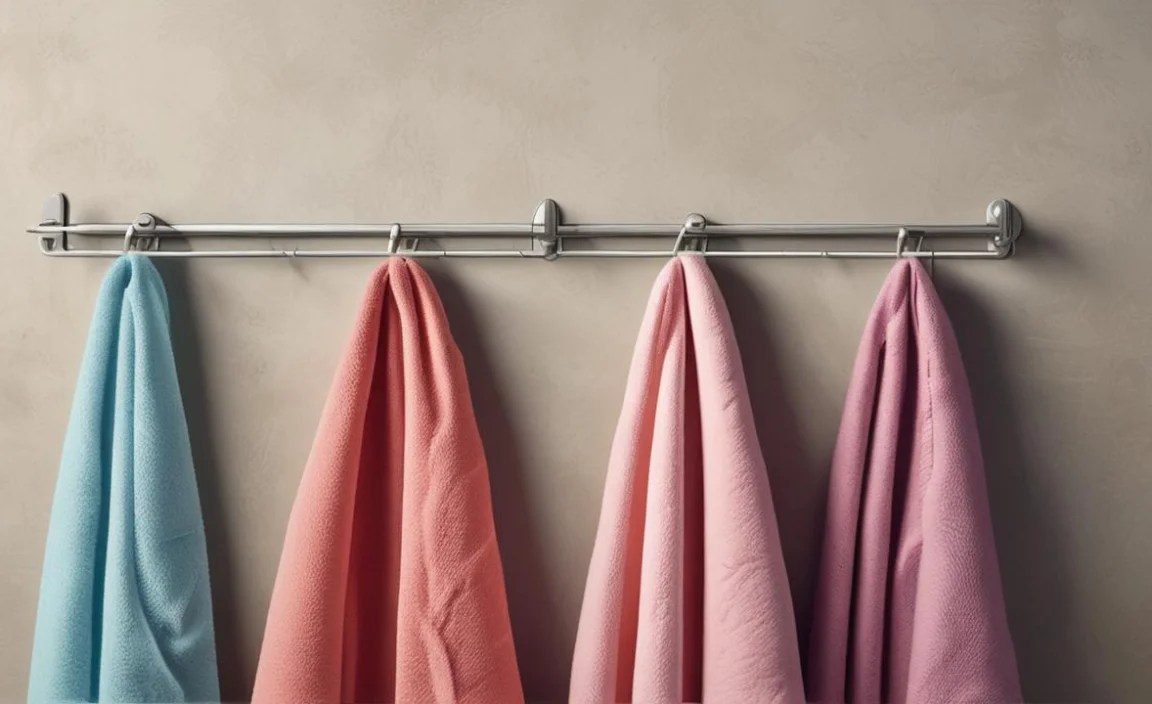
These are incredibly popular for their ease of installation. You simply peel off a backing and stick them to the wall. Many come with very strong adhesives designed for high humidity environments like bathrooms.
Pros:
- Easy to Install: No tools or drilling required.
- Versatile Placement: Can be placed on tiles, mirrors (if smooth), or painted walls.
- Damage-Free Removal (Often): Many can be removed without damaging the wall, though using a hairdryer can assist.
Cons:
- Weight Limitations: Not all adhesive hooks are strong enough for a heavy, wet robe. Always check the weight rating if provided.
- Surface Dependency: Requires a clean, smooth, non-porous surface for best adhesion.
- Potential for Failure: In very humid conditions or if the surface isn’t prepped correctly, they can lose their grip over time.
For reliable adhesive options, look for brands known for strong mounting solutions. Some excellent examples are heavy-duty Command™ hooks designed for bathrooms. These often use a special adhesive that can handle moisture and hold weight well.
Screw-In Hooks
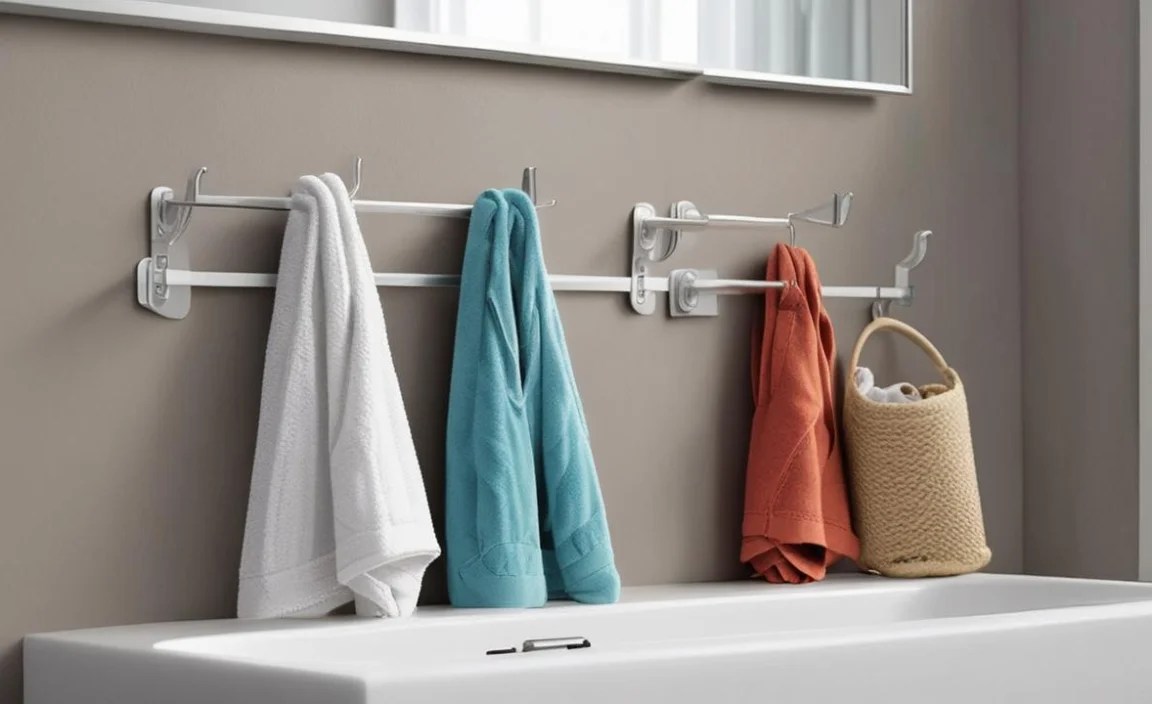
For maximum security and weight-bearing capability, old-fashioned screw-in hooks are the champions. These are permanently affixed to the wall, offering a reliable spot for even the heaviest of robes.
Pros:
- Exceptional Strength: Can hold significant weight, making them ideal for robes.
- Long-Lasting: Once installed correctly, they are very durable.
- Variety of Styles: Available in numerous designs, from simple knobs to decorative shapes.
Cons:
- Requires Drilling: You’ll need to drill holes in your wall, which can be daunting for beginners and may not be suitable for renters.
- Permanent Installation: Once holes are drilled, they are there to stay unless patched.
- Finding Wall Studs: For the most secure installation, screwing into a wall stud is recommended, which requires a stud finder.
If you’re new to drilling into walls, a stud finder is an invaluable tool. You can find reliable stud finders from brands like Zircon or Franklin Sensors that make locating studs much easier. Properly anchoring into a stud ensures the hook can hold substantial weight safely.
Over-the-Door Hooks
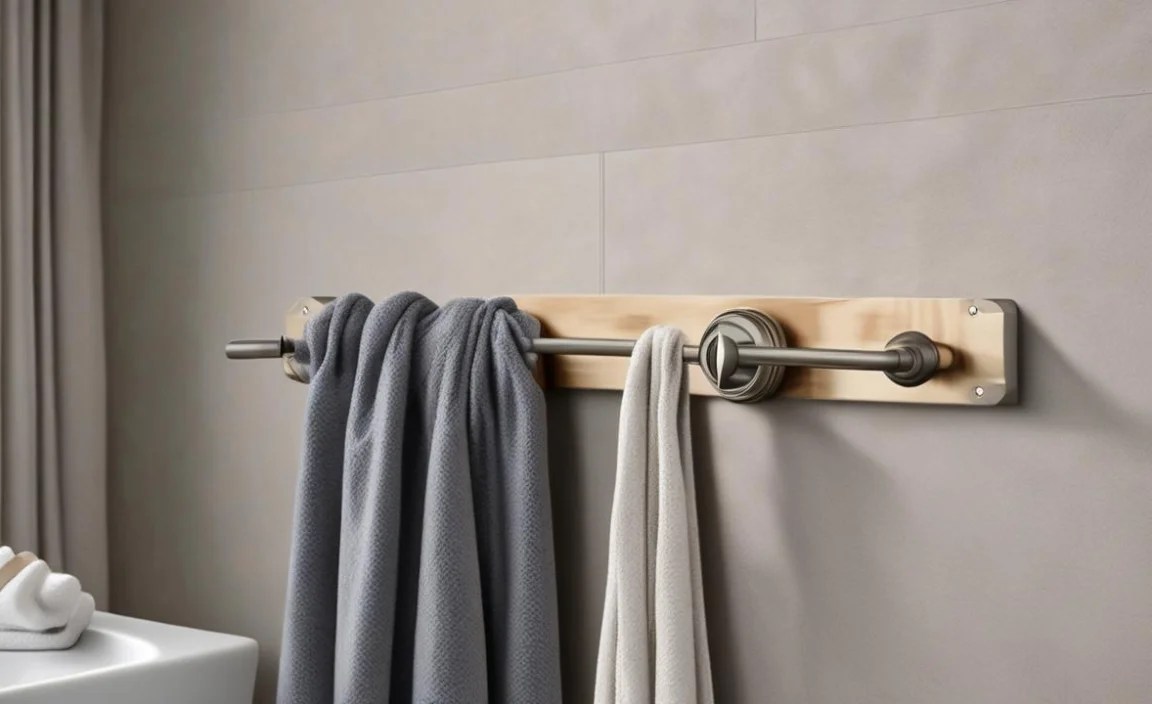
These hooks are a fantastic drill-free solution. They simply slide over the top of a bathroom door, providing instant hanging space.
Pros:
- No Installation Required: Simply hang them on the door.
- Portable: Can be moved easily if you change your mind about placement.
- Good for Renters: No damage to walls.
Cons:
- Can Interfere with Door Closing: If the hooks are too bulky or the door is very thick, they might prevent the door from closing completely.
- Accessibility: Might be a bit high for very young children to reach easily, depending on door height.
- Durability Varies: Cheaper models can bend or rust.
When choosing over-the-door hooks, pay attention to the width of the hook’s arm to ensure a good fit for your door. Some are adjustable, which is a bonus!
Wall-Mounted Single Hooks
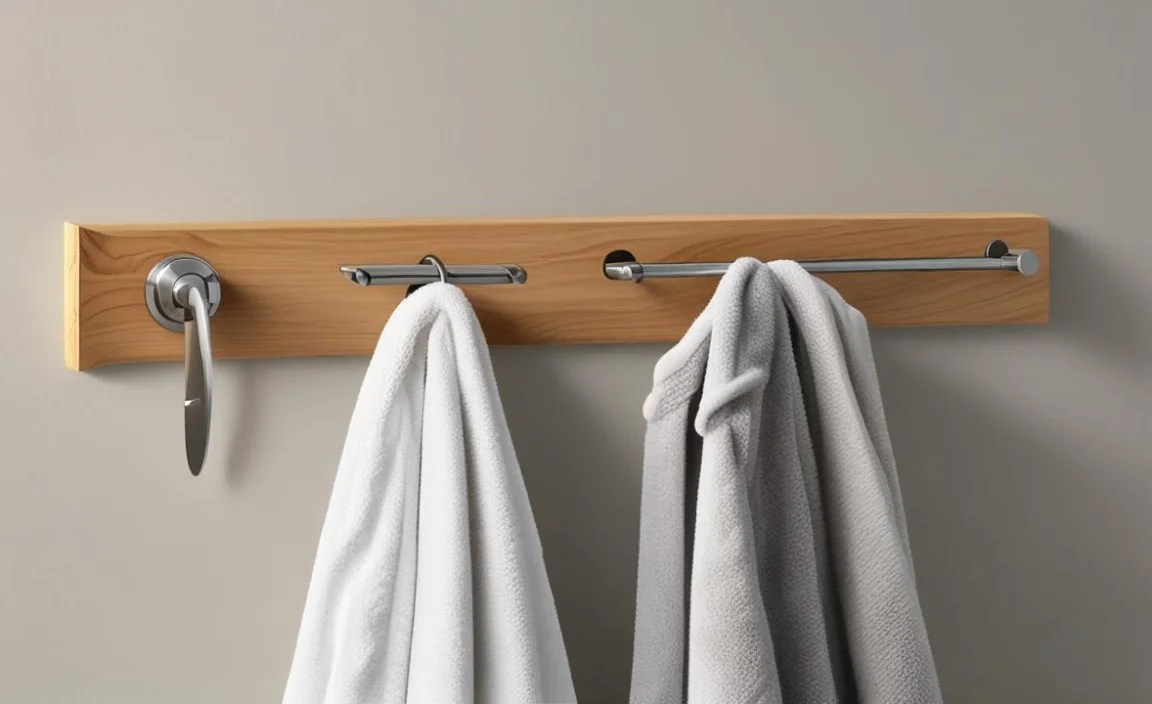
These are the most common types of individual hooks designed to be mounted directly onto the wall. They can be screwed in or adhered.
Pros:
- Customizable Placement: You can decide exactly where you want them, at the perfect height for your children.
- Discrete and Clean Look: Can blend seamlessly with your bathroom decor.
- Variety of Styles: From basic utility hooks to decorative ones.
Cons:
- Installation Required: Whether adhesive or screw-in, some form of mounting is needed.
- Potential for Snagging: Some designs might have parts that could snag robe loops if not chosen carefully.
Decorative Pegs or Knobs
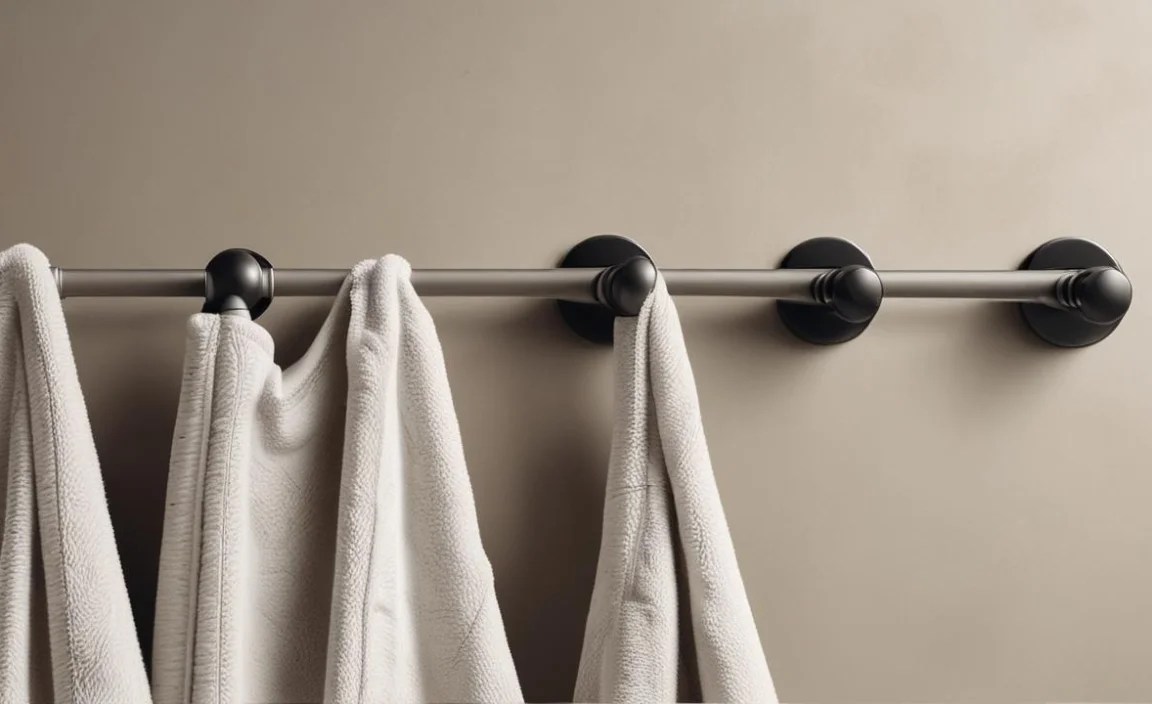
These are often single, decorative pieces mounted on the wall. They can add a charming touch to a child’s bathroom.
Pros:
- Aesthetic Appeal: Can be chosen to match any theme or style.
- Easy to Use: Typically a simple knob or peg to hang items on.
- Space-Saving: Often protrude less than traditional curved hooks.
Cons:
- Weight Capacity: Some decorative knobs might not be rated for heavy, wet robes. Check stability.
- Installation: Usually requires drilling.
Many retailers offer themed sets of decorative pegs that can be combined to create a fun, functional wall display for towels and robes.
Installation Guide: How to Install Kid-Friendly Robe Hooks
Installing hooks is a DIY project that almost anyone can tackle. Safety and proper technique are key, especially when drilling into walls. Here’s a step-by-step guide to get those robes off the floor and onto the wall.
Step 1: Choose the Right Location and Height
This is more important than it seems! You want the hooks to be accessible for your children but also practical for adults.
- Height: A good rule of thumb is to install them about waist-high for your children. This will vary depending on age, so consider having your child help you mark the spot. A common height for kids’ accessible items might be around 30-40 inches from the floor, but adjust based on your child’s height.
- Clearance: Ensure there’s enough space around the hook so robes can hang freely without touching the wall (to help them dry) or other fixtures. Avoid placing them directly behind a door that opens inward if they might get bumped.
- Surface: If using adhesive hooks, ensure the surface is clean, dry, and smooth. If drilling, consider the wall material (drywall, tile, etc.) – this will determine the type of anchor you might need.
Step 2: Gather Your Tools and Materials
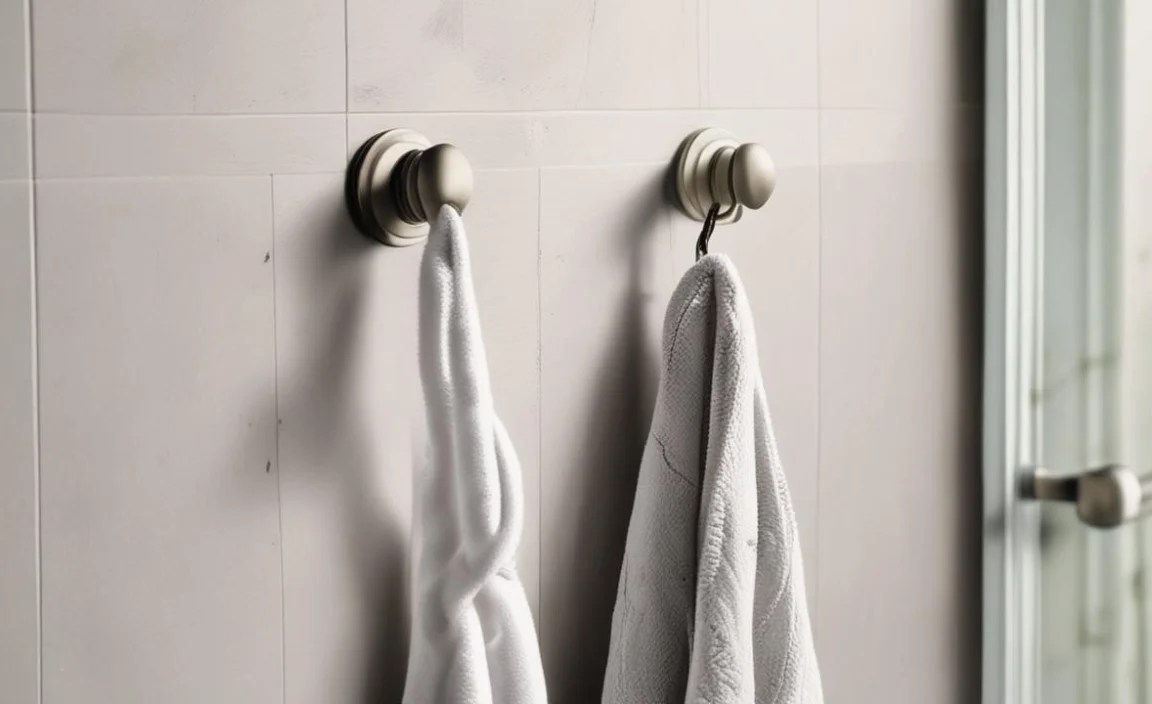
The tools you need will depend on the type of hook you choose. For screw-in hooks, you’ll need more than for adhesive ones.
For Adhesive Hooks:
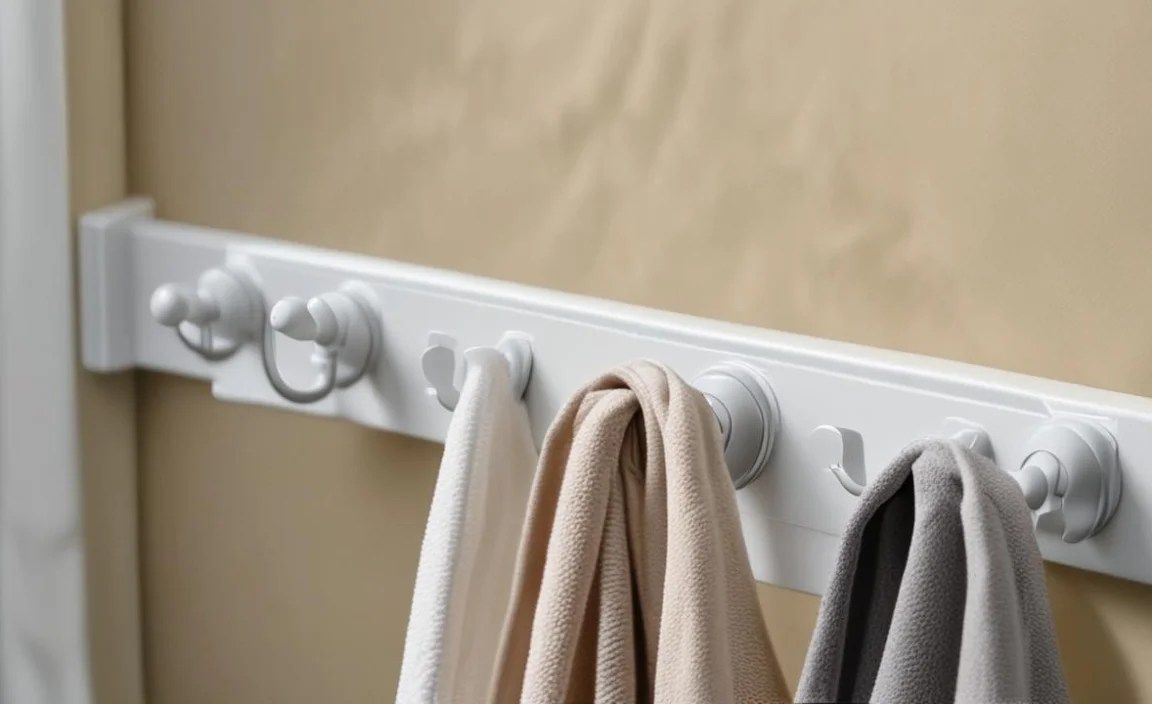
- Your chosen adhesive hooks
- Rubbing alcohol or a mild cleaner
- A clean, soft cloth
- Measuring tape
- Level (optional, but recommended for neatness)
- Pencil
For Screw-In Hooks:
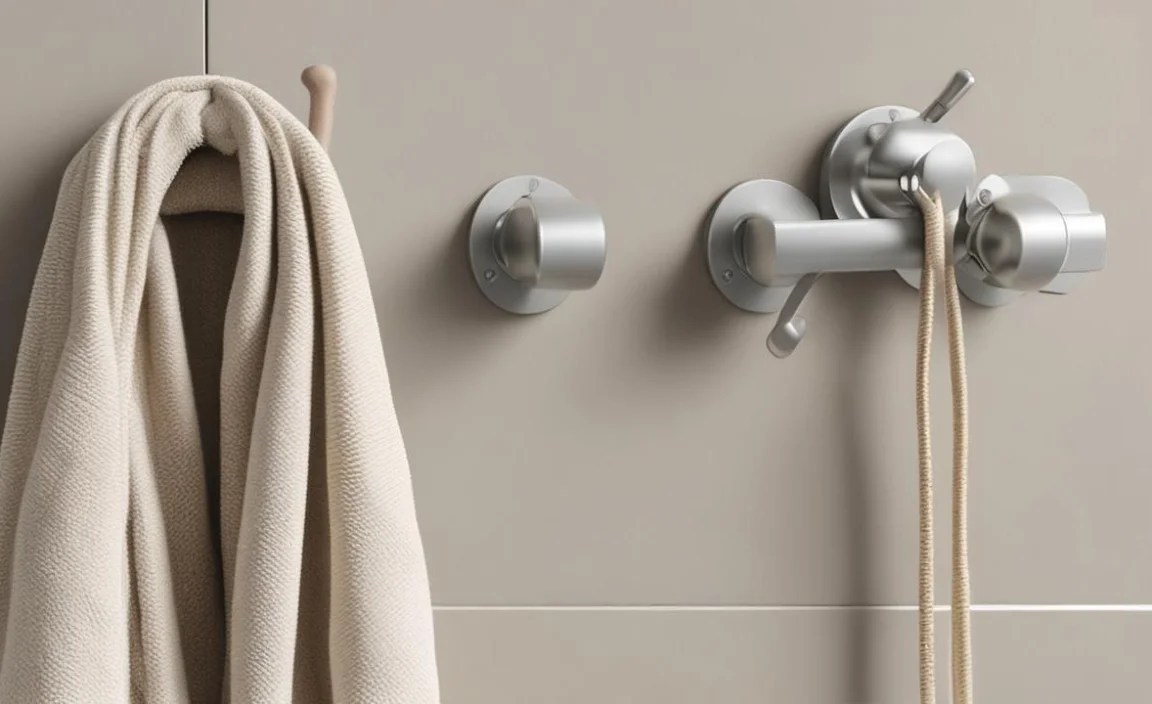
- Your chosen screw-in hooks
- Drill
- Drill bits (appropriate size for pilot holes and anchors)
- Screwdriver (matching hook screws)
- Wall anchors (if not screwing into a stud)
- Stud finder (highly recommended for drywall)
- Measuring tape
- Level
- Pencil
Step 3: Prepare the Surface
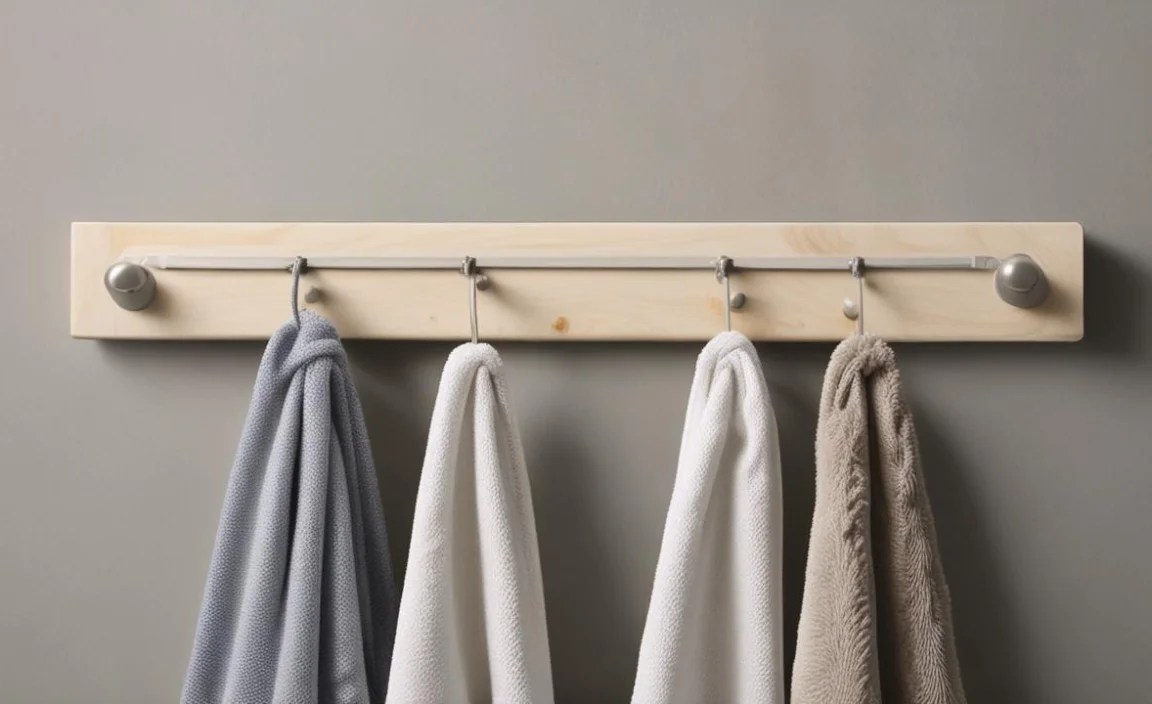
This step is crucial for both types of installation to ensure the hook stays put.
- For Adhesive Hooks: Clean the selected area thoroughly with rubbing alcohol or a mild cleaner using a soft cloth. Let it dry completely. This removes any grease or grime that could prevent the adhesive from sticking.
- For Screw-In Hooks: If you’re drilling into drywall and not a stud, you’ll need to install wall anchors for secure mounting. Locate your desired spot. If using a stud finder, follow its instructions to find the center of a stud. If no stud is available, mark the spot where you intend to drill.
Step 4: Mark and Drill (If Necessary)
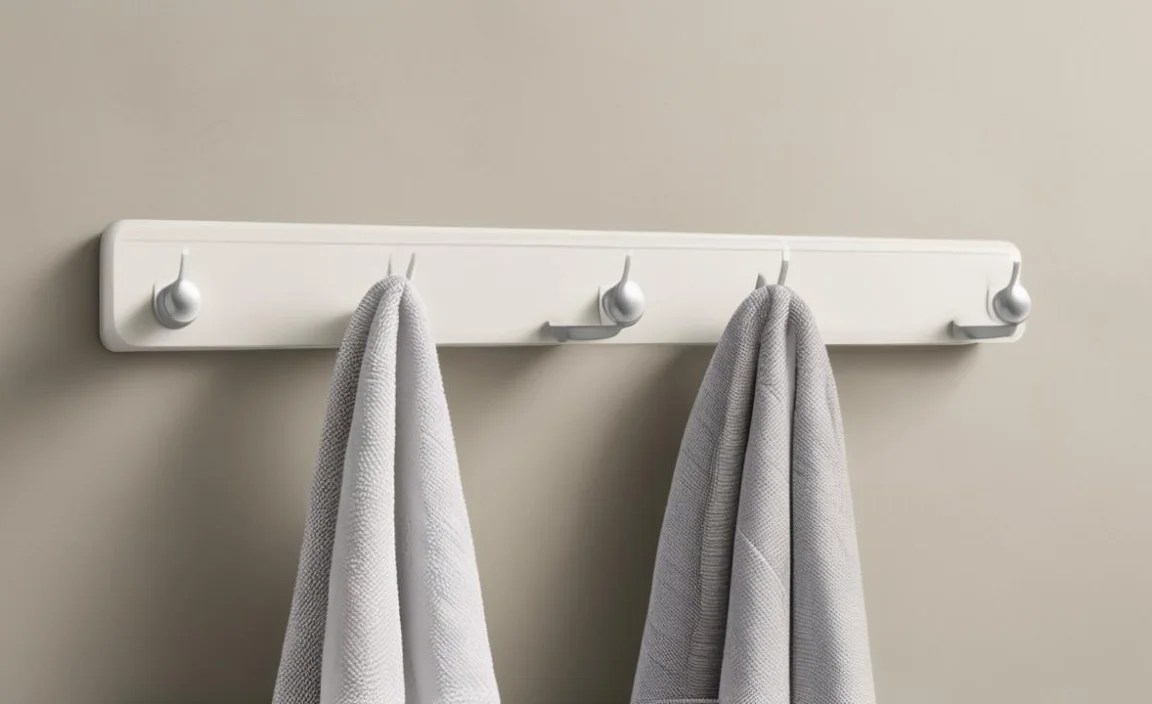
Measure twice, drill once!
- For Adhesive Hooks: Use your measuring tape and pencil to mark the exact position. You can use a level to ensure it’s straight. Many adhesive hooks have placement guides included to help you align them.
- For Screw-In Hooks:
- Marking: Hold the hook or its mounting plate against the wall at your marked height. Use your pencil to mark the screw hole positions.
- Drilling Pilot Holes: Choose a drill bit that is slightly smaller than the screw diameter. If using anchors, choose a drill bit size recommended by the anchor packaging that creates a hole for the anchor itself. Drill pilot holes at your marked spots. For drywall without studs, drill the correct size hole for your wall anchors.
- Installing Anchors: If using anchors, gently tap them into the drilled holes with a hammer until they are flush with the wall surface.
Step 5: Install the Hook
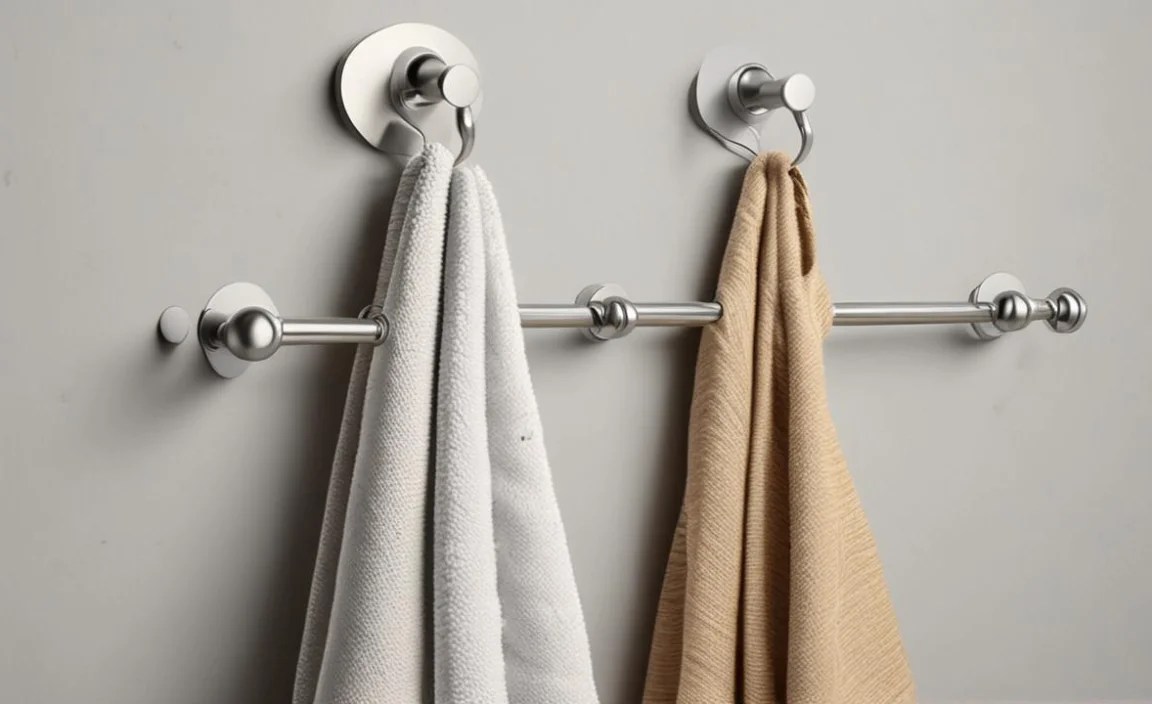
The final step to getting those robes hung up!
- For Adhesive Hooks: Carefully peel the backing off the adhesive. Align the hook with your marks and press it firmly against the wall for at least 30 seconds, ensuring good contact. Many adhesive hooks recommend waiting 24 hours before hanging anything on them to allow the adhesive to cure fully. Check the product instructions.
- For Screw-In Hooks:
- With Anchors: Align the hook’s mounting plate with the anchors and insert the screws. Tighten them securely with your screwdriver.
- Into Studs: Align the hook’s mounting plate with the pilot holes in the stud and insert the screws. Tighten them firmly.
Step 6: Test the Hook
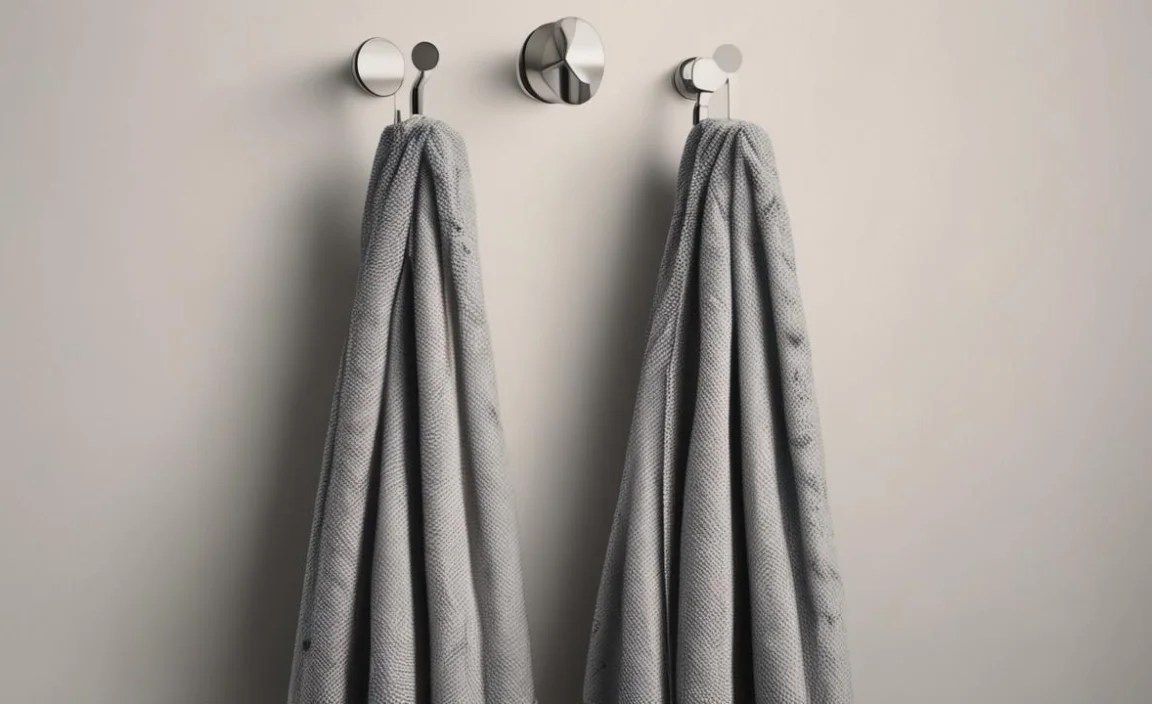
Before handing over the robe, give it a gentle tug to ensure it’s secure. If you installed screw-in hooks, they should feel very solid.
Important Safety Note: Improperly installed hooks can fall and cause injury or damage. Always follow the manufacturer’s instructions and ensure the chosen method is suitable for the weight of a wet bathrobe. For more information on safe DIY practices and tools, visiting a resource like the OSHA guide to DIY safety can provide general awareness.
Maintaining Your Kid-Friendly Robe Hooks
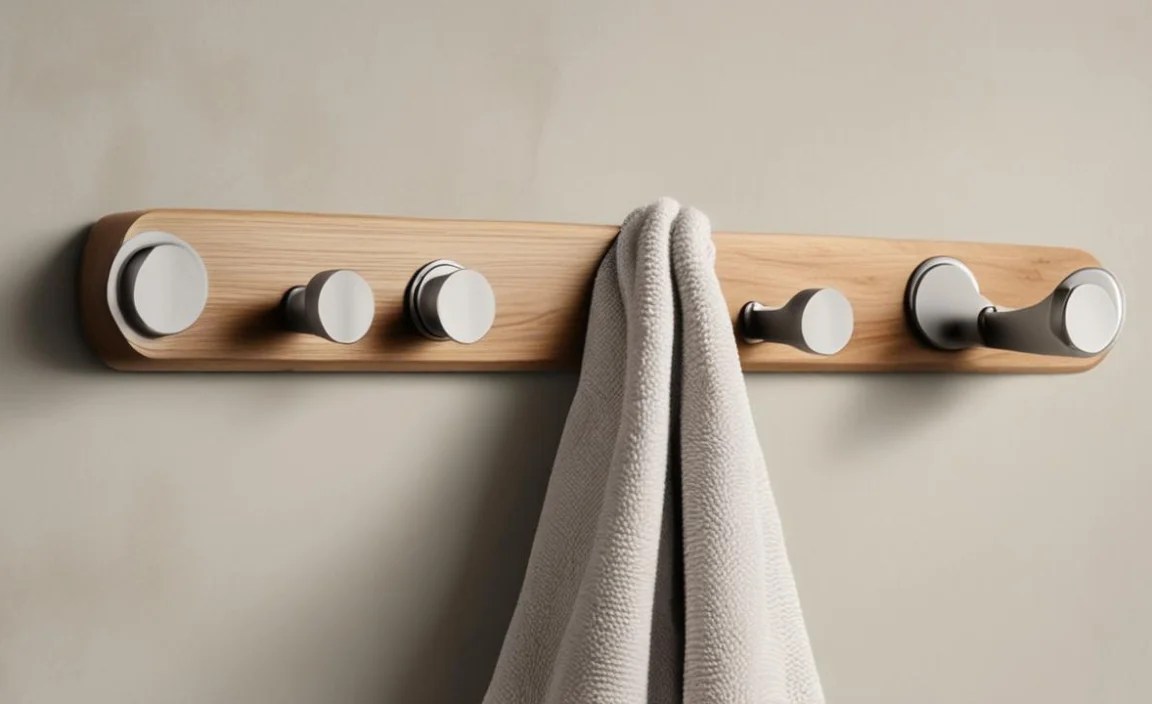
Once installed, keeping your robe hooks functional and looking good is simple. Regular checks and cleaning will ensure they serve your family well for years to come.
Regular Cleaning
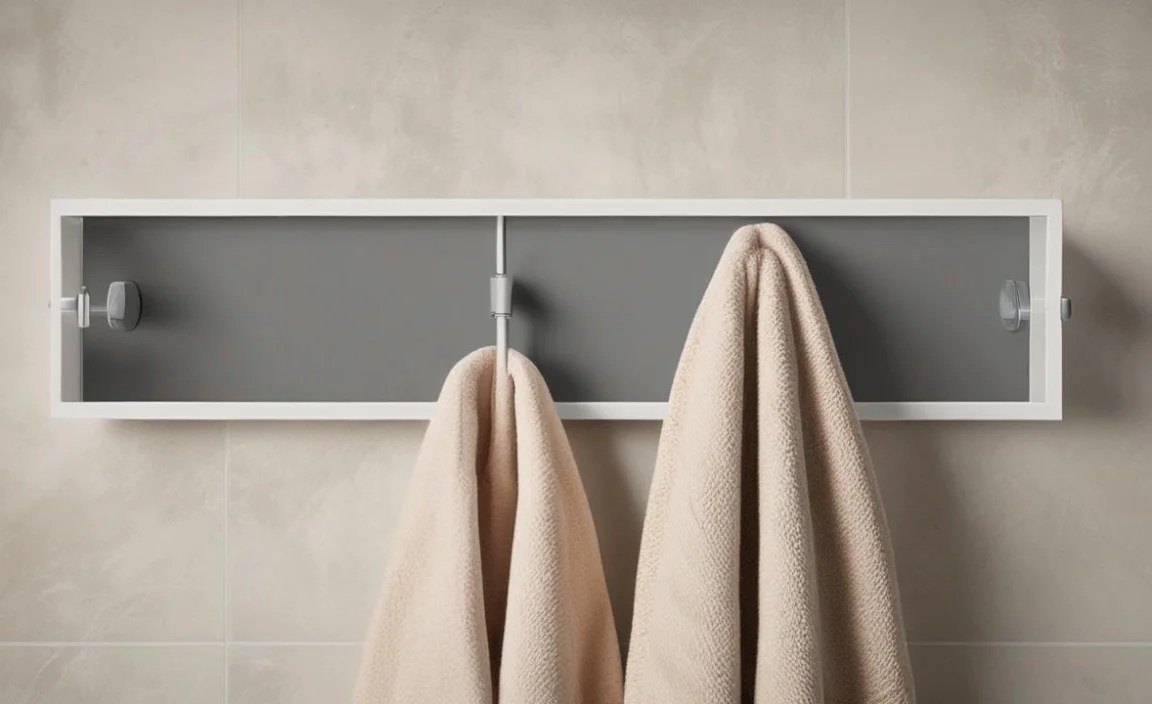
The bathroom is prone to moisture and soap scum. Wipe down your hooks regularly with a damp cloth and mild soap to keep them clean and prevent buildup.
- For stainless steel or plastic hooks, a simple wipe-down is usually sufficient.
- If you notice mildew starting to form (especially around adhesive or older hooks), a diluted vinegar solution can help. Spray it on, let it sit for a few minutes, then wipe clean. Ensure good ventilation during this process.
Checking for Security
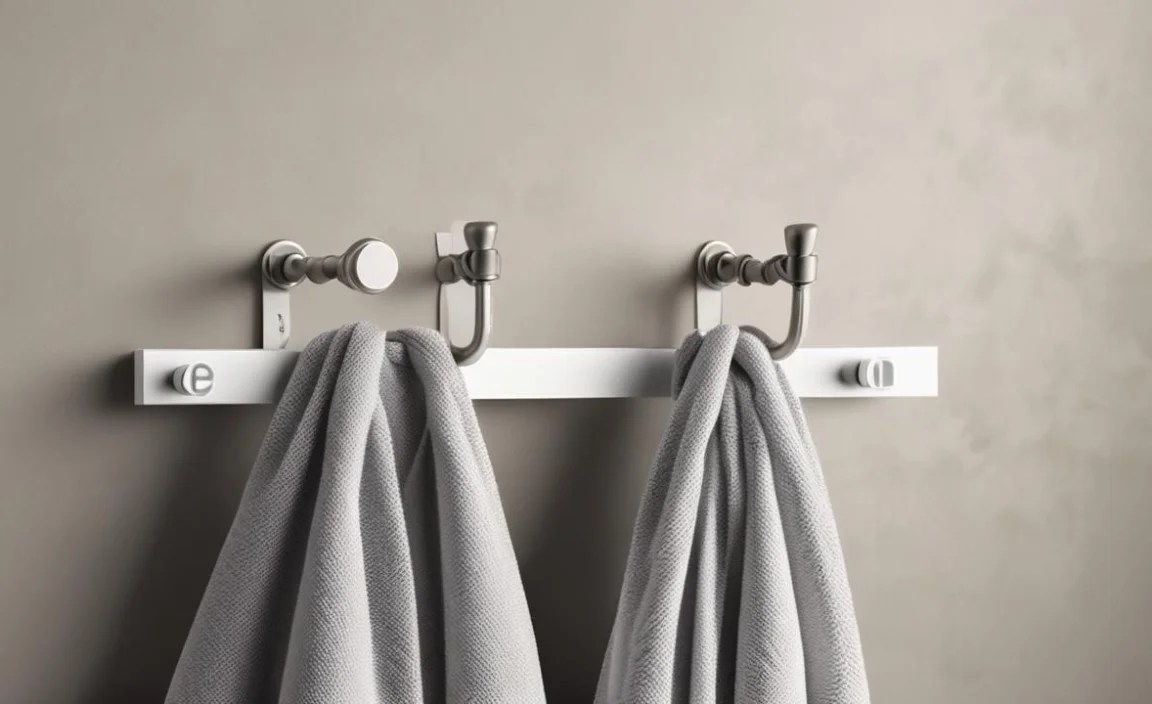
Periodically, give each hook a gentle tug to ensure it’s still firmly attached to the wall. This is especially important for adhesive hooks.
- If an adhesive hook feels loose, consider removing it, cleaning the area, and re-applying it with new adhesive strips (if available) or replacing the hook.
- For screw-in hooks, check that the screws are
