
Bathroom hooks for robes offer a sleek, space-saving solution for a minimalist aesthetic. Choose single hooks or discreet double hooks in simple finishes like brushed nickel or matte black to keep your bathroom tidy and stylish without clutter. Installation is straightforward, adding functional elegance effortlessly.
Tired of damp robes cluttering your bathroom floor or snagging on towel rails? Finding a good spot for your plush robe can be a surprisingly common bathroom challenge. Many of us resort to temporary solutions that just don’t look good or work well. But what if there was a simple, stylish way to keep your robe easily accessible and your bathroom looking serene and uncluttered? You’re in the right place! This guide will show you exactly how to choose and install the perfect bathroom hooks for robes, achieving that coveted minimal look you’ve been dreaming of. Get ready to transform your bathroom into a tidier, more elegant space.
Why Minimalist Bathroom Hooks for Robes Are a Game-Changer

When you’re aiming for a clean, Zen-like bathroom vibe, every accessory counts. Traditional hooks can sometimes feel a bit bulky or out of place in a minimalist design. That’s where specialized robe hooks shine. They’re designed to be unobtrusive, often featuring sleek lines and simple shapes.
Think about it: a bathrobe is often one of the largest items in your bathroom after towels. Letting it hang freely on a standard hook can quickly disrupt the visual calm you’re trying to create. Minimalist hooks, especially single or double robe hooks, are specifically designed to handle the weight and bulk of a robe without calling undue attention to themselves. They integrate seamlessly into your decor, providing essential functionality without compromising your aesthetic goals.
Benefits of Minimalist Robe Hooks:

- Space Saving: They take up minimal wall space, which is crucial in smaller bathrooms.
- Aesthetic Appeal: Their clean designs complement minimalist, modern, and even Scandinavian decor styles.
- Organization: They provide a designated, neat place for robes, preventing floor clutter and keeping things accessible.
- Durability: Robe hooks are typically stronger than standard coat hooks, designed to hold heavier items like soaked robes.
- Versatility: Beyond robes, they’re perfect for towels, laundry bags, or even decorative items.
Choosing the Right Minimalist Hooks for Your Bathroom

Selecting the perfect hooks involves a few key considerations. It’s not just about looks; functionality and compatibility with your bathroom’s style and needs are paramount. Let’s break down what to look for.
Material and Finish:
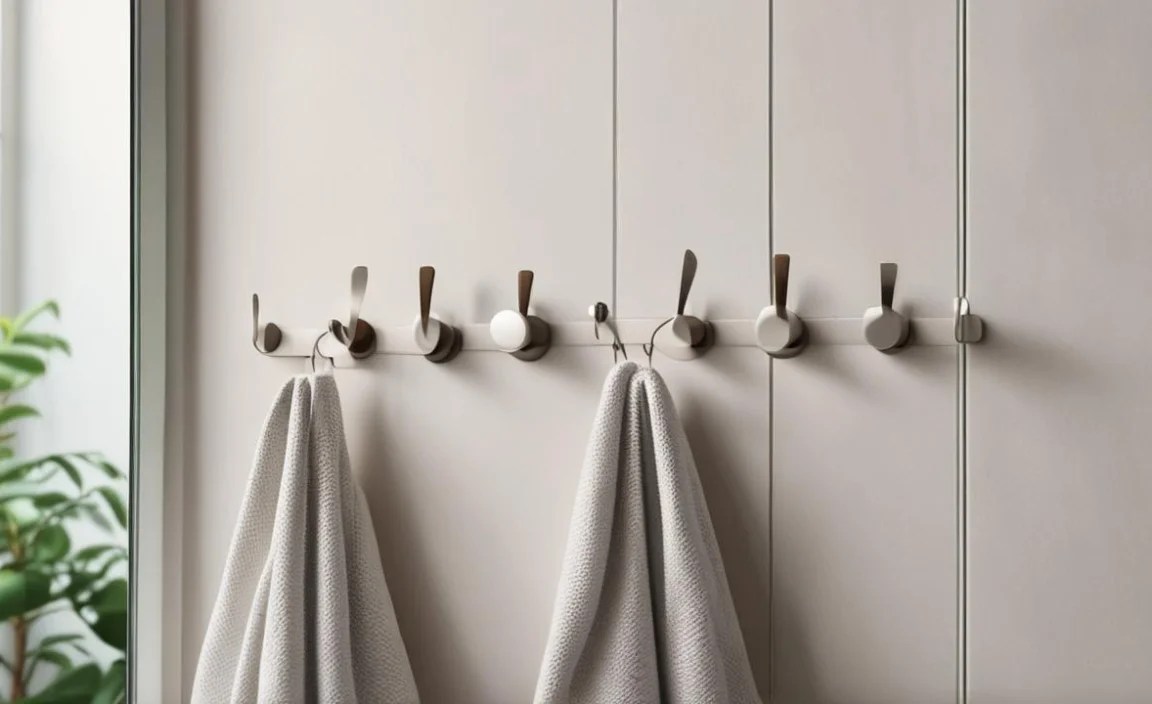
The material and finish of your hooks can significantly impact the overall feel of your bathroom. For a minimalist look, sticking to classic, understated finishes is usually best.
- Brushed Nickel/Stainless Steel: This is a popular choice for its durability, resistance to water spots, and subtly elegant sheen. It pairs well with most color schemes and natural materials.
- Matte Black: Offers a bold, modern contrast, especially against lighter tiles or walls. It’s a strong statement piece in a minimalist setting.
- Chrome: Provides a classic, polished look that reflects light well. It can feel a bit more traditional but works in modern contexts too.
- Bronze/Brass (Matte Finishes): While sometimes associated with traditional styles, matte or brushed bronze and brass can add a touch of warmth and understated luxury to a minimalist space.
Style and Shape:
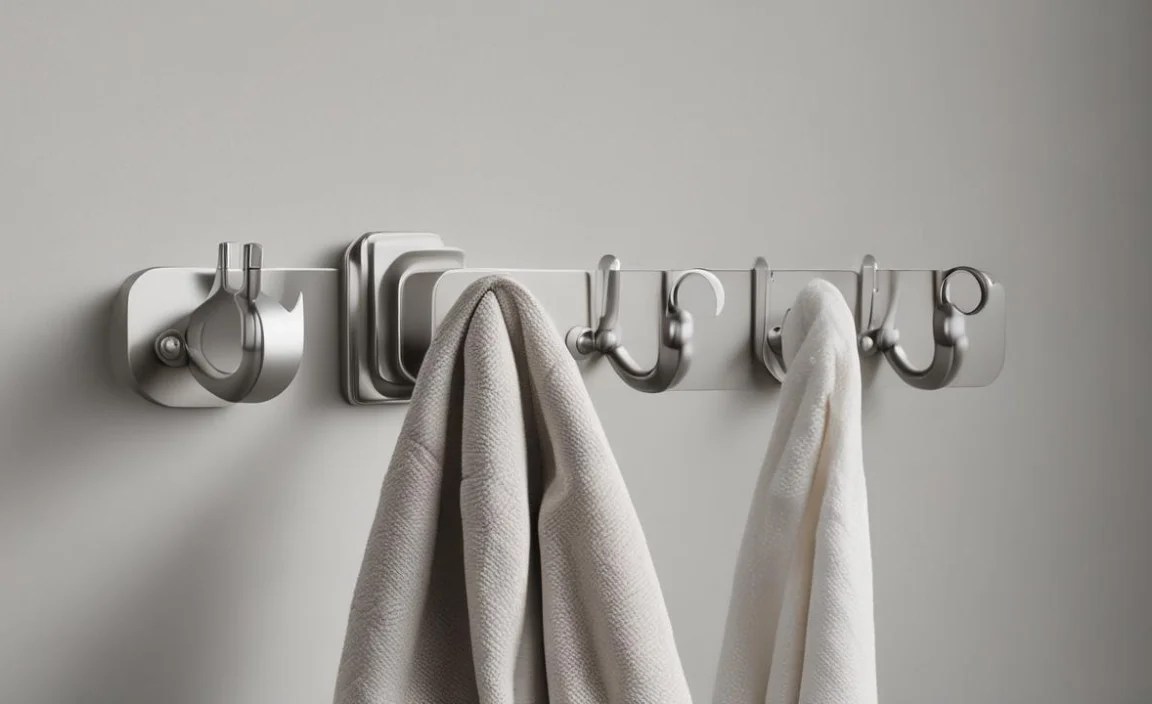
Minimalism thrives on simplicity. Look for hooks with clean lines and geometric forms.
- Single Hooks: These are the most basic and often the most discreet. A simple L-shape or a slightly curved design works well.
- Double Hooks: These can be more space-efficient if you need to hang more than one robe or a robe and a towel. Look for ones where the hooks are arranged vertically or at a slight angle, rather than side-by-side, to maintain a slender profile.
- Integrated Hooks: Some minimalist designs feature hooks that are less pronounced, perhaps integrated into a small shelf or a streamlined bar.
Size and Load Capacity:
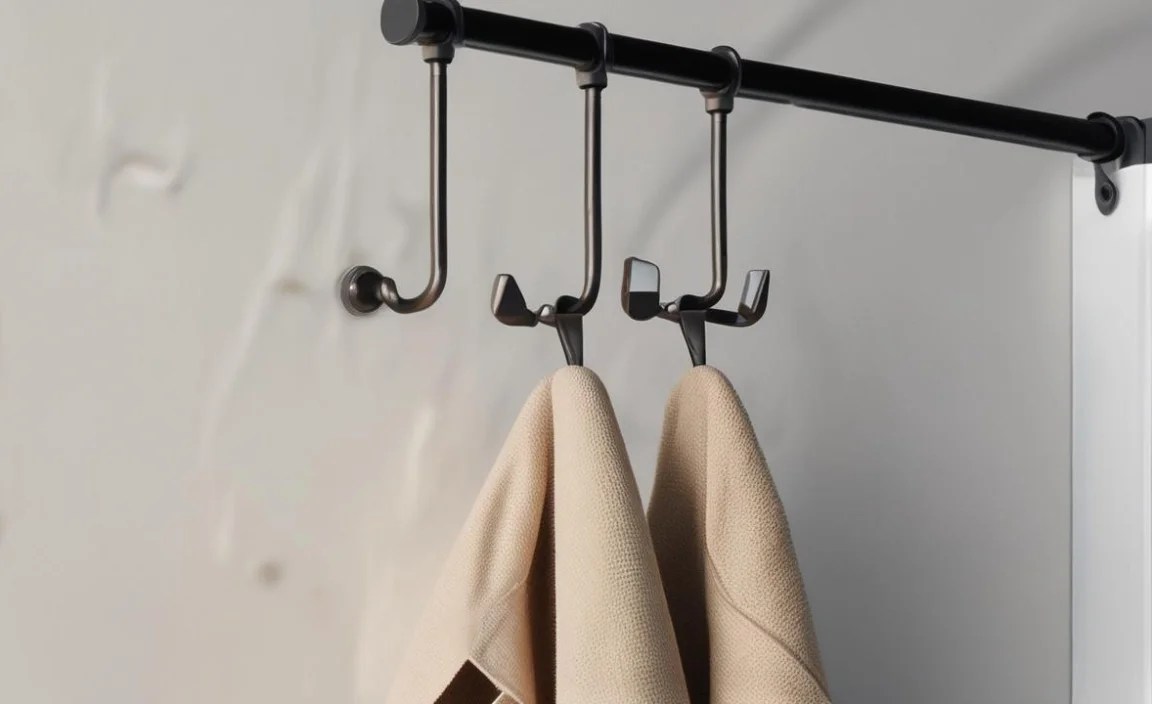
Don’t underestimate the importance of size and strength. A small hook might look sleek, but it needs to be able to support the weight of a wet, heavy bathrobe. Always check the product specifications for load capacity. Robe hooks are generally designed with this in mind, often rated for 10-25 lbs or more.
For a truly minimal look, consider the scale. Hooks that are too large can overpower a small vanity or shower area. Conversely, very tiny hooks might look lost on a large tiled wall. Aim for a size that is proportionate to the surrounding elements.
Installation Type:
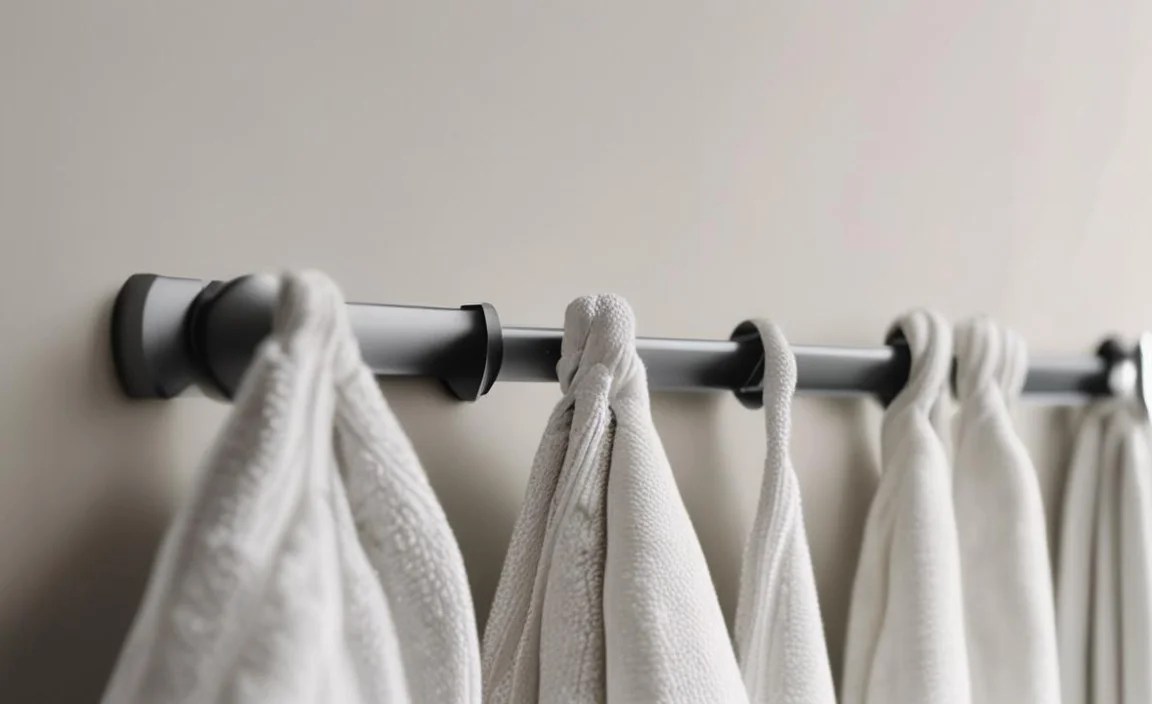
How will you install them? Most robe hooks require drilling into the wall to ensure they can safely hold the weight. However, some high-quality adhesive options are available for lighter loads or temporary solutions, though drilling is generally recommended for robes.
When planning placement, think about what feels natural. Where do you usually take off your robe? Near the shower? By the vanity? Having the hook within easy reach makes it far more practical.
Where to Place Your Bathroom Hooks for Robes

Strategic placement is key to both functionality and the overall minimalist aesthetic. You want your hooks to be accessible but not visually intrusive. Consider these popular and practical locations:
Near the Shower or Bathtub:

This is perhaps the most obvious spot. Hanging your robe directly outside the shower or tub means you can easily grab it as soon as you step out, keeping you warm and dry.
- Pros: Ultimate convenience for post-shower use.
- Cons: Can be prone to splashes if not placed carefully; might feel too active in a serene bathing space for some.
Installation Tip: Mount it on a sturdy stud or use appropriate wall anchors if tiling. Ensure it’s out of the direct spray zone.
On the Back of the Door:

This is a classic space-saving solution. A single hook mounted on the back of your bathroom door is often invisible when the door is closed, maintaining a clean wall appearance.
- Pros: Excellent for small bathrooms; keeps walls clear; easily accessible.
- Cons: Might not be ideal if your door opens inwards against a wall and needs to swing freely; can be slightly less convenient than a wall-mounted hook.
Installation Tip: Ensure you’re drilling into the solid wood of the door, avoiding hinges or panels. Use shorter screws if necessary to avoid protruding through the other side.
Next to the Vanity or Sink:
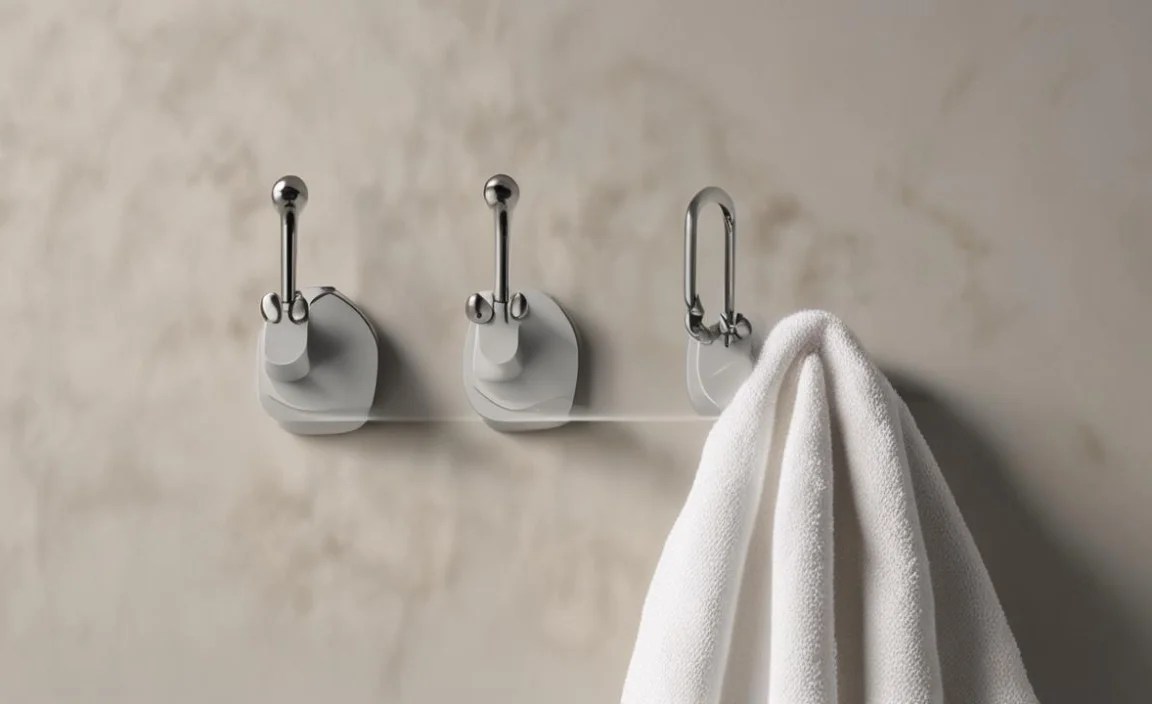
If you tend to put on your robe after washing your hands or doing your skincare routine, placing a hook near the vanity makes perfect sense. It keeps your robe within reach without being directly in the humid shower zone.
- Pros: Convenient throughout the day; stays drier than near the shower.
- Cons: Might be a few steps away from the shower/tub.
Installation Tip: Consider the height. It should be comfortably within reach but not at eye-level on the wall.
On an Empty Wall Space:
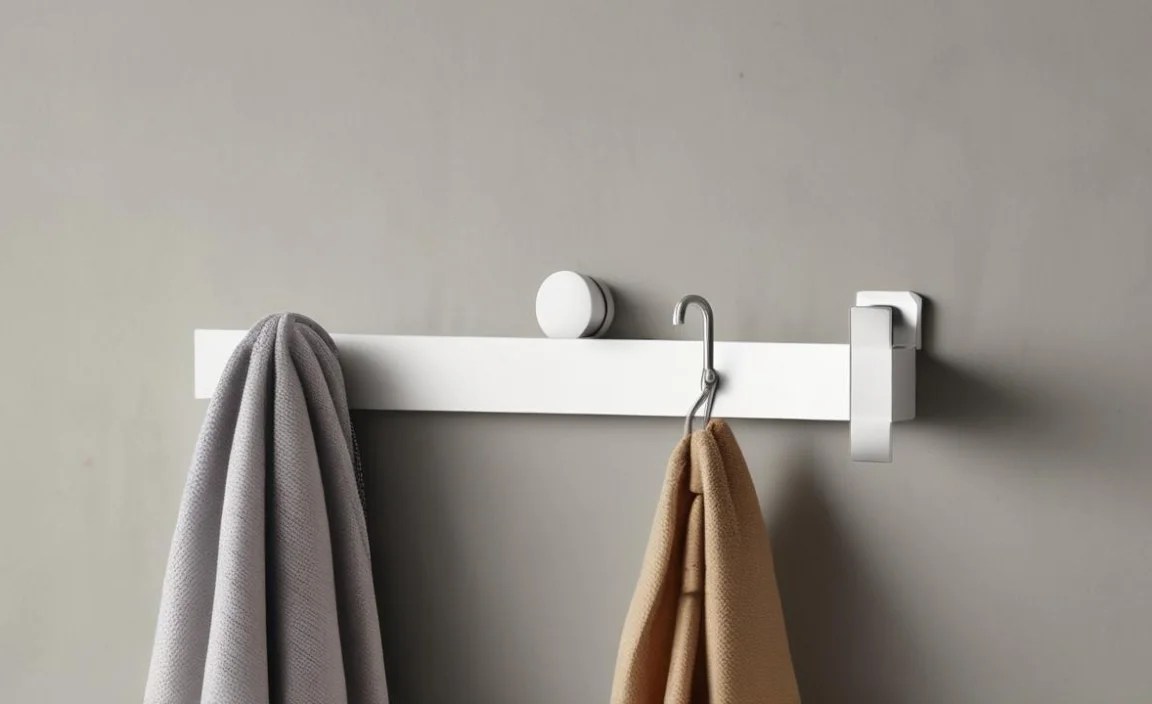
Sometimes, an unused section of wall offers the perfect opportunity. Look for a spot that feels natural, perhaps adjacent to a towel bar or a decorative element, but isn’t too prominent.
- Pros: Can be placed exactly where you want it for aesthetics and function.
- Cons: Requires careful consideration of wall materials and potential for aesthetic disruption if not planned well.
Installation: This is where stud finders and proper anchoring become critical. You want the hook to be secure and look intentional.
Key Placement Considerations for a Minimalist Look:
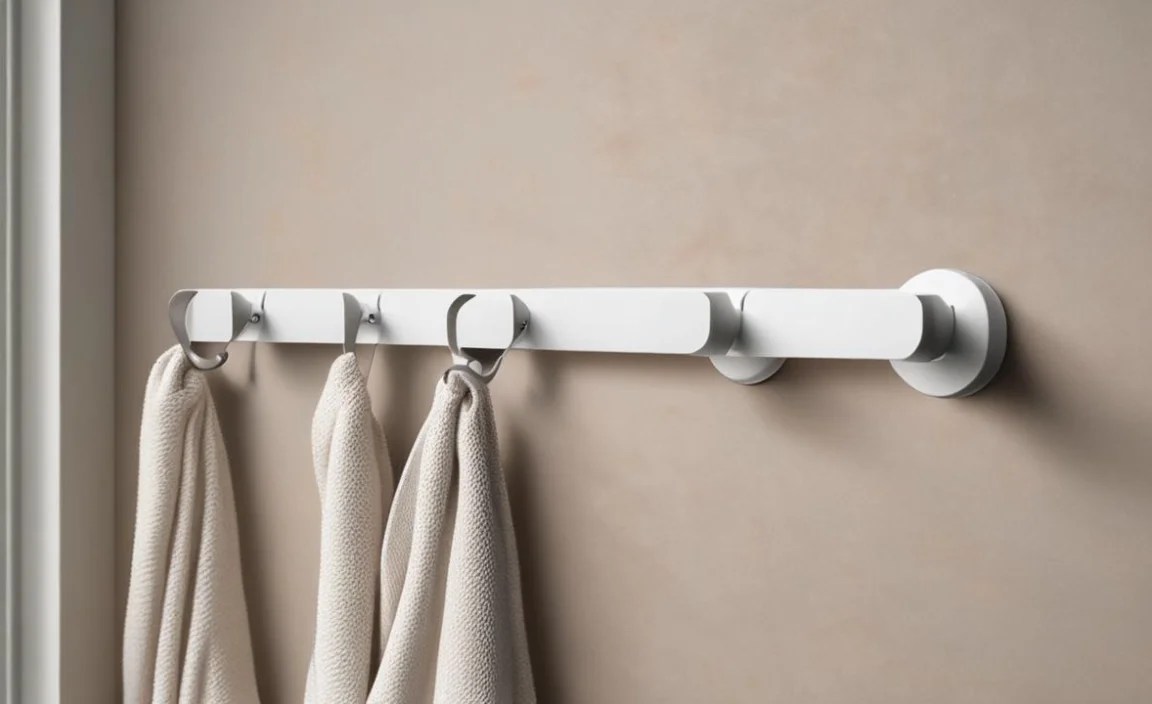
- Symmetry: If you’re placing hooks on either side of a mirror or a vanity, consider aligning them symmetrically.
- Proportion: Ensure the hook isn’t too large or too small for its surrounding wall space.
- Visual Flow: Imagine how the hook looks from different angles. Does it interrupt the clean lines of your bathroom?
- Functionality First: While aesthetics are important, don’t sacrifice convenience. The hook needs to be usable.
How to Install Bathroom Hooks for Robes (The Simple Way!)

Installing a robe hook is a very achievable DIY project! With the right tools and a little patience, you can confidently add this practical and stylish element to your bathroom. We’ll focus on the most secure method: drilling into the wall.
Tools and Materials You’ll Need:
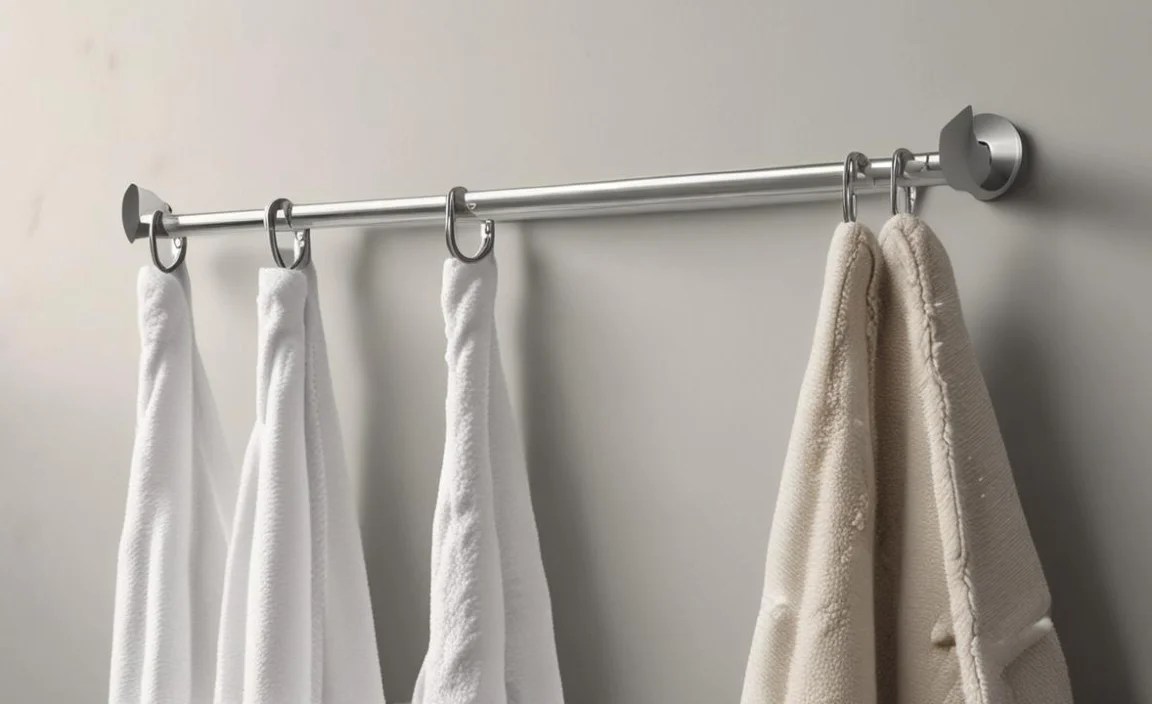
Having everything ready before you start makes the process smooth. Here’s a checklist:
- Your chosen robe hook(s)
- Mounting screws (usually included with the hook)
- Wall anchors (if not drilling into a stud – very important!)
- Drill with appropriate drill bits
- Stud finder
- Tape measure
- Pencil
- Level
- Screwdriver (Phillips head is common)
- Safety glasses
- A clean cloth
Step-by-Step Installation Guide:
Step 1: Choose Your Location and Mark the Spot

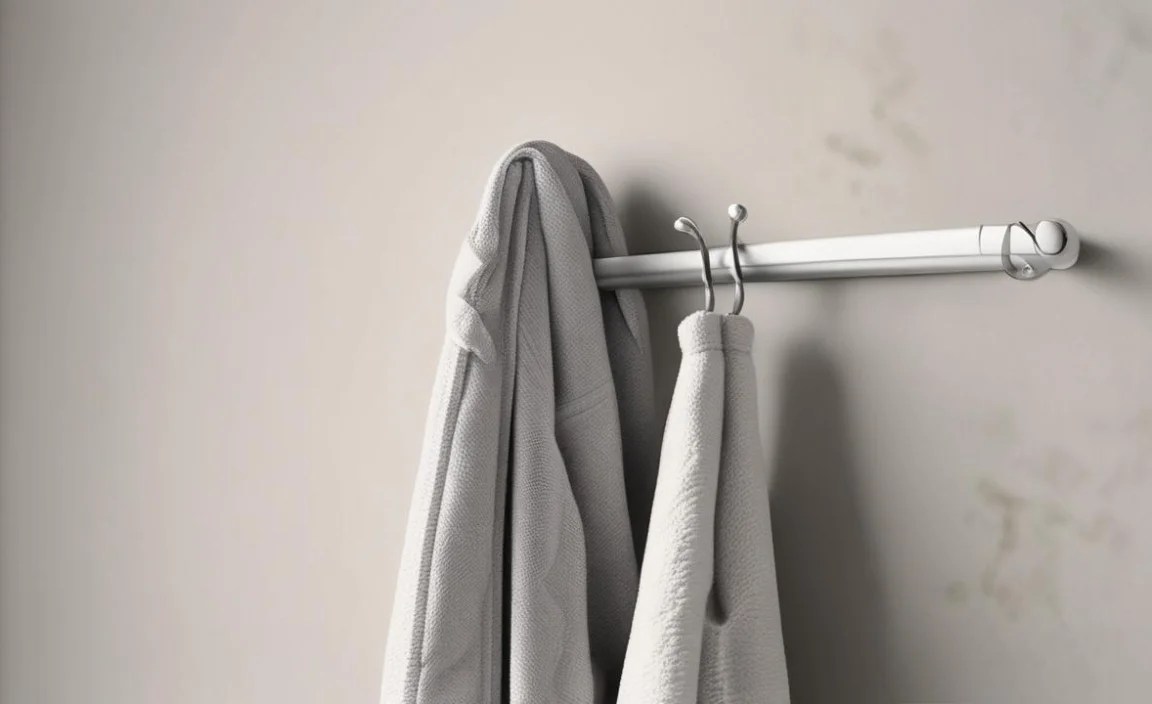
Decide exactly where you want your hook. Use your tape measure to ensure it’s at a comfortable height, usually between 60-70 inches from the floor, or where it makes sense for your routine. Hold the hook (or its mounting plate) against the wall and use your pencil to lightly mark the screw hole locations. Use a level to ensure your marks are perfectly straight – a crooked hook can really stand out!
Step 2: Check for Studs
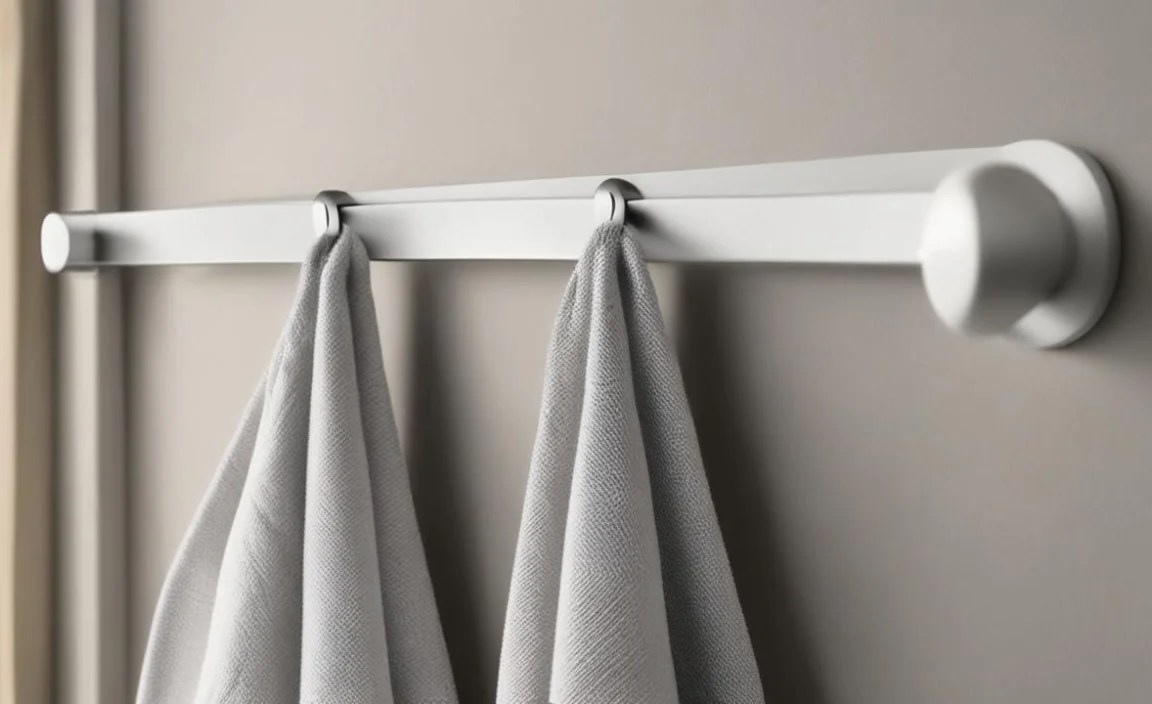
This is a crucial step for a secure installation. Use your stud finder to scan the wall in the area you’ve marked. If you find a stud behind your marked spots, you can drill directly into it for maximum strength. Mark the center of any studs you find.
For more information on finding studs, the This Old House website has excellent resources.
Step 3: Drill Pilot Holes
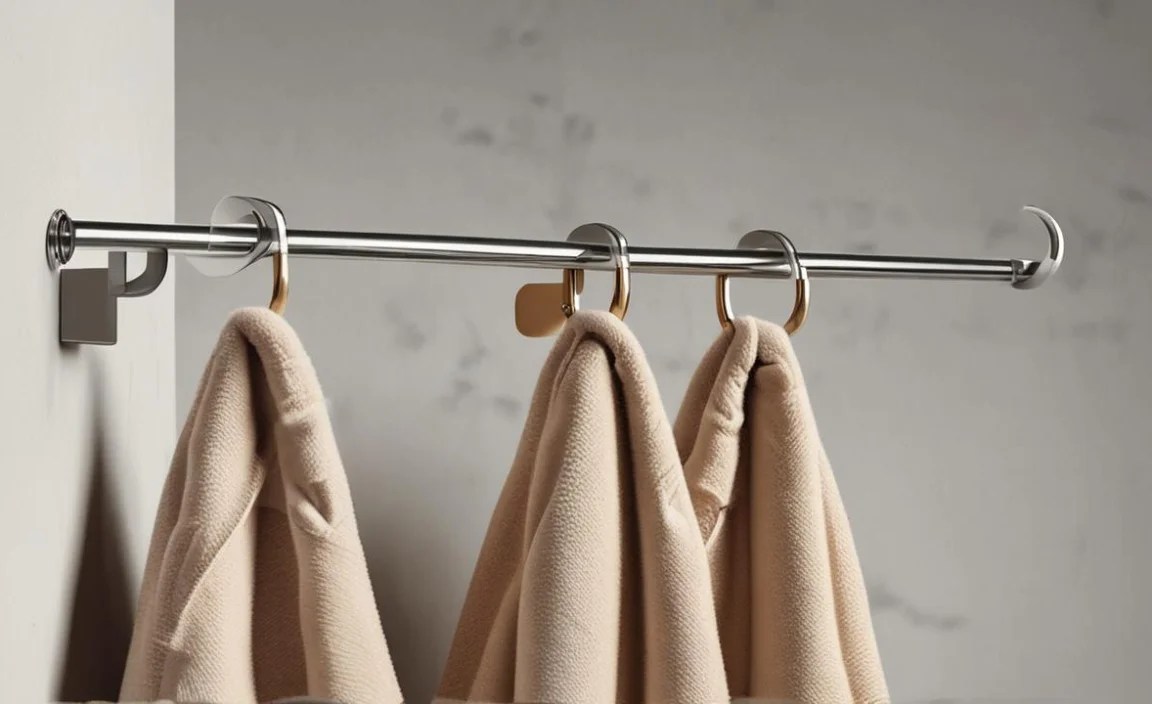
If drilling into a stud: Choose a drill bit slightly smaller than the diameter of your mounting screws. Drill a pilot hole at each marked spot. This makes driving the screw easier and prevents the wood from splitting.
If NOT drilling into a stud: This is where wall anchors are essential. Choose a drill bit that matches the size recommended for your wall anchors (usually indicated on the anchor packaging). Drill holes at your marked spots. Then, insert the wall anchors into the holes according to their instructions. They should fit snugly.
Step 4: Attach the Hook
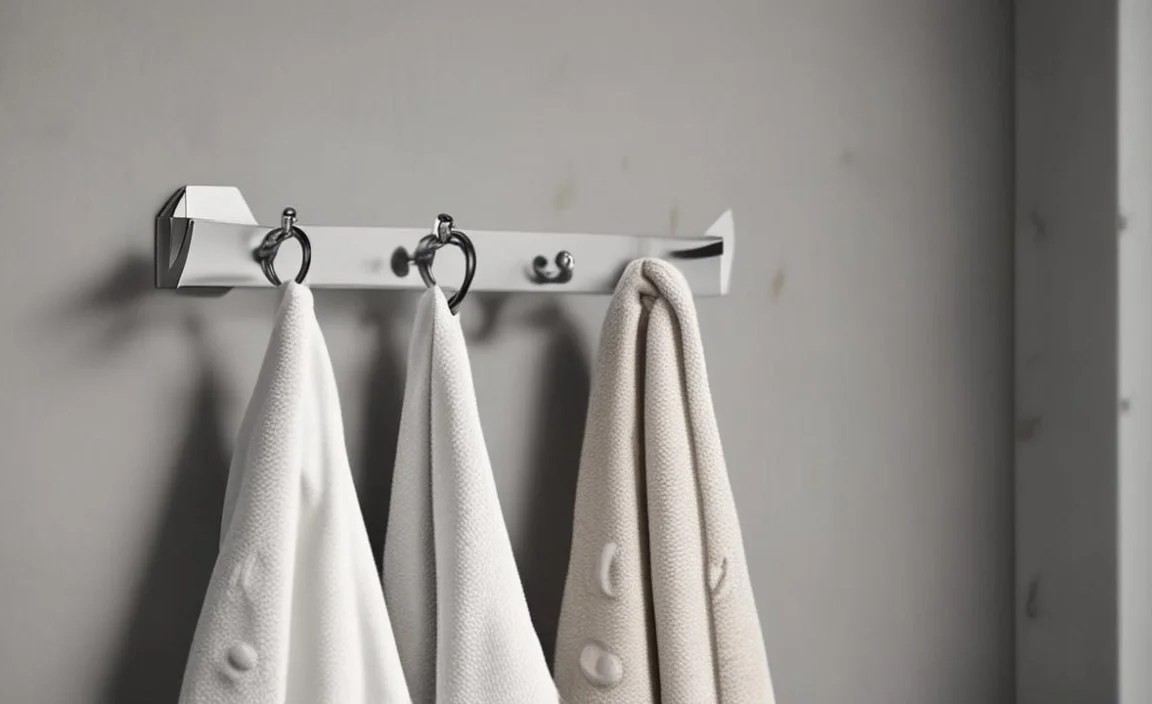
Align your robe hook (or its mounting plate) with the pilot holes (or anchors). Insert the mounting screws through the hook and into the pilot holes or anchors.
Use your screwdriver to tighten the screws. If you’re drilling into a stud, you’ll feel the screw grab the wood securely. If using anchors, tighten until the hook is firmly against the wall and doesn’t wiggle. Be careful not to overtighten, as this can strip the screws or damage the wall.
Step 5: Test the Hook
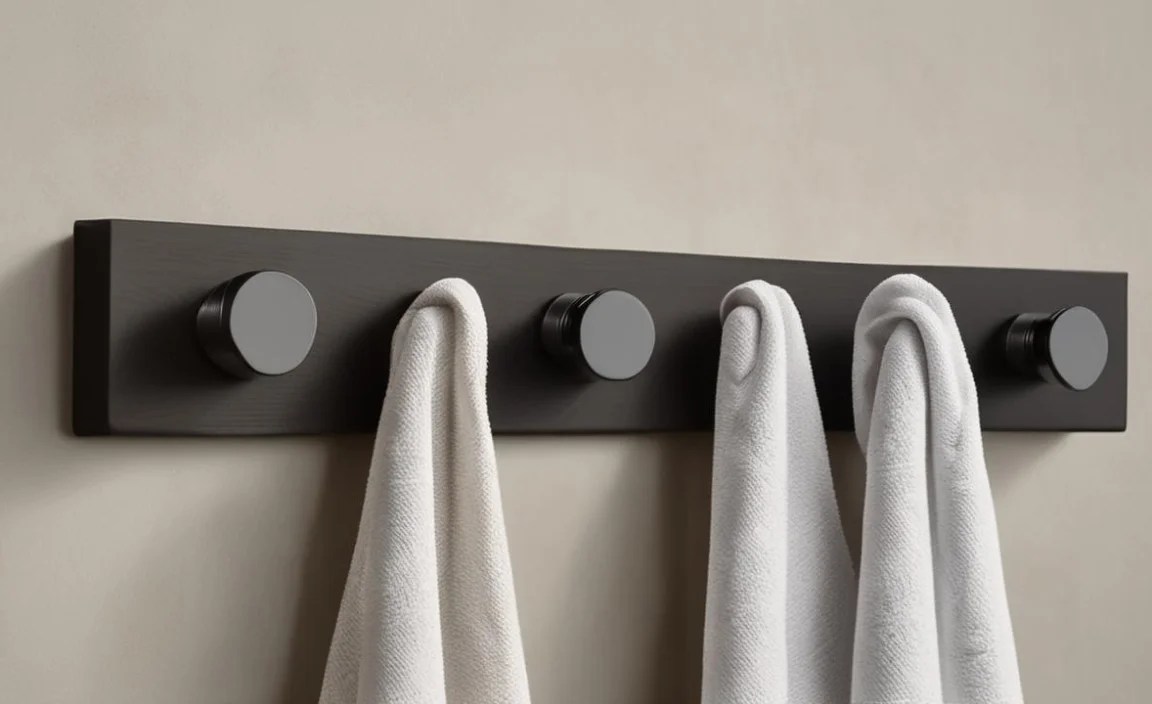
Once the hook is securely attached, give it a gentle tug to ensure it’s stable. Hang your robe on it and see how it feels. It should hold the weight without any sway or looseness.
Safety First! Always wear safety glasses when drilling. If you’re unsure about drilling into your walls or hitting electrical wires/pipes, it’s always best to consult a professional or a more experienced DIYer. You can find excellent guidance on wall anchor usage from reputable sources like Family Handyman.
Comparing Installation Methods: Drilling vs. Adhesive Hooks
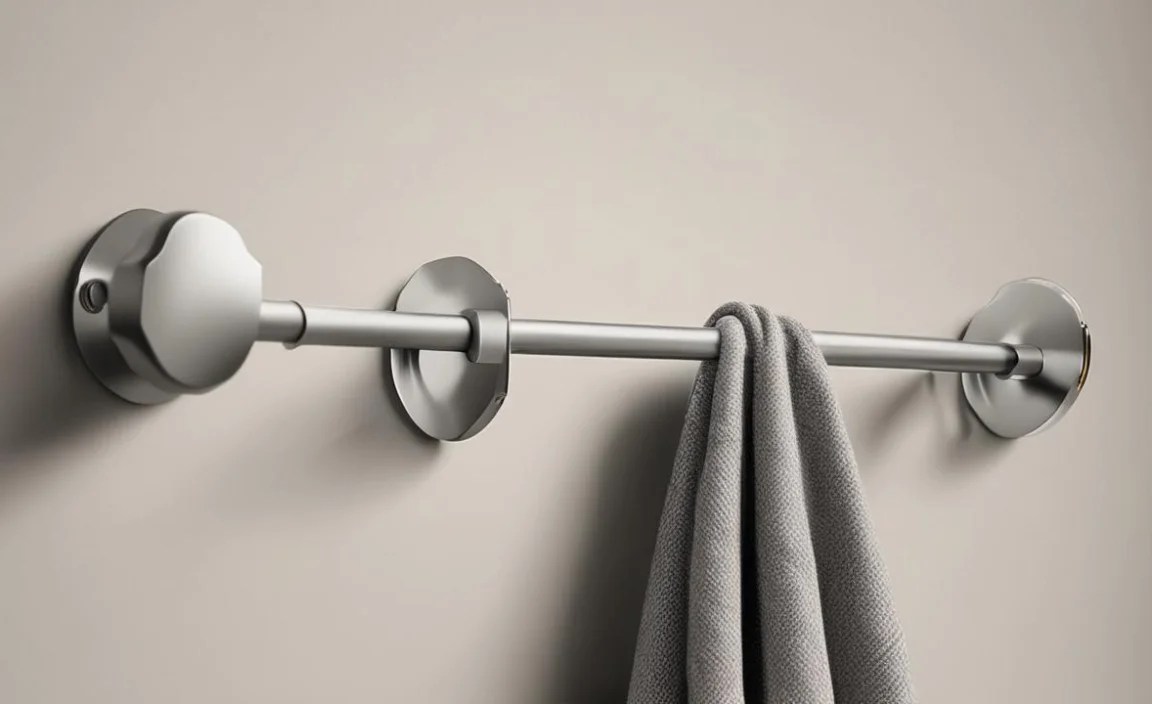
When it comes to hanging bathroom hooks for robes, the primary concern is stability and long-term reliability. While adhesive hooks offer a quick, damage-free option, they often fall short for heavier items like robes, especially when wet. Drilling provides a much more secure and durable solution.
Here’s a quick comparison:
| Feature | Drilled Hooks (Screwed/Anchored) | Adhesive Hooks |
|---|---|---|
| Strength & Durability | High. Can support significant weight, suitable for wet robes. Long-lasting. | Low to Medium. Best for light items. May fail over time, especially in humid environments or with heavy loads. |
| Installation Complexity | Moderate. Requires tools, drilling, and basic DIY skills. | Very Easy. Peel and stick. No tools required. |
| Wall Damage | Requires drilling holes that need filling if removed. | No holes, but can sometimes damage paint or drywall finish when removed. |
| Cost | Generally slightly higher initial cost for the hook itself, but better long-term value. | Can be cheaper upfront, but may need frequent replacement. |
| Suitability for Robes | Recommended and highly effective. | Generally not recommended for robes, especially heavy or wet ones. |
| Minimalist Appeal | Excellent. Can be very sleek and intentional. | Can look less permanent or robust; some designs are minimal. |
For robe hooks, the peace of mind and reliability that comes with drilling into a stud or using proper wall anchors is well worth the slightly more involved process. It ensures your hook will stay put and safely hold your robe, contributing to a tidy and functional minimalist bathroom.
Maintaining Your Minimalist Hooks
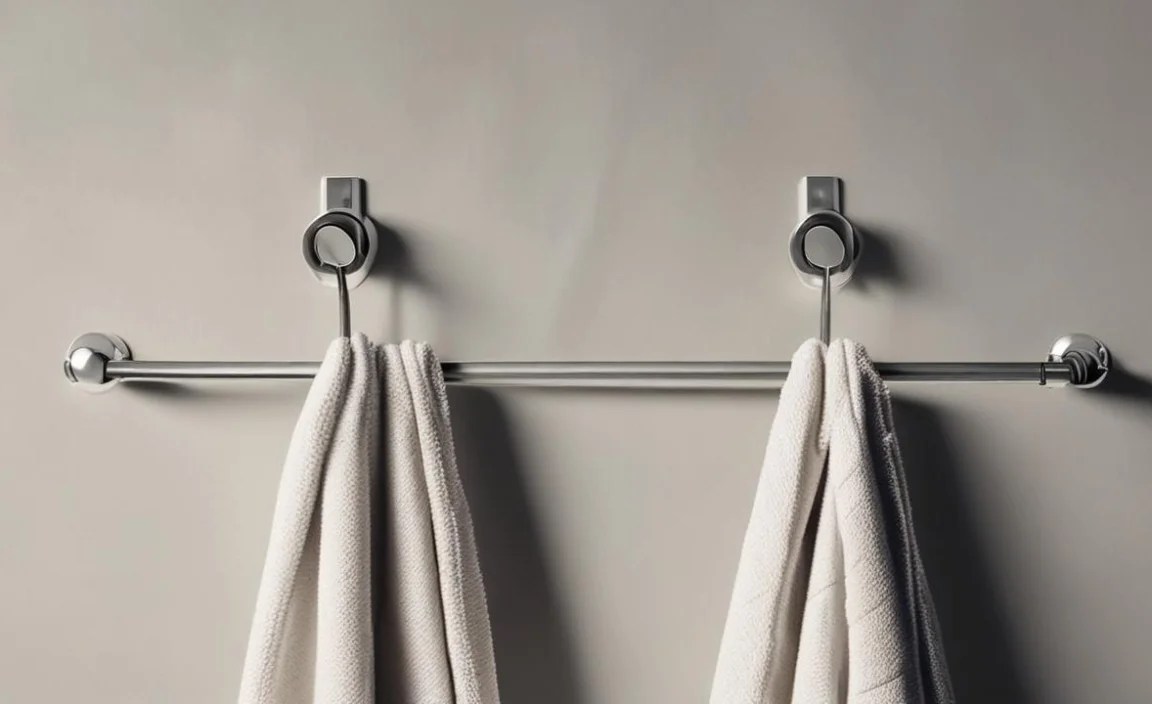
Even the most stylish and well-installed hooks need a little care to keep them looking their best and functioning properly. Regular, simple maintenance will ensure they last for years and continue to enhance your bathroom’s minimalist charm.
Daily/Weekly Wiping:
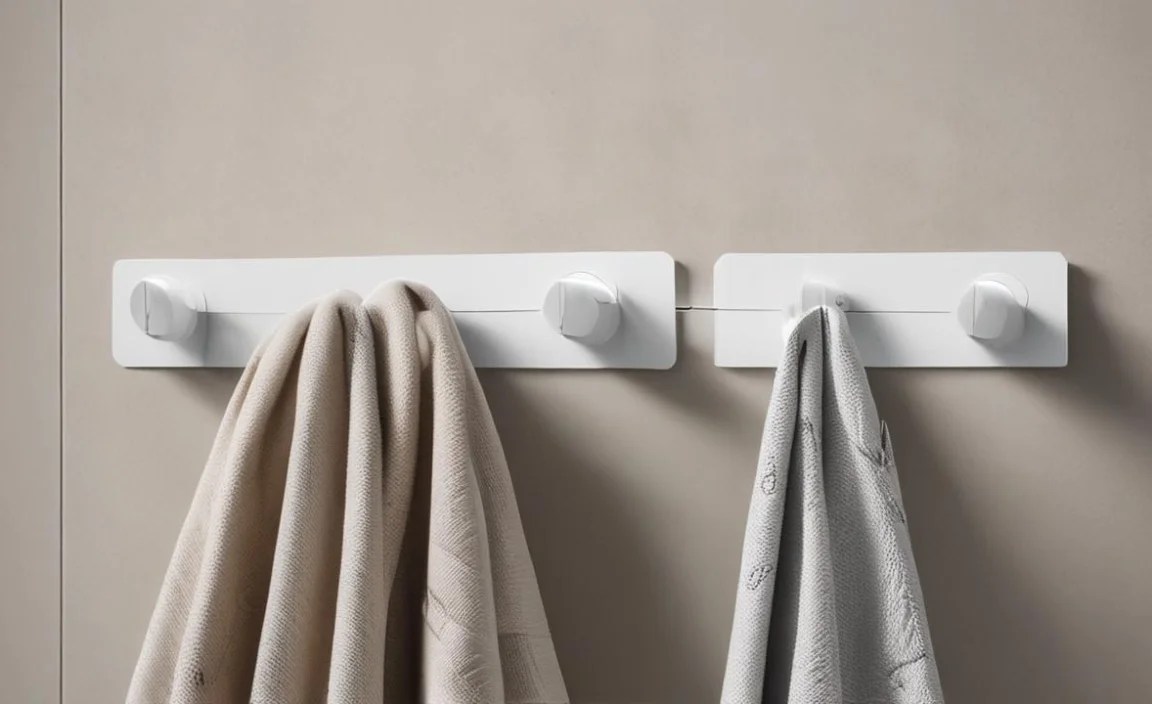
The bathroom environment can be humid, and water can lead to spots or mineral buildup. Make it a habit to wipe down your hooks with a soft, damp cloth after each use or at least a couple of times a week. Afterward, dry them thoroughly with a clean microfiber cloth.
Deep Cleaning:
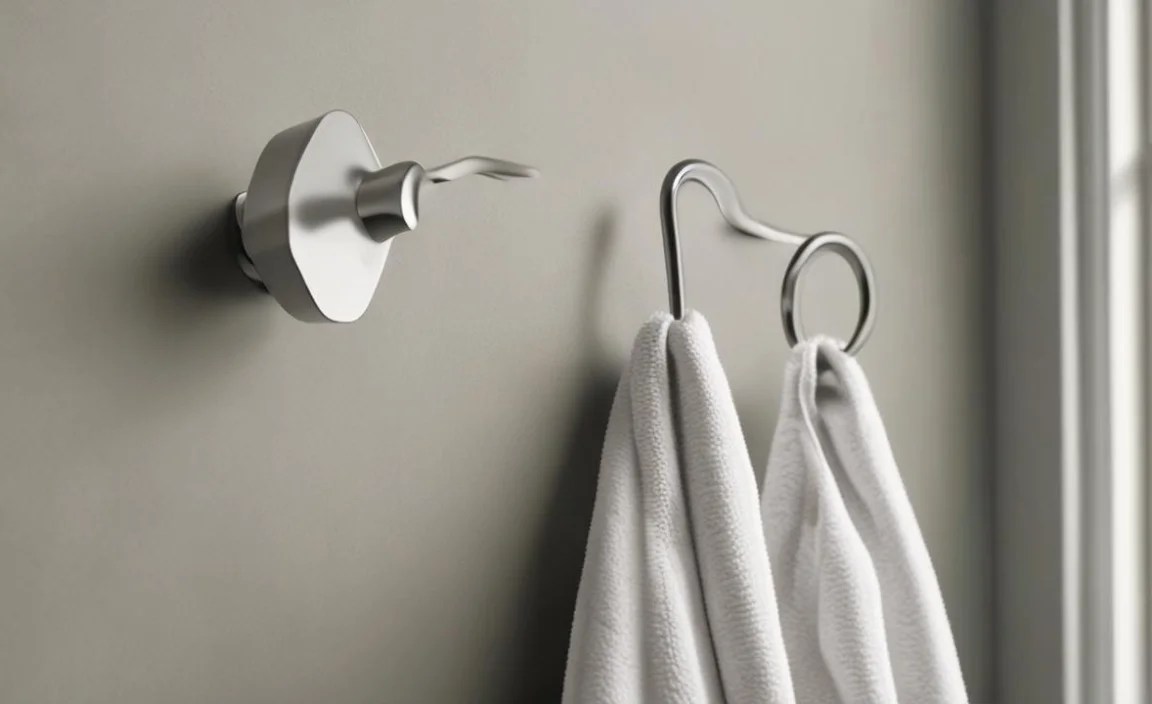
For any stubborn spots or grime, you can use a mild soap and water solution. Apply it with a soft cloth, gently scrub, and then rinse thoroughly with clean water. Always dry completely. Avoid abrasive cleaners, scouring pads, or harsh chemicals, as these can scratch the finish or damage the material, especially on matte or brushed surfaces.
Checking for Stability:
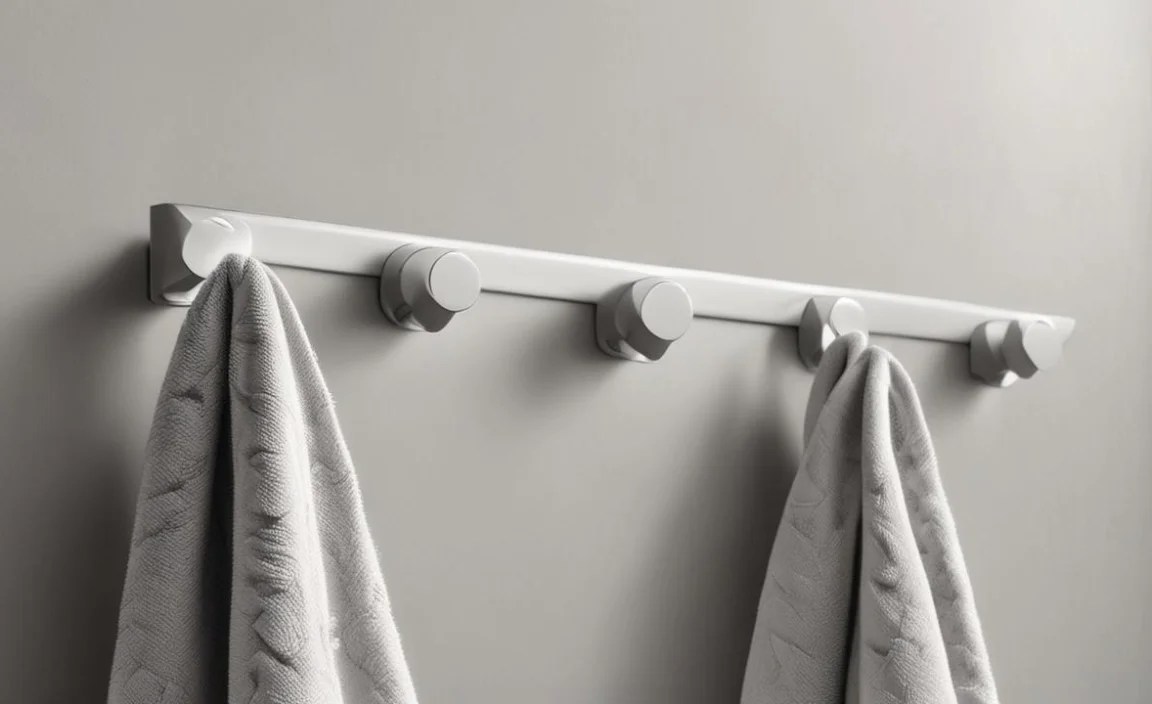
Periodically (e.g., every few months), give your hooks a gentle tug. If you notice any looseness, it’s time to tighten the screws. If the screws seem to be spinning freely in the wall (meaning the anchor might be failing or the hole too large), you may need to remove the hook, repair the wall damage, and re-install with new, appropriate anchors. This is particularly important if you hear any creaking or feel any give when hanging a robe.
Protecting the Finish:
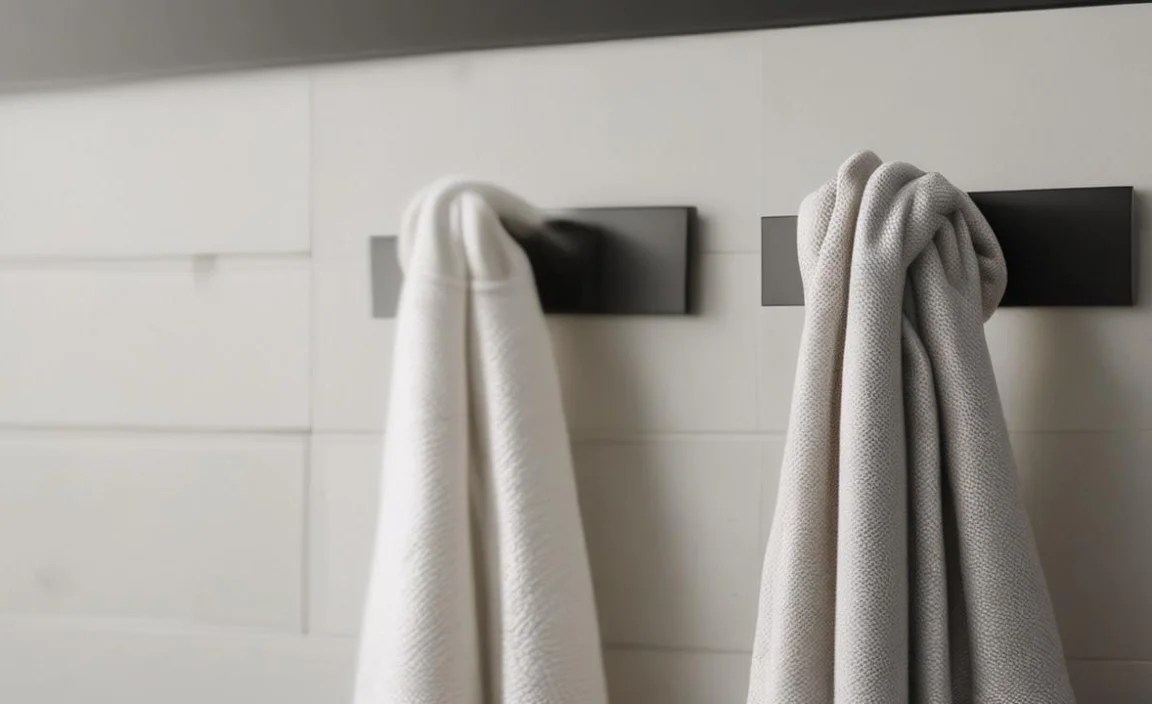
Different finishes require slightly different care. For instance, brushed nickel can show fingerprints easily, while matte black might be more forgiving. Always refer to the manufacturer’s care instructions for your specific hook material and finish to avoid accidental damage. Generally, being gentle and avoiding harsh materials is the best policy.
By following these simple care tips, your minimalist robe hooks will remain a functional and attractive feature of your bathroom for a long time, contributing to that sought-after clean and uncluttered look.
Frequently Asked Questions (FAQs)
Q1: How high should I hang a bathroom robe hook?

A1: For most adults, hanging a robe hook between 60 and 70 inches from the floor is comfortable and practical. This height ensures the robe hangs without dragging on the floor and is easily accessible. However, adjust based on your ceiling height and personal preference.
Q2: Can I use a single hook for a heavy, wet robe?

A2: Yes, if it’s a dedicated robe hook designed for strength and properly installed into a stud or with a robust wall anchor. Robe hooks are specifically made to handle more weight than a standard coat hook.
Q3: What’s the best finish for a minimalist bathroom hook?

A3: Matte black, brushed nickel, or brushed stainless steel are excellent choices for a minimalist look. They offer subtle elegance, are often fingerprint-resistant, and complement a wide range of bathroom décors without being flashy.
Q4: Do I need special tools to install a robe hook?
A4: Yes, you’ll typically need a drill, appropriate drill bits, a stud finder, a level, a tape measure, a pencil, and a screwdriver. Wall anchors are also essential if you’re not drilling directly into a wall stud.
