
Bathroom hooks for robes in 2025 are all about blending style, function, and space-saving solutions. Choose from sleek modern designs, classic finishes, or innovative double hooks to keep your robes dry and your bathroom organized. Easy installation and durable materials are key for a lasting, stylish upgrade.
Welcome to the world of bathroom organization! Ever stepped out of a warm shower, ready to wrap yourself in a cozy robe, only to find it damp on a crowded towel rack? It happens to the best of us! Keeping your bathroom tidy and your plush robes accessible shouldn’t be a struggle. In 2025, upgrading your bathroom with the right robe hooks is an easy fix that makes a big difference. We’ll guide you through the best styles and how to pick the perfect ones for your space, making your daily routine a little smoother and a lot more stylish.
Why Robe Hooks Matter in Your Bathroom
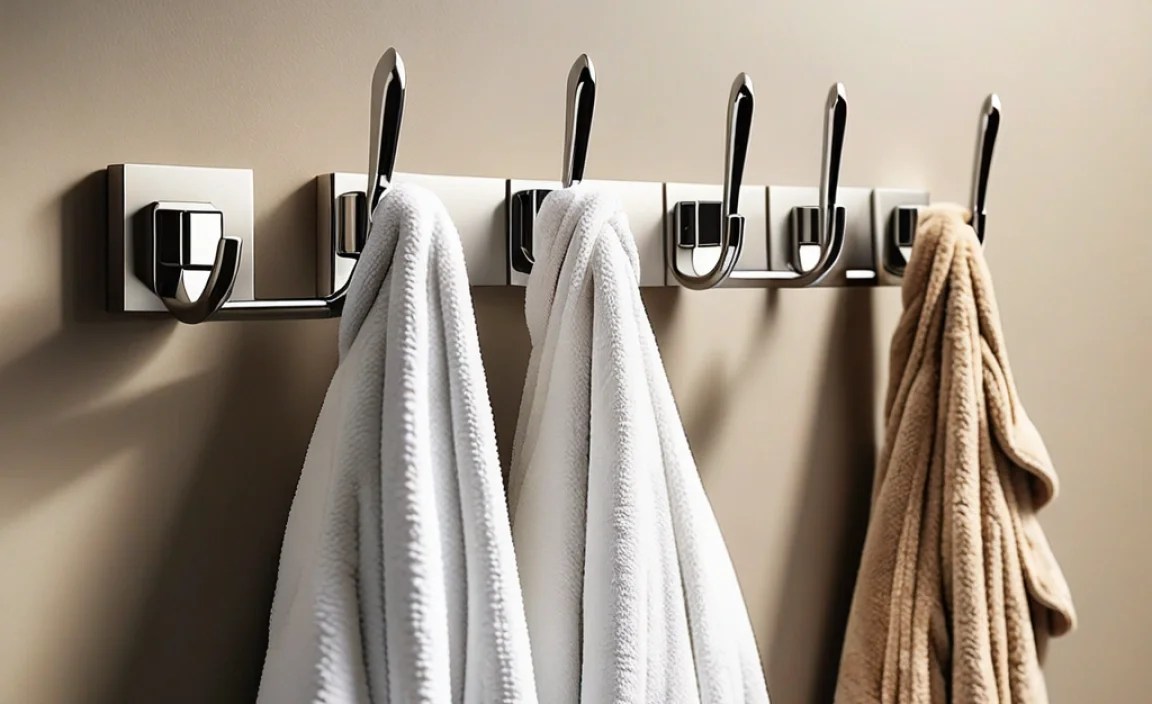
Think about your bathroom. It’s a place for relaxation and personal care. But without the right accessories, it can quickly become cluttered. Robe hooks are more than just a place to hang your bathrobe; they are essential organizers that:
- Prevent Dampness & Odors: By lifting your robe off the floor and away from steamy shower walls, hooks allow for better air circulation, helping your robe dry completely. This prevents mildew and unpleasant smells.
- Save Space: Especially in smaller bathrooms, hooks utilize vertical space, keeping floors clear and making the room feel larger.
- Add Style: Robe hooks come in countless designs, materials, and finishes, acting as decorative elements that enhance your bathroom’s overall aesthetic.
- Improve Accessibility: Having your robe conveniently placed means no more fumbling for it when you need it most after a bath or shower.
Essential Bathroom Hooks for Robes: Styles for 2025

The market for bathroom accessories is constantly evolving, and 2025 brings some fantastic options for robe hooks. Here’s a rundown of the most essential styles you should consider:
1. Single Robe Hooks
The classic choice. Single robe hooks are simple, effective, and versatile. They are ideal for individual robes or for mounting multiple hooks along a wall if you have a large household or multiple towels to hang.
Materials and Finishes:
- Metal (Chrome, Brushed Nickel, Stainless Steel): These are the most common and durable options. Chrome offers a bright, reflective look, while brushed nickel provides a softer, matte finish. Stainless steel is known for its rust resistance and longevity.
- Plastic: A budget-friendly option, often found in basic white or clear. While less durable and stylish than metal, they can be a good temporary solution.
- Wood: Offers a warm, natural look, perfect for rustic or Scandinavian-inspired bathrooms. Ensure it’s treated for moisture resistance.
- Glass/Crystal: For a touch of luxury, glass or crystal hooks can add sparkle and sophistication, though they may be more fragile.
Pros:
- Simple and uncluttered design.
- Easy to install.
- Can be placed anywhere to suit your needs.
- Offers flexibility in spacing.
Cons:
- May not be sturdy enough for very heavy robes without proper mounting.
- A single hook might not accommodate multiple items easily.
2. Double Robe Hooks (T-Hooks or Swan Hooks)
These hooks feature two prongs, allowing you to hang both a robe and a towel, or two robes, on a single fixture. They are excellent space-savers for functional bathrooms.
Design Variations:
- “T” Style: A short horizontal bar with two downward-facing hooks.
- “Swan” Style: This style often has one hook curving up and another curving down, resembling a swan’s neck. This can be aesthetically pleasing and practical for separating items.
- Swinging Hooks: Some double hooks have arms that can swing, providing more versatility in how you hang items.
Pros:
- Maximizes hanging capacity in a small footprint.
- Ideal for couples or families.
- Helps keep items organized and separated.
Cons:
- Can appear bulkier than single hooks.
- If not spaced correctly, items might still touch and hinder drying.
3. Hook Racks / Hat Racks
Longer fixtures with multiple hooks spaced along a bar. These are often mounted above a vanity or on a clear wall space. They are great for bathrooms with multiple users or a need for various hanging items.
Considerations:
- Number of Hooks: Choose based on the number of people and items you need to hang.
- Spacing: Ensure there’s enough room between hooks so robes and towels don’t feel cramped.
- Style: Available in modern, traditional, and rustic designs to match your bathroom decor.
Pros:
- High hanging capacity.
- Can hold more than just robes and towels (e.g., loofahs, bath brushes).
- Creates a centralized organization point.
Cons:
- Requires more wall space than single or double hooks.
- Can look cluttered if overloaded.
4. Wall-Mounted Shelf with Hooks
A fantastic multi-functional accessory. These combine a small shelf, perfect for decorative items or toiletries, with one or more hooks underneath. They’re a stylish way to add storage and hanging capacity.
Benefits:
- Dual purpose: storage and hanging.
- Adds a decorative element.
- Keeps frequently used items within easy reach.
Cons:
- Can be more complex to install than a simple hook.
- Shelf space is often limited.
5. Over-the-Door Hooks
These require no drilling and simply hook over the top of your bathroom door. They’re a brilliant solution for renters or anyone who prefers not to make permanent changes to their walls.
Types:
- Single Arm Hooks: A simple hook.
- Multi-Hook Racks: Bars or strips with multiple hooks.
- Padded Hooks: To protect your door from scratches.
Pros:
- No installation required.
- Easy to move or remove.
- Provides additional hanging space quickly.
Cons:
- Can make it difficult to close the door fully if too many items are hung.
- May not be as aesthetically pleasing as mounted hooks.
- Can potentially scratch the door finish if not designed carefully.
6. Adhesive Hooks
These rely on strong adhesive backing for installation. They are a quick and easy option that doesn’t require tools, making them accessible for absolute beginners.
Important Tips:
- Surface Preparation: Clean and thoroughly dry the wall surface before applying.
- Weight Capacity: Always check the advertised weight limit.
- Removal: Some adhesive hooks can be removed cleanly, while others may damage paint or drywall. It’s wise to test in an inconspicuous area or choose hooks specifically designed for easy, damage-free removal.
Pros:
- No tools needed for installation.
- Quick and easy to put up.
- Good for renters or temporary placement.
Cons:
- May not hold very heavy items.
- Adhesive can fail over time, especially in humid environments.
- Requires careful surface preparation for best results.
- Removal can sometimes be difficult and damaging.
Choosing the Right Material and Finish
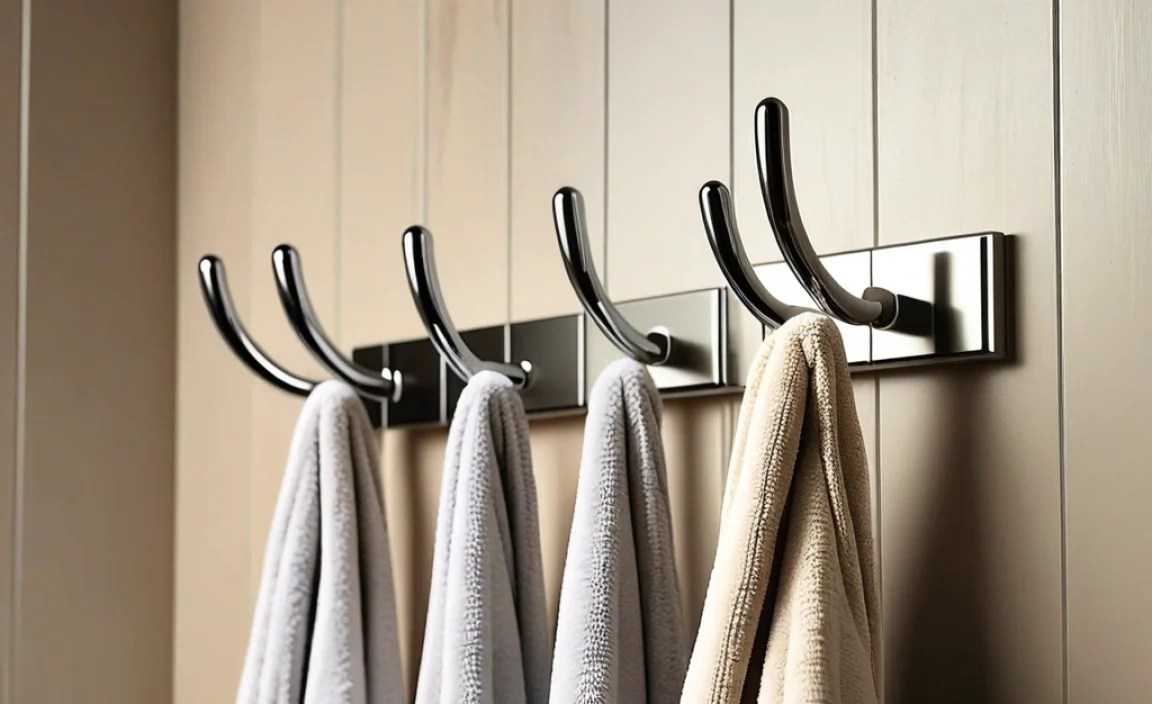
The material and finish of your robe hooks play a significant role in both their durability and how they complement your bathroom’s design. In 2025, a focus on longevity and cohesive aesthetics is paramount.
Durability and Moisture Resistance
Bathrooms are high-humidity environments. Choosing materials that can withstand moisture is crucial to prevent rust, corrosion, and degradation.
- Stainless Steel: Excellent resistance to rust and corrosion. It’s a premium choice for longevity.
- Solid Brass (with coating): Brass is naturally resistant to corrosion. When coated with chrome, nickel, or other finishes, it offers both beauty and durability.
- Aluminum: Lightweight and rust-resistant, often powder-coated for various colors.
- Plated Metals (Zinc, Chrome, Nickel): The base metal is often less durable, but the plating provides a protective, decorative layer. Ensure the plating is high quality and applied evenly.
Aesthetic Appeal
The finish should match or contrast intentionally with your existing bathroom fixtures like faucets, showerheads, and cabinet hardware.
- Chrome: Bright, shiny, and reflective. A classic choice that fits almost any modern bathroom.
- Brushed Nickel: A softer, matte finish with a subtle shine. Offers a warm, contemporary look and hides water spots better than chrome.
- Matte Black: A popular contemporary choice, offering a bold, sophisticated look. It pairs well with minimalist designs and can provide a striking contrast.
- Oil-Rubbed Bronze: Offers a darker, antique, or rustic feel with warm undertones. Ideal for traditional or farmhouse-style bathrooms.
- Polished Brass/Gold Tones: Making a comeback for adding a touch of luxury and warmth, especially in glamorous or art-deco inspired bathrooms.
Installation Methods: DIY Friendly Options
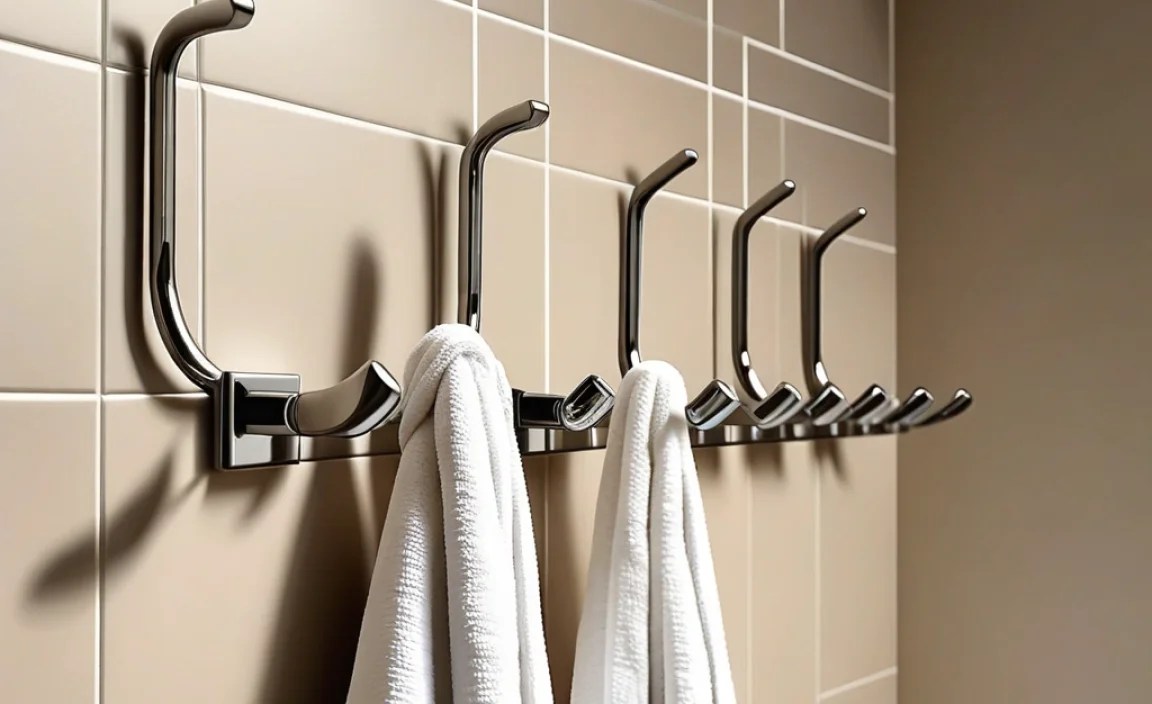
Don’t let installation intimidate you! Most robe hooks are designed for straightforward DIY installation, even for beginners. You’ll typically only need a few basic tools.
Step-by-Step: Mounting Hooks with Screws
This is the most secure method for wall-mounted hooks. It requires basic tools and ensures the hook will hold even the heaviest robe.
Tools You’ll Need:
- Robe hook with mounting hardware (screws, anchors)
- Cordless drill/driver
- Drill bits (sized for your screws and anchors)
- Level
- Measuring tape
- Pencil
- Stud finder (optional, but recommended for maximum security)
Installation Steps:
- Choose the Location: Decide where you want your hook. Consider the height (usually 60-70 inches from the floor for robes) and proximity to shower or tub. Use a stud finder to locate wall studs if possible – mounting directly into a stud provides the strongest hold.
- Mark the Hole(s): Hold the hook’s mounting plate or base against the wall at your chosen spot. Use a pencil to mark where the screw holes will go. Ensure it’s level!
- Drill Pilot Holes: If mounting into a stud, drill small pilot holes with a bit slightly smaller than your screw diameter. If mounting into drywall (no stud), drill holes the size recommended for your wall anchors.
- Insert Anchors (if needed): Gently tap the wall anchors into the drilled holes until they are flush with the wall.
- Attach the Hook: Align the hook’s mounting plate with the holes (and anchors, if used). Drive the screws through the plate and into the anchors or stud.
- Final Check: Ensure the hook is securely fastened and can hold weight without wobbling.
Adhesive Hook Installation
For a quick, tool-free installation, adhesive hooks are the answer. Always follow the manufacturer’s specific instructions.
Installation Steps:
- Clean the Surface: This is critical! Wipe the area with rubbing alcohol or a mild degreasing cleaner. Let it dry completely. Any dust or grease will prevent the adhesive from sticking properly.
- Peel the Backing: Carefully remove the protective backing from the adhesive. Avoid touching the sticky surface.
- Press Firmly: Position the hook on the wall and press it firmly for at least 30 seconds. Ensure good contact across the entire adhesive pad.
- Wait Before Use: Most adhesive hooks require a waiting period (often 24 hours) for the adhesive to fully cure before hanging anything. Check the product packaging.
Smart Features and Innovations for 2025
Beyond basic design, 2025 brings some practical innovations for bathroom robe hooks:
- Integrated Hooks: Some shower caddies or corner shelves now feature built-in hooks, saving you from needing separate wall fixtures.
- Material Treatments: Look for hooks with antimicrobial coatings or specialized moisture-resistant finishes that enhance hygiene and longevity.
- Adjustable Hooks: Some modern designs come with adjustable arms or prongs, allowing you to customize the spacing for different items.
- Sleek, Minimalist Designs: In line with modern interior trends, you’ll see more hooks that blend seamlessly into the wall, often with hidden mounting hardware for a clean, uninterrupted look.
How to Measure and Place Your Hooks
Proper placement ensures your hooks are functional and aesthetically pleasing. Here are some general guidelines:
Height Recommendations
For robes, a common and comfortable height is around 60 to 70 inches (152 to 178 cm) from the floor. This places the hook at a convenient height that’s accessible without being too low.
Spacing Considerations
If installing multiple hooks, space them adequately so that robes or towels hang freely and can dry without touching each other. A good rule of thumb is to have at least 4-6 inches (10-15 cm) between single hooks.
Placement in Relation to Shower/Tub
Place hooks within easy reach after exiting the shower or tub, but not so close that they get splashed directly. A nearby wall is usually ideal.
Comparison Table: Robe Hook Styles for 2025
To help you visualize the differences, here’s a table comparing popular robe hook styles:
| Style | Pros | Cons | Best For |
|---|---|---|---|
| Single Robe Hook | Simple, versatile, easy install, flexible placement. | Limited capacity per hook. | Most bathrooms, individual robes. |
| Double Robe Hook | Space-saving, higher capacity, good for couples. | Can look bulkier, items might touch if not spaced. | Smaller bathrooms, shared spaces. |
| Hook Rack | Highest capacity, centralized organization. | Requires more wall space, can look cluttered. | Large families, multiple hanging needs. |
| Shelf with Hooks | Dual function (storage + hanging), decorative. | Limited shelf space, more complex install. | Adding style and utility. |
| Over-the-Door Hook | No installation, renter-friendly, quick to add. | Can obstruct door closure, less aesthetic. | Renters, temporary solutions. |
| Adhesive Hook | Tool-free install, fast, easy. | Weight limits, adhesive can fail/damage walls. | Temporary needs, smooth surfaces. |
Frequently Asked Questions (FAQs)
Q1: How high should I hang robe hooks in the bathroom?
For comfortable access, a height of 60 to 70 inches (152 to 178 cm) from the floor is generally recommended for robe hooks.
Q2: What’s the best material for bathroom robe hooks?
For durability in a humid environment, stainless steel, solid brass with protective plating, or high-quality plated metals like chrome or nickel are excellent choices. Look for rust and corrosion resistance.
Q3: Can I hang heavy robes on adhesive hooks?
It depends entirely on the hook’s advertised weight capacity. While some heavy-duty adhesive hooks can hold a significant amount, it’s always safest to check the product details and consider screw-mounted hooks for very heavy items.
