
Get your kids’ bathroom organized with these genius ideas! From simple bins to clever wall storage, we’ve got easy solutions to tame the clutter and make bath time smoother for everyone.
Bathrooms can quickly become a chaotic space, especially with kids around. Toys, soaps, towels, and toiletries seem to multiply overnight, leaving you staring at a jumbled mess. Don’t worry, getting your kid’s bathroom under control doesn’t require a huge overhaul or a big budget. With a few smart strategies and the right organizing tools, you can transform a cluttered bathroom into a tidy, functional, and even fun space. We’ll walk you through simple, actionable steps and brilliant ideas to make organization a breeze. Let’s dive in and conquer that bathroom chaos together!
Why Bathroom Organization for Kids is a Game-Changer

A well-organized bathroom isn’t just about aesthetics; it’s about creating a functional and safe space for your children. When everything has its place, kids can more easily find what they need, which encourages independence during bathtime and toothbrushing routines. It also means fewer stray bath toys cluttering the floor, reducing slip hazards. Plus, keeping toiletries tidy helps protect them from accidental spills or damage. Think of it as setting up your kids for success in their personal hygiene habits from an early age.
Step-by-Step Guide to Kid-Friendly Bathroom Organization
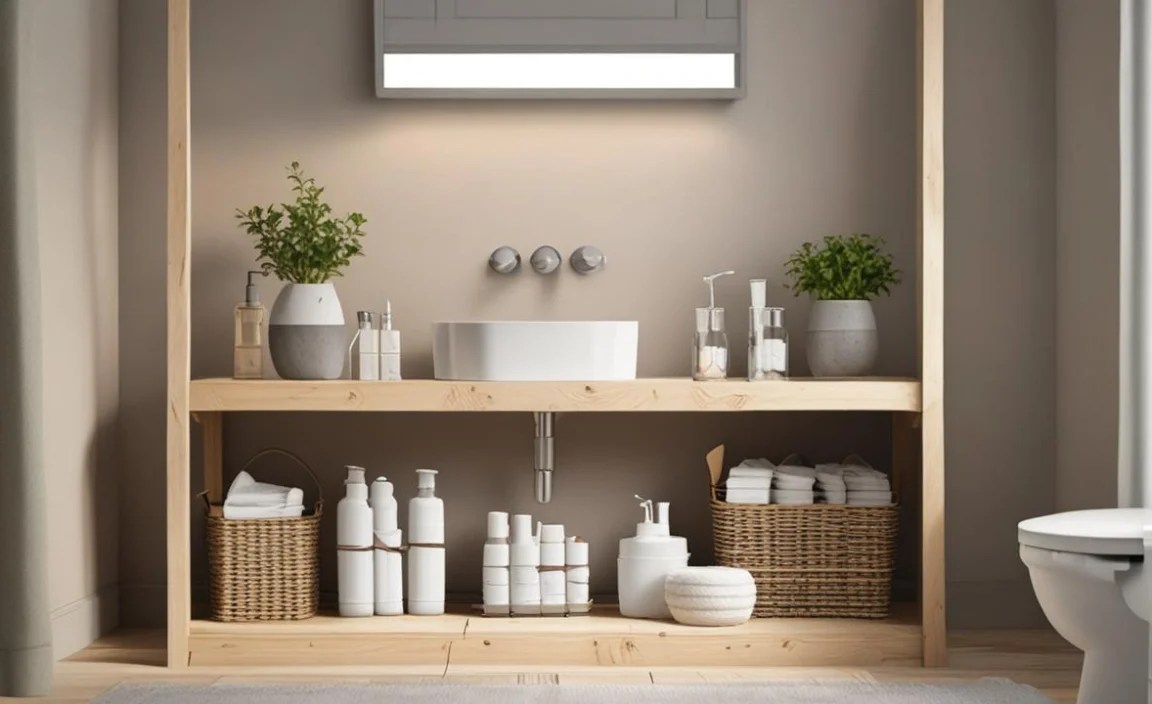
Let’s break down the process into manageable steps.
Step 1: Declutter and Purge
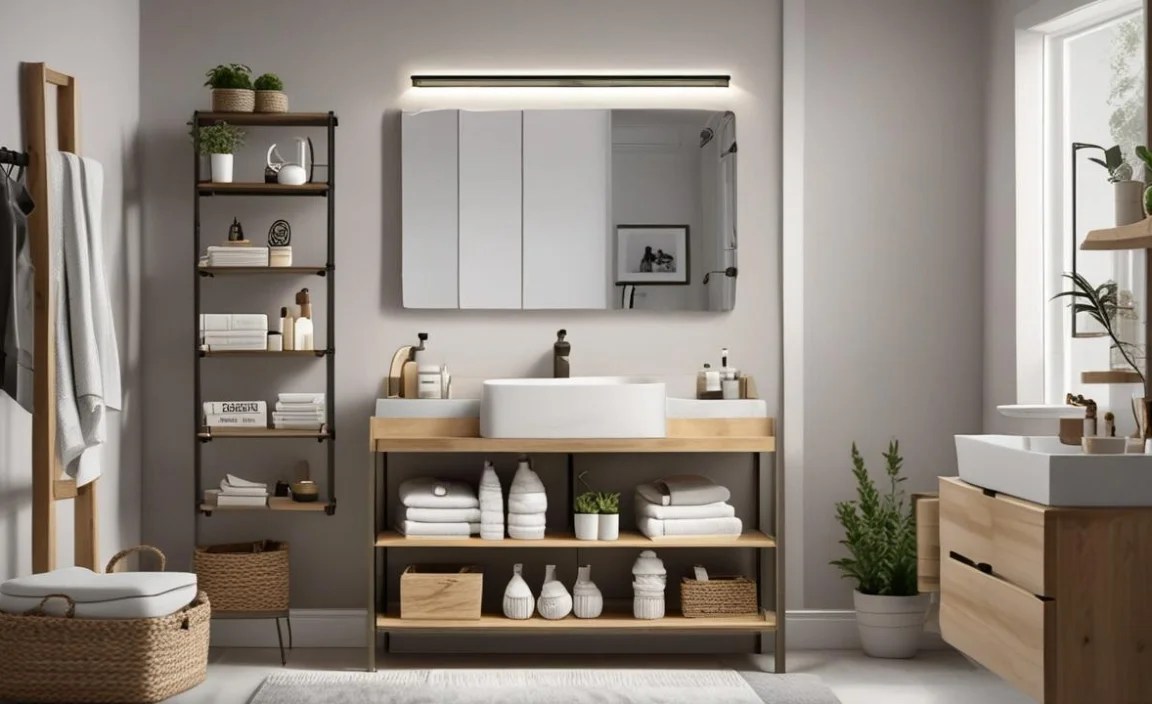
Before you buy any organizers, the most crucial first step is to clear out the clutter.
Gather Everything: Empty out all drawers, shelves, and bins. Get every bath toy, every half-used shampoo bottle, every stray hair tie.
Sort into Piles: Create categories: Keep, Donate/Sell, and Toss.
The “Keep” Pile: Be honest here. Are the bath toys still age-appropriate? Are there broken items? Are there multiple bottles of the same product with very little left?
The “Donate/Sell” Pile: Items that are still in good condition but no longer used or needed by your children.
The “Toss” Pile: This is for broken items, empty bottles, dried-out soaps, and anything else that’s no longer usable.
Step 2: Categorize What You’re Keeping
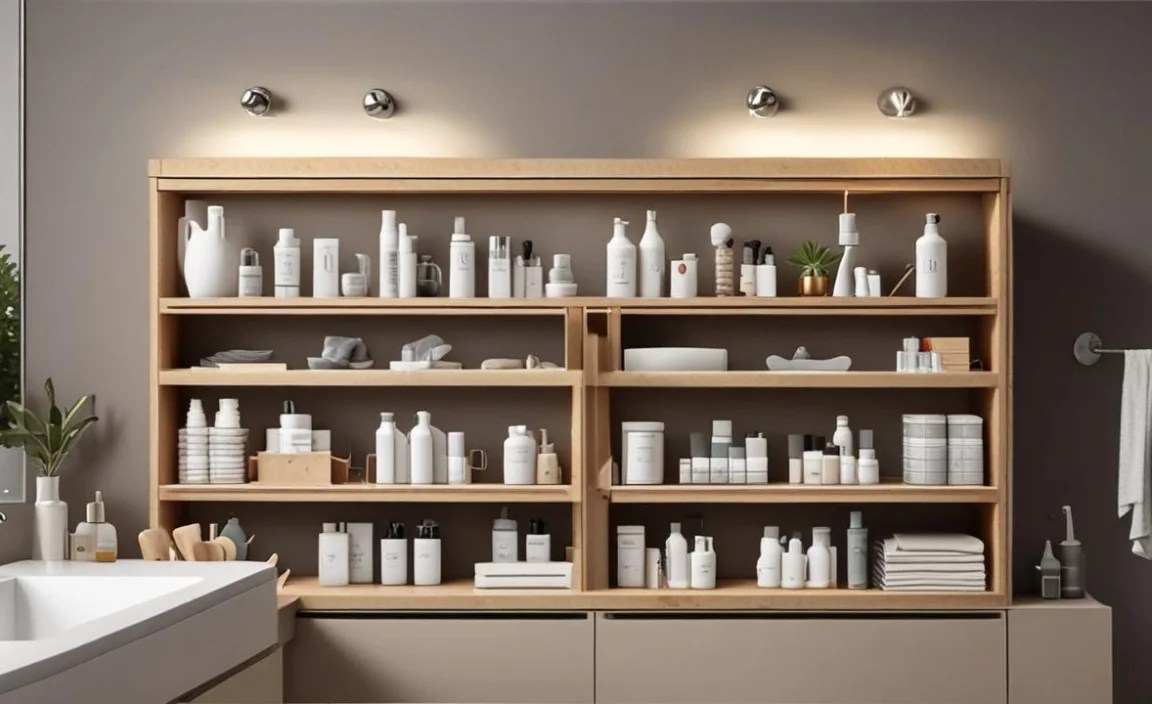
Once you know what you’re keeping, group similar items together. This is the foundation of any good organizing system.
Bath Toys: All the rubber ducks, boats, cups, and squeeze toys.
Toiletries: Shampoo, conditioner, body wash, bubble bath.
Personal Care: Toothbrushes, toothpaste, floss, hairbrushes, hair ties, kid-friendly skincare.
Towels & Washcloths: Separate adult and child-sized items if necessary.
Cleaning Supplies: Keep these securely out of reach. Always store cleaning products in their original containers with labels intact. For more on safely storing cleaning supplies around children, the U.S. Consumer Product Safety Commission (CPSC) offers valuable guidance.
Step 3: Choose the Right Organizers
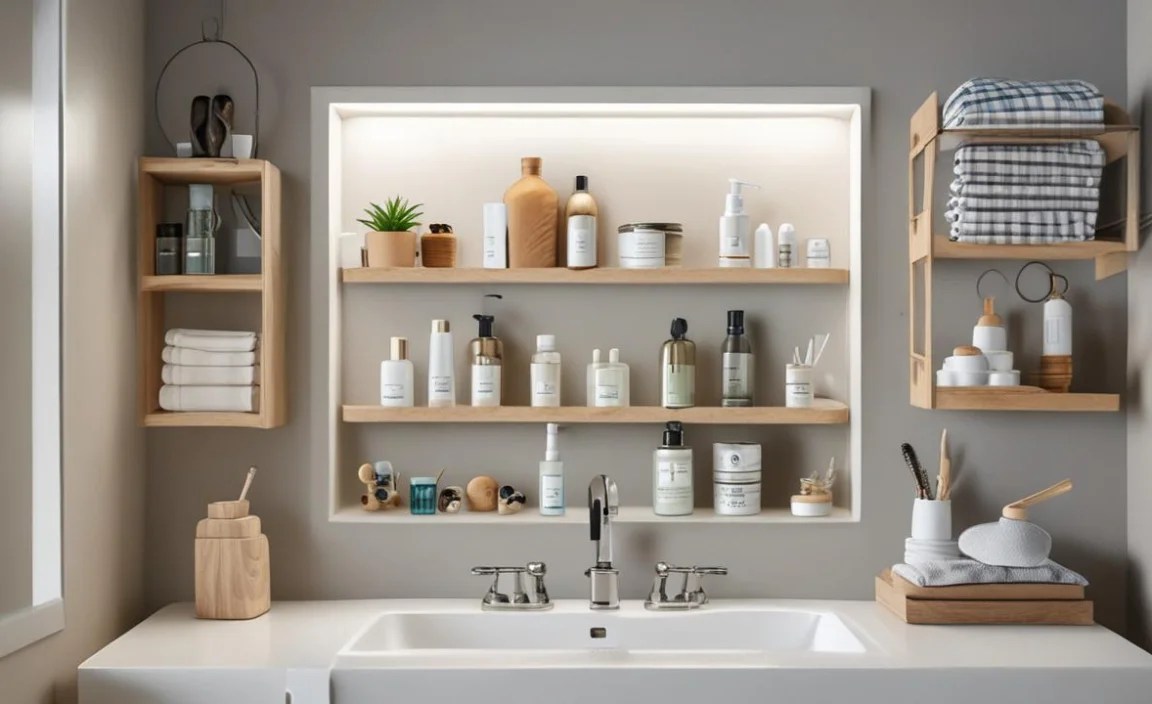
Now it’s time for the fun part – selecting storage solutions that fit your space and your kids’ needs. Think about accessibility for little hands, durability, and ease of cleaning.
Key Organizer Types for Kids’ Bathrooms:

Baskets and Bins: These are versatile workhorses.
Mesh Baskets: Perfect for bath toys. They allow water to drain and air to circulate, preventing mold and mildew. Many come with suction cups to hang on the tub wall or shower tile.
Plastic Bins: Great for toiletries or haircare items. They are easy to wipe clean. Look for bins with cut-out handles for easier carrying.
Fabric Bins: Soft and aesthetically pleasing for items like spare washcloths or hair accessories. Ensure they are made of water-resistant material or can be easily washed.
Shelving and Wall Storage: Maximize vertical space.
Floating Shelves: For displaying curated items or storing less frequently used toiletries.
Over-the-Door Organizers: Excellent for towels, extra toilet paper, or even small shelves for toiletries.
Wall-Mounted Caddies: Ideal for keeping toothbrushes and toothpaste off the counter.
Drawer Dividers: Tame messy drawers.
Use adjustable dividers to create custom compartments for small items like hair clips, dental floss, or small toys.
Shower Caddies:
Choose one that hangs securely from the showerhead or uses sturdy suction cups. Multiple compartments are key for separating different items.
Specialty Organizers:
Toothbrush Holders: Look for ones with individual slots or cups.
Toy Storage Drains: Some bath toy organizers are designed to sit in the tub or shower and drain water directly.
Step 4: Assign a “Home” for Everything
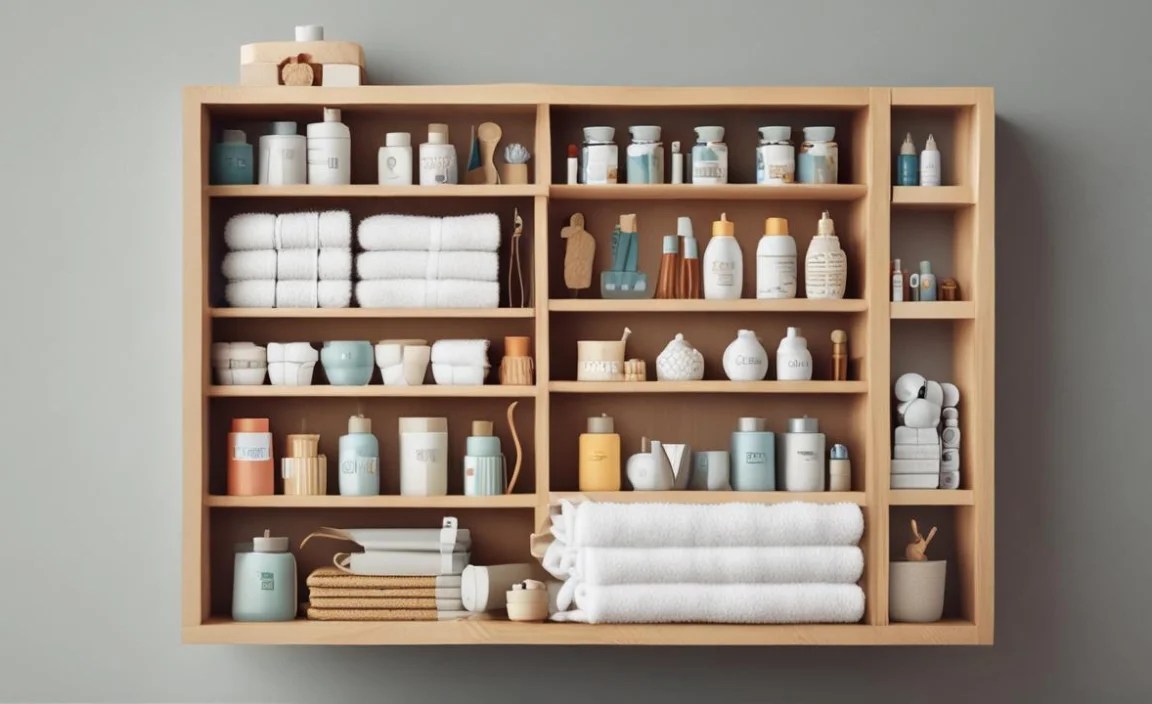
This is where the real magic of organization happens. Assign specific spots for each category of items you sorted.
Bath Toys: A mesh basket attached to the tub wall or a freestanding toy bin in a corner is ideal. Ensure it’s easily accessible for kids to put toys away themselves.
Toiletries: Group all shampoos, soaps, and conditioners together on a shelf or in a dedicated bin. If your kids are old enough to manage their own products, place them on a lower, accessible shelf.
Toothbrushes and Toothpaste: A wall-mounted toothbrush holder or a designated cup on the counter keeps these items tidy and hygienic.
Towels: Folded neatly on a shelf or rolled in a basket. Consider hooks at your child’s height for easy towel hanging, promoting independence drying.
Smaller Items: Use drawer dividers or small bins for hair accessories, small soaps, or travel-sized toiletries.
Step 5: Involve Your Kids in the Process
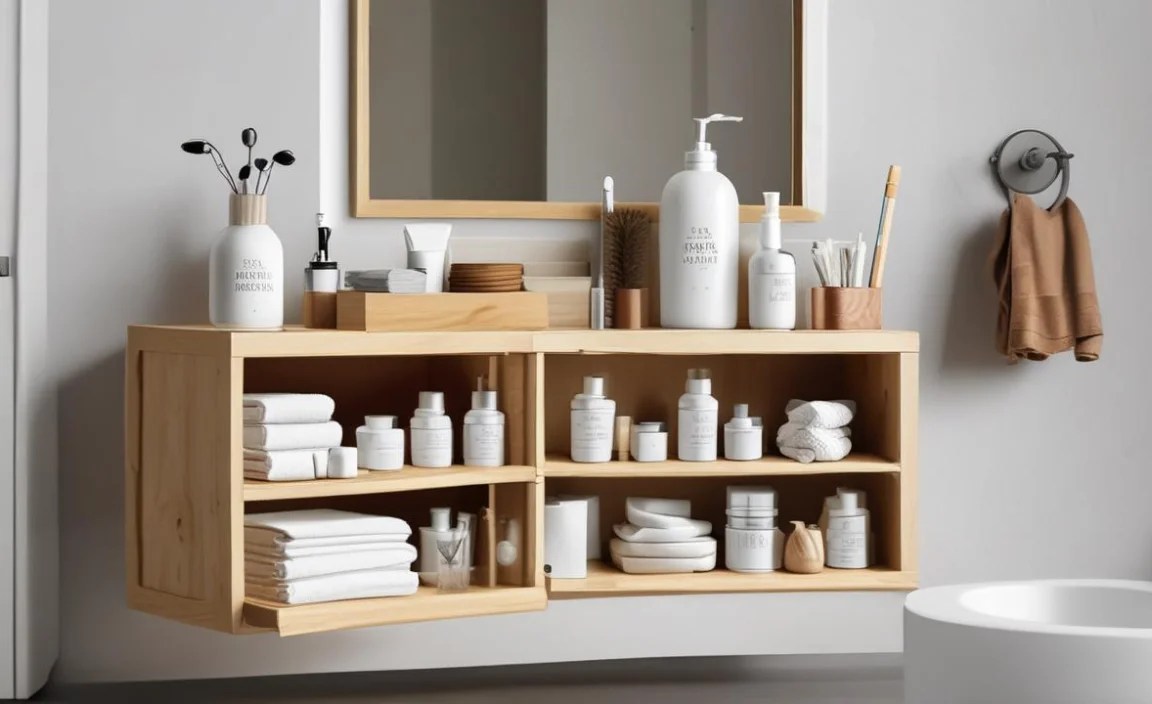
This is crucial for long-term success. When kids have a say in how their bathroom is organized and understand where things go, they are more likely to maintain it.
Let Them Choose: If you’re buying new bins or baskets, let your kids pick out their favorite colors or characters.
Explain the System: Clearly show them where each item belongs. Use labels with pictures for younger children who can’t read yet.
Make it a Game: Turn putting toys away into a race or a game.
Regular Check-ins: Do a quick tidy-up together each evening.
Genius Bathroom Organizer Ideas for Kids in Action

Let’s explore some specific, creative solutions that practically organize themselves.
1. The Mesh Bath Toy Hammock
This is a classic for a reason. A mesh hammock that attaches to the corner of the tub or shower uses gravity to its advantage.
How it works: Hang the hammock in the shower corner. After playtime, kids toss their toys into it.
Benefits:
All toys are off the tub floor, preventing slips.
The mesh allows for maximum drainage and air circulation, keeping toys clean and mold-free.
Easy for kids to load and unload.
Pro Tip: Ensure the suction cups or ties are strong and secure. You want it to hold up to a pile of wet toys!
2. Suction Cup Caddies for Little Hands
Instead of a large shower caddy, consider multiple smaller caddies with strong suction cups placed at different heights.
How it works: Attach these cups to the shower wall or the side of the tub. Assign them to specific items – one for shampoo, one for body wash, one for kids’ favorite bubble bath.
Benefits:
Keeps bottles upright and within easy reach.
Prevents soap bottles from toppling over.
You can place them at your child’s height, promoting independence.
External Authority Link: For best practice in applying suction cups to ensure they stay put, check out resources on household maintenance tips. Though not specific to bathrooms, general advice on surfaces and adhesion can be found from home improvement experts or DIY channels that prioritize longevity.
3. Over-the-Tank Toilet Paper Holder

This is a simple hack that keeps toilet paper easily accessible and off the floor.
How it works: A hook that dangles over the side of the toilet tank.
Benefits:
Saves valuable floor or shelf space.
Keeps the spare roll clean and dry.
Easy for kids to reach when needed.
4. Tiered Tray for Countertops
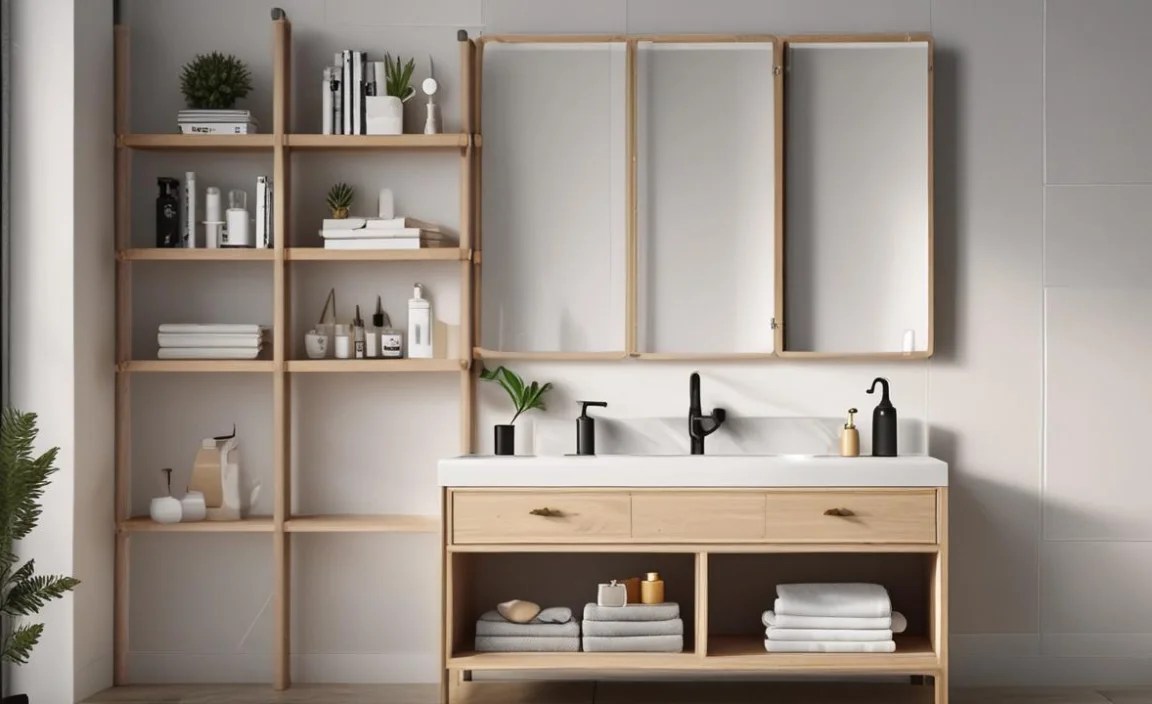
Clear up precious counter space with a rotating tiered tray.
How it works: A two or three-tiered stand that sits on the counter. Use it to hold daily essentials like toothbrushes, toothpaste, dental floss, and kid-friendly face wash.
Benefits:
Keeps small items organized and contained.
Allows for easy access to frequently used items.
Prevents bottles from being knocked over.
A rotating feature makes it even easier to grab what you need.
5. Colorful Plastic Drawer Dividers
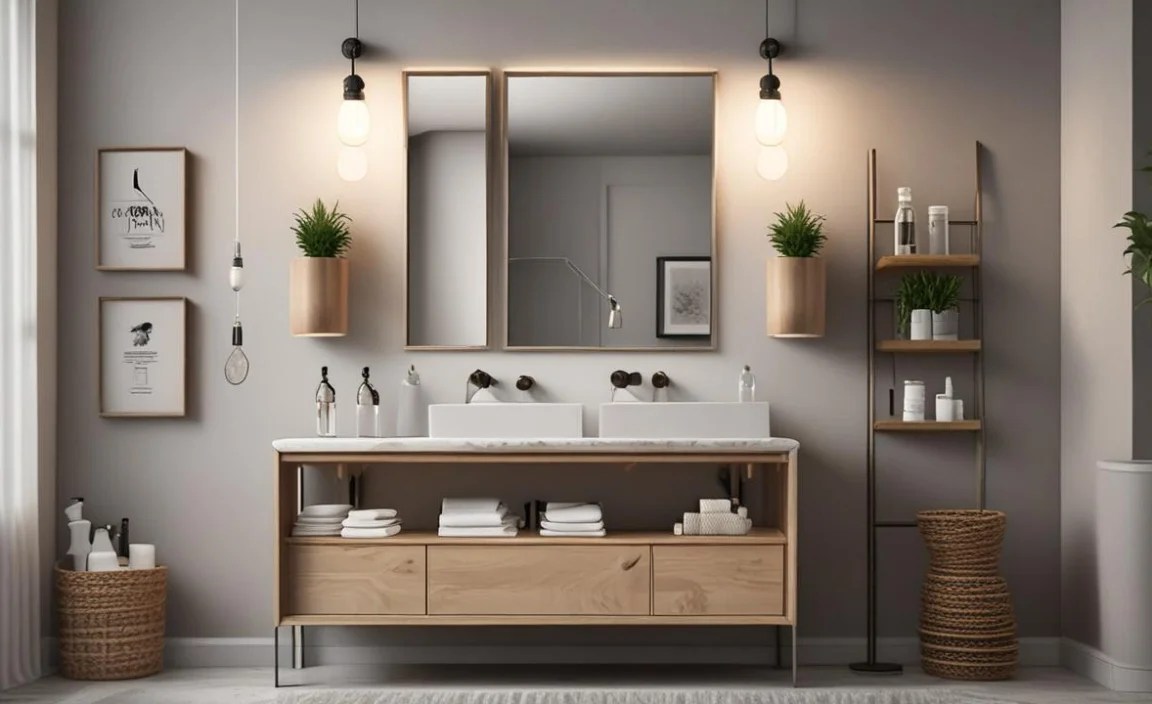
Drawer chaos can be a major source of frustration. Dividers are your best friend.
How it works: Snap-in or adjustable dividers that create separate sections within drawers. Use them for anything from hair ties and clips to small travel-sized toiletries or even tiny bath toys.
Benefits:
Keeps small items from getting lost or mixed up.
Makes drawers look neat and tidy.
Kids can easily see and access what they need.
6. Wall-Mounted Organizing Panels with Hooks and Bins
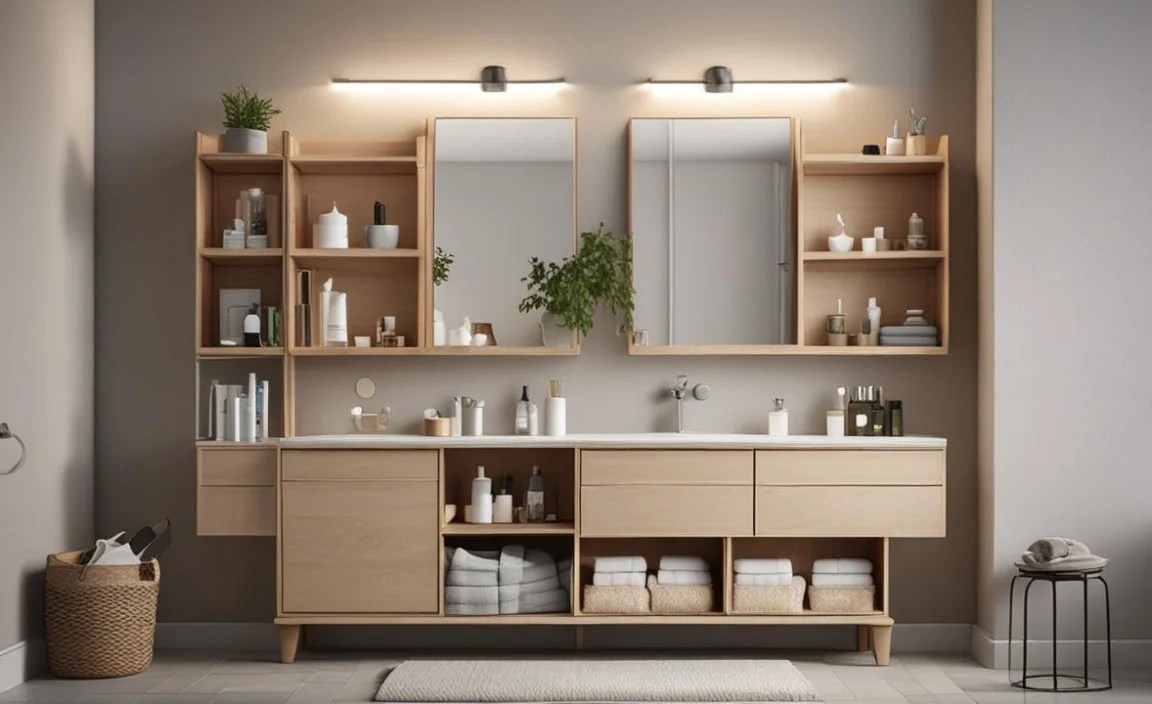
This is a fantastic way to utilize often-wasted wall space.
How it works: A pegboard or a slatted panel system mounted on the wall above the sink or a counter. You can then attach hooks for hanging towels, loofahs, or swimsuits, and small bins or shelves for toiletries and hair accessories.
Benefits:
Highly customizable to your storage needs.
Keeps items off the counter and floor.
Looks modern and clean.
Can be adjusted as your child’s needs or collection of items change.
7. Bathtub Toy Storage with Compartments
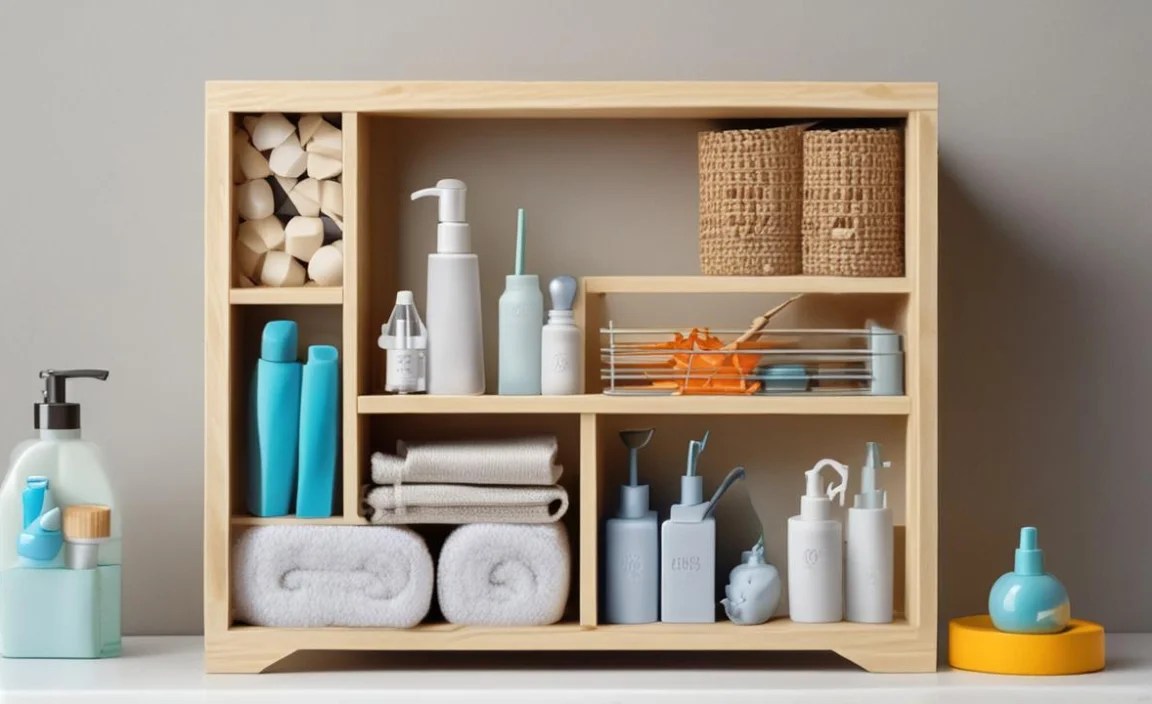
Some toy organizers are designed specifically to sit right in the tub and drain.
How it works: These are typically bins or baskets with multiple sections, allowing you to sort toys by type. They often have drainage holes or a mesh bottom. Look for ones that can be mounted to the tub wall with strong suction cups.
Benefits:
Keeps all bath toys together.
Encourages sorting and tidiness during cleanup.
Ensures toys dry properly.
8. Cute & Functional Hooks
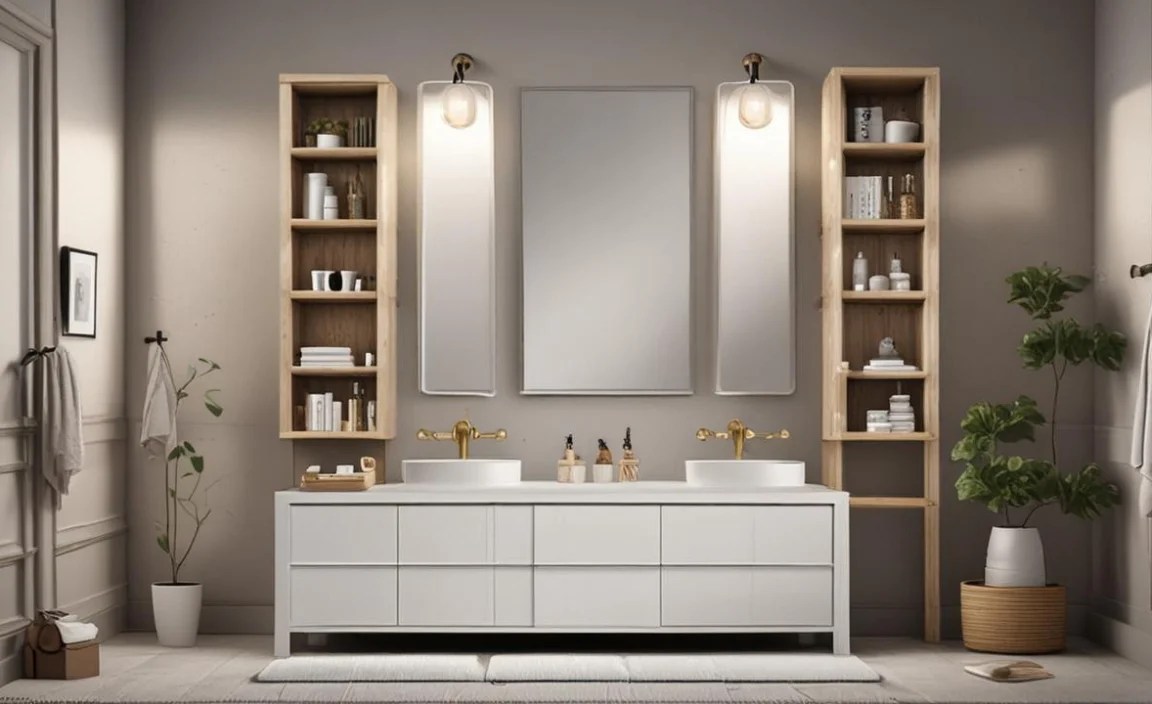
Install hooks at your child’s height.
How it works: Simple wall-mounted hooks. Assign one to each child for their towel. You can also use decorative hooks for hanging robes or small bags with bath essentials.
Benefits:
Encourages towel hanging, which speeds up drying and prevents musty smells.
Gives kids a sense of ownership and responsibility.
Adds a decorative element to the bathroom.
9. Under-Sink Caddy System
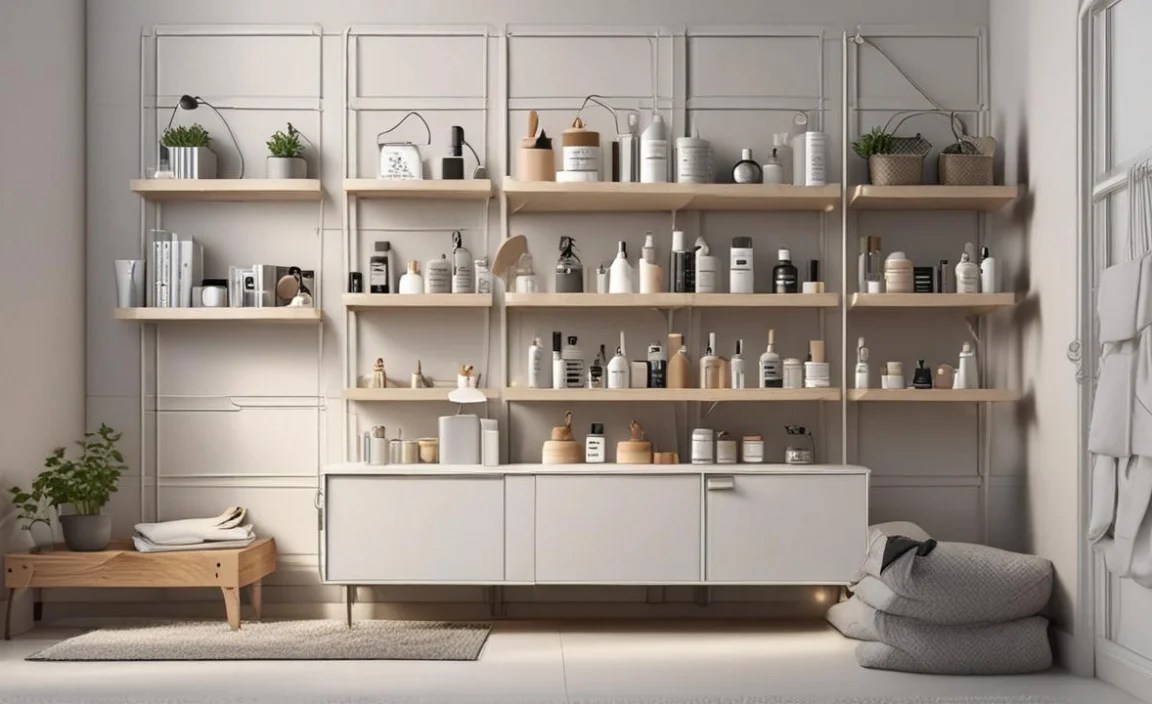
While the under-sink area is often a dumping ground, it can be optimized with the right setup.
How it works: Use stackable bins, pull-out drawers, or tiered shelves designed to fit under sinks. Keep cleaning supplies here, but always ensure they are in child-proof containers and out of reach. You can also store extra toiletries, bulkier items, or spare linens.
Benefits:
Maximizes often-overlooked storage space.
Keeps cleaning supplies securely stored.
Allows for easy access to bulk items.
Safety Note: If storing cleaning products, consider a child safety lock for the cabinet doors or drawers.
10. Clear, Stackable Acrylic Bins
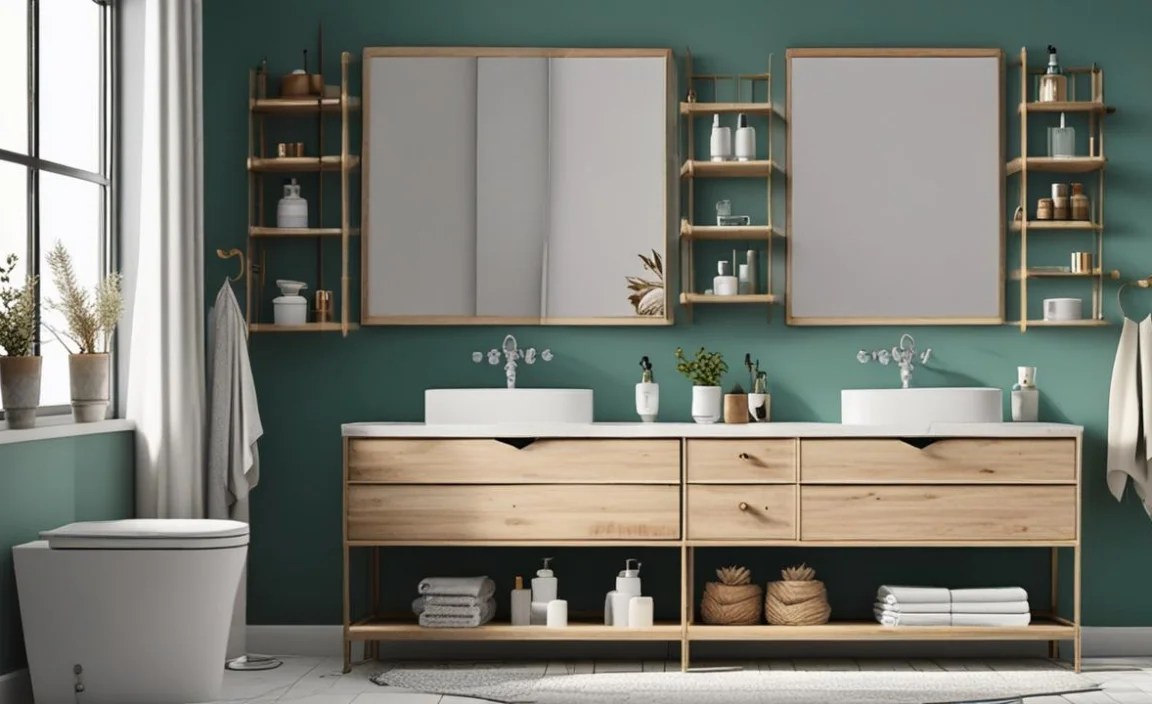
These are great for shelves and medicine cabinets.
How it works: Clear bins allow you to see contents at a glance. Stackable ones maximize vertical space. Use them to store smaller items like dental care products, first-aid items (band-aids, wipes), or even individual packets of bubble bath.
Benefits:
Easy to see what’s inside.
Keeps items grouped and contained.
Utilizes shelf height efficiently.
Organization by Age Group: Toddlers vs. Tweens

The needs of a toddler in the bathroom are different from those of a tween. Tailor your organization accordingly.
Toddlers (Ages 1-4): Focus on Safety and Accessibility

Toys: Simple mesh toy bin or a few individual cups to hold essentials like a washcloth and a single rubber duck. Avoid too many small toys that are choking hazards.
Toiletries: Keep these out of reach. Use locked cabinets or higher shelves.
Towels: Low hooks or a basket at their height.
Organization Tools: Brightly colored, easy-to-clean plastic bins and baskets. Suction cup organizers on the tub walls are great.
Elementary Schoolers (Ages 5-10): Independence and Routine Building
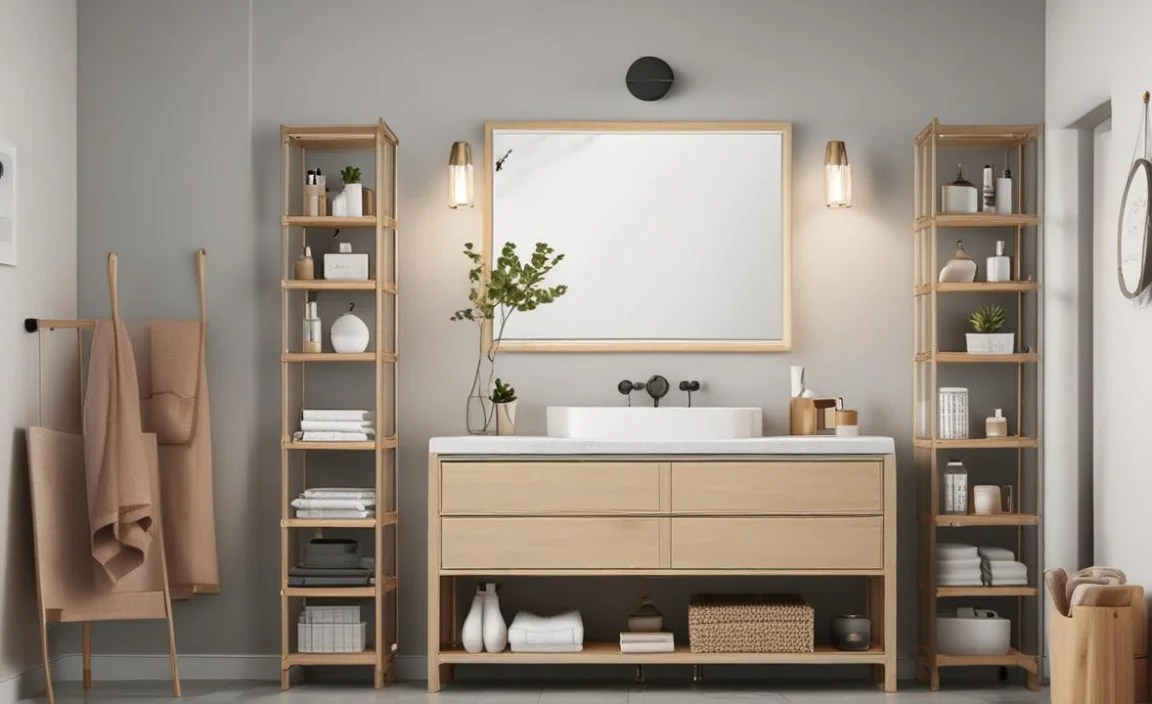
Toys: Slightly larger toy organizers, perhaps with compartments for sorting.
Toiletries: Accessible shelves or caddies for their own shampoo, conditioner, and body wash.
Personal Care: Designated spots for toothbrushes, toothpaste, hairbrushes. Drawer dividers work well here.
Organization Tools: Fun-themed bins, wall-mounted organizers, clear bins for visibility.
Tweens & Teens (Ages 11+): Privacy and Customization
Toiletries: More dedicated shelf space or cabinet storage for various hair products, skincare items, and personal hygiene products. They might appreciate their own set of drawers.
Personal Care: Ample space for makeup, styling tools, and larger hygiene products.
Organization Tools: Sleek, modern organizers, drawer inserts, clear acrylic bins, and ample shelf space. They might even want to personalize their storage.
Maintaining the Organized Bathroom
Organization isn’t a one-time event; it’s an ongoing process.
Daily Tidy-Up: Spend 5 minutes each evening with your kids putting toys away, wiping down counters, and hanging towels.
Weekly Sweep: A quick check for items that have migrated or need refilling. Wipe down shelves and bins.
Monthly Deep Dive: Re-evaluate. Are the organizers still working? Any new products that need a home? Do a quick declutter of any expired items.
Seasonal Refresher:** Twice a year, do a more thorough declutter. Purge old bath products, outgrown toys, or anything that’s no longer needed.
FAQ: Your Organizer Questions Answered
| Question | Answer |
|---|---|
| What’s the best way to store bath toys? | Mesh bath toy hammocks or wall-mounted mesh bins are ideal. They allow for drainage and air circulation, preventing mold and mildew while keeping toys off the tub floor. |
| How can I stop bathroom counters from getting cluttered? | Use tiered trays, small baskets, or wall-mounted caddies for daily essentials like toothbrushes, toothpaste, and soap. Assign a designated “home” for each item. |
| Are plastic bins safe for kids’ bathroom items? | Yes, plastic bins are generally safe and highly practical for kids’ bathrooms. Look for BPA-free options and ensure they are easy to wipe clean. They are durable and won’t splinter like wood. |
| How do I get my kids to help with bathroom organization? | Involve them in choosing organizers, clearly show them where things go (using labels with pictures for younger kids), and make tidying up a regular, fun habit rather than a chore. |
| What if I have very limited bathroom space? | Focus on vertical storage! Utilize over-the-door organizers, wall-mounted shelves, and stackable bins. Use the space behind the toilet or inside cabinet doors effectively. |
| How often should I declutter the kids’ bathroom items? |
