
Quick Summary: Upgrade your bathroom with stylish and practical shelf ideas! Explore current design trends and discover genius essentials that maximize space, organize clutter, and enhance your bathroom’s look, making it both functional and beautiful for everyday use.
Bathrooms, big or small, often feel like they’re bursting at the seams. Where do you put all those toiletries, towels, and decorative items? It’s a common headache for homeowners looking to make their space both tidy and attractive. But don’t worry, mastering bathroom storage is easier than you think! With a few smart ideas and a dash of DIY spirit, you can transform cluttered counters and awkward spaces into organized, stylish havens.
This guide is designed to be your go-to resource, breaking down the latest bathroom shelf ideas and design trends into simple, actionable steps. We’ll cover everything from floating shelves that create a minimalist vibe to corner units that conquer awkward spaces. Get ready to discover genius essentials that will not only boost your storage but also elevate your bathroom’s overall aesthetic. Let’s dive in and create a bathroom you’ll love!
Why Bathroom Shelving Matters: More Than Just Storage

Think about your bathroom. It’s a space for pampering, a place for quick morning routines, and a private sanctuary. Effective shelving does more than just hold your shampoo bottles; it’s a key design element that impacts the room’s functionality and feel. Good shelving can:
- Maximize Vertical Space: Bathrooms are often narrow, so using wall space wisely is crucial. Shelves draw the eye upward, making the room feel larger and more open while providing ample storage without taking up floor space.
- Organize Essentials: Keeping toiletries, cleaning supplies, and towels neatly arranged reduces visual clutter and makes finding what you need a breeze. No more digging through cabinets!
- Add Style and Personality: Shelves aren’t just functional; they’re a canvas for decor. You can display plants, candles, artwork, or neatly folded towels to reflect your personal style and add warmth to the room.
- Improve Accessibility: Strategically placed shelves make frequently used items easily accessible, saving you time and effort during your daily routines.
When shelves are well-designed and installed, they contribute significantly to the overall flow and aesthetic of the bathroom. It’s about finding that sweet spot between pure utility and visual appeal, ensuring your bathroom is a space that’s both practical and pleasing to the eye. For those just starting out, understanding the basic principles of how to choose and install shelves can make a world of difference.
Current Bathroom Shelf Design Trends: Style Meets Functionality
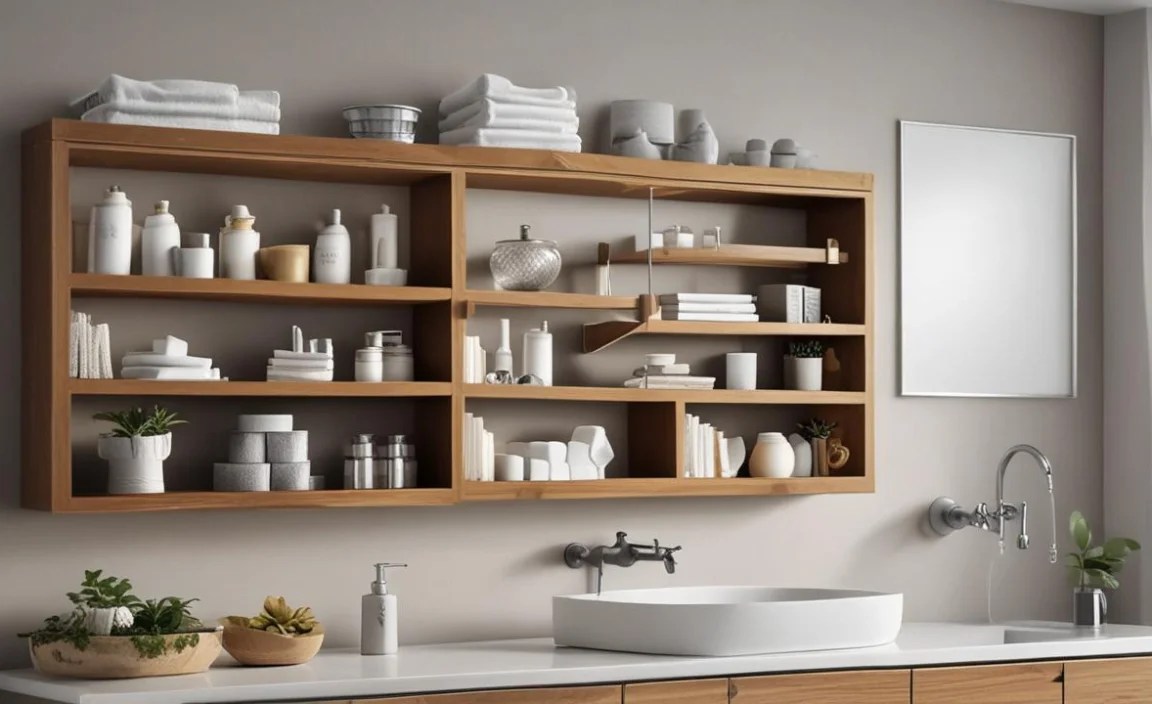
The world of home design is always evolving, and bathroom shelving is no exception. Today’s trends focus on creating spaces that are not only tidy but also aesthetically pleasing and reflective of modern living. Let’s explore some of the most popular bathroom shelf ideas and design trends that blend style with genius essentials.
1. The Rise of Floating Shelves

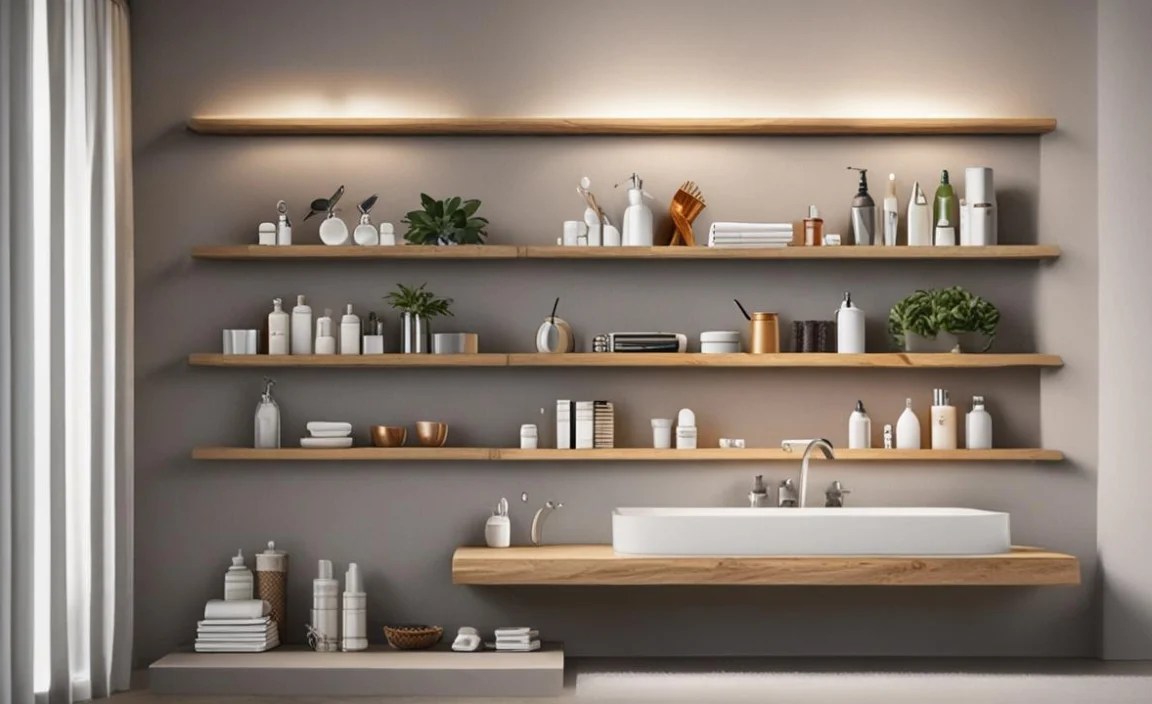
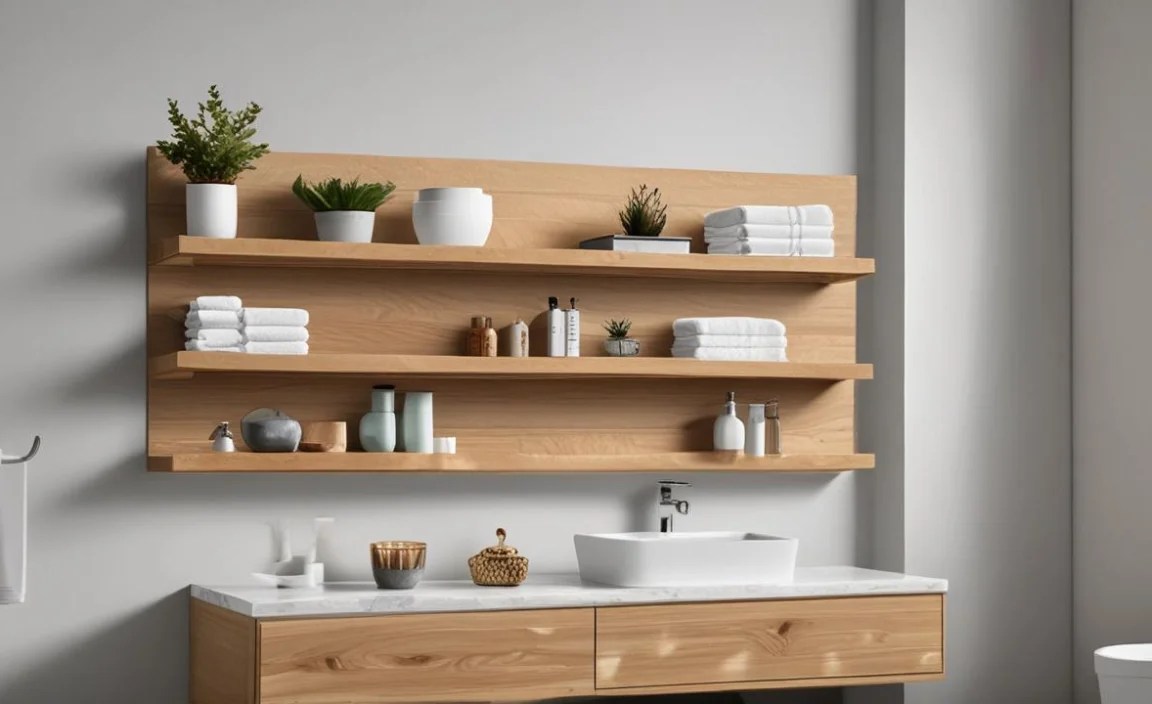
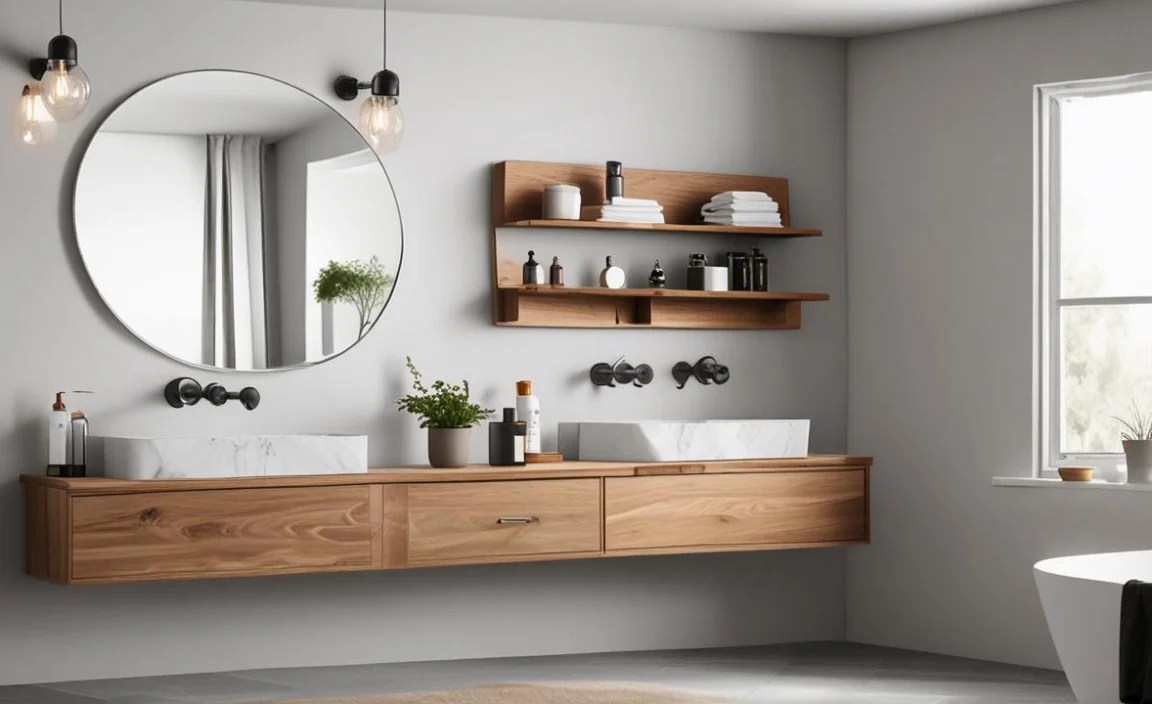
Floating shelves are a minimalist’s dream. They offer a clean, uncluttered look because their mounting hardware is hidden, making the shelf appear to “float” on the wall. This trend is perfect for modern and contemporary bathrooms.
- Pros: Sleek, modern look; enhances the feeling of space; easy to clean around; versatile placement.
- Cons: Can have weight limitations; requires secure mounting into wall studs or solid anchors.
Design Tip: Use floating shelves in varying lengths above the toilet for toiletries or alongside the vanity for decorative items and towels. Natural wood adds warmth, while matte black or white offers a chic, contemporary feel. For a touch of elegance, consider floating acrylic shelves for lighter items.
2. Open Shelving as a Design Statement
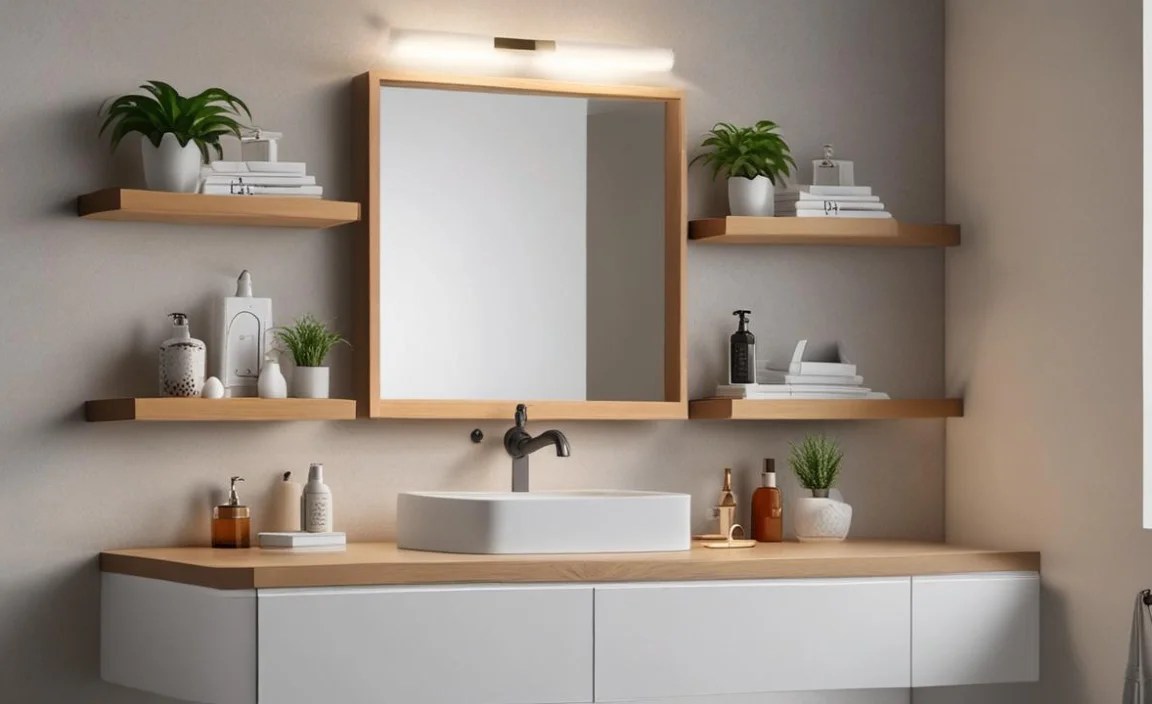
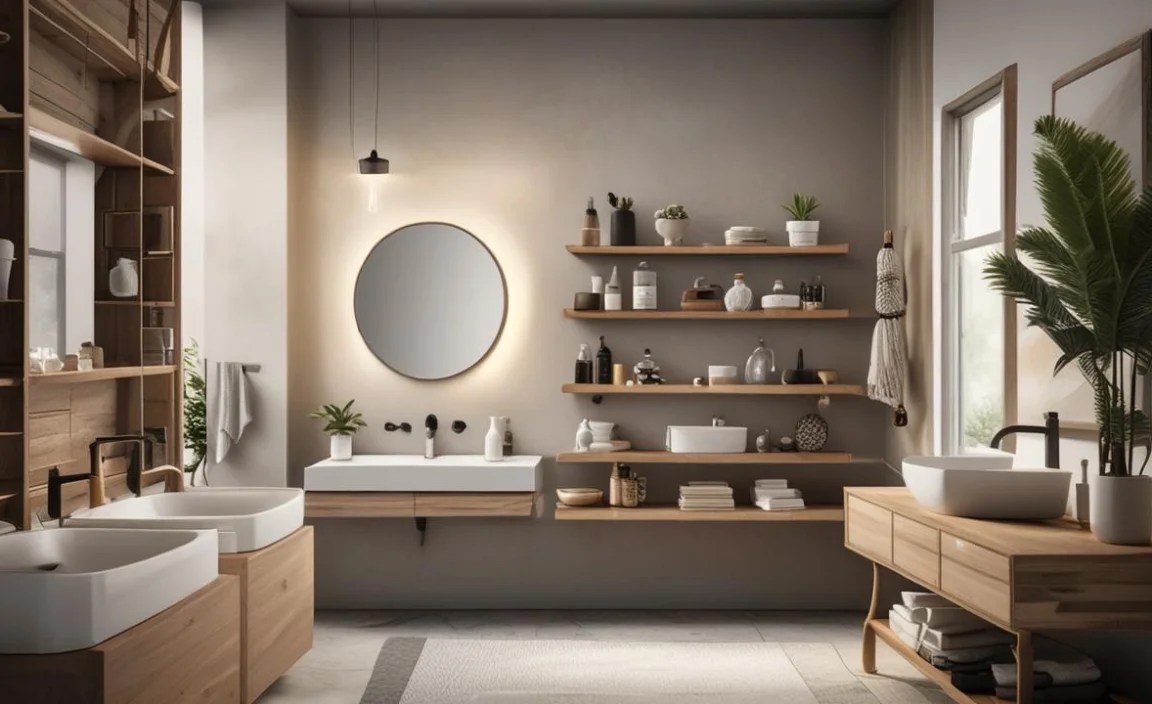
Moving away from solely closed cabinets, open shelving is making a bold statement. This trend invites you to curate your bathroom items like a display. It’s about choosing items that are both useful and beautiful, turning everyday essentials into decorative pieces.
- Pros: Visually appealing; easy access to items; can make a small bathroom feel larger; great for displaying decor.
- Cons: Requires constant tidiness to avoid looking messy; items can accumulate dust.
“Curated open shelving is about creating intentional displays,” says designer Sarah Johnson. “Think neatly folded towels, attractive soap dispensers, and a small plant or two. It’s a way to infuse personality into the space.”
Design Tip: Combine open shelves with enclosed storage to balance functionality and aesthetics. Use attractive baskets or bins on open shelves to hide less visually appealing items while keeping them accessible. For a more cohesive look, match the shelf material to other elements in your bathroom, like the vanity or hardware.
3. Integrated Shelving and Niches
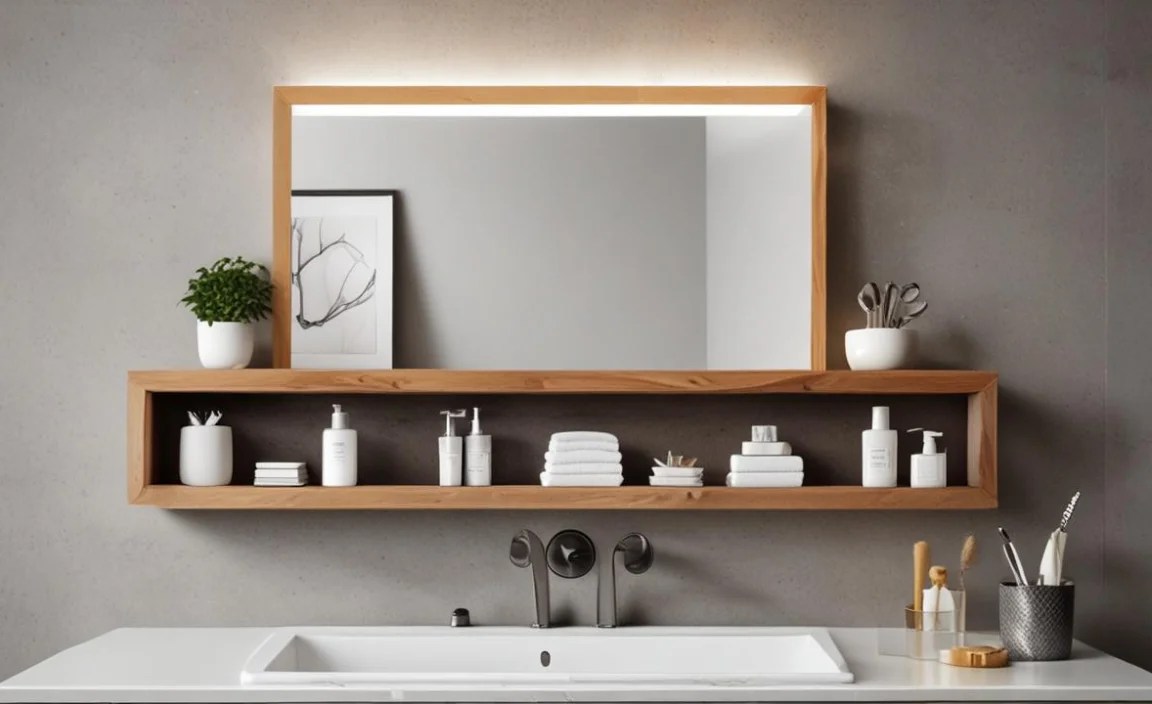
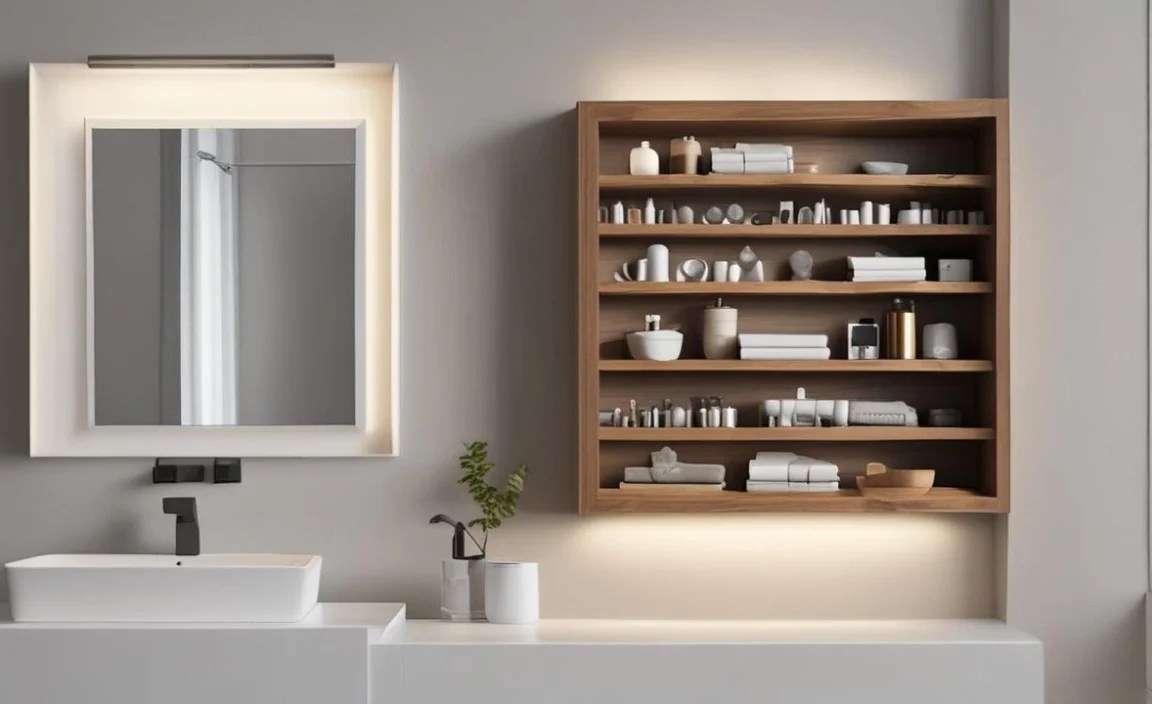
This trend involves building shelving directly into the wall, creating seamless, built-in storage. Shower niches are a prime example, offering a sleek way to store shampoos and soaps without bulky caddies. This approach is particularly popular in custom-built or renovated bathrooms for a high-end finish.
- Pros: Extremely sleek and integrated look; maximizes space within the wall; highly durable and permanent.
- Cons: Requires construction and is not a DIY-friendly option for beginners; costly to implement during a remodel.
Design Tip: Consider tiling the back of an integrated niche with a contrasting material or a beautiful mosaic to add a focal point. The Home Improvement Research Institute (.org) offers insights into common renovation costs, which can help budget for such a project.
4. Corner Shelving Solutions
Don’t let those awkward bathroom corners go to waste! Corner shelves are a genius way to maximize often-underutilized space, especially in smaller bathrooms.
- Pros: Utilizes often-wasted corner space; can be tiered for maximum storage; available in many styles.
- Cons: Can sometimes feel cramped depending on the design; might obstruct movement in very tight spaces.
Types of Corner Shelving:
- Tiered corner units: Freestanding units with multiple shelves that fit snugly into a corner.
- Wall-mounted corner shelves: Triangular or fan-shaped shelves that attach directly to the walls.
- Recessed corner shelves: Built-in shelves that can be incorporated during renovation.
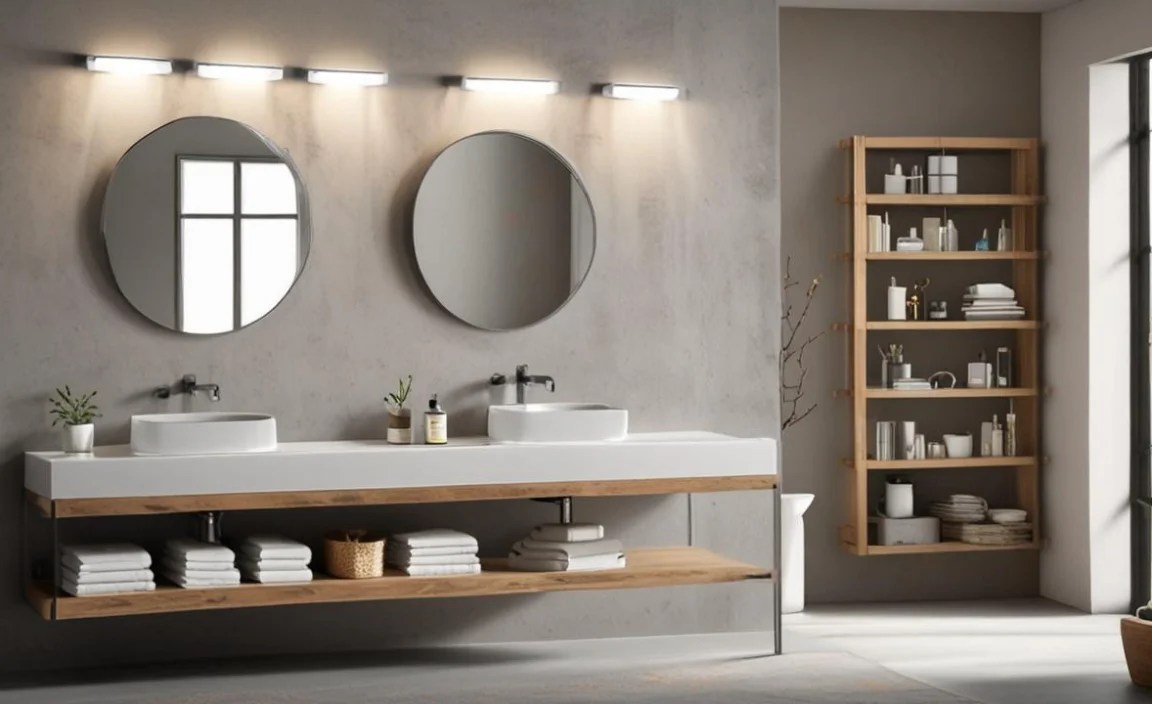
Design Tip: A tiered corner unit in a material like brushed nickel or dark wood can add dimension and storage without looking bulky. They are excellent for holding towels, toiletries, or decorative items.
5. Industrial and Utilitarian Styles
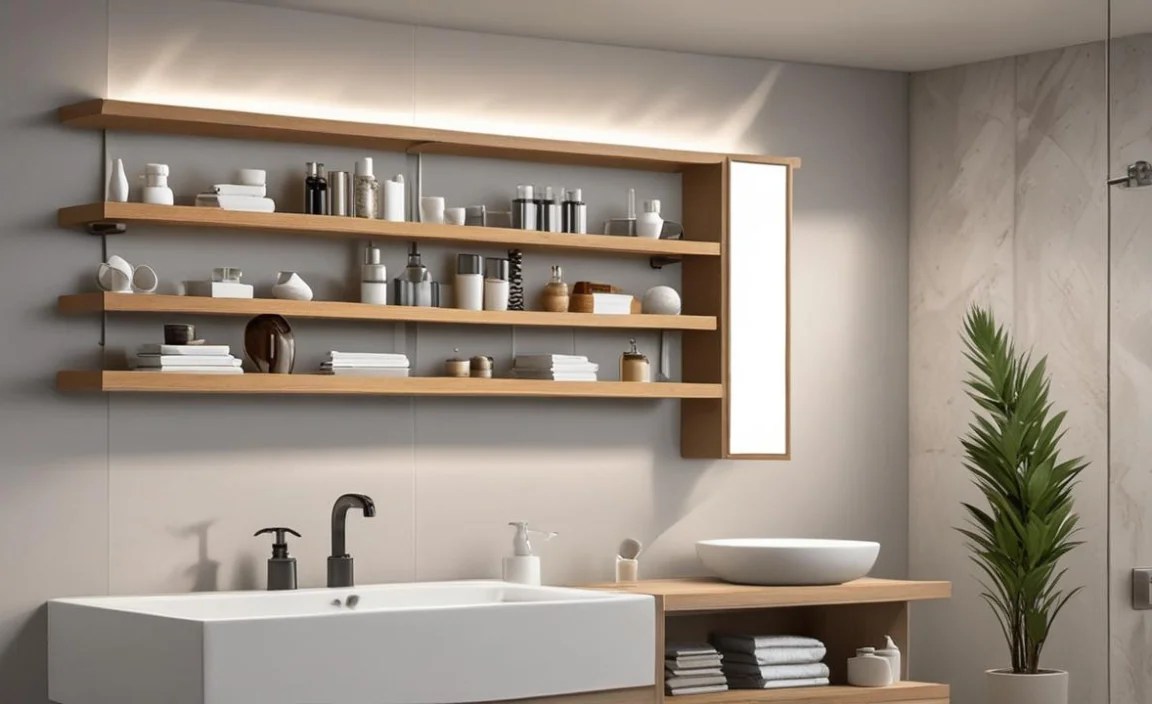
Embracing raw materials and robust designs, industrial shelving brings a functional, rugged charm to bathrooms. Think pipe shelving, reclaimed wood, or exposed metal brackets.
- Pros: Durable and long-lasting; adds a unique, stylish character; can be a great DIY project.
- Cons: Can be heavy; requires sturdy wall mounting; might not fit all bathroom decors.
Design Tip: Pipe shelving made from galvanized steel pipes can add an edgy, urban feel. Combine them with rustic wooden planks for a balanced look. This style works exceptionally well in loft apartments or homes with an industrial or modern farmhouse aesthetic.
6. Minimalist and Slimline Designs
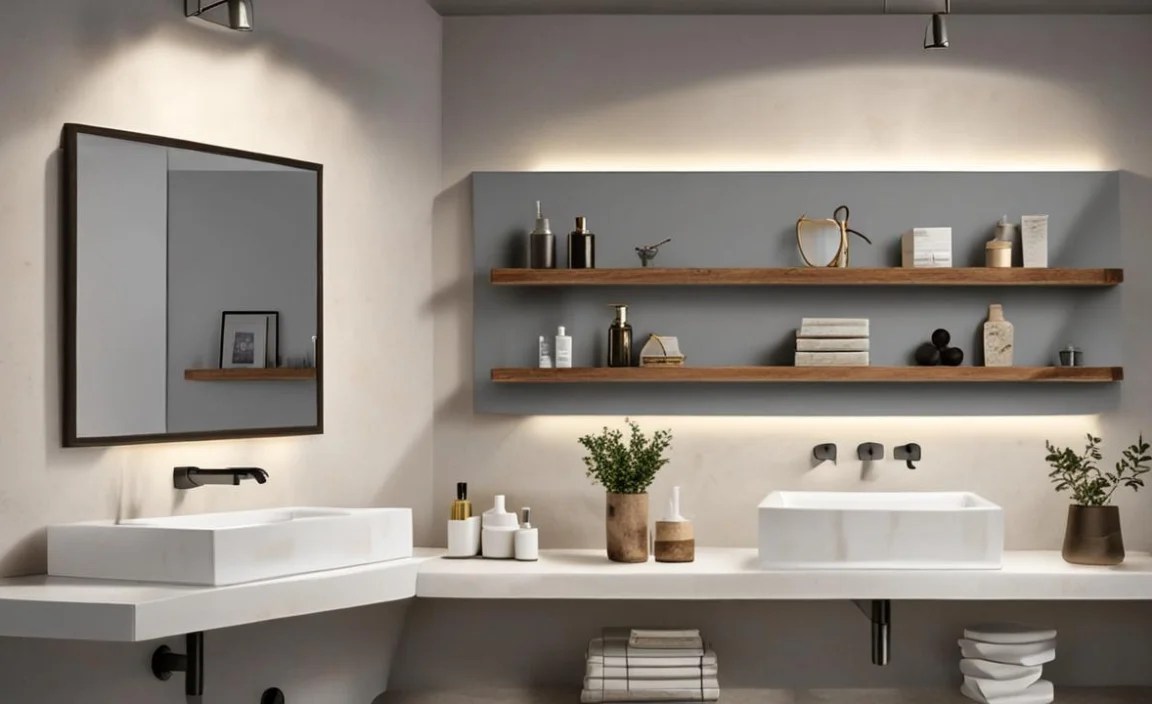
For those who prefer a clutter-free and serene environment, minimalist shelving is the way to go. These often feature slender profiles, neutral colors, and simple forms that blend seamlessly into the wall.
- Pros: Creates a very clean and uncluttered look; makes the space feel larger and more open.
- Cons: Limited storage capacity; may not be suitable for large collections of items.
Design Tip: Opt for ultra-thin floating shelves in white, grey, or natural wood tones. Consider a single, well-placed shelf rather than multiple to maintain the minimalist effect. This is perfect for displaying a few select items, like a small plant or a beautifully packaged hand soap.
Genius Essentials: Choosing the Right Shelves for Your Needs
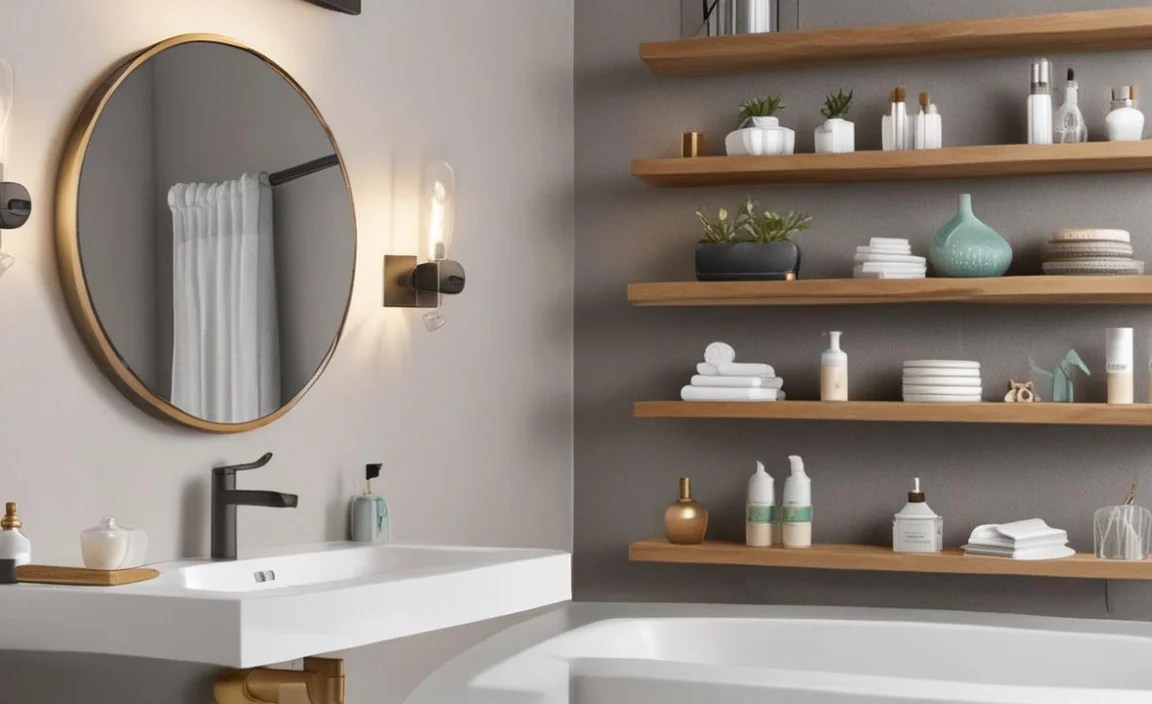
Selecting bathroom shelves involves more than just picking a trend. You need to consider the practicalities of your space, what you’ll be storing, and your DIY comfort level. Here’s a breakdown of essential factors and types of shelving to consider:
Understanding Your Space and Needs
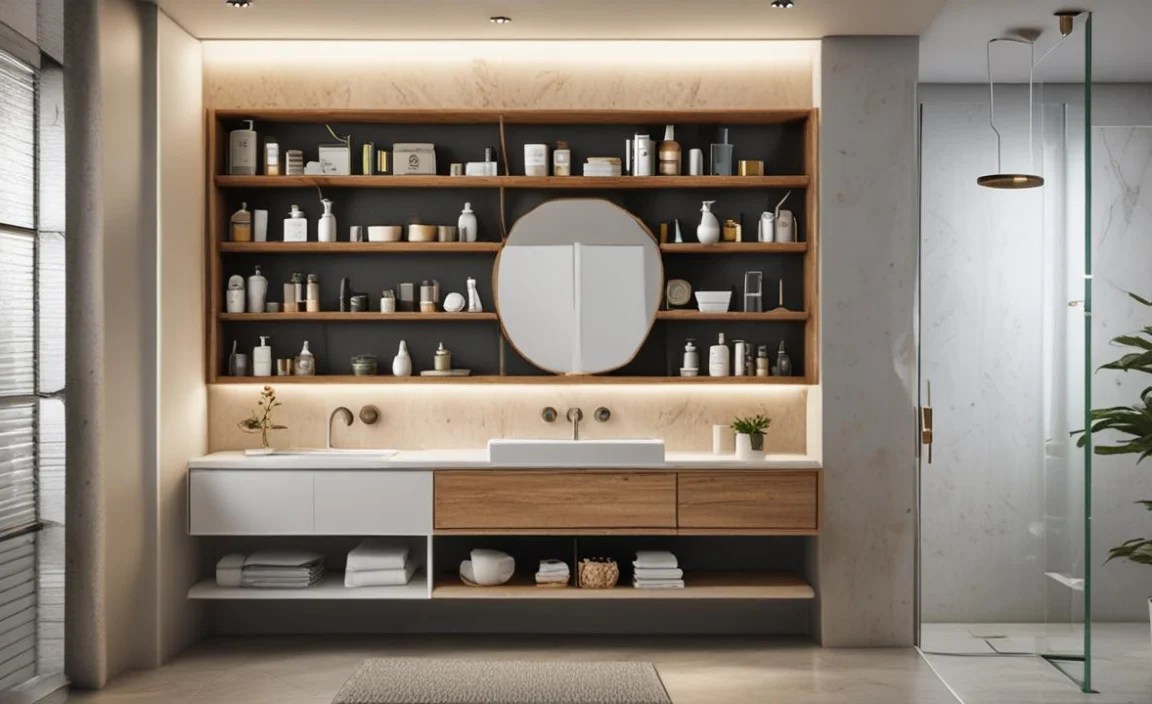
Before you buy, take a good look at your bathroom:
- Size of the Room: A small bathroom benefits from space-saving solutions like corner shelves or slim floating shelves. Larger bathrooms can accommodate more substantial or decorative shelving.
- Wall Material: Are your walls drywall, plaster, or tile? This determines the type of anchors and screws you’ll need for secure installation. Always aim to mount into wall studs for maximum strength.
- What You’ll Store: Heavier items like stacks of towels or large bottles of cleanser will require stronger, more securely mounted shelves than, say, a small decorative vase.
- Your DIY Skill Level: Some shelving styles, like freestanding units or simple floating shelves, are beginner-friendly. Others, like built-in niches, require more advanced skills or professional help.
Popular Materials and Their Benefits
The material of your shelves impacts durability, style, and maintenance:
| Material | Pros | Cons | Best For |
|---|---|---|---|
| Wood (Solid or Engineered) | Warm, natural look; versatile; can be stained or painted. | Can be susceptible to moisture damage if not sealed properly; heavier. | Modern, farmhouse, traditional styles; above vanity, toilet. |
| Glass | Sleek, modern, reflective; makes space feel larger; easy to clean. | Can be fragile; shows water spots and fingerprints easily. | Small bathrooms, modern designs; above sinks; for lighter items. |
| Metal (Steel, Aluminum, Iron) | Durable, strong, modern, industrial looks; rust-resistant finishes available. | Can be cold or harsh looking depending on the finish; can be heavy. | Industrial, modern, minimalist styles; in shower areas (with proper treatment); heavy items. |
| Acrylic/Plastic | Lightweight, affordable, water-resistant, modern look. | Can look less high-end; susceptible to scratching. | Temporary solutions, kids’ bathrooms, lighter decorative items. |
Essential Hardware: What You’ll Need
No matter the shelf, the right hardware is crucial for safety and stability. Always consult the manufacturer’s recommendations for the weight capacity of your chosen shelves and hardware.
- Stud Finder: Essential for locating wall studs, providing the most secure mounting point.
- Level: Ensures your shelves are perfectly straight, both for appearance and stability.
- Drill and Drill Bits: For creating pilot holes and driving screws.
- Screws and Wall Anchors: Appropriately sized screws for your wall material and studs. If you can’t hit a stud, use heavy-duty drywall anchors rated for the weight of your shelf and contents. The U.S. Consumer Product Safety Commission (CPSC) provides valuable safety tips for home renovations.
- Measuring Tape: For accurate placement.
DIY Bathroom Shelf Installation: A Beginner’s Guide
Adding shelves doesn’t have to be intimidating! Here’s a straightforward approach to installing basic floating shelves, a popular and achievable DIY project.
Tools and Materials You’ll Need:
- Floating shelf kit (shelf + mounting bracket)
- Stud finder
- Pencil
- Level
- Drill with appropriate drill bits
- Screwdriver bit for your drill or a manual screwdriver
- Measuring tape
- Safety glasses
Step-by-Step Installation:
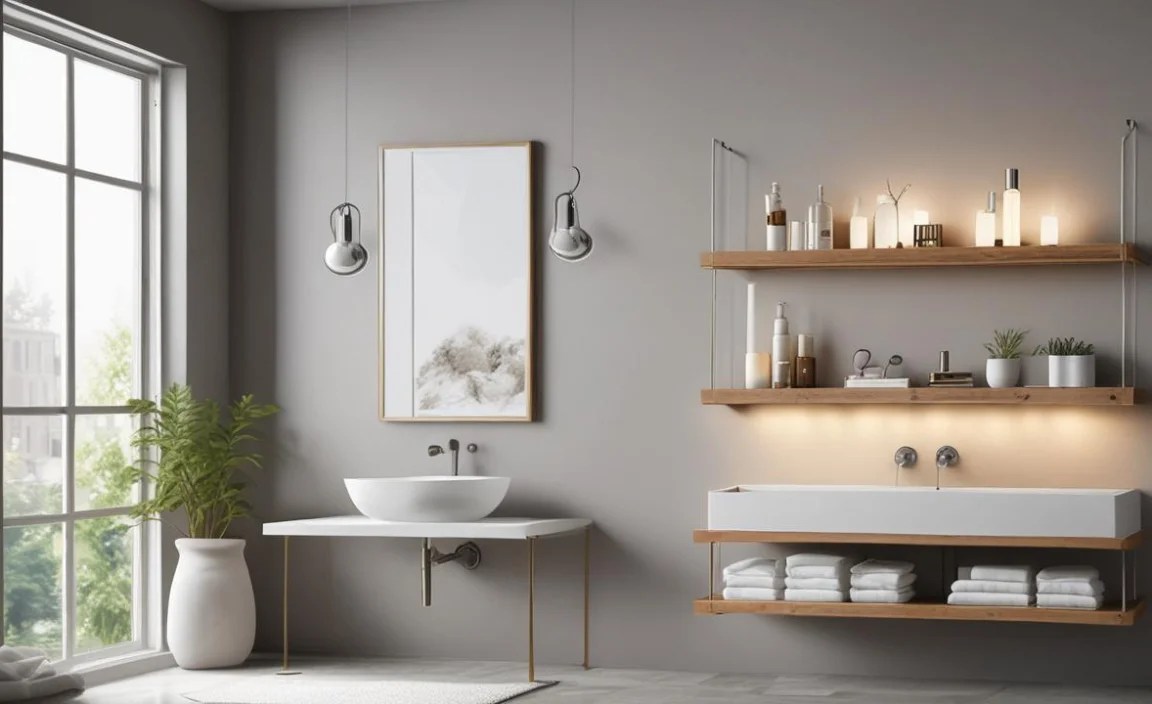
- Locate Studs: Use your stud finder to locate at least two wall studs where you want to install the shelf. Mark the center of each stud with your pencil. For maximum stability, shelves should ideally be mounted into studs.
- Position the Bracket: Hold the mounting bracket against the wall at your desired height. Use your level to ensure it’s perfectly horizontal. Mark the screw hole locations that align with the studs you found.
- Drill Pilot Holes: Using a drill bit slightly smaller than your screws, drill pilot holes at your marked locations. This makes it easier to drive the screws and prevents the wood (of the stud) from splitting.
- Mount the Bracket: Align the bracket with the pilot holes. Use your drill or screwdriver to drive screws through the bracket and into the wall studs. Ensure the bracket is firmly attached and doesn’t wiggle.
- Slide the Shelf: Once the bracket is securely mounted, slide the floating shelf onto the bracket. Most kits have a specific way the shelf attaches, often involving pre-drilled holes on the shelf that align with rods or arms on the bracket.
- Secure the Shelf (if applicable): Some floating shelves have small set screws on the underside that lock the shelf onto the bracket. If yours does, gently tighten these screws.
- Test Stability: Gently press down on the shelf to ensure it’s stable and securely mounted. Wipe away any pencil marks.
Always follow the specific instructions that come with your shelving kit, as designs can vary. If you’re unsure about any step, it’s always best to consult a professional or a handy friend!
Alternative: Freestanding Shelf Units
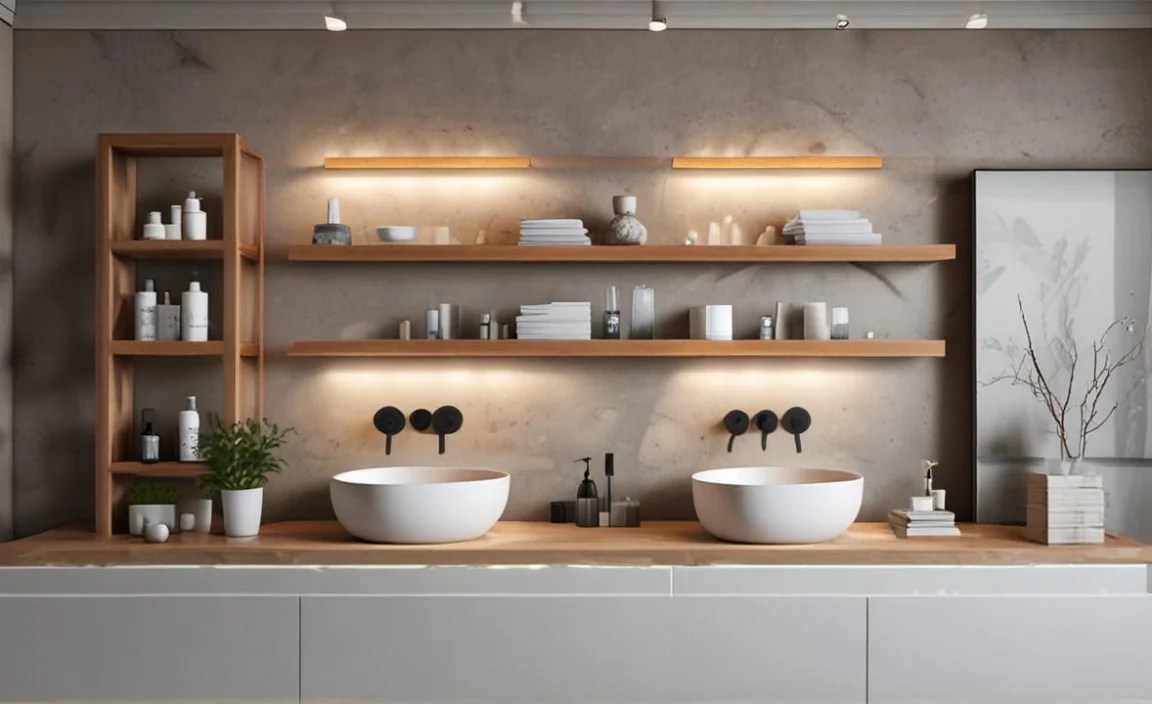
For true beginners or those renting, freestanding units are a fantastic option. These require no drilling and can be moved easily.
- Assembly: Typically involves screwing together a few pieces, similar to assembling flat-pack furniture.
- Placement: Can be placed beside a vanity, over a toilet (there are specific over-the-toilet units), or in any corner.
- Style: Available in various materials and designs, from modern metal frames to classic wood finishes.
You can find excellent guides on assembling furniture from manufacturers like IKEA or retailers such as Wayfair, which often include video tutorials.
Smart Storage Solutions: Beyond Basic Shelves
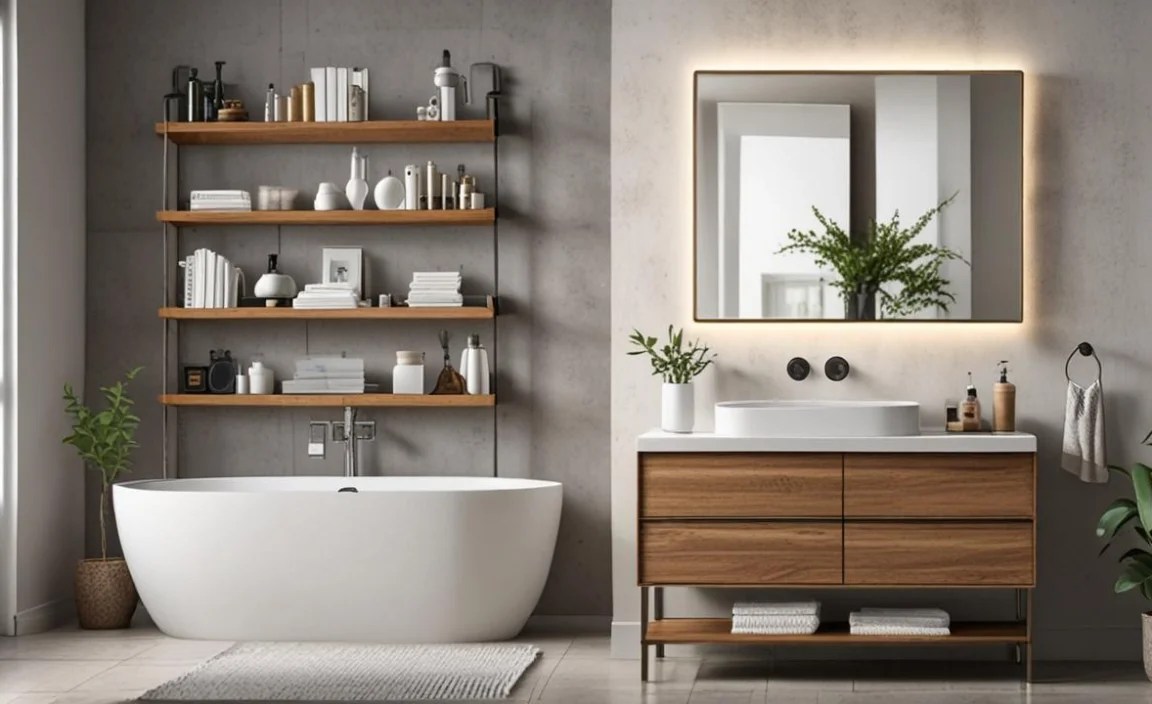
Once you’ve got your shelves installed, it’s time to think about how to use them most effectively. Genius storage isn’t just about having shelves; it’s about smart organization.
1. Utilize Baskets and Bins
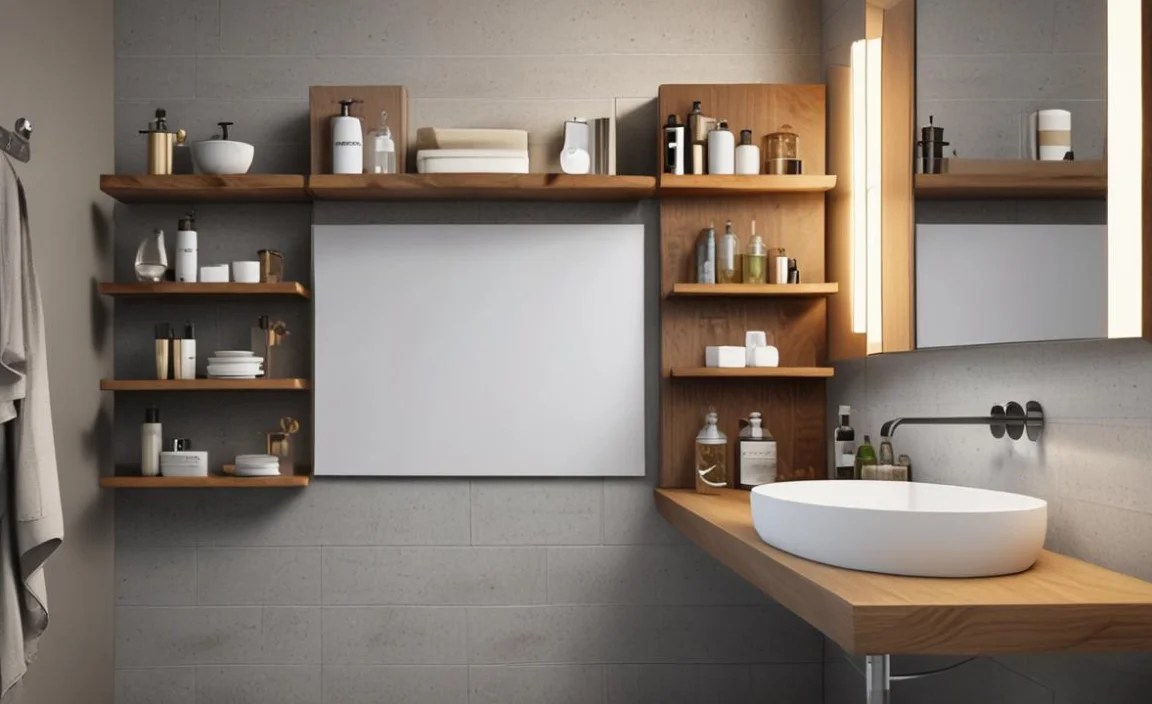
Open shelves can quickly become cluttered if items are just placed randomly. Baskets and bins are your best friends for creating order.
- Materials: Woven seagrass, rattan, fabric-lined baskets, or sleek acrylic containers all work well.
- Function: Group similar items together. Use smaller bins for cotton swabs, hair ties, or travel-sized toiletries. Use larger baskets for spare toilet paper, extra towels, or cleaning supplies.
- Aesthetics: Choose containers that complement your bathroom’s decor. Consistent colors and textures create a cohesive and calming look.
2. Tiered Storage and Risers
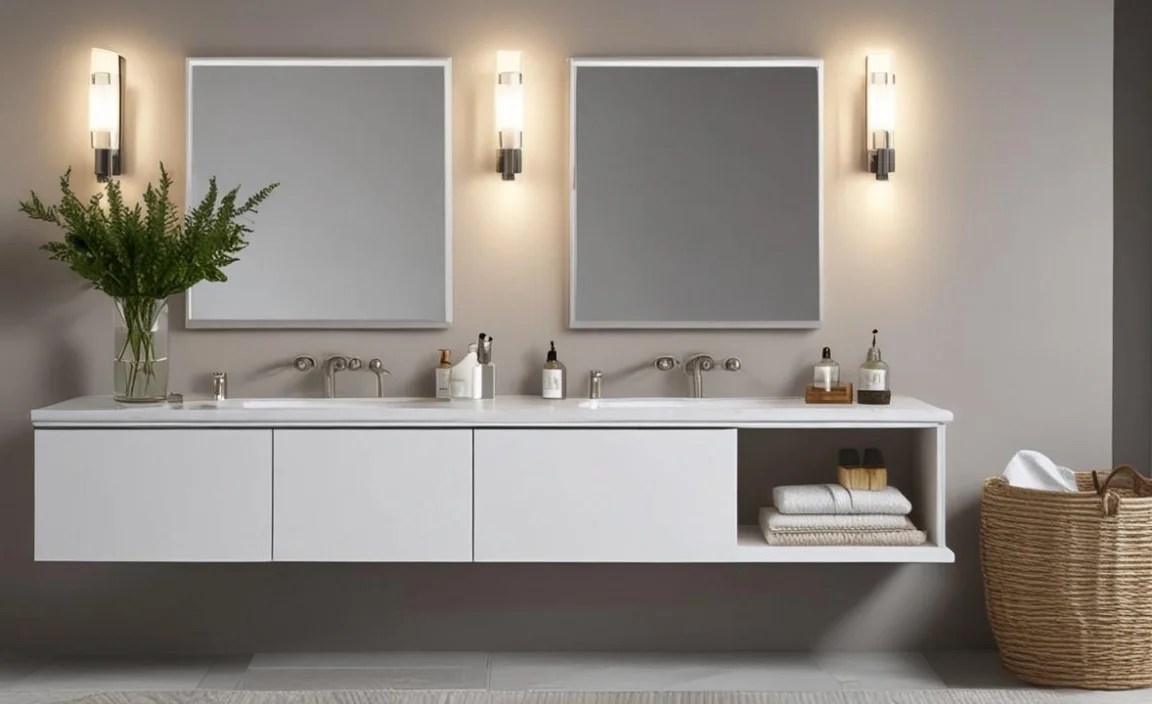
Need to store more in a small footprint? Tiered solutions double your vertical storage within a single shelf space.
- Shelf Risers: These are like mini shelves that sit on top of your existing shelves, allowing you to stack items without them getting lost. Perfect for organizing smaller bottles or makeup.
- Tiered Baskets: Some decorative baskets are designed with multiple levels.
- Product Risers: Use small risers (even inverted bowls sometimes work) to elevate items like soap dispensers or lotions, creating space behind them for smaller items.
3. Magnetic Strips and Hooks
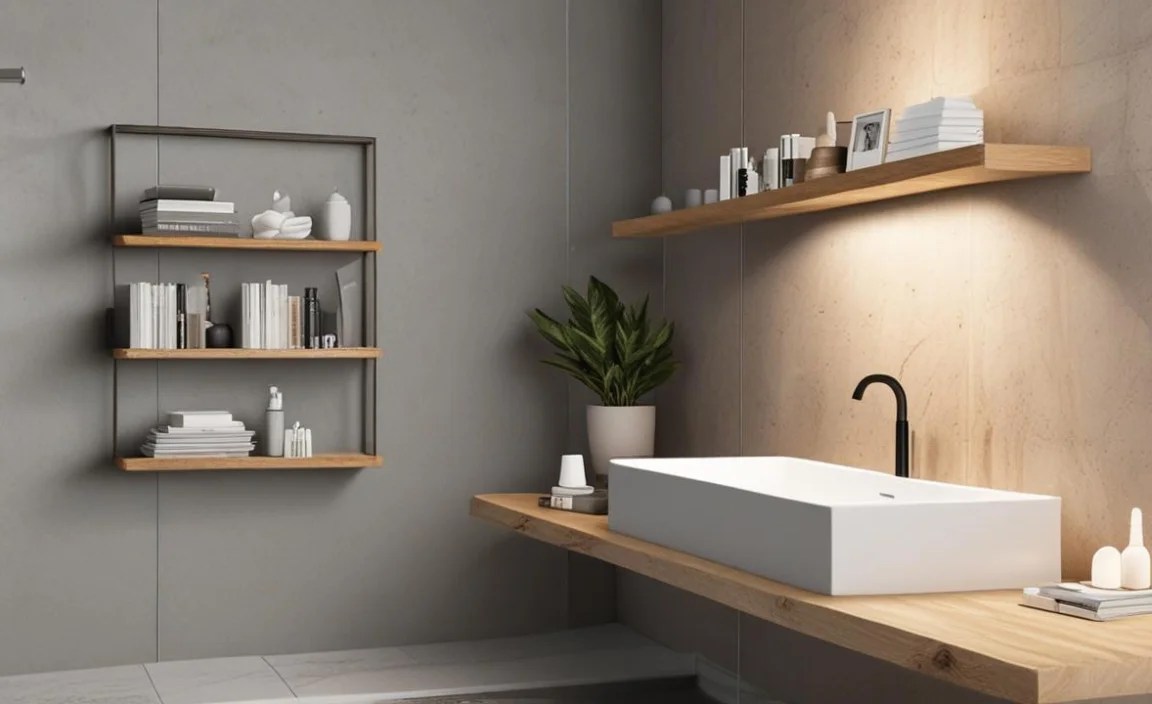
Think outside the box! Magnetic strips mounted inside cabinet doors or on the side of a shelf can hold bobby pins, tweezers, or small metal containers. Adhesive hooks are great for hanging loofahs, washcloths, or even small storage bags.
4. Decorative Jars and Containers
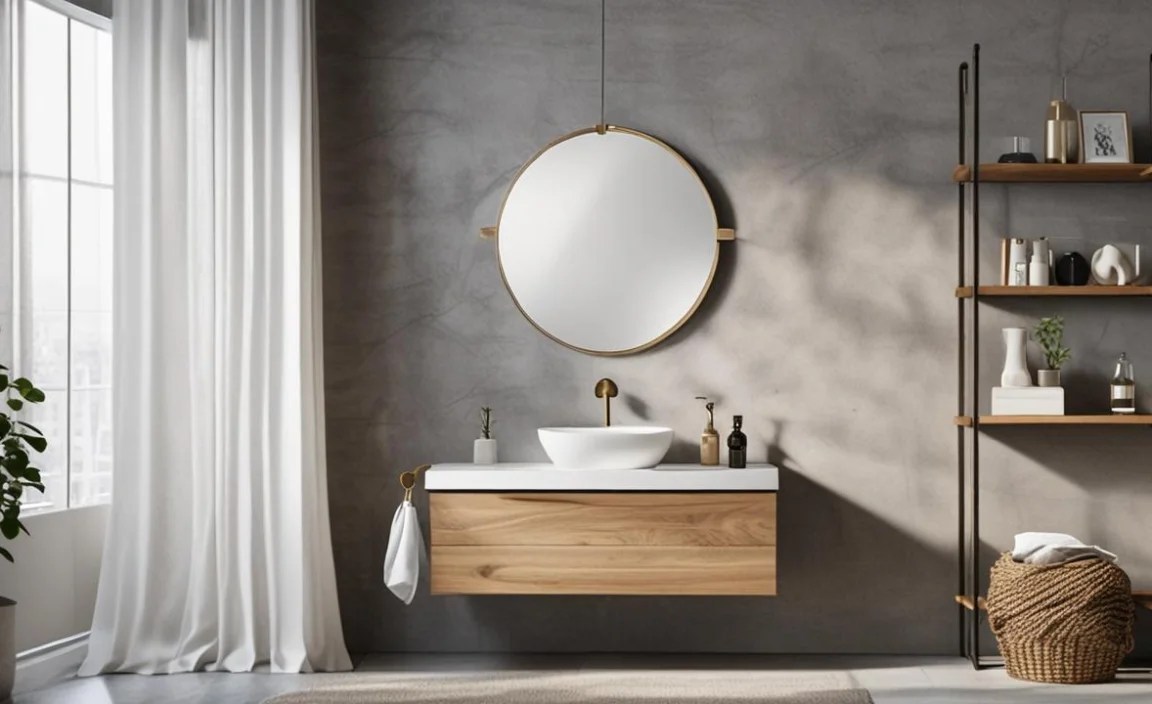
For items you want to keep accessible and visible, like cotton balls, Q-tips, or bath salts, opt for clear glass jars or stylish ceramic containers. They add a decorative touch while keeping items dust-free.
5. Labeling (Optional but Recommended!)
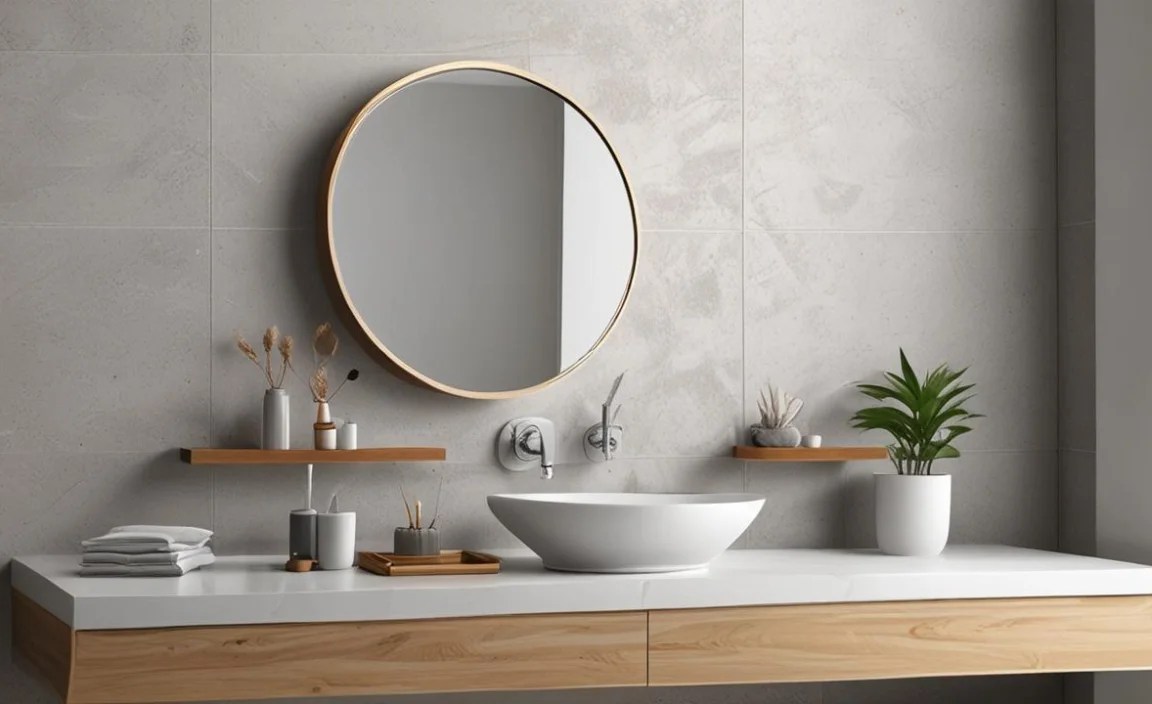
If you have multiple bins and baskets, especially in a busy family bathroom, consider labeling them. It helps everyone in the household know where things belong and makes tidying up much faster.
The ultimate goal is to create a system that works for you and your family. A well-organized bathroom reduces stress and makes daily routines smoother. The National Association of Home Builders (NAHB) often highlights smart home solutions that enhance both functionality and living experience.
Troubleshooting Common Bathroom Shelf Issues
Even with the best intentions, sometimes things don’t go perfectly. Here are a few common issues and how to tackle them:
- Wobbly Shelves: This is almost always due to improper mounting. If you can’t hit studs, ensure you’re using heavy-duty, appropriately rated wall anchors (like toggle bolts or specific drywall anchors for the weight). Make
