
Quick Summary: Discover smart bathroom shelf ideas for small spaces! Maximize storage with floating shelves, corner units, over-the-toilet organizers, and vertical solutions. These easy-to-implement upgrades bring order and style to any compact bathroom, making everyday routines smoother and more organized.
Is your bathroom feeling a bit cramped for storage? You’re not alone! Many of us deal with small bathrooms where every inch counts. It can be frustrating when you can’t find a place for your towels, toiletries, or cleaning supplies. But don’t worry, there are ingenious ways to add much-needed storage without a major renovation. We’ll explore simple, effective bathroom shelf ideas perfect for small spaces that will make your bathroom feel bigger and way more organized.
Let’s turn that clutter into calm and make your bathroom a functional sanctuary. Get ready for some brilliant solutions that are easy to tackle, even if you’re new to DIY.
Bathroom Shelf Ideas For Small Space: Genius Solutions to Maximize Storage
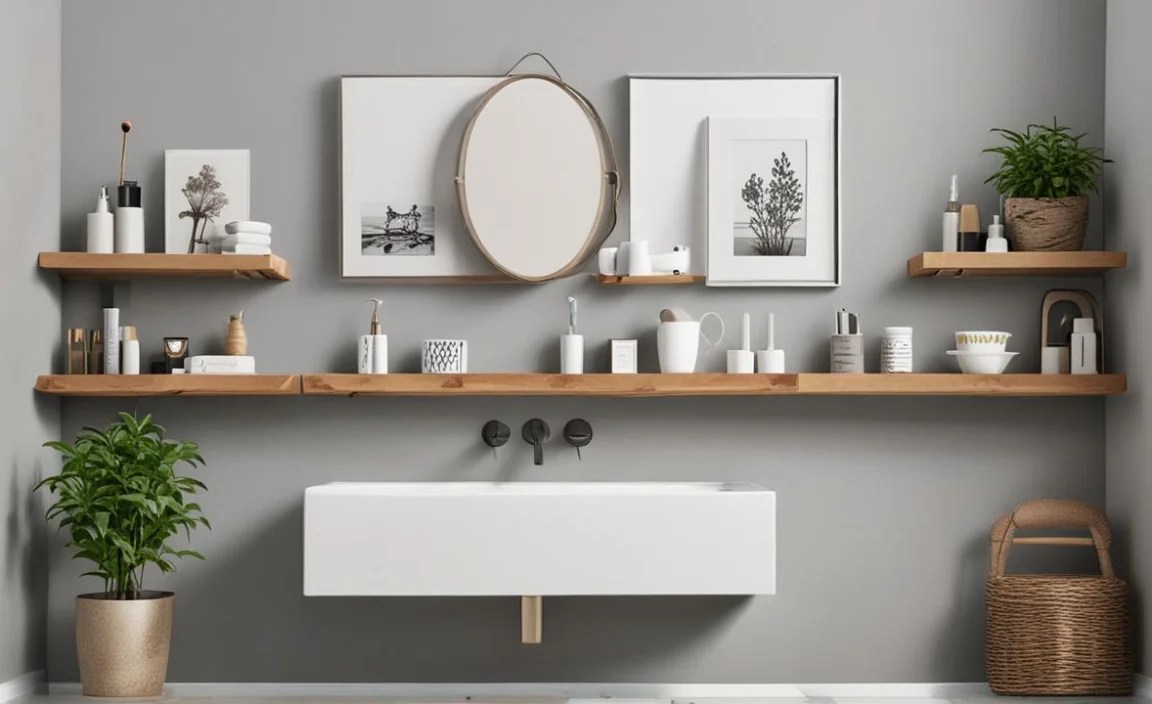
Finding clever ways to store your essentials in a small bathroom is key to keeping it tidy and functional. When space is limited, thinking vertically and utilizing often-overlooked areas can make a huge difference. These ideas are designed to be beginner-friendly and offer maximum impact with minimal fuss.
1. Go Vertical with Tall, Slim Shelving Units

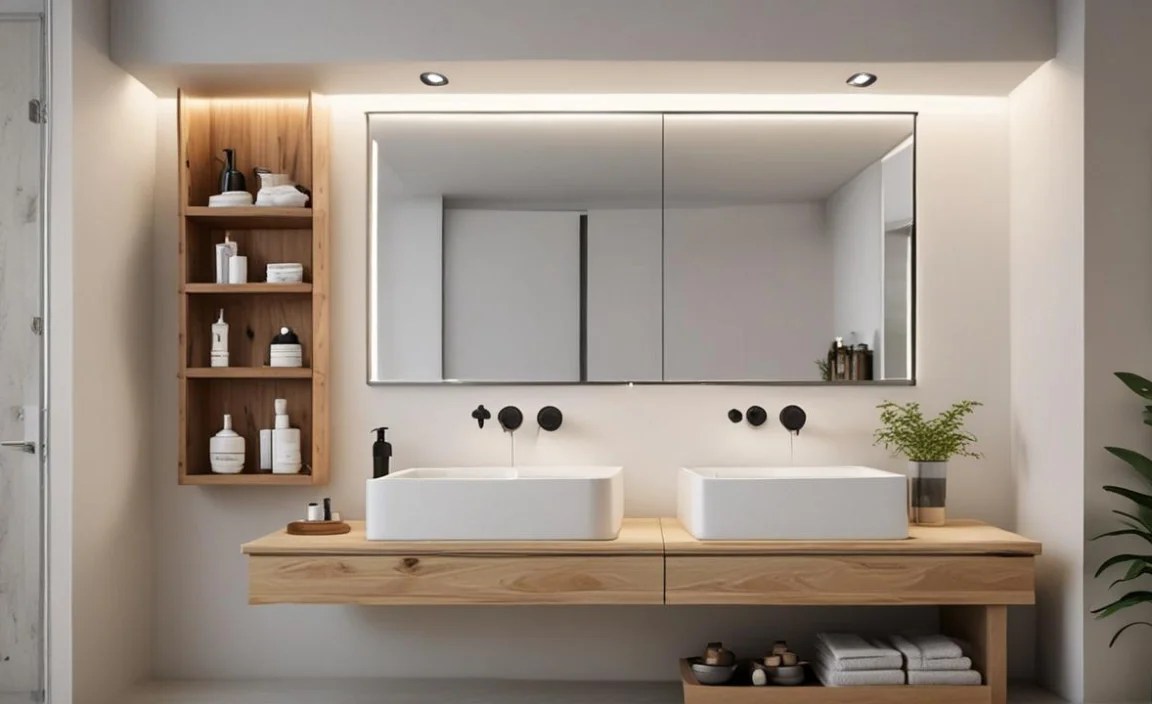
One of the most straightforward ways to boost storage in a small bathroom is to look up. Tall, slim shelving units can fit into narrow spaces, like beside the toilet or a vanity, without taking up much floor area. Think of them like a mini-library for your bathroom essentials.
- Why they work: They utilize vertical space, which is often underused in small rooms.
- What to store: Toilet paper rolls, extra toiletries, cleaning supplies, decorative items.
- Where to place them: In any unused narrow slot, beside the toilet, or in a corner.
When selecting a unit, opt for one with adjustable shelves so you can customize the spacing for different-sized items. Materials like bamboo or painted metal can add a touch of style while being practical and water-resistant.
2. Embrace Floating Shelves for a Clean Look
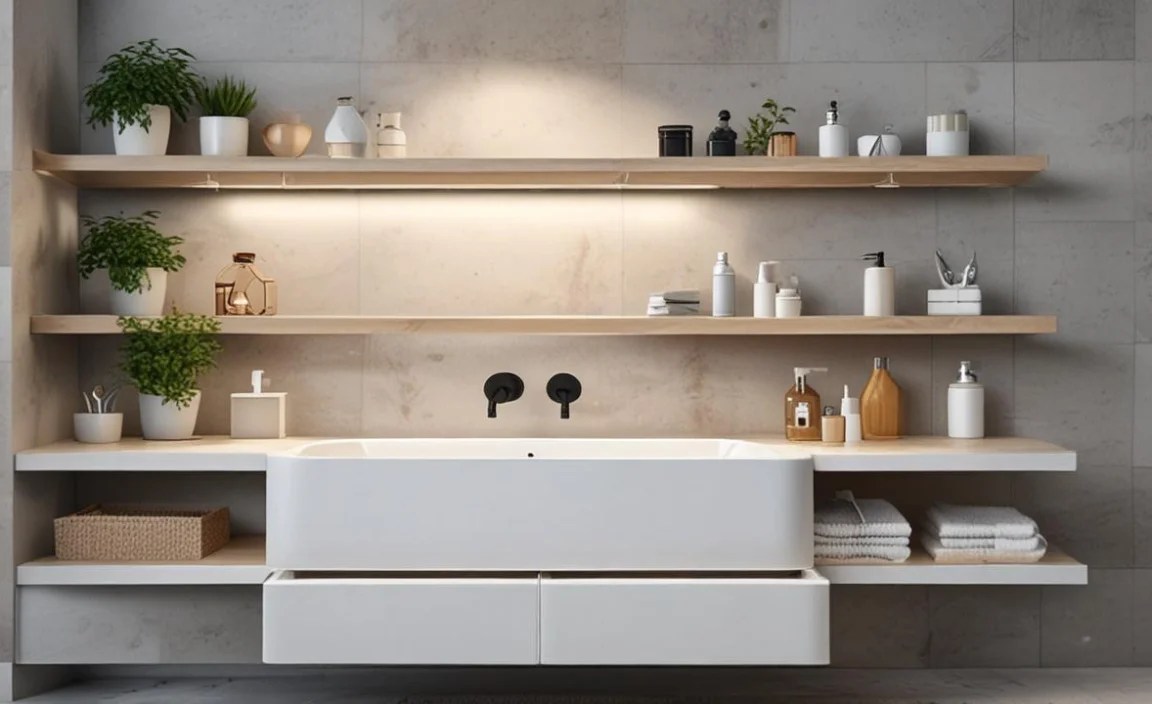
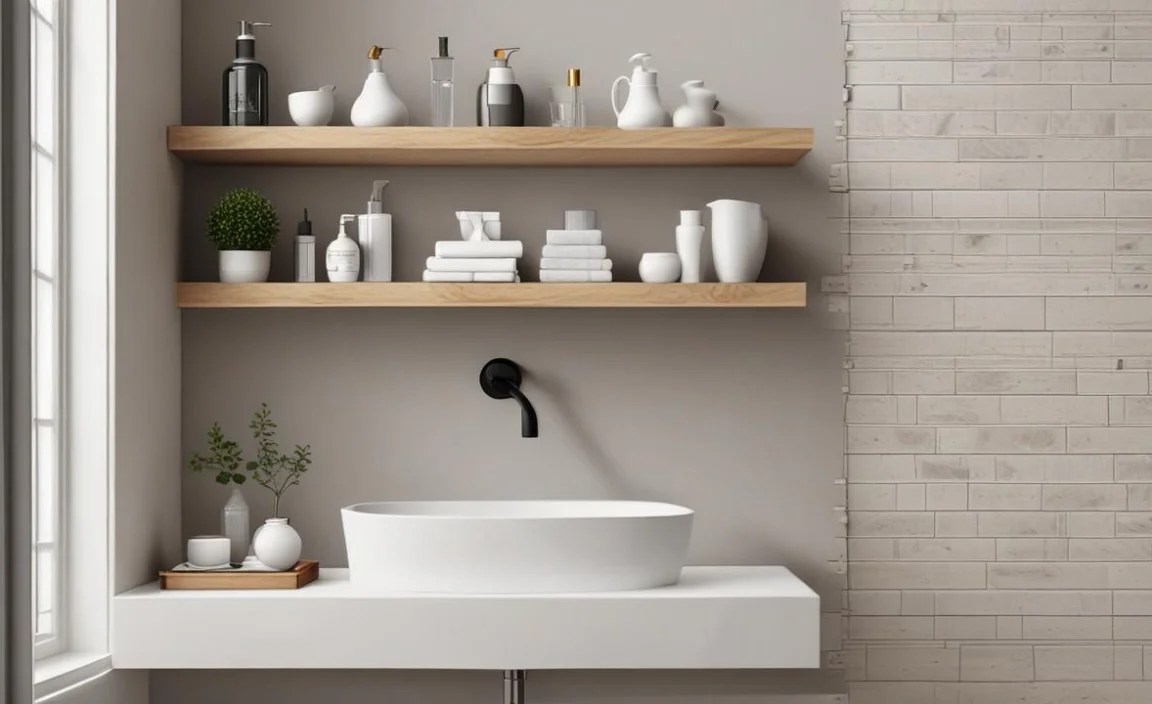
Floating shelves are a homeowner’s best friend when it comes to small spaces. They attach directly to the wall, with no visible brackets, giving a sleek, minimalist look. This makes your bathroom feel less cluttered and visually lighter.
- Pros: Modern aesthetic, customizable placement, perceived space-saving.
- Cons: Require secure wall mounting, weight limits to consider.
- Installation Tip: Always mount floating shelves into wall studs for maximum support. If studs aren’t in the right spot, use heavy-duty wall anchors designed for the weight you plan to store. For a quick guide on finding studs, check out this resource from This Old House.
You can install a single floating shelf above the toilet for toiletries or create a set of staggered shelves for a more decorative display. Choose shelves that complement your bathroom’s existing style, whether that’s natural wood, painted white, or sleek metal.
3. The Over-the-Toilet Space Saver

That gap above your toilet is prime real estate! An over-the-toilet shelving unit, often called an ‘above-toilet organizer’ or ‘toilet rack,’ is a fantastic solution for small bathrooms. These units typically have two or three shelves and are designed to sit directly around the toilet tank.
- Space-saving genius: It adds significant storage without using any extra floor space.
- What to keep handy: Hand towels, extra toilet paper, bath products, decorative plants.
- Styles to consider: Ranging from simple metal frames to more elaborate wooden designs, choose one that fits your bathroom’s look.
When installing, ensure it’s stable and won’t wobble. You might need to measure carefully to ensure it fits comfortably without being too close to the tank lid or interfering with flushing. Many units are adjustable to accommodate different toilet heights.
4. Corner Shelving Units: Utilizing Awkward Angles
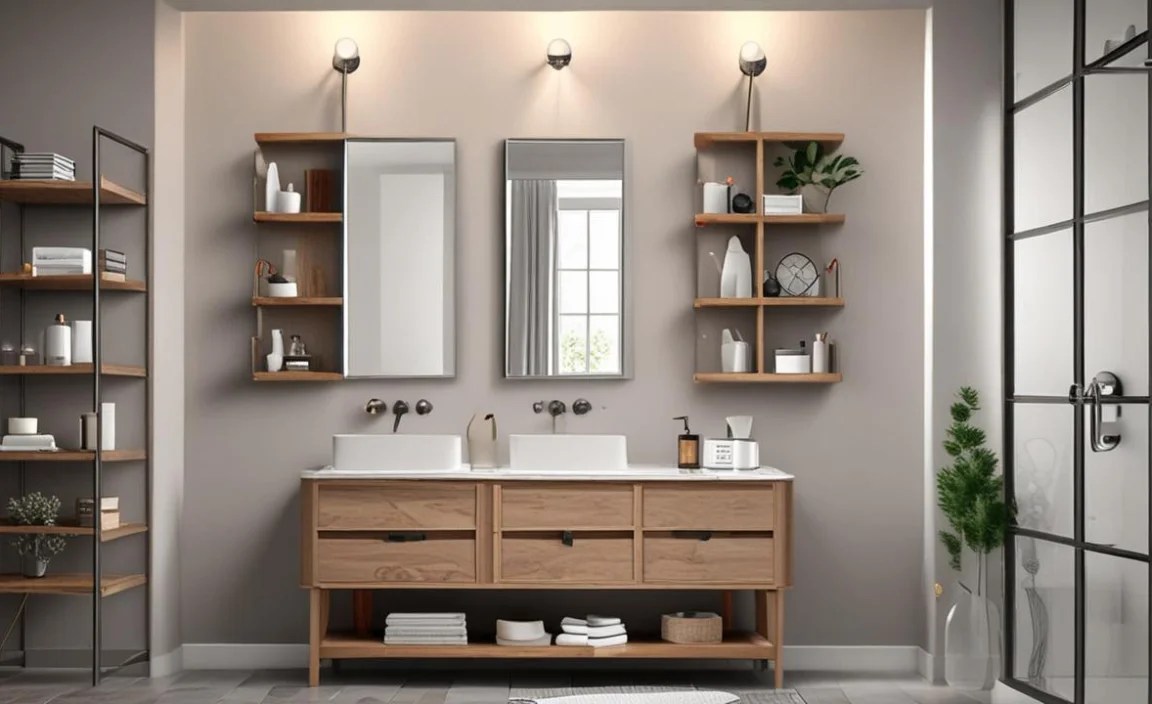
Corners are often wasted space. Corner shelving units are designed to fit snugly into these angles, transforming them into functional storage zones. They come in various forms, from tall floor-standing units to wall-mounted triangular shelves.
- Benefit: Perfect for storing items you want to keep accessible but out of the way.
- Ideal for: Small bottles, rolled towels, or even a small plant.
- Placement: Looks great in any corner, especially in larger bathrooms where standard shelving might not fit.
These can be particularly useful for storing cleaning supplies or excess bath products that you don’t need daily access to. Look for units made from moisture-resistant materials like treated wood or metal.
5. Ladder Shelves: Stylish and Accessible Storage

A ladder shelf offers a unique and stylish way to add storage. These leaning shelves resemble a ladder and provide multiple tiered surfaces. They have a relatively small footprint and add a touch of modern or rustic charm, depending on the design.
- Aesthetic appeal: Adds visual interest and a touch of trendy decor.
- Versatile use: Can hold towels, folded washcloths, toiletries, or decorative items.
- Considerations: Ensure it’s stable and consider anchoring it to the wall for safety, especially if you have children or pets.
Ladder shelves are excellent for displaying items you want to keep visible, like neatly rolled towels or small potted plants. They also make it easy to access items on any of the shelves.
6. Wall-Mounted Cabinets with Shelves
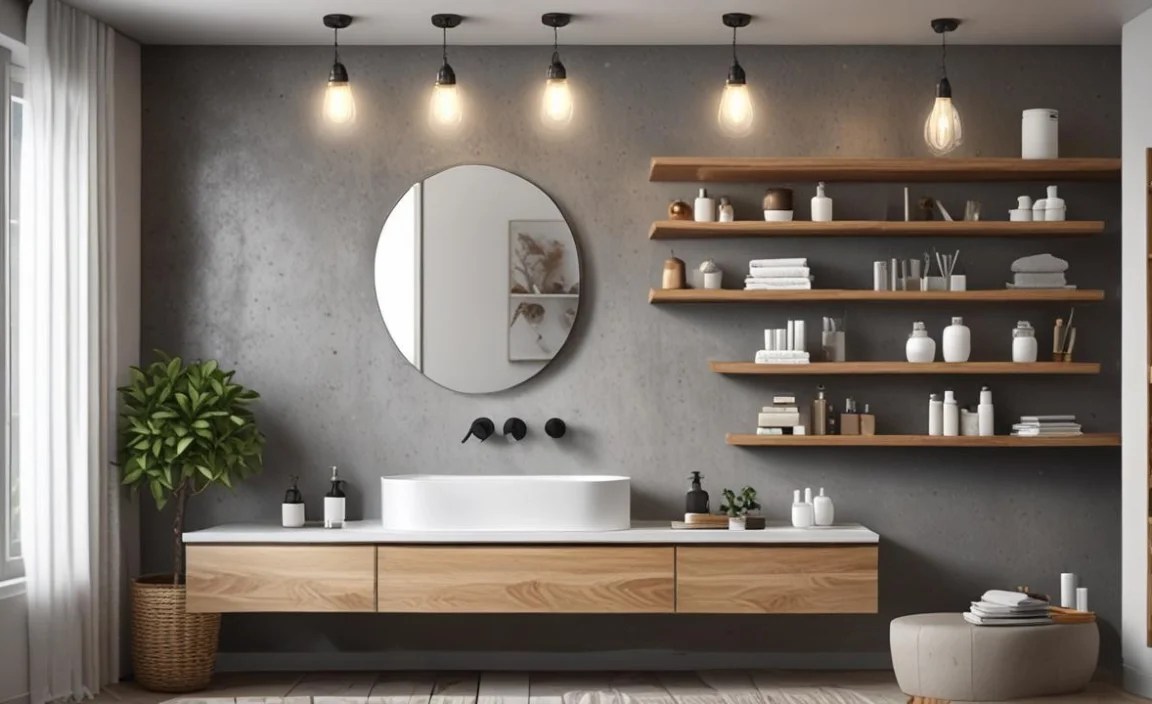
While not just shelves, wall-mounted cabinets offer enclosed storage, which can be invaluable in a small bathroom to hide clutter. Many cabinets also feature internal shelves, providing organized storage for items you want to keep dust-free and out of sight.
- Hidden storage: Great for medicines, toiletries, or personal items.
- Adds dimension: Can add visual depth to a wall.
- Style options: From mirrored cabinets to sleek, frameless designs.
Consider medicine cabinets for above the vanity, or a larger cabinet mounted on an empty wall for towels and linens. They help maintain a clean, minimalist look by keeping items tucked away.
7. Behind-the-Door Shelving or Organizers

Don’t forget the space behind your bathroom door! Specially designed over-the-door organizers with multiple pockets or shelves can add a surprising amount of storage. These are usually fabric-based with clear plastic pockets, perfect for smaller items.
- Maximizes unused space: The back of the door is often forgotten.
- Ideal for: Hairdryers, brushes, cosmetics, cleaning sprays, or extra toilet paper.
- Pros: Easy to install, no drilling required, portable.
For heavier items or a more permanent solution, consider a slim, wall-mounted shelving unit that sits just above or below the doorknob height. Ensure there’s enough clearance for the door to open and close freely.
Here’s a quick comparison of some popular small-space bathroom shelving types:
| Shelf Type | Best For | Space Efficiency | Installation Difficulty | Aesthetic |
|---|---|---|---|---|
| Floating Shelves | Decor, toiletries, small items | High | Moderate (requires tools, stud finder) | Modern, minimalist |
| Over-the-Toilet Units | Toiletries, extra towels, essentials | Very High | Moderate (assembly required, secure mounting) | Functional, can be stylish |
| Corner Shelves | Small bottles, rolled towels, plants | High | Varies (wall-mounted or floor-standing) | Space-saving, can be decorative |
| Ladder Shelves | Towels, folded items, decor | Medium | Low (mostly free-standing, may need anchoring) | Trendy, decorative |
| Behind-the-Door Organizers | Small items, hair tools, cleaning supplies | Very High | Very Low (no tools usually needed) | Functional, utilitarian |
8. Installing Shelves Above the Sink or Vanity

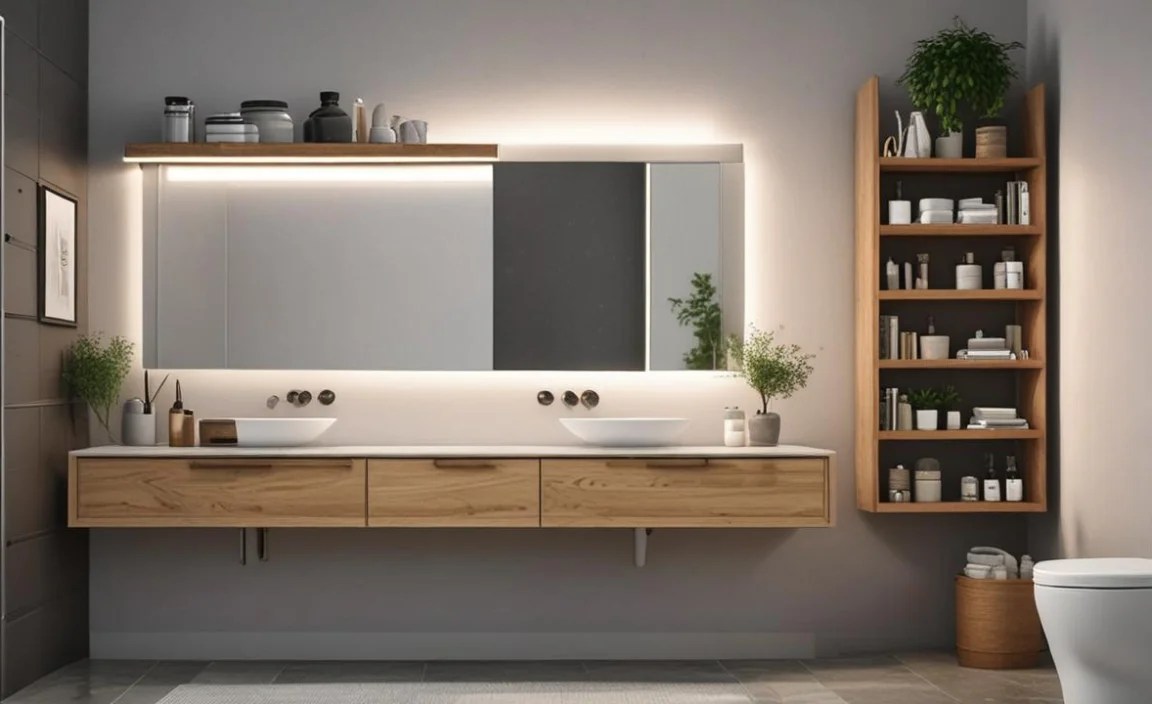
The wall space directly above your sink or vanity is an obvious, yet often underutilized, area for shelving, especially if you don’t have a large mirror or medicine cabinet. A slim shelf here is perfect for everyday items you need quick access to.
- Convenience: Keep frequently used items like toothbrushes, toothpaste, soap, and hand lotion within easy reach.
- Style options: A small floating shelf, a narrow wall-mounted cabinet, or even a set of small individual shelves can work.
- Safety: Be mindful of height to avoid bumping your head, and ensure shelving is securely mounted away from direct water spray.
Consider a shelf that’s deep enough for your essentials but not so deep it feels overwhelming in a tight space. A small mirror mounted above or on the shelf can also make the area feel more functional and visually open.
9. Utilizing Wall Space Beside the Shower or Tub

The area next to your shower or bathtub is another excellent spot for adding shelves. This is especially useful if you don’t have a built-in niche or storage within the shower itself.
- Practicality: Store shampoo, conditioner, body wash, loofahs, and towels within easy reach.
- Water-resistant materials: Opt for shelves made of stainless steel, treated wood, or durable plastic that can withstand humidity and occasional splashes.
- Types: Tension rod shower caddies that don’t require drilling, corner shower shelves, or simple wall-mounted shelves.
For a DIY approach, you could install a few small, robust shelves that hold a shower caddy or directly house your bottles. Ensure they are firmly attached to the wall and can handle the weight of wet items.
10. Magnetic Strips and Pegboards: Small Item Organization

For very small items like tweezers, bobby pins, nail clippers, or even small cleaning brushes, magnetic strips and pegboards can be game-changers. They keep these tiny essentials organized and visible, freeing up drawer or shelf space.
- Pegboards: Offer incredible versatility. You can add hooks, small baskets, and shelves to customize storage for almost anything.
- Magnetic strips: Ideal for metal items, often used in kitchens but work just as well in bathrooms for small tools.
- Easy installation: Both are typically easy to install with screws or strong adhesive backing.
A small pegboard mounted on an empty wall section can hold a variety of accessories, from hair ties to small jars of cotton swabs. Magnetic strips can be placed near the vanity for quick access to grooming tools.
DIY Shelf Installation Basics for Beginners
Installing shelves might seem daunting, but it’s a rewarding DIY task that significantly improves your bathroom’s functionality. Here’s a simplified guide:
- Choose your shelf type and location: Decide what you want to store and where it makes the most sense.
- Gather your tools: You’ll likely need a drill, screwdriver set, spirit level, measuring tape, pencil, and possibly a stud finder. For heavy shelves, appropriate anchors for your wall type (drywall, plaster, tile) are crucial. You can find a comprehensive guide to wall anchors at the Home Depot.
- Measure and Mark: Use your measuring tape and pencil to mark where the shelf or brackets will go. Use a spirit level to ensure your marks are perfectly straight. This is critical for a professional look and secure installation.
- Locate Wall Studs (if applicable): For floating shelves or shelves that will hold significant weight, drilling into wall studs provides the strongest support. A stud finder is invaluable here.
- Drill Pilot Holes: Drill small pilot holes at your marked locations. This makes it easier to drive screws and prevents wood from splitting if you’re mounting to studs.
- Install Brackets or Mount the Shelf: Attach brackets securely, or if using a direct-mount shelf, follow the manufacturer’s instructions, ensuring it’s level. If not using studs, install your chosen heavy-duty wall anchors BEFORE attaching the shelf.
- Attach the Shelf: Place the shelf onto the brackets or attach it directly as instructed.
- Test Stability: Gently push on the shelf to ensure it’s firmly attached and can support the intended weight.
Maintaining Your Bathroom Shelves
Once your shelves are up, a little care will keep them looking great and functioning well. Regular dusting will prevent buildup, and wiping them down with a damp cloth will handle any spills or grime. For wood shelves, consider a sealant if they are in an area prone to high moisture. For metal shelves, a quick wipe with a soft cloth should suffice. Always ensure items are placed stably to avoid falls, especially in a small, high-traffic area.
Frequently Asked Questions (FAQ)
Q1: What’s the best type of shelf for a very small bathroom with no wall space?

For bathrooms with minimal wall space, consider over-the-toilet shelves, corner units that tuck into unused corners, or behind-the-door organizers. These utilize often-ignored areas effectively.
Q2: Are floating shelves difficult to install for beginners?
Floating shelves can be a bit trickier than basic shelves because they require precise mounting into wall studs or very strong anchors for a clean look. If you can use a drill and a level, and find studs, it’s manageable. Always follow the manufacturer’s specific instructions.
Q3: How much weight can bathroom shelves typically hold?

This varies greatly by shelf type, material, and installation method. Wall-mounted shelves with brackets secured into studs can hold 50 lbs or more. Floating shelves often have a stated weight limit (e.g., 15-40 lbs depending on size and mounting). Over-the-toilet units and freestanding shelves have their own capacity, so always check product specifications and ensure secure installation.
Q4: Should I worry about moisture on bathroom shelves?

Yes, moisture is a concern. Opt for shelves made from water-resistant materials like stainless steel, treated wood (like bamboo or hardwood with a sealant), plastic, or laminate. Avoid untreated wood or particleboard in areas prone to splashing. Regularly wipe down shelves to prevent moisture buildup.
Q5: What are some budget-friendly bathroom shelf ideas?

You can find affordable options like simple metal pipe shelves, basic wooden planks mounted with brackets, or repurposed crates and baskets. Over-the-door organizers and DIY solutions using readily available materials are also very budget-friendly.
Q6: Can I install shelves directly on a tiled bathroom wall?

Yes, but it requires special drill bits designed for tile (like a masonry or diamond-tipped bit) and a lot of care to prevent the tile from cracking. You’ll need to drill through the tile and then into the wall substrate (studs or anchors). It’s often easier if there’s a gap behind the tile. For beginners, it might be best to locate a tiled area where you can mount shelves between tiles or consider adhesive-based options if the weight is minimal.
Q7: How can I make my small bathroom shelves look organized and not cluttered?

Use decorative baskets or bins to group similar items. Roll towels neatly instead of folding them. Keep the items you use most frequently easily accessible. Avoid overcrowding shelves, and periodically declutter. Adding a small plant or a nice soap dispenser can also make shelves more visually appealing.
You can also find useful tips on bathroom organization from sources like EPA’s WaterSense program, which sometimes features articles on efficient home design and space utilization related to water-saving fixtures, which often go hand-in-hand with smaller bathroom designs.
Conclusion: Your Small Bathroom’s New Storage Heroes
Living in a small space doesn’t mean you have to sacrifice functionality or style in your bathroom. By implementing these clever bathroom shelf ideas, you can transform even the most compact area into an organized oasis. From sleek floating shelves that expand visual space to practical over-the-toilet units that add substantial storage, there
