
Have you ever wondered what makes a bathtub work? It’s not just a big basin in your bathroom. There’s a lot going on behind the scenes. Bathtub components in plumbing play a crucial role. They help bring water in and let it out smoothly. Let’s dive into this fascinating world!
Key Takeaways
- Bathtubs need several components to function well.
- The drain and overflow are essential parts.
- Bathtub faucet and spout allow water to flow in.
- Bathtub components in plumbing ensure water management.
- A stopper helps hold water inside the tub.
Understanding Bathtub Drains

The bathtub drain is a vital part of plumbing. It allows water to exit the tub. Without it, your bathtub would overflow. The drain is usually located at the bottom. It connects to a pipe leading to the sewer. This system helps keep your bathroom floor dry and clean. The drain cover prevents large objects from clogging the pipes. It’s usually made of metal or hard plastic. You need to clean it regularly to keep it functioning well.
- Drains guide water out of the tub.
- They prevent water overflow.
- Most drains have a cover.
- Drain covers stop clogs.
- Regular cleaning is necessary.
Regular maintenance is key for bathtub drains. Make sure the drain cover is always in place. Check for any signs of blockage. Use a gentle brush or a plunger if needed. Be cautious with what goes down the drain. Hair and soap residue are common culprits for clogs. Keeping your drain clean helps maintain the overall health of your plumbing system.
Fun Fact or Stats : Did you know that most bathtubs have a sloped base? This design helps water flow easily into the drain!
What Happens if the Drain Gets Clogged?
Imagine taking a relaxing bath, but the water won’t go down. What a mess! A clogged drain can be frustrating. Water starts pooling around your feet. The bathroom can become slippery and unsafe. Regular cleaning helps prevent this problem. But sometimes, hair and soap build up. In these cases, a plumber might be needed to clear the blockage.
Why is the Drain Location Important?
Have you noticed where the drain is in your bathtub? It’s often at one end. This placement is not random. It helps water flow swiftly out of the tub. If the drain were in the middle, water would take longer to leave. This could cause longer cleaning times. The strategic placement helps keep baths pleasant and hassle-free.
How To Keep Drains Clean?
Do you want to avoid a clogged bathtub? Keeping your drain clean is simple. Use a drain cover to catch hair. Rinse the tub after each use to wash away soap. Once a month, flush the drain with hot water. This can dissolve any minor build-up. For more stubborn clogs, try a vinegar and baking soda mix. These steps help keep your bathtub plumbing in top shape.
The Role of the Overflow

The overflow is another important bathtub component in plumbing. It’s a safety feature. Located near the top of the tub, it prevents water from spilling over. When water levels rise too high, the overflow kicks in. It directs excess water down to the drain. This feature is especially helpful if you forget to turn off the tap. It keeps your bathroom floor dry and prevents accidents.
- Overflows prevent bathroom flooding.
- They are located near the tub’s top.
- They direct excess water to the drain.
- Overflows are safety features.
- They help conserve water.
Not only does the overflow prevent messes, but it also saves water. By redirecting extra water, it ensures no unnecessary waste. Overflows are easy to spot with a small cover on the tub wall. Keeping this area clean helps it work well. Make sure it’s not blocked by soap or dirt.
Fun Fact or Stats : Overflows were first introduced in bathtubs in the late 19th century to prevent water waste!
What If There’s No Overflow?
Imagine a bath without an overflow. It could be risky! Water could spill over, creating a mess. Slippery floors can lead to falls. Most modern bathtubs include this feature. However, older tubs might not. If your tub doesn’t have one, take extra care. Don’t leave the tap running unattended. Always watch the water level closely.
Can Overflows Get Clogged?
Did you know that overflows can clog too? Yes, they can! Soap scum and dirt can block them. This can make them less effective. Cleaning the overflow area is important. Use a small brush to clear away any debris. Make sure water can flow freely. Keeping the overflow clean ensures it works when needed.
Why Is The Overflow Important?
Overflows protect your home. Imagine leaving the bath running, and you get distracted. Without an overflow, the water would spill over. This could damage floors and walls. Overflows redirect excess water, saving you from costly repairs. They also help conserve water by guiding it back into the home’s plumbing system.
Understanding the Faucet and Spout

The faucet and spout bring water into the tub. They are crucial bathtub components in plumbing. The faucet controls water flow and temperature. The spout delivers water into the tub. Faucets come in various styles. Some have separate handles for hot and cold water. Others have a single lever for easy control. The spout directs water downward, filling the tub quickly.
- Faucets control water flow.
- They adjust water temperature.
- Spouts deliver water to the tub.
- Faucets come in different styles.
- Spouts ensure quick tub filling.
Maintaining the faucet and spout is important. Regular cleaning prevents mineral build-up. This keeps water flowing smoothly. Check for leaks and drips. Fix them as soon as possible. They can waste water and increase bills. If you notice low water pressure, there might be a blockage. A plumber can help resolve these issues.
Fun Fact or Stats : Did you know some faucets can save water by aerating the flow? This helps reduce water usage without affecting the force of the stream!
How Do Faucets Work?
Have you ever turned a faucet handle? It seems simple, right? Inside, there’s a complex mechanism. When you turn the handle, it lifts a valve. This allows water to flow through. Adjusting the handle changes water temperature. Some faucets mix hot and cold water for comfort. This smart design makes bath time enjoyable and safe.
What If My Faucet Leaks?
Imagine hearing a constant drip in your bathroom. Annoying, right? A leaky faucet can waste lots of water. It increases water bills and wastes resources. Fixing leaks is simple. Often, a worn washer or seal causes the problem. Replacing these parts can stop the drip. If unsure, call a plumber for help.
Why Is Spout Maintenance Key?
Spouts need care too! They can collect mineral deposits. This reduces water flow. Cleaning the spout regularly helps. Use a cloth or sponge to wipe away build-up. Check for leaks where the spout connects to the wall. Tighten any loose connections. Keeping the spout clean ensures a steady flow of water for your bath.
The Importance of the Stopper

The stopper is a small but mighty component. It keeps water in the tub. Without it, water would drain away. Stoppers come in different types. Some have a lever, while others twist. It’s essential for enjoying a relaxing bath. A well-functioning stopper holds water until you’re ready to drain it.
- Stoppers hold water in the tub.
- They come in different designs.
- Levers or twists activate them.
- They are essential for bathing.
- Stoppers prevent water loss.
Stoppers need regular checks too. Make sure they seal properly. If water leaks out, examine the stopper. Sometimes, debris can prevent a tight seal. Cleaning around the stopper can fix this. If the problem persists, replacing the stopper might be necessary. A good stopper ensures you enjoy your bath without interruptions.
Fun Fact or Stats : The oldest known bathtub stopper was found in ancient Rome and was made of marble!
How To Fix a Leaky Stopper?
Is your tub losing water during a bath? That’s annoying! A leaky stopper could be the culprit. Check for dirt or soap blocking a tight seal. Cleaning might solve the issue. If not, the stopper itself could be damaged. Replacing it is often affordable and straightforward. Ensure the new stopper fits well for a watertight seal.
What Types of Stoppers Are There?
Did you know stoppers come in many types? Some have a simple twist design. Others use a lever mechanism. There are even push-button stoppers! Each type has its own way to keep water in the tub. Choose one that works best for you. Knowing the type helps when it needs cleaning or replacement.
Why Is a Good Stopper Important?
Imagine soaking in a warm bath and suddenly feeling the water level drop. A good stopper prevents this. It holds water in the tub securely. This ensures a relaxing experience. A reliable stopper also saves water. Without it, you’d constantly refill the tub, wasting water and energy.
Comparing Tub Materials
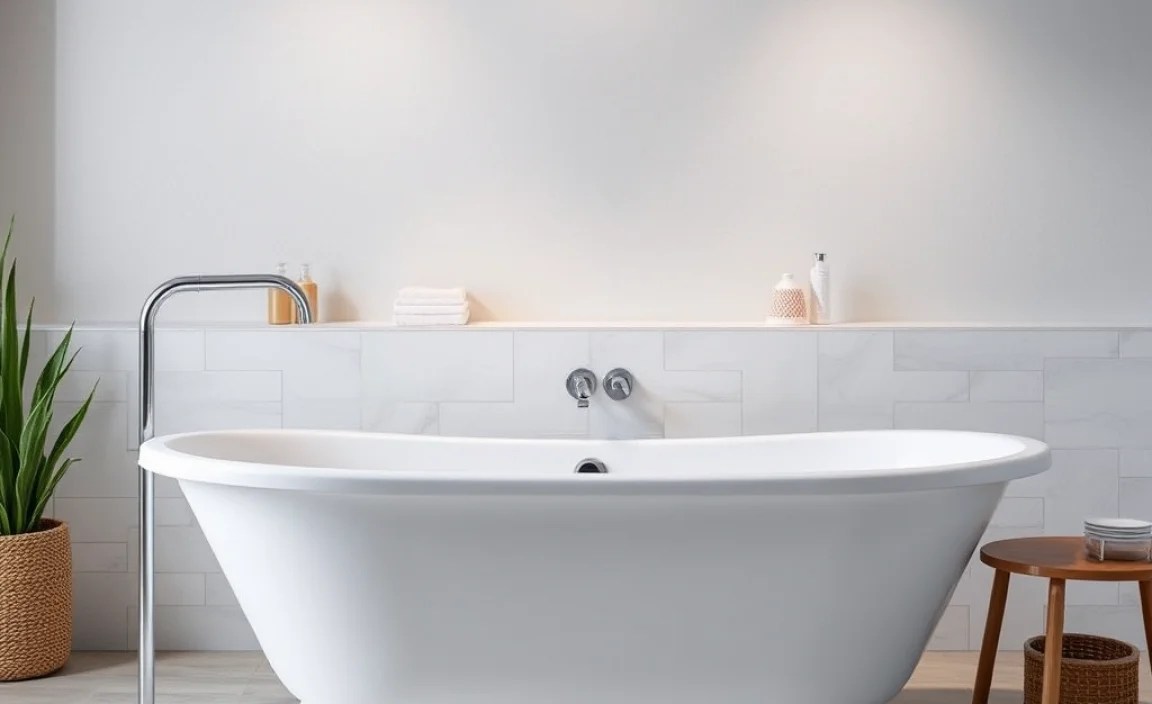
Bathtub materials affect your bathing experience. Common materials include acrylic, enamel, and cast iron. Each has its pros and cons. Acrylic is lightweight and easy to install. Enamel provides a smooth, shiny finish. Cast iron is durable and retains heat well. Choosing the right material enhances your bathroom and comfort.
| Material | Advantages | Disadvantages |
|---|---|---|
| Acrylic | Lightweight, easy to install | Prone to scratches |
| Enamel | Shiny, smooth finish | Can chip over time |
| Cast Iron | Durable, retains heat well | Heavy, hard to install |
| Fiberglass | Affordable, easy to repair | Less durable than others |
- Acrylic is easy to handle.
- Enamel looks shiny and new.
- Cast iron is very sturdy.
- Fiberglass is budget-friendly.
- Choose what fits your needs best.
When choosing a bathtub, consider your needs and bathroom style. Each material offers different benefits. Think about ease of cleaning, weight, and durability. A well-chosen tub enhances your bathing experience. It also adds value and style to your home. Consider your budget and the features you desire.
Fun Fact or Stats : Cast iron bathtubs can last over 100 years with proper care!
How Does Material Affect Bathtub Use?
Have you ever touched a cold bathtub? Material affects how warm it stays. Cast iron keeps water warm longer. Acrylic might cool down faster. Enamel looks shiny but can chip. Fiberglass is lightweight, making it easy to move. Choose a material that suits your preferences and comfort.
Why Are Bathtub Materials Important?
Did you know that the right material can save you money? Durable materials last longer. This means fewer replacements. They also require less maintenance. A durable tub can withstand daily use. Choose high-quality materials for a long-lasting bathtub. It’s worth the investment.
What Material is Best for You?
Choosing the right bathtub material depends on your needs. Acrylic is great for easy handling. Cast iron provides luxury and warmth. Enamel offers a classic look. Fiberglass is budget-friendly and easy to repair. Consider your priorities. Do you want durability, style, or affordability? The choice is yours!
Conclusion
Understanding bathtub components in plumbing makes bathing more enjoyable. Drains, overflows, faucets, and stoppers all work together. Each part plays a role in comfort and safety. Regular maintenance ensures everything functions well. Choose materials that fit your needs for a lasting bathtub experience. Enjoy every splash!
FAQs
Question: Why is the bathtub drain important?
Answer: The bathtub drain lets water exit the tub smoothly. It prevents water from overflowing onto the bathroom floor. Keeping it clean avoids clogs and maintains proper function. A functioning drain helps keep your bathing experience pleasant and hassle-free.
Question: How do overflows work in bathtubs?
Answer: Overflows are safety features in bathtubs. They prevent water from spilling over the tub’s edge. When water reaches the overflow hole, it gets redirected down to the drain. This keeps the bathroom floor dry and avoids accidents from slippery surfaces.
Question: What is the role of a bathtub faucet?
Answer: The bathtub faucet controls water flow into the tub. It also adjusts the temperature. This allows you to have a comfortable bath. Different styles of faucets provide options for control and design. It’s a key part of bathtub components in plumbing.
Question: How do I maintain bathtub components?
Answer: Regular cleaning and checks help maintain bathtub components. Ensure drains and overflows are clear of debris. Fix faucet leaks promptly. Clean the stopper area for a tight seal. Proper care extends the life of your bathtub and keeps it functioning well.
Question: Why choose cast iron for a bathtub?
Answer: Cast iron bathtubs are durable and retain heat well. They provide a luxurious bath experience. Despite being heavy, they are long-lasting. They are an excellent choice for those who want a timeless piece in their bathroom.
Question: Can bathtub components affect water conservation?
Answer: Yes! Properly functioning components like faucets and stoppers help conserve water. Leaks waste water. Efficient components ensure water isn’t wasted. Using water-saving faucets also reduces usage, benefiting the environment.
