
A bathtub diagram is a visual guide showing the parts of a bathtub and plumbing. Understanding it helps with repairs, upgrades, and choosing the right fixtures. This guide breaks down common bathtub components and their pros and cons, making maintenance simple and effective.
Understanding Your Bathtub: A Beginner’s Guide to Diagrams, Pros, and Cons

Ever stare at your bathtub and wonder what all those parts are called? Or maybe you’re planning a bathroom renovation and feel a bit lost looking at different tub options. Don’t worry, you’re not alone! Bathrooms can seem complicated, but understanding the basics of your bathtub is simpler than you think. This guide will demystify bathtub diagrams, explain the essential parts, and walk you through the pros and cons of different bathtub features. We’ll break it down so you can tackle any project with confidence, from a simple fix to a full upgrade. Get ready to become a bathroom pro!
What is a Bathtub Diagram?
A bathtub diagram is basically a map of your bathtub and its related plumbing. Think of it like the instruction manual for your tub, but in picture form. It shows you where everything is located – from the drain and overflow to the faucet and handles. These diagrams are incredibly useful for:
- Troubleshooting Leaks: If you have a drip, knowing where the components are helps you pinpoint the problem.
- Planning Repairs: Whether you’re replacing a worn-out part or fixing a clog, a diagram shows you how things connect.
- Making Upgrades: When you want to install a new faucet or showerhead, the diagram helps visualize the existing setup.
- Shopping for Parts: Armed with knowledge from a diagram, you can confidently buy the correct replacement parts.
Understanding these diagrams is the first step to mastering your bathroom’s core fixture. Let’s dive into the common parts you’ll find.
Essential Bathtub Components: A Visual Breakdown
While bathtubs can vary, most share a common set of components. Here’s a look at the key parts you’ll typically see on a bathtub diagram, explained in simple terms:
1. The Bathtub Itself (The Vessel)
This is the main basin where you fill up with water. They come in many shapes, sizes, and materials, each with its own benefits and drawbacks.
2. Drain Assembly
This system is crucial for emptying the tub. It usually consists of a few key parts:
- Drain Flange: The visible metal piece at the bottom of the tub that you might see hair or soap scum on.
- Stopper: The part that blocks the drain to fill the tub. This can be a pop-up stopper, a lift-and-turn stopper, or a toe-touch stopper.
- Strainer: Sometimes integrated with the flange, this catches debris to prevent clogs.
- Drain Shoe and Tailpiece: These are the parts hidden beneath the tub that connect the flange to the drainpipe going down through the floor.
3. Overflow Assembly
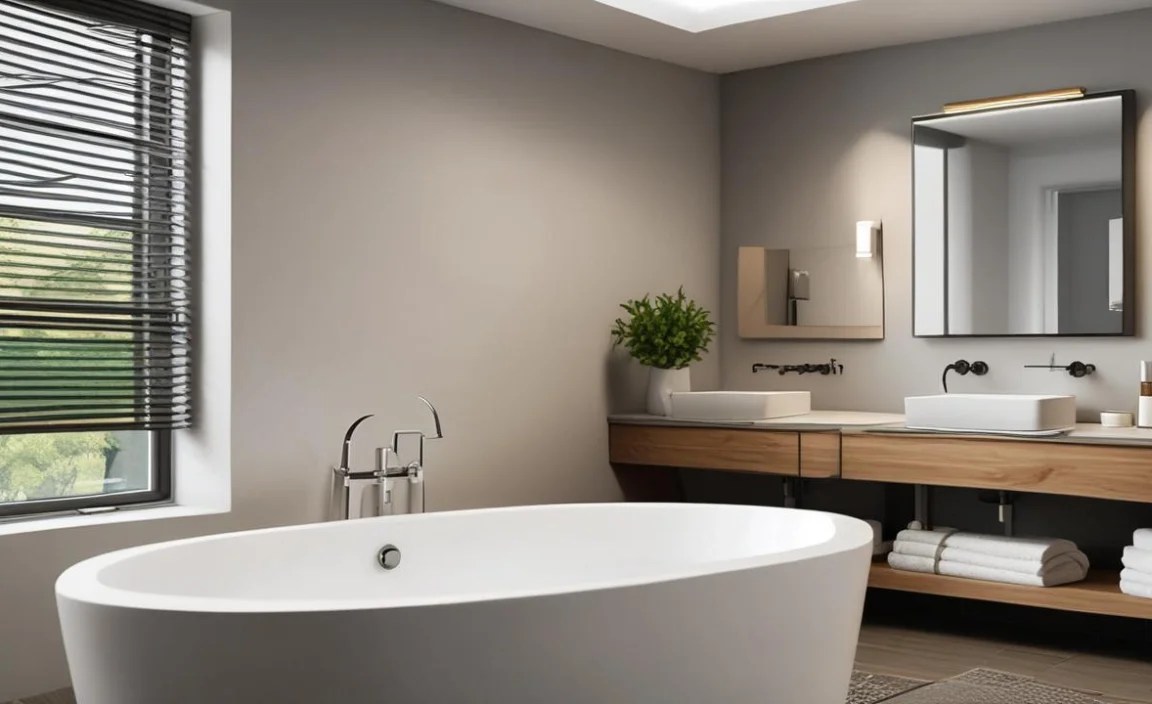
This is a safety feature designed to prevent your bathtub from overflowing. It’s usually located a few inches above the drain. Here are its main parts:
- Overflow Plate: The decorative plate on the tub wall, often with screw holes.
- Lever (if applicable): Some older overflow types have a lever on the plate to operate a stopper inside the drain.
- Overflow Tube: A pipe that connects the overflow plate to the drain shoe. When water reaches this level, it flows down this tube and into the main drain.
4. Faucet and Spout
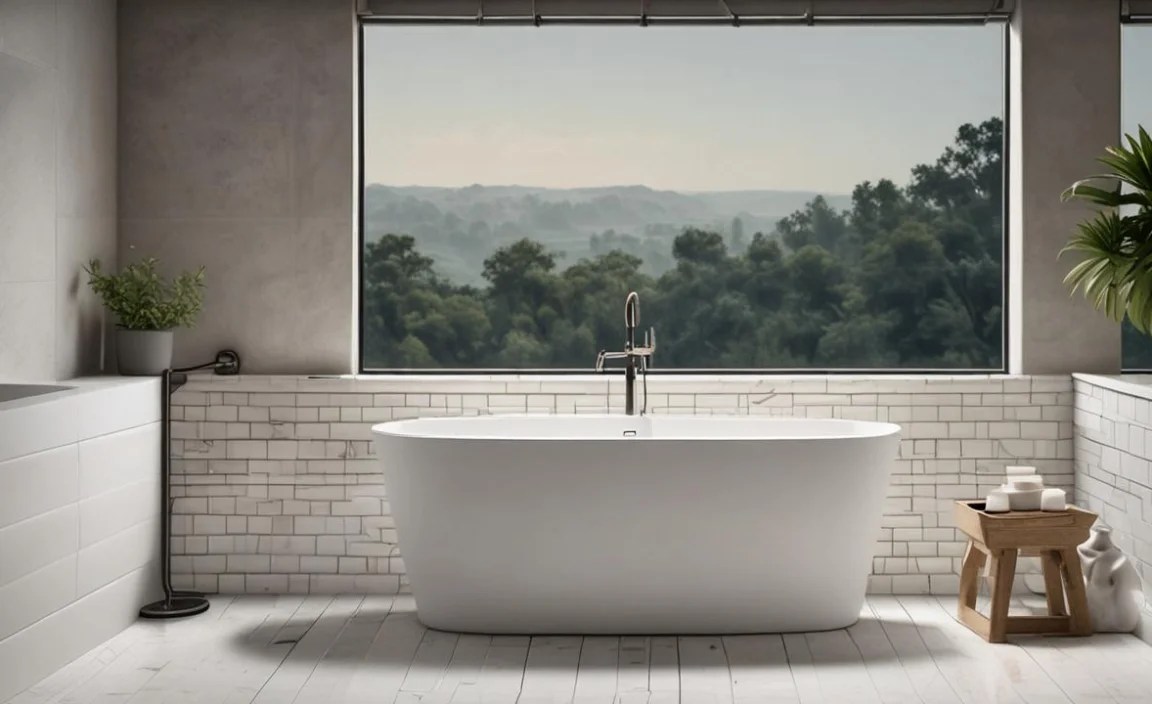
This is where the hot and cold water comes from. It can be a simple spout, or often includes shower controls.
- Spout: The fixture that delivers water into the tub.
- Handles: These control the flow and temperature of the water. They can be knobs, levers, or even touchless sensors.
- Cartridge/Valve: Located behind the wall and handles, this is the inner mechanism that mixes hot and cold water and controls the flow.
5. Shower Head and Arm (if it’s a tub/shower combo)

If your bathtub also serves as a shower, you’ll have these components:
- Shower Head: The part that sprays water down.
- Shower Arm: The pipe that connects the shower head to the water supply behind the wall.
- Diverter: A valve, often controlled by a knob or lever on the spout or faucet body, that redirects water from the tub spout to the shower head.
Having a basic understanding of these parts is key. Now that we know what they are, let’s look at how different choices impact your experience.
Diving Deeper: Types of Bathtubs and Their Pros & Cons

When you’re looking at bathtub diagrams or shopping for a new tub, you’ll encounter different types of bathtubs. Each is designed for a specific purpose and offers a unique set of benefits and drawbacks. Understanding these can help you make the best choice for your bathroom and lifestyle.
1. Alcove Bathtubs
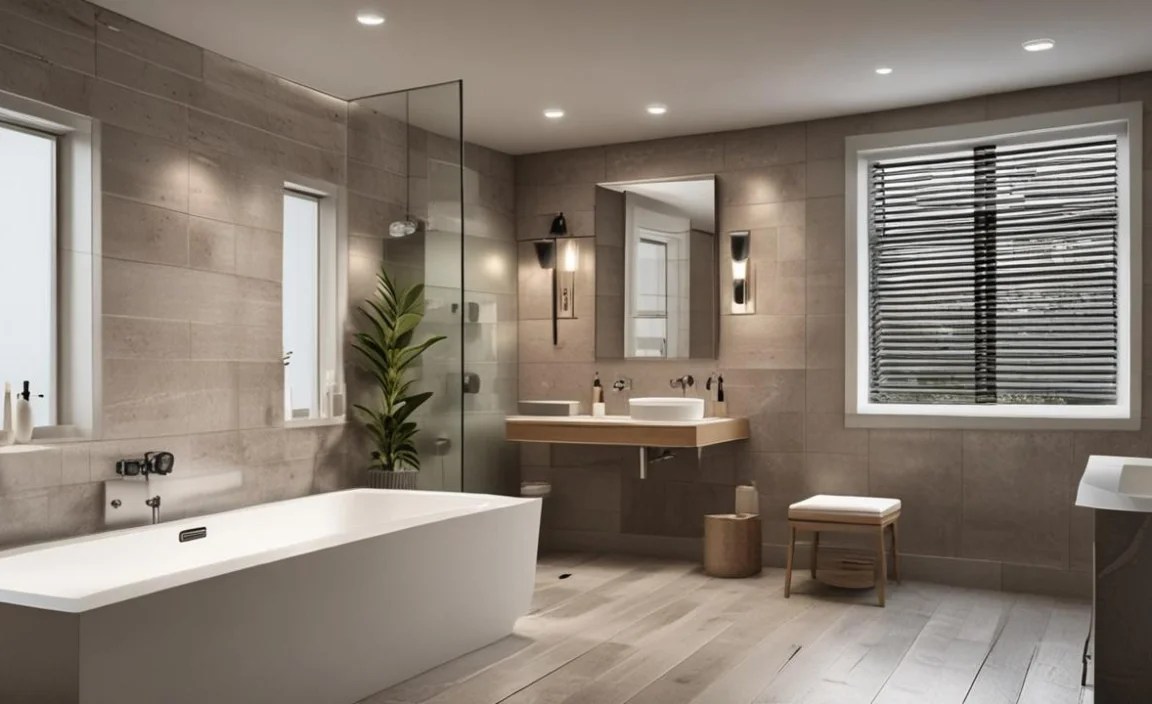
These are the most common type, designed to fit into a three-walled recess in your bathroom. They usually have a one-sided finished exterior, meaning the front is the only exposed side.
Pros:
- Space-Efficient: Perfect for standard-sized bathrooms and make good use of space.
- Easy Installation: Their design simplifies installation, especially in new constructions or major renovations.
- Cost-Effective: Generally less expensive than other types due to mass production and simpler design.
- Versatile: Available in various materials, depths, and lengths to suit different needs. Many can be fitted with shower surrounds for a complete tub/shower unit.
Cons:
- Limited Style Options: Their built-in nature can limit aesthetic versatility compared to freestanding tubs.
- Standard Depths: Many are not as deep as soaking tubs, which can be a drawback for those who love a deep, immersive bath.
2. Drop-In Bathtubs
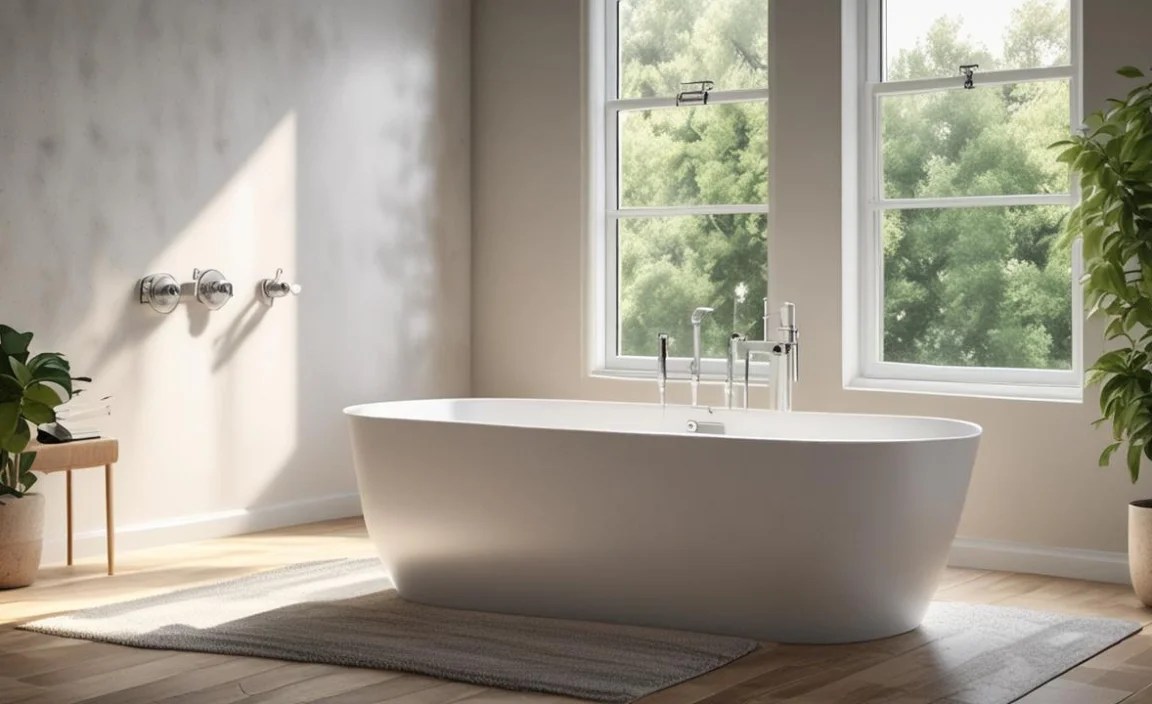
Also known as a “top-mount” tub, a drop-in tub is installed into a pre-built deck or enclosure. The rim of the tub rests on the surface of the deck.
Pros:
- Integrated Look: Creates a seamless appearance, especially when surrounded by tile or stone.
- DIY-Friendly: Can be easier for DIYers to install as the plumbing is typically accessed from below or through the deck.
- Flexibility in Size: Can be found in larger dimensions than some alcove tubs.
Cons:
- Less Dramatic Flair: They don’t make as bold a statement as freestanding tubs.
- Cleaning Can Be Tricky: The junction between the tub rim and the deck can accumulate dirt and require careful cleaning.
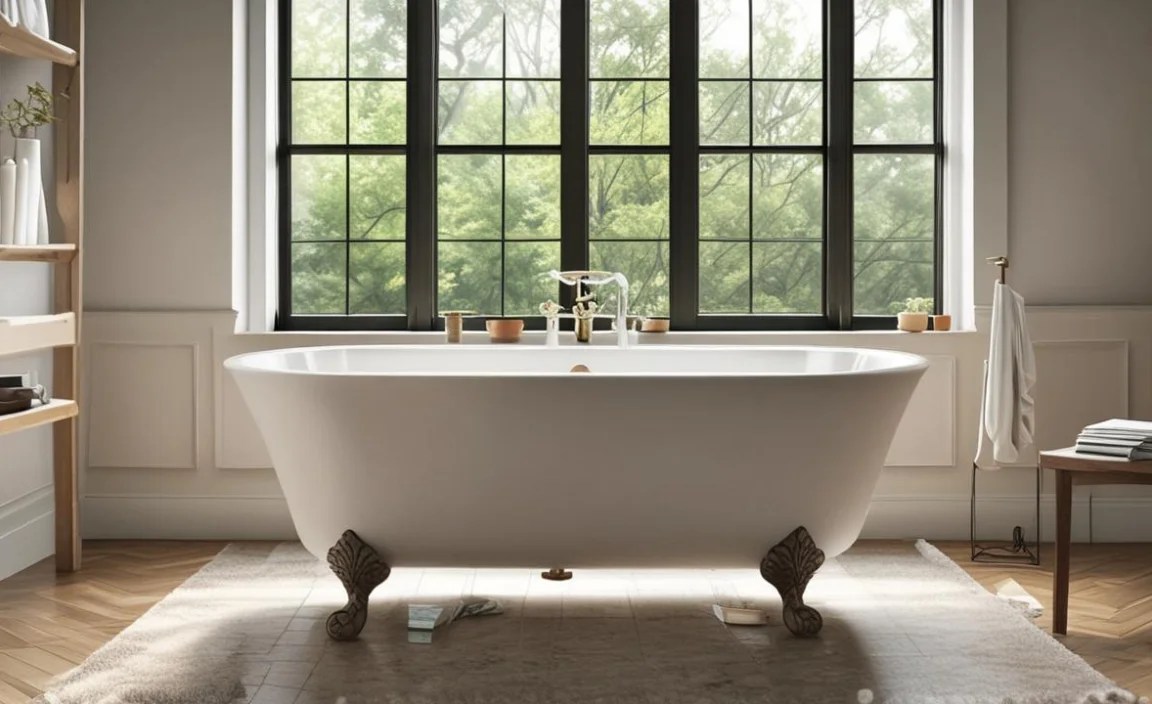
3. Freestanding Bathtubs
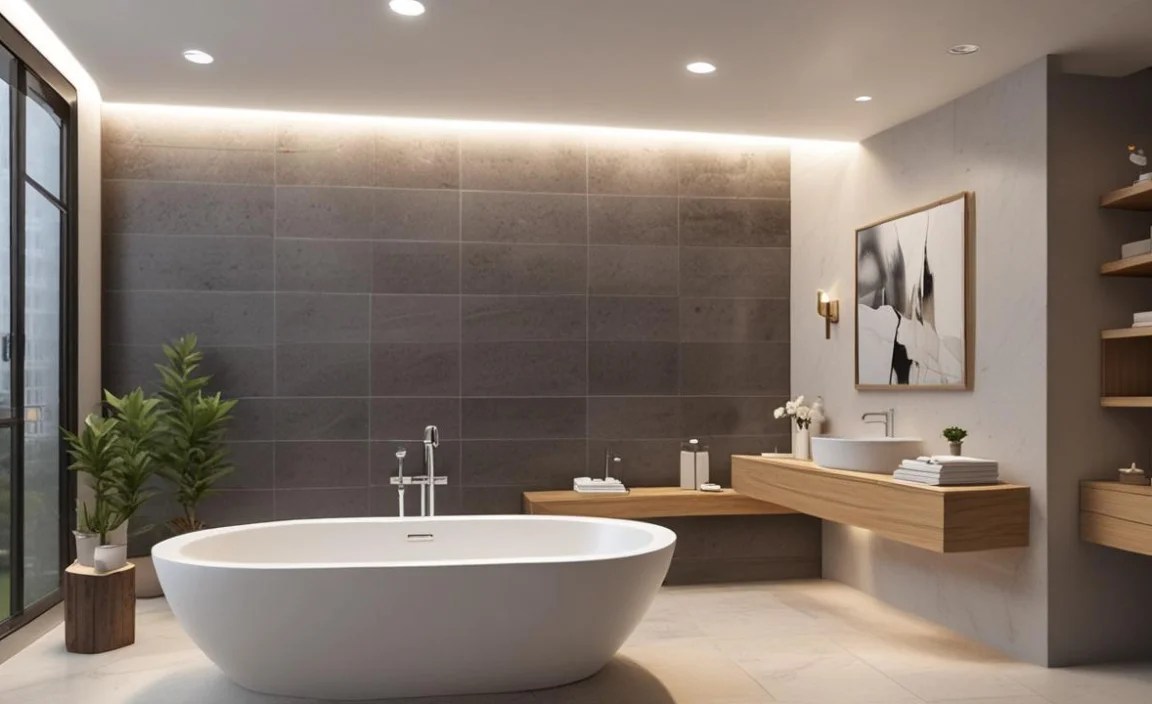
These tubs are not attached to any walls and can be placed anywhere in the bathroom. They make a strong design statement.
Pros:
- Aesthetic Appeal: They are the centerpiece of a bathroom, offering a luxurious and spa-like feel.
- Design Flexibility: Available in a wide range of styles, from modern minimalist to classic claw-foot.
- No Wall Installation Needed: Can be placed away from walls, offering more layout options in larger bathrooms.
- Deep Soaking Options: Many freestanding tubs are designed for deep immersion.
Cons:
- Higher Cost: Generally more expensive than built-in tubs, both for the unit and installation.
- Complex Installation: Requires specific plumbing configurations (floor or ceiling mounted faucets, exposed water lines) and potentially a sturdier subfloor.
- Space Requirements: Best suited for larger bathrooms to avoid feeling cramped.
- Cleaning Around the Base: Requires cleaning access all around the tub.
4. Corner Bathtubs
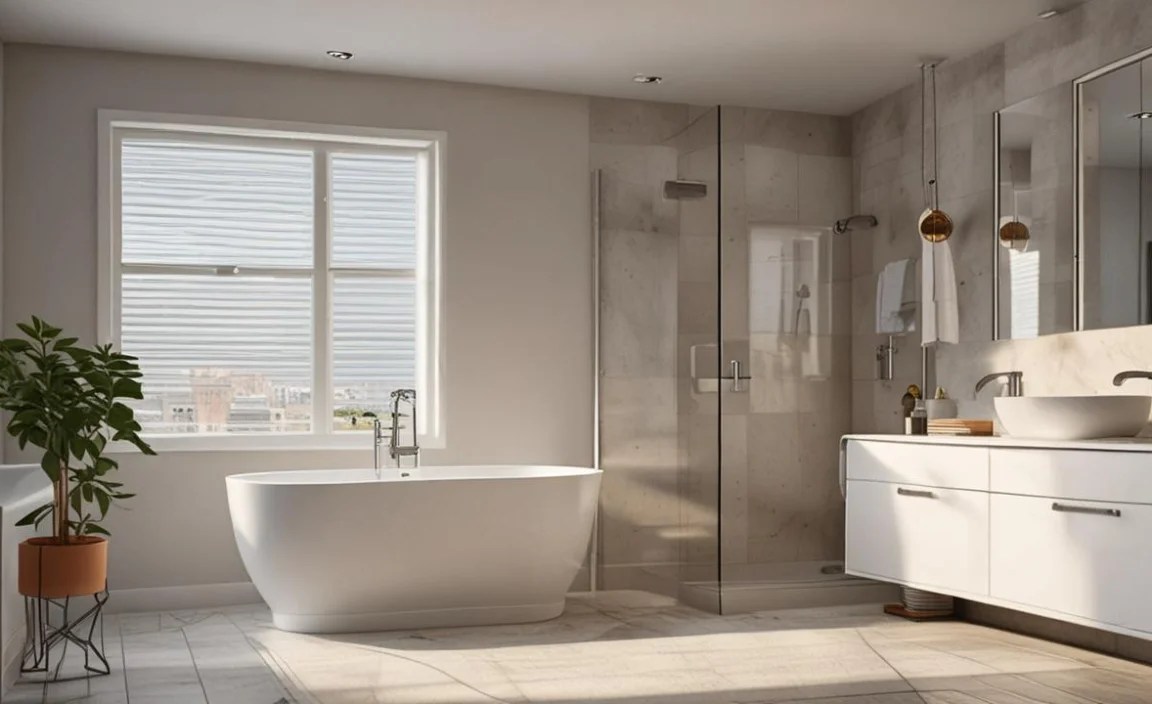
Designed to fit into a corner, these tubs often have a large bathing area and can be quite luxurious. They can be triangular, or square/rectangular with a curved front.
Pros:
- Space Optimization: Efficiently uses corner space, which can be awkward in some layouts.
- Spacious Interior: Often offer a larger bathing area than standard tubs.
- Can Be Jacuzzi/Soaking Tubs: Many corner tubs are designed for hydrotherapy features.
Cons:
- Requires Specific Layout: Only fits in a bathroom designed with a suitable corner.
- Can Be Bulky: Even though they use a corner, they can still take up a significant amount of floor space.
5. Japanese Soaking Tubs (Ofuro)

These are typically deep, rectangular tubs designed for sitting upright and soaking. They are meant more for cleansing and relaxation than for washing.
Pros:
- Deep Immersion: Excellent for therapeutic soaking and relaxation due to their depth.
- Space-Saving Exterior: While deep, their footprint can sometimes be smaller than a standard tub, especially in length.
- Cultural Aesthetic: Offers a unique, serene bathing experience.
Cons:
- Not for Washing: Not suitable for bathing children or washing thoroughly within the tub itself.
- Requires Sitting Upright: Not ideal for those who prefer to recline.
- Installation Complexity: May require specialized plumbing and ensuring the floor can support the weight of the water and a person.
Bathtub Materials: What They Mean for You
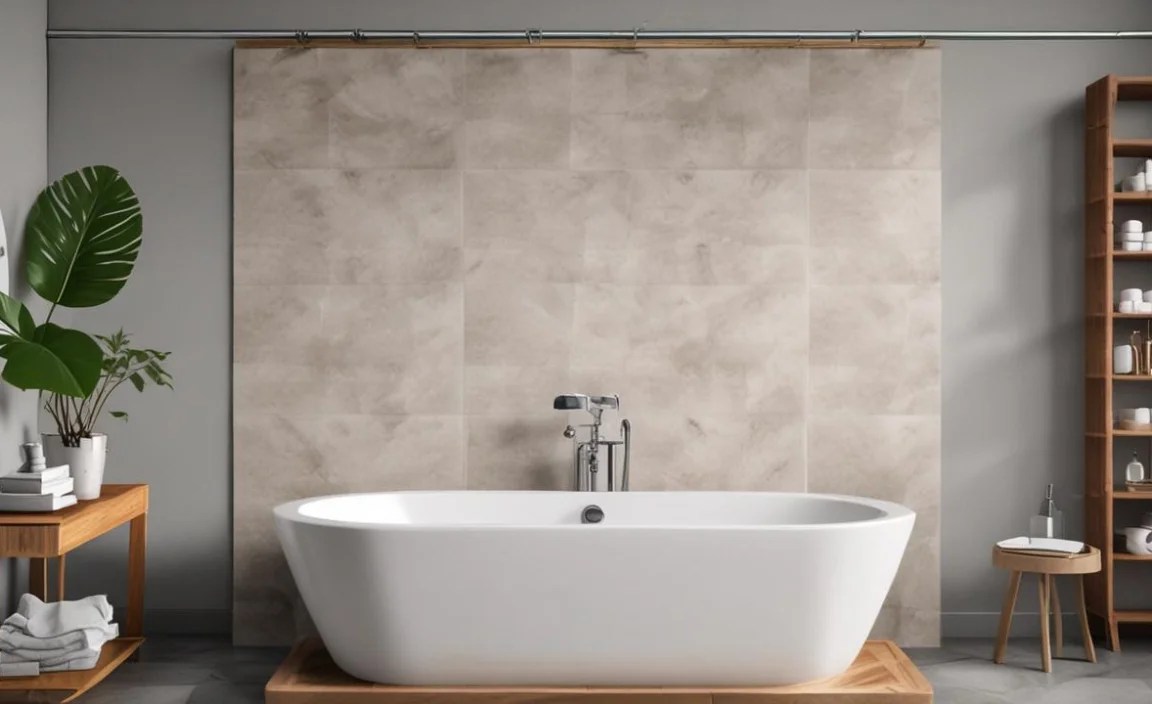
The material of your bathtub significantly impacts its durability, maintenance, cost, and look. Understanding these differences is crucial for making an informed decision.
| Material | Pros | Cons |
|---|---|---|
| Acrylic |
|
|
| Porcelain-Enamel on Steel/Cast Iron |
|
|
| Fiberglass |
|
|
| Solid Surface (e.g., Cultured Marble, Resin) |
|
|
| Stone (e.g., Granite, Marble, Travertine) |
|
|
Understanding Faucet and Drain Types: Function and Features
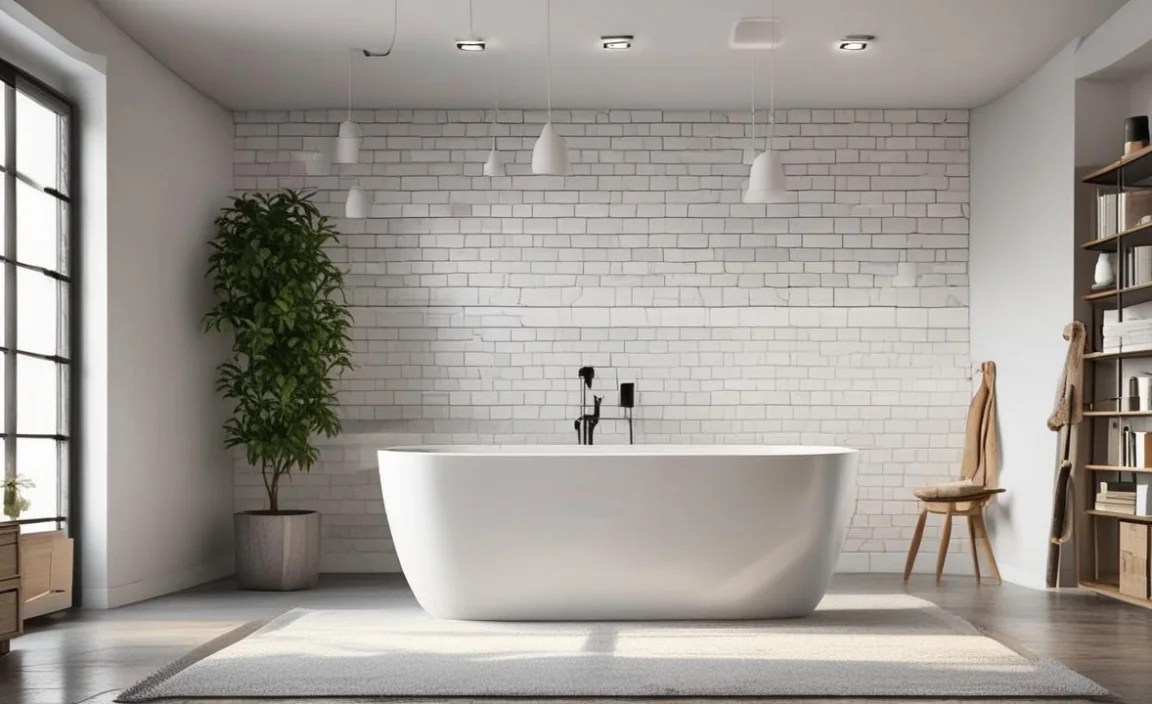
The faucet and drain are critical to your bathtub’s functionality. Choosing the right type can affect ease of use, water efficiency, and your overall bathing experience.
Faucet Styles
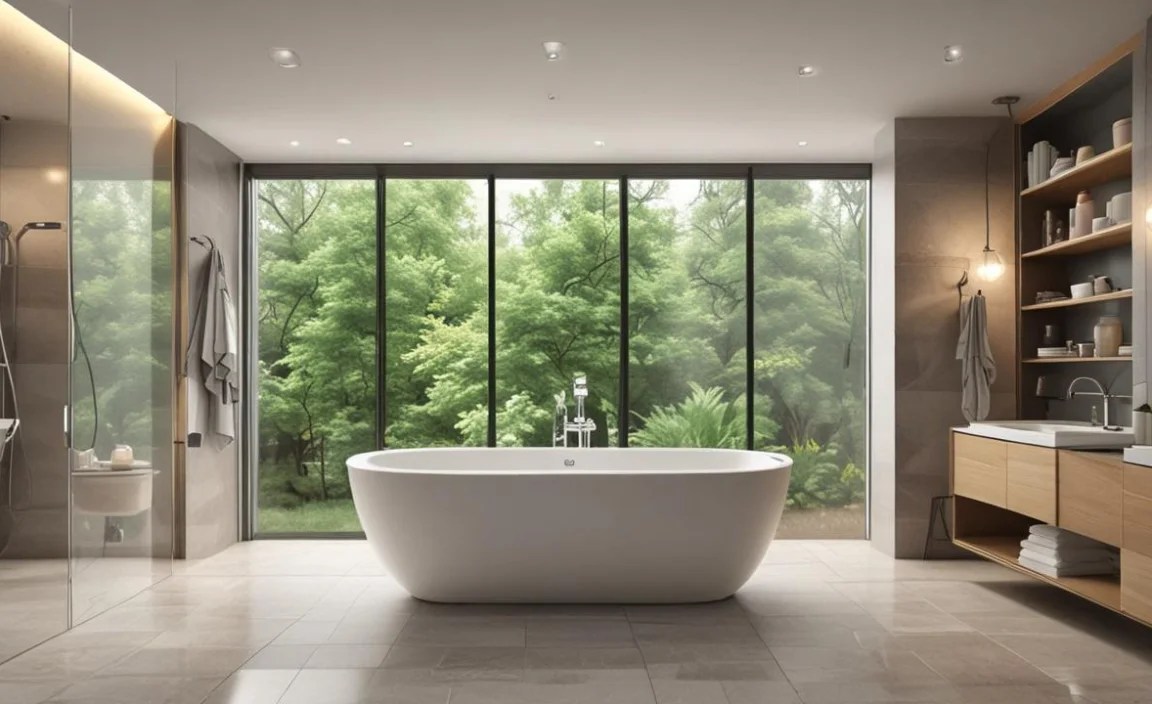
Beyond the basic spout and handles, faucets come in various configurations:
- Wall-Mount: The most traditional type, with the spout and controls mounted directly on the wall behind the tub.
- Deck-Mount: The faucet and handles are installed on the rim of the bathtub or a surrounding deck. This is common with drop-in and freestanding tubs.
- Freestanding Faucets: These stand independently on the floor and connect directly to the water supply, typically used with freestanding tubs for a dramatic effect.
Handle Types
The way you control your water temperature and flow can vary:
- Two-Handle Faucets: Separate handles for hot and cold water. Classic and traditional.
- Single-Handle Faucets: One lever controls both temperature and flow. Convenient and modern.
- Thermostatic/Pressure-Balancing Valves: These are installed behind the wall and help maintain a consistent water temperature, preventing sudden scalding or chilling. Essential for safety, especially with children.
- Touchless/Smart Faucets: Increasingly popular, these offer hands-free operation and advanced temperature control.
Drain and Stopper Types
As mentioned earlier, how you stop up and release water can differ:
- Pop-Up Stopper: Operated by a lever on the overflow plate. You push the lever down to close the drain, and pull it up to open.
- Lift-and-Turn Stopper: A knob on top of the cap that you lift and turn to open or close the drain.
- Toe-Touch Stopper: You push down on the cap with your toe to open or close it.
- Trip Lever Stopper: Similar to pop-up, but the lever might be on the spout.
- Strainer Drains: Some modern tubs have a simple strainer with no moving parts, often paired with a separate stopper that sits inside the drain.
Pros and Cons of Drain/Stopper Types

| Stopper Type | Pros | Cons |
|---|---|---|
| Pop-Up/Trip Lever |
|
|
| Lift-and-Turn |
|
|
| Toe-Touch |
|
|
| Strainer with Separate Stopper |
|
|
Bathtub Features: Enhancing Your Bathing Experience
Beyond the basics, modern bathtubs offer a range of features designed to enhance comfort, relaxation, and functionality. These can add significant value but also increase cost and complexity.
1. Jetted Tubs (Whirlpool and Jacuzzi)
These tubs have jets strategically placed around the basin to provide a massage-like experience, circulating water and air for a therapeutic bath.
Pros:
- Relaxation and Pain Relief: The hydrotherapy jets can ease muscle tension and soreness.
- Luxurious Experience: Offers a spa-like feel in your own home.
- Variety of Jet Systems: From gentle bubbles to powerful streams, you can choose the intensity.
Cons:
- Higher Cost: Significantly more expensive than standard bathtubs, both for the unit and installation.
