
Have you ever wondered what makes a bathtub special? A bathtub is more than a place to get clean. It’s a spot for relaxation and fun. Knowing the bathtub structure pros and cons can help you make the best choice for your home. Dive into this article to learn more about bathtubs and how they can transform a bathroom. You might be surprised at how many options there are!
Key Takeaways
- Bathtubs offer comfort and style to any bathroom.
- Different materials have unique pros and cons.
- Understanding bathtub structure pros and cons is essential.
- Choose a bathtub based on your space and needs.
- Proper installation ensures safety and longevity.
What Makes Bathtub Structures Unique?
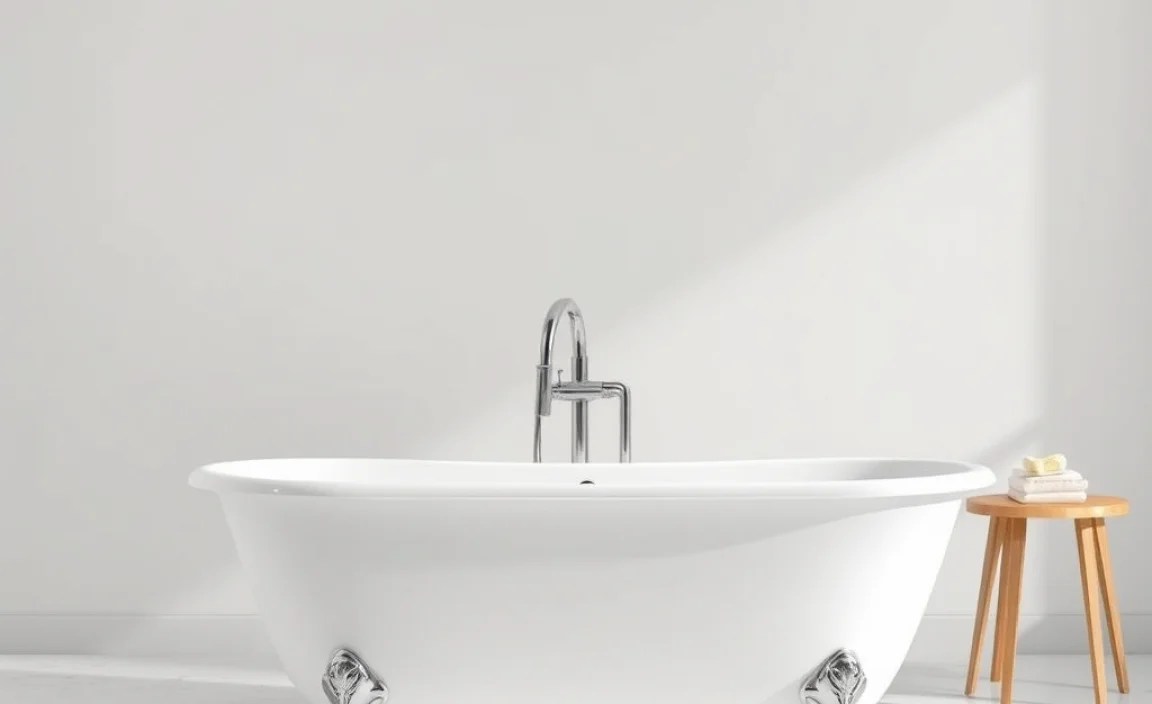
Bathtubs come in various shapes and sizes. Each type has its own unique features. Some bathtubs are made from acrylic. Others might be cast iron or fiberglass. Each material affects the tub’s weight and durability. Understanding these factors helps in choosing the right tub. The structure of a bathtub isn’t just about looks. It involves practical design choices too.
- Acrylic tubs are lightweight and easy to install.
- Cast iron tubs are durable but heavy.
- Fiberglass tubs are budget-friendly but less sturdy.
- Steel tubs are strong and resist chipping.
- Porcelain tubs have a classic look but can chip.
Choosing the right structure depends on what you need. If you want something easy to install, acrylic might be best. Cast iron suits those looking for classic and durable options. For budget-friendly choices, fiberglass works well. Each has its own trade-offs. When deciding, consider both how the tub looks and how it will be used.
Fun Fact or Stats : The first modern bathtub in the U.S. was installed in 1842!
Why Do Materials Matter?
Have you ever felt a warm bath on a chilly day? The material of your bathtub affects this experience. Some materials hold heat better than others. Cast iron, for example, keeps water warm longer. Acrylic might cool down faster. When choosing, think about how you like to bathe. Do you enjoy long soaks or quick showers? The material can make a big difference!
How Does Weight Affect Installation?
Did you know some bathtubs are very heavy? Cast iron tubs can weigh hundreds of pounds. This can make them hard to move and install. Lighter tubs like acrylic are easier to handle. If you live in an upstairs apartment, weight matters. You wouldn’t want a tub that’s too heavy for your floor. Always check your bathroom’s support before choosing a heavy tub.
What About Durability and Maintenance?
Imagine having a bathtub that always looks new. Some materials, like fiberglass, might scratch or fade over time. Cast iron and steel are more durable. They resist scratches and chips better. But, they might cost more upfront. Think about how much work you want to do to keep your tub looking good. You don’t want to spend all your time cleaning or fixing it.
Pros and Cons of Different Bathtub Materials

Choosing a bathtub involves weighing pros and cons. Each material offers something different. It’s important to know what you’re getting with each. Some materials offer more comfort. Others may last longer or be easier to clean. Understanding bathtub structure pros and cons will help you make the best decision.
- Acrylic is easy to clean but may scratch.
- Cast iron is long-lasting but heavy.
- Fiberglass is affordable but less durable.
- Steel is strong but can be cold to the touch.
- Porcelain looks nice but chips easily.
When choosing, balance the pros and cons. Consider the price and how the tub feels. Does it fit your bathroom style? These questions guide you to the best choice. Remember, the right tub can make all the difference in your bathroom.
Fun Fact or Stats : The world’s largest bathtub can hold over 4,000 gallons of water!
How Do Acrylic Bathtubs Perform?
Have you ever seen a shiny, colorful bathtub? Acrylic tubs come in many styles and colors. They’re lightweight and easy to shape. This makes them a popular choice. But, they can scratch more easily than other materials. If you’re looking for a fun, stylish tub, acrylic might be right. Just be ready to handle scratches with care.
Are Cast Iron Tubs Worth the Weight?
Imagine a bathtub that could last a lifetime. Cast iron tubs are incredibly durable. They stay warm longer, too. But, they are very heavy. Installation might be tricky and costly. If you’re looking for something classic and strong, cast iron is a great choice. Just be prepared for the challenges of installing a heavy tub.
What About Fiberglass Tubs?
Do you need a budget-friendly bathtub? Fiberglass could be the answer. It’s lightweight and easy to install. But, it might not last as long as other materials. Over time, it can scratch or fade. If you’re looking for a quick and affordable option, fiberglass can work. Just know it might need more care over the years.
Best Bathtub Structures for Your Space

Every bathroom is different. Choosing the right bathtub involves thinking about your space. Some bathtubs fit well in small bathrooms. Others need more room. Understanding bathtub structure pros and cons helps in decision making. Consider the size and shape of your bathroom before you buy a tub.
- Corner tubs save space in small bathrooms.
- Freestanding tubs add style but need room.
- Drop-in tubs fit into custom decks.
- Alcove tubs work well in tight spaces.
- Walk-in tubs are great for accessibility.
Choosing the right tub can transform your bathroom. Consider how much space you have and your style preferences. A corner tub might save space, while a freestanding tub adds luxury. Always measure your space before making a purchase. The right tub should fit both your style and space needs.
Fun Fact or Stats : Bathtubs can come in over 20 different shapes!
Why Choose a Freestanding Bathtub?
Have you seen a bathtub that stands alone? Freestanding tubs are stylish and elegant. They can become the centerpiece of a bathroom. But, they need more space. If your bathroom is large, a freestanding tub is a fantastic choice. It provides a touch of luxury and sophistication that’s hard to beat.
How Do Alcove Bathtubs Fit In?
Imagine a tub that fits snugly between three walls. That’s an alcove bathtub! It’s perfect for small bathrooms. Alcove tubs are practical and space-saving. They often come with built-in shower options. If space is tight, an alcove tub is a smart choice. It’s versatile and functional, making it a popular choice for many homes.
What Are Walk-In Tubs?
Do you need a safe and accessible bathing option? Walk-in tubs have doors for easy entry. They’re perfect for people with mobility issues. Walk-in tubs offer comfort and independence. If safety is a concern, consider a walk-in tub. They provide peace of mind while still offering a relaxing bath experience.
Pricing and Budget Considerations
Buying a bathtub is an investment. Prices can vary widely based on the material and features. Some tubs are more affordable. Others come with extra luxury features that raise the price. Balancing your budget with your needs is key. Understanding bathtub structure pros and cons helps you make informed choices for your wallet.
- Acrylic tubs are generally affordable.
- Cast iron tubs cost more but last longer.
- Fiberglass tubs are budget-friendly.
- Freestanding tubs can be more expensive.
- Walk-in tubs may have additional costs.
When budgeting, consider the long-term value. Some tubs may cost more upfront but save money over time. For example, a durable cast iron tub might last decades. Always weigh the immediate cost against future benefits. This approach ensures you get the best value for your money.
Fun Fact or Stats : The average cost of a new bathtub ranges from $300 to $3,000!
How Do Materials Impact Cost?
Did you know the material of your tub affects its price? Acrylic and fiberglass are usually cheaper. Cast iron and freestanding tubs often cost more. When choosing, think about what’s most important to you. Do you want something affordable now, or are you investing for the future? The right choice balances cost with long-term satisfaction.
Are Luxury Features Worth It?
Imagine soaking in a tub with jets and lights. Luxury features can make a bath feel like a spa. But, they come at a higher cost. If you love a little luxury, these features can be worth it. They enhance the bathing experience significantly. Just remember, they require more maintenance and care.
What About Installation Costs?
Have you considered how much it costs to install a bathtub? Some tubs are easier and cheaper to install. Others, like cast iron or freestanding tubs, might need professional help. Installation costs can add up, so factor them into your budget. Sometimes, a simple tub with easy installation is the best choice for your finances.
Conclusion
Choosing the right bathtub can transform your bathroom. Understanding the bathtub structure pros and cons helps you make informed decisions. Consider the space, material, and budget. Balance aesthetics with functionality. With the right information, you can find the perfect bathtub for your home.
FAQs
Question: What are the main types of bathtub structures?
Answer: There are several types, including freestanding, alcove, and corner tubs. Each type has its pros and cons. Freestanding tubs offer style but need space. Alcove tubs save space and add practicality. Corner tubs fit into small bathrooms well. Knowing your space helps you choose the right one.
Question: Why choose an acrylic bathtub?
Answer: Acrylic bathtubs are lightweight and easy to install. They come in many styles and colors. However, they may scratch more easily than other materials. If you want a stylish and affordable option, acrylic can be a good choice. Just be ready to handle scratches with care.
Question: Are cast iron tubs durable?
Answer: Yes, cast iron tubs are very durable. They last a long time and keep water warm. However, they are heavy and may require professional installation. If you’re looking for a long-lasting, classic option, cast iron might be worth the investment.
Question: What are the pros and cons of fiberglass bathtubs?
Answer: Fiberglass bathtubs are affordable and lightweight. They are easy to install. However, they may not last as long as other materials. They can scratch or fade over time. If you’re on a budget, fiberglass is a good choice. Just be aware of the need for extra care.
Question: How do bathtub materials affect heat retention?
Answer: Bathtub materials have different heat retention qualities. Cast iron holds heat well, keeping the water warm longer. Acrylic might cool down faster. When choosing a tub, think about how you like to bathe. Bathtubs with good heat retention can make baths more enjoyable.
Question: What should I consider before buying a bathtub?
Answer: Consider the size of your bathroom, your budget, and the tub’s material. Think about the bathtub structure pros and cons. Decide if you need a space-saving or luxury option. Measure your space and ensure the tub fits both your style and needs.
