
Quick Summary:
Understanding bathtub types in plumbing is key for choosing the right fit for your bathroom renovation or repair. This guide breaks down the most common styles – alcove, drop-in, undermount, freestanding, and corner tubs – to help you make an informed decision based on your space, budget, and plumbing needs.
Stepping into your bathroom, the bathtub is often the star. But when it’s time for a refresh or a new installation, you might find yourself staring at a bewildering array of options. Which bathtub is right for your plumbing? Don’t get overwhelmed! This guide is here to make choosing the perfect bathtub a breeze. We’ll walk through the different bathtub types you’ll encounter in plumbing, explaining them in simple terms so you can confidently pick the one that best suits your home and your plumbing setup. Get ready to transform your bathroom!
Understanding Bathtub Types in Plumbing: Your Essential Guide

Embarking on a bathroom renovation or tackling a plumbing project can feel like a big undertaking, especially when it comes to choosing a new bathtub. The sheer variety can be daunting, but understanding the basics of each bathtub type in plumbing is the first step to a successful project. This guide will simplify things, breaking down the most common bathtub styles and what you need to know about their installation and plumbing requirements. Whether you’re a seasoned DIYer or just starting, we’ll equip you with the knowledge to make the best choice for your home.
Why Knowing Your Bathtub Type Matters
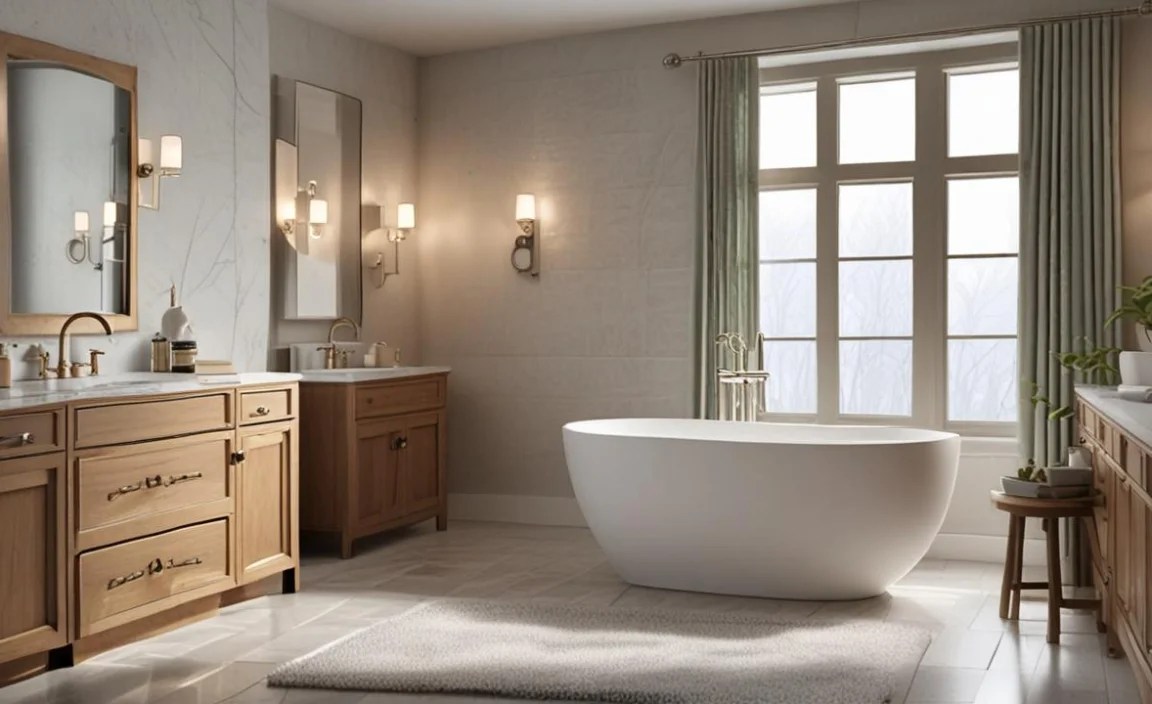
Choosing the right bathtub isn’t just about aesthetics; it’s deeply connected to your plumbing system. Different bathtub types have varying installation needs, water supply connections, and drainage requirements. Selecting a tub that’s compatible with your existing plumbing can save you a significant amount of money and hassle. Conversely, picking a tub without considering its plumbing implications can lead to costly modifications or even structural issues down the line. This guide aims to demystify these choices, ensuring you invest wisely in a bathtub that looks great and functions flawlessly with your home’s plumbing.
The Most Common Bathtub Types in Plumbing

Let’s dive into the most popular bathtub models you’ll find. Each has its own unique features, installation method, and plumbing considerations. Understanding these differences will help you narrow down your choices.
1. Alcove Bathtubs
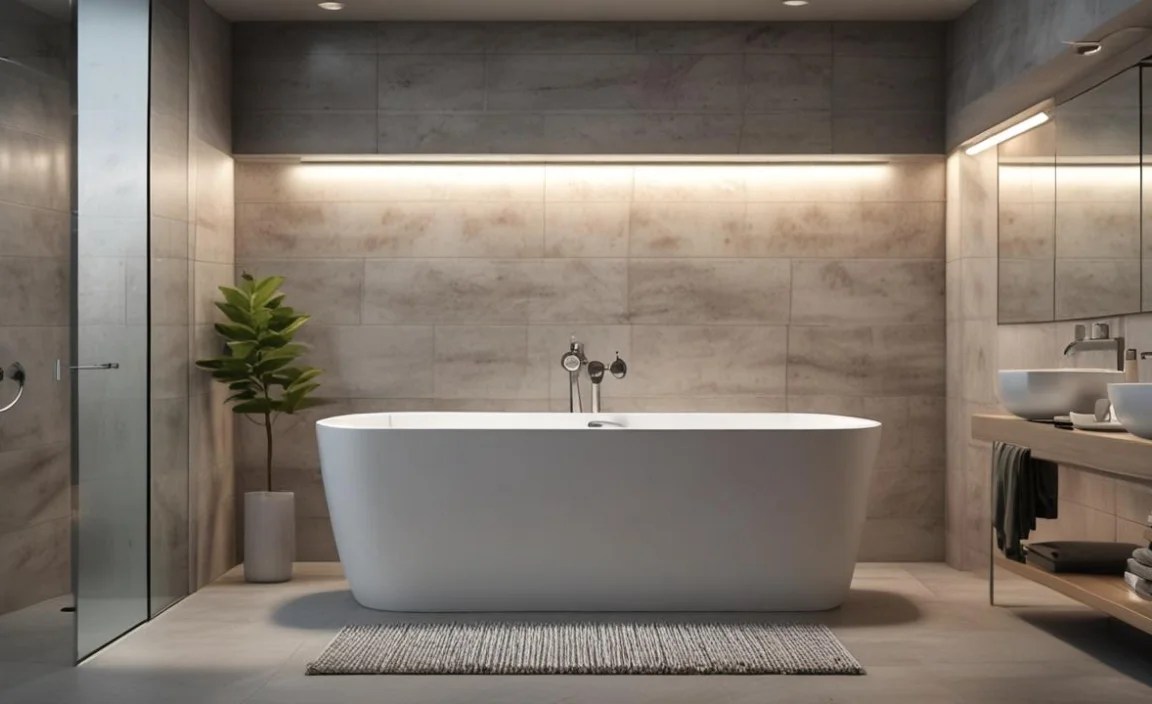
Alcove bathtubs are the workhorses of the bathing world, and you’ve likely seen them in countless homes. They are designed to fit into a three-walled recess (an alcove) in your bathroom. This design makes them very common and often the most cost-effective option, particularly for standard bathroom layouts. They typically have one finished side that faces into the room, while the other three sides are unfinished and intended to be enclosed by walls and tiles.
Installation and Plumbing for Alcove Tubs

- Installation: Alcove tubs are designed for easy installation within the prefabricated three-walled niche. They usually have a built-in tile flange around the rim, which is a crucial component for waterproofing.
- Plumbing: The plumbing connections for both the water supply (hot and cold faucets) and the drain are typically located behind the wall and beneath the tub, respectively. This makes them straightforward to connect to standard household plumbing. The tile flange helps create a watertight seal where the tub meets the walls, preventing water from seeping into the wall structure.
- Drainage: The drain is usually positioned at the base of the tub, directly beneath the overflow drain cover. Standard plumbing practices for kitchen and bathroom sink drains apply here.
Pros and Cons of Alcove Tubs

| Pros | Cons |
|---|---|
| Most common and widely available. | Limited design flexibility; must fit within an alcove. |
| Generally the most affordable option. | Less luxurious or spacious appearance compared to other types. |
| Easy to install, especially in new construction or when replacing an existing alcove tub. | The finished look is dependent on tiling and wall materials around it. |
| Built-in tile flange simplifies waterproofing. | Can sometimes feel a bit “built-in” and less like a statement piece. |
2. Drop-in Bathtubs (Soaking Tubs)
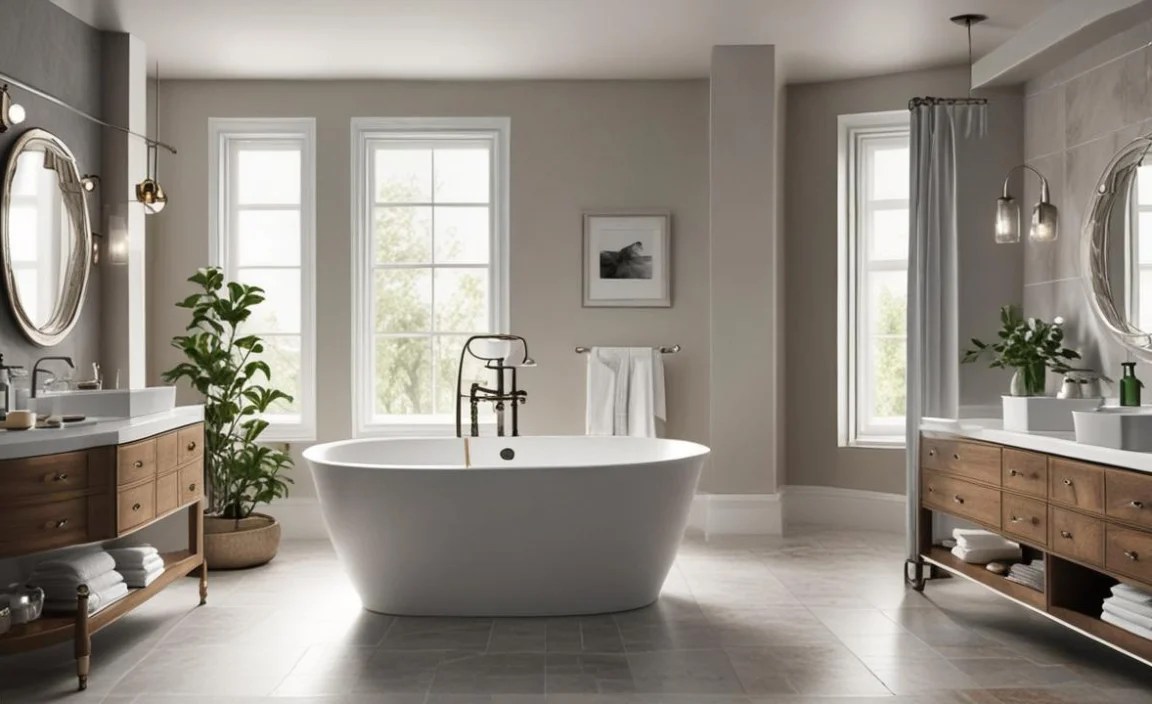
A drop-in bathtub, also known as a “top-mount” or “soaking tub,” is designed to be installed into a prepared deck or surround. Think of it like a sink that you drop into a countertop. The rim of the tub rests on top of the finished deck, hiding the edges of the cutout and the surrounding plumbing. These are popular for their ease of installation and their ability to be integrated into various bathroom designs, often creating a clean, built-in look.
Installation and Plumbing for Drop-in Tubs

- Installation: The installation involves creating a sturdy frame or deck around the tub. The tub is then “dropped” into this opening. The finished edges of the deck conceal the lip of the tub.
- Plumbing: Plumbing for drop-in tubs is typically accessed from underneath the deck or through an access panel. This means you need sufficient space below the deck to accommodate the water supply lines and the drain assembly. Faucets can be mounted on the tub deck itself or on the wall behind it.
- Drainage: Similar to alcove tubs, the drain is usually located at the bottom, beneath the overflow cover. The plumbing beneath needs to be accessible for installation and maintenance.
Pros and Cons of Drop-in Tubs

| Pros | Cons |
|---|---|
| Versatile design; can be installed in various bathroom layouts. | Requires a sturdy deck or frame structure to support its weight. |
| Relatively easy installation compared to undermount or freestanding tubs. | The exposed rim can collect dust and grime, requiring regular cleaning. |
| Often more affordable than undermount or freestanding options. | Plumbing access can be more challenging if not planned for in the deck design. |
| Can offer a more luxurious soaking experience. | May require more cleanup around the deck edge. |
3. Undermount Bathtubs
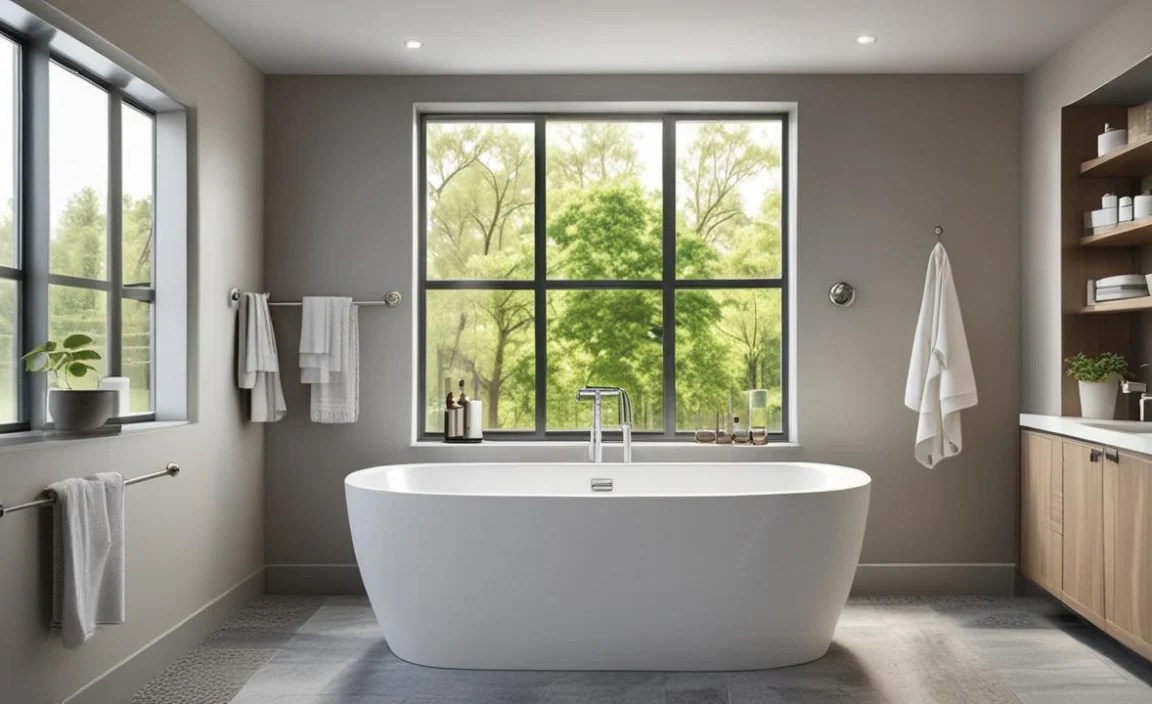
Undermount bathtubs offer a sleek, seamless look that integrates beautifully into modern bathrooms. Unlike drop-in tubs, the entire tub, including its rim, is installed beneath the countertop or deck. This creates a smooth, continuous surface from the bathroom floor or vanity to the tub itself, making cleaning incredibly easy and giving the space a minimalist, high-end feel. They are often seen as a more sophisticated alternative to drop-in tubs.
Installation and Plumbing for Undermount Tubs
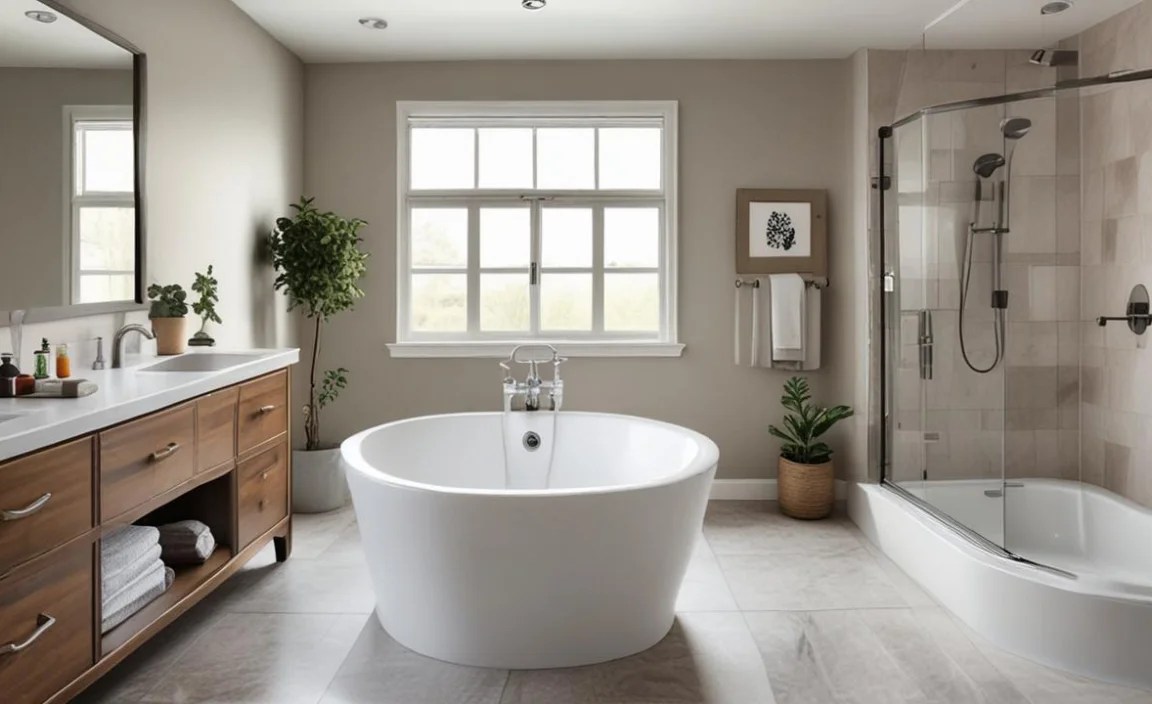
- Installation: This is the most complex installation of the built-in tub types. The deck material (like granite, quartz, or solid surface) is installed first, with a precise cutout for the tub to fit underneath. The tub is then secured from below. Proper sealing between the tub rim and the underside of the deck is critical to prevent water damage.
- Plumbing: Plumbing access usually requires an access panel or being able to access from below, similar to drop-in tubs, but potentially more challenging due to the hidden rim. Faucets are almost always wall-mounted or deck-mounted on the surrounding vanity.
- Drainage: Drainage is standard, located at the tub’s base, but the plumbing infrastructure needs to be carefully planned to ensure it can be safely installed and accessed for maintenance without disrupting the deck structure.
Pros and Cons of Undermount Tubs

| Pros | Cons |
|---|---|
| Extremely sleek and modern aesthetic. | Most expensive and complex to install among built-in tubs. |
| Easy to clean as there is no rim to trap dirt or water. | Requires a professional and meticulous installation to ensure proper sealing. |
| Creates a seamless look with the surrounding countertop. | Plumbing access can be difficult and may require specialized solutions. |
| Can increase the perceived size of a bathroom. | Can limit faucet placement options to wall-mount or specific deck-mount configurations. |
4. Freestanding Bathtubs
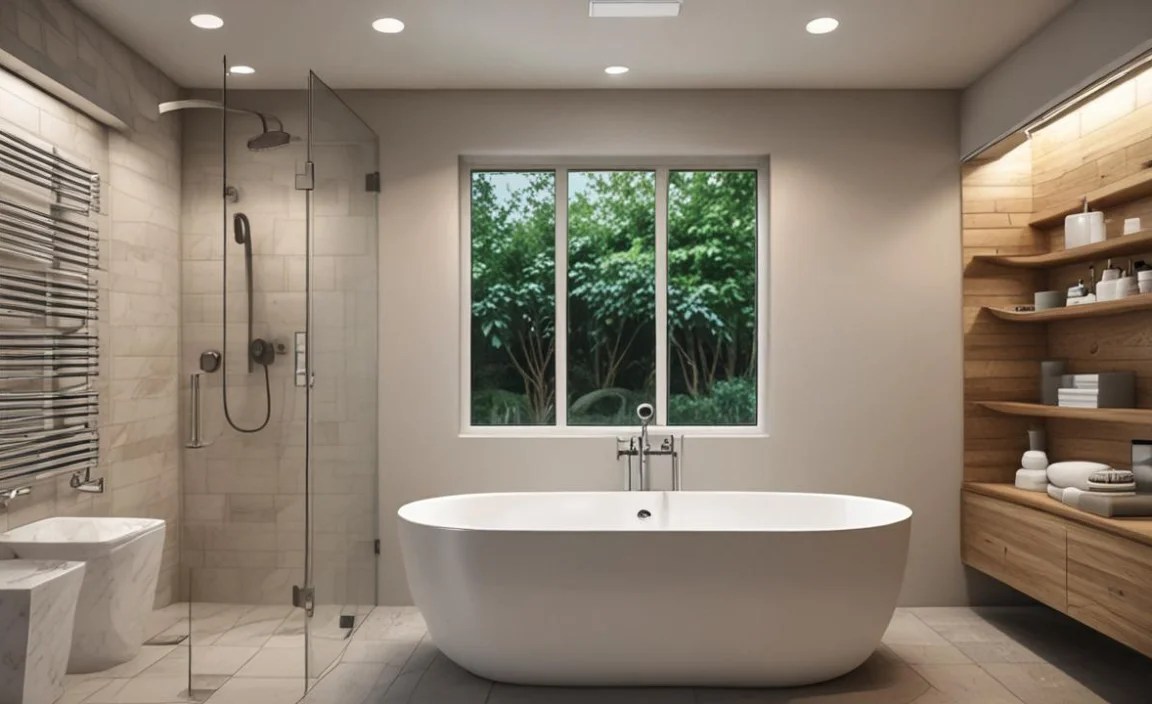
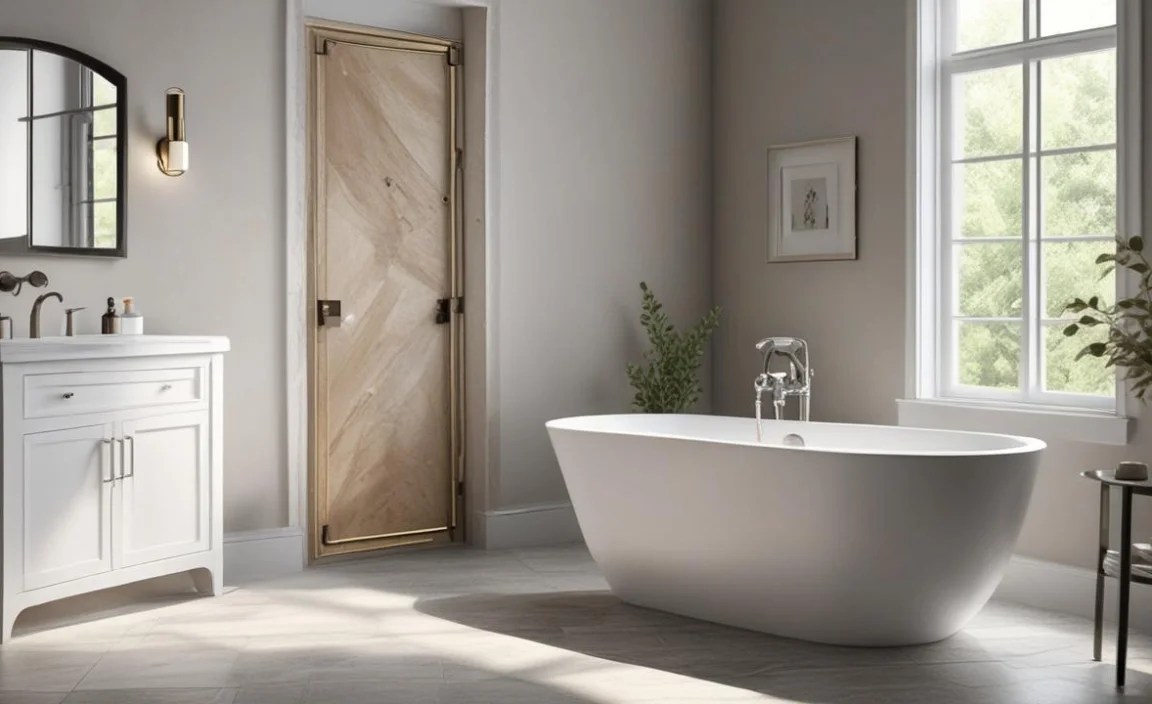
Freestanding bathtubs are the statement pieces of the bathroom. As the name suggests, they stand alone, not attached to any walls. This allows for a multitude of placement options within a bathroom, making them ideal for larger spaces or to create a spa-like feel. They come in various styles, from classic claw-foot tubs to modern sculptural designs, offering significant aesthetic flexibility. They require a more robust plumbing setup as connections must be made to the floor.
Installation and Plumbing for Freestanding Tubs

- Installation: The installation is less about fitting into a recess and more about positioning and connecting to the floor. You’ll still need to ensure the floor is adequately supported for the tub’s weight when filled with water.
- Plumbing: This tub type demands careful plumbing consideration. The water supply lines and the drain must come up through the floor. This often necessitates cutting into the subfloor and ensuring proper sealing around these floor penetrations to prevent leaks. Faucets for freestanding tubs are typically deck-mounted on the tub itself or are freestanding floor-mounted units placed behind the tub. Researching available faucet styles that pair with your tub is crucial. Reliable plumbing for these floor connections is essential. Check out best practices for rough-in for tub and shower installations for more technical details.
- Drainage: The drain connects to a floor drain assembly, with a trap and vent system designed to prevent sewer gases from entering the bathroom.
Pros and Cons of Freestanding Tubs

| Pros | Cons |
|---|---|
| Offers immense design flexibility and can be a focal point. | Requires significant floor space and is best suited for larger bathrooms. |
| Can be placed anywhere in the room, not restricted by walls. | Installation can be more complex and costly due to floor plumbing requirements. |
| Available in a wide array of styles and materials. | Cleaning around the base and sides can be more challenging. |
| Creates a luxurious, spa-like atmosphere. | Plumbing connections must be expertly done to avoid leaks and ensure proper drainage. |
5. Corner Bathtubs
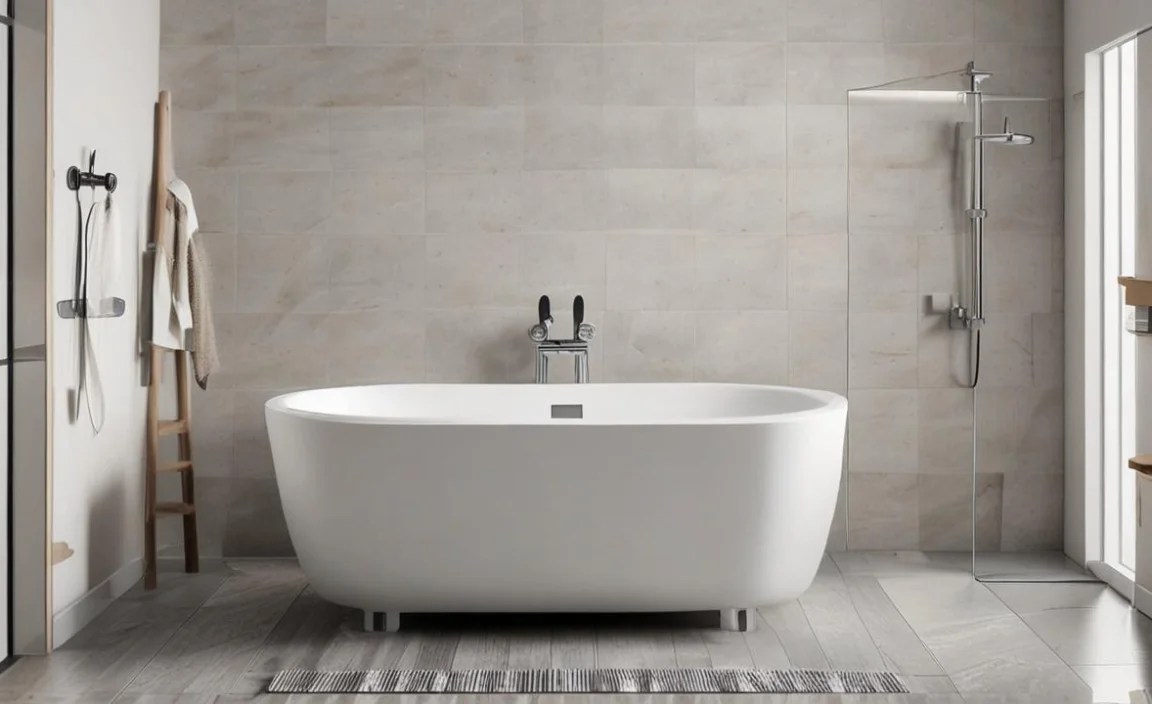
Corner bathtubs are designed to fit into a corner of your bathroom, maximizing space efficiency. They are often larger and deeper than standard alcove tubs and are frequently designed for two people to relax in comfort. They can be either built-in (like drop-in or alcove styles adapted for a corner) or freestanding corner units. Their triangular or rounded shape is ideal for utilizing often-underused corner real estate.
Installation and Plumbing for Corner Tubs
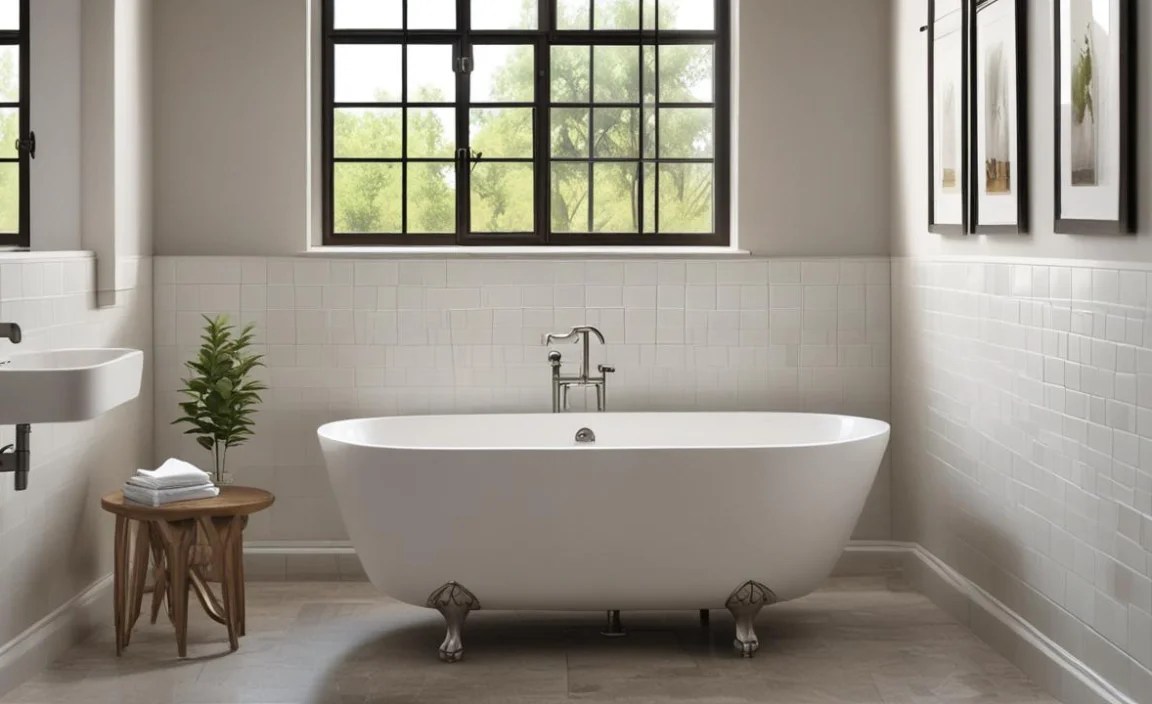
- Installation: Built-in corner tubs usually have one or two sides that butt up against the walls. Like alcove tubs, they commonly feature a tile flange for waterproofing where they meet the walls. Freestanding corner units have their own installation considerations, similar to other freestanding tubs.
- Plumbing: The plumbing connections are generally similar to alcove or drop-in tubs, depending on the specific design. For built-in corner tubs, the water supply and drain would typically be routed through the adjacent walls or floor. Faucets can be wall-mounted, deck-mounted (if there’s a sufficient rim/deck), or even freestanding.
- Drainage: Standard drain placement at the base of the tub, connected to the household plumbing system.
Pros and Cons of Corner Tubs

| Pros | Cons |
|---|---|
| Space-saving solution, especially in smaller bathrooms. | Can sometimes feel bulky and dominate a smaller room. |
| Often designed for two people, offering a luxurious soaking experience. | Installation can require custom framing if not replacing an existing corner tub. |
| Adds a unique design element to the bathroom. | May limit other bathroom fixture placement due to its corner occupancy. |
| Some models offer whirlpool or air jet features. | Cleaning the corner angles and grout lines around it can be a bit of work. |
Materials and Their Plumbing Implications
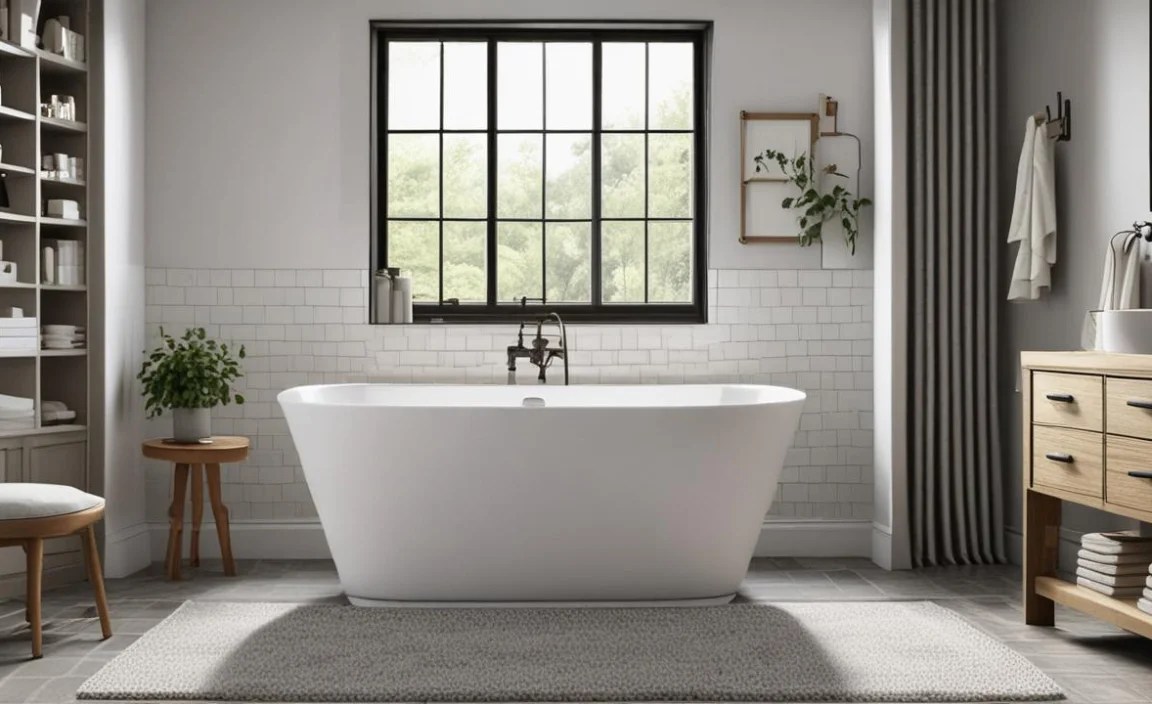
The material your bathtub is made from also plays a role in its installation, weight, and how well it holds heat, which indirectly relates to your plumbing by affecting water temperature usage and potentially overflow risks if not properly monitored. Here are the most common materials:
1. Acrylic
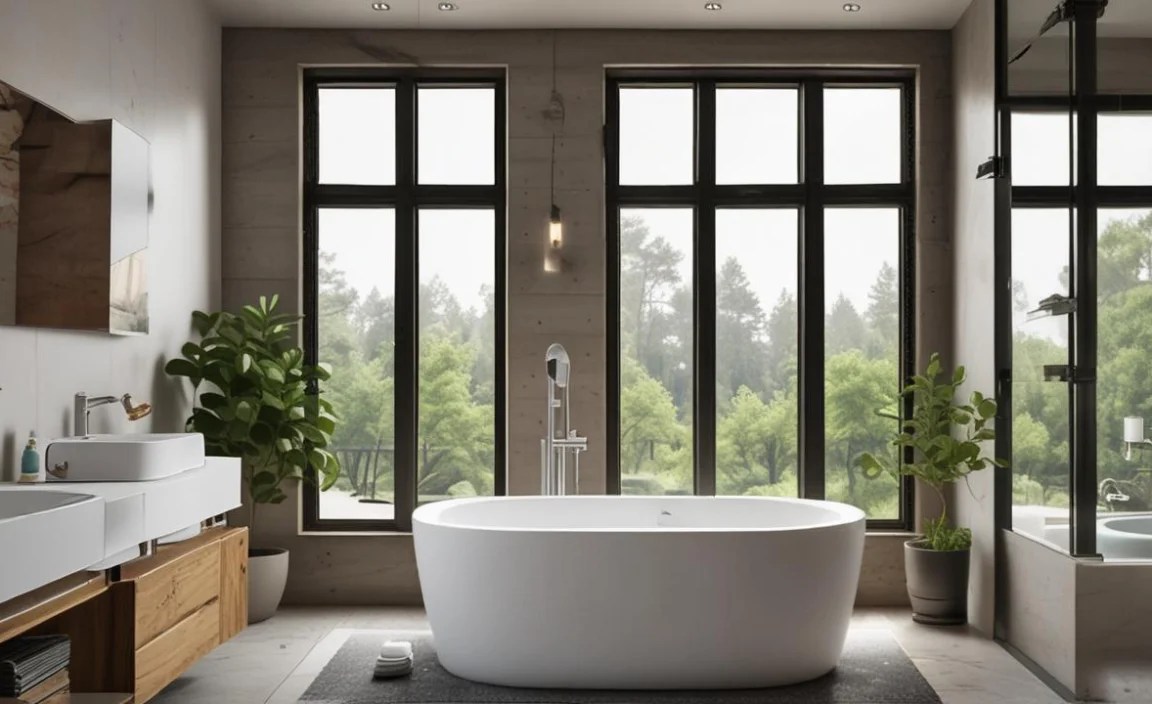
Acrylic is a popular choice due to its affordability, light weight, and durability. It’s made from vacuum-formed sheets of acrylic reinforced with fiberglass. Acrylic tubs are non-porous, resist chipping and staining, and retain heat well. Their light weight makes them easier to handle and install, which can simplify plumbing connections.
2. Fiberglass
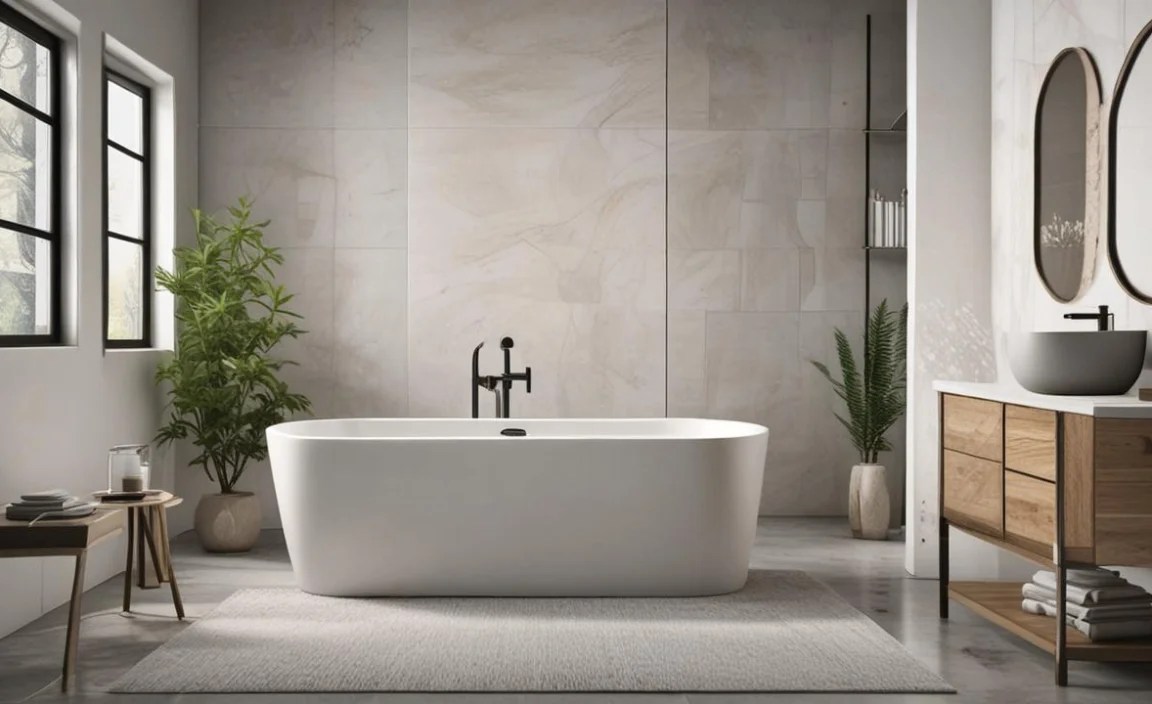
Similar to acrylic, fiberglass tubs are made from molded sheets coated with a gel. They are the lightest and usually the most inexpensive option. However, they are also the least durable, prone to cracking and fading over time compared to acrylic. Their lightweight nature also makes plumbing installation straightforward.
3. Cast Iron
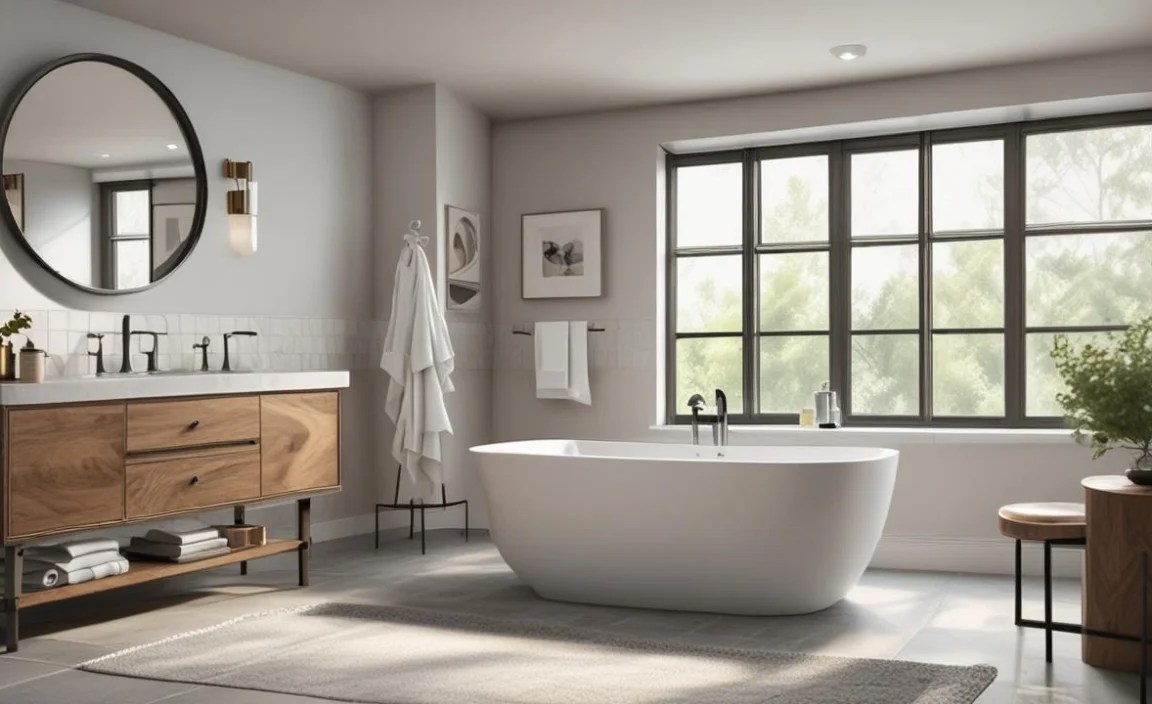
Cast iron tubs are legendary for their durability and heat retention. They are made by pouring molten iron into a mold and then coating it with enamel. These tubs are extremely heavy, which is a major plumbing and structural consideration. You’ll need a very strong floor joist system to support one, and their weight makes maneuvering them into place during installation a significant challenge. Despite their weight, plumbing connections are standard.
4. Steel (Enameled)
Enameled steel tubs are a lighter alternative to cast iron, offering a durable enamel finish over a steel frame. They are more affordable than cast iron but can be prone to chipping if struck with a heavy object. While lighter than cast iron, they are still substantial and require careful handling during installation and plumbing work.
5. Solid Surface (Composite)
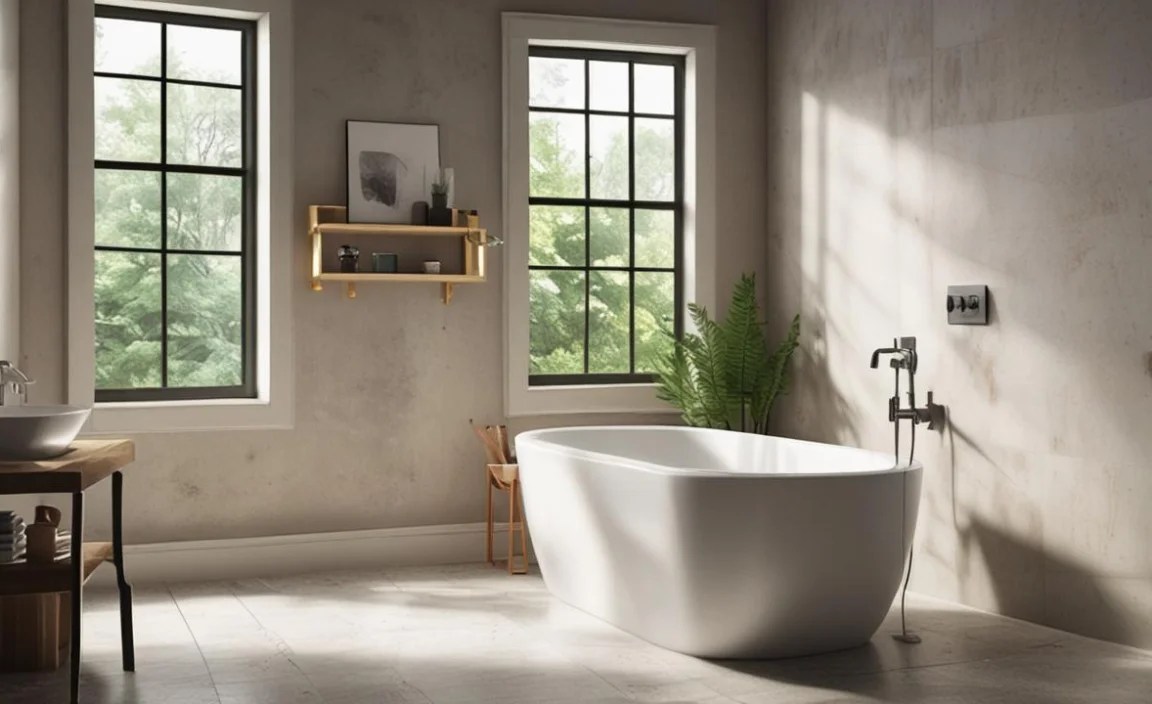
Made from a blend of acrylic resins and natural minerals, solid surface tubs are seamless, non-porous, and luxurious. They can mimic the look of stone but are lighter and warmer to the touch. Their seamless nature makes them very hygienic. Installation is typically handled by professionals due to the weight and material properties, with standard plumbing connections.
Key Plumbing Considerations for Any Bathtub Type
Regardless of the bathtub you choose, several core plumbing principles apply to ensure a safe, functional, and long-lasting installation.
- Water Supply: Ensure your existing plumbing can provide adequate hot and cold water flow for the type of faucet and tub you select. High-pressure jets in a whirlpool tub, for instance, will require more water volume. Always use the correct size pipes and fittings to prevent flow restrictions.
- Drainage and Venting: A properly functioning drain and vent system is critical. The drain must be able to empty the tub efficiently, and the vent system prevents sewer gases from entering your bathroom and allows water to flow freely without siphoning. A common issue that can arise is slow draining, which is often a sign of a blockage or issues with the vent pipe. You can find more information on basic plumbing principles from the EPA.
- Access Panels: For most bathtub installations, incorporating an access panel is essential. This panel, usually hidden behind a wall or in an adjacent vanity, allows plumbers and homeowners to access the faucet, valves, and drain assembly for repairs or maintenance without having to tear down walls.
- Sealing and Waterproofing: Proper sealing around the edges where the tub meets walls or the deck is paramount to prevent water damage, mold, and mildew. This is where tile flanges, caulk, and waterproof membranes come into play.
- Slope: Bathtubs are typically designed with a slight slope towards the drain to ensure complete emptying. When installing, ensure the tub is level or has the intended slope to facilitate drainage.
Frequently Asked Questions (FAQ)
What is the easiest type of bathtub to plumb?

Alcove bathtubs are generally the easiest type to plumb. They are designed to fit into a standard three-walled recess and incorporate a tile flange, which simplifies installation and waterproofing. Their plumbing connections—water supply behind the wall and drain below—are very standard and accessible.</
