
Bryan Lee’s quick summary: Finding the best shower curtain hooks means prioritizing durability, smooth gliding, and style that matches your bathroom. Look for rust-resistant materials and designs that easily attach to your curtain rod. We’ll cover top picks for every need, making your bathroom upgrade simple and satisfying.
Showers are often a highlight of the day, a place to relax and wash away stress. But a stubborn or unsightly shower curtain can quickly dampen that experience. If your shower curtain struggles to glide smoothly or its hooks look less than stellar, it’s time for an upgrade. Don’t worry, choosing the right shower curtain hooks is a simple fix that makes a big difference. This guide will help you find the perfect hooks for a seamless, stylish shower. We’ll dive into what makes a great hook, explore different types, and highlight some of the best options available to make hanging your shower curtain a breeze.
Why Upgrading Your Shower Curtain Hooks Matters
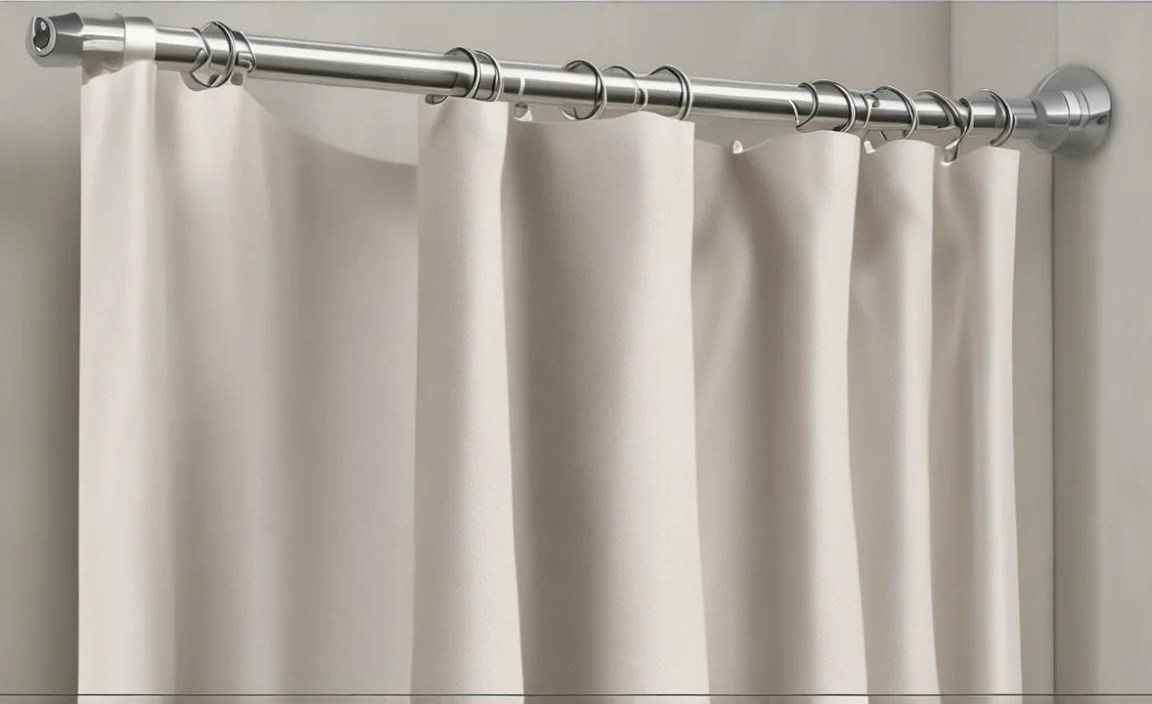
It might seem like a small detail, but shower curtain hooks play a surprisingly important role in your bathroom. They’re the unsung heroes that hold your curtain, allowing it to move freely and keep water where it belongs – in the tub or shower. Worn-out, sticky, or unattractive hooks can lead to a frustrating shower experience. A curtain that snags, falls down, or just looks plain bad can make your whole bathroom feel a bit neglected.
Replacing old hooks with new ones is one of the easiest and most affordable DIY tasks you can tackle. In just a few minutes, you can bring a fresh look and improved functionality to your shower. Plus, choosing the right hooks can prevent water from splashing out, keeping your bathroom floor dry and safe. This blog post will guide you through everything you need to know about selecting and installing the best shower curtain hooks.
Understanding Different Types of Shower Curtain Hooks

When you start looking for new shower curtain hooks, you’ll quickly realize there’s a variety of styles and mechanisms. Each type offers its own set of benefits, and the “best” one for you will depend on your specific needs and preferences. Understanding these differences will help you make an informed decision.
Standard Hooks
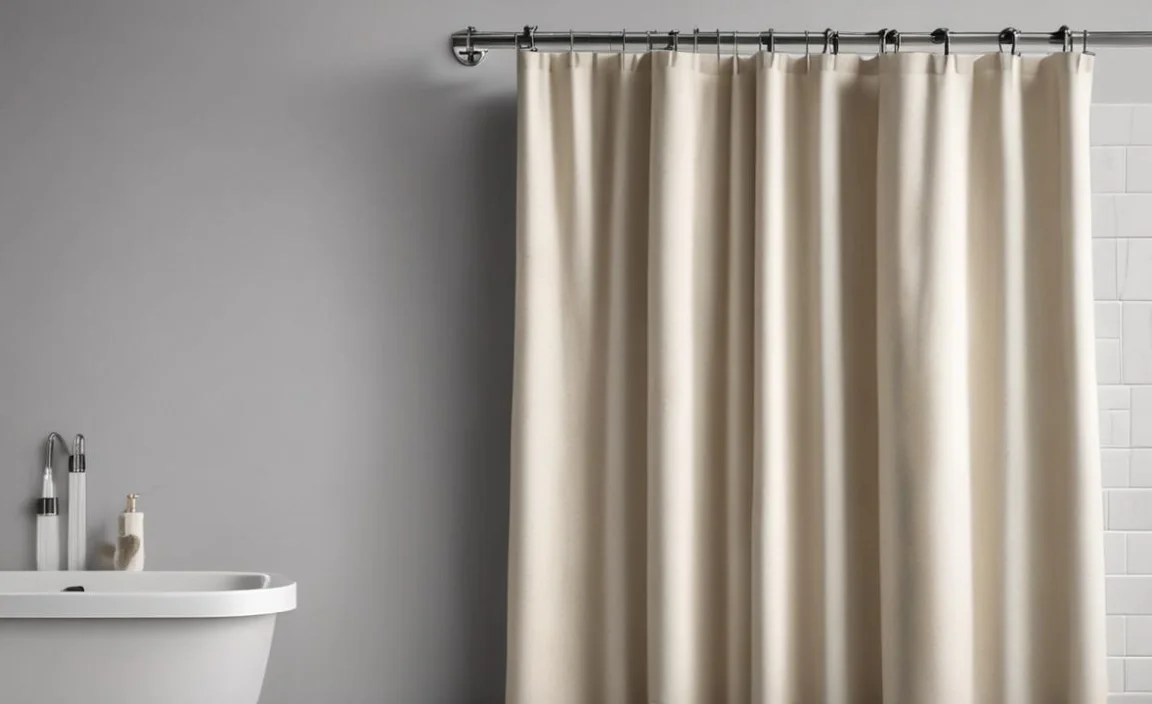
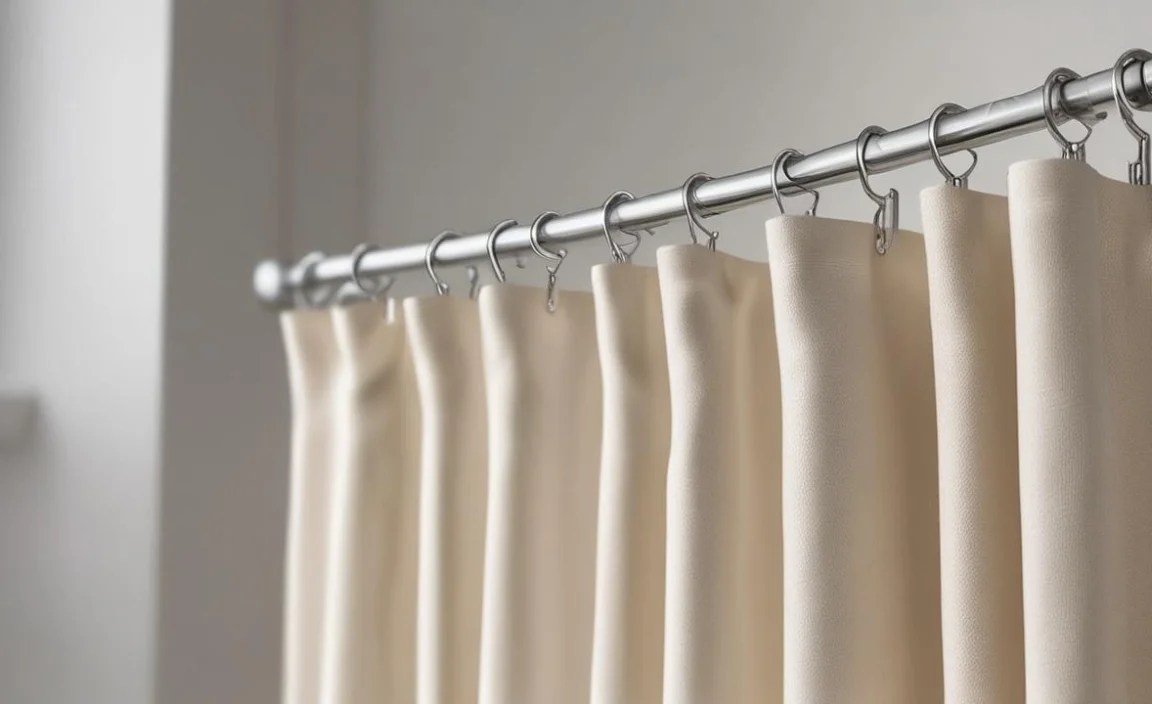
These are the most common type. They typically have an “S” or “C” shape. The open end slides onto your shower curtain rod, and the closed end attaches to the grommets or holes of your shower curtain.
Pros: Simple to use, widely available, and generally inexpensive.
Cons: Can sometimes snag or detach if not designed well, and may not offer the smoothest glide.
Roller Hooks
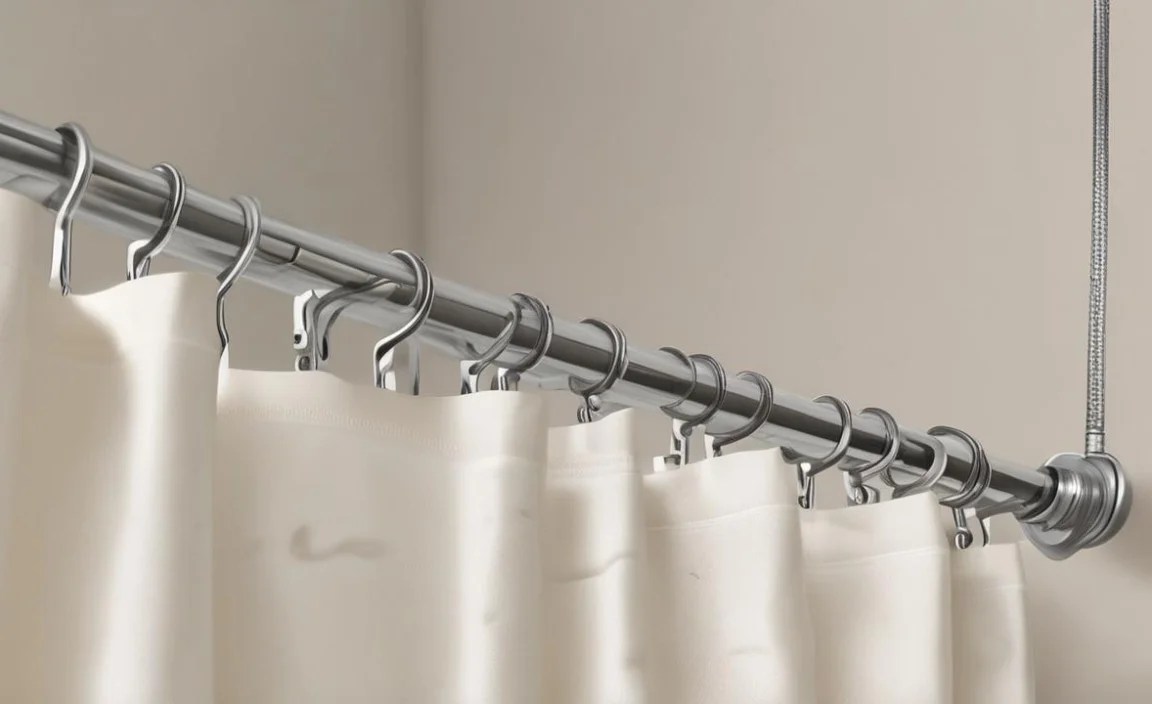
Roller hooks are designed to glide effortlessly along the shower curtain rod. They feature small wheels or ball bearings that significantly reduce friction, allowing the curtain to slide open and shut with minimal effort.
Pros: Extremely smooth gliding, reduces wear and tear on the rod and curtain, often made from durable materials.
Cons: Can be slightly more expensive than standard hooks, might be a tiny bit bulkier.
Clip-On Hooks
These hooks attach to the shower curtain using a small clip. They are often used for decorative purposes or to add extra security. Some versions also have a ring that slides onto the rod.
Pros: Versatile, can be used creatively, good for lighter curtains or liners.
Cons: The clip mechanism might not be strong enough for heavier curtains, and sustained moisture could potentially affect the clip.
Decorative Hooks
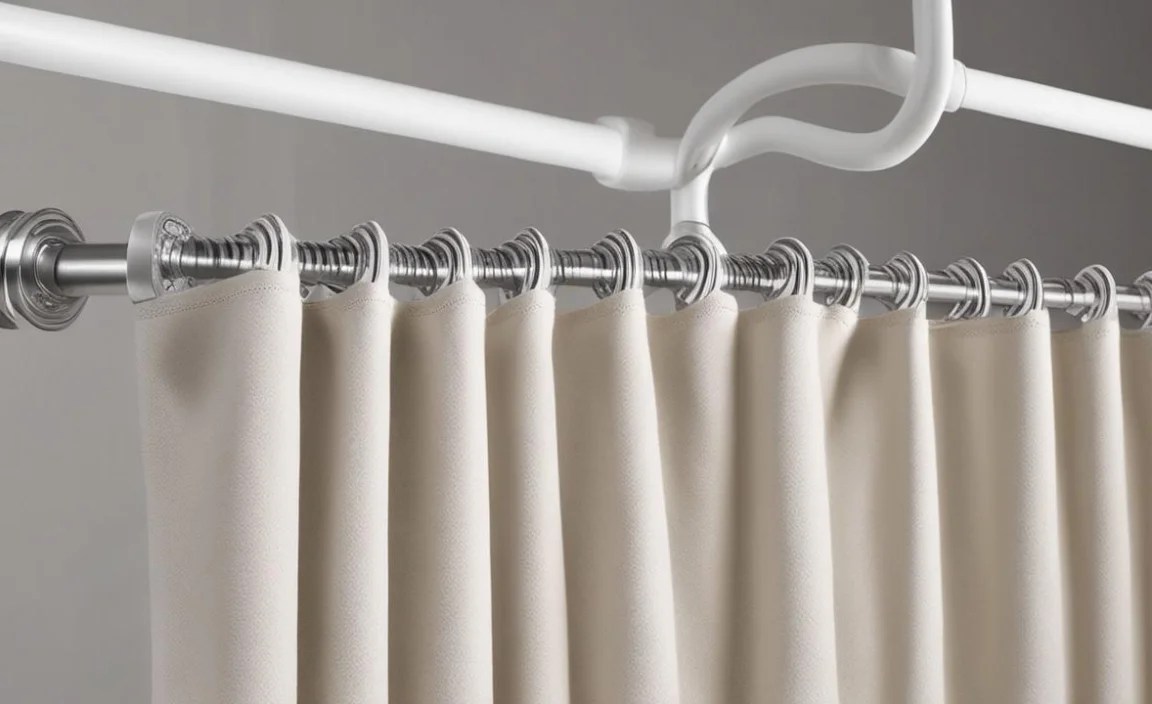
These hooks come in a vast array of shapes, colors, and materials, often designed to add a stylish accent to your bathroom. They can be made of metal, plastic, resin, or even glass.
Pros: Enhances bathroom decor, available in countless designs to match any style.
Cons: Functionality can sometimes be secondary to aesthetics; ensure they are still practical and durable.
Hook-and-Ring Systems
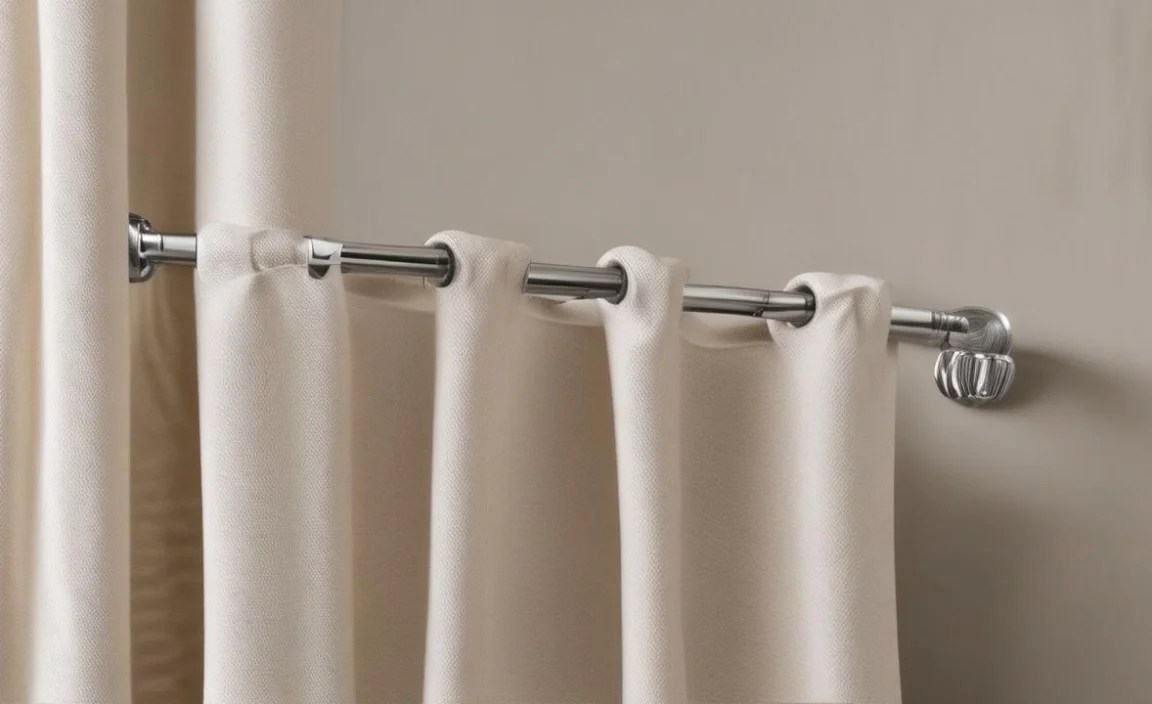
This system typically involves a ring that slides onto the rod and a separate hook or clip that attaches to the curtain. This offers a secure attachment and can provide a clean look.
Pros: Secure and stable, often provides a smooth sliding action if the ring is well-designed.
Cons: Might require a bit more effort to install initially compared to simple “S” hooks.
Key Factors to Consider When Buying Shower Curtain Hooks

Choosing the “best” shower curtain hooks isn’t just about picking the prettiest ones. Several practical factors come into play to ensure they are durable, functional, and suitable for your bathroom environment.
Material and Durability
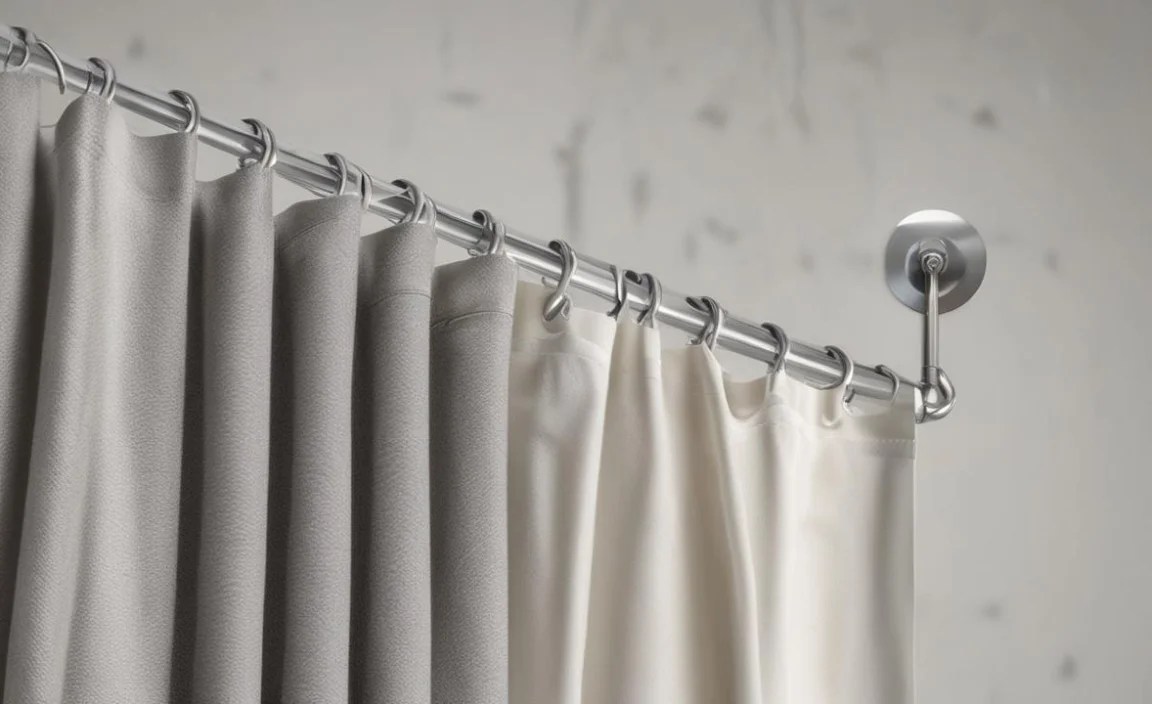
The material of your hooks will determine their lifespan and resistance to moisture. Bathrooms are humid, so look for materials that won’t rust or corrode.
Stainless Steel: An excellent choice. It’s strong, resistant to rust and corrosion, and offers a sleek, modern look. It’s ideal for high-moisture environments.
Brass (Plated or Solid): High-quality brass hooks are very durable and resistant to corrosion. Ensure they are well-plated if not solid brass to prevent wear.
Plastic/Resin: Lightweight and naturally rust-proof, but can become brittle over time, especially under direct sunlight or with significant force. Cheaper plastic can sometimes break.
Aluminum: Lightweight and rust-resistant, but can be less strong than steel or brass.
Ease of Installation
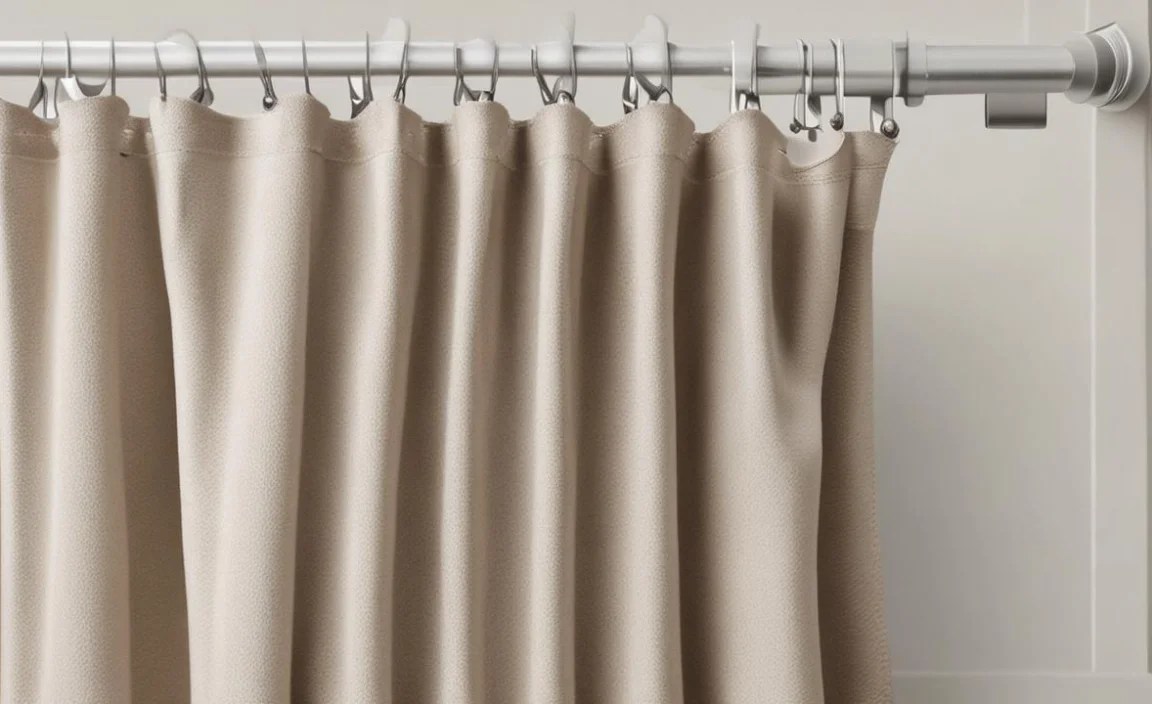
Most shower curtain hooks are designed for easy installation, but some might be simpler than others. Standard “S” or “C” hooks are usually the easiest. Roller hooks might require a bit more attention to ensure they are properly attached to the curtain.
Smooth Gliding Action
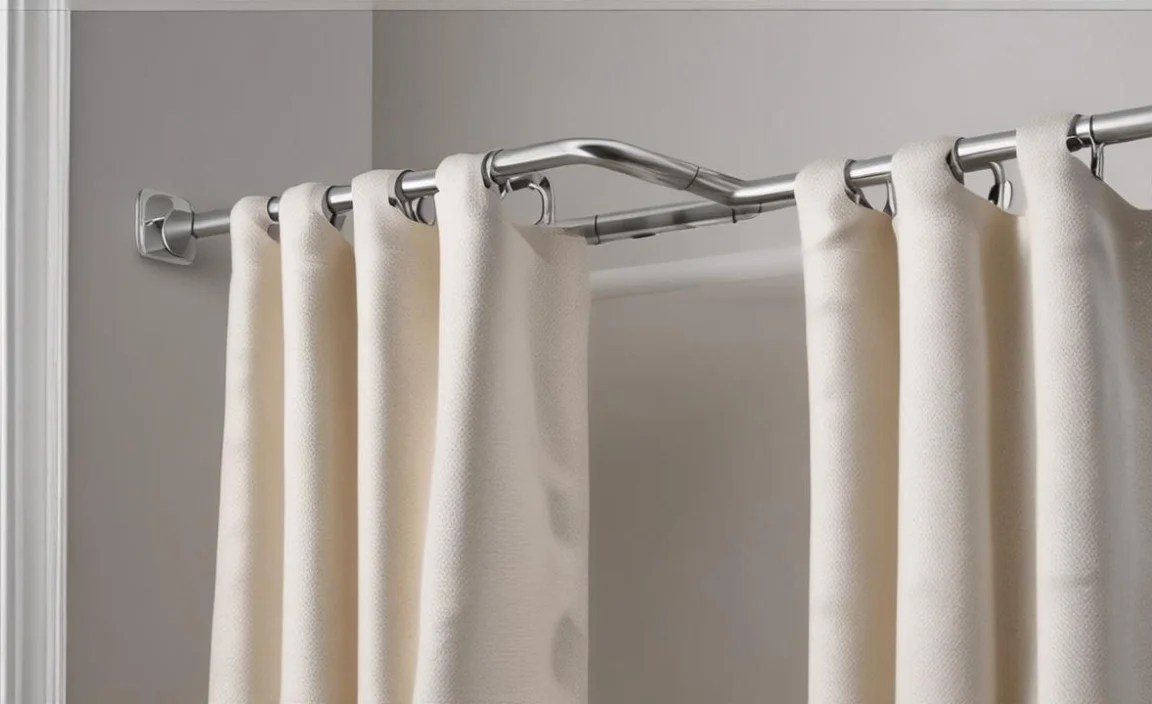
The primary function of a hook is to allow your curtain to move. Hooks with rollers or ball bearings offer the smoothest glide, minimizing the effort needed to open and close your curtain. This also prevents the curtain from snagging, which can prolong its life.
Weight Capacity
Consider the weight of your shower curtain. Heavy fabric curtains need sturdier hooks that can bear their weight without bending or breaking. Plastic hooks might struggle with very heavy materials.
Aesthetics and Bathroom Style
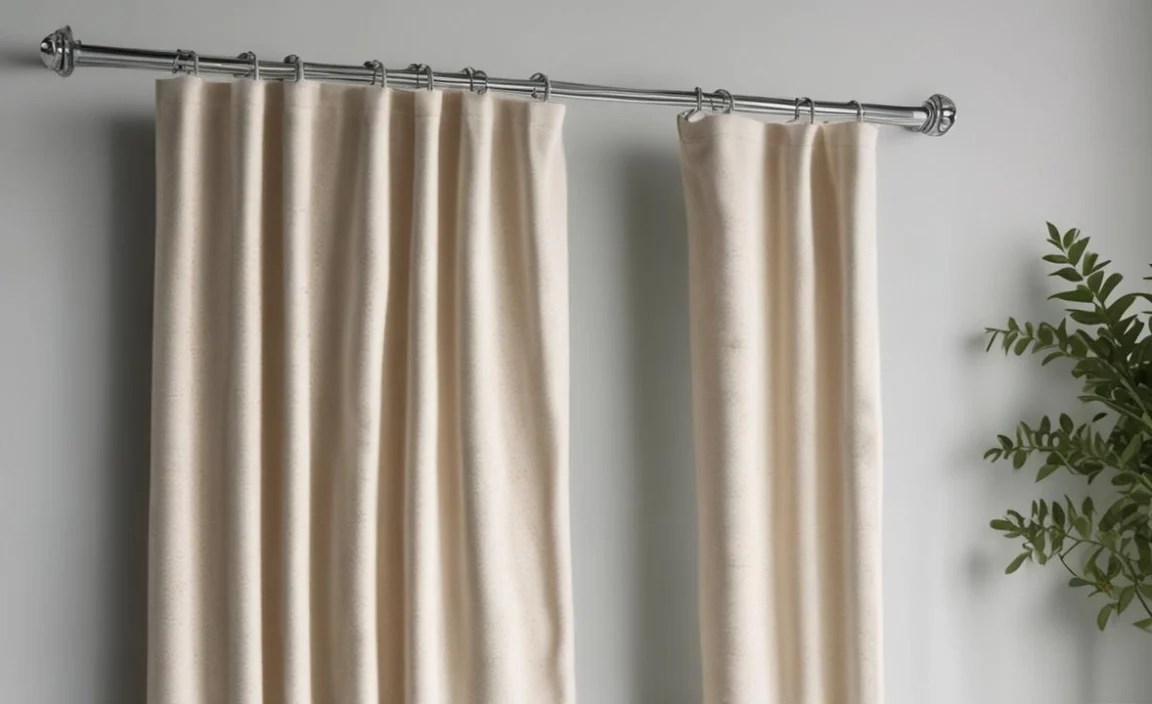
Hooks can be a small but impactful decorative element. Choose a style, color, and finish that complements your existing bathroom decor, whether it’s modern, traditional, minimalist, or eclectic. Common finishes include chrome, brushed nickel, oil-rubbed bronze, and matte black.
Rust and Mildew Resistance

This is crucial in a bathroom. Materials like stainless steel or specially treated metals are best. For plastic, ensure it’s a high-quality, mold-resistant type. Regular cleaning of hooks can also help prevent mildew buildup.
Top Picks for Best Shower Curtain Hooks
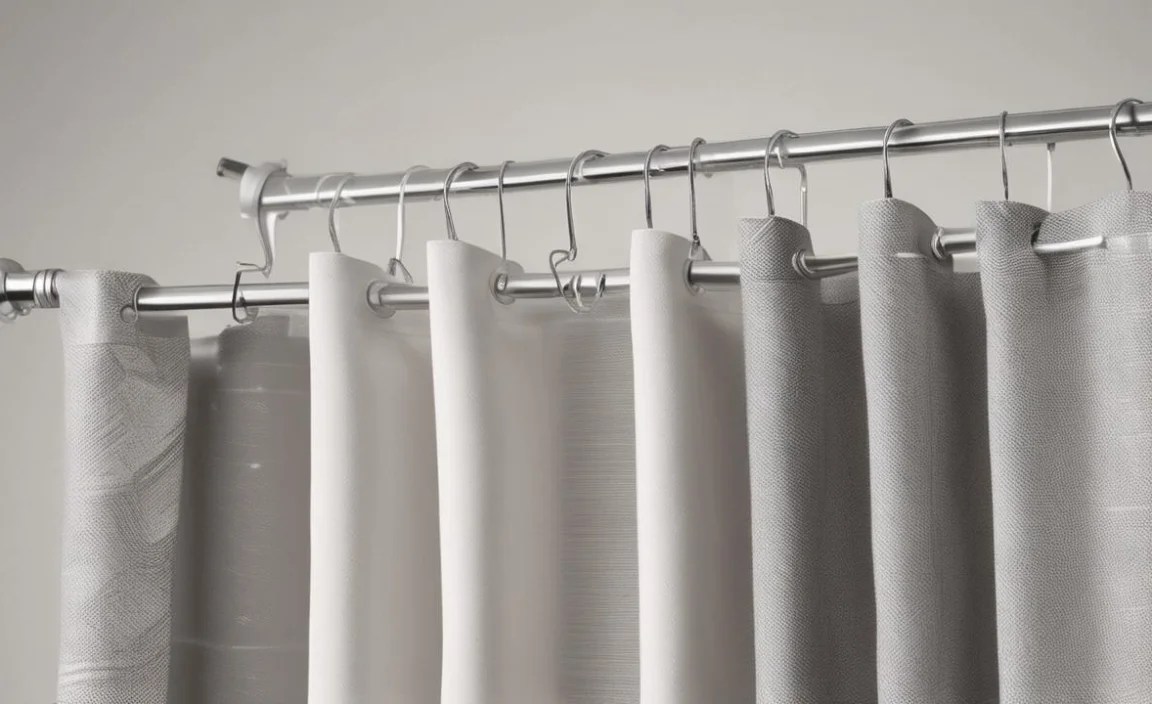
Based on durability, functionality, and user reviews, here are some of the best shower curtain hooks available. These selections aim to cover various needs and budget points, ensuring you find a perfect fit.
1. Best Overall: ZenPlugs Roller Shower Hooks
These hooks are consistently praised for their exceptional gliding action and durability. Made from high-quality stainless steel, they are built to last and resist rust. The ball bearings allow curtains to slide incredibly smoothly, making them a favorite for those who want a frustration-free shower experience.
Material: Stainless Steel with Ball Bearings
Style: Roller Hooks
Pros: Super smooth glide, durable, rust-resistant, easy to install.
Cons: Slightly higher price point than basic hooks.
2. Best Budget-Friendly: AmazonBasics Shower Curtain Hooks with Rings

For a no-fuss, affordable option, these standard “S” hooks with rings are a solid choice. They are made from durable plastic, making them lightweight and naturally resistant to rust. They’re easy to attach and fit most standard shower curtain rods.
Material: Plastic
Style: Standard “S” Hooks with Rings
Pros: Very affordable, lightweight, rust-proof, simple to use.
Cons: Plastic can feel less premium, may not be as durable for very heavy curtains.
3. Best for Heavy Curtains: URBN LIVING Heavy Duty Stainless Steel Shower Hooks

If you have a thick, fabric shower curtain that feels substantial, you need hooks that can handle the weight. These heavy-duty stainless steel hooks are robust and designed to hold up without bending. They offer excellent rust resistance and a secure grip.
Material: Stainless Steel
Style: Heavy Duty “S” Hooks
Pros: Strong and durable, ideal for heavy curtains, rust-resistant, secure.
Cons: Can be a bit larger than standard hooks.
4. Best Decorative: mDesign Decorative Shower Curtain Hooks

For those who want their hooks to be a decorative statement, mDesign offers a range of stylish options. These often come in finishes like brushed nickel, bronze, or chrome, with elegant designs that can elevate the look of your bathroom. They are typically made from sturdy metal.
Material: Metal (various finishes)
Style: Decorative “S” or Hook-and-Ring
Pros: Aesthetically pleasing, wide variety of designs, good quality construction.
Cons: Price can vary widely based on design, functionality is sometimes less emphasized than looks.
5. Best for Bathhouses & Gyms: Houseables Chrome Plated Steel Shower Curtain Hooks (Set of 12)

While often found in commercial settings, these robust, chrome-plated steel hooks are excellent for home use if you prioritize maximum durability and a classic look. They’re built to withstand frequent use and are resistant to corrosion. Their simple, sturdy design makes them a reliable choice.
Material: Chrome Plated Steel
Style: Standard “C” or “S” Hooks
Pros: Extremely durable, corrosion-resistant, classic look, affordable for their quality.
Cons: May not offer the smoothest glide without integrated rollers.
6. Best Rust-Proof:

GMMH Resin Decorative Shower Curtain Hooks
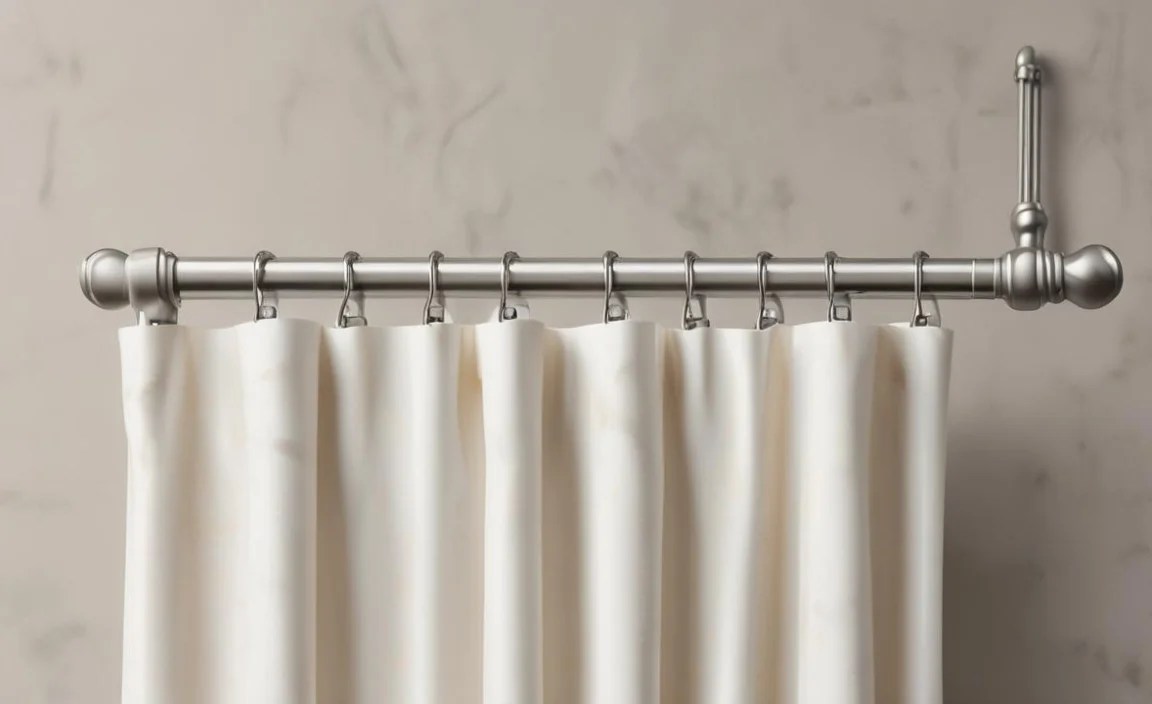
If rust is your primary concern and you prefer something with a bit more visual interest than plain metal, these resin hooks are a fantastic option. They are inherently rust-proof and come in various charming designs, from seashells to animals, adding a unique touch to your bathroom.
Material: Resin
Style: Decorative Hooks
Pros: Completely rust-proof, wide range of unique decorative designs, lightweight.
Cons: Resin can be less durable than metal if subjected to harsh impact.
Here’s a quick comparison table:
| Product Name | Material | Style | Best For | Price Range |
|---|---|---|---|---|
| ZenPlugs Roller Shower Hooks | Stainless Steel + Ball Bearings | Roller Hooks | Overall Smoothness & Durability | $$ – $$$ |
| AmazonBasics Shower Curtain Hooks | Plastic | Standard “S” Hooks | Budget-Friendly & Simplicity | $ |
| URBN LIVING Heavy Duty Hooks | Stainless Steel | Heavy Duty “S” Hooks | Heavy Fabric Curtains | $$ |
| mDesign Decorative Hooks | Metal | Decorative | Bathroom Aesthetics | $$ – $$$ |
| Houseables Chrome Plated Steel Hooks | Chrome Plated Steel | Standard “C” / “S” | Maximum Durability | $ – $$ |
| GMMH Resin Decorative Hooks | Resin | Decorative | Rust-Proof & Unique Designs | $$ |
How to Install Shower Curtain Hooks: A Simple Guide
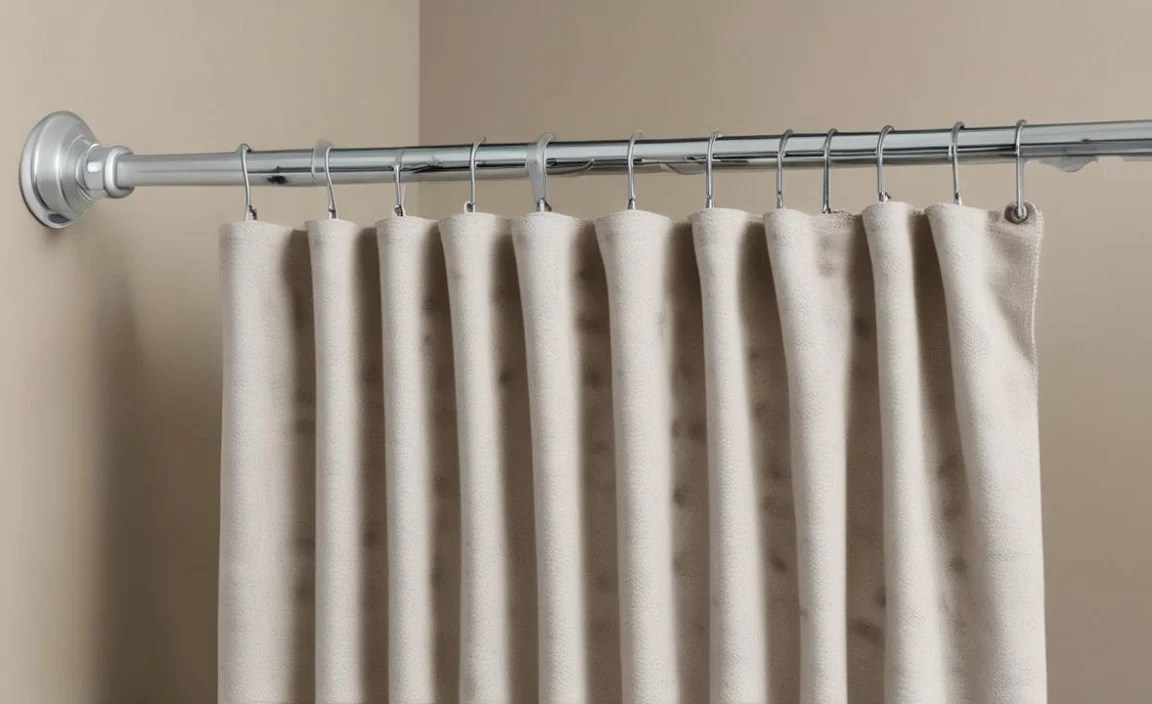
Installing new shower curtain hooks is a straightforward process that takes only a few minutes. Whether you’re replacing old ones or installing them for the first time, these steps will have you covered.
Tools You Might Need:
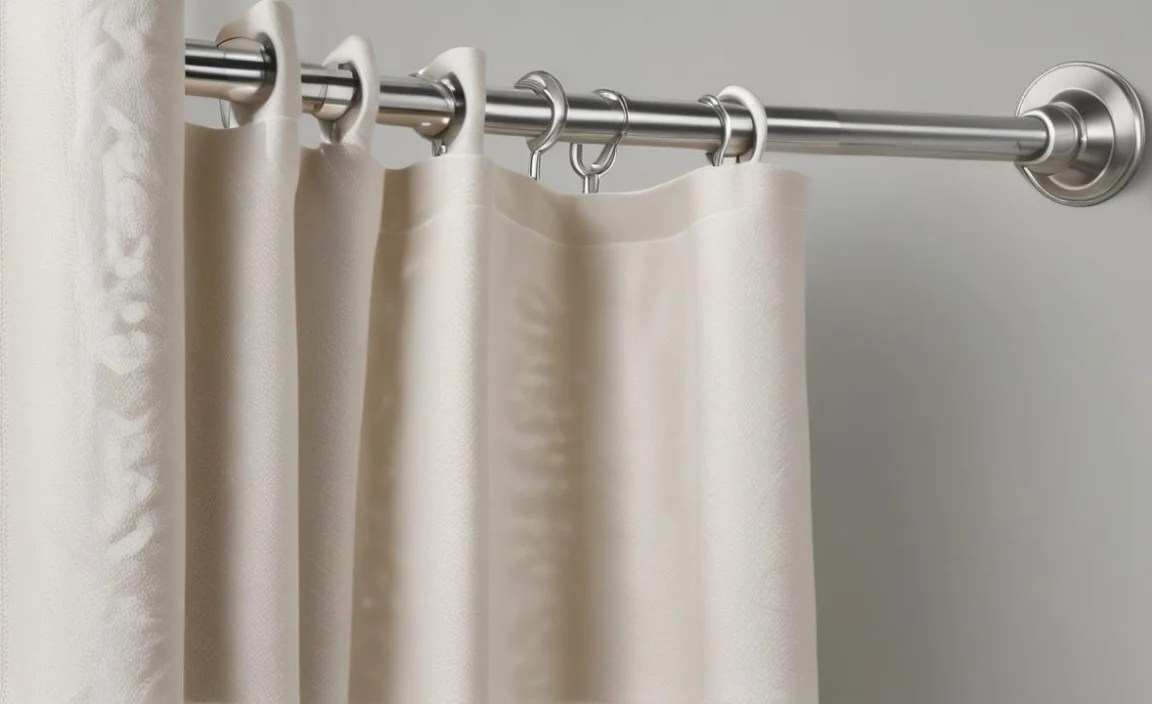
Your new shower curtain hooks (set of 12 is standard for most curtains)
Your shower curtain and liner (if separate)
A small stepladder or stool (if your shower rod is high)
Step-by-Step Installation:
1. Remove Old Hooks (If Necessary): If you’re replacing old hooks, carefully slide them off the shower curtain rod. You might need to gently detach them from the curtain as well.
2. Prepare Your Curtain and Liner: Lay out your shower curtain and liner. Most shower curtains and liners have reinforced holes or grommets along the top edge. Ensure these are clear and ready.
3. Attach Hooks to the Curtain/Liner:
For Standard “S” or “C” Hooks: Open the hook slightly and thread it through one of the reinforced holes or grommets on your curtain and liner. Close the hook. Repeat for all holes.
For Roller Hooks: These usually consist of a ring and a separate piece that attaches to the curtain. Slide the ring onto your shower curtain rod first. Then, attach the curtain-securing part of the hook (often a clip or hook) to the corresponding eyelet on your curtain and liner.
For Clip-On Hooks: Simply clip the hook onto the fabric edge of your curtain and liner.
4. Hang Hooks on the Rod:
For “S” or “C” Hooks: Once attached to the curtain, simply hang the open end of the hook onto your shower curtain rod.
For Roller Hooks: The ring should already be on the rod. Ensure the hook/clip part is securely fastened to the curtain.
For Hook-and-Ring Systems: Ensure the ring is on the rod, and the attached hook/clip is secured to the curtain. Make sure the curtain hangs at the desired height.
5. Evenly Distribute Hooks: Ensure that the hooks are evenly spaced along the rod. This helps the curtain hang straight and prevents undue stress on any single hook. You should have one hook for each set of holes in your curtain, typically 12 hooks for a standard curtain.
6. Test the Glide: Once all hooks are installed, gently slide the shower curtain back and forth to ensure it moves smoothly along the rod. Adjust any that feel stiff or snagged. If you have roller hooks, this step is especially satisfying as they should glide with ease.
7. Check for Straightness: Make sure the curtain hangs evenly from all hooks and doesn’t sag on one side. Minor adjustments can be made by shifting the curtain slightly on the hooks.
That’s it! You’ve successfully installed your new shower curtain hooks, bringing new life and functionality to your shower.
When choosing your shower curtain hooks, consider the material’s resistance to moisture and corrosion. Stainless steel and solid brass are excellent choices for longevity in humid bathroom environments. For a practical guide on bathroom moisture control, check out resources from the U.S. Department of Energy, which often discusses home ventilation and moisture management.
Maintaining Your Shower Curtain Hooks
To ensure your new shower curtain hooks last as long as possible and continue to function smoothly, a little regular maintenance goes a long way. Bathrooms are prone to humidity, soap scum, and potential mildew growth, all of which can affect your hooks.
Regular Cleaning
Frequency: Aim to wipe down your hooks at least once a week, or whenever you clean your shower curtain.
Method: Use a damp cloth with mild soap or a bathroom cleaner. For tougher grime or soap scum, a soft brush or an old toothbrush can help get into crevices.
Materials: For stainless steel or chrome, a simple wipe-down usually suffices. For resin or decorative hooks, check the manufacturer’s recommendations to avoid damaging the finish.
Deep Cleaning/De-Scaling
When: If you notice limescale buildup or persistent mildew, a deeper clean is needed.
Method:
Vinegar Soak: For metal hooks, you can remove them and soak them in undiluted white vinegar for a few hours. Then, scrub them with a brush and rinse thoroughly.
Baking Soda Paste: For stubborn stains, a paste of baking soda and water can be applied and left to sit before scrubbing.
Bleach Solution (Use with Caution): For mildew on non-porous hooks or liners, a diluted bleach solution can be effective. Always ensure good ventilation and never mix bleach with other cleaners, especially ammonia. Wear gloves.
Inspecting for Damage
Frequency: Check your hooks periodically, perhaps once a month.
What to look for: Cracks in plastic hooks, visible rust or corrosion on metal hooks, bent or weakened “S” hooks, or hooks that no longer grip the curtain securely.
Action: Replace any damaged hooks immediately to prevent the curtain from falling or causing accidents.
Preventing Mildew
Ventilation: Ensure your bathroom is well-ventilated during and after showers. Use an exhaust fan if you have one.
Drying: After showering, pull the shower curtain closed to allow it to dry completely. If possible, separate the liner from the curtain to allow air to circulate between them.
* Material Choice: Opt for shower curtains and liners made from mold-resistant materials.
By following these simple maintenance tips, you can extend the life of your shower curtain hooks and keep them looking and functioning great for years to come.
Frequently Asked Questions (FAQ)**
Q1: How many shower curtain hooks do I need?
Most standard shower curtains and liners have 12 reinforced holes along the top edge. Therefore, you will typically need a set of 12 shower curtain hooks for a full shower curtain setup.
Q2: What is the best material for shower curtain hooks?
For durability and resistance to
