
Best shower curtain hooks waterproof: Choose durable, rust-proof hooks made from strong plastic or stainless steel for a secure, long-lasting hold that won’t damage your shower curtain or rod. Look for smooth gliding mechanisms and easy installation.
Welcome to your ultimate guide on finding the best waterproof shower hooks! Are you tired of struggling with flimsy hooks that bend, break, or rust just a few weeks after you install them? It’s a common frustration, especially in the humid environment of a bathroom. A good shower hook is more than just a hanger; it’s a small but mighty tool that keeps your shower curtain in place, prevents water from escaping, and contributes to the overall look and feel of your bathroom.
Don’t worry, finding the right ones doesn’t have to be complicated. Bryan Lee here, ready to walk you through everything you need to know. We’ll break down what makes a waterproof shower hook truly “essential quality,” so you can outfit your shower with confidence and say goodbye to annoying bathroom mishaps. Get ready to discover the key features, types, and tips that will make your shower experience smoother and more stylish.
Why Good Waterproof Shower Hooks Matter
It might seem like a minor detail, but the quality of your shower curtain hooks plays a bigger role in your bathroom than you might think. These unsung heroes are constantly exposed to moisture, soap scum, and the daily tug of opening and closing your shower curtain. When they fail, it’s not just an aesthetic issue; it can lead to a host of problems.
A weak hook can snap, causing your shower curtain to fall down. This can spray water all over your bathroom floor, creating a slip hazard and a mess that needs immediate cleaning. For those with children or elderly family members, preventing slips is paramount. Poor quality hooks can also rust, leaving unsightly brown stains on your shower curtain and rod, which are often difficult to remove and can permanently mar your fixtures. Furthermore, a consistently falling curtain can be incredibly annoying, disrupting the calm and relaxing atmosphere you want in your bathroom.
Investing in the right waterproof shower hooks means investing in reliability, cleanliness, and a touch of everyday convenience. They ensure your shower curtain hangs straight, operates smoothly, and completes the look of your showering space without any hassle.
Understanding “Essential Quality” in Shower Hooks
When we talk about “essential quality” for waterproof shower hooks, we’re focusing on durability, functionality, and materials that can withstand the rigors of a bathroom environment. It’s about choosing hooks that are built to last and perform their job effectively, day after day.
Key Features to Look For:
<ul>
These features combine to create a product that not only works well but also contributes to a more pleasant and hassle-free bathroom experience.
Types of Waterproof Shower Hooks
The world of shower hooks isn’t one-size-fits-all. There are several types, each with its own advantages, designed to suit different shower curtain styles and rods. Understanding these types will help you pick the perfect match for your needs.
1. Standard Ring Hooks
These are the most common type. They typically come in an ‘S’ shape or a double-roller design.
‘S’ Hooks: Simple, ubiquitous hooks that hang over the shower rod and clip onto the curtain liner. They’re easy to install and readily available.
Double Roller Hooks: These hooks usually come in pairs, with one part hooking through the curtain holes and the other part attached to the rod, often with small rollers. They’re designed for smoother gliding.
2. Decorative Hooks
These are essentially standard hooks with an added decorative element. They can be shaped like animals, flowers, or feature a more stylized metal or plastic finish. While they add visual appeal, ensure the material and construction still meet the “essential quality” standards for waterproofing and durability.
3. Snap-On Hooks
These hooks typically feature a snap or clasp mechanism. You thread the shower curtain through the hook and then snap it shut. This offers a very secure hold, preventing the curtain from accidentally slipping off.
4. Shower Curtain Hook Kits
Some products are sold as a complete set, including both the hooks and the shower curtain. These are often designed to complement each other, ensuring a cohesive look and reliable performance.
5. Specialty Hooks (e.g., for Rods without Hooks)
If your shower rod doesn’t have pre-drilled holes or a standard track, you might find specialized hooks that adhere to the wall or have a unique clamping mechanism. However, for most standard setups, the ring and roller types are most common and effective.
Material Matters: Best Waterproof Shower Hook Choices
The material of your shower hook is the most significant factor in its longevity and performance, especially in a wet environment. Choosing the right material means avoiding rust, corrosion, and premature wear and tear.
1. Stainless Steel Shower Hooks
Stainless steel is a top-tier choice for shower hooks.
Pros:
Excellent Rust Resistance: High-quality stainless steel is naturally resistant to corrosion, making it ideal for humid bathrooms.
Durability and Strength: It’s strong, capable of holding heavy shower curtains without bending.
Sleek Appearance: Offers a modern and clean look that complements most bathroom decors.
Ease of Cleaning: Simple to wipe down and maintain.
Cons:
Higher Cost: Generally more expensive than plastic options.
Can Scratch: While durable, very abrasive cleaning can potentially scratch surfaces.
Why it’s essential: For long-term performance and a premium feel, a good quality stainless steel hook is hard to beat. Look for grades like 304 stainless steel, which offer superior corrosion resistance.
2. High-Quality Plastic (Resin) Hooks
Not all plastic is created equal. High-density, durable plastic hooks can be a very effective and budget-friendly option.
Pros:
Completely Rust-Proof: Plastic, by its nature, does not rust.
Lightweight: Easy to handle and install.
Affordable: Typically much cheaper than metal alternatives.
Variety of Designs: Available in many colors and styles.
Cons:
Less Durable: Can become brittle over time, especially with UV exposure (though less common in bathrooms) or extreme temperature fluctuations.
Can Snap: Cheaper plastics may snap under pressure or when dropped.
May Not Glide as Smoothly: Some plastic designs can snag more easily than well-designed metal rollers.
Why it’s essential: For a completely rust-free experience at a lower price point, investing in thick, robust plastic hooks (often referred to as resin or heavy-duty plastic) is a smart move. Avoid very thin, flimsy plastic.
3. Coated Metal Hooks (e.g., Chrome-Plated Brass or Steel)

These hooks start with a metal base but are coated with another material, often chrome, to provide a barrier against moisture and enhance appearance.
Pros:
Attractive Finish: Chrome plating offers a bright, shiny look.
Moderate Rust Resistance: The coating protects the underlying metal.
Good Strength: The metal base provides a solid structure.
Cons:
Coating Can Chip or Scratch: If the coating is damaged, water can reach the base metal, leading to rust and corrosion. This is the main vulnerability.
Appearance Degrades if Damaged: Damaged plating looks unsightly.
Why it’s essential: While a decent option, the long-term “essential quality” depends heavily on the integrity of the coating. They are a good middle ground if you want the look of metal but are on a tighter budget, provided you are gentle with them.
4. Aluminum Shower Hooks
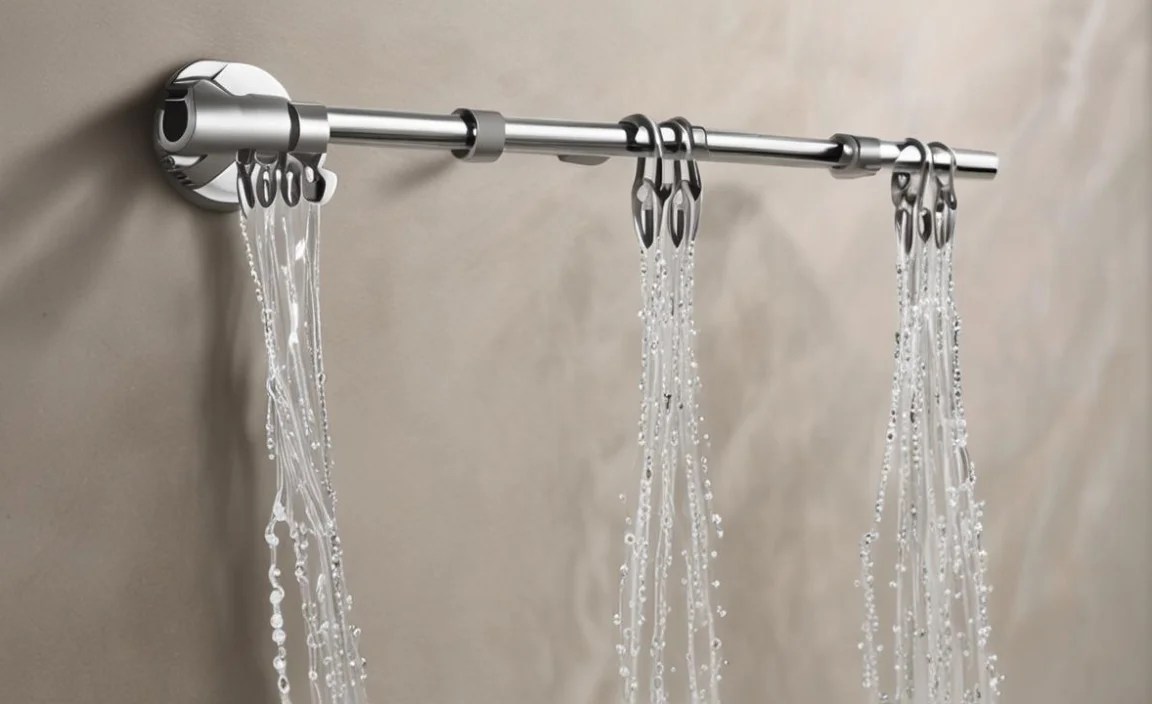
Aluminum is naturally rust-resistant as it forms a protective oxide layer.
Pros:
Rust-Resistant: Doesn’t corrode like iron or steel.
Lightweight: Easy to install and handle.
Durable: Stronger than most plastics.
Cons:
Softer Metal: Can be more prone to bending than stainless steel if subjected to significant force.
Can Tarnish: While it doesn’t rust, aluminum can tarnish or oxidize over time, changing its appearance.
Why it’s essential: A practical, lightweight, and rust-resistant option, though perhaps not as robust as high-grade stainless steel for very heavy curtains or constant harsh use.
Comparison Table: Material Properties
Here’s a quick look at how these materials stack up:
<table border=”1″>
<thead>
<tr>
<th>Material</th>
<th>Rust Resistance</th>
<th>Durability</th>
<th>Cost</th>
<th>Aesthetics</th>
</tr>
</thead>
<tbody>
<tr>
<td>Stainless Steel</td>
<td>Excellent</td>
<td>Excellent</td>
<td>High</td>
<td>Modern, Sleek</td>
</tr>
<tr>
<td>High-Quality Plastic</td>
<td>Excellent (No Rust)</td>
<td>Good</td>
<td>Low</td>
<td>Varied (Colors, Styles)</td>
</tr>
<tr>
<td>Coated Metal</td>
<td>Good (if coating intact)</td>
<td>Good</td>
<td>Medium</td>
<td>Often Shiny (Chrome)</td>
</tr>
<tr>
<td>Aluminum</td>
<td>Good</td>
<td>Good</td>
<td>Medium</td>
<td>Can Tarnish</td>
</tr>
</tbody>
</table>
Features That Enhance Functionality
Beyond the material, several design features can elevate standard shower hooks into genuinely “essential quality” tools for your bathroom. These features focus on improving the user experience, ensuring a secure grip, and promoting smooth operation.
1. Roller Balls or Wheels
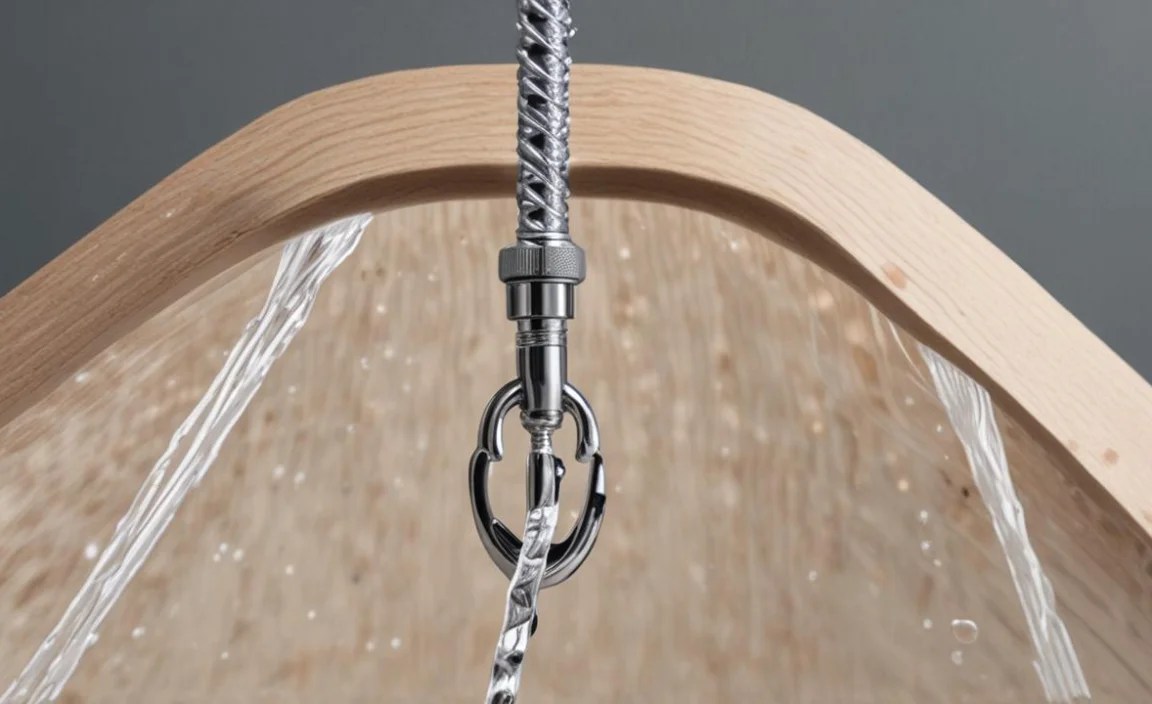
Some hooks, particularly double-roller designs, incorporate small wheels or balls.
Benefit: These significantly reduce friction as you slide the curtain along the rod. This means less snagging, less noise, and easier operation, especially for heavier curtains or children who might struggle with stiff hooks.
Why it’s essential: A smooth glide is a hallmark of a quality shower hook. It prevents wear and tear on both the curtain grommets and the rod, and makes daily use a pleasure rather than a chore.
2. Secure Locking Mechanisms
For hooks that are open-ended, a secure way to keep them attached to the curtain is vital.
Benefit: Some have a lip, a slightly curved end, or a specific shape that helps prevent the hook from accidentally sliding off the curtain’s fabric or grommet. Snap-on designs are a prime example of this.
Why it’s essential: A hook that stays on the curtain is a hook that does its job. Losing a hook means a section of your curtain might not hang properly, or worse, the whole thing could come down.
3. Weight Capacity
While not often explicitly stated for shower hooks, the build quality implies a weight capacity.
Benefit: Hooks made from thicker materials (heavy-duty plastic, solid stainless steel) can easily support the weight of even the wettest, heaviest fabric shower curtains without bending or breaking.
Why it’s essential: A hook that holds firm, regardless of whether the curtain is dry or saturated with water, is crucial for preventing accidents and maintaining the shower area’s integrity.
4. Ease of Installation and Removal
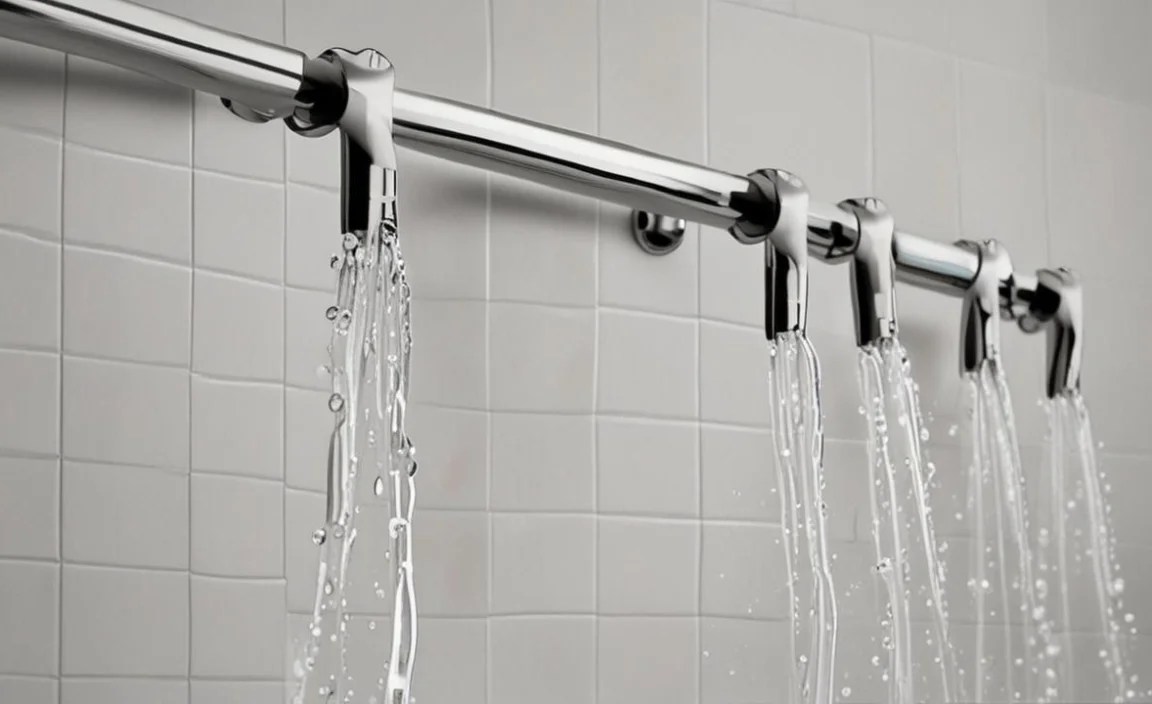
Good hooks are intuitive to put on and take off.
Benefit: This typically means a simple open-and-close design for ‘S’ hooks, or a straightforward clip-on for roller types. Avoid anything that requires tools or complex maneuvering.
Why it’s essential: For beginners or anyone who sands their bathroom or changes curtains frequently, ease of use is important. It saves time and frustration.
5. Grommet Protection
The part of the hook that interacts with the shower curtain’s grommets should be smooth.
Benefit: No sharp edges or rough surfaces mean the hook won’t snag, tear, or damage the grommets of your shower curtain over time. This prolongs the life of your curtain.
Why it’s essential: This subtle feature ensures that your curtain remains functional and presentable for longer, saving you money on replacements.
How to Choose the Best Waterproof Shower Hooks for Your Bathroom
Picking the “best” hooks is a personal choice influenced by your bathroom’s style, your curtain type, and practical considerations. Here’s a step-by-step approach to guide you.
Step 1: Assess Your Shower Curtain and Rod

Curtain Type: Is it a lightweight plastic liner, a medium-weight fabric curtain, or a heavy, luxurious textile? Heavier curtains demand stronger, more durable hooks.
Rod Type: Most standard curtain rods (straight, tension, or fixed) work with common hook types. If you have a circular or unusually shaped rod, ensure the hooks can adapt.
Grommets vs. Holes: Does your curtain have reinforced grommets (metal rings), or simple buttonholes? Hooks should fit securely through these without causing damage.
Step 2: Determine Your Material Preference
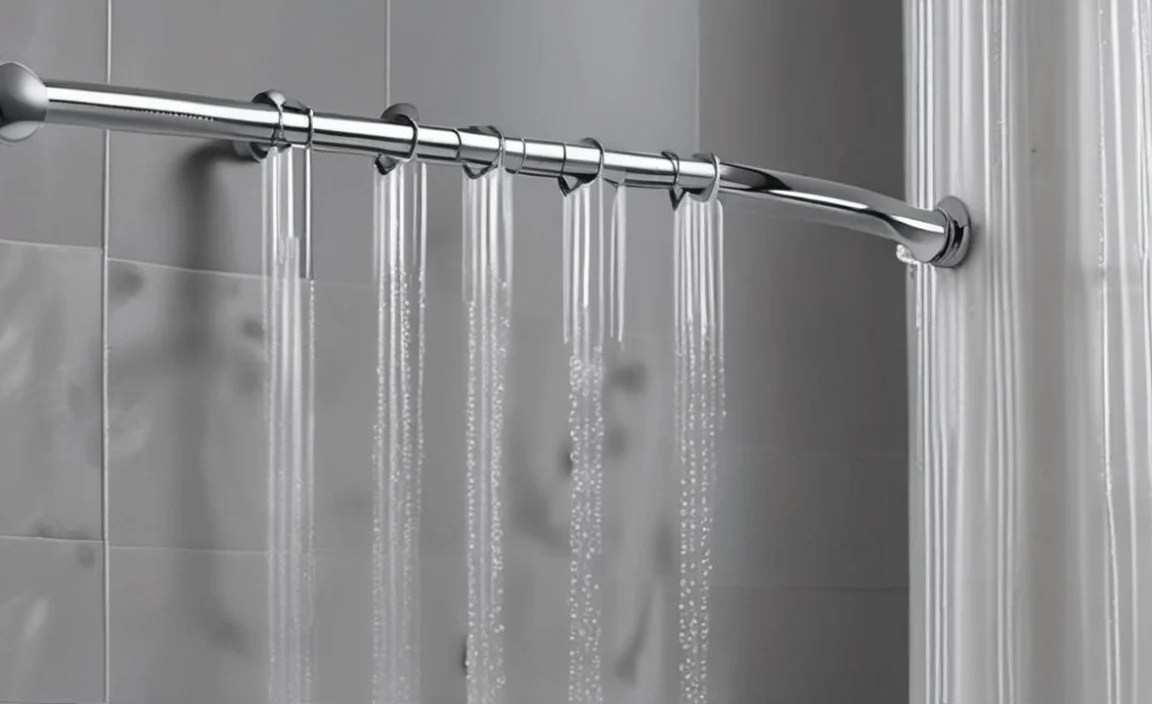
Based on our earlier discussion, decide if you prioritize:
Ultimate Rust Prevention: High-quality plastic or stainless steel.
Budget-Friendliness: High-quality plastic.
Durability and Premium Look: Stainless steel.
A Balanced Option: Look for good quality coated metal if aesthetics are key and you’re careful; aluminum is also a good mid-range choice.
Step 3: Consider the Hook Design
Smooth Gliding: If you want effortless operation, look for hooks with roller balls or designs specifically engineered for smooth movement.
Secure Fit: If you’ve had issues with curtains falling, opt for snap-on hooks or ‘S’ hooks with a good curve to keep them in place.
Aesthetics: Do you want simple, functional hooks, or something that adds a decorative touch? Remember to balance looks with material quality.
Step 4: Read Reviews and Check Specifications
Online Reviews: Pay attention to what other buyers say about durability, ease of use, and rust resistance. Look for patterns in positive and negative feedback.
* Product Descriptions: Manufacturers often highlight key features like “rust-proof,” “smooth glide,” or “heavy duty.”
Step 5: Choose a Reputable Brand or Retailer

Purchasing from well-known home goods brands or reputable online retailers increases the likelihood of getting a quality product. Many companies offer warranties on their bathroom accessories, which is a good sign of confidence in their product.
Example Scenario: Choosing Hooks for a Fabric Curtain
Let’s say you’ve invested in a beautiful, heavy fabric shower curtain.
1. Assessment: Heavy fabric curtain, standard smooth rod.
2. Material: You need strength and rust resistance. Stainless steel is ideal. If budget is tighter, look for the thickest, heaviest-duty plastic available.
3. Design: Roller hooks with smooth gliding action will be best to handle the weight and prevent snagging. Ensure they have a secure fastening to keep the heavy curtain on.
4. Reviews: Search for “heavy duty stainless steel shower hooks roller.” Read reviews mentioning performance with fabric curtains. Brands like [example brand name] often get good mentions for their durable metal hooks. You might also find reliable options on sites like <a href=”https://www.epa.gov/watersense” target=”_blank” rel=”noopener noreferrer”>EPA WaterSense (while not selling hooks, it highlights water efficiency which implies bathroom fixture quality focus) or from general home improvement suppliers.
By following these steps, you can confidently select waterproof shower hooks that offer essential quality and will serve you well for years to come.
Installation: Simple Steps to Hang Your New Hooks
Installing new shower hooks is usually incredibly straightforward. Most designs are meant for a quick DIY job that takes just a few minutes. Here’s a general guide, which might vary slightly depending on your chosen hook type.
What You’ll Need (Usually None!)
For most standard shower hooks, you won’t need any tools. Your hands are all you need! Occasionally, a small screwdriver might be needed for certain snap-on or adjustable types, but this is rare
