
A bidet description details a fixture or attachment that uses a spray of water for personal cleansing after using the toilet. It offers a cleaner, more hygienic, and eco-friendly alternative to toilet paper, enhancing bathroom comfort and cleanliness.
Are you curious about what exactly a bidet is and why so many people are talking about them? It’s a common question, and the idea of a bidet might seem a bit unfamiliar at first. Many of us are used to traditional methods, but there’s a modern solution that’s gaining popularity for good reason. It’s all about a more refreshing and hygienic experience.
This guide is here to demystify the bidet. We’ll break down what it is, the different types available, and the benefits they offer. By the end, you’ll have a clear understanding and feel confident about whether a bidet is the right upgrade for your bathroom. Let’s dive in and explore this fantastic addition to modern hygiene!
What Exactly is a Bidet?
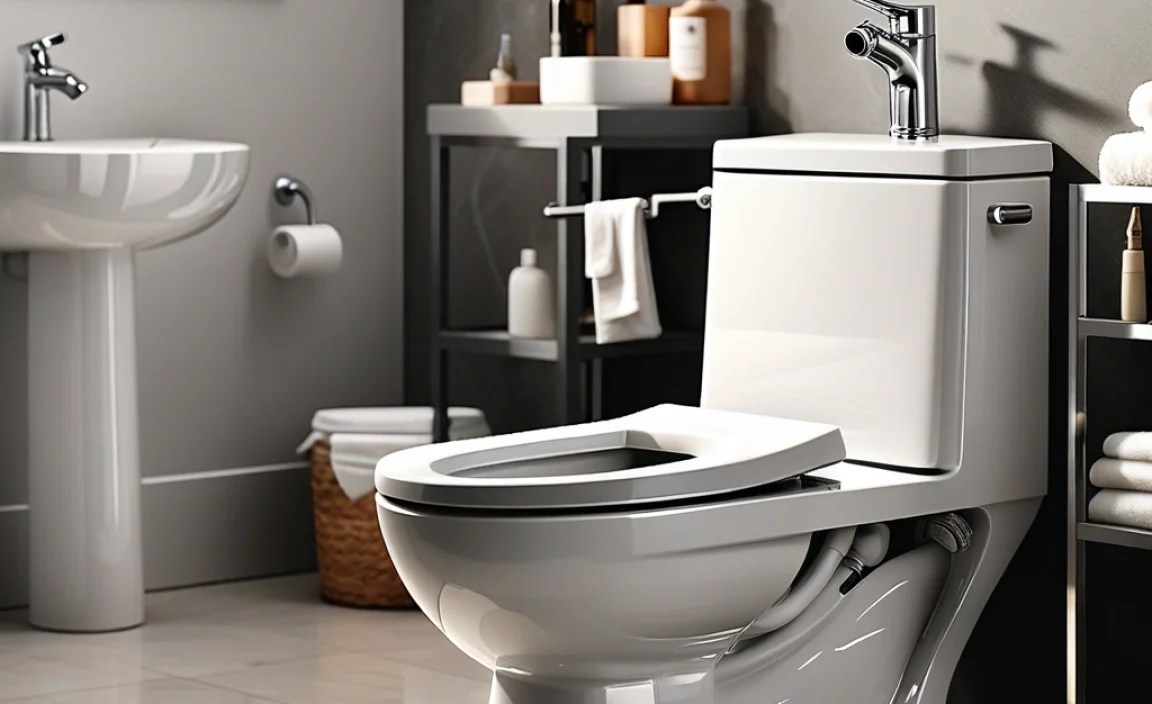
At its core, a bidet is a plumbing fixture or an attachment designed to wash your nether regions with a stream of water. Think of it as a targeted mini-shower for your bottom after you’ve used the toilet. Instead of relying solely on toilet paper, a bidet provides a gentle, refreshing cleanse that leaves you feeling significantly cleaner and more confident.
The concept is simple yet incredibly effective. Water is naturally a superior cleaning agent compared to dry paper. This fundamental principle is why bidets have become a staple in many parts of the world and are now rapidly gaining traction elsewhere. They represent a step forward in personal hygiene and comfort.
A Brief History of the Bidet
While bidets might seem like a new trend to some, they actually have a long and interesting history. Originating in France in the early 18th century, the first bidets were essentially standalone ceramic basins with a tap and a reservoir. They were commonly found in bedrooms or dressing rooms, not directly in bathrooms as we often see them today.
The name “bidet” itself comes from the French word for “pony,” likely referring to the straddling motion required to use the early versions. Over time, the bidet evolved, becoming more integrated with bathroom plumbing and evolving into various forms, including the modern standalone units and the more accessible attachments we’ll discuss later. This rich history shows a sustained desire for improved personal hygiene practices.
Why Consider a Bidet? The Key Benefits
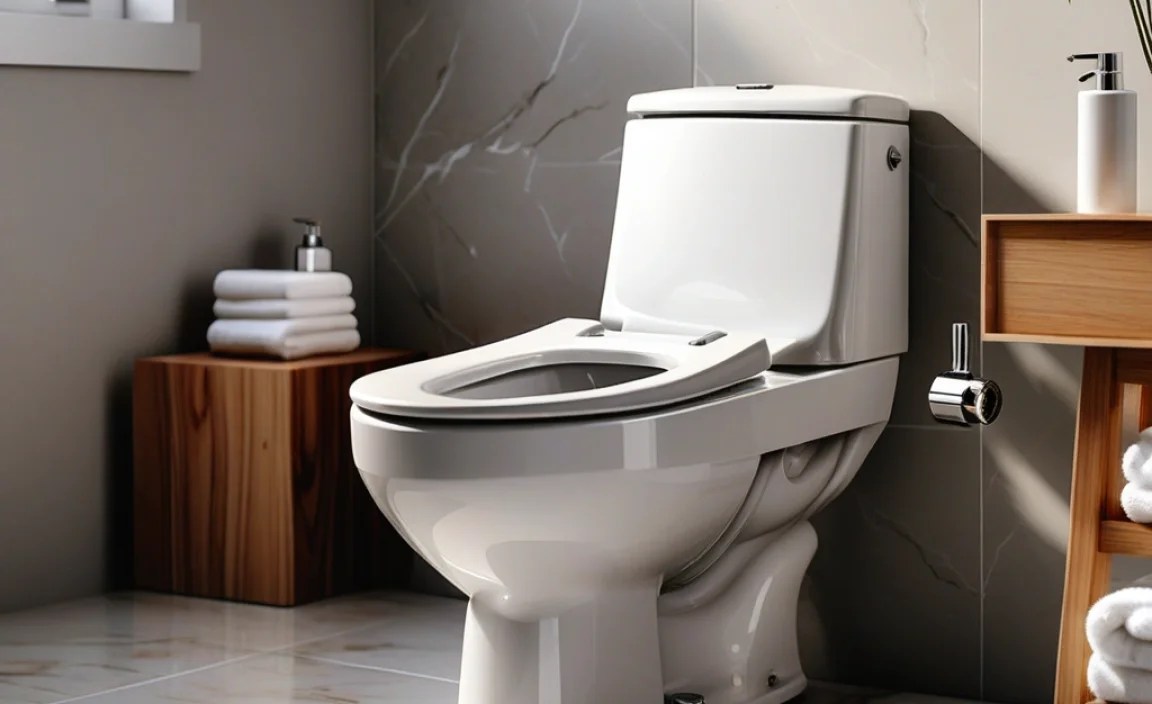
Moving beyond just a description, understanding the “why” behind a bidet is crucial. The advantages are multi-faceted, touching on hygiene, comfort, environmental impact, and even long-term cost savings. Here’s a breakdown of why a bidet might be a smart addition to your home:
Enhanced Personal Hygiene
This is arguably the most significant benefit. Water cleans more effectively than dry paper. Think about it: if you got mud on your hands, would you just wipe it with a dry paper towel and consider yourself clean? Probably not. A bidet provides a thorough wash, removing more residue and bacteria, leading to a feeling of superior cleanliness and reducing the risk of irritation and infections.
Increased Comfort and Soothing Relief
For individuals experiencing discomfort from conditions like hemorrhoids, fissures, or post-surgery recovery, the gentle stream of water from a bidet can be incredibly soothing. It’s a much gentler and more comfortable alternative to abrasive toilet paper, offering relief and promoting healing. Many advanced bidets also offer customizable temperature and pressure settings for an even more pleasant experience.
Environmental Friendliness
The production of toilet paper has a significant environmental footprint. It requires trees, water, and energy to manufacture. By reducing or eliminating your reliance on toilet paper, you’re actively contributing to conserving natural resources. A single roll of toilet paper can use up to 37 gallons of water to produce! Switching to a bidet is a tangible way to make your home more eco-conscious. According to the Environmental Protection Agency (EPA), paper production is a major industry with substantial environmental considerations.
Long-Term Cost Savings
While there’s an initial investment in a bidet or bidet attachment, the reduction in toilet paper purchases can lead to significant savings over time. Households can drastically cut down on their monthly spending on this disposable item. The exact savings will vary depending on your current toilet paper consumption and the cost of bidets, but many find it a worthwhile investment for both their wallets and the planet.
Improved Accessibility
For elderly individuals or those with mobility issues, reaching and using toilet paper effectively can be challenging. Bidets offer a more independent and dignified way to maintain personal hygiene. The automated washing function can be a game-changer for maintaining independence in the bathroom.
Types of Bidets: Finding Your Perfect Fit

The world of bidets has expanded beyond the traditional standalone fixture. Today, there are several types of bidets, each offering different features, installation complexities, and price points. Understanding these options will help you choose the best fit for your bathroom and budget.
Standalone Bidets
These are the original form of bidets, separate fixtures installed next to your toilet. They resemble a small sink, with a faucet that you use to direct water for washing. While offering a dedicated and often luxurious experience, they require significant bathroom space and additional plumbing work, making them a less common choice in modern renovations or smaller bathrooms.
Pros:
- Dedicated washing space.
- Often aesthetically pleasing and luxurious.
- Full control over water stream and temperature with manual faucets.
Cons:
- Requires significant bathroom space.
- Requires additional plumbing and installation costs.
- Not a space-saving solution.
Bidet Toilet Seats
These are by far the most popular type of bidet for modern homes. A bidet toilet seat replaces your existing toilet seat and integrates washing functions directly into the seat itself. They connect to your toilet’s water supply and often come with advanced features like heated seats, warm water spray, adjustable nozzles, and even air dryers. They are designed to fit most standard toilets.
Pros:
- Easy to install, often a DIY project.
- Space-saving, as it replaces your existing seat.
- Offers a wide range of features, from basic to luxurious.
- No additional plumbing work needed beyond connecting to the toilet’s water line.
Cons:
- Requires access to an electrical outlet if heated features are desired.
- Can be more expensive than simple attachments.
- The look and feel might differ from a standard toilet seat.
Bidet Attachments (Under-Seat or Front-Mounted)
These are the most budget-friendly and simplest bidet solutions. They are installed underneath your existing toilet seat or directly mount to the toilet bowl rim. They typically connect to the toilet’s water supply and have controls for adjusting water pressure and nozzle position. Some are manual, while others are more advanced with features like self-cleaning nozzles.
Pros:
- Most affordable option.
- Relatively easy to install.
- Fits most toilets.
- No electrical outlet required for basic models.
Cons:
- Fewer features compared to bidet seats (e.g., no heated water or seat unless electric model).
- Can sometimes feel less integrated or sturdy than a full seat.
- Manual controls might be less convenient for some.
Bidet Bathroom Add-Ons (Sprays or Handheld Spritzers)
These are essentially handheld sprayers, much like a kitchen sink sprayer, that are mounted near the toilet. You manually direct the spray for cleaning. They are straightforward to install but require manual dexterity and control to use effectively and without creating a mess.
Pros:
- Very affordable.
- Simple installation.
- Versatile for other cleaning tasks in the bathroom.
Cons:
- Requires manual aiming and control.
- Can be messy if not used carefully.
- Basic models offer no water temperature control.
- Less hygienic as some may not have a self-cleaning nozzle feature.
Here’s a quick comparison to help visualize the types:
| Bidet Type | Installation Complexity | Typical Features | Best For |
|---|---|---|---|
| Standalone Bidet | High (requires additional plumbing) | Separate fixture, faucet control | Large bathrooms, luxury renovations |
| Bidet Toilet Seat | Medium (DIY possible, some models need electricity) | Heated seat, warm water, dryer, remote control | Most homeowners, seeking modern features |
| Bidet Attachment | Low (DIY, no electricity needed for basic) | Water spray, adjustable nozzle, pressure control | Budget-conscious, quick upgrade |
| Bidet Sprayer | Low (DIY) | Manual spray, basic cleaning | Very tight budgets, simple needs |
Key Features to Look For in a Bidet
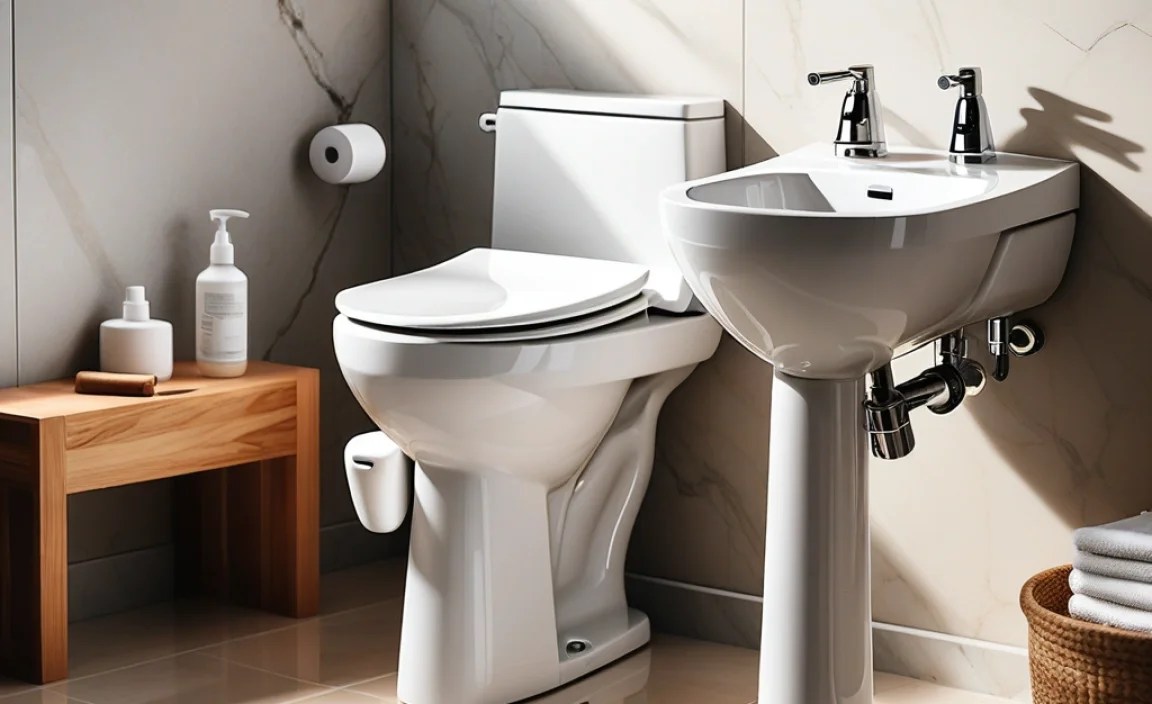
When choosing which bidet is right for you, consider the features that will enhance your experience. Not all bidets are created equal, and the right features can make a big difference in comfort, convenience, and hygiene.
Water Temperature Control
This is a game-changer. Cold water can be a shock, especially in colder climates or during winter. Bidets with built-in water heaters offer a warm water spray, providing a much more comfortable and spa-like experience. This feature is typically found on electric bidet toilet seats and some advanced attachments.
Adjustable Water Pressure and Nozzle Position
Everyone has different needs and preferences. The ability to adjust the water pressure allows you to customize the intensity of the spray. Similarly, adjustable nozzle positions ensure you can direct the water spray precisely where it’s needed for effective cleaning. Many bidets offer multiple spray patterns as well.
Heated Seat
Another comfort feature, especially appreciated in colder months. A heated toilet seat provides a warm and welcoming surface, eliminating that jarring cold seat experience. This is a common feature in electric bidet toilet seats.
Air Dryer
Some high-end bidet seats include a built-in air dryer. This feature gently blows warm air to dry you off after washing, further reducing or eliminating the need for toilet paper or towels. It adds an extra layer of convenience and hygiene.
Self-Cleaning Nozzles
Hygiene is paramount. Bidets with self-cleaning nozzles ensure that the spray nozzle is automatically rinsed before and after each use, maintaining cleanliness and preventing residue buildup. Some also have extendable or retractable nozzles for further protection.
Remote Control vs. Side Panel
Bidets are controlled either via a side-mounted control panel on the seat itself or a separate remote control. Remote controls offer more flexibility in placement (e.g., on the wall) and can be easier to use for some, especially if the side panel is hard to reach. Side panels offer direct access without needing to find a remote.
Water Source
Most bidets connect to your toilet’s existing cold water supply line. Electric models with water heating capabilities will have an internal heater. Non-electric models that offer warm water often require connecting to your sink’s hot water supply, which can involve more complex installation.
Installation: A DIY-Friendly Overview
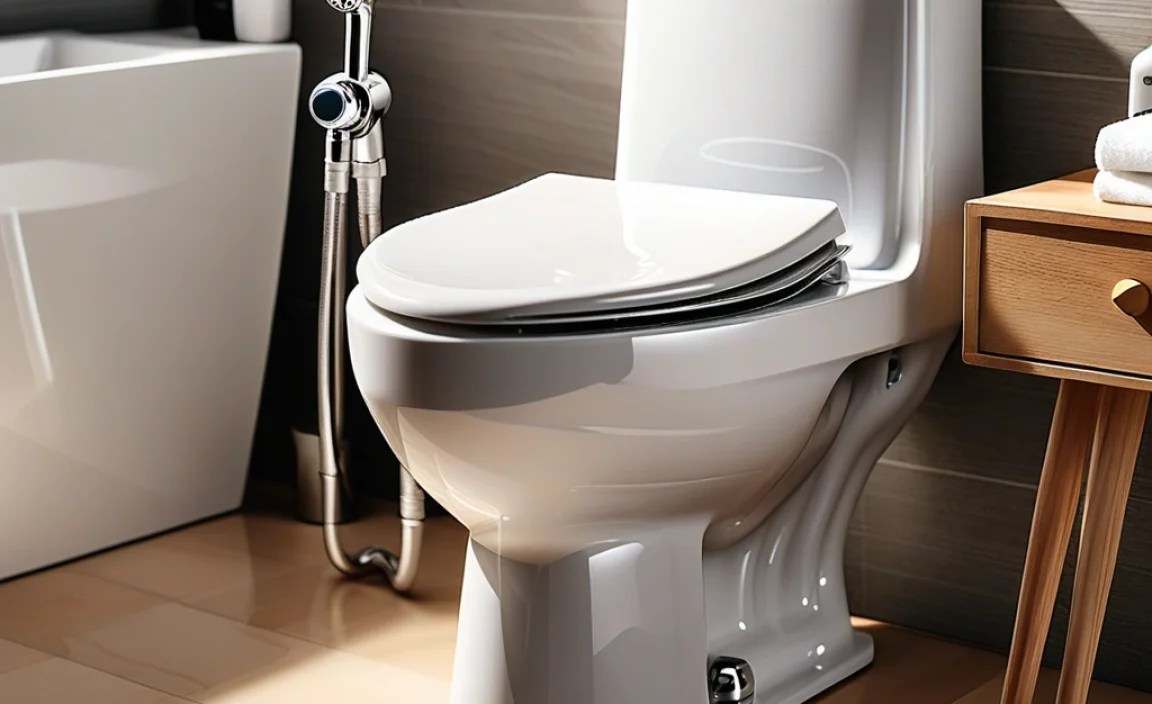
One of the great things about bidet toilet seats and attachments is that they are often designed for straightforward DIY installation. While specific steps can vary by model, the general process is quite manageable for most homeowners. Always consult your bidet’s specific instruction manual for detailed guidance.
Tools You’ll Likely Need
Gathering these common tools will make the installation process smoother:
- Adjustable wrench
- Screwdriver (Phillips and flathead, depending on your toilet seat)
- Towel or bucket (to catch any residual water)
- Plumbing tape (Teflon tape), often included but good to have spares
- A helper (for removing and installing the seat)
General Installation Steps (Bidet Seat Example)
Here’s a general idea of how to install a bidet toilet seat. Please refer to your manufacturer’s instructions!
- Turn off the water supply: Locate the water shut-off valve behind your toilet and turn it clockwise to stop the water flow.
- Flush the toilet: Flush the toilet to empty the tank and hold the handle down to drain as much water as possible.
- Disconnect the old supply line: Place a towel or bucket under the connection. Unscrew the water supply line from the bottom of the toilet tank.
- Remove the old toilet seat: Locate the bolts under the rim of the toilet bowl where the old seat is attached. Unscrew them and lift off the old seat. Clean the area around the bolt holes.
- Install the new bidet seat mounting bracket: Place the mounting plate provided with your bidet seat over the bolt holes on the toilet bowl. Insert the bolts through the plate and bowl, and loosely attach them.
- Attach the bidet seat: Slide the bidet seat onto the mounting bracket until it clicks into place. Adjust its position as needed, then tighten the mounting bolts securely.
- Connect the bidet’s water supply line: Screw the bidet’s water supply hose onto the inlet valve on the bidet seat. Ensure the rubber washer is in place and tighten with a wrench.
- Connect to the toilet tank: Connect the T-adapter (usually provided with the bidet) to the water fill valve at the bottom of the toilet tank. Then, reconnect the toilet’s original water supply line to the other end of the T-adapter. Ensure all connections are snug but do not overtighten.
- Turn on the water supply: Slowly turn the water shut-off valve counter-clockwise to restore water flow. Check all connections for leaks.
- Test the bidet: Once water fills the tank and bidet, test the bidet functions according to the manufacturer’s instructions.
For bidet attachments or sprayers, the steps are often even simpler, typically involving unscrewing the existing toilet seat bolts, placing the attachment, and then reinstalling the seat or attaching the sprayer bracket. Always follow your specific product’s guide.
Maintenance and Care
Keeping your bidet clean and functioning properly is essential. Thankfully, most modern bidets are low-maintenance. Regular cleaning will ensure longevity and optimal performance.
Daily/Weekly Cleaning
- Wipe down surfaces: Use a damp cloth and mild, non-abrasive cleaner to wipe down the seat, lid, and exterior of the bidet.
- Nozzle care: If your bidet has a self-cleaning function, ensure it’s activated. For manual cleaning, gently wipe the nozzle area with a damp cloth and mild cleaner when the nozzle is retracted or extended (depending on your model and its features). Avoid harsh chemicals that could damage the plastic or seals.
Periodic Maintenance
- Check for leaks: Periodically inspect the water supply hose and connections for any signs of leaks or wear.
- Descaling (if applicable): If you live in an area with hard water, mineral buildup can occur. Follow manufacturer recommendations for descaling. Some models may have specific cleaning cycles or require descaling solutions.
- Filter check: Some higher-end bidets may have small water filters that can be cleaned or replaced. Refer to your manual for details.
For detailed maintenance instructions specific to your model, always refer to the user manual provided by the manufacturer. Proper care ensures your bidet remains hygienic and functional for years to come.
Bidet FAQs
Are bidets hygienic?
Yes, bidets are considered highly hygienic. They use water to cleanse, which is more effective than dry toilet paper at removing bacteria and residue, leading to a cleaner feel and potentially reducing irritation.
Do I need a plumber to install a bidet?
For most bidet toilet seats and attachments, installation is a DIY-friendly task that doesn’t require a plumber. You’ll typically just need some common household tools. Standalone bidets, however, do require professional plumbing work.
How does a bidet attachment work without electricity?
Non-electric bidet attachments use your home’s existing cold water pressure to operate. Some models can connect to your hot water line (often from a nearby sink) for warm water, but this may require additional plumbing. Electric models have internal heaters for warm water and other features.
Can a bidet clog my toilet?
No, bidets themselves do not cause toilets to clog. They are designed to use a gentle stream of water for cleaning. Clogs are typically caused by the normal use of the toilet itself.
