
A bidet is a bathroom fixture that uses a spray of water to clean you after using the toilet. Easy to install and use, bidets offer a more hygienic and eco-friendly way to freshen up, reducing toilet paper waste and providing a comfortable clean for everyone.
Ever wondered about that fancy bathroom fixture that seems to be popping up everywhere? You might have heard the term “bidet” and pictured something complicated, maybe even a little intimidating. But don’t worry! Bidets are actually super simple and incredibly beneficial. Think of them as a refreshing, gentle way to get truly clean after a trip to the restroom. They’re designed to make you feel fresher and leave you feeling confident. Forget dealing with uncomfortable or questionable cleaning methods – this guide is here to demystify bidets and show you just how easy and wonderful they can be. By the end, you’ll have all the knowledge you need to understand what a bidet is and why it might be the perfect addition to your bathroom.
What Exactly is a Bidet?
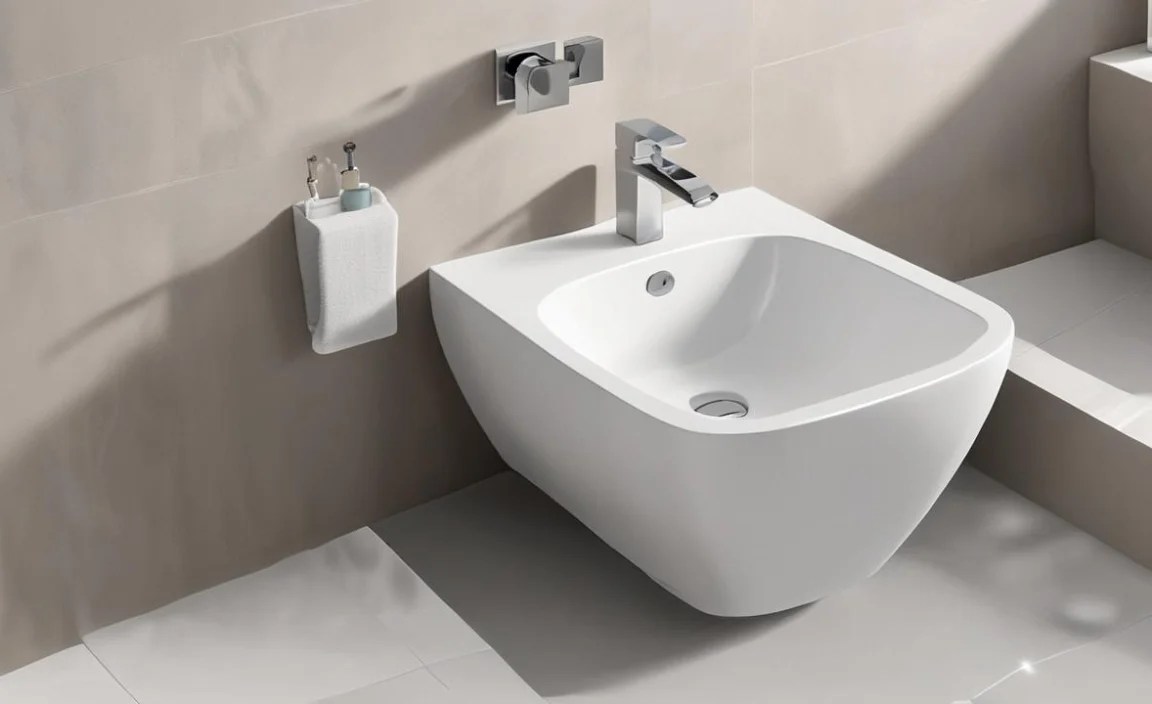
At its core, a bidet is a plumbing fixture that sprays a stream of water to cleanse your nether regions after using the toilet. It’s a common fixture in households around the world, particularly in parts of Europe, Asia, and South America, and its popularity is growing rapidly in North America. The primary function is to offer a more hygienic and effective cleaning solution than toilet paper alone.
Imagine the feeling of stepping out of the shower – that clean, refreshed sensation. A bidet aims to bring a similar level of freshness to your everyday bathroom routine. It’s not just about comfort; it’s about elevating your personal hygiene in a simple, accessible way. With different types available, there’s a bidet solution for almost every bathroom and budget.
The Bidet’s Purpose: Beyond Toilet Paper

So, why use a bidet when we have toilet paper? The reasoning is quite practical and revolves around effectiveness and hygiene. Toilet paper, while a staple in many homes, can sometimes smear rather than effectively clean, potentially leading to irritation and discomfort. Water, on the other hand, offers a thorough cleansing action that can leave you feeling significantly cleaner and more comfortable.
The goal of a bidet is to provide:
- Superior Hygiene: Water cleans more effectively than dry paper, reducing the presence of bacteria and the risk of irritation or infection.
- Environmental Benefits: By significantly reducing toilet paper consumption, bidets help conserve trees, water used in paper production, and lessen landfill waste. Did you know that the average American uses about 141 rolls of toilet paper per year? A bidet can drastically cut this down.
- Comfort and Soothing: For individuals with certain medical conditions like hemorrhoids or those who have recently undergone surgery, the gentle cleansing of water can be much more comfortable and less irritating than using toilet paper.
- Reduced Plumbing Issues: Less toilet paper flushed means fewer clogs and less strain on your plumbing system.
Types of Bidets: Finding Your Perfect Fit

The world of bidets isn’t one-size-fits-all. There’s a range of options, each with its own features and installation requirements. Understanding these differences will help you choose the best bidet for your home, needs, and budget. Let’s break down the most common types:
1. Traditional Standalone Bidets
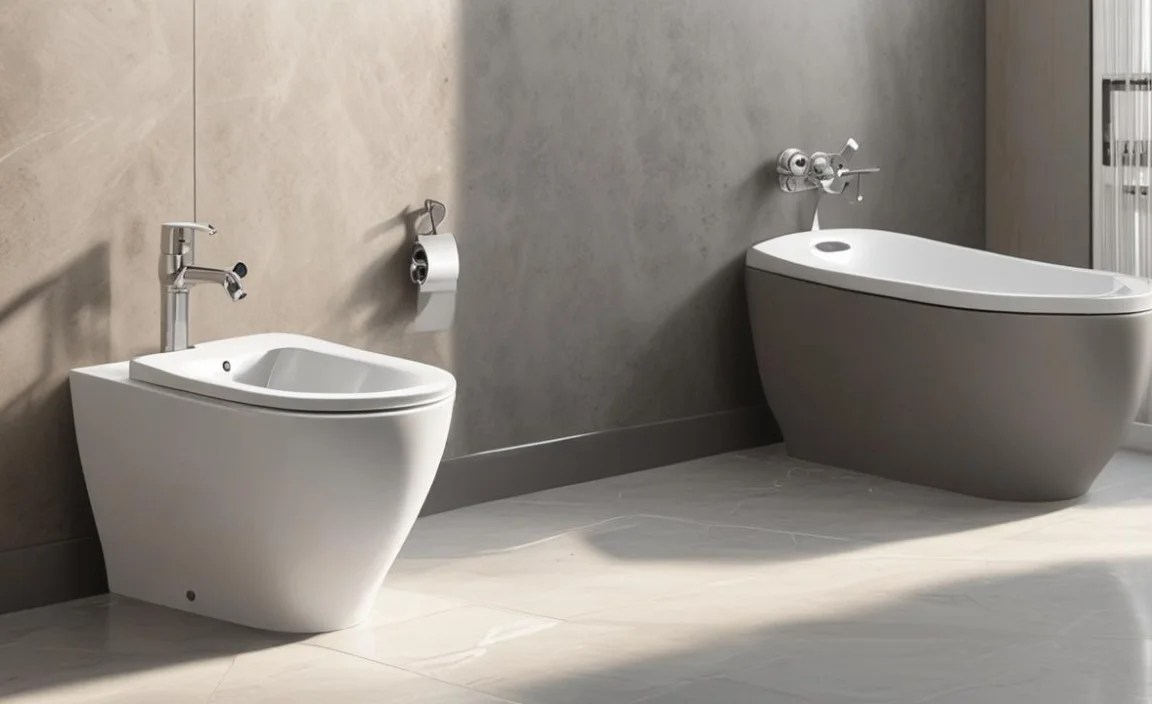
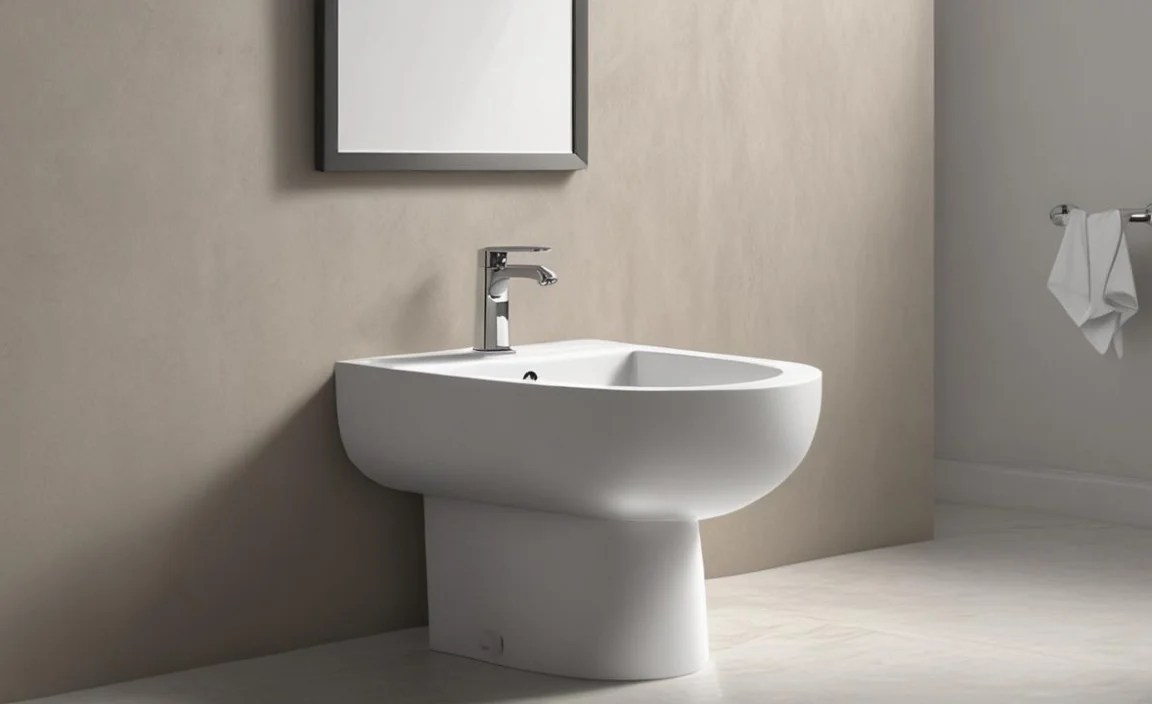
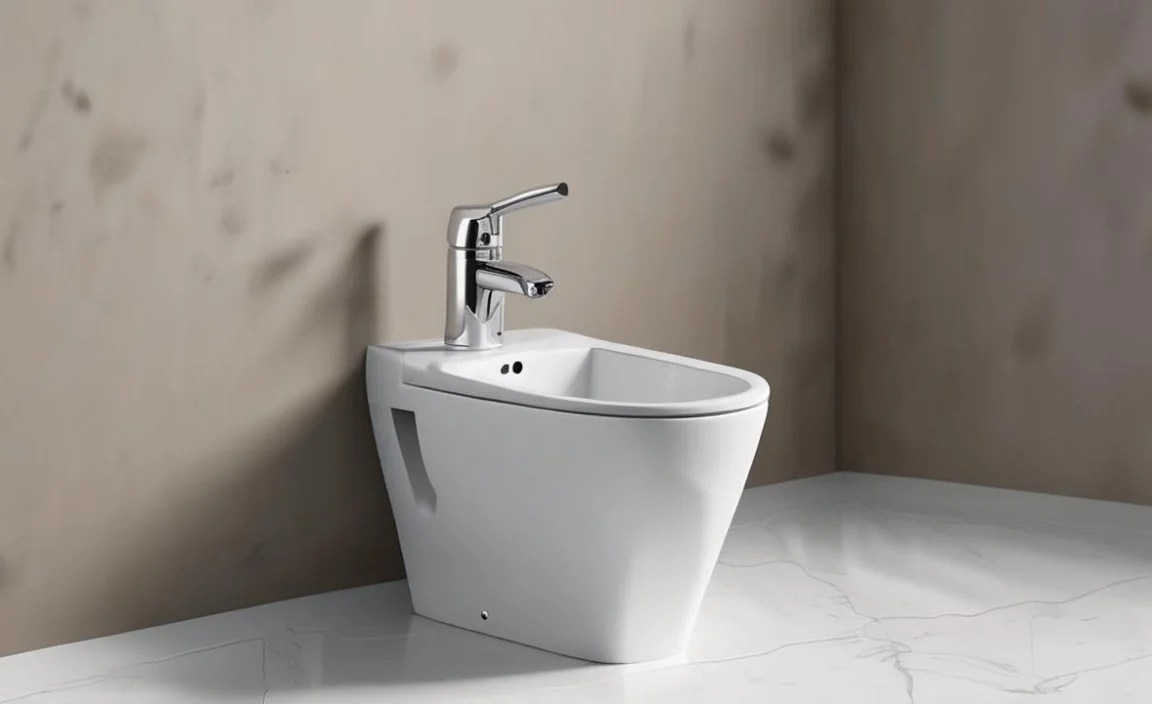
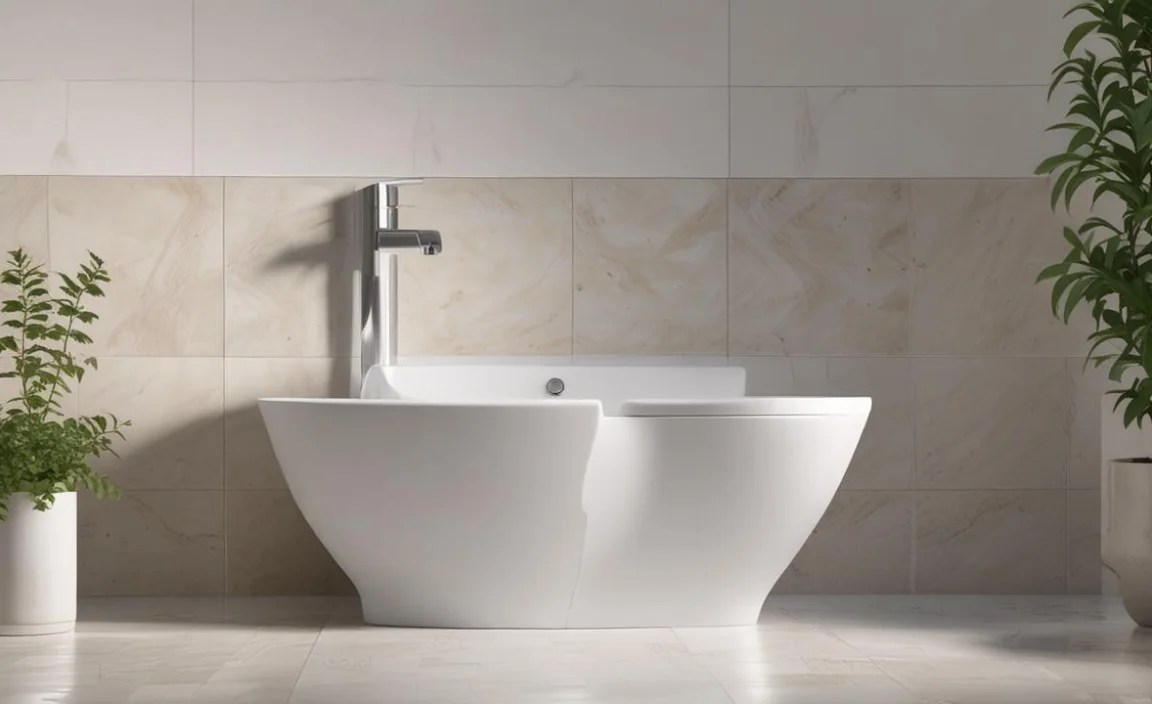
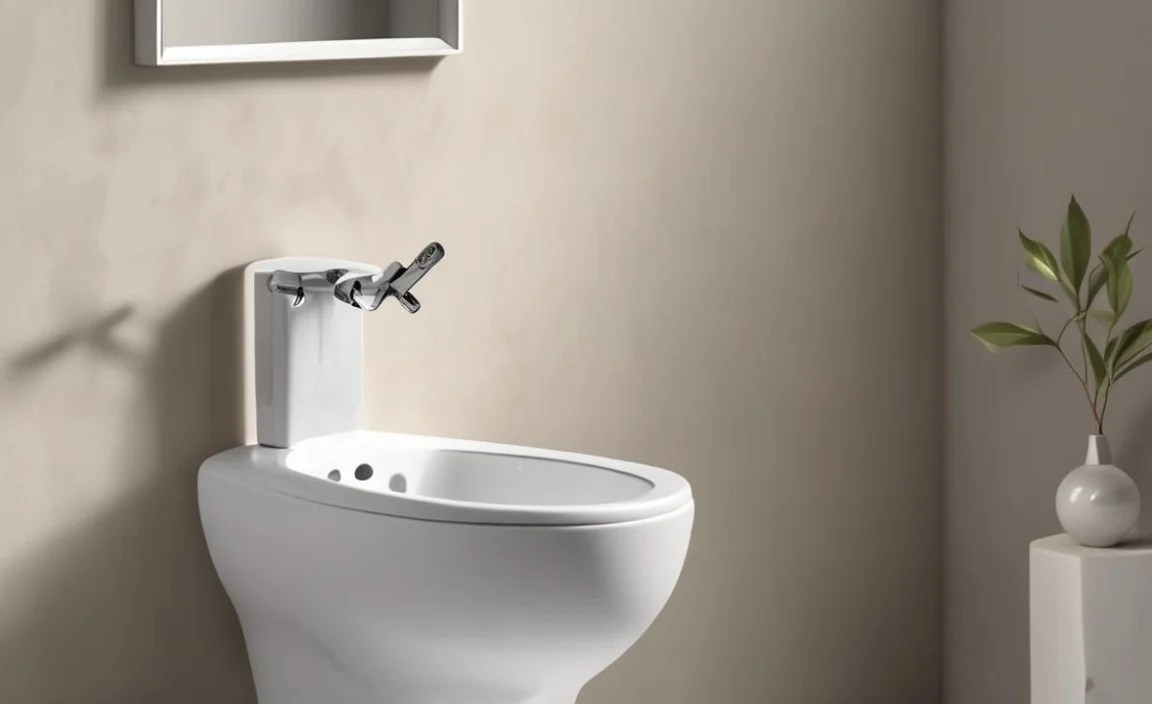
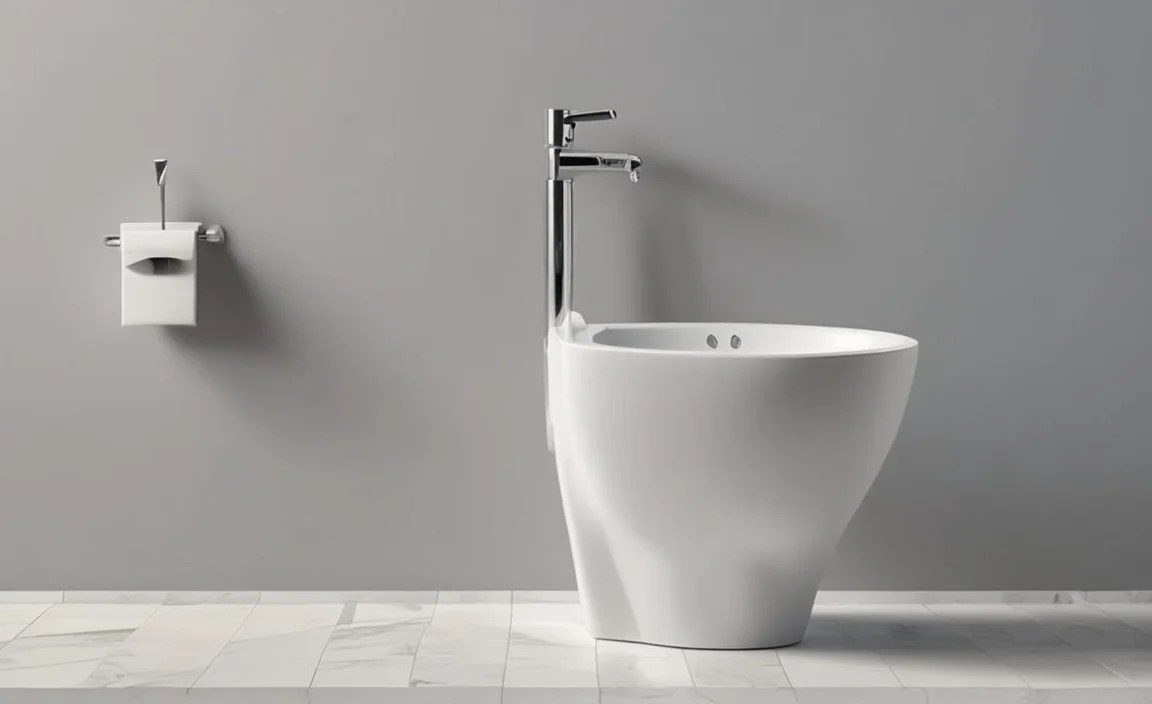
These are the original form of bidets, often found in older homes or European bathrooms. A standalone bidet looks very much like a small toilet or a sink installed next to the toilet. After using the toilet, you would move to the bidet to wash yourself. They require dedicated plumbing for hot and cold water and a drain.
- Pros: Offers a distinct cleansing experience, can be very aesthetically pleasing.
- Cons: Requires significant bathroom space, involves more complex installation and plumbing work, requires you to move from the toilet to the bidet.
2. Bidet Toilet Seats
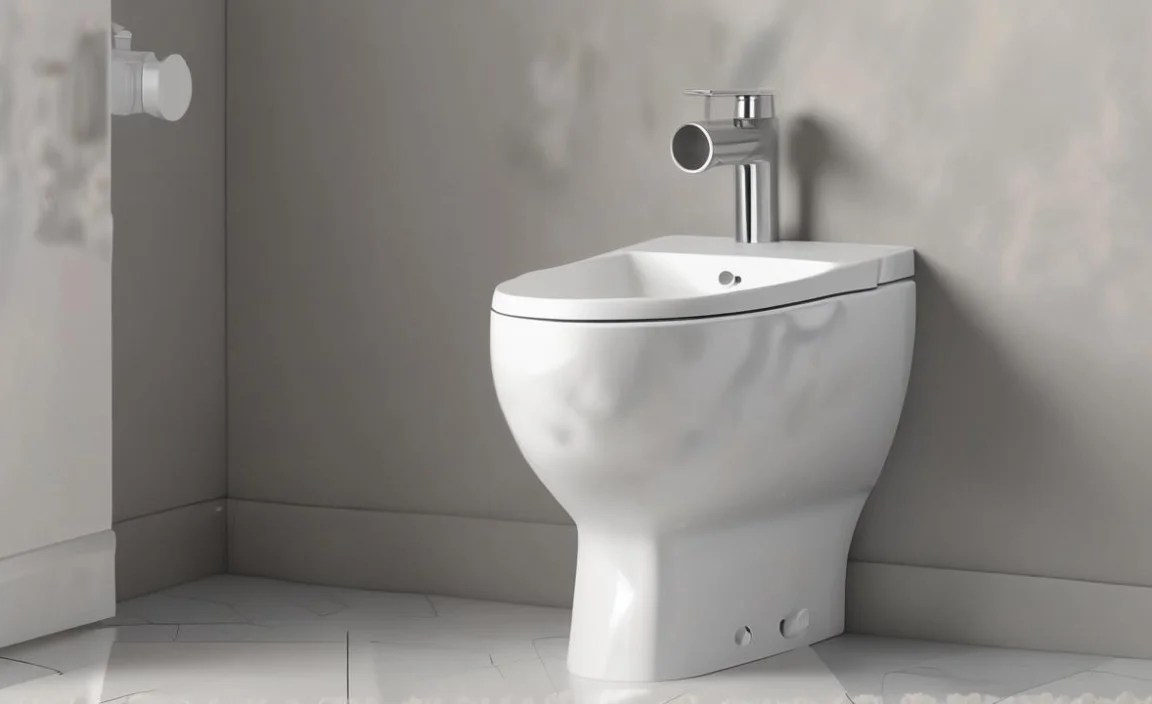
These are one of the most popular and accessible options today. A bidet toilet seat is designed to replace your existing toilet seat. They look similar to a regular toilet seat but come with built-in bidet functionalities, including a nozzle that extends to spray water.
Features commonly found in bidet toilet seats:
- Adjustable water pressure and temperature.
- Front and rear wash modes.
- Some models offer heated seats, warm air dryers, and deodorizers.
- Easy to install, often requiring only basic DIY skills and access to an electrical outlet for electronic models.
Pros: Relatively easy to install, integrates directly with your toilet, wide range of features available, no need to move from the toilet.
3. Bidet Attachments
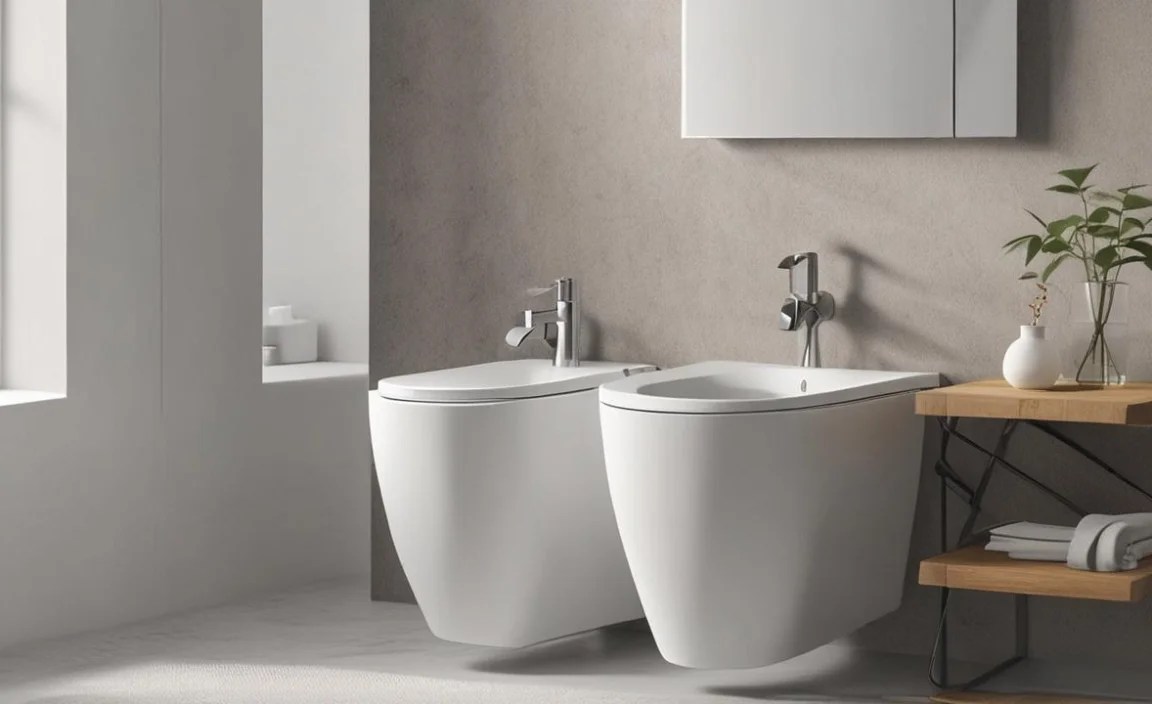
For a more budget-friendly and simpler solution, bidet attachments are a great choice. These are slim panels that fit underneath your existing toilet seat. They feature a nozzle that sprays water and are typically connected directly to your toilet’s water supply line.
- Pros: Most affordable option, very easy to install (often requiring no special tools), requires no electricity.
- Cons: Limited features (usually only cold water, basic spray), might not offer the same level of comfort as electric seats, can sometimes alter the height or stability of your existing toilet seat slightly.
4. Handheld Bidet Sprayers (aka Bidet Showers or “Nacho Washers”)

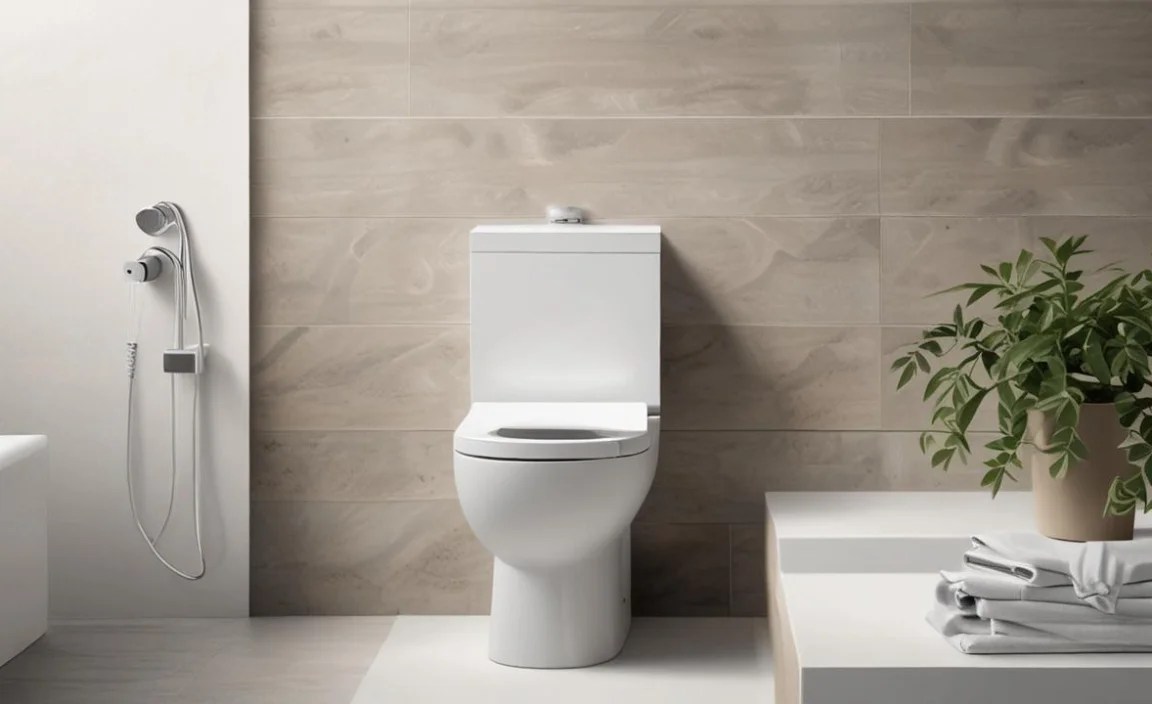
These look similar to a kitchen sink sprayer or a showerhead. A handheld bidet sprayer is a nozzle attached to a hose, mounted on the wall near the toilet. You manually aim and spray the water for cleansing. They are connected to the toilet’s water supply.
- Pros: Very affordable, simple to install, provides manual control over aim and pressure, can also be used for cleaning the toilet bowl or rinsing cloth diapers.
- Cons: Requires manual dexterity to aim, primarily uses cold water unless a hot water T-valve is installed (which can be complex), can be messy if not used carefully.
5. Integrated Bidet Toilets
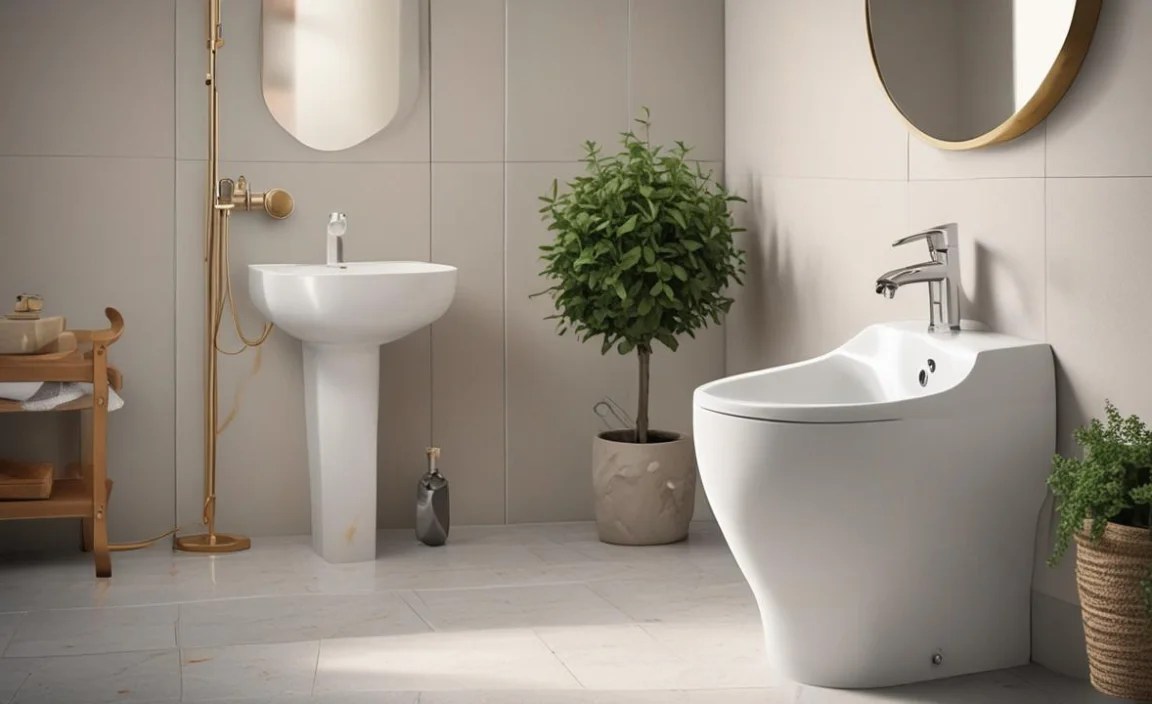
These are high-end, all-in-one units where the bidet functionality is built directly into the toilet bowl itself. They offer the most sleek and modern aesthetic, often featuring advanced features like automatic flushing, heated seats, automatic lid opening/closing, adjustable spray patterns, and remote controls.
- Pros: Seamless integration and modern design, packed with the most advanced features, offers the ultimate in comfort and convenience.
- Cons: Most expensive option, requires complete toilet replacement and potentially specialized plumbing/electrical work.
How to Use a Bidet: A Step-by-Step Guide
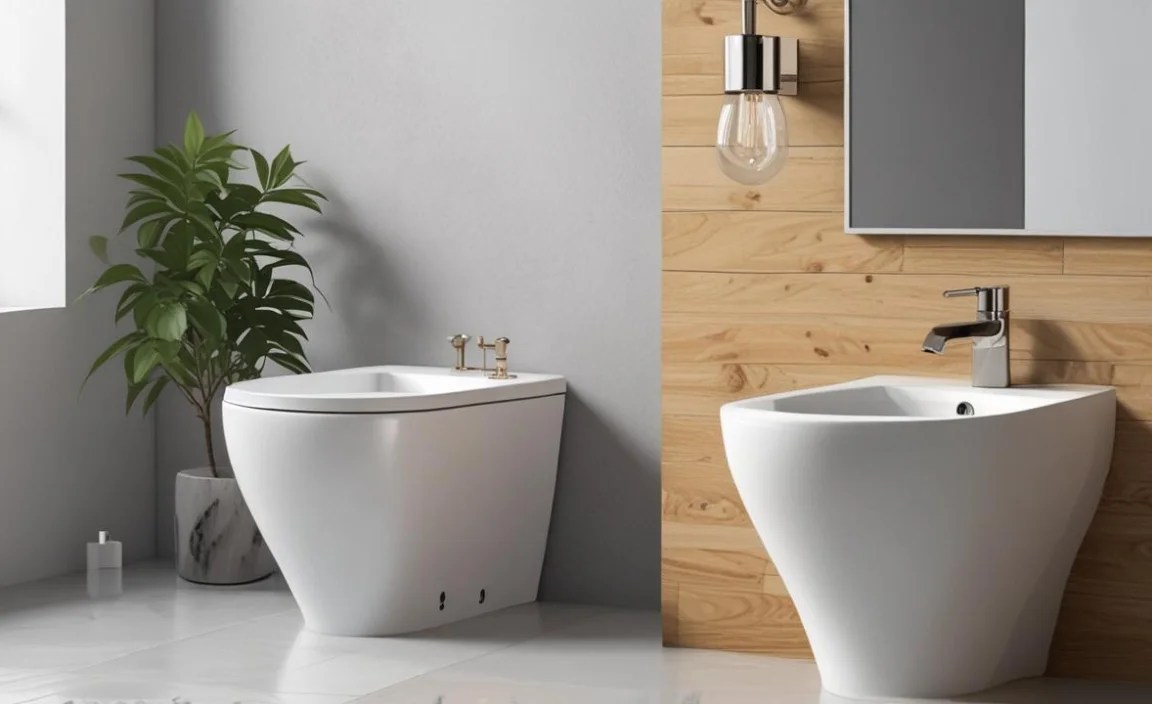
Using a bidet is incredibly straightforward, no matter which type you have. It’s designed to be intuitive and comfortable, even for first-time users.
For Bidet Toilet Seats and Attachments:

- Use the toilet as usual. There’s no need to move; you’ll use the bidet while still seated.
- Locate the bidet controls. These are usually on a side panel attached to the seat, a separate remote control, or a small knob on the side.
- Select your wash. Most bidets have a “rear wash” and a “front wash” (often called feminine wash) option. Choose the one that suits your needs.
- Adjust settings (if available). You can often adjust water pressure, nozzle position, and water temperature. Start with a lower pressure and cooler temperature if you’re unsure, and gradually adjust to your comfort.
- Activate the spray. Press the button or turn the dial for your chosen wash. The nozzle will extend and begin spraying water.
- Cleanse yourself. Remain seated for about 30-60 seconds, or until you feel thoroughly clean. You can shift your position slightly to ensure full coverage.
- Stop the spray. Press the button to stop the water. The nozzle will retract and often self-clean.
- Dry yourself. Use a small amount of toilet paper to pat yourself dry, or use the air-drying feature if your bidet has one. Some people use a dedicated small towel for drying, which should be washed frequently.
- Flush the toilet.
For Handheld Bidet Sprayers:
- Use the toilet as usual.
- Locate the sprayer. It will be hanging on a hook by the toilet.
- Grip the handle firmly. Be mindful that there’s often a trigger or button that controls the water flow.
- Position the nozzle. Hold the sprayer in your hand and aim it towards the area you need to clean.
- Activate the spray. Gently squeeze the trigger or press the button. Start with a low spray and increase as needed.
- Cleanse. Move the sprayer gently for thorough cleaning.
- Stop the spray. Release the trigger or button.
- Dry yourself. Use toilet paper or a towel as described above.
- Hang the sprayer back. Ensure the nozzle is facing downwards to allow any residual water to drip out.
- Flush the toilet.
Tips for First-Time Users:
- Start slow: Begin with the lowest water pressure and temperature settings. You can always increase them gradually.
- Experiment: Adjusting the nozzle position can help you find the most effective angle.
- Don’t be alarmed: The sensation of water might feel unusual at first, but most people find it very refreshing and comfortable after a few tries.
- Have a drying method ready: Whether it’s a few squares of toilet paper or a dedicated towel, have your drying solution at hand.
Installing a Bidet: DIY Friendly Options
Installing a bidet can range from incredibly simple to a bit more involved, depending on the type. Many popular options are designed for DIY installation, saving you money on professional plumbing costs.
DIY Installation: Bidet Attachments and Handheld Sprayers
These are the easiest to install and typically require the fewest tools.
Tools You Might Need:
- Adjustable wrench or pliers
- Screwdriver (if your toilet seat needs to be removed)
- Bucket or towel (to catch any residual water)
- Plumber’s tape (optional, for ensuring tight seals)
Installation Steps (General for Attachments/Sprayers):
- Turn off the water supply: Locate the shut-off valve behind your toilet (usually a small handle on the pipe coming from the wall) and turn it clockwise until it stops.
- Flush the toilet: This will empty the tank, releasing any remaining water pressure.
- Disconnect the toilet supply line: Place a bucket or towel beneath the connection. Unscrew the water supply hose from the bottom of the toilet tank using your wrench.
- Install the bidet T-valve: Screw the T-valve provided with your bidet onto the toilet tank connection point. Ensure it’s snug but don’t overtighten.
- Reconnect the toilet supply line: Screw the original toilet supply hose onto the bottom connection of the T-valve.
- Connect the bidet hose: Attach the bidet’s supply hose to the remaining connection point on the T-valve.
- Install the bidet seat/attachment:
- For attachments: Remove your existing toilet seat, place the bidet attachment on the toilet bowl rim, and then reattach your existing toilet seat over it.
- For seats: Remove your existing toilet seat and install the new bidet seat according to its specific instructions.
- For handheld sprayers: Mount the holder for the sprayer near the toilet (often with adhesive or screws) and then connect the hose to the T-valve.
- Turn on the water supply: Slowly turn the shut-off valve counter-clockwise. Check all connections for leaks.
- Test the bidet: Activate the bidet spray to ensure it works and that there are no leaks.
DIY Installation: Bidet Toilet Seats

Electric bidet toilet seats are also quite DIY-friendly, though they have an additional requirement:
Additional Requirement: An electrical outlet located within a safe distance (usually 3-4 feet) of the toilet to power the bidet seat’s features like heating and drying.
The plumbing installation is identical to that of a bidet attachment. Once the plumbing is connected and tested for leaks, simply ensure the power cord is plugged into a GFCI-protected outlet. Always follow the manufacturer’s specific installation manual for your model.
When to Call a Professional
While most bidets are easy to install, you might consider calling a plumber if:
- You’re installing a standalone bidet or an integrated bidet toilet, which require significant plumbing work.
- You don’t have an accessible electrical outlet for an electric bidet seat.
- You’re uncomfortable with any part of the installation process.
- You encounter leaks or plumbing issues you can’t resolve.
For more detailed information on plumbing basics, resources like This Old House’s guide to toilet problems can offer helpful context on water supply lines and valves.
Bidet Maintenance: Keeping Your Bidet Sparkling
Keeping your bidet clean and functioning well is simple and ensures a hygienic experience every time. Most maintenance involves regular cleaning, similar to how you’d clean your toilet.
Daily/Weekly Cleaning:
- External surfaces: Wipe down the bidet seat, controls, and surrounding areas with a damp cloth and a mild, non-abrasive cleaner. Avoid harsh chemicals that could damage the plastic or finish.
- Nozzle cleaning: Many electric bidets have a self-cleaning function for the nozzle. If yours doesn’t, or for extra assurance, gently wipe the nozzle (when retracted) with a damp cloth. Some models allow the nozzle to extend for easier cleaning.
- Toilet bowl: Clean the toilet bowl as you normally would, being careful not to spray cleaning solution directly onto the bidet seat’s electrical components if it’s an electric model.
Monthly/As Needed Maintenance:
- Filter cleaning (if applicable): Some higher-end models may have a water filter that needs occasional cleaning or replacement as per the manufacturer’s instructions.
- Deep nozzle clean: For a more thorough clean, you can often remove the nozzle tip (consult your manual) and soak it in a mild solution of water and vinegar for a short period, then rinse and reattach.
- Check for leaks: Periodically inspect all water connections for any signs of dripping.
Important Cleaning Do’s and Don’ts:
- DO use mild soap and water or a specialized bidet cleaner.
- DO consult your bidet’s user manual for specific cleaning recommendations.
- DO ensure electrical components are dry before plugging back in (if ever disconnected).
- DON’T use abrasive cleaners, scouring pads, or harsh chemicals like bleach or ammonia, as they can damage the material and finishes.
- DON’T spray water directly onto electrical ports or control panels.
- DON’T attempt to force the nozzle or any moving parts.
Proper maintenance ensures your bidet remains hygienic, functional, and a pleasant addition to your bathroom for years to come. It’s about simple care for a product that offers significant benefits.
Bidet Benefits: Why Consider Making the Switch?
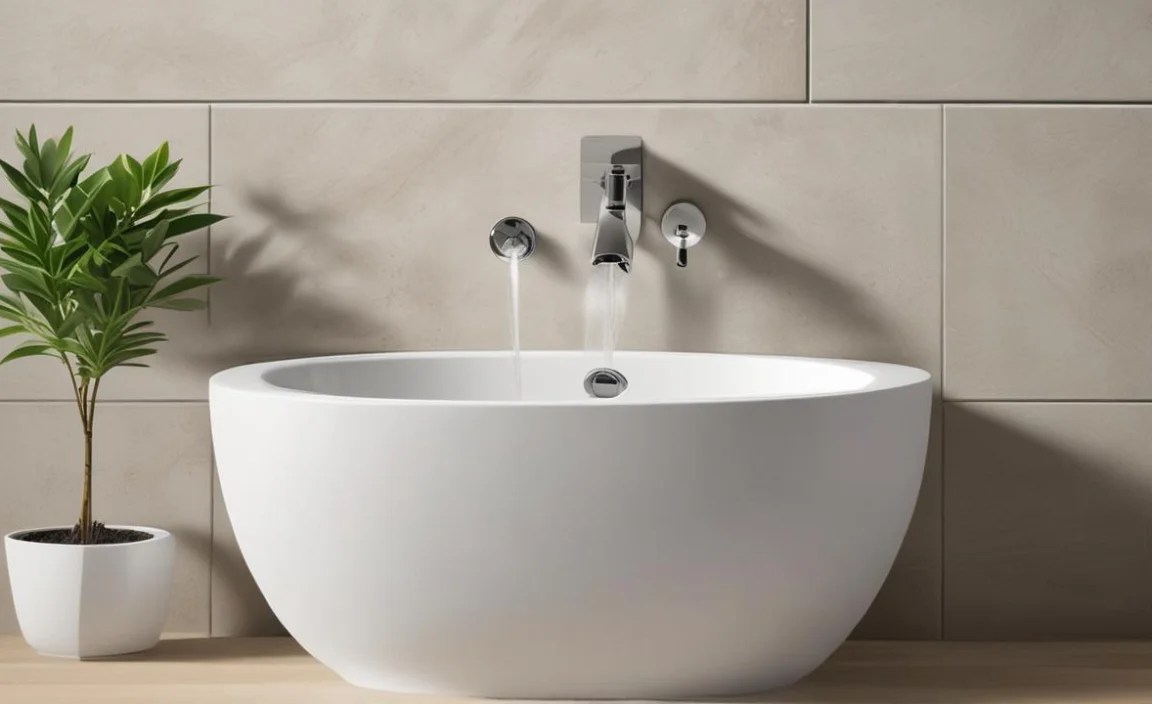
The decision to add a bidet to your home is often driven by an understanding of its many advantages. Beyond just being a toilet accessory, bidets offer a range of benefits for hygiene, environment, and personal comfort.
Hygiene and Health Advantages:
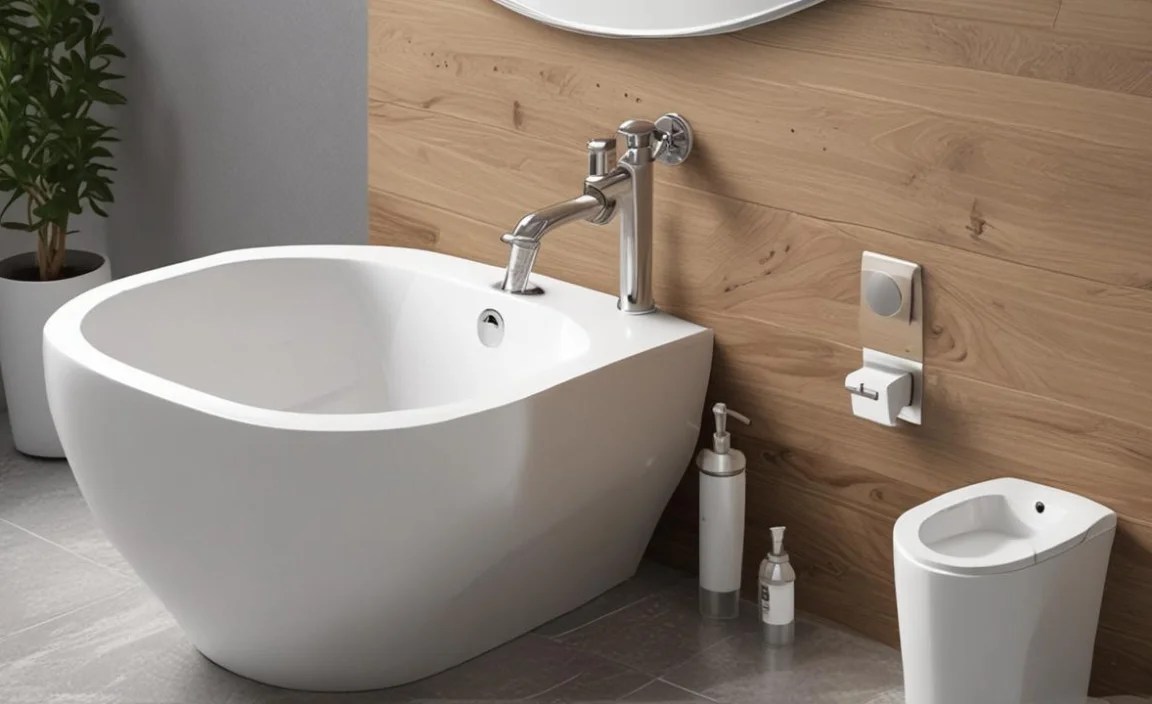
This is the most compelling reason for many users. Water cleansing is inherently more hygienic than wiping with dry paper. It effectively washes away residue, reducing the risk of bacteria buildup, urinary tract infections (UTIs), and skin irritation. For individuals with conditions like hemorrhoids, anal fissures, or those recovering from childbirth or surgery, the gentle water stream can provide soothing relief and a cleaner, more comfortable experience. It’s a superior method of personal cleansing that promotes better health and well-being.
Environmental Impact:
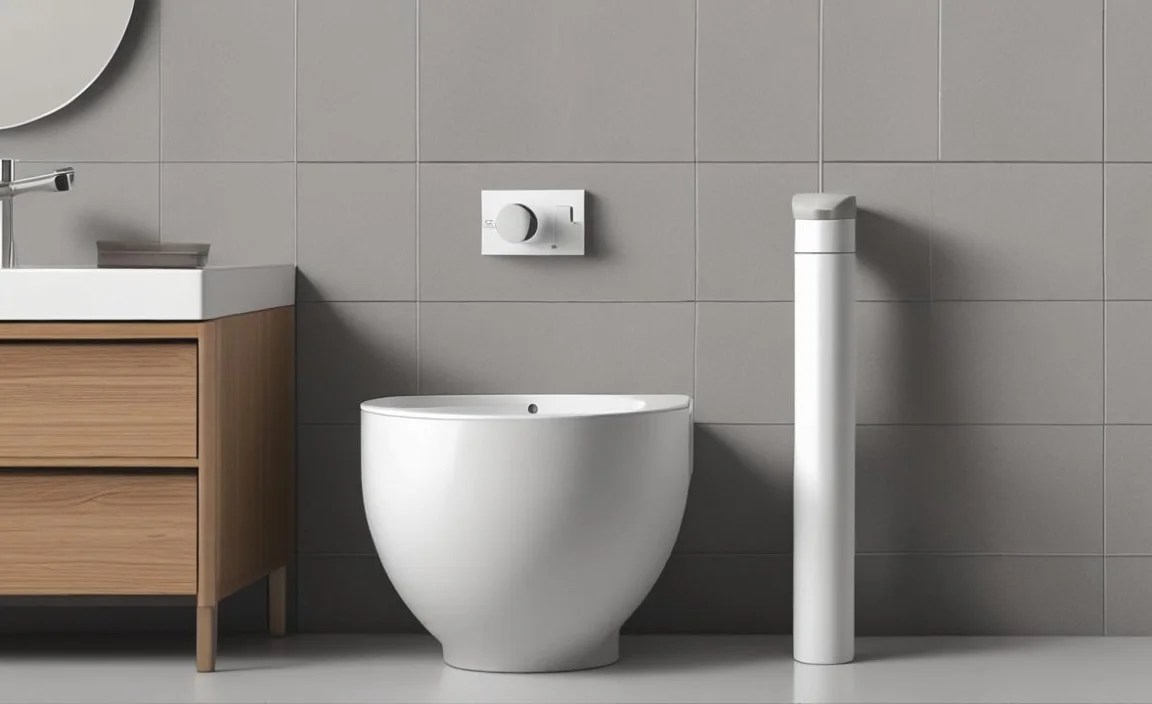
The environmental footprint of toilet paper production is significant. It contributes to deforestation, uses vast amounts of water during manufacturing, and generates pollution. By drastically reducing or even eliminating the need for toilet paper, bidets offer a remarkably sustainable alternative. Consider that according to the U.S. Environmental Protection Agency (EPA), recycling paper, while beneficial, still involves processes with
