
In construction, “bidet” is a plumbing fixture, similar to a toilet but designed for personal hygiene after using the toilet. It’s installed in bathrooms and connects to water lines for washing. Understanding its purpose and installation is key for proper bathroom design and functionality.
Ever heard the term “bidet” in a construction context and wondered what it actually means? You’re not alone! The word can sound a bit fancy, but in home building and renovation, it refers to a very practical and increasingly popular bathroom fixture. It’s essentially a special kind of sink for personal washing, separate from your main toilet and sink. Instead of just a confusing term in a blueprint, this guide will break down exactly what a bidet is in construction and why it’s becoming a staple in modern bathrooms. We’ll cover its function, types, and what you need to know if you’re planning a renovation or building a new home. Get ready to understand this essential fixture like a pro!
What Exactly is a Bidet in Construction?
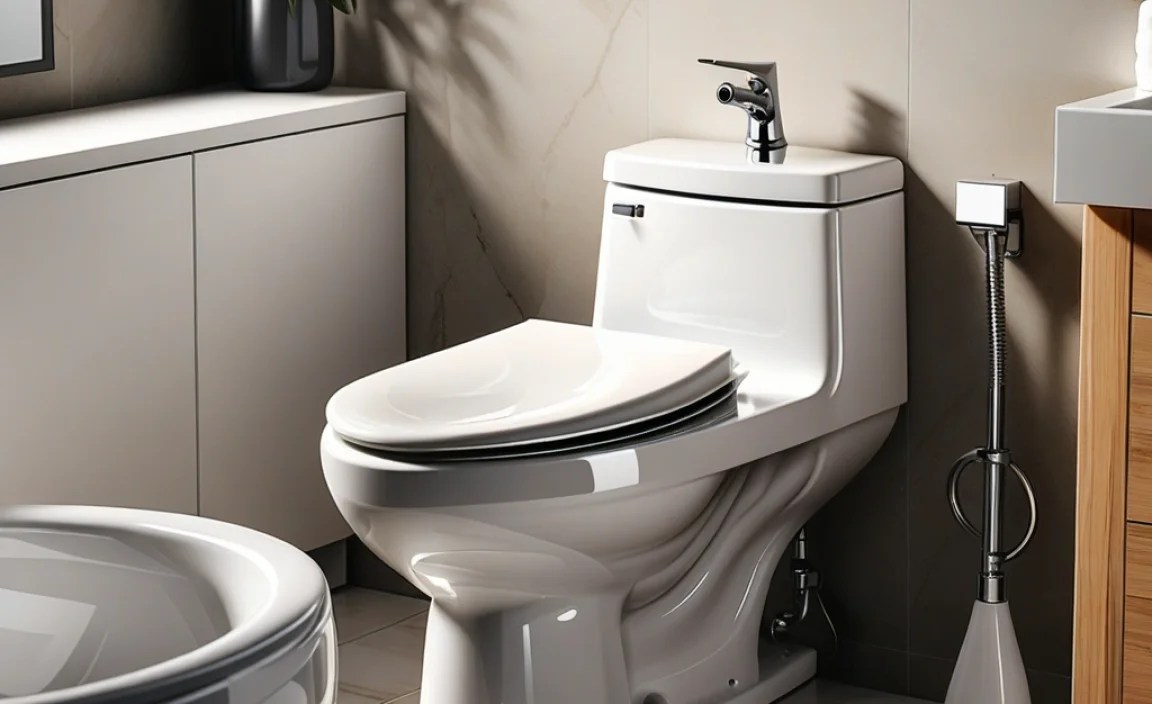
When construction professionals talk about a “bidet,” they’re referring to a plumbing fixture specifically designed for washing your private areas after using the toilet. Think of it as a small, shallow basin with a faucet or spray nozzle that directs a stream of water for cleaning. It’s not a toilet itself, but rather a separate fixture often placed next to the toilet. In construction plans and terminology, a bidet signifies a dedicated space and plumbing for this hygiene function.
The primary purpose of a bidet in construction is to integrate this personal hygiene option seamlessly into bathroom design. This means ensuring adequate space, water supply lines (both hot and cold, ideally), and drainage are planned for. It’s about providing a more comfortable, hygienic, and often a more eco-friendly alternative to toilet paper alone.
The History and Evolution of the Bidet
Bidets have a surprisingly long history, originating in Europe in the late 17th or early 18th century. Initially, they were freestanding pieces of furniture, looking more like a washstand with a basin. Their purpose was always clear: personal cleansing. Over time, as plumbing technology advanced, bidets evolved into the ceramic fixtures we recognize today, connecting directly to the water supply.
In modern construction, the bidet’s evolution continues. While traditional standalone bidets are still installed, newer innovations include:
- Bidet seats: These are attachments that fit most standard toilets, offering many of the same features (water spray, heated water, air drying) without requiring a separate fixture.
- Bidet attachments/sprayers: These are simpler, more affordable options, often a nozzle that attaches near the toilet seat or a handheld sprayer.
- Integrated bidet toilets: Some high-tech toilets come with built-in bidet functions.
The construction aspect considers how these different types are installed – from running new water lines for a traditional bidet to ensuring electrical outlets are available for bidet seats and integrated units.
Why Are Bidets Being Included More in Construction?
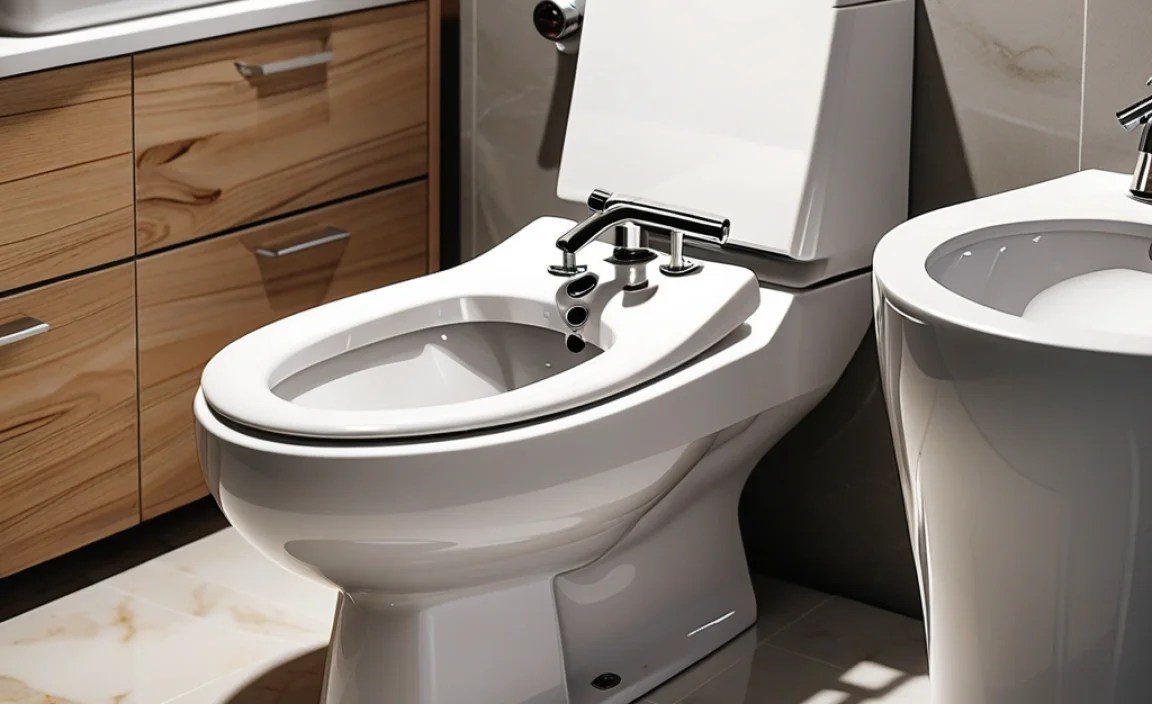
Several factors are driving the increased inclusion of bidets in construction projects, appealing to both builders and homeowners:
- Enhanced Hygiene: Water cleaning is generally considered more hygienic than using dry paper alone. This is a major draw for health-conscious individuals and families.
- Environmental Benefits: Bidets can significantly reduce toilet paper consumption, saving trees and reducing waste. This aligns with a growing trend towards sustainable building practices. According to the Environmental Protection Agency (EPA), reducing waste is a key component of environmental responsibility. Choosing water over excessive paper products is a simple step towards this goal.
- Comfort and Accessibility: For individuals with certain medical conditions or mobility issues, a bidet can offer greater comfort and independence in personal care.
- Modern Luxury and Appeal: Bidets are often associated with a more luxurious bathroom experience, adding to a home’s appeal and market value. They signal a thoughtful and up-to-date design.
- Cost-Effectiveness Over Time: While there’s an initial installation cost, reducing ongoing purchases of toilet paper can lead to long-term savings for the homeowner.
These benefits make the bidet a compelling addition to new homes and renovations, moving it from a niche item to a more mainstream consideration in bathroom design.
Types of Bidets Relevant to Construction
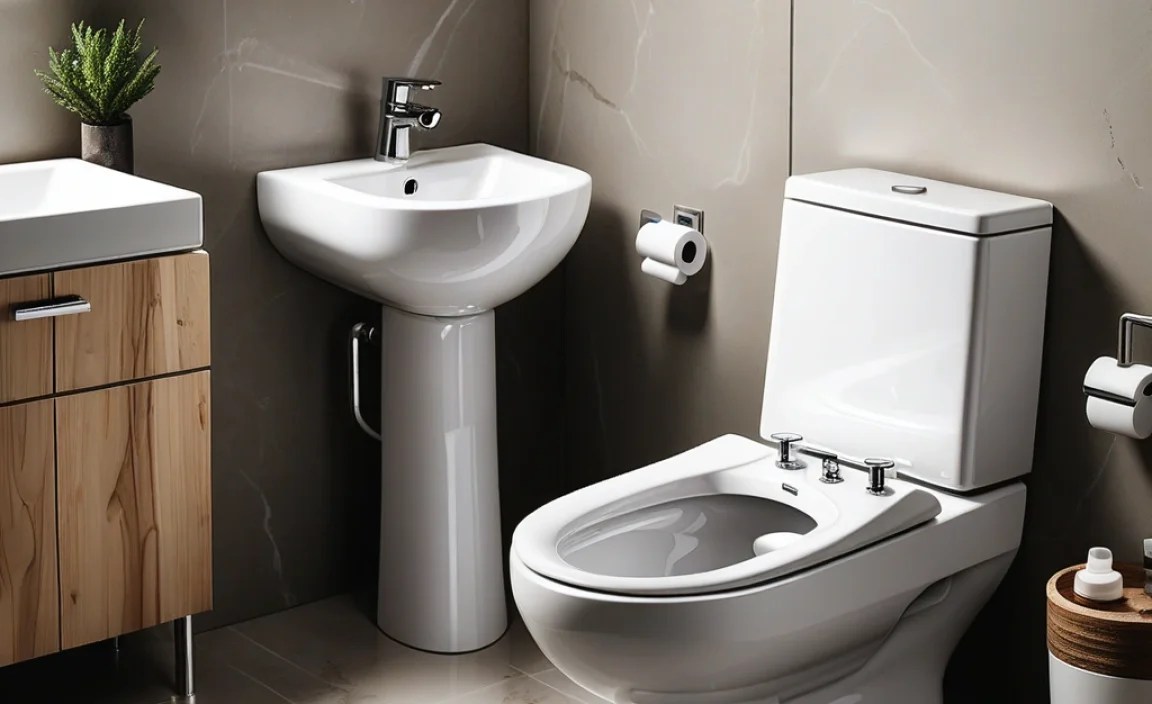
When you’re looking at construction plans or discussing bathroom upgrades, you’ll encounter a few main types of bidets. Each has different installation requirements that a builder or plumber will need to account for.
1. Traditional Standalone Bidet
This is the classic bidet most people picture: a separate fixture resembling a toilet bowl without a tank, installed next to the toilet. It has its own hot and cold water supply and a drain.
Construction Considerations:
- Requires dedicated space in the bathroom layout.
- Needs a separate water supply line (hot and cold).
- Requires a drain pipe connected to the sewer system.
- A faucet or spout for water delivery.
2. Bidet Toilet Seat / Electronic Bidet
This is an increasingly popular option. It’s a toilet seat that replaces your existing one and has built-in bidet functions. These often include heated water, adjustable spray pressure and position, and even an air dryer.
Construction Considerations:
- Installs on an existing or new toilet.
- Requires a standard toiler water supply line (often a T-valve is used to connect to the toilet’s existing line).
- Crucially, requires a nearby GFCI (Ground Fault Circuit Interrupter) electrical outlet because of the electronic components (heater, dryer).
- These are generally simpler to integrate into a renovation than a standalone bidet.
3. Non-Electric Bidet Attachment / Sprayer
These are simpler, more economical options. They can be a nozzle that attaches to the side of the toilet, or a handheld bidet sprayer (often called a “shattaf” or “bidet shower”), similar to a small showerhead.
Construction Considerations:
- The nozzle type typically uses a T-valve to tap into the toilet’s existing cold water supply line.
- Handheld sprayers also connect to the toilet’s water supply line.
- These are the easiest to install and don’t require electricity.
- Cold water only is common for the simplest versions, though some models can be adapted for hot water.
4. Integrated Bidet Toilet
These are all-in-one units where the bidet functionality is built directly into the toilet itself. They offer a sleek, seamless look.
Construction Considerations:
- Requires plumbing for both toilet flushing and bidet functions.
- Needs a water supply line (often hot and cold).
- May require an electrical outlet for advanced features like heated seats, dryers, and remote controls, depending on the model.
- Requires sufficient space for a standard toilet.
Understanding these differences is vital for clear communication during construction or renovation. The choice impacts plumbing, electrical work, and overall bathroom layout.
Installation Basics: What Builders and Plumbers Consider
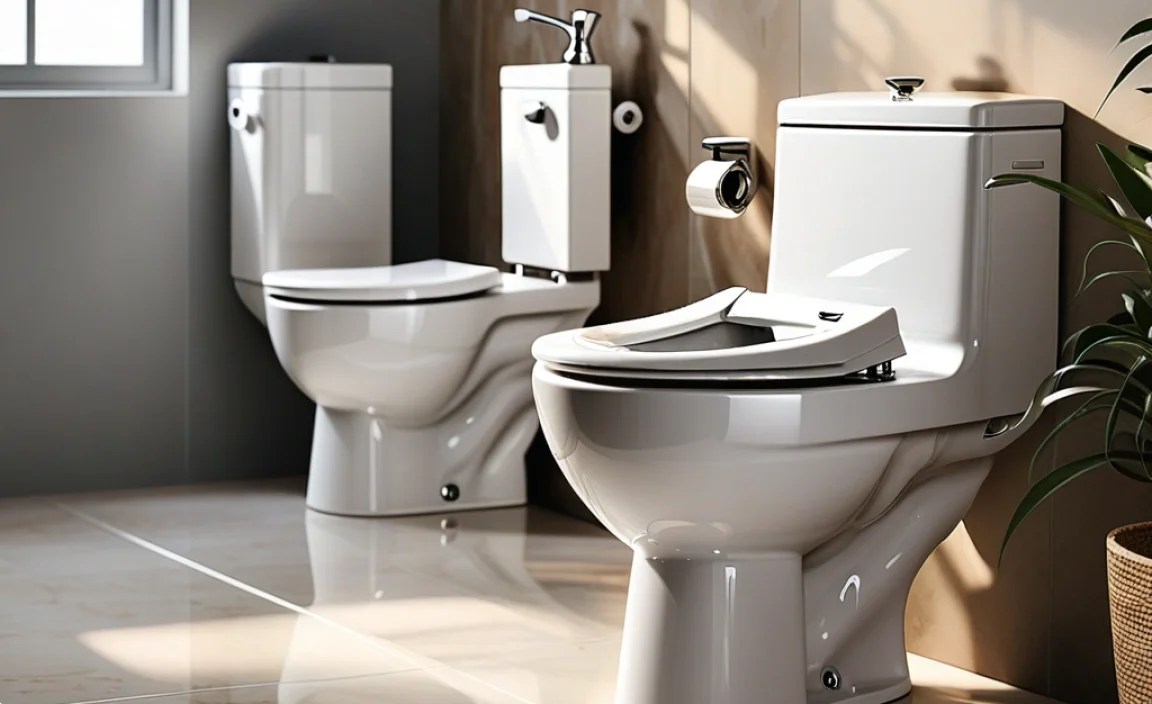
When a bidet is part of a construction project, whether it’s a new build or a renovation, the installation process involves several key considerations for builders and plumbers:
Plumbing Requirements
This is the most critical aspect. The type of bidet dictates the plumbing needed:
- Water Supply:
- Cold Water Only: The simplest hookup, often using a T-adapter to split the cold water line going to the toilet. This is common for non-electric attachments and some basic sprayers.
- Hot and Cold Water: Traditional bidets and higher-end electronic bidets require both hot and cold water lines to be run to their location. This usually means extending existing hot water lines or running new ones, which adds complexity and cost. For electronic bidets, a point-of-use water heater might be considered if extending hot water supply is impractical.
- Drainage:
- Like a toilet, bidets need to drain waste. Standalone bidets are plumbed directly into the sewer line. Bidet seats and attachments that spray water don’t typically produce waste water that needs a separate drain, as the water simply goes down the toilet. If a standalone bidet is being moved or added, ensuring it has a proper connection to the sewage system is paramount to prevent backups and odors.
- Water Pressure: Adequate water pressure is essential for the spray function to work effectively. Plumbers may test existing pressure and recommend adjustments if necessary. Referencing local plumbing codes and standards, such as those from the International Code Council (ICC), ensures all plumbing is installed safely and up to code.
Electrical Requirements (for Electronic Bidets)
Electronic bidet seats and integrated smart toilets come with features like heated seats, warm water, and air dryers. These require electricity.
- GFCI Outlet: Bathrooms are wet environments, so any electrical outlet near water must be a GFCI outlet for safety. This prevents electric shock in case of moisture.
- Location: The outlet needs to be conveniently located within reach of the bidet seat’s power cord, typically on the wall behind the toilet or on the side. Careful placement avoids cords being a tripping hazard or an eyesore.
- Dedicated Circuit: While not always mandatory for a single bidet, complex bathroom electrical systems might benefit from a dedicated circuit for the bidet to prevent overloading other bathroom circuits (like those for hair dryers or shavers).
Space and Layout
The physical space available in the bathroom is a key design element.
- Standalone Bidets: Require sufficient floor space, often similar to a small toilet. They typically need to be positioned close to the toilet for convenience.
- Bidet Seats/Attachments: These are designed to fit standard toilets and don’t alter the bathroom’s footprint, making them ideal for renovations where space is limited.
- Clearance: Regardless of the type, ensuring there’s adequate clearance for opening covers, using remote controls, and general movement around the fixture is crucial in the planning phase.
Builders and plumbers work together to ensure all these elements are addressed BEFORE construction begins or during the renovation to ensure a functional, safe, and code-compliant installation. For example, a plumber might install the necessary shut-off valves and supply lines, while an electrician runs power for electronic models.
Bidet Installation: A Step-by-Step Overview for Beginners
While a professional plumber is often recommended, especially for new water lines or complex hookups, understanding the basic steps can empower DIY enthusiasts. Here’s a simplified overview, focusing on the most common types: a bidet seat on an existing toilet and a handheld bidet sprayer.
Installing a Bidet Seat (Electronic)
Tools & Materials:
- New bidet seat
- Mounting hardware (usually included)
- Adjustable wrench
- Screwdriver (Phillips or flathead)
- Towel or bucket (to catch drips)
- Plumber’s tape (Teflon tape)
- GFCI electrical outlet (ensure one is nearby and functional)
Steps:
- Turn Off Water Supply: Locate the water shut-off valve behind your toilet. Turn it clockwise until it stops. Flush the toilet to empty the tank.
- Disconnect Water Line: Carefully unscrew the water supply hose from the bottom of the toilet tank. Have a towel or bucket ready for any residual water.
- Remove Old Seat: Loosen the bolts securing your old toilet seat. This might involve reaching under the rim to unscrew nuts. Lift off the old seat.
- Install New Mounting Bracket: Place the new mounting bracket for the bidet seat onto the toilet bowl where the old seat was. Insert the mounting bolts and secure them according to the bidet seat’s instructions. Ensure it’s stable.
- Install the Bidet Seat: Slide the bidet seat onto the mounting bracket. It should click or lock into place.
- Connect Water Supply:
- Install the provided T-valve onto the toilet tank fill valve connection (where you just removed the hose).
- Connect the original toilet water supply hose to the bottom of the T-valve.
- Connect a new hose (usually provided with the bidet) from the remaining outlet of the T-valve to the bidet seat’s water inlet.
- Use plumber’s tape on any threaded connections to ensure a watertight seal. Tighten all connections firmly but don’t overtighten.
- Turn Water Back On: Slowly turn the water shut-off valve counter-clockwise to restore water supply. Check all connections for leaks.
- Plug In: Plug the bidet seat cord into the nearby GFCI electrical outlet.
- Test: Follow the bidet seat’s instructions to test its functions (water spray, pressure, heating, etc.).
Installing a Handheld Bidet Sprayer
Tools & Materials:
- Bidet sprayer kit (includes sprayer head, hose, T-valve, mounting bracket)
- Adjustable wrench
- Screwdriver
- Towel or bucket
- Plumber’s tape
Steps:
- Turn Off Water Supply: As above, turn off the water valve behind the toilet and flush to empty the tank.
- Disconnect Water Line: Unscrew the water supply hose from the toilet tank.
- Install T-Valve: Screw the T-valve onto the toilet tank fill valve connection.
- Reconnect Toilet Hose: Reconnect the original toilet water supply hose to the bottom connection of the T-valve.
- Connect Sprayer Hose: Connect one end of the bidet hose to the side outlet of the T-valve and the other end to the sprayer head.
- Mount Sprayer: Attach the mounting bracket to the wall or the side of the toilet tank (depending on the kit design). Place the sprayer head onto its holder.
- Turn Water On & Test: Turn the water supply valve back on slowly. Check all connections for leaks. Test the sprayer by gently pressing the trigger. Be mindful of where you’re spraying the first time!
Safety Note: Always ensure the water supply valve to the bidet sprayer is turned off when not in use to prevent potential leaks. If you’re unsure about any step, especially involving plumbing or electrical connections, consult a qualified professional. You can find more detailed installation guides and advice from plumbing supply companies and home improvement resources.
Bidets in Different Construction Scenarios
The “bidet meaning in construction” can shift slightly depending on the project type. Here’s how bidets fit into various scenarios:
1. New Residential Construction
In new homes, builders have the advantage of planning plumbing and electrical layouts from the ground up. This makes installing any type of bidet more straightforward and cost-effective.
- Integrated Planning: Bathrooms can be designed with dedicated space for standalone bidets or strategically placed electrical outlets for bidet seats.
- Water Lines: Running hot and cold water lines to the bidet location is part of the initial plumbing rough-in, making it a standard procedure.
- Aesthetic Consistency: Builders can ensure the bidet style matches the overall design of the home and bathrooms.
- Marketability: Including bidets can be a selling point for modern homes, appealing to buyers seeking advanced features and hygiene options.
2. Bathroom Renovations
Renovating an existing bathroom presents more challenges but also offers great opportunities to add modern bidet features.
- Space Constraints: Often, there isn’t space for a standalone bidet, leading homeowners to opt for bidet seats or handheld sprayers.
- Plumbing Modifications: Adding a standalone bidet might require moving plumbing lines, which can be costly. Extending hot water can also be complex.
- Electrical Upgrades: If a GFCI outlet is not present near the toilet, an electrician will need to install one, adding to the renovation cost.
- Focus on Upgrades: Renovations are a prime time to upgrade to electronic bidet seats, as the plumbing and potential electrical work are already being addressed.
