
Choosing between a bidet structure and its alternatives is about hygiene, comfort, and a greener clean. Understanding the differences helps you pick the best fit for your bathroom and budget, ensuring a fresh, efficient, and simple solution for everyone. This guide breaks it all down.
The bathroom is a place for personal care, and sometimes, we wonder if there’s a better way to do things than what we’ve always done. You’ve probably heard of bidets, but maybe they seem a bit mysterious or complicated. Are they a whole new fixture, or just an add-on? This article is here to clear up any confusion and make choosing the right option for your home simple and straightforward. We’ll look at the main types of bidet systems and their alternatives, so you can feel confident in your decision. Get ready to discover a cleaner, more comfortable, and eco-friendly way to freshen up!
Understanding Bidet Structures and Their Alternatives: A Beginner’s Guide
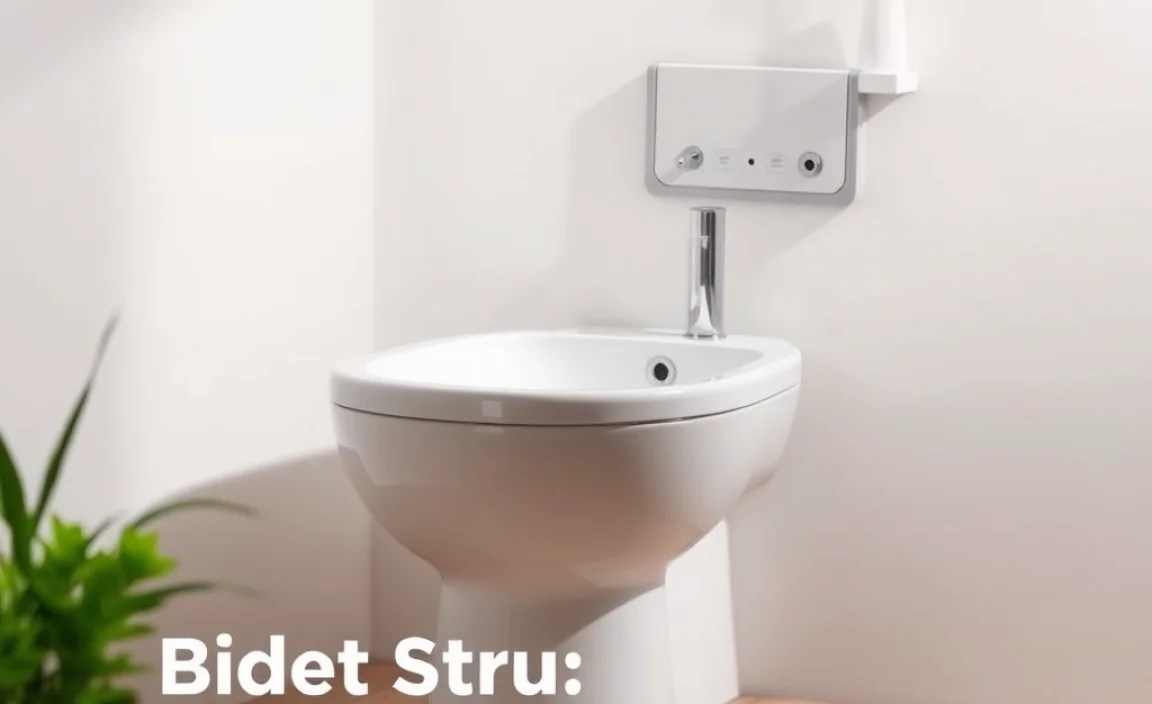
As Bryan Lee, your go-to for all things home and DIY, I know that sometimes the simplest tasks can feel daunting when you’re not sure where to start. Today, we’re tackling something that can seriously upgrade your bathroom routine: the world of bidets. It’s not just about being fancy; it’s about a more effective and gentle way to clean.
Many people assume a bidet is a whole separate sink-like fixture. While that’s one option, it’s not the only one! The term “bidet” now covers a range of products designed to use water for cleansing after using the toilet. This can be confusing, especially when you’re just starting to explore them. Understanding the different “bidets structures” and what alternatives exist will help you make the best choice for your bathroom, your comfort, and your wallet.
Let’s break down the essential guide to bidet types and their alternatives so you can confidently choose what’s right for you. We’ll cover everything from the historical origins to the modern marvels, making sure you understand every step.
What Exactly is a Bidet Structure?
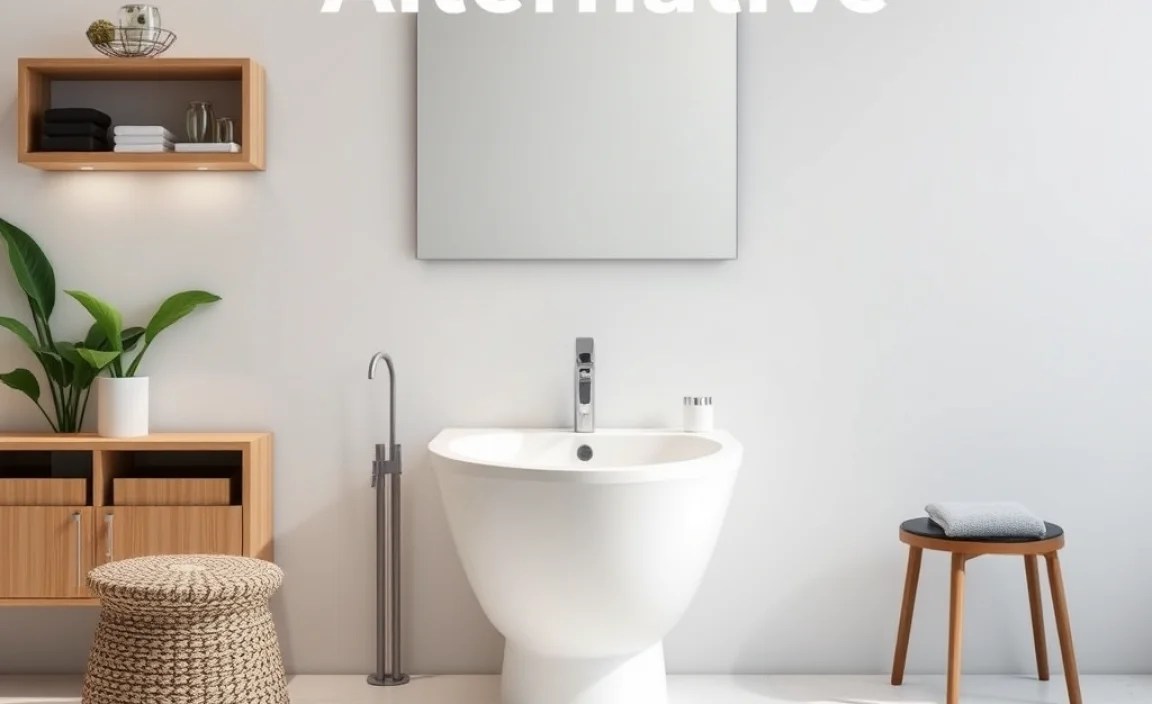
Historically, a traditional bidet was a separate plumbing fixture, usually installed next to the toilet. Think of it as a low sink designed specifically for washing your private parts. You’d use the toilet, then move over to the bidet to do your cleansing with water. These are less common in new home installations today, especially in North America, but you might still find them in older homes or certain regions.
The key defining characteristic of a traditional bidet structure is that it is a standalone fixture, requiring its own plumbing and dedicated space.
Types of Traditional Bidet Structures
While the classic standalone bidet is what many picture, even within this category, there are slight variations:
The Classic Bidet: This is the porcelain fixture you might imagine, resembling a shallow sink with faucets to control water temperature and pressure. You straddle it to use.
The Integrated Bidet (Less Common): In some high-end or older European bathrooms, you might find a toilet unit that has a built-in bidet function in the same bowl. However, this is rare and not what most people mean when looking for a modern bidet solution.
Let’s focus on the modern solutions that are much more accessible for home upgrades.
Bidet Alternatives: Modern Solutions for Everyone
This is where things get exciting for most homeowners looking to add bidet functionality without a major renovation. Bidet alternatives are designed to integrate with your existing toilet, making them easier to install, more affordable, and adaptable to different bathroom layouts. They offer many of the same benefits as traditional bidets but with modern convenience.
The primary goal of these alternatives is to bring the cleansing power of water to your existing toilet setup.
1. Bidet Seats: The Most Popular Choice
Bidet seats are designed to replace your standard toilet seat. They look very similar to a regular toilet seat but come with built-in bidet functionalities. This is by far the most common and user-friendly option for retrofitting a bathroom.
How Bidet Seats Work
Water Connection: They connect to your toilet’s existing water supply line. Some models require an electrical outlet for heated water and other features.
Nozzles: Integrated nozzles extend from under the seat to spray water.
Controls: Typically controlled by a side panel attached to the seat or a separate remote control.
Types of Bidet Seats
Non-Electric (Mechanical) Bidet Seats: These are the simplest and most affordable. They use the water pressure from your home’s supply to provide a stream of cool water. They don’t require electricity.
Electric Bidet Seats: These are the feature-rich option. They connect to a power outlet and offer a wide range of amenities:
Warm Water: Heated water for a comfortable experience.
Adjustable Water Pressure & Temperature: Customize your wash.
Adjustable Nozzle Position: Ensure optimal spray coverage.
Air Dryer: A warm air blast to dry you off, reducing the need for toilet paper.
Heated Seat: A nice feature, especially in colder climates.
Deodorizer: Built-in fans to neutralize odors.
Self-Cleaning Nozzles: For hygienic maintenance.
Pros of Bidet Seats
Easy Installation: Many are DIY-friendly and don’t require major plumbing changes.
Wide Range of Features: From basic cleansing to luxurious spa-like experiences.
Space-Saving: No extra fixture needed.
Comfortable: Heated water, heated seats, and dryers enhance the experience.
Hygienic: Water cleaning is generally considered more effective and gentler.
Cons of Bidet Seats
Requires Electricity (for electric models): You’ll need a GFCI outlet near the toilet, which might require an electrician for installation.
Cost: Electric models can be an investment, though non-electric ones are quite affordable.
Aesthetics: Some users find they don’t blend perfectly with all toilet designs.
2. Bidet Attachments: Minimalist and Affordable
Bidet attachments are panels that fit under your existing toilet seat. They are a budget-friendly way to get a bidet function.
How Bidet Attachments Work
Water Connection: They tap into the toilet’s water supply line, usually via a T-valve that connects to the tank.
Nozzle: A small nozzle (or two) typically mounts at the front of the seat to spray water.
Controls: Usually a simple lever or knob on the side of the attachment.
Types of Bidet Attachments
Non-Electric: These are the standard type. They use your home’s water pressure and provide cool water only.
Dual Nozzle: Some attachments offer both a posterior wash and a feminine wash nozzle.
Pros of Bidet Attachments
Very Affordable: Often the least expensive bidet option.
Simple Installation: Generally an easy DIY task.
Compact: Doesn’t significantly alter the look or feel of your toilet.
No Electricity Needed: Works with your existing plumbing.
Cons of Bidet Attachments
Cool Water Only: Can be a shock in colder months.
Limited Features: No heated water, dryer, or heated seat.
Durability: Can sometimes feel less robust than a full bidet seat.
Comfort: May not offer the same level of adjustability or comfort as a seat.
3. Bidet Sprayers (Handheld Bidet Showers): Versatile and Manual
Think of a bidet sprayer like a miniature showerhead next to your toilet. They are handheld and manually operated.
How Bidet Sprayers Work
Water Connection: Connects to the toilet’s water supply line using a T-valve.
Sprayer Head: A handheld wand with a trigger or button to control water flow.
Hose: Connects the sprayer to the water line.
Types of Bidet Sprayers
Basic Sprayers: Simple, often made of plastic or stainless steel.
Pressurized Sprayers: Some models have a small internal pump or pressure regulation.
Adjustable Spray Patterns: Some offer different spray settings.
Pros of Bidet Sprayers
Extremely Affordable: One of the most budget-friendly options.
Versatile: Can be used for cleaning the toilet itself, rinsing cloth diapers, or for personal hygiene.
Easy Installation: Connects to the water supply like attachments.
Manual Control: You control the direction and pressure directly.
Cons of Bidet Sprayers
Requires Manual Aiming: Can take practice to get it right and avoid making a mess.
Cool Water Only: Unless you have a separate hot water line access point (which is uncommon and complex for this setup).
Potential for Leaks: As with any plumbing connection, proper installation is crucial.
Aesthetics: Some find the hose and sprayer less elegant than integrated solutions.
4. The Toilet Seat with Integrated Bidet (Washlet-style): The All-in-One Solution
Some manufacturers offer a complete toilet unit that has a built-in bidet function. These are less common for retrofitting and are usually part of a new toilet purchase or a major bathroom remodel. They look like a regular toilet but have advanced bidet features, similar to high-end electric bidet seats.
How Integrated Bidets Work
Plumbing: Designed as a single unit with all bidet components integrated into the toilet bowl and tank.
Features: Typically come with all the advanced features of electric bidet seats: warm water, dryers, heated seats, adjustable nozzles, etc.
Pros of Integrated Bidets
Sleek Design: Looks seamless and is integrated into the toilet itself.
All Features Included: Offers the most comprehensive bidet experience.
No Visible Hoses or Controls: A very clean and modern look.
Cons of Integrated Bidets
Expensive: Usually the priciest option.
Requires Full Toilet Replacement: Not a simple add-on.
Complex Installation: Might require professional plumbing and electrical work.
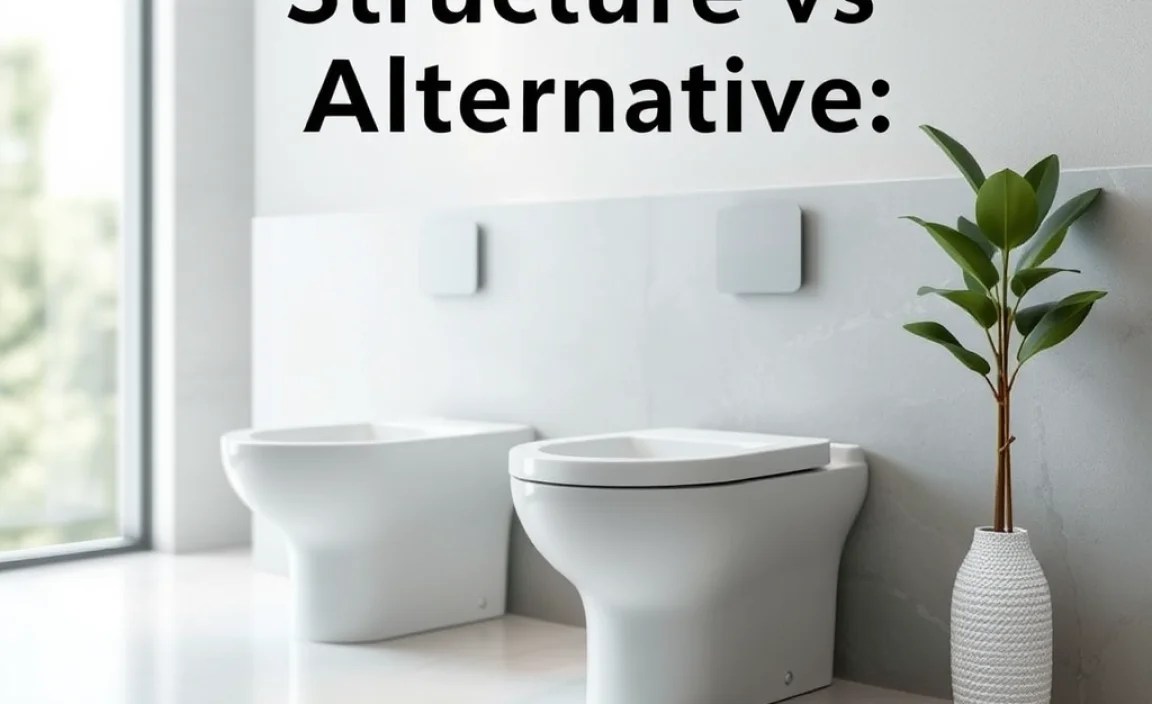
Bidet Structure vs. Alternative: A Comparison Table
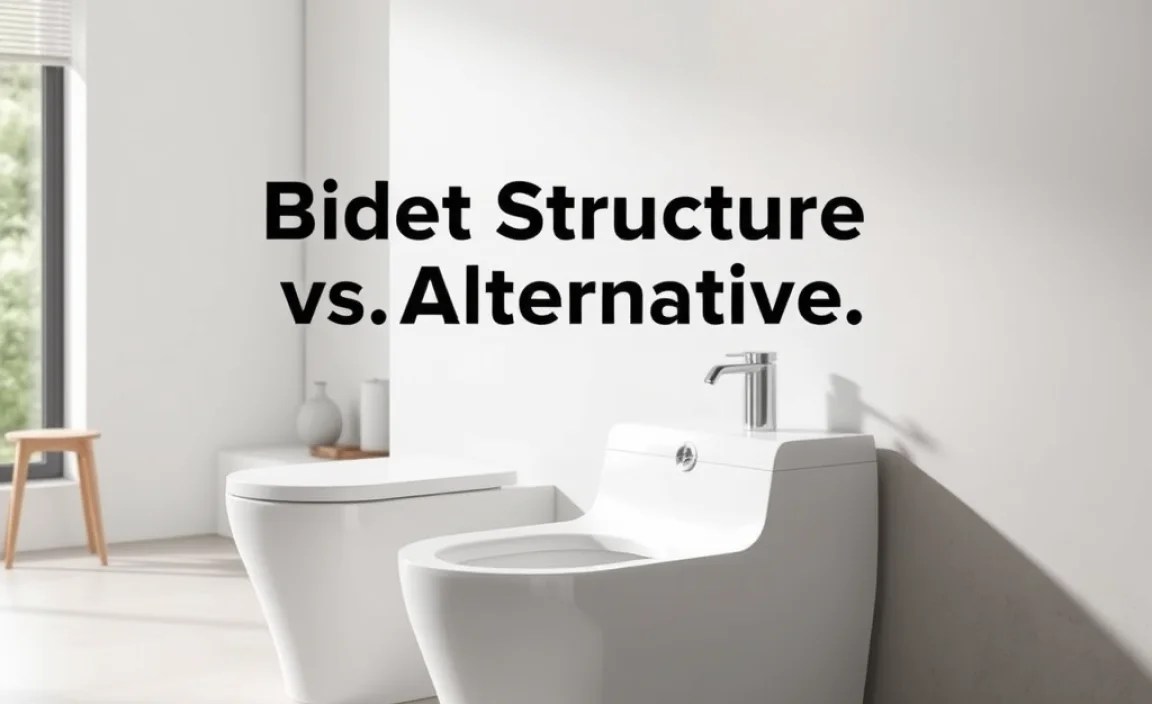
To help you visualize the differences, here’s a table comparing the common bidet types and their alternatives:
| Feature/Type | Traditional Bidet Structure | Bidet Seat (Electric) | Bidet Seat (Non-Electric) | Bidet Attachment | Bidet Sprayer |
|---|---|---|---|---|---|
| Type | Standalone Fixture | Replaces Toilet Seat | Replaces Toilet Seat | Fits Under Toilet Seat | Handheld Wand |
| Water Temp | Hot & Cold Available | Heated (Adjustable) | Tap Cold | Tap Cold | Tap Cold |
| Power Required | Plumbing Only | Yes (GFCI Outlet) | No | No | No |
| Key Features | Washing basin | Heated seat, dryer, adjustable spray, deodorizer | Basic wash | Basic wash | Manual spray control |
| Installation Complexity | High (New Plumbing) | Medium (DIY Possible, Electrical May Need Pro) | Easy (DIY) | Easy (DIY) | Easy (DIY) |
| Cost Range | High (Fixture + Install) | $$$ (Mid to High) | $$ (Mid) | $ (Low) | $ (Low) |
| Space Requirement | Requires Dedicated Space | None Extra | None Extra | None Extra | None Extra |
| DIY Friendly | No | Yes (with caution for electrical) | Yes | Yes | Yes |
Key Features to Consider When Choosing
When you’re deciding which bidet option is right for you, think about these important features:
Water Temperature: Do you want warm water for comfort, or is cool water acceptable? This is often the biggest differentiator between electric and non-electric options.
Water Pressure and Spray Type: Look for adjustable pressure and different spray options (e.g., posterior wash, feminine wash). Some higher-end models offer oscillating or pulsating sprays.
Heated Seat: A luxury for many, especially in cooler climates.
Air Dryer: If you want to significantly reduce or eliminate toilet paper use, a dryer is essential.
Nozzle Type and Cleaning: Consider if the nozzle is self-cleaning or if it retracts when not in use to stay hygienic.
Remote Control vs. Side Panel: Some prefer the convenience of a remote; others like the direct access of a side panel.
Power Outlet Availability: Electric models require a grounded GFCI outlet near the toilet. If you don’t have one, you’ll need to factor in the cost of an electrician. You can learn more about GFCI outlets from resources like the U.S. Consumer Product Safety Commission (CPSC) website.
Toilet Compatibility: Ensure the bidet seat or attachment fits your specific toilet shape (round or elongated) and size.
Budget: Prices can range from around $20 for a simple sprayer to over $500 for premium electric bidet seats.
Installation: A DIY Perspective
One of the best parts about modern bidet alternatives is their generally straightforward installation. This is a key area where they differ significantly from traditional bidet structures, which require full plumbing work and often a dedicated space.
Installing a Bidet Seat or Attachment (General Steps):
Most bidet seats and attachments follow a similar installation process. Always refer to your specific product’s manual for precise instructions.
1. Turn Off Water Supply: Locate the water shut-off valve behind your toilet (usually on the wall or floor) and turn it to the off position. Flush the toilet to drain the tank.
2. Disconnect Water Line: Unscrew the flexible water supply hose from the bottom of the toilet tank. Have a towel or small bucket ready for any residual water.
3. Install T-Valve: Screw the provided T-valve onto the toilet tank’s fill valve connection.
4. Reconnect Water Line: Reattach the original water supply hose to the bottom port of the T-valve.
5. Attach Bidet:
For Bidet Seats: Remove your old toilet seat. Place the new bidet seat on the toilet bowl, aligning the mounting holes. Secure it with the provided bolts according to the instructions.
For Bidet Attachments: Place the attachment on the toilet bowl, then place your original toilet seat on top of it, aligning the holes. Secure them together with the provided bolts.
6. Connect Bidet Hose: Connect the bidet’s water supply hose to the side port of the T-valve.
7. Turn Water Supply Back On: Slowly turn the water shut-off valve back on. Check all connections for leaks.
8. Electric Models: If you have an electric bidet seat, plug it into a nearby GFCI outlet.
Tools You Might Need:
Adjustable wrench or pliers
Screwdriver (usually Phillips head)
Teflon tape (sometimes included or recommended for threaded connections)
Towels and a small bucket
Level (to ensure the seat is even)
This DIY approach saves money and gives you a sense of accomplishment. For electrical work (installing a new outlet), it’s always best to consult a licensed electrician for safety.
Benefits of Using a Bidet
Beyond just being a toilet accessory, bidets offer significant advantages for health, hygiene, and the environment.
Superior Hygiene: Using water to clean is naturally more effective than dry toilet paper. It washes away residue, leaving you feeling cleaner and fresher. For individuals with certain medical conditions (like hemorrhoids or after childbirth), the gentle water cleanse can be much more comfortable and soothing.
Environmental Friendliness: The production of toilet paper consumes vast amounts of water, trees, and energy. By reducing toilet paper usage, bidets significantly lessen your environmental footprint. Many sources point to the substantial water usage in toilet paper production.
Cost Savings: While there’s an initial investment, reducing your reliance on toilet paper can save you money over time.
Comfort and Luxury: Features like warm water, heated seats, and air dryers can turn a mundane bathroom visit into a more comfortable and even luxurious experience.
Reduced Plumbing Issues: Less toilet paper going down the drain means a lower risk of clogs and septic system strain.
