
Quick Summary: Understanding why sealants fail in construction is key to long-lasting projects. Proper application and material selection prevent common issues like cracking and loss of adhesion, ensuring your home stays protected from water and drafts. This guide breaks down sealant breakdown, offering proven ways to ensure its essential role is fulfilled effectively.
We all want our homes to be sturdy and protected, right? Sometimes, small issues can lead to bigger problems, especially when it comes to keeping water and drafts out. One common culprit? Sealant that’s supposed to be doing its job but showing signs of wear and tear. It can be frustrating to see gaps and cracks appear where they shouldn’t. But don’t worry, understanding why this happens is the first step to fixing it and preventing it in the future. This article will walk you through what causes sealant breakdown in construction and how to ensure it remains a reliable, essential barrier. We’ll uncover the secrets to making your sealants work for you, not against you.
Understanding Sealant: The Unsung Hero of Construction
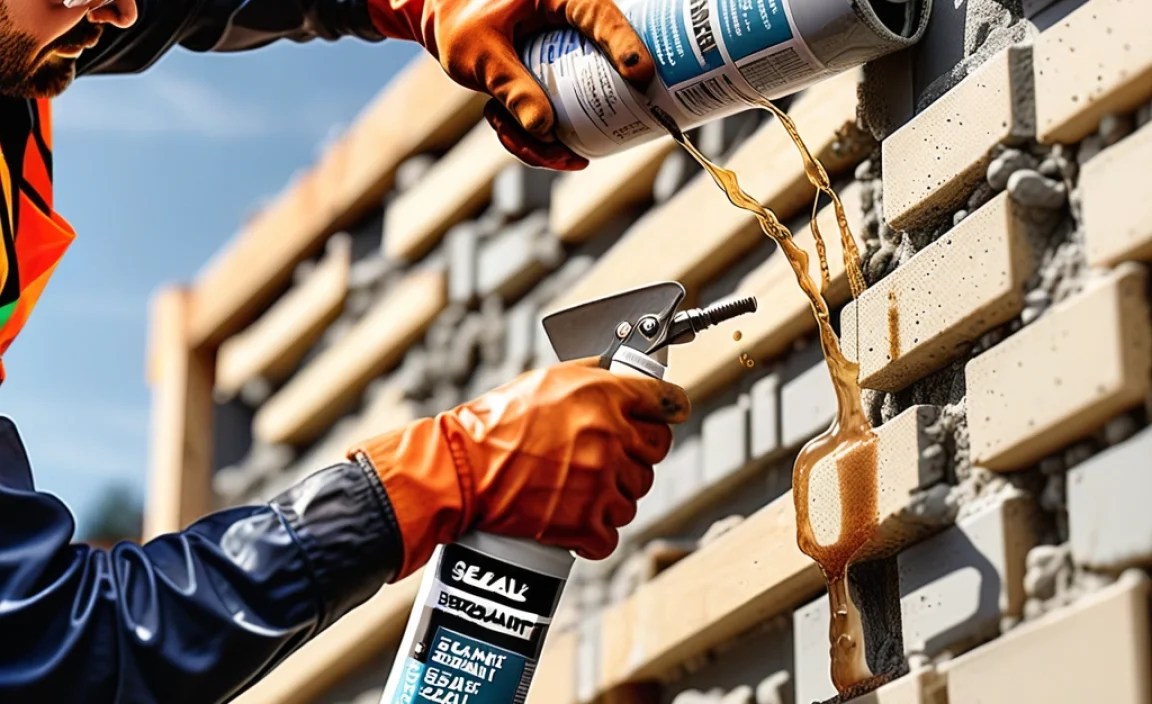
In the world of building and home improvement, sealants are like the hardworking, often overlooked heroes. They’re the sticky, flexible materials that fill gaps, cracks, and joints. Think of them as the waterproof glue that keeps your home sealed tight against the elements. Their primary job is crucial: to prevent unwanted things like water, air, and even pests from getting in or out. Without effective sealant, buildings would be much more susceptible to damage from rain, wind, and extreme temperatures. This can lead to serious issues like rot, mold, and energy loss, costing you time and money.
Sealants are used in countless places around a house. You’ll find them sealing around windows and doors, in bathrooms and kitchens where plumbing meets surfaces, along exterior trim, and even in larger structural joints. Their flexibility allows them to move slightly with the building as it expands and contracts with temperature changes, maintaining that protective seal.
Why Does Sealant Break Down? Common Causes Revealed

Even the best-intended sealants can eventually show signs of failure. This “breakdown” isn’t usually due to a single cause, but rather a combination of factors. Understanding these causes is the first step to preventing future problems and ensuring your DIY projects or professional work stands the test of time. Let’s dive into the most common reasons why sealants stop doing their job effectively:
1. Age and UV Exposure
Just like us, sealants can get tired with age and facing the sun’s harsh rays. Over time, ultraviolet (UV) radiation from sunlight can degrade the chemical bonds within the sealant material. This process, known as photodegradation, weakens the sealant, making it brittle and prone to cracking or chalking. Imagine a rubber band left out in the sun for months – it becomes stiff and snaps easily. Sealant can experience a similar fate.
Older sealants, especially those made with less advanced formulations, are more susceptible. Even if applied perfectly, continuous exposure to sunlight will eventually take its toll. This is why exterior sealants often have specific UV inhibitors added during manufacturing to help them last longer.
2. Extreme Temperature Fluctuations
Buildings are constantly subjected to changing temperatures. Summers can be scorching hot, causing materials to expand, while winters bring freezing cold, making them contract. Sealants are designed to be flexible and accommodate this movement. However, if the temperature swings are too extreme, or if the sealant isn’t the right type for the expected temperature range, it can struggle.
Extreme cold can make some sealants brittle, leading to cracks. Intense heat can cause them to soften and potentially sag or lose their adhesive properties. If the building materials around the sealant expand or contract at vastly different rates, the stress on the sealant can become too much, leading to tears or detachment from the surfaces.
3. Moisture and Water Intrusion
While sealants are meant to keep water out, constant exposure to moisture can, paradoxically, lead to their breakdown. If a sealant isn’t properly adhered to the surface, or if it’s a type not designed for constant water contact (like many interior bathroom sealants), water can seep behind it.
This trapped moisture can cause the sealant to lose its bond with the substrate. It can also promote mold and mildew growth underneath or within the sealant, further degrading its structure. For areas that are frequently wet, like showers, tubs, or exterior facades, using a silicone or polyurethane sealant specifically rated for wet applications and with excellent adhesion is vital.
4. Poor Surface Preparation
This is arguably one of the biggest culprits of sealant failure, and it happens before the sealant is even applied. For a sealant to stick properly and remain that way, the surfaces it’s bonding to must be clean, dry, and free of dust, oil, old caulk, paint chips, or any other contaminants. Think of it like trying to stick a sticker on a greasy surface – it just won’t hold well.
If the surface isn’t prepared correctly, the sealant adheres to the dirt or grime instead of the actual material (like wood, concrete, or metal). This weak bond means the sealant can easily peel away or crack under stress, even if it’s a high-quality product applied perfectly otherwise.
5. Incorrect Sealant Type for the Application
The construction and DIY world offers a huge variety of sealants, each designed for specific purposes and materials. Using the wrong type is a recipe for future problems. For example:
- A paintable acrylic caulk might be great for interior trim, but it won’t hold up well to direct weather exposure.
- A highly flexible silicone sealant might be ideal for bathtub edges, but it typically cannot be painted over, which is a problem for exterior applications where aesthetics matter.
- Flexibility is key; rigid sealants will crack when joints move.
Understanding the material you’re sealing (wood, plastic, metal, glass, concrete) and the expected conditions (indoor, outdoor, wet, dry, high-traffic, temperature swings) is crucial for selecting the right sealant. Reputable manufacturers provide detailed product information on their packaging or websites, helping you make the correct choice. For more information on common construction materials, resources like the Building Science Corporation offer in-depth technical data that can inform material compatibility decisions.
6. Movement and Joint Stress
Buildings naturally move. Expansion and contraction due to temperature, settling of the foundation, or seismic activity can cause joints to open and close. Sealants are designed to accommodate a certain amount of this movement, specified by their “joint movement capability” (percentage). If the joint is larger than the sealant’s capability, or if there’s excessive, unexpected movement, the sealant can be stretched beyond its limit, causing it to tear or pull away from the surface.
This is particularly common in larger joints, expansion joints, or areas where dissimilar materials with different expansion rates meet. Correctly installing backer rod in larger joints before applying sealant helps control the sealant’s depth and width, ensuring it can stretch and compress effectively within its design limits.
7. Application Errors
Even with the right sealant and perfect surface prep, errors during application can lead to breakdown. This includes not applying enough sealant to fill the gap adequately, applying it too thinly, or not tooling it properly to ensure good contact with both sides of the joint. Insufficient depth means the sealant doesn’t have enough material to stretch and compress effectively.
Tooling, which means smoothing the bead of sealant with a wet finger, a putty knife, or a specialized tooling stick, is essential. It forces the sealant into the joint to create a “wetting” of the surfaces, ensuring a strong, cohesive bond. If this step is skipped or done poorly, the sealant might bridge the gap without properly adhering to the edges, leading to premature failure.
Types of Sealants and Their Susceptibility to Breakdown

The world of sealants is diverse, and the materials they’re made from affect how they perform and how they break down. Understanding these types can help you choose the right one and anticipate potential issues.
Here’s a look at some common sealants and their characteristics:
| Sealant Type | Typical Materials | Benefits | Common Breakdown Causes | Typical Lifespan (Exterior) |
|---|---|---|---|---|
| Acrylic Latex (Caulk) | Wood, drywall, plaster, some plastics | Easy to clean up (water), paintable, good for interior trim and non-critical exterior joints. | Shrinks significantly as it cures, can crack with movement, poor UV resistance, not ideal for wet areas. | 1-5 years |
| Silicone | Glass, tile, porcelain, metal, most plastics. | Excellent water resistance, flexible, remains elastic at high and low temperatures, good for bathrooms, kitchens, and areas with plumbing. | Primarily not paintable, can degrade with prolonged UV exposure if not specifically formulated for exterior use, can be difficult to remove. | 5-15 years (exterior rated versions) |
| Polyurethane | Concrete, masonry, wood, metal, vinyl, plastics. | Very durable, strong adhesion, excellent flexibility, good UV resistance, paintable, good for exterior expansion joints and high-traffic areas. | Can be sensitive to moisture during curing, requires solvent cleanup, can be more expensive. | 10-20 years |
| Hybrid (e.g., MS Polymer, Silyl-terminated Polyether) | Similar to Polyurethane, plus difficult-to-bond plastics. | Combines benefits of silicone and polyurethane: paintable, flexible, good adhesion, good UV and water resistance, low VOCs. | Can be more expensive, some formulations may have specific curing requirements. | 15-25 years |
As you can see, different sealants have different strengths and weaknesses. Choosing a sealant designed for exterior use, with good UV resistance and flexibility, like polyurethane or hybrid polymers, will generally offer a longer service life and be less prone to breakdown in challenging conditions.
Proven Strategies to Prevent Sealant Breakdown

Preventing sealant breakdown is all about smart choices and careful work. By following these proven strategies, you can ensure your sealants perform their essential function and last for years to come.
- Choose the Right Sealant for the Job: This is paramount. Before you buy, consider:
- Location: Interior or exterior? Wet or dry?
- Materials: What surfaces are you sealing between?
- Movement: How much expansion and contraction is expected?
- Aesthetics: Does it need to be painted?
- Durability: What kind of wear and tear will it face?
For example, if sealing around a window frame on the outside of your house, you’ll need a high-quality exterior-grade sealant with good flexibility and UV resistance. A good resource for understanding sealant properties is found on the Canadian Wood Council’s website, which details building material interactions.
- Master Surface Preparation: Don’t skip this step! Thorough cleaning is essential for a strong bond.
- Remove all old caulk, paint, dirt, dust, grease, and any loose debris.
- Ensure the surface is completely dry. For porous materials, you might need to wipe them down with a solvent like denatured alcohol (check manufacturer’s recommendations first) and let them air dry.
- For very smooth surfaces (like some plastics or metals), a primer might be recommended by the sealant manufacturer to enhance adhesion.
- Apply Sealant Correctly:
- Cut the nozzle accurately: Make a small, angled cut to control the bead size. Start smaller; you can always cut more.
- Fill the joint: Apply a continuous bead of sealant, ensuring it fully contacts both sides of the joint. Work in manageable sections.
- Backer Rod for Larger Joints: For gaps wider than 1/4 inch (6mm), insert a flexible foam “backer rod” into the joint before applying sealant. This controls the depth, saves sealant, and ensures a proper joint geometry for movement. The sealant should only fill roughly half the depth of the joint.
- Tool the bead: Immediately after applying the bead, tool it smoothly with a damp finger, an inexpensive tooling tool, or a putty knife. This pushes the sealant into the gap and creates a clean, finished look with good surface contact. Remove excess sealant promptly.
- Allow Adequate Curing: Sealants need time to cure properly to achieve their full strength, flexibility, and water resistance. Do not disturb the sealant during this time. Check the product label for specific drying and curing times; these can vary significantly based on temperature and humidity. Some sealants are tack-free in hours but may take days or weeks to fully cure.
- Regular Inspection and Maintenance: Periodically check your sealant for signs of wear, such as shrinking, cracking, pulling away from surfaces, or mold growth. Catching small issues early can prevent larger problems.
- If you find small cracks, they can sometimes be repaired by applying a fresh bead of the same or a compatible sealant over the affected area.
- Keep the sealant clean by washing away dirt and grime.
- Consider Sealant Longevity: When purchasing, look for sealants advertised with longer service lives or that are specifically designed for durable exterior applications. Products like high-performance polyurethane or hybrid polymers often offer the best long-term performance against the elements.
Sealant in Critical Applications: Where Failure Hurts Most
While sealant failure can be a nuisance anywhere, in certain applications, it can lead to significant structural damage, costly repairs, and health hazards. Understanding where sealant is most critical helps us prioritize its proper installation and maintenance.
Exterior Cladding and Building Envelope
Sealants around windows, doors, expansion joints in masonry, and where different cladding materials meet are vital barriers against water and air infiltration. Failure here can lead to:
- Water Intrusion: Rainwater seeping into wall cavities can cause rot in wood framing, corrosion in metal components, and damage to insulation.
- Mold and Mildew Growth: Behind walls and within insulation, hidden moisture creates ideal conditions for mold, which can affect indoor air quality and lead to respiratory problems.
- Energy Loss: Drafts created by failed sealants allow conditioned air to escape and unconditioned air to enter, significantly increasing heating and cooling costs. This is a major reason why effective air sealing is a key component of energy-efficient buildings. You can explore more about air sealing and its importance for energy efficiency on resources like the U.S. Department of Energy’s Energy Saver website.
- Pest Infestation: Gaps can allow insects and small rodents to enter the building structure.
Bathroom and Kitchen Applications
In these high-moisture areas, sealants in tubs, showers, sinks, and backsplashes are essential to prevent water damage. Failure can result in:
- Rotting Subfloors and Walls: Water hidden behind tiles or vanity cabinets can quickly damage wood structures.
- Mold Growth: The constant moisture and warmth make these areas particularly prone to mold, impacting health and accelerating decay.
- Damage to Finishes: Water seeping under countertops or around sinks can damage cabinetry and other finishes.
Roofing and Gutters
While not typically a bead sealant, specialized roof sealants and flashing cements are used to seal penetrations and flashing details. Failure can lead to direct roof leaks, damaging ceilings, walls, and the building’s structure.
The integrity of these seals directly impacts the longevity and performance of the entire building. Investing time in selecting, preparing, and applying sealants correctly in these areas is not just about aesthetics; it’s about protecting the structural health and value of your property.
FAQ: Your Sealant Questions Answered
Q1: How often should I check my exterior caulking?
A1: It’s a good idea to inspect your exterior caulking at least once a year, preferably in the spring or fall, to catch any issues before they become major problems. Look for cracks, gaps, or areas where it’s pulling away from the surface.
Q2: Can I just caulk over old caulk?
A2: While you technically can, it’s not recommended for a long-lasting, effective seal. The new caulk will adhere to the old, potentially degraded caulk, rather than the solid surface, leading to premature failure. Always remove old caulk first for the best results.
