
Do you know how important caulking is? Caulking helps keep homes warm and safe. It stops air and water from coming inside. Learning about caulking details can save you time and money. Are you ready to explore the wonders of caulking?
Key Takeaways
- Caulking prevents leaks and drafts in your home.
- Different caulks suit different projects.
- Proper application ensures a long-lasting seal.
- Understanding caulking details can improve home energy efficiency.
- Regular checks can prevent costly repairs.
Caulking Details for Beginners
Caulking is like glue that seals gaps around your home. It keeps out air, water, and bugs. You can find caulking at hardware stores. There are different types of caulk for different jobs. Some are good for bathrooms and others for windows. Always choose the right caulk for your project. Start by cleaning the area you want to seal. Remove any old caulk or dirt. Next, cut the tip of the caulk tube. Apply the caulk smoothly along the gap. Use a caulk tool to smooth it out. Let it dry completely.
- Choose the correct type of caulk.
- Clean the area before caulking.
- Cut the tube tip at an angle.
- Apply caulk slowly and evenly.
- Use a tool to smooth the caulk.
Caulking is a simple skill that anyone can learn. Practice makes perfect. Start with small projects and work your way up. Remember to check your work once it’s dry. Look for any gaps or missed spots. Fix them as needed. With time, you’ll get better at caulking. It’s a great way to improve your home’s energy efficiency and keep it looking nice.
Fun Fact or Stats : Around 40% of a home’s energy loss is due to drafts!
Why Is Caulking Important?
Caulking is important for several reasons. It helps keep your home cozy by preventing drafts. When cold air sneaks in, it makes your heating work harder. This costs you money. Caulking also stops water from leaking inside. Water can cause damage to walls and floors. Bugs like to enter through cracks too. With good caulking, you can keep them out. Imagine a cozy night at home without cold air sneaking in. That’s the power of caulking!
Choosing the Right Caulk
There are many types of caulks. Choosing the right one is key. For bathrooms, use silicone caulk. It’s waterproof and great for wet areas. For windows, use acrylic latex caulk. It’s paintable and easy to clean. Some caulks are for outdoors. They can handle the weather. Always check the label before buying. It will tell you where to use it. Picking the right caulk makes your project last longer and work better.
How to Apply Caulk
Applying caulk is easy if you follow the steps. First, clean the surface. Remove old caulk and dirt. Then, cut the caulk tube’s tip at an angle. This helps control the flow. Slowly squeeze the tube to apply caulk along the gap. Keep a steady hand. Use a caulk tool or your finger to smooth the caulk. This makes a tight seal. Let it dry completely before touching it. Done right, your caulking will last for years.
Types of Caulk Explained
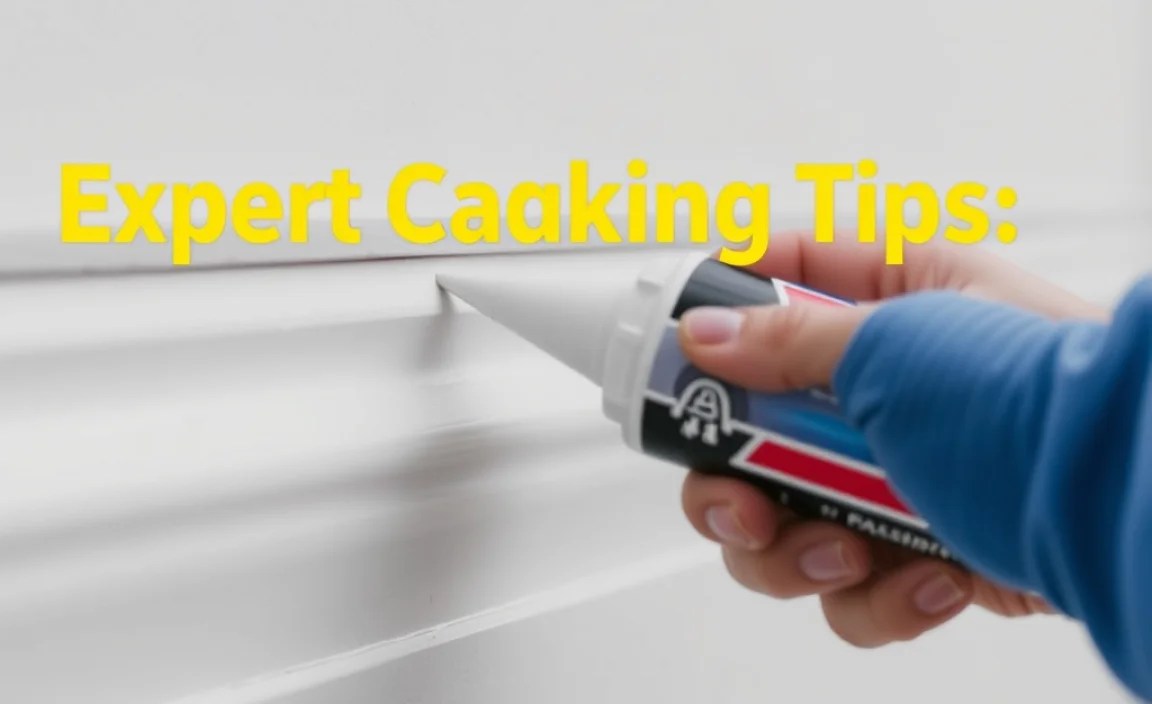
There are different types of caulk for different jobs. Let’s explore some common ones. Silicone caulk is flexible and waterproof. It’s great for bathrooms. It sticks well to glass and metal. Acrylic latex caulk is easy to use and clean. You can paint over it, making it perfect for windows and doors. Polyurethane caulk is very strong. It’s used for outdoor projects. It can resist harsh weather. There are also specialty caulks for specific needs.
- Silicone caulk for bathrooms.
- Acrylic latex caulk for windows.
- Polyurethane caulk for outdoor use.
- Fireproof caulk for safety.
- Non-toxic caulk for kids’ rooms.
Knowing the types of caulk helps you choose wisely. Each type has its strengths. Always read the label for more details. It tells you where and how to use the caulk. The right choice means a better seal and a longer-lasting fix. So next time you shop for caulk, you’ll know exactly what to pick.
Fun Fact or Stats : Silicone caulk can last up to 20 years!
Silicone vs. Acrylic Latex
Silicone and acrylic latex caulks are popular. But which one should you use? Silicone is great for wet areas like showers. It stays flexible and waterproof. Acrylic latex is better for areas you want to paint. It’s best for windows and doors. It’s also easier to clean up. Both have their place in home improvement. Think about your project before choosing. Using the right caulk makes all the difference. Imagine a bathroom with no leaks or a window that never lets in drafts!
What Makes Silicone Special?
Silicone caulk is unique. It works well in moist places. It stays flexible even when it’s dry. This means it can handle movement. It sticks well to different surfaces. Glass, metal, and tile are no problem for silicone. It’s a bit trickier to apply, but practice helps. Always wear gloves when using silicone. It can be hard to remove from skin. Its power lies in its ability to keep water out. It’s perfect for showers, tubs, and sinks.
Why Choose Acrylic Latex?
Acrylic latex caulk is user-friendly. It’s easy to apply and clean up. You can paint over it for a neat finish. It’s less flexible than silicone, but that’s okay for many home uses. It’s great for sealing gaps in windows and doors. It helps stop drafts and saves energy. It’s also cost-effective. If you’re new to caulking, start with acrylic latex. It’s forgiving and easy to work with. Imagine sealing your windows quickly and easily. Acrylic latex makes it possible.
How to Maintain Caulking
Caulking needs care to stay effective. Regular checks ensure it’s doing its job. Start by looking for cracks or gaps. Use a flashlight to see clearly. If you find any, fix them quickly. Remove the old caulk before applying new. This ensures a good bond. Keep the area clean to prevent mold growth. Dust and debris can weaken the caulk. Check your caulking every few months. It’s a simple way to keep your home safe and sound.
- Check for cracks regularly.
- Remove old caulk before resealing.
- Keep caulked areas clean.
- Fix gaps promptly to prevent damage.
- Use a flashlight for thorough inspections.
Maintaining caulking is an ongoing task. But it’s worth it. Regular upkeep prevents bigger problems. A small gap can lead to water damage or air leaks. By taking care of your caulking, you protect your home. It’s an easy task with big rewards. Imagine having a home that’s always cozy and dry. That’s possible with good caulking maintenance.
Fun Fact or Stats : Proper caulking can reduce heating bills by up to 10%!
Why Regular Checks Matter
Regular caulking checks are essential. They help catch minor issues early. A small gap can grow over time. If left alone, it can cause significant damage. Water can leak in or air can escape. This means higher bills and possible repairs. Imagine avoiding a costly water damage repair. Regular checks make it possible. They’re simple to perform and take little time. The peace of mind they bring is priceless. So grab a flashlight and take a look today!
Tools for Caulking Care
Having the right tools makes caulking care easy. A flashlight helps you see gaps. A caulk remover tool gets rid of old caulk. New caulk can then stick better. A caulking gun helps apply pressure evenly. This ensures a smooth line. Having a damp cloth is useful too. It wipes away excess caulk. Basic tools can make a big difference. They help keep your caulking looking great. Imagine fixing a problem in minutes with the right tools!
Preventing Common Caulking Problems
Problems with caulking can be avoided. The key is prevention. Start by choosing the right caulk. Use silicone in wet areas and acrylic latex elsewhere. Clean the surfaces before applying caulk. This helps it stick better. Apply caulk in a smooth motion. Use tools to smooth it out for a tight seal. Regularly check the caulking for cracks. Fix any issues quickly. Proper care keeps your caulking effective. Imagine never having to worry about drafts or leaks again!
Tools You Need for Caulking Projects
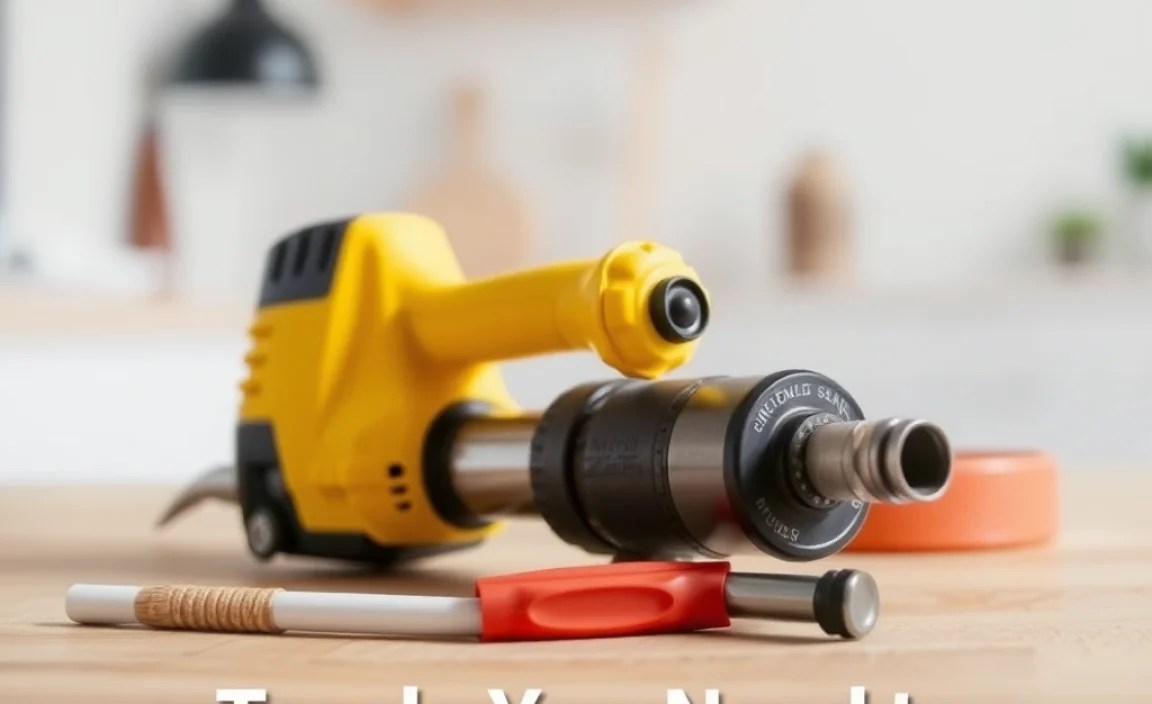
Having the right tools makes caulking projects easier. First, you’ll need a caulking gun. It helps apply caulk evenly. A utility knife is useful for cutting the tube tip. A caulk remover tool helps get rid of old caulk. A damp cloth wipes away excess caulk. These tools help you do a neat job. They make caulking projects simple and successful. With the right tools, even beginners can do great work.
- Caulking gun for even application.
- Utility knife for cutting tube tips.
- Caulk remover tool for old caulk.
- Damp cloth for cleaning excess caulk.
- Smoothing tool for a neat finish.
Tools are essential for successful caulking. They help you apply caulk smoothly. They also make the job easier and faster. Good tools can turn a tricky job into a simple one. Imagine completing your project quickly with a professional finish. That’s possible with the right tools. So next time you plan a caulking project, gather your tools first. This ensures everything goes smoothly.
Fun Fact or Stats : Using a caulking gun reduces hand fatigue by 50%!
How to Use a Caulking Gun
A caulking gun is easy to use. First, load the caulk tube into the gun. Cut the tube tip at an angle. This controls the flow of caulk. Squeeze the trigger gently to apply caulk. Move slowly along the gap. Keep a steady hand for a smooth line. Release the trigger to stop the flow. Practice makes perfect. With time, you’ll apply caulk like a pro. Imagine finishing your project perfectly without any mess. That’s what a caulking gun can do!
Using a Utility Knife Safely
A utility knife is handy for caulking. But safety is important. Always keep the blade sharp. A dull blade can slip. Hold the knife firmly. Cut away from your body. Keep fingers away from the blade. When not in use, retract the blade. This prevents accidents. A utility knife helps with precise cuts. It makes trimming caulk easy. With safety in mind, you can work confidently. Imagine finishing your project safely and efficiently!
Cleaning Up After Caulking
Cleaning up after caulking is simple. Use a damp cloth to wipe away excess caulk. Do this before it dries. It makes the cleanup easy. Keep the area tidy as you work. This prevents mistakes. If caulk gets on your skin, wash it off quickly. For silicone, use a special remover. Proper cleanup keeps your project looking neat. It also protects your tools. Imagine having a clean, professional-looking finish. That’s possible with good cleanup habits.
Conclusion
Understanding caulking details helps keep your home safe and warm. It prevents drafts and leaks. Choose the right caulk for each job. Regular checks and maintenance are essential. With the right tools, anyone can caulk effectively. Make sure to follow these tips for the best results.
FAQs
Question: What is caulking used for?
Answer: Caulking is used to seal gaps and cracks. It stops air and water from entering. This helps keep homes warm and dry. It also prevents bugs from getting inside.
Question: How often should I check my caulking?
Answer: Check your caulking every few months. Regular checks help spot tiny cracks early. Fixing them quickly prevents bigger problems. This keeps your home safe and energy-efficient.
Question: What types of caulk are there?
Answer: There are several types of caulk. Silicone is great for bathrooms. Acrylic latex is perfect for windows and doors. Polyurethane is strong for outdoor use. Choose the right type for each project.
Question: How do I apply caulk smoothly?
Answer: Use a caulking gun to apply caulk evenly. Keep a steady hand. Cut the tube tip at an angle. Smooth the caulk with a tool for a neat finish. Practice helps improve your skills.
Question: Can I paint over caulk?
Answer: Yes, you can paint over acrylic latex caulk. It’s designed for that. Make sure it’s fully dry first. This allows the paint to adhere properly.
Question: What happens if I use the wrong caulk?
Answer: Using the wrong caulk can lead to problems. The seal might fail, causing leaks or drafts. Choose the right caulk for each project. Read the label for caulking details to ensure a proper match.
