
Do you know what a cistern is? It’s like a big water tank. Long ago, people used them to store rainwater. Today, many still use them for different reasons. But, what are the pros and cons of a cistern? Let’s explore the cistern definition, pros, and cons. You might even find out if a cistern is perfect for your home!
Key Takeaways
- Cisterns store water for homes and gardens.
- They help save water during dry seasons.
- Cisterns can be costly to install and maintain.
- Learn the cistern definition pros and cons before choosing one.
- Consider your water needs before deciding on a cistern.
Cistern Definition: What Is a Cistern?
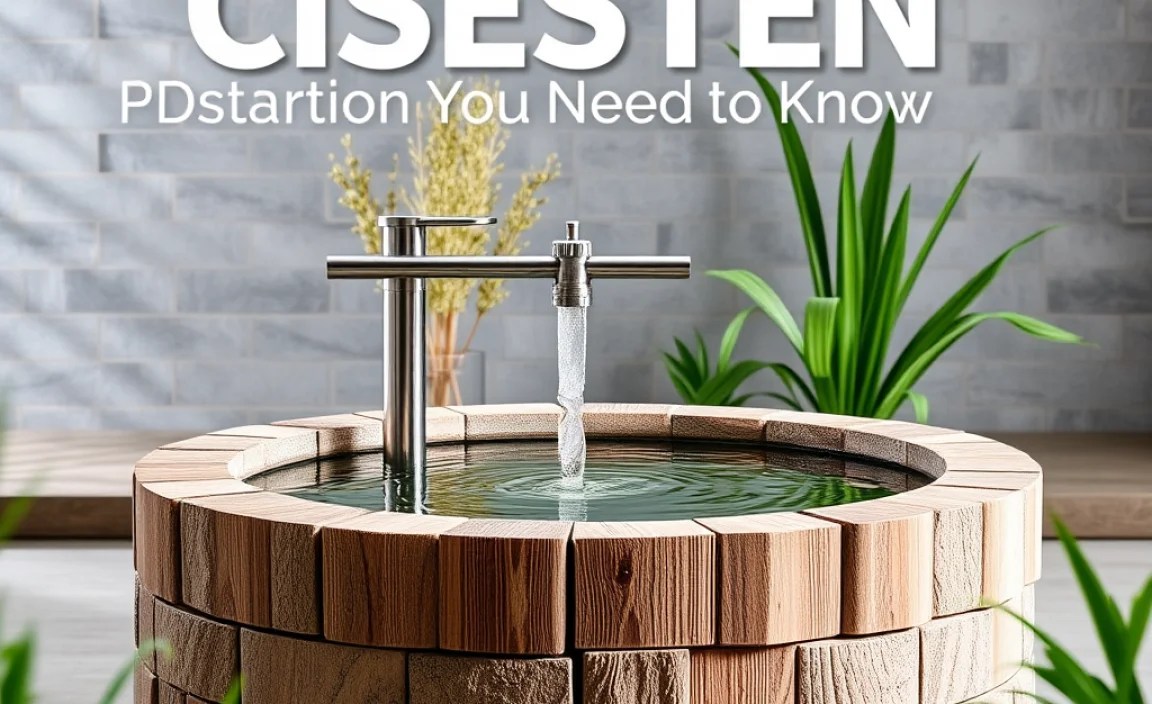
A cistern is a large container that holds water. People use cisterns to save rainwater. This is helpful in dry places where water is scarce. Cisterns come in many sizes and shapes. You can find them above or below the ground. Some are made of plastic, while others are concrete. People often install them in their gardens or houses to collect rain from roofs. This way, they have water for plants, toilets, or even drinking.
- Holds large amounts of water.
- Useful in dry areas with little rain.
- Different sizes and materials available.
- Can be above or underground.
- Collects rainwater from roofs.
- Provides water for plants and toilets.
- Reduces water bills for families.
Cisterns are essential in managing water. They help save water during dry times. By collecting rain, they reduce the need to use city water. This way, people save money on water bills. While they help a lot, not everyone knows about them. Learning about cisterns can help you decide if they are right for you.
Fun Fact or Stats : Cisterns have been used since ancient Roman times!
Why Do People Use Cisterns?
Why do people choose cisterns? Imagine living in a place with little rain. You need water for your plants and household. A cistern stores rainwater, so you have water even in dry months. This is why many people install cisterns. They help save money too. Instead of using costly city water, you use free rainwater. Isn’t that smart?
Types of Cisterns
There are different types of cisterns. Some are above ground, while others are buried. Above-ground cisterns are easy to access. But they can take up space in your yard. Underground cisterns stay hidden but may cost more to install. Cisterns can be made of plastic, concrete, or metal. Each type has its own strengths. Which type would you choose?
How Cisterns Work
How do cisterns work? It starts with rain. Rainwater flows from the roof into the cistern. Filters clean the water as it enters. This keeps out leaves and dirt. Then, the water stays until needed. Some folks add pumps to move water faster. You use it for watering the garden or even flushing toilets. It’s a clever system!
Pros of Using a Cistern

Using a cistern has many benefits. First, it saves water. You use less city water, which helps the environment. Second, it reduces water bills. Who doesn’t want to save money? Third, cisterns provide water during dry months. When rain is scarce, you still have water. Fourth, they reduce stormwater runoff. This helps prevent floods. Lastly, cisterns help support a sustainable lifestyle.
- Saves water by using rainwater.
- Reduces water bills significantly.
- Provides water during dry months.
- Lessens stormwater runoff.
- Supports sustainable living.
- Eco-friendly water storage solution.
- Attracts environmentally conscious homeowners.
Cisterns are a great choice for those who care about the environment. They’re not just about saving money. They play a part in reducing our carbon footprint. By using cisterns, we help lessen water waste. Isn’t it wonderful to help our planet while saving money?
Fun Fact or Stats : A cistern can save up to 4,000 gallons of water a year!
Environmental Benefits
Did you know cisterns help the environment? They collect rainwater, reducing the need for city water. This helps conserve our natural water resources. By using stored rainwater, we also cut down on energy used to process and transport tap water. It’s a small step that can make a big difference. Isn’t it amazing how one cistern can do so much good?
Financial Savings
Who doesn’t love saving money? Cisterns help lower water bills. You use rainwater instead of paying for city water. Over time, this can lead to big savings. Imagine using rainwater for your garden, washing your car, or even flushing toilets. The more you use it, the more you save. Would you rather pay for water or get it for free?
Emergency Water Supply
Imagine a time when your water supply gets cut off. What would you do? If you have a cistern, you have water ready for emergencies. It’s like having a backup water supply. During droughts or any water shortage, a cistern can be a lifesaver. It gives peace of mind knowing you won’t run out of water. Isn’t that reassuring?
Cons of Using a Cistern

Despite their benefits, cisterns have some drawbacks. First, they can be expensive to install. The cost of materials and labor can add up. Second, they need regular maintenance. Filters need cleaning, and parts may need repairs. Third, water quality may vary. Without proper care, water can get dirty. Fourth, cisterns take up space. In small yards, this can be a problem. Lastly, not all places get enough rain for cisterns to be useful.
- High initial setup costs.
- Regular maintenance required.
- Water quality concerns.
- Space constraints in small yards.
- Limited usefulness in dry areas.
- Possible algae growth inside.
- May need professional help for repairs.
While cisterns have their downsides, many believe the benefits are worth it. It’s important to weigh the pros and cons. Consider your budget, space, and local rainfall. These factors will help you decide if a cistern is right for you. After all, every home is different!
Fun Fact or Stats : Installing a cistern can cost from $1,000 to $10,000!
| Pros | Cons |
|---|---|
| Saves water | High setup cost |
| Reduces bills | Needs maintenance |
| Eco-friendly | Space concerns |
| Emergency backup | Water quality issues |
High Setup Costs
Starting with cisterns can be pricey. Buying the cistern, pipes, and filters adds up. Plus, hiring someone to install it costs money too. It’s like buying a new appliance for your home. Not everyone can afford it upfront. But some see it as a long-term investment. Would you pay more now to save later?
Maintenance Needs
Keeping a cistern in good shape takes work. Filters must be cleaned regularly. If not, dirt can get into the water. Sometimes, parts break and need fixing. You might need to hire someone for repairs. This adds to the cost over time. But many believe it’s worth the effort. How much effort would you put in for cleaner water?
Water Quality Concerns
What if the water isn’t clean? Rainwater can pick up dirt and debris. If a cistern isn’t maintained, it can get dirty. Bacteria or algae might grow inside. This can affect the water quality. Some people add filters or use water treatment. This ensures the water stays safe. How important is water quality to you?
Making the Right Choice
Choosing a cistern depends on many factors. You need to think about your water needs. Consider how much rain your area gets. Also, think about your budget. Can you afford the initial costs? Do you have time for maintenance? These questions will guide you. If you decide a cistern is right, it can be a great investment.
- Assess your water needs first.
- Consider local rainfall patterns.
- Check your budget for setup costs.
- Plan for regular maintenance.
- Research local regulations for cisterns.
- Talk to neighbors who have cisterns.
- Visit local suppliers for advice.
Making the right choice takes time and research. Weigh the pros and cons carefully. Talk to people who already have cisterns. They can give you real-life insights. Your decision should fit your home and lifestyle. Remember, a cistern is a long-term commitment!
Fun Fact or Stats : Cisterns can last over 20 years with proper care!
Assessing Your Water Needs
Think about how much water your family uses. Do you water the garden often? Or maybe you wash cars a lot? Understanding your water needs helps decide on a cistern. If you use a lot of water, a bigger cistern might help. But if you use less, a smaller one works well too. How much water does your family need?
Considering Local Rainfall
How much rain does your area get? In places with lots of rain, cisterns fill quickly. But in dry areas, they might not be as useful. Check local weather patterns. Knowing this helps decide if a cistern is right for you. It’s important to match the cistern size to the rainfall. Does it rain a lot where you live?
Budget and Costs
Can you afford a cistern? Consider the initial cost of the cistern. Think about maintenance costs too. While it saves money in the long run, the start can be costly. Look for government rebates or incentives for water-saving systems. These can help reduce costs. Is your budget ready for a cistern adventure?
Conclusion
A cistern can be a wonderful addition to your home. It offers many benefits, like saving water and reducing bills. But it also has costs and maintenance needs. Knowing the cistern definition pros and cons helps in making a wise decision. Think about your water needs, budget, and local weather. A cistern might just be the perfect fit for you!
FAQs
Question: What is a cistern?
Answer: A cistern is a large container for storing water. People often use it to collect rainwater from roofs. This water can then be used for various purposes, like watering gardens or flushing toilets. Understanding the cistern definition pros and cons can help decide if it’s right for you.
Question: What are the benefits of using a cistern?
Answer: A cistern helps save water and reduce water bills. It provides a backup water supply during dry months. Cisterns also lessen stormwater runoff, helping the environment. They support sustainable living by using rainwater, a natural resource. These advantages make cisterns a smart choice for eco-conscious homes.
Question: Are there any drawbacks to cisterns?
Answer: Yes, cisterns can be costly to install and maintain. They require regular cleaning to keep water quality high. Space can also be an issue in small yards. Additionally, in areas with little rain, cisterns may not be as useful. Understanding the cistern definition pros and cons helps weigh these factors.
Question: How much does it cost to install a cistern?
Answer: Installing a cistern can cost between $1,000 and $10,000. The price depends on the size, material, and installation complexity. Additional costs include maintenance and repairs over time. Despite the high initial cost, many see it as a long-term savings investment.
Question: How do cisterns help in emergencies?
Answer: Cisterns provide a backup water supply during emergencies. If the main water supply gets interrupted, you won’t run out of water. This is helpful during droughts or disasters. Having a cistern gives peace of mind that you’ll always have water available.
Question: Can cisterns be used everywhere?
Answer: While cisterns are useful, they aren’t suitable for all regions. Areas with limited rainfall may find them less beneficial. Additionally, some places have regulations on water collection systems. Research local rules before installing a cistern to ensure it’s allowed and practical.
