
A cistern in plumbing is a water storage tank, most commonly known as the toilet tank, that holds a reserve of water to flush away waste after each use. Understanding its components and function is key to simple toilet maintenance and repair.
Ever stared at your toilet and wondered what’s really going on inside that white box behind the bowl? No need to feel mystified! In plumbing, a cistern might sound technical, but it’s just the fancy name for the water tank of your toilet. It’s a super important part of how your toilet works, and knowing a bit about it can save you from calling a plumber for minor issues.
Think of it as the toilet’s built-in water cooler, ready to deliver a perfect flush whenever you need it. We’ll break down what a cistern is, what its parts do, and why knowing this can make you a DIY hero for your bathroom. Let’s dive in and demystify this essential component!
What is a Cistern in Plumbing?
At its core, a cistern is a contained vessel designed to store water. In the context of plumbing, it specifically refers to the tank attached to a toilet. This tank holds a specific volume of water under gravity pressure, ready to be released into the toilet bowl to clear waste. It’s a fundamental component of many flush toilets, operating on a simple yet effective gravity-flush system.
The main purpose of a cistern is to provide enough water for a complete and effective flush. Without it, the toilet bowl wouldn’t have the necessary water volume or force to send waste down the drainpipe. It acts as a reservoir, ensuring that when you lift that handle or press that button, you get a consistent and powerful flush. Modern cisterns also incorporate mechanisms for efficient water use, often with dual-flush options to save water.
The Evolution of the Cistern
The concept of using water to remove waste dates back centuries. Early flushing systems often involved large cisterns that required manual filling or were connected to a continuous water supply. The development of the modern cistern as we know it, with its self-filling and automatic flushing mechanisms, was a significant step in sanitation and public health.
Early high-level cisterns were quite common, requiring a long flush pipe to generate sufficient pressure. These often looked quite grand, mounted high on the wall. Over time, designs evolved towards lower-profile cisterns that are more aesthetically pleasing and space-efficient. The invention of the siphon mechanism and float valves revolutionized cistern design, making toilets more reliable and easier to maintain. Today, cisterns are designed with water conservation in mind, incorporating features like dual-flush systems that offer a reduced flush for liquid waste and a full flush for solid waste. The materials have also evolved, from early ceramic and metal to durable plastics for internal components.
Components of a Cistern: Your Toilet’s Inner Workings

To truly understand a cistern, it’s helpful to know its parts. Think of these as the team working together to fill the tank and flush the bowl perfectly every time. Most modern cisterns, whether they’re part of a close-coupled toilet (where the cistern sits directly on the back of the bowl) or a high-level or low-level suite, share these core components.
Let’s break down the essential parts:
- Fill Valve (or Inlet Valve): This is like the water traffic controller. It lets water into the cistern when the level drops after a flush and stops it when the tank is full. It also ensures the water refills to the correct level.
- Flush Valve (or Outlet Valve): This is the gatekeeper for the flush. When activated, it opens to allow the stored water to rush from the cistern into the toilet bowl. It then seals again to allow the cistern to refill.
- Overflow Pipe: A crucial safety feature. If the fill valve malfunctions and the cistern overfills, this pipe directs excess water safely down the pan rather than flooding your bathroom.
- Float (or Buoy): Connected to the fill valve, this mechanism rises with the water level and signals the fill valve to shut off when the water reaches the desired height. Some use a bell-shaped float, others a floating ball, and newer ones often have a cylinder-shaped float arm.
- Flush Lever/Button: The user interface! This is what you interact with to initiate the flush. It’s connected to the flush valve mechanism, usually via a chain or rod, to lift and open it.
- Cistern Lid: The cover that sits on top of the cistern, keeping everything tidy and preventing debris from entering.
Understanding the Fill Valve
The fill valve is a marvel of simple engineering. Its primary job is to refill the cistern after each flush and to shut off the water supply automatically once the correct water level is reached. There are several types, but the most common are the brass piston-type and the modern diaphragm or universal type. The float, whether it’s a traditional ball float on an arm or a cylindrical float attached to the valve body, is key to its operation. As the water level rises, the float rises with it, and this movement mechanically operates a lever or mechanism within the valve to cut off the incoming water supply.
The precise water level is important for a good flush. If the water level is too low, the flush won’t be effective. If it’s too high, you waste water and risk activating the overflow. Most fill valves have a water-adjustment screw or mechanism to fine-tune this level, allowing for efficient water use and optimal flushing performance.
The Role of the Flush Valve

The flush valve is arguably the most critical component for the actual flushing action. It’s essentially a stopper that seals the outlet at the bottom of the cistern. When you activate the flush lever or button, this mechanism lifts the seal, allowing the water stored in the cistern to flow rapidly into the toilet bowl. The most common types are the flapper and the syphon.
A flapper is a rubber seal that covers the outlet hole. When you flush, a chain lifts the flapper, and as water drains, the flapper typically reseals itself or is designed to reseal as the water level drops below it. A syphon, often found in older or specific types of cisterns, uses the water flow to create a vacuum. As water flows over a central hump, it initiates a continuous siphoning action that empties the cistern, and once the siphon breaks (usually when air enters the syphon pipe), the valve reseals. Modern cisterns often use a tower or drop syphon, which is a more compact and efficient design where the entire flushing mechanism sits as a single unit, often referred to as a drop valve or a dual-flush mechanism.
The Overflow Pipe: Your Bathroom’s Lifesaver
The overflow pipe is a simple but vital safety feature. Its purpose is to prevent flooding if the fill valve fails to shut off properly. When the water level in the cistern rises above a certain point, it spills into the overflow pipe, which is designed to channel the excess water directly down into the toilet bowl. This means any malfunction won’t result in water pooling on your bathroom floor.
It’s usually a vertical pipe located inside the cistern. You can often see the top of it. If you notice water constantly running into the overflow pipe, it’s a clear sign that your fill valve is allowing the cistern to overfill, and it’s time to investigate the fill valve. For more information on plumbing safety and best practices, resources like the Safe Plumbing website offer excellent guidance.
Types of Cisterns
While the basic function remains the same, cisterns come in various forms, mainly differentiated by their installation and design:
Close-Coupled Cisterns
This is the most common type found in modern homes. The cistern is mounted directly onto the back of the toilet bowl, with a short flush pipe connecting them. This design is space-efficient and generally easier to install and maintain.
Low-Level Cisterns
In this design, the cistern is mounted on the upper part of the wall, with a longer flush pipe connecting it to the toilet bowl below. This was a popular design before the advent of close-coupled toilets and is often found in older properties. The longer pipe and higher water reserve can provide a more powerful flush.
High-Level Cisterns
Similar to low-level cisterns, but the cistern is mounted much higher on the wall. This maximizes the distance the water falls, generating significant pressure for a very powerful flush. These are often seen in heritage bathrooms or for specific aesthetic choices. They typically operate with a pull-chain mechanism.
Concealed Cisterns
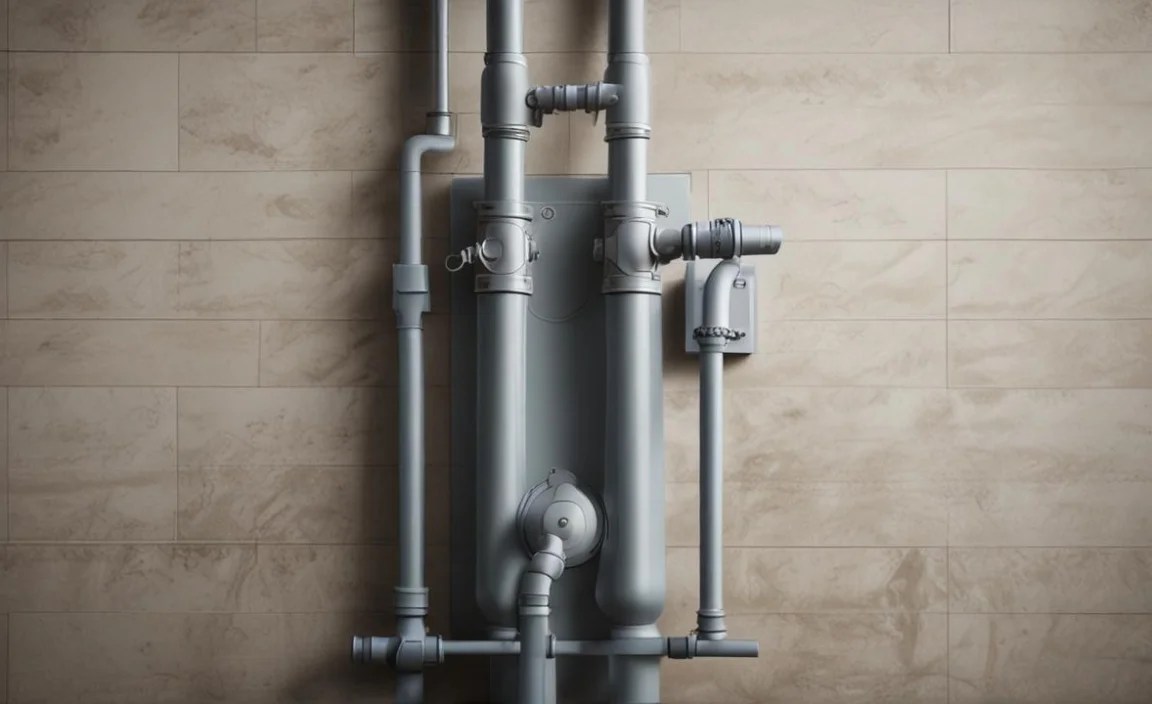
These cisterns are built into the wall or behind a false wall, with only a flush plate visible. This offers a minimalist and modern look, hiding the tank from view. They often come with options for accessible maintenance panels. Concealed cisterns are frequently used with wall-hung toilets, creating a very clean bathroom aesthetic.
In-Wall Cisterns
A variation of concealed cisterns, often used with wall-hung toilets. The cistern is entirely enclosed within the wall structure, providing a sleek, modern look and making cleaning the toilet area much easier. Maintenance access is typically provided through a removable panel behind the flush plate.
Here’s a quick look at how these types might differ:
| Cistern Type | Common Location | Flush Mechanism | Aesthetic |
|---|---|---|---|
| Close-Coupled | Directly on toilet bowl | Lever or button | Standard, functional |
| Low-Level | Upper wall | Lever or chain | Traditional, visible |
| High-Level | High on wall | Pull chain | Classic, statement piece |
| Concealed | Behind wall/panel | Flush plate | Minimalist, modern |
| In-Wall | Within wall structure | Flush plate | Sleek, hidden (often with wall-hung toilets) |
How a Cistern Works: The Flushing Cycle Explained
Understanding the flushing cycle demystifies how your toilet operates. It’s a sequence of events that happens every time you press that button.
Here’s a step-by-step breakdown:
- Initiating the Flush: You press the flush button or lift the lever. This action is mechanically linked to the flush valve mechanism inside the cistern.
- Opening the Flush Valve: The lever or button pulls on a chain or rod, lifting the flapper or triggering the syphon to open the flush valve at the bottom of the cistern.
- Water Rushes Out: Driven by gravity, the water stored in the cistern rapidly exits through the open flush valve and travels down the flush pipe into the toilet bowl. This surge of water is what clears the waste from the bowl and pushes it into the drain.
- Siphon Action (if applicable): If your cistern uses a syphon, the initial rush of water can create a vacuum. This siphon action continues to empty the cistern until air breaks the seal, at which point the siphoning stops.
- Cistern Empties Partially: As the water level drops, the float mechanism falls with it.
- Closing the Flush Valve: When the water level in the cistern drops sufficiently, the flapper falls back into place to seal the outlet, or the syphon mechanism resets.
- Fill Valve Activates: With the flush valve now sealed and the water level low, the float attached to the fill valve falls, signaling the fill valve to open and allow fresh water into the cistern.
- Cistern Refills: Water begins to refill the cistern. The float slowly rises with the water level.
- Fill Valve Shuts Off: Once the water reaches the predetermined level, the float rises high enough to operate the fill valve mechanism, shutting off the water supply.
- Cistern Ready: The cistern is now full, sealed, and ready for the next flush.
The overflow pipe plays its role if the water level rises too high during step 8. It acts as an emergency exit for the excess water. For a more in-depth look at how water systems function, the EPA’s WaterSense program offers excellent resources on water efficiency and how water systems work.
Common Cistern Problems and Fixes
Even the best cisterns can develop issues. Fortunately, most are relatively simple to fix yourself. Knowing the common culprits can save you time and money.
Here are some frequent problems you might encounter:
- Running Water: If you hear water constantly running into the toilet bowl, it’s usually a sign of a faulty flush valve (flapper or seal not seating properly) or an overfilling cistern due to a malfunctioning fill valve or an incorrect water level.
- Cistern Not Filling: This could be due to a blocked inlet pipe, a closed water supply valve, or a problem with the fill valve itself (e.g., the float is stuck, or the valve is worn out).
- Weak Flush: A weak flush often means there isn’t enough water in the cistern. Check the water level setting on your fill valve. It could also be that the flush valve is not opening fully or is partially blocked.
- Slow Refill: If the cistern takes a long time to refill, the fill valve might be clogged with sediment, or the water supply pressure might be low.
- Leaking Cistern: A leak can occur at the base of the cistern (where it joins the bowl, often due to a worn seal or loose bolts) or from the water inlet connection.
Most of these issues stem from wear and tear on the internal components. Replacing a worn flapper, a faulty fill valve, or adjusting the float are common DIY tasks that can resolve these problems.
When to Call a Professional
While many cistern issues are DIY-friendly, there are times when it’s best to call a qualified plumber. If you’ve tried basic troubleshooting and the problem persists, or if the issue involves complex pipework, significant leaks, or potential structural damage to your toilet or plumbing system, it’s time to enlist a professional. A plumber has the expertise and tools to diagnose and fix more serious problems safely and efficiently. For instance, if you suspect a crack in the ceramic cistern itself, or a persistent leak at the main water supply line, it is best to seek professional help.
Consider these situations when a plumber is recommended:
- Persistent leaks that you can’t locate or fix.
- Cracks or damage to the cistern itself.
- Problems with the main water supply to the toilet.
- If you’re uncomfortable or unsure about any repair.
- Complex installations or replacements involving multiple fixtures.
Maintenance and Best Practices for Your Cistern
Regular maintenance can prevent most common cistern problems and ensure your toilet works efficiently. Simple checks and cleaning can go a long way.
Here are some tips:
- Regular Inspection: Periodically check for leaks, listen for running water when the toilet is not in use, and ensure the flush is strong and consistent.
- Clean Components: Hard water can cause mineral buildup on the fill valve, flush valve, and inside the cistern. You can clean these components with vinegar or a mild descaler periodically. Be cautious not to damage rubber seals.
- Adjust Water Level: If you notice flushes becoming weak, check the water level in the cistern. It should typically be about 1-2 cm below the overflow pipe. Adjust the float on the fill valve if necessary. For guidance on adjusting float valves, you can find helpful videos on reputable DIY sites like This Old House.
- Replace Worn Parts: Components like flappers and seals can degrade over time. If you notice issues, it’s often cost-effective to replace them proactively. Replacement parts are widely available at hardware stores.
- Water Conservation: If you have an older cistern that uses excessive water, consider upgrading to a modern, low-flush or dual-flush model. This can significantly reduce your water bill and help the environment.
DIY Maintenance Checklist
- Weekly: Wipe down the exterior of the cistern.
- Monthly: Listen for running water after a flush to detect early leaks. Check the water level inside the cistern.
- Quarterly: Inspect the flush valve seal (flapper or syphon seal) for wear. Clean mineral deposits from fill valve and flush valve if needed.
- Annually: Check the cistern-to-bowl seal for any signs of leakage. Test the overflow by ensuring it directs water down the pan when the cistern is intentionally overfilled (briefly).
Cistern Description in Plumbing: Key Takeaways for Homeowners
Understanding your cistern is empowering for any homeowner. It’s the heart of your toilet’s
