
Have you ever wondered what happens when you flush a toilet? It’s more exciting than you think! A cistern plays a big role in this process. But what exactly is a cistern? This simple device helps keep our bathrooms clean and fresh. Let’s dive into the world of cisterns and discover their secrets!
Key Takeaways
- A cistern holds water for flushing toilets.
- Cisterns help save water with each flush.
- They keep bathrooms clean and hygienic.
- Cisterns come in various sizes and styles.
- Knowing a cistern description helps in repairs.
What Is a Cistern?
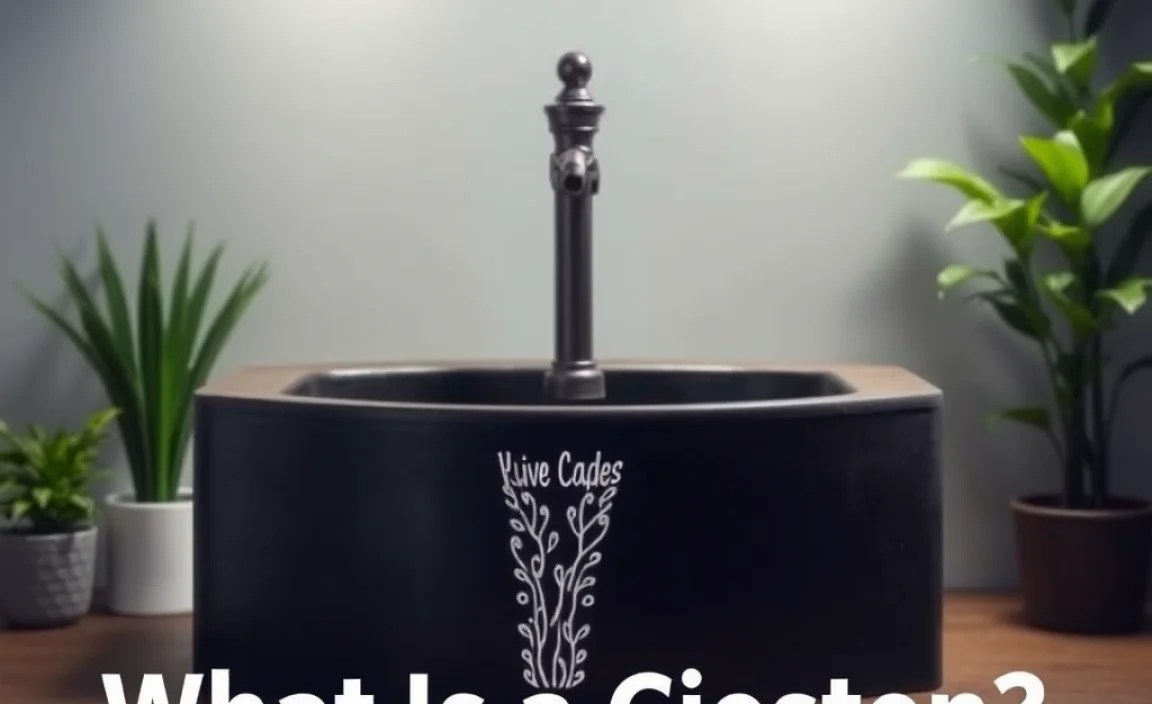
A cistern is a tank that stores water for flushing toilets. It sits at the back of the toilet bowl. When you push the flush button or lever, water from the cistern flows into the toilet. This flushes away waste, leaving the toilet clean. The cistern then refills with water until it’s ready for the next flush.
- Cisterns are often made of plastic or ceramic.
- They come in different shapes and sizes.
- Some cisterns are hidden in the wall.
- Others are visible and easy to access.
- Modern cisterns use water-saving technology.
Understanding how a cistern works can help when there’s a problem. If the toilet isn’t flushing properly, the cistern might need a check. Knowing where it is and what it looks like is a big help. Fixing a cistern can often be a simple task.
Fun Fact or Stats : The average toilet flush uses about 1.6 gallons of water!
Why Is a Cistern Important?
Have you ever thought about what makes your toilet work? The answer is the cistern. Without it, toilets couldn’t flush away waste. This would make bathrooms very unpleasant places! Cisterns provide the power needed to keep our bathrooms clean and fresh.
Types of Cisterns
Did you know there are different types of cisterns? Some are concealed in the wall. Others are mounted on the toilet. There are even smart cisterns that save water. Choosing the right cistern depends on your bathroom design and water-saving needs.
Common Cistern Problems
Ever had a toilet that wouldn’t stop running? This is a common cistern problem. Other issues include leaks or weak flushes. Understanding a cistern description helps in troubleshooting. Regular maintenance can prevent most issues from happening.
How Does a Cistern Work?
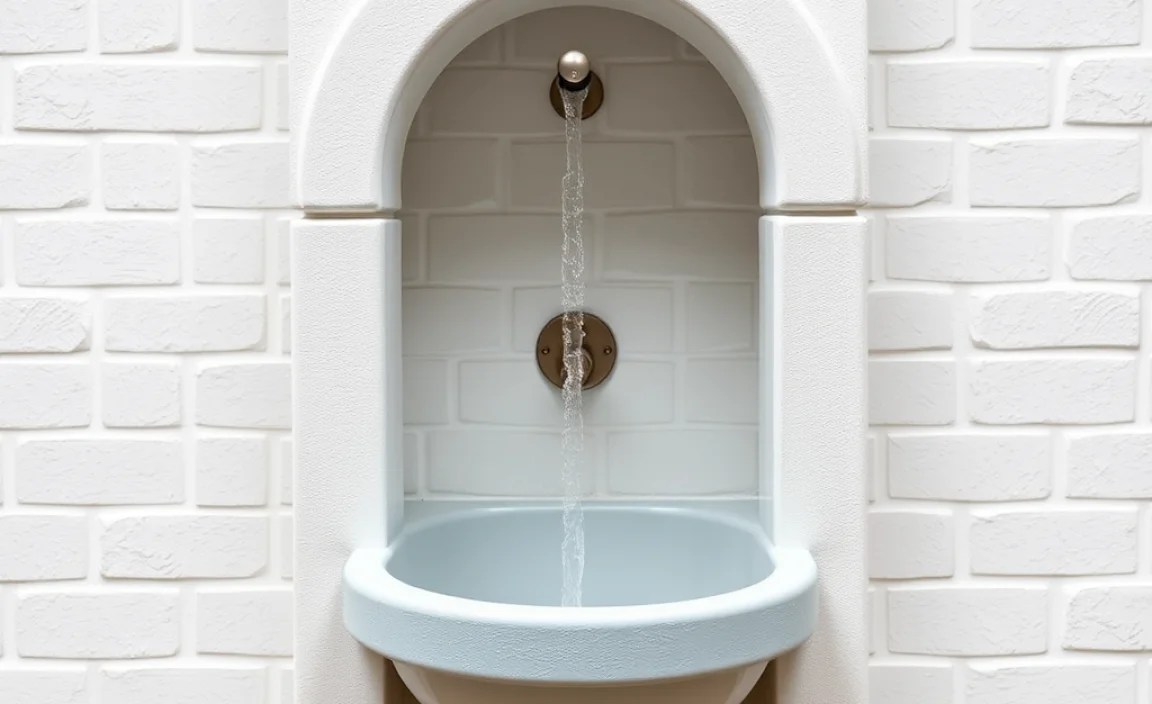
The cistern ensures your toilet flushes properly every time. Inside, it has a valve and a float. The valve lets water flow into the cistern. The float rises as the cistern fills. When the cistern is full, the float stops more water from entering.
- The flush lever opens the cistern valve.
- Water rushes into the toilet bowl.
- The float lowers as water leaves the cistern.
- The valve opens to let more water in.
- The cycle repeats after each flush.
Knowing how a cistern works can help you fix small problems. If the toilet keeps running, the float might be stuck. Adjusting it can solve the problem. Understanding your cistern helps you keep it in good shape.
Fun Fact or Stats : The first flushing toilet was invented in 1596 by Sir John Harington!
The Role of the Flush Mechanism
The flush mechanism is the heart of a cistern. It’s what makes the flush possible. When you use the flush button or lever, it activates the mechanism. This releases the water stored in the cistern. Who would have thought such a simple action was so powerful?
Cistern Valves and Floats
Valves and floats are essential parts of a cistern. They control the water flow and ensure the cistern fills correctly. When they work together, everything runs smoothly. Understanding these parts can help you manage small repairs.
Water-Saving Features
Many modern cisterns have water-saving features. Dual flush systems are popular. They offer two options: a half flush and a full flush. This helps save water by using just what’s needed. Choosing a water-saving cistern is a smart way to conserve water.
Different Types of Cisterns
There are many types of cisterns. Each has its own special features. Some are traditional, while others offer modern technology. Knowing the types helps you choose the best one for your bathroom. Let’s explore some popular types:
- Close-coupled cisterns are common and easy to install.
- Concealed cisterns fit inside the wall.
- Wall-mounted cisterns are sleek and modern.
- Smart cisterns save water with every flush.
- Low-level cisterns sit just above the toilet bowl.
Choosing the right cistern can enhance your bathroom’s look and function. Consider the space available and your water-saving goals. Each cistern type offers unique benefits. Understanding these can help you make the best choice.
Fun Fact or Stats : Concealed cisterns can make bathrooms look bigger!
Close-Coupled Cisterns
Close-coupled cisterns are the most common type. They sit on top of the toilet bowl. This makes them easy to install and access. If you’ve ever used a public toilet, you’ve likely seen one. They’re popular for their simplicity and effectiveness.
Concealed Cisterns
Concealed cisterns are hidden in the wall. This gives bathrooms a neat and tidy look. They’re a favorite for modern bathrooms. Installing one might be more challenging, but the sleek appearance is worth it!
Smart Cisterns
Smart cisterns are the future of toilets. They come with advanced features like touchless flush and water-saving options. These cisterns help conserve water without sacrificing performance. Investing in a smart cistern can save money in the long run.
Benefits of Using a Cistern
Using a cistern has many benefits. It helps conserve water and keeps toilets clean. Cisterns are designed to last a long time with minimal maintenance. Let’s explore some of the major benefits of having a cistern:
- Saves water with each flush.
- Keeps toilets clean and hygienic.
- Reduces water bills over time.
- Easy to repair and maintain.
- Works silently in the background.
Investing in a good cistern is a smart decision. It improves the overall efficiency of your bathroom. Plus, it’s an eco-friendly choice that helps protect our planet. With a cistern, you enjoy clean toilets and peace of mind.
Fun Fact or Stats : Modern cisterns can save over 1,000 gallons of water a year!
Water Conservation
Water conservation is crucial today. A well-functioning cistern helps by using less water per flush. This means you save money and help the environment. Every drop counts, and a cistern ensures none is wasted.
Low Maintenance
Cisterns require little maintenance, which is a big advantage. Regular checks ensure they function properly. If any part wears out, it’s usually easy to fix. Knowing a bit about your cistern can save time and hassle.
Eco-Friendly Choice
Choosing a cistern is an eco-friendly choice. It helps reduce water waste and promotes sustainability. With the right cistern, you can make a positive impact on the environment. It’s a small step that makes a big difference.
Conclusion
Cisterns are vital parts of our bathrooms. They make flushing toilets easy and efficient. With the right cistern, you can save water and maintain a clean bathroom. Understanding a cistern description helps with repairs and improvements. Remember, a well-chosen cistern is an investment in comfort and the environment.
FAQs
Question: What is a cistern in simple terms?
Answer: A cistern is a water tank that helps flush toilets. It stores water and releases it to clean the toilet bowl when you flush. This keeps bathrooms hygienic and fresh.
Question: Why is a cistern important for toilets?
Answer: A cistern is important because it provides the water needed to flush toilets. Without it, toilets would not be able to clean waste away efficiently. This keeps bathrooms clean and prevents unpleasant odors.
Question: How can I fix a leaking cistern?
Answer: To fix a leaking cistern, first check the connections and valves. A cistern description can help identify the parts. Tighten any loose connections or replace faulty parts. If unsure, seek professional help.
Question: What are the benefits of a smart cistern?
Answer: Smart cisterns offer advanced features like water-saving flush options and touchless operation. They help conserve water, reduce bills, and provide convenience. Investing in one can lead to long-term savings.
Question: Can a cistern help save water?
Answer: Yes, a cistern can help save water. Many cisterns have dual flush options, using less water for liquid waste. This conservation effort helps reduce water bills and protects the environment.
Question: How often should I check my cistern?
Answer: It’s good to check your cistern every six months. Look for any leaks or worn parts. Regular checks ensure it works efficiently and can prevent water waste.
