
Unlock the Secrets of Cisterns: Your Pros & Cons Guide! Considering a cistern for rainwater harvesting or water storage? Get the essential details on their advantages and disadvantages to make the best choice for your home and needs. Learn everything you need to know to decide if a cistern is right for you!
Water is precious, and sometimes, relying solely on the grid isn’t enough. Many homeowners are looking for smart ways to store water for gardening, emergencies, or even just to reduce their water bills. One popular solution is a cistern. But what exactly is a cistern, and is it the right fit for your home? It can seem a bit mysterious if you’re new to the idea, and understanding all the different parts and what they mean can feel overwhelming. Don’t worry! We’re here to break down cisterns, explore their benefits and drawbacks, and give you the clear, straightforward advice you need to make an informed decision.
In this guide, we’ll dive deep into the world of cisterns, covering everything from what they are to the nitty-gritty details of their pros and cons. You’ll learn about different types, what to consider before installing one, and how they can fit into your home’s water system. Get ready to become a cistern expert!
What is a Cistern?
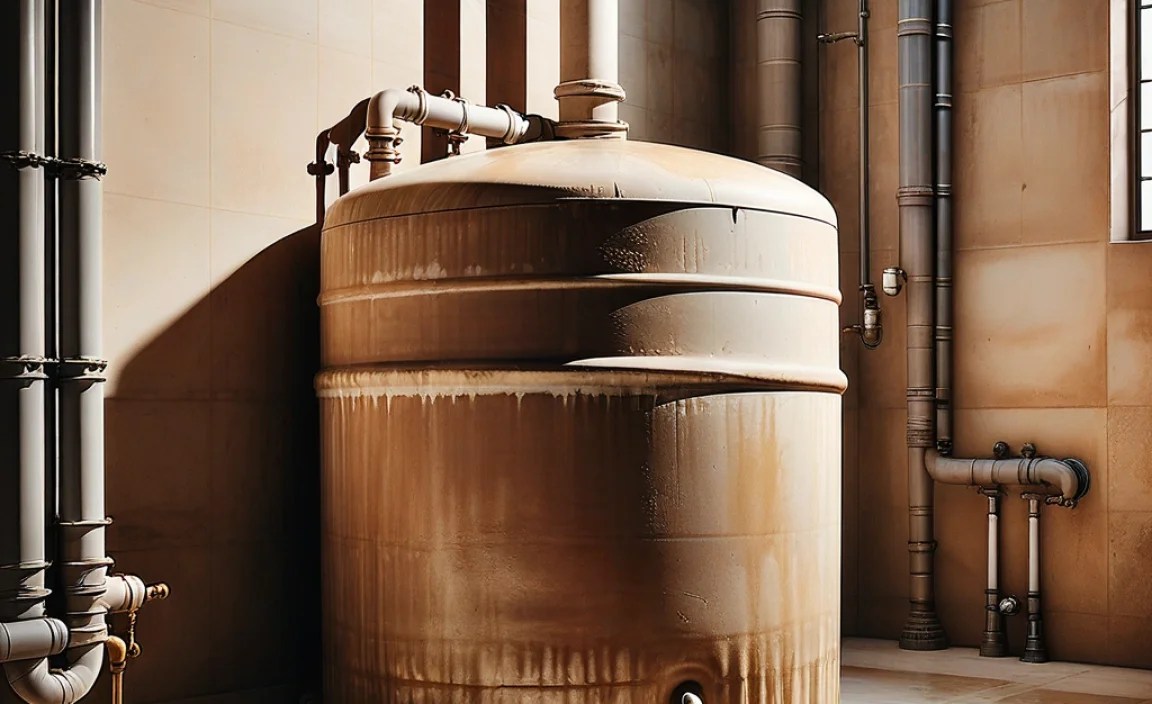
Simply put, a cistern is a tank or container used to store water. It’s not just for rainwater; cisterns can store potable (drinking) water, non-potable water (like for irrigation), or even wastewater for treatment. Think of it as a reservoir for your home or property.
Historically, cisterns were often built underground to collect and store rainwater from roofs. Today, they come in many shapes and sizes, made from various materials like plastic, concrete, or metal, and can be above ground or buried. The main purpose is to provide a reserve of water that can be used when needed, offering independence from municipal water supplies or enhancing water conservation efforts.
Why Consider a Cistern? The Big Picture
The decision to install a cistern often stems from a desire for greater water security, environmental responsibility, or cost savings. In areas prone to drought or water restrictions, having a personal water reserve can be a lifesaver. For those with large gardens or landscapes, a cistern can significantly reduce reliance on treated mains water, leading to lower bills and a lighter environmental footprint.
Furthermore, collected rainwater is often naturally soft and free from the chemicals found in treated tap water, making it excellent for plants and even some household uses. For emergency preparedness, a stored water supply provides peace of mind, ensuring access to water even during power outages or natural disasters. Understanding these motivations helps us appreciate why many homeowners are turning to cisterns.
Cistern Details: Key Components You Should Know
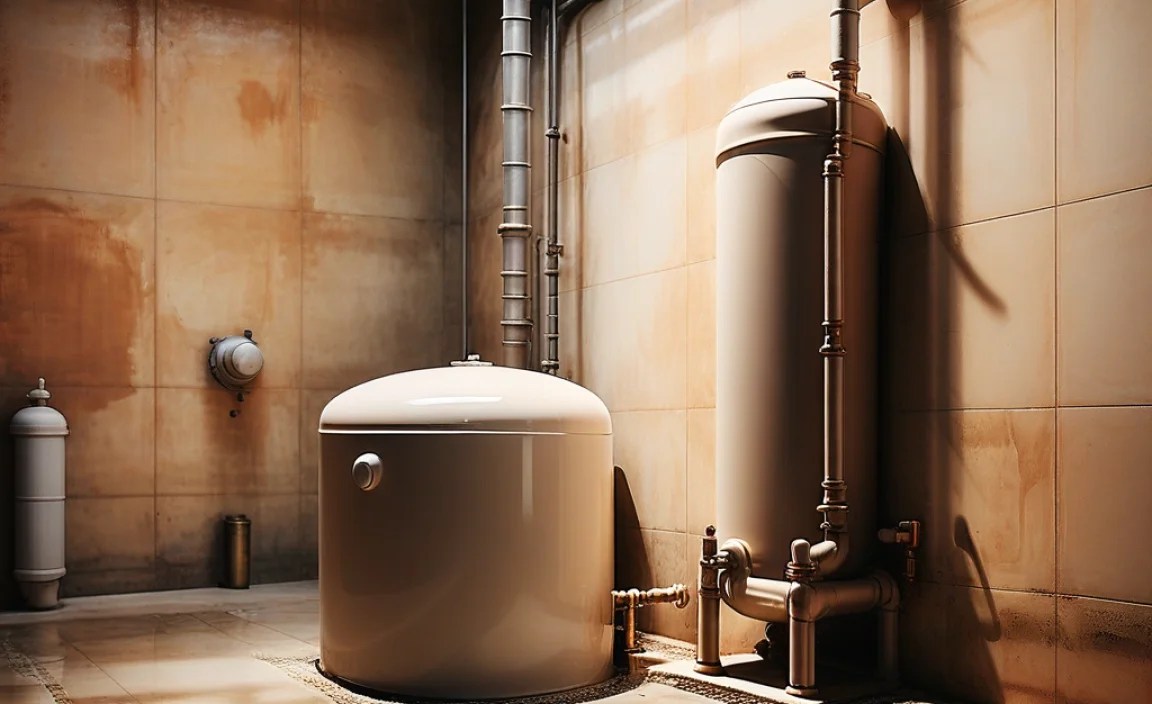
Before we get to the pros and cons, let’s quickly look at some common components you might find on or associated with a cistern setup:
- Inlet: Where water enters the cistern. This could be from a rainwater downspout, a municipal supply, or another source.
- Overflow: If the cistern fills up, this pipe allows excess water to drain away safely, preventing damage.
- Outlet: The connection where water is drawn out of the cistern for use.
- Vent: Allows air to enter and exit the tank as water levels change, preventing pressure build-up or suction.
- Access Hatch/Manhole: A removable lid for inspection, cleaning, and maintenance.
- Filter: Often placed on the inlet to remove leaves, debris, and other contaminants before water enters the tank.
- Pump: Used to draw water from the cistern and pressurize it for distribution to taps or irrigation systems.
- Level Indicator: Shows how much water is currently in the cistern.
- Dewatering System/Sludge Removal: For some systems, particularly wastewater or long-term storage, this helps manage sediment at the bottom.
The Pros and Cons of Installing a Cistern: A Detailed Look

Deciding whether a cistern is right for you involves weighing its advantages against its disadvantages. Here’s a comprehensive breakdown:
Pros of Cisterns
- Water Security and Independence: This is a major benefit. Having your own water reserve means you’re less vulnerable to municipal water shortages, drought conditions, or disruptions to the main supply. You have a backup, ensuring you can still meet essential needs.
- Cost Savings: Especially if you’re collecting rainwater, you can significantly reduce your water bills. For irrigation and other non-potable uses, using free rainwater instead of metered tap water offers substantial savings over time.
- Environmental Benefits:
- Water Conservation: Reduces the demand on treated municipal water supplies, which require a lot of energy and resources to process and distribute.
- Reduced Stormwater Runoff: Capturing rainwater can help mitigate local flooding and reduce the amount of pollutants washed into rivers and streams from paved surfaces.
- Natural Water Source: Rainwater is naturally soft and free from chlorine and other chemicals typically added to municipal water, making it ideal for gardening and some household uses.
- Emergency Preparedness: In natural disasters or power outages, access to clean water is critical. A well-maintained cistern provides a vital reserve for drinking, sanitation, and other essential needs.
- Versatility: Cisterns can be used for various purposes, from supplying water for toilets and outdoor taps to irrigating large gardens and even, with proper treatment, for potable use.
- Passive System (Rainwater): A gravity-fed rainwater harvesting system, for instance, requires no electricity to deliver water, making it a reliable and sustainable solution.
Cons of Cisterns
- Initial Cost: Installing a cistern, especially a large one or one that requires significant excavation and plumbing, can be a substantial upfront investment. This includes the cost of the tank itself, pumps, filters, and professional installation.
- Maintenance Requirements: Cisterns are not “set and forget” systems. They require regular maintenance to ensure water quality and system functionality. This includes cleaning the tank, checking filters, inspecting for leaks, and ensuring pumps are working correctly. According to the U.S. Environmental Protection Agency, proper design and maintenance are crucial for effective rainwater harvesting.
- Water Quality Concerns: If not properly filtered and maintained, stored water can become contaminated with bacteria, algae, or sediment. For potable use, advanced filtration and disinfection systems are necessary, adding to the cost and complexity.
- Space Requirements: Cisterns can take up significant space, whether they are above ground, requiring yard or patio real estate, or underground, necessitating excavation.
- Potential for Freezing: In colder climates, above-ground cisterns and associated pipework are vulnerable to freezing, which can cause damage. Burying tanks deeper can mitigate this, but adds to installation costs.
- Dependency on Rainfall (for Rainwater Harvesting): If you’re relying solely on rainwater, your supply is directly dependent on local weather patterns. Dry spells can deplete your reserve, requiring supplemental water sources.
- Regulations and Permits: In some areas, there may be local regulations, building codes, or permit requirements for installing water storage systems, particularly for potable use or large capacities. It’s always wise to check with your local authorities.
Types of Cisterns: What’s Out There?

Cisterns come in various forms, each suited to different needs and environments. Understanding these types can help you choose the best fit:
| Type of Cistern | Description | Best For |
|---|---|---|
| Underground Cisterns | Buried beneath the ground, these are ideal for conserving space and maintaining a more stable water temperature, reducing algae growth. They are often made of concrete or durable plastic. The University of Missouri Extension highlights their benefits for integrated water management. | Properties with limited above-ground space, regions with significant temperature fluctuations, or where aesthetics are a priority. |
| Above-Ground Cisterns | These tanks sit on the ground or a raised platform. They are generally easier and less expensive to install and maintain than underground options. Common materials include polyethylene (plastic), fiberglass, and galvanized steel. | Easier access for maintenance, properties where excavation is difficult or costly, or for smaller-scale water storage needs. |
| Concrete Cisterns | Durable and long-lasting, concrete cisterns can be cast in place on-site or purchased as pre-cast units. They are excellent at maintaining consistent temperatures but require proper sealing to prevent leaks. | Long-term, robust water storage, suitable for large volumes, and can be integrated into building foundations. |
| Plastic (Polyethylene) Cisterns | Lightweight, affordable, and resistant to corrosion, plastic cisterns are very popular. They come in a wide range of sizes and shapes, manufactured from UV-stabilized polyethylene. | Cost-effective storage, easy installation, and suitable for both residential and agricultural uses. |
| Fiberglass Cisterns | Strong, lightweight, and corrosion-resistant, fiberglass tanks are a good option for both underground and above-ground installations. They are durable and can be manufactured in large sizes. | Corrosive soil conditions, underground installations where strength is needed, and applications requiring good chemical resistance. |
| Metal Cisterns | Typically made of galvanized steel or stainless steel, these are very strong and durable. They can be prone to rust if the protective coating is damaged, especially in humid environments. | Industrial applications, large-scale storage, or where extreme durability is paramount. |
The Installation Process: What to Expect
Installing a cistern involves several steps, and the complexity varies depending on the type of cistern and whether it’s going underground or above ground. Safety and local building codes are paramount.
- Planning and Site Selection:
- Determine the best location for your cistern. For rainwater, proximity to downspouts is key. Consider accessibility for maintenance and protection from extreme weather.
- Check for underground utilities (gas, water, sewer, electric) before digging. Contact your local utility locating service (e.g., 811 in the US).
- Assess soil stability and drainage for underground installations.
- Permits and Approvals: Obtain any necessary permits from your local building department. This is especially important for underground installations and if you plan to use the water for potable purposes.
- Excavation (for Underground Cisterns): A pit is dug to the required dimensions. The base needs to be stable, often with a gravel or concrete pad.
- Placement of the Cistern: The tank is carefully lowered into place. For underground tanks, it might be anchored to prevent buoyancy.
- Inlet and Outlet Plumbing: Pipes are connected to direct water into the cistern (inlet) and to supply it for use (outlet). This includes connecting to downspouts (with filters) for rainwater harvesting or to your existing water system.
- Overflow and Venting: Install overflow pipes to manage excess water and vents to equalize pressure.
- Pump and Filtration Systems: If needed, install a pump to draw water from the cistern and connect any necessary filtration or purification equipment for your intended use. The Safe Water Foundation offers excellent guidance on rainwater treatment systems.
- Backfilling and Site Restoration: For underground cisterns, the excavated area is carefully backfilled, often with sand or gravel around the tank, and the ground above is restored.
- Testing: Once installation is complete, test the entire system to ensure there are no leaks and that water flows correctly.
Maintaining Your Cistern: Keeping Your Water Clean and Safe
Regular maintenance is crucial for a long-lasting and effective cistern system. Here’s a basic checklist:
- Regularly Inspect Gutters and Downspouts: Keep them clear of leaves and debris to ensure efficient water collection and prevent blockages.
- Check and Clean Inlet Filters: These filters prevent debris from entering the tank. Clean them every few months or more often if you have a lot of trees.
- Inspect the Cistern for Leaks: Periodically check the tank, particularly at the seams and connection points, for any signs of water escaping.
- Inspect the Overflow and Vent Pipes: Ensure they are clear and functioning correctly.
- Clean Out Sediment: Over time, sediment can accumulate at the bottom of the cistern. Depending on usage, this may need to be pumped out every few years.
- Check Pump and Electrical Connections: If you have a pump system, ensure it’s working efficiently and that all electrical connections are safe and dry.
- Water Quality Testing: If you intend to use the water for drinking, regular testing for bacteria and other contaminants is essential. Consider an annual test.
- Winterization (if applicable): In cold climates, take steps to prevent freezing, such as insulating exposed pipes or draining certain parts of the system if advised by the manufacturer.
Frequently Asked Questions About Cisterns
Q1: Can I drink water from a rainwater harvesting cistern?
While rainwater itself is pure, it can pick up contaminants from your roof and gutters. To make rainwater potable, you need a robust multi-stage filtration and disinfection system (e.g., sediment filters, carbon filters, UV sterilizer). Regular testing is also vital. For absolute safety, always consult with water treatment professionals and follow local health guidelines.
Q2: How often should I clean my cistern?
The frequency of cleaning depends on the cistern’s usage, the quality of the water source, and the filtration system. Generally, a visual inspection and cleaning of inlet filters should be done every 3-6 months. Full tank clean-outs to remove sediment might be needed every 3-5 years, or sooner if you notice issues.
Q3: What are the most common materials for cisterns?
The most common materials are polyethylene (plastic), concrete, fiberglass, and galvanized steel. Each has its own pros and cons regarding cost, durability, weight, and suitability for different installation types (underground vs. above ground).
Q4: How large should my cistern be?
The required size depends on your water needs (e.g., irrigation, household use, emergency supply) and your water source. For rainwater harvesting, it’s often sized based on roof area, average rainfall, and water demand. It’s wise to consult with a professional installer or use online calculators to determine an appropriate size.
Q5: Can a cistern be integrated into my existing plumbing?
Yes, a cistern can be integrated into your existing plumbing system. Typically, a pump is used to draw water from the cistern and feed it into your home’s plumbing, often with backflow prevention devices to ensure city water doesn’t contaminate the cistern supply, and vice versa. This allows you to use cistern water for toilets, washing machines, or even showers and taps (with appropriate treatment).
Q6: What happens if my cistern runs dry?
If your cistern runs dry, any taps connected to it will simply stop supplying water. If it’s part of your main water supply, your home would revert to your municipal water source (if available) or you’d experience a water shortage. For rainwater systems, you’ll need to rely on an alternative water source during dry periods.
