
Have you ever wondered how people store water? A cistern is a big tank that holds water. Some people use them to collect rainwater. Others use them to save water for later. But how does a cistern actually work? And what are the pros and cons of using one? Let’s dive into the fascinating world of cisterns!
Key Takeaways
- Cisterns store water for later use, like during dry times.
- They use gravity to move water through pipes.
- Pros: Saves water and lowers water bills.
- Cons: Can be costly and need regular cleaning.
- Knowing a cistern, how it works, pros and cons helps decide usage.
Understanding the Cistern System
A cistern is like a big storage container for water. People often set it up in their yards or homes. These tanks can be made from different materials. Some are plastic, and others are metal or concrete. When it rains, water flows from the roof into the cistern. This process is simple but smart. It saves water that would otherwise run off into the street. This water can be used for gardening, flushing toilets, or even drinking if it’s clean enough. So, how does the water move from the cistern to where you need it? The magic word here is gravity!
- Water flows from the roof into the cistern.
- Cisterns can be above or below ground.
- They connect to pipes in your home or garden.
- Gravity helps move water without pumps.
- Pumps can be used for extra water pressure.
Cisterns are very helpful, especially in places with little rain. They help save rainwater for when it’s dry. This is important because it conserves water and helps the environment. However, cisterns require some maintenance. You need to clean them to keep the water fresh. This makes sure the water stays safe for use. Also, setting up a cistern can cost a lot. But over time, using less water can save money.
Fun Fact or Stats: Did you know that some ancient cisterns are still used today?
How Does a Cistern Work?
Imagine having a secret water stash in your backyard. That’s what a cistern does! It collects rainwater from your roof. Then, it stores it in a large tank. When you need it, gravity helps the water move through pipes. Some houses use pumps for extra help. This way, the water can reach all parts of the house. It’s like having your own personal water system. Isn’t that cool? Cisterns are great for places with little rain. They help save every drop for later use. So, if you have a garden or need to wash your car, a cistern can be very handy.
Why Use a Cistern?
Why would someone want a cistern in their yard? The answer is simple: it’s practical. A cistern helps save water, and that’s important for the planet. It lowers water bills because you use less tap water. Plus, it’s a great backup if there’s a water shortage. Imagine not worrying about running out of water during a dry spell! That’s a huge relief. Having a cistern is like having a rainy day savings account, but for water. It makes sure you have water when you need it most.
Types of Cisterns
There are different types of cisterns you can choose from. Some people use above-ground cisterns. These are easy to install and maintain. Others prefer underground ones. They save space and keep water cooler. There’s even a choice of materials. Plastic is lightweight, while concrete is very durable. Each type has its own benefits and drawbacks. Picking the right one depends on your needs and budget. So, what do you think would work best for you?
Pros and Cons of Using a Cistern

There are many pros and cons to using a cistern. One big advantage is saving water. Cisterns catch rainwater that would otherwise be lost. This helps reduce your water bill. They also provide a constant water supply in dry times. On the downside, cisterns can be expensive to set up. They require maintenance to keep the water clean. If not cleaned, the water might not be safe. Choosing a cistern means considering its pros and cons. Let’s look at some more details.
- Saves water and money on bills.
- Reliable water source during droughts.
- High initial setup costs.
- Needs regular cleaning for safe use.
- May require a pump for water pressure.
Even though there are cons, many people find the benefits worth it. Having a cistern is like being prepared for all weather. Whether it’s raining or dry, you have water. It’s eco-friendly and can be fun to watch water levels rise during a storm. Understanding the full picture of cistern how it works pros and cons can help you make a smart choice.
Fun Fact or Stats: Some ancient cisterns were big enough to swim in!
Saving Money and Water
Think about all the times you turn on the tap. Now imagine not paying for all that water. That’s one of the best parts of having a cistern. By using rainwater, you save on your water bill. It’s like having free water delivered to your home. Plus, you’re helping the environment by not wasting water. Isn’t it a win-win situation?
Maintenance: What You Need to Know
Keeping a cistern clean is important. It ensures the water stays safe for use. Cleaning involves removing debris and checking for leaks. Some people do this themselves, while others hire professionals. Regular checks can prevent problems. This way, your cistern works well and lasts longer. How would you like to take care of a cistern?
Initial Costs vs. Long-Term Benefits
Setting up a cistern can be pricey. You need to buy the tank, connect pipes, and maybe install a pump. But over time, the savings on water bills add up. It’s like an investment in your home’s future. You’ll have water when others might not. This peace of mind is worth considering. Would you rather pay now and save later?
How Cisterns Help the Environment
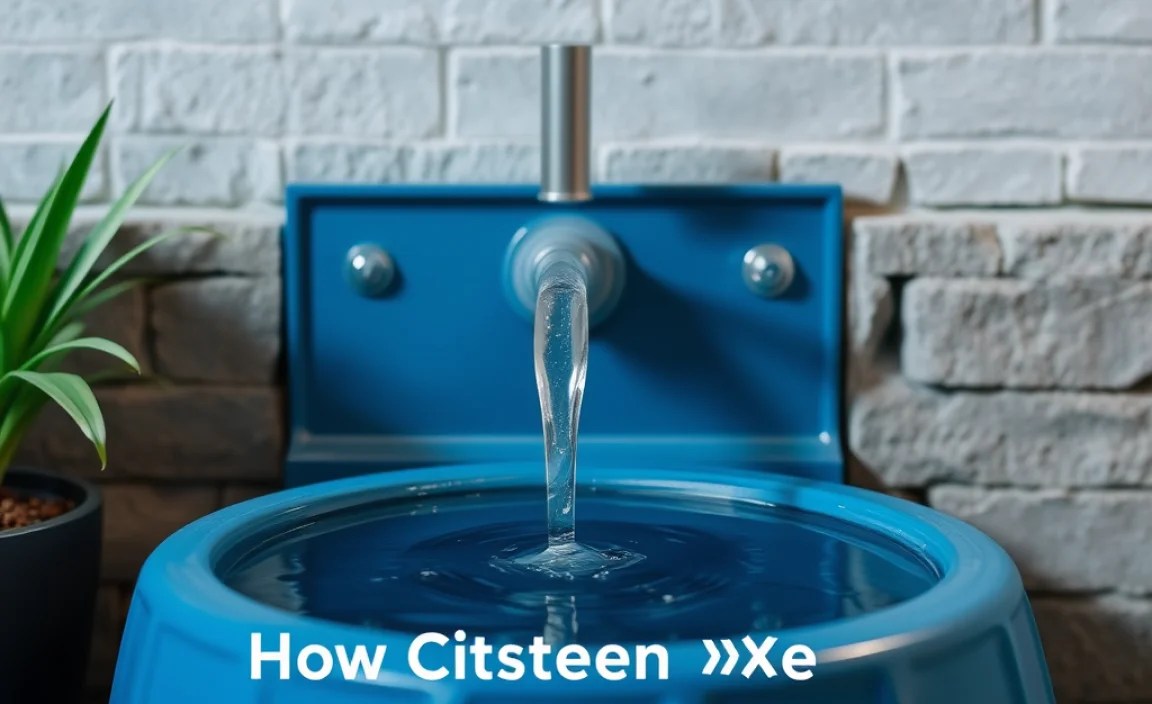
Cisterns are great for the environment. They collect and store rainwater. This means less water is wasted. It also reduces the demand on public water systems. Using a cistern can lower your carbon footprint. This is because you use less energy from the water company. Cisterns help in places with limited water supply. They provide a sustainable way to manage water use. Let’s explore more about their eco-friendly benefits.
- Reduces water waste by collecting rainwater.
- Lessens demand on public water systems.
- Lowers carbon footprint by using less energy.
- Provides water in areas with limited supply.
- Supports sustainable water management practices.
By using a cistern, you are helping the planet. Every drop you save makes a difference. Over time, these small actions add up to a big impact. You are not just conserving water; you are setting an example. People might follow your lead and start using water wisely. What if everyone had a cistern? Imagine the water we could save together!
Fun Fact or Stats: Some homes save up to 50% on water bills with cisterns!
Reducing Water Waste
Water is precious, and we need to save it. Cisterns help by collecting rainwater that would otherwise be wasted. This means less water goes down the drain. It’s like putting a stop to water waste. By conserving water, we help keep our planet healthy. How do you save water at home?
Supporting Water Systems
Public water systems work hard to give us clean water. By using cisterns, we reduce the load on these systems. This helps them work better and last longer. Imagine if everyone did their part. Our water systems would be in much better shape. Wouldn’t it be great to have enough water for everyone?
Lowering Your Carbon Footprint
When you use a cistern, you use less energy from water companies. This means fewer carbon emissions. Every little bit helps fight climate change. Using rainwater is a simple step towards a greener future. How can you make your home more eco-friendly?
The Cost of Setting Up a Cistern

Setting up a cistern can be expensive. You need to consider the cost of the tank. There are other expenses too, like pipes and installation. The setup might require a professional. It’s important to budget for this investment. Let’s compare the costs with the benefits you get over time. This can help decide if a cistern is right for you.
- Cost of the cistern tank.
- Expense for pipes and installation.
- Possible need for a pump.
- Professional installation services.
- Long-term savings on water bills.
| Item | Cost |
|---|---|
| Cistern Tank | $500 – $3000 |
| Pipes | $100 – $500 |
| Installation | $500 – $1500 |
| Pump (if needed) | $200 – $600 |
While the initial costs might seem high, the benefits can outweigh them. Over time, you save money on water bills. Plus, you help the planet by conserving water. Think of it as a long-term investment that pays off. Having a cistern can provide peace of mind and savings.
Fun Fact or Stats: Did you know cisterns can last over 20 years with proper care?
Budgeting for a Cistern
Buying a cistern means thinking about your budget. How much can you spend? It’s important to consider all costs, not just the tank. Pipes, installation, and possible repairs add up. By planning ahead, you can set aside enough money. This way, you won’t face surprises. What are some other big purchases you plan for?
Long-Term Savings
Though setting up a cistern is costly, it saves money over time. Imagine using less tap water and seeing your bills drop. That’s the magic of cisterns. They pay for themselves with the savings they provide. What would you do with the extra money?
Is a Cistern Right for You?
Thinking of getting a cistern? Consider your needs and budget. Do you want to save on water bills? Are you concerned about the environment? A cistern might be a good fit. By weighing the costs and benefits, you can make a smart choice. What factors matter most to you?
Conclusion
Cisterns are a smart way to save water and money. Understanding cistern how it works pros and cons helps in making a decision. They offer many benefits but need care and investment. Choosing a cistern can lead to a more sustainable and cost-effective lifestyle. Consider your needs and budget to see if a cistern is right for you.
FAQs
Question: What is a cistern?
Answer: A cistern is a large tank that collects and stores water, usually rainwater. It’s used to save water for later use, like watering gardens or flushing toilets. Cisterns help reduce water bills and conserve water. Understanding cistern how it works pros and cons is important for anyone considering one.
Question: How does a cistern work?
Answer: A cistern collects rainwater from your roof and stores it in a tank. Gravity or a pump helps move the water through pipes to where it’s needed. This simple system saves water that would otherwise be lost. Learning cistern how it works pros and cons can help in deciding if it’s right for you.
Question: What are the pros of using a cistern?
Answer: Cisterns save water, reduce bills, and provide a reliable water supply. They help the environment by conserving water. Knowing about cistern how it works pros and cons makes it easier to choose the best option for saving water.
Question: What are the cons of using a cistern?
Answer: Cisterns can be costly to set up and maintain. They need regular cleaning to keep water safe. Pumps may be needed for extra water pressure. Understanding the pros and cons helps plan and maintain them well.
Question: Do cisterns help the environment?
Answer: Yes, cisterns help conserve water, reducing demand on public water systems. They lower your carbon footprint and support sustainable water practices. Using a cistern is a great way to be eco-friendly.
Question: How can I maintain a cistern?
Answer: Regularly clean the cistern to remove debris and prevent algae growth. Check for leaks and ensure the pipes are clear. Some maintenance can be done yourself, while professionals can help with big issues. Proper care extends the life of your cistern.
