
Quick Summary: Cisterns in construction are vital water storage tanks, typically for rainwater harvesting or emergency supply. Understanding their types, installation, and maintenance ensures a reliable water source for your building project. This guide covers everything you need to know, simply and clearly.
Welcome! Ever wondered about those big tanks you sometimes see on construction sites or near homes? They’re called cisterns, and they play a really important role, especially when it comes to water. Whether it’s collecting rainwater to use later or having a backup supply, cisterns are super handy.
Sometimes, the technical stuff about cisterns can sound complicated, making it hard to know where to start. But don’t worry! We’re here to break it all down. Think of this as your friendly guide to understanding cisterns in construction. We’ll cover what they are, why they’re used, and what you need to consider.
By the end of this article, you’ll feel much more confident about cisterns. We’ll walk through the basics step-by-step, making sure you have all the essential info without any confusion. Let’s dive in and make cisterns easy to understand!
What Exactly is a Cistern?
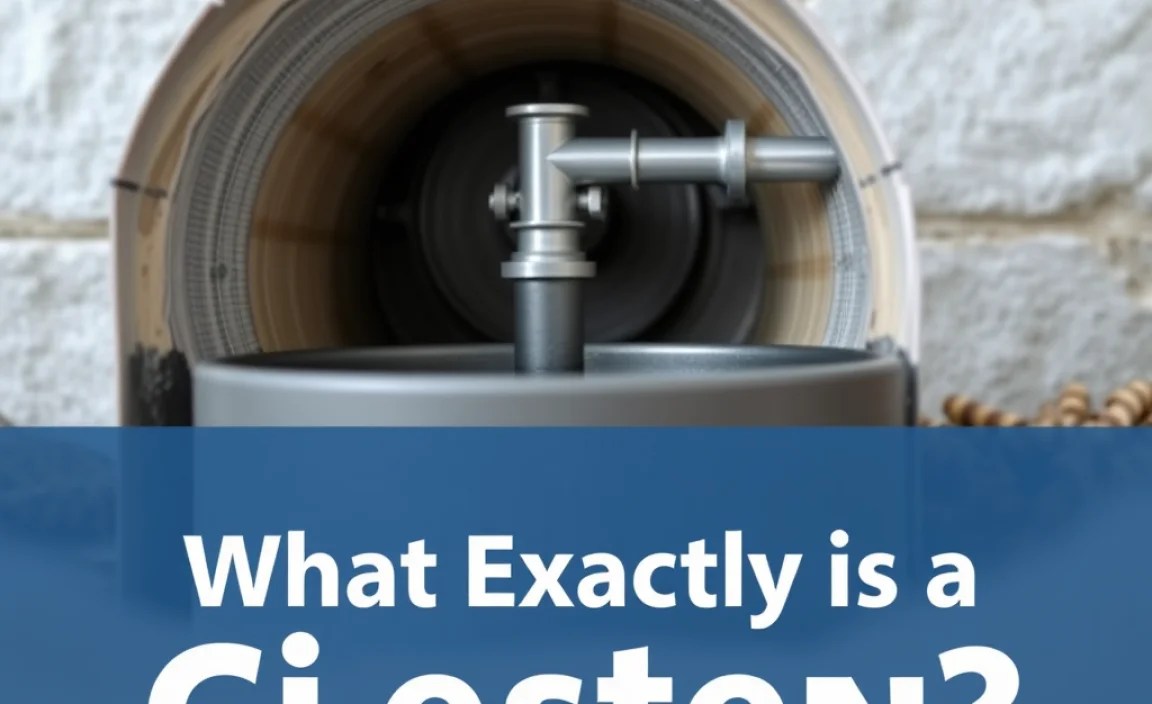
At its core, a cistern is simply a tank designed to hold water. In the context of construction and building, cisterns are most often used for storing water collected from rainfall (rainwater harvesting) or as a reserve for potable (drinking) or non-potable water. They can be built above ground or buried underground.
Think of it like a large, built-in water barrel. Its main job is to capture and save water that would otherwise be wasted or just run off. This water can then be used for various purposes, from watering gardens to flushing toilets, or even treated for drinking water in some cases.
Why Are Cisterns Used in Construction?
There are several excellent reasons why cisterns are a smart choice in construction projects:
- Water Conservation: This is a big one! Using collected rainwater reduces reliance on municipal water supplies, which is great for the environment and can lower water bills. Harvesting rainwater is a key aspect of sustainable building.
- Water Security & Reliability: In areas prone to drought or with unreliable water pressure, a cistern provides a crucial backup supply, ensuring you always have water available. This is especially important for fire suppression systems or essential household needs.
- Cost Savings: Over time, using stored rainwater for non-potable uses like irrigation and toilet flushing can lead to significant savings on your water bills.
- Reduced Stormwater Runoff: By capturing rainwater, cisterns help reduce the volume of stormwater that flows into local drainage systems. This can help prevent flooding and erosion. You can learn more about stormwater management best practices from the U.S. Environmental Protection Agency (EPA).
- Emergency Preparedness: A well-maintained cistern can be a lifeline during power outages or natural disasters when public water systems might be compromised.
Types of Cisterns
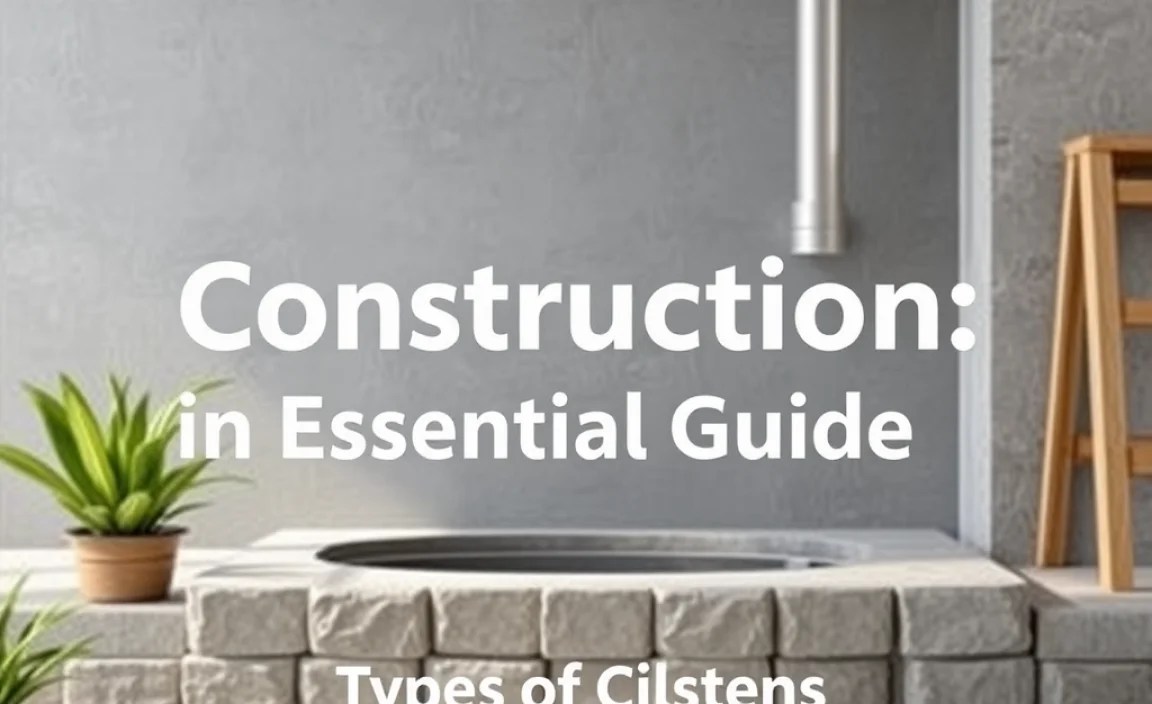
Cisterns come in various shapes, sizes, and materials, depending on their intended use, location, and the amount of water they need to store. Understanding these differences will help you choose the right type for your needs.
Above-Ground Cisterns
As the name suggests, these tanks sit on the surface, either directly on the ground or on a raised platform. They are generally easier to install and maintain than underground cisterns.
- Materials: Commonly made from polyethylene (plastic), fiberglass, steel, or concrete. Plastic cisterns are lightweight and relatively inexpensive, making them popular for smaller-scale applications. Fiberglass offers good durability and is resistant to corrosion. Steel is strong but may require protective coatings to prevent rust. Concrete cisterns are very durable and can be custom-built.
- Pros: Easier access for inspection and cleaning, often less expensive to install, can be moved if necessary (smaller units).
- Cons: Can take up valuable above-ground space, susceptible to temperature fluctuations (freezing or overheating water), may be considered less aesthetically pleasing by some homeowners.
Underground Cisterns
These tanks are installed below the ground surface. This saves space and helps maintain a more stable water temperature. They are often preferred for aesthetic reasons and where extreme weather conditions like heavy snow or freezing temperatures are a concern.
- Materials: Typically made from concrete, fiberglass, or polyethylene. Large concrete cisterns are very common for underground installations due to their strength and durability to withstand soil pressure. Fiberglass and heavy-duty polyethylene tanks are also used, often with reinforced designs.
- Pros: Saves surface space, water temperature is more stable, protected from UV rays and physical damage, can be visually hidden.
- Cons: More complex and costly installation (requires excavation), harder to access for inspection and cleaning, potential for groundwater contamination if not properly sealed, requires careful consideration of soil type and water table.
Materials Comparison Table
Choosing the right material is crucial for the longevity and function of your cistern. Here’s a quick look at common materials:
| Material | Pros | Cons | Typical Use |
|---|---|---|---|
| Polyethylene (Plastic) | Lightweight, affordable, easy to install, rust-resistant. | Can degrade with prolonged UV exposure (if not UV-stabilized), may absorb odors/tastes if not food-grade. | Residential rainwater harvesting, smaller backup water storage. |
| Fiberglass | Durable, corrosion-resistant, relatively lightweight, smooth interior (easier to clean). | Can be more expensive than plastic, can be damaged by impact. | Rainwater harvesting, potable water storage. |
| Concrete | Very durable, strong, can be custom-shaped, excellent thermal mass (stable temperature). | Heavy, can crack if not installed on a solid base, prone to leaks if not sealed properly, may affect water pH over time. | Large-scale storage, underground installations, potable and non-potable water. |
| Steel | Strong, durable, available in large capacities. | Prone to rust and corrosion requires protective coatings, heavy, typically more expensive. | Industrial applications, large-scale water storage, often lined for potable water. |
Key Cistern Components and Features
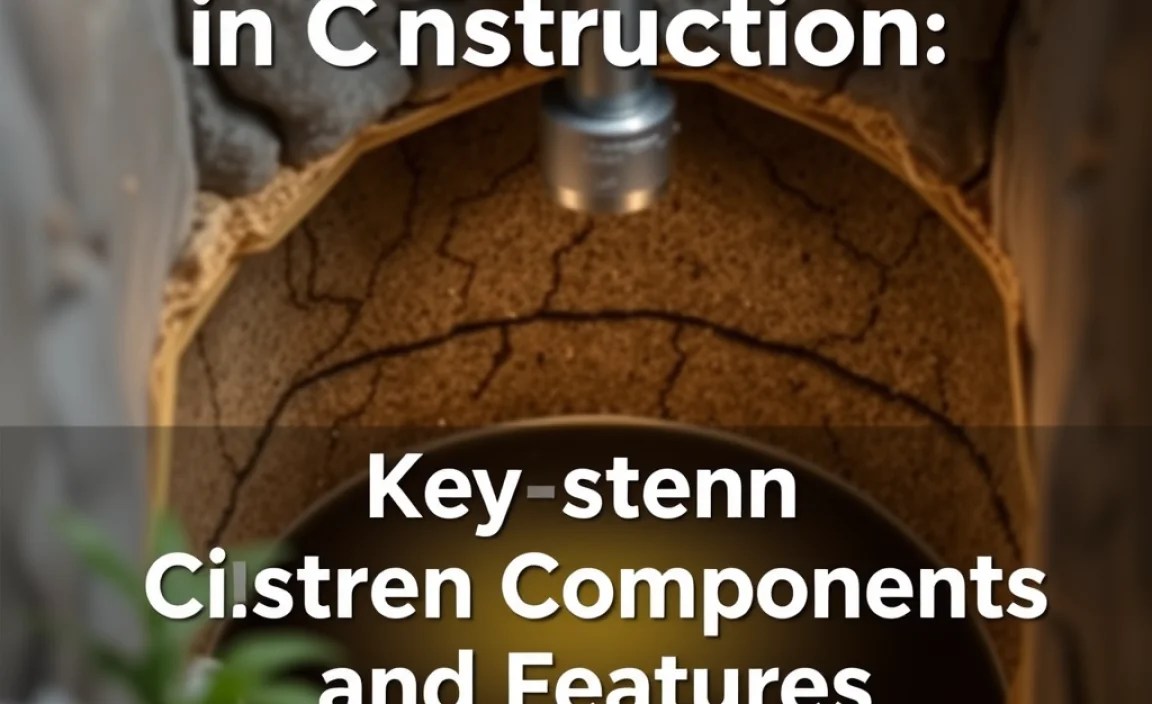
Regardless of the type or material, most cistern systems share common components that are essential for their function and safety.
- Inlet: This is where the water enters the cistern. For rainwater harvesting, this is connected to your roof’s gutter system via downspouts. It often includes a debris screen to prevent leaves and other large particles from entering.
- Overflow Outlet: Essential for preventing the cistern from overflowing. When the cistern is full, excess water is directed away safely, usually back into the ground or a drainage system.
- Outlet/Pump System: This is how water is drawn from the cistern for use. It typically involves a submersible pump or a suction pump placed inside the cistern, connected to pipes that lead to your house or irrigation system. A float switch is often used to automatically turn the pump on and off based on the water level.
- Vent: Allows air to enter and exit the tank as water levels change, preventing a vacuum or pressure buildup. Vents should be screened to keep out insects and pests.
- Access Hatch/Manhole: Provides access for inspection, cleaning, and maintenance. These should be secure and watertight.
- Pre-filters: Sometimes installed between the inlet and the cistern to remove finer sediment and debris before the water enters the tank, reducing the need for frequent cleaning.
- Leaf Screens & First Flush Diverters: These are critical for rainwater harvesting. Leaf screens catch larger debris at the gutter or downspout. A first flush diverter discards the initial, dirtiest water that washes off the roof during the start of rainfall.
Installation Considerations
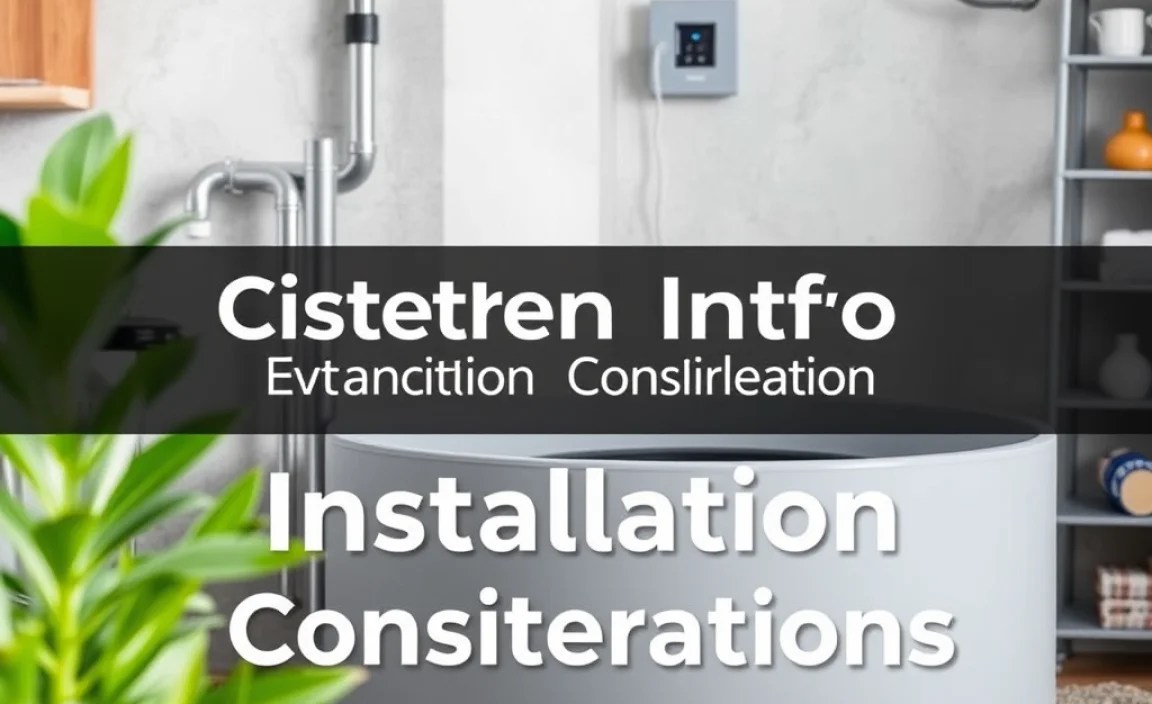
Proper installation is paramount for the performance, longevity, and safety of your cistern. Whether DIY or professional, several factors need careful attention.
Site Selection
The location of your cistern is crucial. Consider:
- Proximity to Water Source: For rainwater, it needs to be close to your roof catchment area. For a municipal backup, it might be near your main water line connection.
- Accessibility: For installation, maintenance, and pump access. Underground cisterns need to be located where excavation is feasible and won’t interfere with underground utilities.
- Foundation/Base: All cisterns, especially underground ones, require a stable, level, and reinforced foundation or base to prevent shifting or damage. A concrete pad is common for above-ground tanks.
- Drainage: Ensure the area around an above-ground cistern has good drainage, and that overflow water from an underground cistern can be safely directed away.
- Regulations: Check local building codes and regulations regarding cistern placement, setbacks from property lines, and requirements for potable vs. non-potable water use.
Installation Steps (General Overview)
While specific steps vary greatly based on the cistern type and location, here’s a general idea:
- Prepare the Site: Clear the area, level the ground, and ensure a solid base is prepared (e.g., compacted gravel, sand, or a concrete slab).
- Excavate (for Underground Cisterns): Dig the hole to the required dimensions, ensuring the sides are stable.
- Place the Cistern: Carefully lower the cistern into position using appropriate lifting equipment if necessary.
- Connect Plumbing: Install inlet pipes, outlet pipes, overflow lines, and vent pipes according to the manufacturer’s instructions and local codes.
- Install Pump and Controls: Set up the submersible pump, float switch, and any associated electrical controls. Ensure proper electrical connections are made by a qualified electrician.
- Backfill (for Underground Cisterns): Carefully backfill around the tank with appropriate material (like sand or pea gravel), compacting in layers to prevent settling. Ensure the tank is partially filled with water during backfilling to equalize pressure.
- Connect to Water System: Integrate the cistern’s outlet into your home’s plumbing system or irrigation network.
- Test the System: Fill the cistern and test all connections, the pump, and the overflow to ensure everything functions correctly and without leaks.
Professional vs. DIY Installation
For many homeowners, especially those new to construction and plumbing, professional installation is highly recommended. Certified plumbers and experienced contractors have the knowledge, tools, and equipment to ensure the cistern is installed safely, correctly, and in compliance with all regulations. This is particularly true for underground cisterns and systems intended for potable water, where errors can have significant health and safety consequences. A International Code Council (ICC) certified professional will be familiar with the necessary building codes.
Maintenance and Longevity
A well-maintained cistern can last for many years, providing a reliable water source. Regular maintenance is key to preventing problems and ensuring water quality.
Routine Checks (Monthly/Quarterly)
- Inspect Inlet Screens and Pre-filters: Clear out any accumulated leaves, debris, or sediment.
- Check Overflow Operation: Ensure the overflow pipe is clear and functioning correctly.
- Listen for Unusual Noises: Strange sounds from the pump might indicate an issue.
- Monitor Water Level: Ensure the system is filling and draining as expected.
- Check for Leaks: Inspect visible parts of the cistern and pipes for any signs of water escaping.
Periodic Cleaning (Every 1-3 Years)
The frequency of cleaning depends on the source water quality and how well pre-filters are maintained. Cloudier water or more sediment buildup will require more frequent cleaning.
- Drain the Cistern: Use the pump to empty the cistern as much as possible.
- Remove Sludge: Use a vacuum or pump to remove accumulated sludge and sediment from the bottom. Some specialized cleaning services are available for this.
- Scrub Walls (if accessible): If you have top access, you might scrub down the interior walls, especially if there’s bio-film buildup. Use potable water-safe cleaning agents if necessary, and rinse thoroughly.
- Inspect for Damage: While cleaning, check for cracks, corrosion, or other damage to the tank.
- Flush System: Once cleaned, partially refill the cistern and flush the lines to clear any residual debris.
Water Quality Considerations
If your cistern is intended for potable water, maintaining water quality is critical:
- Regular Testing: Test the water periodically for bacteria (like E. coli) and other contaminants, especially if it’s for drinking.
- Treatment Systems: Depending on your water quality tests, you may need to install water treatment systems such as UV filters, sediment filters, or other purification methods.
- Prevent Contamination: Ensure the cistern is sealed properly, the vent is screened, and the overflow is directed away from potential contamination sources like septic systems.
Cisterns and Building Codes
It’s essential to understand that cisterns are subject to various building codes and regulations, which can differ significantly by location. These codes are in place to ensure public health, safety, and environmental protection.
- Permits: Many jurisdictions require building permits for the installation of new cisterns, especially for potable water storage or larger systems.
- Material Standards: Codes often specify approved materials for cistern construction, particularly for potable water storage, to ensure they are safe and non-toxic.
- Installation Requirements: Regulations may dictate how cisterns must be installed, including requirements for foundations, backfilling, structural integrity, and separation distances from buildings or other utilities.
- Water Use Regulations: Some areas have specific rules about rainwater harvesting, including whether collected water can be used for potable purposes, and may require specific filtration and treatment systems to be in place.
- Cross-Connection Prevention: Codes are very strict about preventing cross-connections between stored harvested water and the municipal potable water supply to avoid contamination. This often requires specific backflow prevention devices.
Always consult your local building department or authority having jurisdiction before planning or starting any cistern project. They can provide you with the specific codes, requirements, and necessary permit applications for your area. Resources like the U.S. Department of Housing and Urban Development (HUD) offer information on building codes and standards.
Cisterns vs. Septic Tanks: What’s the Difference?
It’s common for people to confuse cisterns with septic tanks, as both are large tanks often found underground on properties. However, their functions are entirely different:
- Cistern: Stores clean water for use (rainwater, well water, emergency supply). The goal is to keep the water clean and accessible.
- Septic Tank: Treats wastewater (sewage) from a house. The goal is to separate solids from liquids and begin the decomposition process before the liquid effluent is sent to a drain field.
They should never be interconnected, and proper spacing is required between them to prevent contamination. A septic tank deals with waste, while a cistern stores a valuable resource.
Frequently Asked Questions (FAQ)
Q1: Can I drink water from a cistern?
A1: Yes, you can, but only if the cistern is specifically designed and maintained for potable water storage. This means using food-grade materials, ensuring it’s sealed against contaminants, and implementing a robust filtration and disinfection system (like UV sterilization and regular testing for bacteria).
Q2: How often do I need to clean my cistern?
A2: Typically, cisterns need cleaning every 1 to 3 years. The exact frequency depends on how much sediment enters the tank, how well your pre-filters and leaf diverters work, and whether it’s for potable or non-potable water. Visible sludge buildup is a sign it’s time for cleaning.
Q3: What happens if my cistern freezes?
A3: A frozen cistern can crack or burst, leading to significant damage. Underground cisterns are less prone to freezing. For above-ground cisterns in cold climates, proper insulation, heating cables, or draining the tank during winter might be necessary. Consult local experts for best practices in your climate.
Q4: Can I install a cistern myself?
A4: Smaller above-ground plastic cisterns can sometimes be a DIY project if you have basic plumbing and construction skills. However, underground cisterns, or any system intended for potable water, typically require professional installation due.
