
Have you ever heard of a cistern in plumbing? It might sound like a big word, but it’s something you see every day. Imagine you’re brushing your teeth. You turn on the tap, and out comes water. Where does that water come from? That’s where a cistern plays its role. A cistern is crucial in plumbing to store and supply water efficiently.
In this article, we’ll dive into the world of cisterns. We’ll discover their importance and how they help in our daily lives. We’ll also explore how they save water, which is great for the planet. Let’s learn more about the cistern meaning in plumbing!
Key Takeaways
- The cistern meaning in plumbing involves water storage.
- Cisterns help conserve water by storing rainwater.
- They are used in toilets for flushing.
- Cisterns come in various sizes and types.
- Maintenance is crucial for optimal cistern function.
Cistern Meaning in Plumbing

In plumbing, a cistern is a tank designed to hold water. Think of it as a giant water bottle for your house. Cisterns can be located in various places, such as on the roof, underground, or inside walls. They are essential for providing water when there is a shortage or when you need extra water. They’re also used in toilets and sometimes to collect rainwater.
- Cisterns store water for future use.
- They help in managing water shortages.
- Different cistern types fit different spaces.
- They can be made from materials like plastic or metal.
- Some cisterns help in rainwater harvesting.
- They need regular cleaning and checks.
Cisterns are important because they help us save water. When it rains, some cisterns collect and store the water. This stored rainwater can then be used for watering plants, flushing toilets, or even washing clothes. By using stored water, we save the water that comes from our taps. This is not only good for the environment, but it can also help reduce water bills.
Fun Fact: Some ancient cisterns were made of stone and date back thousands of years!
What Are Different Types of Cisterns?
There are several types of cisterns available. The most common ones include gravity-fed cisterns, pressurized cisterns, and rainwater harvesting cisterns. Gravity-fed cisterns rely on gravity to move water, often used in toilets. Pressurized cisterns use pumps to distribute water quickly. Rainwater harvesting cisterns collect and store rainwater for later use. Have you ever seen a tank outside a house? It might be a rainwater cistern!
How Do Cisterns Work?
Cisterns work by storing water until it is needed. Water enters the cistern through pipes, often from a main water supply or collected rainwater. When you need water, the cistern releases it through other pipes leading to your taps or toilets. It’s like having a backup water supply. This system ensures you always have water, even if the main supply stops.
Where Are Cisterns Used?
Cisterns are used in homes, schools, and many other buildings. They provide water for toilets, cleaning, and sometimes drinking. In dry areas, cisterns collect rainwater, making sure no water is wasted. They can also be part of a larger plumbing system. If you live in a place with a lot of rain, a cistern can be very helpful for saving water.
Types and Functions of Cisterns
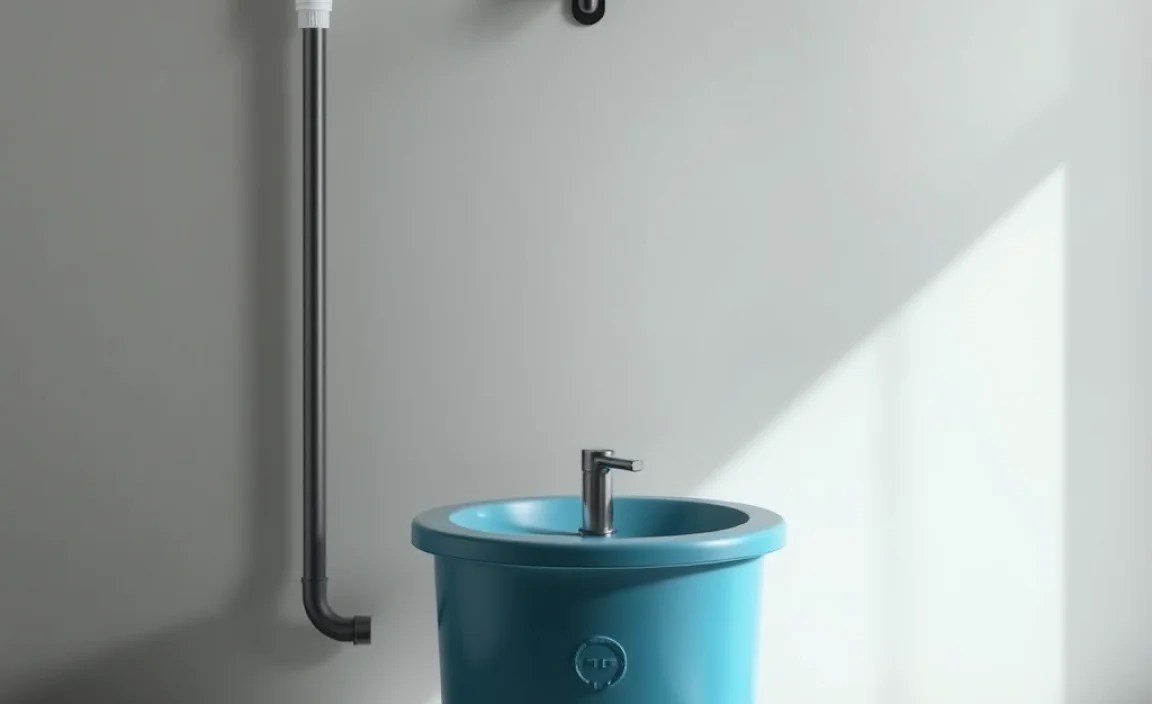
Cisterns come in different shapes and sizes. Each type serves a specific function. Some common cistern types include header cisterns, flush cisterns, and underground cisterns. Header cisterns are often found in attics and supply water to the entire house. Flush cisterns are primarily used in toilets. Underground cisterns are large tanks buried beneath the ground, storing significant amounts of water.
- Header cisterns supply water to homes.
- Flush cisterns are found in toilets.
- Underground cisterns store large water volumes.
- Each type serves a unique purpose.
- Choose based on your specific water needs.
- Inspect regularly to prevent leaks.
Choosing the right cistern depends on your needs. If you need water mainly for toilet flushing, a flush cistern is ideal. For a steady household water supply, a header cistern works best. Meanwhile, underground cisterns are perfect for large-scale water storage, especially in areas prone to drought.
Fun Fact: In some places, people use ancient cisterns that are over a hundred years old!
Why Are Cisterns Important?
Cisterns play a vital role in water conservation. They help reduce dependence on the main water supply. Why is this important? Because it ensures we have enough water even during shortages. Imagine not having to worry about water when the main supply is down. Cisterns make this possible, ensuring a steady water flow in homes and buildings.
How Do Cisterns Conserve Water?
Cisterns conserve water by storing rainwater or excess water. This stored water is useful when there is a need. It reduces wastage by capturing water that would otherwise go down the drain. Are you thinking about how much water is wasted daily? With a cistern, much of that water can be saved and reused.
What Materials Are Cisterns Made Of?
Cisterns can be made from various materials, including plastic, metal, and concrete. Each material has its pros and cons. Plastic cisterns are lightweight and easy to install. Metal cisterns are durable but can rust. Concrete cisterns are strong and long-lasting. Choosing the right material depends on where and how you plan to use the cistern. What material would you choose for your cistern?
Cistern Maintenance and Care

Maintaining a cistern is essential to ensure it functions well. Regular checks and cleaning help prevent issues. Inspect for leaks, blockages, and damaged parts. Also, ensure that the cistern is free from dirt and debris. Using clean water in a cistern also helps maintain its longevity. Proper maintenance not only improves efficiency but also prevents costly repairs.
- Regular inspections prevent leaks.
- Keep the cistern clean from debris.
- Check for blockages regularly.
- Use clean water to avoid contamination.
- Repair damaged parts promptly.
- Proper care extends the cistern’s life.
Good maintenance practices help keep cisterns in top condition. Imagine how they store water without dirt or leaks. Such clean water can be safely used for many purposes. Regular care ensures the cistern remains a valuable asset in your home.
Fun Fact: Some cisterns have been in use for decades with proper care!
Why Regular Maintenance Matters
Regular maintenance is vital to prevent problems. A clean and checked cistern works smoothly, ensuring water is available whenever needed. What happens if you don’t maintain your cistern? It could lead to leaks and dirty water. This might cause bigger issues and even waste water. Taking time to inspect and clean your cistern saves trouble and money in the long run.
How to Clean a Cistern
Cleaning a cistern involves several simple steps. First, empty the cistern of all water. Then, scrub the inside gently with a brush to remove dirt. Rinse with clean water to wash away any residue. Finally, refill the cistern with fresh water. Does this sound like a lot of work? It’s worth it for clean, usable water.
Checking for Cistern Leaks
Leaks can waste a lot of water. To check for leaks, carefully inspect the cistern and connected pipes. Look for any dripping water or wet areas. If you find a leak, fix it immediately. Leaks may seem small, but they can waste a lot of water over time. Imagine all that lost water! Checking for leaks helps you save water and keeps your system efficient.
Benefits of Using Cisterns
Using cisterns offers many benefits. They help save water and provide a steady supply when needed. In areas with low rainfall, cisterns collect and store rainwater, ensuring it doesn’t go to waste. They also help reduce water bills by relying less on the main supply. Cisterns are environmentally friendly and contribute to sustainable living.
- Cisterns save water for future use.
- They help reduce water bills.
- Provide a backup water supply.
- Promote sustainable living.
- Collect and store rainwater efficiently.
- Environmentally friendly water solution.
Using cisterns is a wise choice for anyone looking to conserve water. They offer convenience and efficiency, ensuring water is available when needed. Imagine having extra water during a drought. Cisterns make that possible, promoting a more sustainable and environmentally friendly lifestyle.
Fun Fact: Some cities encourage cistern use by offering rebates or discounts!
How Do Cisterns Help in Droughts?
Cisterns are lifesavers during droughts. When there is no rain, cisterns provide the stored water needed. This means you don’t have to worry about running out of water. Imagine a world where droughts are less stressful. Cisterns make that possible by ensuring you always have a backup supply.
Environmental Impact of Cisterns
Cisterns have a positive environmental impact. They help reduce the demand on main water supplies. By capturing rainwater, they minimize the risk of flooding. Have you ever wondered how much water a small area can capture? Cisterns efficiently store this water, contributing to a healthier planet and reducing the carbon footprint.
Long-Term Financial Savings
Investing in a cistern can lead to long-term financial savings. Although there’s an upfront cost, the savings over time are significant. By using rainwater and reducing reliance on municipal water, cisterns help lower water bills. Isn’t saving money while helping the planet a great idea? Cisterns make this possible through their efficient design and functionality.
| Type of Cistern | Material | Capacity | Common Use |
|---|---|---|---|
| Header Cistern | Plastic | 200 liters | Household water supply |
| Flush Cistern | Plastic/Ceramic | 10 liters | Toilets |
| Underground Cistern | Concrete | 1000 liters | Rainwater storage |
| Pressurized Cistern | Metal | 500 liters | High-pressure water supply |
Conclusion
Cisterns are an essential part of plumbing systems. They store and supply water efficiently. Understanding the cistern meaning in plumbing helps us appreciate their value. They conserve water, reduce costs, and support the environment. Whether it’s for toilets or rainwater harvesting, cisterns play a crucial role in our daily lives. Taking care of them ensures they work well for years.
FAQs
Question: What is the cistern meaning in plumbing?
Answer: In plumbing, a cistern is a tank that stores water for various purposes. It’s crucial for water supply and conservation, especially in areas with limited water resources. By storing water, cisterns ensure a steady supply and help in managing water use efficiently.
Question: How does a cistern work?
Answer: A cistern works by storing water that can be used later. Water flows into the cistern from a main supply or rain. When needed, the cistern releases the stored water to different parts of a building. This ensures there’s always water available, even in times of shortage.
Question: Why is cistern maintenance important?
Answer: Cistern maintenance is important to ensure they work properly. Regular cleaning prevents dirt and blockages, while inspections help find leaks. Well-maintained cisterns provide clean and safe water. Neglecting maintenance can lead to problems and waste resources.
Question: Can cisterns help save on water bills?
Answer: Yes, cisterns can save money on water bills. By storing and using rainwater, cisterns reduce the need for municipal water. This means less water usage from the main supply, leading to lower bills. It’s both a cost-effective and environmentally friendly solution.
Question: Are cisterns environmentally friendly?
Answer: Cisterns are environmentally friendly because they help conserve water. By capturing and storing rainwater, they reduce reliance on municipal water supplies. This not only saves water but also lessens the impact on the environment. Cisterns contribute to sustainable water management.
Question: What materials are used to make cisterns?
Answer: Cisterns are made from materials like plastic, metal, and concrete. Plastic cisterns are lightweight and easy to install, while metal ones are durable. Concrete cisterns are strong and long-lasting. The choice of material depends on the cistern’s intended use and location.
