
Have you ever wondered what makes a toilet flush? The secret lies in the cistern. A cistern is a key part of a toilet. It holds water used for flushing. But how does it work? And what are the pros and cons of its parts and functions? Let’s dive into the world of cisterns and find out!
Key Takeaways
- Cistern parts make toilets flush water efficiently.
- Different parts have unique roles and benefits.
- Cisterns save water and reduce waste.
- Understanding pros and cons helps in choosing the right cistern.
- Cisterns have easy-to-replace parts for maintenance.
Understanding Cistern Parts
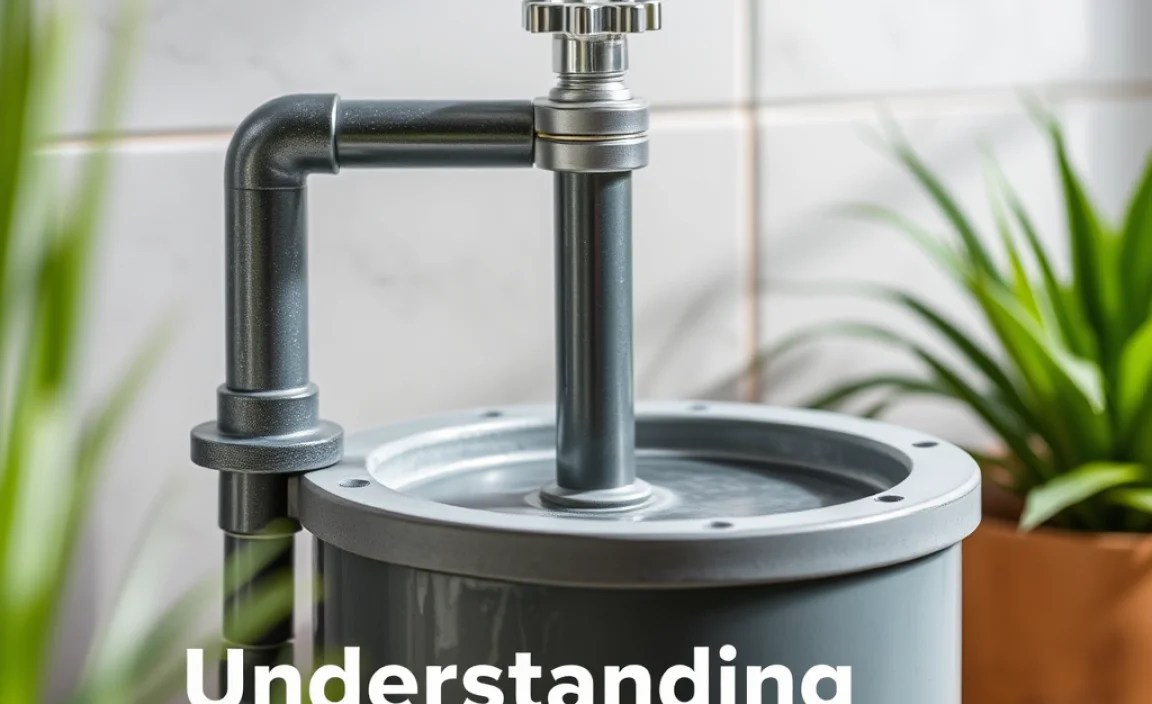
A cistern consists of several important parts. These parts work together to make flushing possible. The main parts are the fill valve, flush valve, overflow tube, and handle. Each part has a specific job. The fill valve controls water flow into the cistern. The flush valve releases water during flushing. The overflow tube prevents overflow. The handle is what you press to flush.
- Fill valve controls water flow.
- Flush valve releases water.
- Overflow tube prevents overflow.
- Handle activates the flush.
- Each part plays a crucial role.
Replacing cistern parts is often easy. This helps in maintaining the cistern. Knowing how each part works can save water and money. Troubles with parts can affect flushing efficiency. So, it’s important to keep them in good shape. Regular checks ensure smooth operation.
Fun Fact or Stats : About 30% of household water use comes from toilets.
The Role of the Fill Valve
What happens when you flush a toilet? The fill valve starts working! It allows water to enter the cistern. This part is vital. Without it, the cistern won’t fill up. The fill valve stops water from running when the cistern is full. It’s like a gatekeeper. If the valve is faulty, water might keep running. That wastes water. Keeping this part in good condition is essential.
Understanding the Flush Valve
The flush valve releases water when you flush. It’s a simple but crucial mechanism. Imagine filling a bucket with water and pouring it out. That’s how the flush valve works. When you press the handle, the valve opens. Water rushes into the toilet bowl. Then, the flush valve closes. It controls how much water is used in each flush. So, a good flush valve saves water.
The Importance of the Overflow Tube
Would you like to prevent water from spilling over? That’s the overflow tube’s job. If the fill valve fails, water may keep flowing. The overflow tube directs extra water into the toilet bowl. This prevents flooding. Think of it as a safety net. Keeping the overflow tube clear is important. Blockages can lead to spills. A well-maintained overflow tube keeps your bathroom dry.
How Cisterns Work
The cistern is like a water reservoir. It stores water for flushing. When you press the handle, the magic begins. Water flows from the cistern into the toilet bowl. This powerful water flow removes waste. The fill valve then refills the cistern. The overflow tube ensures excess water goes into the bowl. Understanding this cycle helps solve common problems.
- Stores water for flushing.
- Water flows into the toilet bowl.
- Removes waste with powerful flow.
- Refills with the fill valve.
- Overflow tube prevents excess water.
A well-working cistern is vital. It ensures effective flushing. It also helps conserve water. Knowing how it works helps in troubleshooting. This can save time and repair costs. Regular checks keep the cistern in top shape.
Fun Fact or Stats : A single flush uses around 1.6 gallons of water.
Filling and Flushing Process
Have you seen the water fill back up after flushing? That’s the fill valve at work. The fill valve opens after each flush. Water enters the cistern. Once full, the valve closes. Pressing the handle opens the flush valve. Water rushes out into the bowl. The cycle repeats. This process is efficient and smart. It ensures toilets are ready for the next use.
Table: Comparing Cistern Valves
| Valve Type | Function | Pros | Cons |
|---|---|---|---|
| Fill Valve | Controls water intake | Saves water | Can wear out |
| Flush Valve | Releases stored water | Efficient flushing | May leak |
| Overflow Tube | Prevents overflow | Prevents spills | Can clog |
| Handle | Activates flush | Easy to use | Can break |
Why Water Conservation Matters
Why should we care about saving water? Water is a precious resource. Cisterns help save water by controlling usage. A good fill valve uses only what’s needed. Older toilets might use more water. New cistern designs are more efficient. They reduce water waste. Saving water helps the environment. It also lowers utility bills. Understanding cistern parts helps us conserve better.
Pros and Cons of Cisterns

Cisterns are useful but have pros and cons. They help in efficient water use. Modern designs save more water. They are easy to maintain. But some parts may wear out. Fill valves can sometimes leak. Overflow tubes might get clogged. Knowing these pros and cons helps make better choices. It ensures the cistern works well for a long time.
- Efficient water use.
- Modern designs save water.
- Easy to maintain.
- Parts may wear out.
- Regular checks are needed.
Weighing the pros and cons is vital. It helps in choosing the right cistern. Maintenance is key to preventing issues. A little care goes a long way. It ensures smooth and efficient operation. Cisterns are important for homes. They make flushing easy and water-saving.
Fun Fact or Stats : New toilet designs use less than 1.28 gallons per flush.
Advantages of Modern Cisterns
Did you know modern cisterns save tons of water? They are designed for efficiency. They use less water per flush. This saves money and protects the environment. Modern cisterns are also quieter. They offer better performance. These advantages make them a top choice. They are easy to install and maintain. Choosing modern cisterns can make a big difference.
Common Cistern Issues
What problems do cisterns face? Common issues include leaks and clogs. A leaky fill valve can waste water. Overflow tubes can get clogged. This may lead to overflows. Handles can become loose or break. These issues are usually easy to fix. Regular maintenance prevents them. Knowing common issues helps in quick repairs. This ensures the cistern works perfectly.
Installation and Maintenance Tips
Have you ever installed a cistern? It’s simpler than you think. Follow instructions carefully. Make sure all parts are in place. Check for leaks regularly. Tighten any loose parts. Replace worn-out parts promptly. This keeps the cistern in good shape. Regular cleaning prevents clogs. Maintenance ensures long-lasting performance. Simple care saves you from big problems later.
Conclusion
Cisterns are key in toilets. Understanding cistern parts and functions helps ensure efficient use. Each part plays a crucial role. There are pros and cons to consider. Regular maintenance keeps cisterns working well. They help save water and money. Knowing how they work makes a big difference in your home.
FAQs
Question: What are the main parts of a cistern?
Answer: The main parts of a cistern are the fill valve, flush valve, overflow tube, and handle. Each part has a specific function. The fill valve controls water intake. The flush valve releases water. The overflow tube prevents overflow. The handle activates the flush. Understanding these parts helps keep the cistern efficient.
Question: How does a cistern save water?
Answer: A cistern saves water by controlling the amount used for flushing. Modern cisterns use less water per flush. The fill valve ensures only sufficient water enters. This reduces water waste. Efficient cisterns protect the environment and reduce water bills.
Question: What are the pros and cons of cistern parts and functions?
Answer: Cistern parts have unique pros and cons. Fill valves efficiently control water but can leak. Flush valves ensure strong flushing but may wear out. Overflow tubes prevent spills but can clog. Handles are easy to use but may break.
Question: How can I maintain my cistern?
Answer: Maintaining your cistern is easy. Check for leaks regularly. Replace worn-out parts promptly. Tighten any loose connections. Clean the cistern to prevent clogs. Regular maintenance ensures the cistern works efficiently. This saves water and prevents issues.
Question: Why is my toilet constantly running?
Answer: A constantly running toilet usually indicates a faulty fill valve. It might not be closing properly. This allows water to keep flowing into the cistern. Check the fill valve for damage. Replacing it often solves the problem. Regular checks help prevent this issue.
Question: Can I replace cistern parts myself?
Answer: Yes, you can replace cistern parts yourself. Many parts are designed for easy replacement. Follow the instructions carefully. Ensure you have the right tools. Replacing parts yourself saves money. It also ensures the cistern stays in good working order.
