
Have you ever wondered how we save water in buildings? Imagine a big tank that collects rainwater, and then uses it to water plants or flush toilets. This is what a cistern system in construction does. It’s like a magic trick to save water! But how does it work? Let’s find out more about it!
Key Takeaways
- Cistern systems help save water in buildings.
- They collect and store rainwater effectively.
- Used for watering gardens and flushing toilets.
- Cistern systems reduce the use of fresh water.
- Popular in eco-friendly construction designs.
Cistern System Basics
The cistern system in construction collects rainwater from roofs. This water goes into a big tank called a cistern. The system uses pipes, filters, and pumps to move the water. Builders install these systems in homes, schools, and offices. Collecting rainwater helps save fresh water for drinking and cooking. It’s a smart way to use nature’s gifts!
- Cisterns collect rainwater from rooftops.
- They store water for later use.
- Pipes direct water into the cistern.
- Filters keep water clean and safe.
- Pumps move water where needed.
Rainwater collection systems have been around for a long time. In ancient times, people used similar methods to collect water. Today, we have modern technology to make these systems even better. Cisterns are key to sustainable building practices. By using them, we help protect our planet. They are a valuable part of water conservation efforts worldwide.
Fun Fact or Stats : A cistern can save up to 30,000 gallons of water per year!
How Cisterns Work
A cistern system may sound complicated, but it’s quite simple. Imagine water falling onto your roof. Instead of running off, the water travels into pipes. These pipes lead to a cistern tank. The tank is usually underground or at the side of a building. It holds the water until it’s needed. Do you think this is a clever way to use rainwater?
Importance of Water Filtration
Why do we need filters in cistern systems? Filters clean the water before it enters the tank. They trap dirt, leaves, and small objects. This ensures the water is safer for use. Without filters, the collected water could be dirty. Invention of filters has greatly improved cistern systems. Would you drink unfiltered water? Probably not!
Pumps and Their Role
Pumps play a crucial role in cistern systems. Once water is in the cistern, pumps move it to where it’s needed. This could be to a garden hose or a toilet. Pumps help deliver water quickly and efficiently. Imagine carrying buckets of water by hand. Pumps save time and effort. Aren’t they amazing helpers?
Benefits of Cistern Systems

Cistern systems in construction offer many benefits. They help conserve water, reduce water bills, and provide a backup supply. In places with limited water, cisterns are lifesavers. They help communities manage droughts and dry spells. By storing rainwater, cisterns also reduce flooding risks. Imagine your home using less fresh water. Isn’t that an awesome idea?
- Save on water bills over time.
- Provide water during dry periods.
- Reduce city water demand.
- Help prevent local flooding.
- Eco-friendly and sustainable.
Water scarcity is a growing concern. Many regions face water shortages. Cistern systems are part of the solution. They support green building practices. By using fewer natural resources, we protect the environment. Every drop saved counts. This makes cistern systems so valuable in modern construction.
Fun Fact or Stats : Cistern systems can reduce water use by 50% in some homes!
Conserving Water in Cities
Can cistern systems help cities save water? Yes! Cities need lots of water for people to drink, wash, and clean. Cisterns reduce the demand for city water. When many buildings use cisterns, cities save millions of gallons! This helps cities manage water better. Cities face water challenges. Cistern systems offer smart solutions. Isn’t that impressive?
Helping the Environment
How do cistern systems benefit the environment? They cut down on water waste. Using rainwater reduces strain on lakes and rivers. Cisterns also decrease energy use. Less energy is needed to move and treat water. Isn’t it amazing how a small change can make a big difference? Cisterns show us how to care for our world.
Cost Savings for Homeowners
Can you imagine reducing your water bill? Cistern systems help homeowners save money. By using rainwater, families buy less water. Over time, these savings add up. Installing a cistern costs money upfront. However, savings on bills make up for it. Many homeowners enjoy this financial benefit. Wouldn’t you want to save money, too?
Types of Cistern Systems
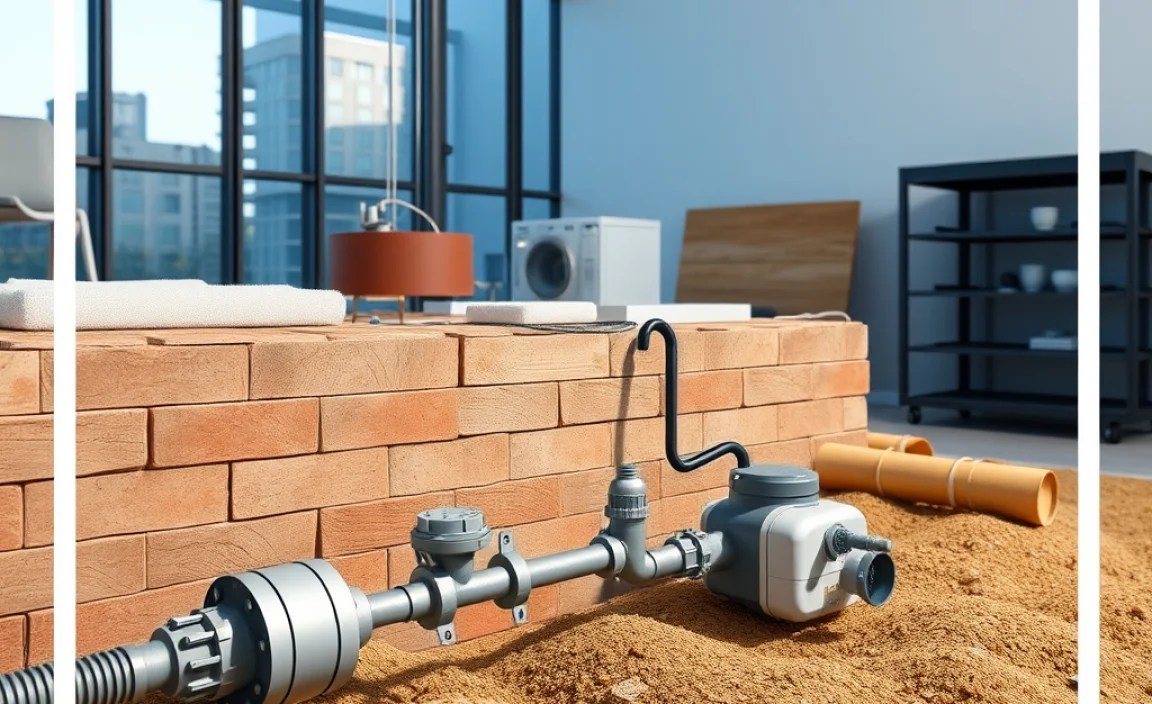
There are different types of cistern systems used in construction. Each type has unique features and benefits. Some cisterns are above ground, while others are below. Materials vary, too. Cisterns may be made of concrete, plastic, or metal. Builders choose systems based on climate and needs. Knowing the types helps choose the right one for a project.
- Above-ground cisterns are easy to install.
- Below-ground cisterns save space.
- Concrete cisterns are durable.
- Plastic cisterns are lightweight.
- Metal cisterns are strong and sturdy.
Each type of cistern has pros and cons. Some are better in cold climates, while others suit warmer areas. Homeowners and builders consider many factors. The right cistern depends on the specific needs of a building. They match the system to environmental conditions and water usage. This customization ensures the best water-saving results.
Fun Fact or Stats : Concrete cisterns can last over 50 years!
Above-Ground Systems
Why might someone choose an above-ground cistern? They are easy to install and maintain. You can see leaks or problems quickly. These systems are visible and accessible. However, they take up yard space. Above-ground cisterns are often used in small gardens. They work well in areas with mild climates. Would you like one in your backyard?
Below-Ground Systems
Do you know about below-ground cisterns? They are hidden from view, saving space. Below-ground systems are popular in urban areas. They do not affect the look of outdoor spaces. Installation costs more, but they last long. Builders use these in large buildings where space matters. These cisterns protect water from sunlight and temperature changes. Isn’t that clever?
Comparing Materials
Which cistern material is best? Concrete is very durable. Plastic is lightweight and easy to move. Metal is strong and can handle pressure. Each material has advantages. Builders consider cost, durability, and climate. A good choice depends on the specific needs of a project. Choosing the right material ensures the system lasts longer. What material would you pick?
Installation Process

Installing a cistern system in construction involves several steps. It starts with planning and design. Builders decide on size, location, and materials. Then, they prepare the site. This may involve digging or creating a base. Next, they install the cistern and connect pipes and pumps. Finally, they test the system to ensure it works well. Installation can take a few days or weeks.
- Plan size and location.
- Choose the right materials.
- Prepare the installation site.
- Install the cistern tank.
- Connect pipes and pumps.
- Test the system for leaks.
- Ensure proper water flow.
Good planning is essential for a successful installation. Builders must consider weather and terrain. The installation process can be complex. It requires skilled workers and careful execution. Proper installation ensures the system functions effectively. This leads to better water savings and long-term benefits. It’s a crucial step in creating sustainable buildings.
Fun Fact or Stats : Some cistern systems can be installed in just two days!
Planning and Design
Why is planning important for cisterns? It helps avoid problems during installation. Builders consider water needs, space, and cost. They design systems that fit the building type. Good planning ensures a system works efficiently. Would you start a big project without a plan?
Site Preparation
What happens during site preparation? The ground is cleared and leveled. Workers dig holes for below-ground systems. A solid base is created for the cistern. Preparing the site ensures the system sits properly. This prevents shifting or damage. Imagine building a house without a foundation. Would it stand?
Testing the System
Do you know why testing is crucial? It checks for leaks and ensures proper water flow. Testing also confirms the system operates efficiently. Builders fix any issues before use. Thorough testing guarantees the system works well. Skipping this step can lead to problems later. Would you drive a car without testing it first?
Maintenance of Cistern Systems
Maintenance keeps cistern systems in top shape. Regular checks and cleaning prevent problems. Filters need replacing, and tanks must be cleaned. Pumps and pipes should be inspected for clogs or damage. Proper maintenance extends the life of the system. It ensures the water collected is safe and usable. Homeowners should follow maintenance schedules for best results.
- Check system regularly for leaks.
- Clean filters and replace them as needed.
- Inspect pipes and pumps for damage.
- Clear debris from the tank.
- Maintain a regular cleaning schedule.
- Test water quality periodically.
Maintenance is essential for all water systems. It prevents costly repairs and ensures efficient operation. Regular care helps avoid breakdowns. Homeowners and builders should prioritize maintenance. This protects the investment and ensures continued savings. A well-maintained system offers reliable water supply year-round. Isn’t this important for every home?
Fun Fact or Stats : Proper maintenance can double the lifespan of a cistern system!
Regular Inspections
Why are regular inspections important? They spot potential issues early. Inspectors check for leaks and wear. Early detection prevents bigger problems. Regular inspections ensure system efficiency. Skipping inspections can lead to costly repairs. Would you ignore a leak in your house?
Cleaning and Filter Replacement
Why is cleaning important? Dirt and debris can clog the system. Regular cleaning keeps water flow smooth. Filters need replacing to keep the water clean. Without cleaning, the system can fail. It’s like brushing your teeth to prevent cavities. Would you skip brushing?
Pump and Pipe Care
Why care for pumps and pipes? They keep water moving. Damage can stop water flow. Regular checks prevent clogs and ensure smooth operation. Caring for pumps and pipes avoids sudden breakdowns. Imagine a system stopping when you need it most. That’s why care is essential.
Conclusion
A cistern system in construction is an important tool for saving water. It collects and stores rainwater for various uses. These systems are eco-friendly and cost-effective. Installing and maintaining a cistern system benefits both people and the planet. They help conserve resources and reduce environmental impact. Cisterns are a smart choice for modern buildings.
FAQs
Question: How does a cistern system in construction work?
Answer: A cistern system in construction collects rainwater from rooftops. It stores the water in a large tank called a cistern. Pipes and pumps help move the water where it’s needed, such as to toilets or gardens. Filters clean the water, ensuring it’s safe for use. This system helps reduce the use of fresh water.
Question: Why are cistern systems important?
Answer: Cistern systems are important because they help conserve water. By collecting and using rainwater, cisterns reduce the demand for fresh water. They provide a backup water supply during dry times. This is especially important in areas with limited water resources. Cistern systems also support eco-friendly construction practices.
Question: What are the benefits of using a cistern system?
Answer: Cistern systems offer many benefits. They save water by collecting and storing rainwater. Homeowners save money on water bills. Cisterns provide water during droughts or dry spells. They also reduce the demand on municipal water supplies. This makes them valuable for sustainable living.
Question: How do builders install a cistern system?
Answer: Installing a cistern system involves several steps. First, builders plan the system’s size and location. They choose materials and prepare the site. Next, they install the cistern and connect pipes and pumps. Finally, they test the system to ensure it works properly. Installation can take anywhere from a few days to weeks.
Question: What maintenance does a cistern system need?
Answer: Cistern systems need regular maintenance to function well. This includes checking for leaks, cleaning filters, and inspecting pipes and pumps. The tank should be cleaned to remove debris. Following a maintenance schedule helps prevent problems and extends the system’s life. Proper care ensures the system remains efficient.
Question: Can cistern systems help cities save water?
Answer: Yes, cistern systems can help cities save water. When many buildings use cisterns, the total demand on municipal water systems is reduced. This can save millions of gallons of water. Cities can manage water resources better, ensuring a stable supply for residents. Cistern systems are a smart solution for urban water conservation.
