
Have you ever wondered how people collect rainwater? Imagine a special tank that catches rain. This is called a cistern system.
Long ago, people used these tanks to store water. Today, many still use them. Why? They help save water and reduce bills. Learning about them can be fun and useful!
Would you like to know more about how they work? Let’s explore the amazing world of cistern systems together!
Key Takeaways
- A cistern system stores rainwater for future use.
- It helps save water and money every year.
- Installation can be simple with the right guidance.
- It reduces the demand on public water supplies.
- Using a cistern system is eco-friendly.
How a Cistern System Works
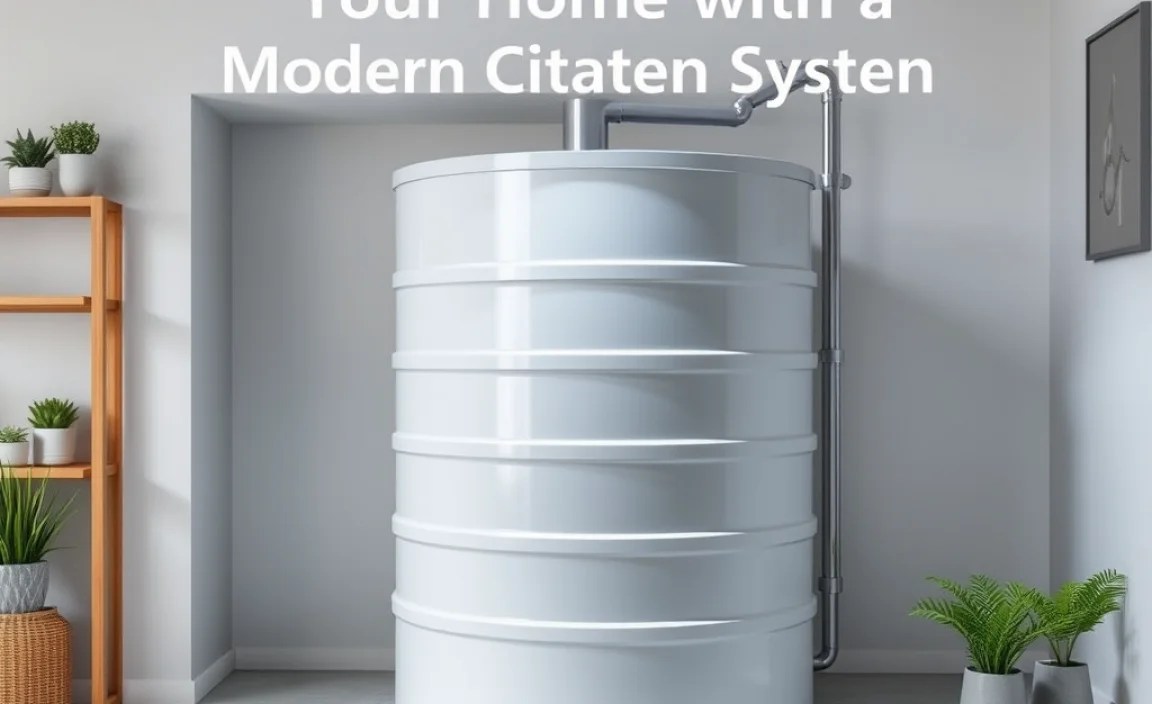
A cistern system collects and stores rainwater. The water falls from the sky onto roofs. It then travels through gutters and downspouts. From there, it flows into a cistern tank. The tank keeps the water until you need it. People use this water for gardens, toilets, or even cleaning. It’s a smart way to save water when it rains.
- Rain falls on the roof.
- Water flows into gutters.
- Gutters lead water to downspouts.
- Downspouts direct water into the cistern.
- The cistern safely stores the water.
- Water is used when needed.
- System helps save on water bills.
Some cisterns are above ground. Others are buried. They both serve the same purpose. They store rainwater for later use. The size of a cistern can vary. Large cisterns hold more water. Small cisterns are easier to hide. Choosing the right one depends on your needs.
Fun Fact or Stats : Some cisterns can hold over 10,000 gallons of water!
Why Rainwater?
Rainwater is a free and renewable resource. It is clean and natural. Collecting it helps the planet. Why waste it when you can store it? A cistern system can keep this valuable water safe. Imagine a day without water. Sounds hard, right? Using rainwater makes sure you always have some to spare.
Parts of a Cistern System
What makes up a cistern system? There are several parts. First, there are the gutters. They collect rainwater from the roof. Next, the downspouts guide the water to the cistern. The cistern is the tank that stores the water. Finally, there are filters. These keep leaves and dirt out of the water.
Benefits of Using a Cistern
Why should you use a cistern system? There are many reasons. First, it saves water. You use what falls from the sky. Second, it saves money. Less water means lower bills. Third, it helps the environment. Less demand on public water means less stress on nature. Want to save the planet? Start with a cistern!
Installing a Cistern System
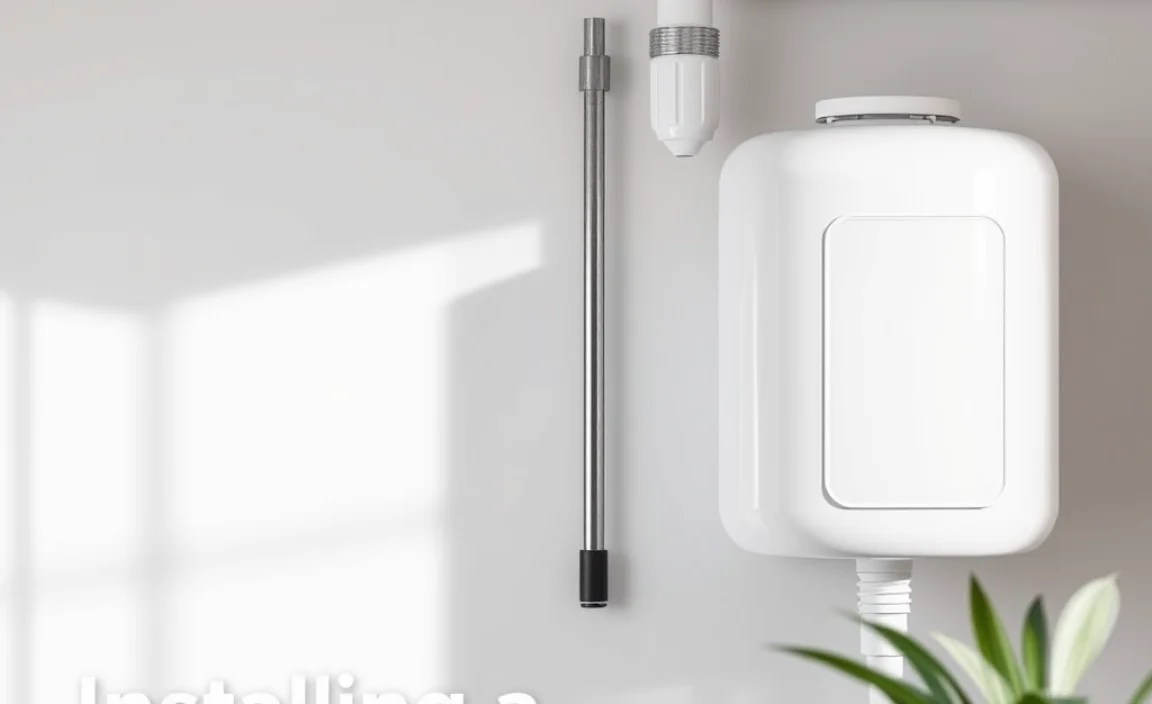
Installing a cistern system can be simple. First, decide on the size you need. This depends on your water usage. Next, choose a location. It should be near your house. Then, install the tank. Make sure it’s secure and level. Connect the gutters and downspouts. Finally, add filters to keep the water clean.
- Choose the right cistern size.
- Find a suitable spot for installation.
- Ensure the tank is stable and level.
- Connect gutters and downspouts properly.
- Add filters to protect water quality.
- Test the system for leaks.
- Maintain regularly for best performance.
Remember, the bigger the tank, the more water you can store. But, bigger tanks cost more. Plan your budget wisely. Talk to an expert if you need help. They can guide you through the process.
Fun Fact or Stats : Some cistern systems can be installed in just one day!
Choosing the Right Size
How do you choose the right cistern size? Think about how much water you need. Do you have a large garden? Then, a bigger tank is better. For small gardens, a smaller tank may do. Also, consider your area’s rainfall. More rain means you can fill your cistern faster. Use these tips to decide.
Placing the Cistern
Where should you place the cistern? It should be close to your house. This way, gutters can easily feed water into it. Also, think about the sun. Too much sun can heat the water. Choose a shaded spot. Make sure the ground is level. A stable cistern is safe and lasts longer.
Maintaining Your Cistern
Once installed, how do you maintain a cistern system? First, check for leaks. Fix them quickly. Next, clean the filters. This keeps water fresh and clean. Inspect the gutters and downspouts. Clear any clogs. Regular care ensures your system works well. Want a system that lasts? Maintain it often!
Cistern Systems vs. Other Solutions
How does a cistern system compare to other water solutions? Let’s find out. Cisterns focus on rainwater storage. This is different from wells or public water. Wells tap into underground water. Public water comes from large systems. Each has its pros and cons.
| Feature | Cistern System | Wells | Public Water |
|---|---|---|---|
| Source | Rainwater | Underground | Municipal |
| Cost | Medium | High | Varies |
| Maintenance | Low | Medium | Low |
| Eco-friendliness | High | Medium | Low |
Each system has its benefits. Cisterns are eco-friendly. Wells provide a steady supply. Public water is convenient. Choose based on your needs and budget. Want to be eco-friendly? A cistern might be your best bet.
Fun Fact or Stats : Cistern systems can reduce water bills by 30%!
Comparing Costs
Let’s compare costs. Cisterns have a medium initial cost. Wells are more expensive to set up. Public water costs depend on usage fees. Over time, cisterns save money. They reduce water bills. Think about long-term savings. Want to save money in the end? Consider a cistern!
Eco-Friendliness
Which system is more eco-friendly? Cisterns top the list. They use rainwater, a renewable source. Wells use underground water, which can run dry. Public water needs energy and processing. Want to help the earth? A cistern system is a great choice.
Ease of Maintenance
How easy is it to maintain these systems? Cisterns need low maintenance. Just clean filters and check for leaks. Wells need more care to avoid contamination. Public water requires little maintenance. Want a system that’s easy to manage? Choose a cistern system!
Possible Uses for Cistern Water
What can you use cistern water for? There are many uses. Watering gardens is common. Plants love rainwater. It’s natural and chemical-free. Use it to wash cars. It’s cheaper than using tap water. Some people use it for toilets. It saves a lot of water over time.
- Water gardens and plants.
- Wash cars and bikes.
- Flush toilets.
- Clean outdoor furniture.
- Fill ponds or fountains.
- Use in washing machines.
- Rinse pets and animals.
Remember, not all cistern water is drinkable. It’s good for many tasks, but not for drinking. Always use filtered water for cooking or drinking. Ensuring safe usage helps keep everyone healthy.
Fun Fact or Stats : Using rainwater can cut garden water usage by 50%!
Gardening with Cistern Water
How do plants benefit from cistern water? Rainwater is natural and free of chemicals. Plants thrive with it. Using cistern water can make your garden lush and green. Have you ever noticed how plants perk up after rain? That’s because rainwater gives them exactly what they need.
Using Cistern Water for Cleaning
Can you clean with cistern water? Yes! Use it to wash cars and outdoor furniture. It’s perfect for cleaning patios and driveways, too. Cistern water can help reduce costs. Why use tap water when rainwater is free? Keep your outdoors clean and save money at the same time.
Toilet and Laundry Uses
Can cistern water be used indoors? Absolutely! Use it for flushing toilets. This saves a lot of tap water. Some people use it in washing machines. Want to save on water bills? Incorporate cistern water for these tasks. It’s a smart and eco-friendly choice.
Conclusion
A cistern system offers many benefits. It collects and stores rainwater effectively. This simple system helps save money and the planet. It’s easy to install and maintain. Consider adding a cistern system to your home. Enjoy the advantages of this eco-friendly choice!
FAQs
Question: What is a cistern system?
Answer: A cistern system collects and stores rainwater. It uses gutters and downspouts to direct water into a tank. This water is then available for various uses, like gardening and cleaning. It’s an eco-friendly way to save water and reduce bills.
Question: How is cistern water used?
Answer: Cistern water is versatile. You can use it to water gardens, wash cars, and flush toilets. It’s perfect for cleaning outdoor areas too. However, cistern water is not usually drinkable. Always use filtered water for drinking and cooking.
Question: Is installing a cistern system difficult?
Answer: Installing a cistern system can be simple with the right guidance. You need to choose the right size and location. Install the tank, connect gutters, and add filters. Regular maintenance is also important for efficient operation. Consult an expert if needed.
Question: Are there any savings with a cistern system?
Answer: Yes, a cistern system can lead to significant savings. By using rainwater instead of tap water, you can reduce your water bills. Over time, these savings can outweigh the initial cost of setting up the system. It’s an economical and eco-friendly choice.
Question: Can a cistern system be used in cities?
Answer: Absolutely. Cistern systems can be used in both rural and urban areas. They are especially useful in cities where water conservation is important. Installing a cistern helps reduce demand on city water supplies. It’s a smart solution for urban water management.
Question: How does a cistern system help the environment?
Answer: A cistern system helps conserve water, a precious resource. By using rainwater, it reduces the strain on public water supplies. This eco-friendly practice lowers energy use and decreases pollution. It’s a great way to contribute to a healthier planet.
