
Discovering cistern uses and effective alternatives offers smart water-saving solutions for your home. Whether for gardening, flushing toilets, or general water conservation, understanding cisterns and their modern counterparts helps you choose the best system for your needs, ultimately saving money and resources. This guide breaks down the options with easy-to-follow advice.
Ever found yourself looking for ways to be more water-wise around the house? You’re not alone! Managing our water use is becoming increasingly important, and sometimes it feels tricky to know where to start. One area where we can make a big difference is how we supply water for non-potable needs, like watering the garden or even flushing the toilet.
This is where a cistern, or similar water storage system, comes into play. But what exactly is a cistern, and are there other clever options out there? If you’re a homeowner curious about these systems and how they can work for you, this guide is here to help. We’ll explore the wonderful world of cisterns and their modern alternatives, making it simple for you to understand and choose the right solution for your home.
This article will walk you through everything you need to know about cistern uses, compare them with smart alternatives, and help you make an informed decision that’s good for your wallet and the environment. Let’s dive in!
What is a Cistern? Your Water Storage Basics
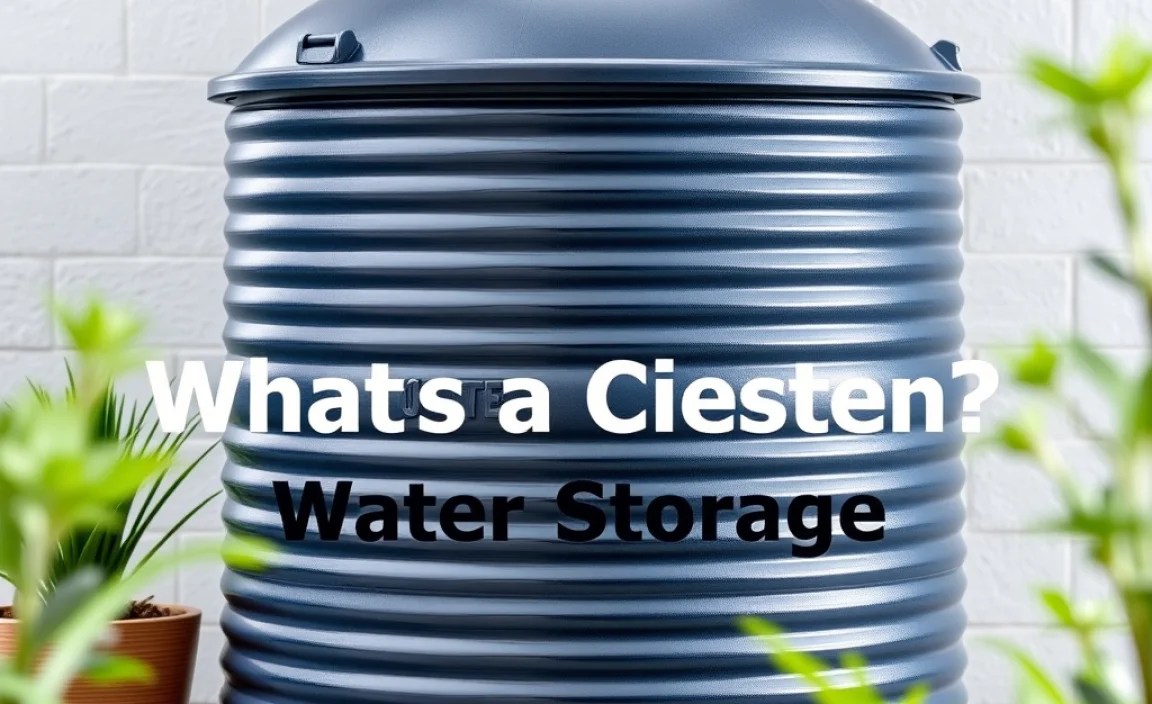
At its heart, a cistern is simply a tank or container used to store water. Think of it as a water reservoir for your home. Historically, cisterns were often underground, collecting rainwater that would then be used for various household needs. Today, the term is used more broadly to describe systems that store water, especially for non-drinking purposes.
The primary goal of a cistern is to capture and hold water, which is then distributed as needed. This collected water can come from various sources, most commonly:
- Rainwater: This is the most traditional and popular source for cisterns. Gutters on your roof channel rainwater into the cistern.
- Well Water: In areas without municipal water, a cistern can store water pumped from a private well.
- Municipal Water (for backup): Sometimes, a cistern can be filled with treated tap water as a backup supply, perhaps for emergencies or for areas with inconsistent water pressure.
The water stored in a cistern is typically used for what we call “non-potable” purposes. This means it’s not meant for drinking, cooking, or washing dishes directly, though with proper filtration and treatment, some systems can make it potable. Common non-potable uses include:
- Flushing toilets
- Watering gardens and landscaping
- Washing cars
- Laundry
- Supplying water features like ponds or fountains
Understanding this basic definition is the first step to appreciating the benefits and exploring the different ways a cistern can be a “genius solution” for your home.
The Genie in the Cistern: Genius Cistern Uses
Cisterns aren’t just old-fashioned water tanks; they offer incredibly practical and eco-friendly solutions for modern homes. Their “genius” lies in their ability to conserve precious water resources and reduce utility bills. Let’s explore some of the most impactful cistern uses:
1. Supercharging Your Garden and Landscape
This is perhaps the most celebrated use of a cistern. Instead of relying solely on treated municipal water to keep your plants happy, a cistern filled with rainwater provides a sustainable and free water source. Imagine watering your vegetable patch or flower beds with pure, natural rain! This is not only incredibly cost-effective but also better for your plants, as rainwater is naturally soft and free of chlorine and other chemicals found in tap water.
How it works: Rainwater collected from your roof is directed via gutters and downspouts into the cistern. A pump or gravity system then delivers this water to your garden hoses, sprinklers, or drip irrigation systems. For larger landscapes, this can lead to significant savings on your water bills.
A great resource for understanding rainwater harvesting systems, including cisterns, can be found on the Environmental Protection Agency’s (EPA) Rainwater Harvesting page.
2. Eco-Friendly Toilet Flushing
Did you know that flushing the toilet accounts for a significant portion of household water use? Using stored rainwater or greywater (water from showers, sinks, and washing machines) to flush toilets is a wonderfully smart way to cut down on your potable water consumption. For this to work effectively, a dedicated plumbing system is usually required to separate the cistern supply from your main drinking water line. Modern dual-flush toilets are also excellent partners with cistern systems, further optimizing water use.
How it works: The cistern supplies water to the toilet tank. When you flush, water stored in the cistern is released, doing its job without depleting your potable water supply. This requires careful installation to ensure safety and compliance with local plumbing codes, especially regarding backflow prevention.
3. Supplying Washing Machines and Outdoor Taps
Beyond toilets, cisterns can be plumbed to supply water for appliances like washing machines or for outdoor taps used for washing cars or cleaning patios. This reduces the demand on your main water supply, leading to lower bills and a more sustainable household. Using cistern water for these tasks is generally straightforward, as the water quality requirements are less stringent than for drinking or bathing.
How it works: Similar to toilet flushing, a separate plumbing line connects the cistern to these water points. A pump is usually involved to provide adequate pressure for appliances and taps.
4. Fire-Fighting and Emergency Preparedness
In rural areas or places prone to water shortages, a cistern can serve as a vital emergency water reserve. It can be a crucial resource for firefighting efforts, providing a readily available water supply when municipal hydrants are far away or unavailable. This aspect highlights the reliability and strategic importance of cisterns.
How it works: The cistern acts as a large water bank. In an emergency, water can be accessed via a pump or direct connection for fire suppression equipment. Regular checks and maintenance are essential to ensure the water is ready when needed.
5. Supporting Sustainable Building and Green Living
Incorporating a cistern is a key component of many green building designs and sustainable living practices. It directly contributes to reducing a home’s environmental footprint by lessening reliance on treated municipal water, which requires energy for purification and distribution. This makes your home more self-sufficient and resilient.
How it works: Cistern systems are integrated into the building’s design from the start or retrofitted. They work in conjunction with other water-saving fixtures and practices to maximize conservation.
Cistern vs. Alternatives: Finding Your Perfect Fit

While traditional cisterns are fantastic, technology and new approaches have given rise to several “genius” alternatives and complementary systems. Understanding these options helps you choose the best solution for your specific needs, budget, and space. Here’s a comparison:
Modern Water Tanks (Above-Ground & Underground)
These are essentially advanced versions of traditional cisterns. Today’s water tanks come in a variety of materials like polyethylene, fiberglass, or steel, and are designed for durability and efficiency. They can be installed above ground (often more accessible for maintenance) or underground (aesthetically pleasing and temperature-regulating).
Pros:
- Excellent for rainwater harvesting.
- Significant water bill savings.
- Reduces strain on municipal water supplies.
- Can be aesthetically integrated (underground).
- Durable materials available.
Cons:
- Requires space for installation (can be significant).
- Initial installation costs can be high.
- Regular maintenance needed (cleaning, pump checks).
- May require a pump for adequate water pressure.
- Regulations in some areas may affect installation (especially for potable use).
Rain Barrels
Rain barrels are smaller, simpler versions of cisterns, typically holding around 50-100 gallons. They are usually placed directly under downspouts to collect rainwater for immediate garden use. They are a very beginner-friendly and affordable way to start conserving water.
Pros:
- Very affordable and easy to install.
- Ideal for small gardens or container plants.
- Great starting point for water conservation.
- Portable or semi-permanent.
Cons:
- Limited water storage capacity.
- Water is typically gravity-fed, so pressure is low.
- Needs regular cleaning to prevent stagnation and algae.
- Not suitable for supplying toilets or indoor uses.
For excellent advice on setting up and using rain barrels, visit Penn State Extension’s guide to rain barrel systems.
Greywater Systems
Greywater systems capture water from showers, sinks (excluding kitchen sinks and sometimes laundry), and washing machines. This water is then filtered and reused, most commonly for toilet flushing or subsurface irrigation for landscaping. These systems are highly efficient for reducing water consumption, reusing water that would otherwise go down the drain.
Pros:
- Significantly reduces water usage for flushing and irrigation.
- Reuses water that is already in the home.
- Can help reduce household wastewater volume.
- Environmentally sound choice.
Cons:
- More complex installation than rain barrels or simple cisterns.
- Requires careful design and plumbing to ensure safety and prevent cross-contamination.
- Water quality issues can arise if not properly managed (e.g., buildup of soaps, hair).
- May require professional installation.
- Regulations vary widely – check local codes.
Advanced Water Filtration and Treatment Systems
While not a storage solution on their own, these systems are crucial companions to cisterns and greywater systems, especially if you aim for higher water quality or even potable use. They can range from simple sediment filters to complex multi-stage purification processes including UV sterilization. Some high-end systems can even purify rainwater or treated greywater to drinking standards, though this is a significant undertaking.
Pros:
- Enables use of stored water for more purposes, including potable.
- Ensures water is safe and clean.
- Can remove contaminants, odors, and improve taste.
Cons:
- Added cost and complexity.
- Requires ongoing maintenance (filter replacements, servicing).
- Power consumption for some systems.
A great resource to understand water treatment technologies is found on the Water & Health Project’s page on drinking water treatment technologies.
Comparing Your Options: A Quick Guide

To help you visualize the differences and decide which solution best fits your needs, here’s a comparison table:
| Feature | Traditional Cistern (Rainwater) | Rain Barrel | Greywater System | Advanced Filtration |
|---|---|---|---|---|
| Primary Use | Toilet flushing, garden, laundry, car washing | Garden watering only | Toilet flushing, subsurface irrigation | Enhances water quality for any use |
| Storage Capacity | Large (hundreds to thousands of gallons) | Small (50-100 gallons) | Varies; often linked to appliance output | N/A (enhances existing water) |
| Installation Complexity | Moderate to High | Very Low | High (requires plumbing expertise) | Moderate (depends on system) |
| Cost | Moderate to High | Low | High | Moderate to Very High |
| DIY Friendly | Possible for basic setups; complex systems need pros | Very DIY friendly | Generally not recommended for DIY w/o expertise | Possible for simple filters; complex ones need pros |
| Water Source | Rainwater, well water, municipal (backup) | Rainwater only | Showers, sinks, washing machines | Any water source |
| Water Quality Output | Non-potable (unless treated) | Non-potable | Non-potable (but cleaner than raw greywater) | Potable to high-quality non-potable |
Step-by-Step: Installing a Basic Rainwater Cistern System
Installing a full-fledged underground cistern system can be a major project, often requiring professional help and permits. However, a simpler above-ground setup for rainwater harvesting is more achievable for the DIY enthusiast. Here’s a general guide for a basic system:
Step 1: Planning and Site Selection
- Choose your tank: Select a food-grade plastic (HDPE) or fiberglass tank suitable for your needs and space. Ensure it’s UV-resistant if above ground.
- Find a good location: The tank should be near a downspout from your roof and on a level, stable base. An elevated spot can help gravity assist with water distribution.
- Check local regulations: Before buying, confirm any local building codes or homeowner association rules regarding rainwater harvesting.
Step 2: Prepare the Base
A large tank full of water is incredibly heavy! It needs a solid, level foundation. This could be a compacted gravel base, concrete pavers, or a poured concrete slab. Ensure the base is large enough to fully support the tank.
Step 3: Connect to Your Gutters
- Divert downspout: You’ll need to modify your existing downspout to direct water into the cistern. This often involves cutting the downspout and installing a diverter kit or elbow.
- Install a first flush diverter (recommended): This device diverts the initial, dirtiest runoff from your roof away from the cistern.
- Add an overflow: Crucial! You need an overflow pipe to allow excess water to drain away safely when the tank is full, preventing damage.
Step 4: Install the Tank and Connect Plumbing
- Position the tank: Carefully move and position the tank on its prepared base.
- Connect inlet pipe: Attach the pipe from your downspout/diverter to the inlet port on the cistern. Ensure a secure, watertight connection.
- Install outlet/pump: Most systems require a pump to draw water out. Install this according to the manufacturer’s instructions, usually connecting to an outlet port at the bottom of the tank. This pump will connect to your garden hose or irrigation system.
- Add a leaf screen: A screen at the inlet can help prevent debris from entering the tank.
Step 5: Filtration and Maintenance
- Consider inline filters: For cleaner water, especially for washing cars, you might add a sediment filter after the pump.
- Regular cleaning: Periodically clean the tank to remove any sediment or algae buildup. Check and clean gutter screens and the inlet filter.
- Pump maintenance: Follow the pump manufacturer’s guidelines for maintenance.
Safety First: Always wear appropriate safety gear, such as gloves and safety glasses. If working at heights on your roof or dealing with significant plumbing, consider hiring a professional. For complex installations or to connect to indoor plumbing, professional plumbers are a must.
Maintaining Your Genius Water Solution
Whether you opt for a cistern, rain barrel, or greywater system, ongoing maintenance is key to ensuring its effectiveness, longevity, and safety. Think of it as keeping your water-wise system in tip-top shape!
- Regular Inspections: Periodically check all connections for leaks. Look for any damage to the tank or plumbing.
- Cleaning the Tank: Depending on your system and water source, you may need to drain and clean the tank annually or bi-annually. This involves removing accumulated sediment or algae.
- Gutter and Downspout Maintenance: Keep gutters and downspouts clear of leaves and debris. This is crucial for efficient water collection and preventing blockages.
- Screen and Filter Checks: Clean or replace any inlet screens, first flush diverters, and inline filters regularly. This prevents debris from entering the tank and clogging your system.
- Pump Servicing: If you have a pump, follow the manufacturer’s recommended maintenance schedule, which might include checking seals or lubrication.
- Winterization (if applicable): In regions with freezing temperatures, you’ll need to drain and winterize your system to prevent damage from ice.
- Water Quality Monitoring: If you’re concerned about water quality, especially for applications beyond simple irrigation, consider periodic water testing.
