
Ever looked at a bidet and wondered what all those bits and pieces do? You’re not alone! Bidets are fantastic for hygiene, but understanding their parts can feel a bit technical at first. Don’t worry, mastering your bidet is simpler than you think. This guide breaks down every essential component, making it easy to understand how your bidet works and how to keep it in top shape. Get ready to feel confident and in control of your bathroom upgrade!
Demystifying Bidet Components: Your Beginner’s Guide
Welcome, DIYers and home enthusiasts! I’m Bryan Lee, and I’m here to help you get a clear picture of what makes a bidet tick. Whether you’re considering installing one, already have one, or just curious, knowing the different parts is key. Think of it like learning the controls of a new gadget – once you know what each button does, using it becomes a breeze.
In this guide, we’ll explore the anatomy of a bidet, from the main water supply to the user-friendly controls. We’ll break down each component in simple terms, no complex jargon here! My goal is to empower you with the knowledge to use your bidet confidently and tackle any minor maintenance with ease. Let’s dive in and make bidets less mysterious and more accessible for everyone.
The Core Components of Any Bidet

No matter the type of bidet you have – whether it’s a standalone fixture, a bidet seat, or an attachment – there are a few fundamental components that work together to deliver that refreshing cleanse. Understanding these parts is the first step to appreciating the technology and ensuring proper use.
1. Water Inlet Valve
This is where the magic begins! The water inlet valve is the gateway for water to enter your bidet system. It connects directly to your home’s plumbing, usually to the cold water line. For bidets with hot water options, there will be a separate inlet for the hot water supply.
- Function: Controls the flow of water into the bidet.
- Connection: Attaches to your existing toilet’s water supply line or a dedicated line.
- Importance: Ensures a clean and controlled water source reaches the bidet nozzle.
2. Water Supply Hose
A flexible hose connects the water inlet valve to the bidet itself. This hose needs to be durable and designed to handle water pressure. The length and flexibility ensure installation is straightforward, allowing you to position the bidet components correctly.
- Function: Transports water from the inlet valve to the bidet’s internal mechanisms.
- Material: Typically made of braided stainless steel or reinforced rubber for durability and leak prevention.
- Tip: Always use a hose specifically designed for bidets or plumbing to ensure safety and longevity.
3. Control Panel or Lever
This is your command center! The control panel or lever is how you interact with the bidet. It allows you to adjust water pressure, temperature (if applicable), nozzle position, and activate spray functions. Depending on the bidet model, this can range from a simple side-mounted knob to an advanced remote control or a dashboard integrated into the seat.
- Simple Lever/Knob Systems:
- Common on bidet attachments and some basic seats, these offer straightforward control over water flow and sometimes nozzle position.
- Side Control Panel:
- Usually integrated into the side of a bidet seat, offering more features like temperature and pressure adjustments.
- Remote Control:
- Found on higher-end bidet seats, a handheld remote provides comprehensive control and often includes user presets for personalized settings.
4. Nozzle(s)
The heart of the bidet experience! The nozzle is the part that actually delivers the water spray for cleansing. Many bidets feature a single, multi-functional nozzle, while others have separate nozzles for the feminine wash (designed differently) and posterior wash. Modern bidets often have self-cleaning nozzles, which extend to wash themselves before and after each use.
For some peace of mind regarding nozzle hygiene, the U.S. Environmental Protection Agency (EPA) has guidelines on water efficiency and water-using product criteria, which can indirectly influence the design and maintenance of bidet components to ensure safe and effective operation. You can learn more about EPA WaterSense resources on their official website.
- Material: Usually made of durable plastic or stainless steel.
- Self-Cleaning: Many advanced models rinse the nozzle automatically.
- Adjustability: Position can often be adjusted for optimal targeting.
- Types: Posterior wash, feminine wash, oscillating, and pulsating sprays cater to different needs.
5. Water Jet/Nozzle Arm
This is the mechanism that extends the nozzle to the correct position when you activate the bidet. It’s a crucial part of the bidet seat or attachment, ensuring the water stream reaches its intended target reliably. The arm’s movement is usually controlled electronically or mechanically.
- Function: Positions the nozzle for effective use.
- Movement: Extends and retracts smoothly.
- Durability: Designed for repeated use over many years.
6. Water Heater (Optional)
Not all bidets offer warm water, but those that do, have a water heater. This component significantly enhances comfort, especially in colder climates. There are two main types:
a) Tank Heater
These are often found in more basic electric bidet seats. A small tank stores hot water, providing a consistent warm stream for a limited time before needing to reheat. This is similar to a mini-tank hot water heater for your bidet.
b) Tankless (Instantaneous) Heater
More advanced models use an instantaneous heating element, similar to a tankless water heater for your home, but on a smaller scale. This means you get an endless supply of warm water as long as the bidet is powered on and drawing from the hot water line (or has a powerful internal heating element for electric models).
- Benefit: Provides a comfortable, warm spray for cleansing.
- Types: Tanked (limited supply) and Tankless (unlimited supply).
- Power: Electric bidets typically require a GFCI outlet for their heating elements.
7. Dryer Fan (Optional)
To reduce or eliminate the need for toilet paper after washing, many electric bidets include a built-in dryer. This component uses a gentle stream of warm air to dry the area. The intensity and duration of the dryer can usually be adjusted via the control panel or remote.
- Function: Dries the user after cleansing.
- Comfort: Provides a hands-free drying experience.
- Settings: Adjustable temperature and fan speed on many models.
8. Water Filter (Often Integrated)
For optimal performance and hygiene, bidets often incorporate a water filter. This removes impurities, sediment, and chlorine from the water supply, ensuring a cleaner spray and protecting the bidet’s internal mechanisms from clogging. Regularly checking or replacing the filter maintains water quality and bidet longevity.
- Purpose: Improves water quality for a cleaner wash.
- Protection: Prevents sediment from damaging bidet components.
- Maintenance: May require periodic cleaning or replacement, depending on your water hardness.
9. Electrical Components (for Electric Bidets)
Electric bidet seats and attachments require power. This involves internal wiring, circuit boards, and often a power cord that plugs into a nearby GFCI outlet. These components manage all the electronic functions, like heating, drying, nozzle movement, and remote control operations. Proper installation involves ensuring a safe and accessible power source.
- Function: Powers electronic features like heating, lighting, and remote control.
- Requirement: Usually needs a Ground Fault Circuit Interrupter (GFCI) outlet for safety.
- Safety: Essential to follow installation guidelines to prevent electrical hazards.
10. Seat and Lid
This is the most visible part of a bidet seat or attachment. It’s designed to be comfortable, hygienic, and durable. Many modern bidet seats are made from antimicrobial materials to inhibit bacterial growth. The lid protects the nozzle and the seat when not in use.
When considering bathroom renovations or upgrades, understanding material properties like antimicrobial surfaces can significantly contribute to a more hygienic and low-maintenance environment. Resources from organizations like the American Ceramic Society offer insights into material science that can apply to bathroom fixtures.
- Material: Typically high-quality, durable plastic; some offer slow-close features.
- Hygiene: Often made with antimicrobial properties.
- Design: Ergonomically shaped for comfort.
Types of Bidets and Their Unique Components
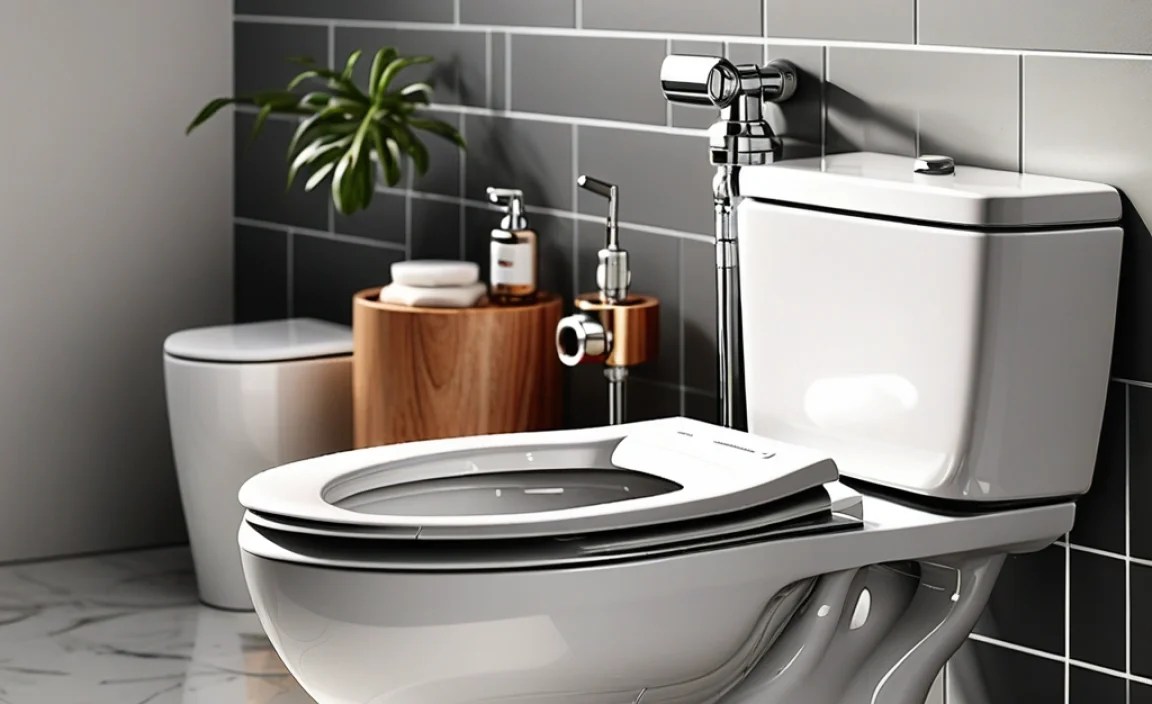
While the core components are similar, different types of bidets have variations and specific parts.
a) Standalone Bidet Fixture
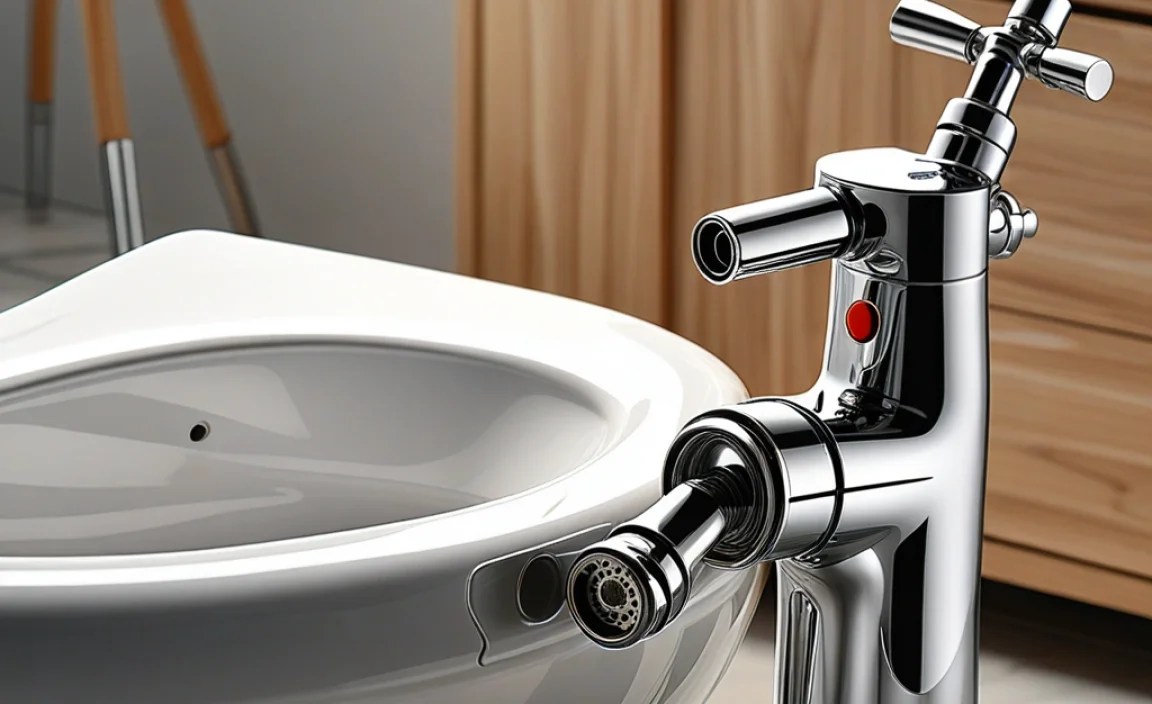
This is the traditional style, resembling a toilet but without a tank. Water supply lines connect directly to it, and controls are often integrated into the faucet-like fixtures.
- Key Components: Porcelain basin, water supply lines, hot/cold water faucet, drain.
- Control: Manual, via faucet handles.
- Installation: Requires dedicated plumbing.
b) Bidet Attachment
These fit underneath your existing toilet seat. They are typically non-electric and focus on the basic cleansing function.
- Key Components: Nozzle, water inlet valve, control knob/lever, mounting hardware.
- Power: Cold water only, unless a T-adapter and hot water line are added (less common and more complex).
- Simplicity: Easy to install and use.
c) Bidet Seat
These replace your existing toilet seat and come in electric and non-electric versions. They offer a wider range of features.
Non-Electric Bidet Seats:
Similar to attachments but integrated into the seat form factor. They usually connect to cold water and might have a lever for pressure control.
- Key Components: Seat, lid, nozzle, water inlet valve, control lever.
- Power: Cold water only.
- Installation: Relatively straightforward.
Electric Bidet Seats:
The most feature-rich option, requiring an electrical outlet. They offer warm water, heated seats, dryers, and more.
- Key Components: Seat, lid, control panel/remote, nozzle(s) with mechanical arm, water heater (tank or tankless), dryer fan, electrical components, water filter.
- Power: Requires a GFCI electrical outlet.
- Features: Highly customizable wash and dry cycles.
- Professional Installation Recommended: Especially for ensuring proper electrical hookup and water connections.
d) Bidet Toilet (Integrated Unit)
These are complete toilet systems with the bidet functionality built-in. They offer the most seamless look and advanced features.
- Key Components: Full toilet, integrated bidet controls, advanced nozzle systems, often with self-cleaning and deodorizing features.
- Power: Always electric.
- Aesthetics: Sleek, modern, and designed as one unit.
- Cost: Typically the most expensive option.
Understanding Bidet Controls: A Closer Look
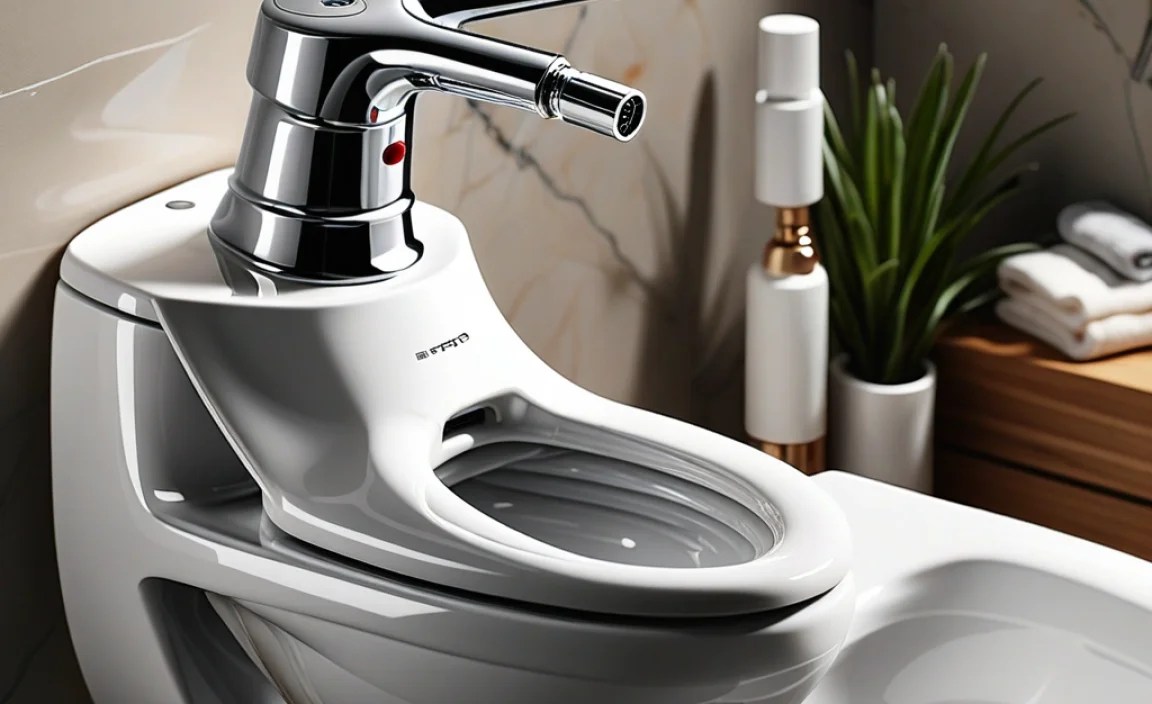
The control panel or remote is your interface with the bidet. Here’s a breakdown of common controls you might find:
| Control Function | Description | Typical Location | Benefit |
|---|---|---|---|
| Water Pressure Adjustment | Controls the force of the water spray. | Side panel, remote, or lever. | Personalized comfort and cleansing effectiveness. |
| Water Temperature Adjustment | Sets the desired warmth of the spray. | Side panel or remote (electric models). | Enhanced comfort, especially in cold weather. |
| Nozzle Position Adjustment | Moves the nozzle forward or backward. | Side panel or remote (electric models). | Ensures accurate targeting for effective cleansing. |
| Oscillating/Pulsating Spray | Makes the nozzle move back and forth or spray in pulses. | Side panel or remote (electric models). | Wider coverage and a more dynamic washing experience. |
| Dryer Function | Activates a warm air dryer. | Side panel or remote (electric models). | Reduces or eliminates the need for toilet paper. |
| Front/Rear Wash Select | Selects between posterior and feminine wash nozzles/modes. | Side panel or remote. | Specific cleansing for different needs. |
| Deodorizer | Activates an air freshening feature. | Side panel or remote (electric models). | Minimizes bathroom odors. |
| Heated Seat | Warms the toilet seat. | Side panel or remote (electric models). | Comfort in cold environments. |
| Water Pressure/Temp/Nozzle Position Reset | Returns settings to default. | Often a dedicated button or combination press. | Useful if settings are accidentally changed. |
Maintenance and What You Can Do
Keeping your bidet in good working order is simple when you know the parts. Here’s what you can do:
- Regular Cleaning: Wipe down the seat, lid, and external parts with a soft cloth and mild, non-abrasive cleaner. Avoid harsh chemicals that can damage the finish or plastic.
- Nozzle Care: Many bidets have a self-cleaning function. If yours doesn’t, or for a deeper clean, you can manually clean the nozzle area gently. For stubborn mineral deposits, a vinegar solution can sometimes help, but always check your bidet’s manual first.
- Check Water Filter: If your bidet has an accessible water filter, consult your manual for recommended cleaning or replacement intervals. This is crucial for maintaining water quality. For information on water filtration systems in general, resources such as those from the EPA can provide context.
- Inspect Hoses: Periodically check the water supply hoses for any signs of wear, kinks, or leaks. This is a vital safety check.
- Electrical Safety: For electric models, ensure the GFCI outlet is functioning correctly and avoid overloading the circuit. Never attempt electrical repairs yourself unless you have the proper training; call a qualified electrician.
- De-scaling: In areas with hard water, mineral buildup can occur in the heating element or nozzles. Follow the manufacturer’s instructions for descaling, which might involve running a descaling solution through the system.
FAQs About Bidet Components
Q1: Do all bidets need electricity?
A1: No. Basic bidet attachments and non-electric bidet seats use your home’s cold water supply and do not require electricity. Electric bidet seats and integrated bidet toilets, however, need a GFCI electrical outlet to power features like warm water, heated seats, and dryers.
Q2: What’s the difference between a bidet attachment and a bidet seat?
A2: A bidet attachment fits under your existing toilet seat, while a bidet seat replaces your existing toilet seat entirely. Attachments are generally simpler and less expensive, while seats often offer more advanced features, especially electric models.
Q3: How do I know if I have a hot water bidet?
A3: Bidets that offer hot water typically have an integrated water heater (either tank or tankless) and are usually electric models requiring a power source. Non-electric models primarily use cold water, though some can be connected to a hot water line under the sink for a warmer wash, which can be a bit more complex to install.
