
Quick Summary: Understanding the components of your plumbing drain system—like pipes, traps, vents, and fixtures—is key to preventing clogs, leaks, and bad smells. This guide breaks down each part simply so you can maintain your home’s drains effectively and confidently.
Dealing with a clogged sink or a slow-draining shower can be frustrating. You might wonder what’s going on beneath the surface. Plumbing drains are silent workers, and when they’re not working right, it can cause quite a mess. But don’t worry! Understanding the basic parts of your drain system is easier than you think.
It’s like learning what makes your car run; once you know the key pieces, you can better care for it and even solve minor issues yourself. This guide will walk you through each essential component of a drain in plumbing. We’ll explain what each part does in simple terms, helping you feel more confident about your home’s plumbing. Let’s dive in and uncover the secrets behind smooth-flowing drains!
Why Knowing Your Drain Components Matters
Think of your home’s plumbing as a tiny, intricate city. Water flows in, we use it, and then it needs a clear path to leave. The drain system is the city’s waste management department, and it works hard to keep things clean and odor-free. When you know what makes it go, you can:
- Prevent Problems: Understanding how each component works helps you avoid actions that could cause clogs or damage.
- Diagnose Issues: If a drain acts up, knowing the parts helps you pinpoint where the problem might be.
- Perform Maintenance: Simple upkeep becomes much easier when you know what you’re dealing with.
- Communicate Better: If you need to call a plumber, you can explain the issue more clearly.
Let’s break down the main parts, starting with the most visible ones.
The Visible Parts: Fixtures and Drains
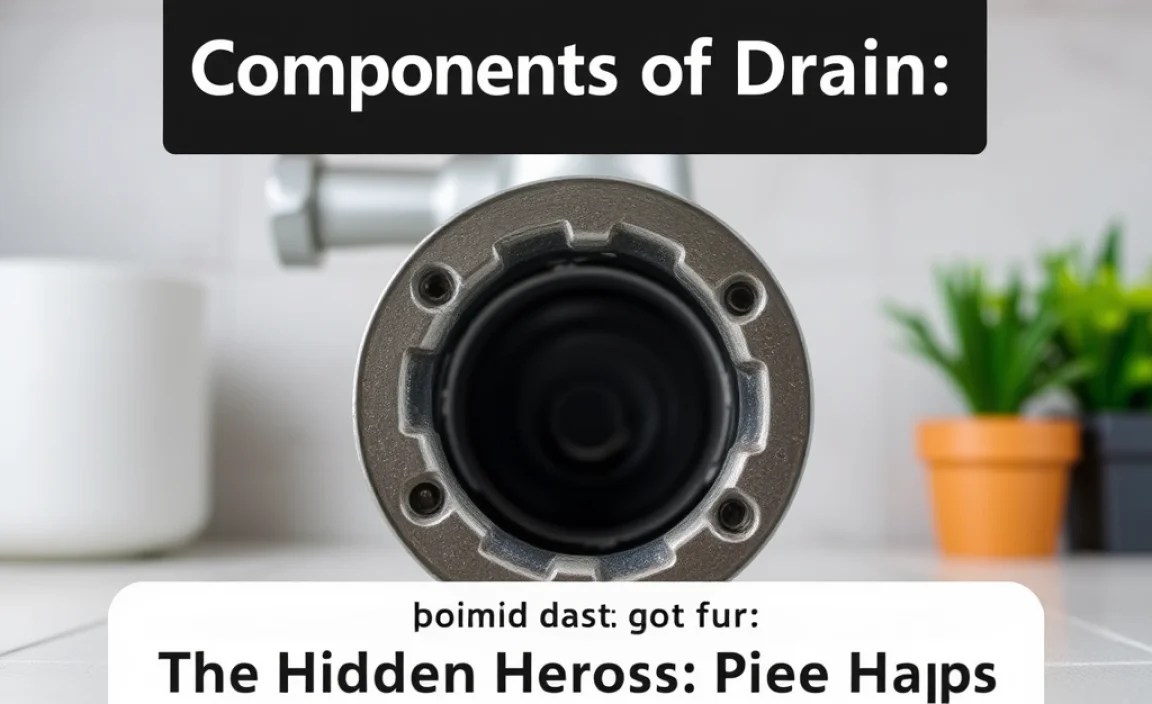
These are the parts of your drain system you see every day. They are the entry points for wastewater.
1. Plumbing Fixtures
These are the actual devices where water is used and waste is discharged. They are the start of the drain journey for wastewater.
- Sinks (Kitchen & Bathroom): These have basins to catch water and a drain opening.
- Toilets: They use water to flush waste away through a trap and into the drainpipe.
- Showers & Bathtubs: These have a larger drain opening to handle a significant amount of water quickly.
- Washing Machines: Often connect to a standpipe or a dedicated drain fitting.
- Dishwashers: Usually drain through a hose that connects to the sink’s drain or garbage disposal.
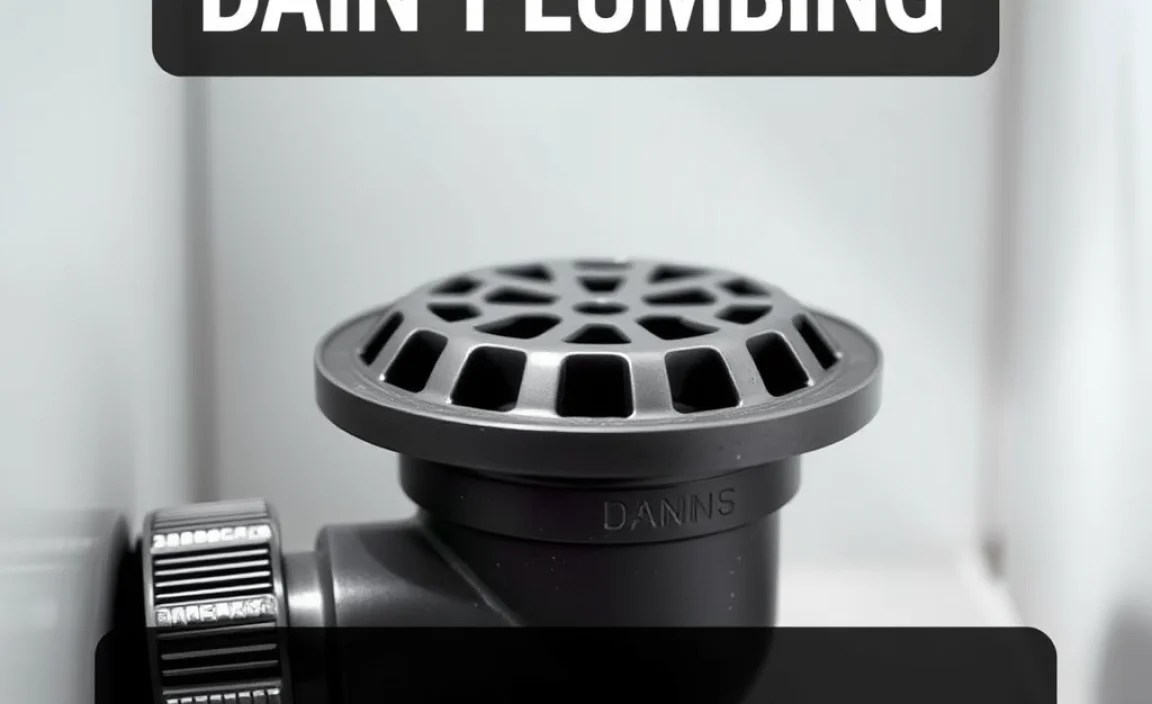
2. Drain Openings (Strainers & Grates)
This is the hole you see in the sink, tub, or shower floor. It’s the very first part of the drain system that touches the wastewater.
- Strainers: Typically found in sinks, these are often removable caps with small holes. Their main job is to catch larger debris like food scraps or hair, preventing them from going further down into the pipes.
- Grates: Common in showers and bathtubs, these are usually more robust and cover a larger drain opening. They also act as a first line of defense against large objects and hair clogs.
Cleaning these visible parts regularly can prevent many common drain issues.
The Hidden Heroes: Pipes and Traps
Once the water leaves the fixture, it travels through a network of pipes. The most crucial of these are the trap and the drainpipes themselves.
3. P-Trap
You’ve probably seen this U-shaped bend under your sink. It’s a vital component for two main reasons:
- Water Seal: The trap holds a small amount of water after each use. This “water seal” acts as a barrier, preventing sewer gases (which can be smelly and even harmful) from rising up through the drain and into your home.
- Debris Catcher: The curve of the trap can also catch heavier debris that might otherwise travel deeper into the plumbing system, making it a common place for clogs to form.
This is why snaking drains often involves clearing out the P-trap first. For a more detailed look at how plumbing traps work, you can refer to resources from the CDC’s Environmental Health topic on plumbing, which touches on safe water systems.
4. Drainpipes (Waste and Vent Piping)
This is the network of pipes that carries wastewater away from your fixtures and ultimately to the sewer or septic system. It’s divided into two main types:
a. Waste Pipes: These pipes directly carry wastewater and solid waste from your fixtures. They start right after the trap and lead downwards.
- Sanitary Drain Pipes: These are the main pipes that collect waste from all your fixtures (toilets, sinks, showers).
- Branch Drain Pipes: Smaller pipes that connect individual fixtures to the main sanitary drain.
b. Vent Pipes: These might seem unusual, but they are incredibly important for a healthy drain system. Vent pipes are connected to drainpipes and extend up through your roof.
- Allow Air In: As water flows down a drainpipe, it creates suction. Without a vent, this suction could pull the water seal out of your P-traps, allowing sewer gases in. Vents allow air to enter the drainpipe, equalizing the pressure and allowing water to flow smoothly.
- Let Gases Escape: They also provide an escape route for sewer gases to safely dissipate into the atmosphere above your home.
A properly functioning vent system is crucial for preventing gurgling sounds in your drains and avoiding slow drainage.
Important Features and Connections

Beyond the basic pipes and traps, several other components and concepts are essential for a working drain system.
5. Cleanouts
A cleanout is a capped opening in the drainage system designed to provide access for cleaning and clearing clogs. They are often found:
- At the base of vertical drainpipes.
- At intervals in long horizontal runs of drainpipe, typically closer to the main sewer line.
- In the yard, near where the house’s drainpipes connect to the city sewer line.
These caps can be unscrewed (often with a special wrench) to access the pipe for snaking or inspection.
6. Floor Drains
These are drains installed in floors, commonly found in basements, garages, bathrooms, or laundry rooms. Their purpose is to collect any water spills or surface moisture and direct it to the drainage system, preventing water damage or flooding.
Like sink drains, they have a grate on top and usually a P-trap underneath to prevent sewer gases from entering the room.
7. Condensate Drain Line
If you have a high-efficiency furnace or an air conditioning system, you’ll have a condensate drain line. This is a smaller pipe that carries away the water produced as a byproduct of the system’s operation. These lines can sometimes get clogged with algae or debris, leading to water backup and potential damage.
Here’s a look at how the main drain components connect:
| Component | Function | Location | Common Issues |
|---|---|---|---|
| Fixture Drain Opening | First point of entry for wastewater; catches large debris. | Sink, tub, shower, etc. | Clogs from hair, food, debris. |
| P-Trap | Holds water to block sewer gases; catches heavy debris. | Under sinks, tubs, showers. | Clogs, drying out (loss of water seal), leaks. |
| Waste Pipe | Carries wastewater away to the sewer/septic. | Connects traps to main drain lines. | Clogs from grease, food, or objects. |
| Vent Pipe | Allows air into the drain system; lets sewer gases escape. | Connects to drainpipes and exits through the roof. | Blockages (leaves, nests), improper slope. |
| Cleanout Access | Provides access for cleaning and maintenance. | Strategically placed along drain lines. | Clogs at access point, loose caps. |
The Journey of Wastewater
Let’s trace the path of water from your faucet all the way out:
- Fixture: You run water in your sink, shower, or flush the toilet.
- Drain Opening: Water, along with waste, passes through the strainer or grate.
- P-Trap: Wastewater collects briefly in the U-bend of the P-trap, leaving a water seal behind.
- Branch Drain Pipe: The wastewater then flows into the branch drainpipe.
- Sanitary Drain Pipe: This pipe connects to the main sanitary drain line, which collects waste from multiple fixtures.
- Vent Pipe (concurrently): As wastewater rushes down, air enters through the vent pipe system to equalize pressure, ensuring smooth flow and maintaining trap seals.
- Cleanout (if encountered): Water flows past any cleanout access points.
- Main Building Drain: The sanitary drain, along with other branches, eventually merges into the main building drain.
- Sewer or Septic System: The main building drain carries all wastewater outside the home to connect with the municipal sewer line or your private septic tank.
Tools for Understanding and Maintaining Drains
While many drain issues can be solved with simple methods, knowing a few basic tools can be helpful when you notice a problem:
- Plunger: A classic tool for creating suction to dislodge minor clogs.
- Drain Snake (Auger): A flexible coil of wire used to break up or retrieve clogs deeper in the pipes. For home use, a small hand auger or a toilet auger is common. For more persistent clogs, professionals use larger electric augers.
- Pipe Wrench: Useful for tightening or loosening threaded pipe fittings, especially when accessing or cleaning P-traps.
- Bucket: Always have a bucket handy when working on or under sinks to catch any water or debris.
- Gloves and Safety Glasses: Essential for protecting yourself from dirty water and potential splashes.
For more advanced diagnostics, plumbers use specialized equipment. You can learn more about professional plumbing tools and techniques by exploring resources like those from the American Society of Plumbing Engineers, which provides insights into how plumbing systems are designed and maintained.
Common Drain Problems and Their Causes
By understanding the components, you can better grasp why problems occur.
1. Slow Drains
Cause: Often due to partial clogs from grease buildup, hair accumulation, or small objects lodged in the P-trap or further down the waste pipe. A blocked vent pipe can also cause slow drainage as air can’t escape.
2. Clogged Drains
Cause: A complete blockage means something is fully preventing water flow. This could be a large item flushed down a toilet, a significant hairball in a shower, or a major buildup of grease and debris in the main drain line.
3. Foul Odors
Cause: The most common culprit is a dry P-trap, meaning the water seal has evaporated or been siphoned out. This allows sewer gases to enter your home. Other causes include decomposing waste trapped in the pipes or issues with the main sewer line vent.
4. Gurgling Drains
Cause: This gurgling sound often happens when water is draining elsewhere in the house. It’s a sign that the vent system isn’t working effectively. As water flows down, it’s trying to pull air with it, but if the vent is blocked, it can pull air from the nearest trap instead, causing the gurgling sound.
5. Leaks
Cause: Leaks typically occur at pipe joints, where fittings are connected, or due to cracks in the pipes. This can happen from improper installation, age, or corrosion. Leaks under sinks are often related to the P-trap connection.
Conclusion
You’ve now got a solid understanding of the essential components that make up your home’s plumbing drain system. From the visible drain openings and fixtures to the hidden, yet crucial, P-traps, waste pipes, and vent pipes, each part plays a vital role in keeping your home clean and comfortable. Remember, a little knowledge goes a long way in preventing common issues like slow drains, clogs, and unpleasant odors.
By recognizing these components and understanding their functions, you’re empowered to perform basic maintenance and confidently address minor problems. For more complex issues or if you’re ever unsure, don’t hesitate to call a qualified plumber. But for everyday care and initial troubleshooting, this guide should give you the confidence and clarity you need to keep your drains flowing smoothly. Happy plumbing!
FAQ: Your Drain Questions Answered
Q1: What is the most important part of a drain system?
A1: While all parts work together, the P-trap is incredibly important because it creates a water seal to prevent foul-smelling sewer gases from entering your home.
Q2: How often should I clean my P-trap?
A2: You don’t typically “clean” a P-trap regularly unless you have a clog. However, it’s good to check for leaks and ensure the water seal is always present. If you notice odors, the trap might need attention.
Q3: Why does my sink gurgle when the dishwasher is running?
A3: This usually means your vent system is working overtime or is partially blocked. When the dishwasher pumps out water, it’s a large volume, and the drain needs air to flow smoothly. The gurgling indicates air is being pulled from your sink’s P-trap because the vent isn’t providing enough air.
Q4: Can I pour boiling water down my drain to clear it?
A4: Boiling water can help melt grease clogs, but it’s not a fix for all clogs and can potentially damage older PVC pipes or weaken seals if done too frequently or in excess. Use caution.
Q5: What’s the difference between a waste pipe and a vent pipe?
A5: The waste pipe carries the actual wastewater away from your fixture. The vent pipe allows air to enter the system, equalizing pressure so the wastewater flows smoothly down the waste pipe and preventing the water seal in the trap from being siphoned out.
Q6: I have a basement floor drain that smells. What should I do?
A6: The most common reason for a smelly floor drain is a dry P-trap. Pour a gallon of water down the drain to refill the trap and re-establish the water seal. If the smell persists, there might be a clog or a more serious issue with the sewer line.
