
Have you ever wondered how water comes out of a faucet? It’s like magic! But there’s no wizard behind it. Instead, many parts work together to make this happen. Let’s explore the components of faucet in plumbing and see how they team up to bring us water.
Key Takeaways
- Faucet components control water flow and temperature.
- Handles, spouts, and valves are essential faucet parts.
- The components of faucet in plumbing are crucial for proper function.
- Different faucets have different internal structures.
- Maintenance keeps faucets working smoothly and prevents leaks.
Handles: Turning Water On and Off

Handles are what you touch to turn the water on and off. They come in many shapes and sizes. Some faucets have one handle, and others have two. One handle controls both hot and cold water. Two handles let you adjust each temperature separately. These handles connect to the faucet’s valve. When you turn the handle, the valve moves to let water flow or stop. Handles are important for controlling your faucet’s water flow and temperature.
- Handles can be lever or knob style.
- One handle controls both hot and cold water.
- Two handles are used for separate hot and cold control.
- Handles connect to the valve inside the faucet.
- Turning the handle opens or closes the valve.
- Handles are often made of metal or plastic.
Handles make using a faucet easy for everyone. By simply turning or lifting, you can start or stop water flow. This simplicity is why faucets are user-friendly. Handles can even be a design statement in bathrooms or kitchens. They come in various styles to match any decor. Next time you use a faucet, remember the role of its handle in making your experience seamless.
Fun Fact : Some modern faucets have touchless handles, using sensors to detect your hand!
Types of Faucet Handles
Did you know there are different handle types? Lever handles are easy for small hands. They’re simple to push up or down. Knob handles need a twisting motion. Both types offer unique benefits. Lever handles are often easier for kids and older adults. They require less effort. Knob handles can sometimes be tricky with wet hands. Choosing the right handle type makes faucet use comfortable for everyone.
How Handles Connect to Valves
Handles and valves work closely together. When you turn a handle, the valve inside the faucet opens or closes. This allows water to flow or stop. Imagine the valve as a gate, and the handle as the person opening it. When you move the handle, you’re instructing the gate (valve) to move. This teamwork is vital for a faucet to function smoothly.
Decorative Options for Handles
Handles aren’t just functional; they’re decorative too. They come in many styles and finishes. You might see chrome, brass, or even glass. Each option adds a different look to your bathroom or kitchen. Some people choose handles to match their home style. Others pick unique designs to stand out. Decorating with faucet handles can be a fun way to express your personality.
Spouts: Directing the Water Flow
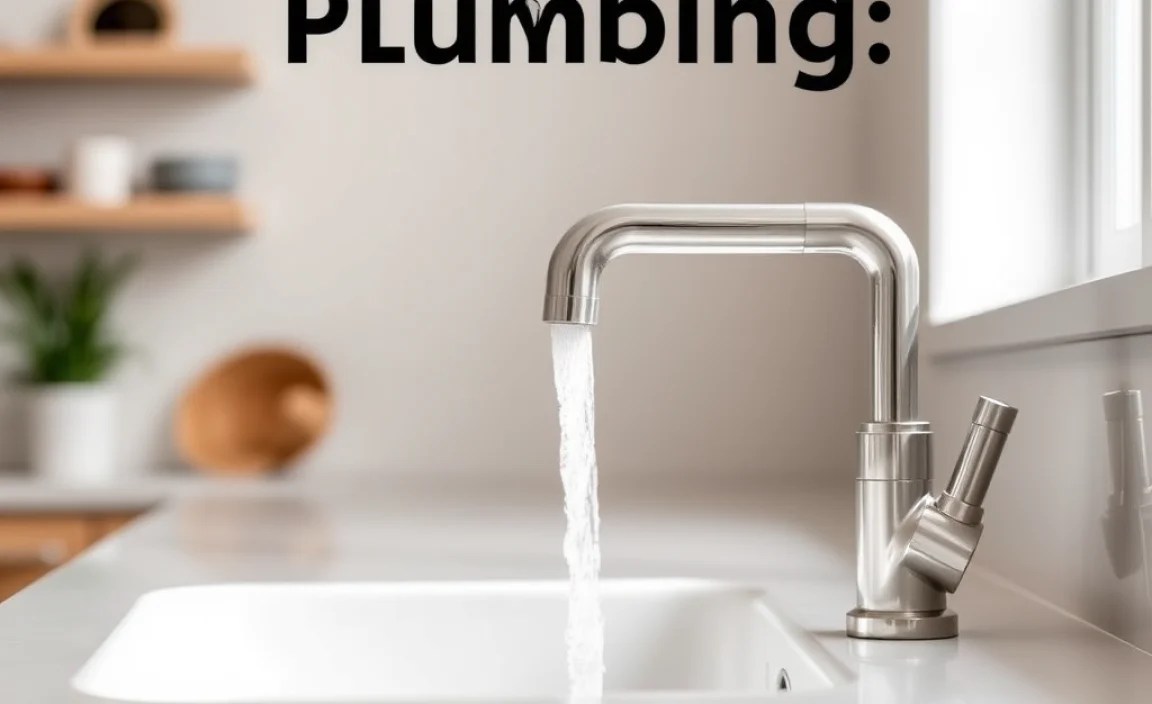
The spout is where water flows out of the faucet. It’s like a bridge that directs water from the plumbing to your sink. Spouts come in many designs and lengths. Some are short and curved, while others are long and straight. The spout’s design can affect how the water flows. For example, some spouts create a waterfall effect. This part of the faucet is essential for delivering water to where you need it.
- Spouts direct water flow from the faucet.
- They come in various lengths and shapes.
- Some spouts create a waterfall effect.
- Spouts can be short, long, curved, or straight.
- Design affects water delivery style.
- Spouts are connected to the faucet body.
The spout’s design is important for both function and style. A well-designed spout ensures water lands where it’s needed. It can also add beauty to your sink area. When choosing a faucet, the spout’s style can make a big difference in your home’s appearance. Consider how the spout’s shape and length will fit your sink’s needs.
Fun Fact : Some faucets have swivel spouts, allowing you to move them side to side!
Spout Shapes and Styles
Spouts come in many shapes. Have you seen a gooseneck spout? It’s tall and curved, perfect for filling pots. Another style is the straight spout. It provides a steady stream of water. Waterfall spouts look elegant and calming. Choosing the right spout can change how you use your sink. Each style offers a different experience.
Functionality of Different Spouts
Do you need a faucet for a kitchen or bathroom? Some spouts are better for different tasks. A high-arc spout is excellent for kitchens. It allows room for washing large items. Low-arc spouts suit bathrooms, where space is smaller. Think about how you’ll use the faucet before choosing a spout. This ensures you have the right tool for your needs.
Spout Materials and Finishes
Spouts can be made from various materials. Common materials include brass, stainless steel, and plastic. Each has its strengths. Brass is sturdy and long-lasting. Stainless steel offers a modern look. Plastic is lightweight and affordable. The finish can also change the spout’s appearance. Options like chrome and bronze add different styles to your space.
Valves: The Heart of the Faucet

Valves are hidden inside the faucet, but they’re the heart of its operation. They control water flow by opening and closing pathways. Different valves exist, like ball, cartridge, and compression valves. Each has its own way of controlling water. When you turn the faucet handle, the valve inside adjusts. It lets water flow or stops it. Without valves, faucets wouldn’t work properly. They’re an essential component of faucet in plumbing.
- Valves are inside the faucet body.
- They control water flow and pressure.
- Types include ball, cartridge, and compression.
- Valves open and close to regulate water.
- They ensure faucets work smoothly.
- Valves are essential for water control.
Valves might be hidden, but they’re crucial to faucet performance. They ensure water comes out at the right speed and pressure. Different valve types offer various benefits. Some are easier to repair, while others provide smoother operation. Knowing about the valve type can help if you ever face a faucet issue.
Fun Fact : Ceramic disc valves are known for being very durable!
Types of Faucet Valves
Each valve type works a bit differently. Ball valves use a rotating ball to control flow. Cartridge valves slide to open or close. Compression valves use twisting motion to seal water. Each type has pros and cons. Knowing your valve type can help with repairs. It’s like knowing the secret to how your faucet works.
How Valves Control Water Flow
Valves are like doors for water. They open or close to let water through. If the valve is open, water flows freely. If it’s closed, water stops. This simple action is vital for faucet function. Valves help manage water use in your home. They make sure water only flows when you need it.
Choosing the Right Valve for Your Faucet
Choosing valves depends on your needs. Ceramic valves last longer. They’re great for durability. Ball valves are simple and easy to use. Cartridge valves offer smooth control. Each has its strengths. Consider how you’ll use the faucet. This helps you choose the right valve for your home.
Aerator: The Water Saver

The aerator is a small, often overlooked part at the end of the spout. It mixes air with water as it flows out. By doing this, it reduces water usage without lowering pressure. Aerators save water and money, making them environmentally friendly. They’re easy to install or replace. This little part makes a big difference in water conservation.
- Aerators attach to the end of the spout.
- They mix air with water flow.
- Aerators reduce water usage.
- They help maintain water pressure.
- Installing aerators is simple.
- Aerators save water and money.
The aerator is an unsung hero for saving water. It helps you use less water without noticing a change. This small part makes a faucet more efficient. By installing an aerator, you can contribute to saving our planet. It’s a simple way to make a big impact on water conservation.
Fun Fact : Aerators can save up to 50% of water usage!
How Aerators Work
Aerators are small but powerful. They add air to water flow. This creates a bubbly stream. The bubbles reduce water used while maintaining pressure. It’s like blowing bubbles in a drink. By doing this, aerators make faucets more efficient. They’re a smart and easy way to conserve water.
Benefits of Using Aerators
Why use aerators? They save water and money. Lower water use means lower bills. Aerators are easy to install. They fit right on the spout. Plus, they help the environment by conserving water. It’s a win-win! Adding an aerator is a simple choice with many benefits.
Installing an Aerator
Installing an aerator is easy. First, remove the old one. Then, clean the spout’s end. Next, screw on the new aerator. It’s that simple! No tools needed. Now, your faucet is ready to save water. Anyone can do it in just a few minutes. It’s a small change with a big impact!
Faucet Body: The Central Hub
The faucet body is the main part of a faucet. It holds everything together. Inside, it connects all parts like handles, spout, and valves. The faucet body’s material affects durability. Common materials include brass, stainless steel, and plastic. Each offers different benefits. Choosing the right faucet body ensures a long-lasting faucet.
- The faucet body is the main structure.
- It connects handles, spouts, and valves.
- Brass and stainless steel are common materials.
- The material affects durability and style.
- Faucet bodies vary in design and size.
- They ensure all components work together.
The faucet body is crucial for holding everything together. It makes sure all parts work in harmony. A strong faucet body ensures durability and good performance. It’s the base that supports the entire faucet system. Choosing a quality faucet body can improve your faucet’s lifespan.
Fun Fact : Some faucet bodies have special finishes to resist fingerprints!
Materials Used for Faucet Bodies
Faucet bodies come in different materials. Brass is strong and lasts long. Stainless steel offers a modern look. Plastic is lightweight and affordable. Each material has its own benefits. When choosing, think about style and durability. The right choice keeps your faucet looking and working great for years.
How the Faucet Body Connects Parts
The faucet body connects every part. It links handles, valves, and spouts. Think of it like a spider web holding everything together. Without the body, these parts wouldn’t function as a team. The body ensures water reaches where it needs to go. It’s essential for a working faucet.
Choosing the Right Faucet Body
Choosing the right faucet body is important. Consider your needs. Do you want durability? Go for brass or stainless steel. Need something lightweight? Plastic might be the answer. The finish can also match your home style. A well-chosen faucet body makes your space look and work better.
Conclusion
Faucets might seem simple, but they have many important parts. Each of the components of faucet in plumbing plays a crucial role. Handles, spouts, valves, and aerators ensure faucets work well. They help control water flow and add style to homes. Understanding these parts can help you choose and maintain faucets better.
FAQs
Question: What are the main components of a faucet?
Answer: The main components of faucet in plumbing include handles, spout, valve, aerator, and faucet body. Each part has a specific role to ensure the faucet functions correctly and efficiently.
Question: How do valves control water flow in a faucet?
Answer: Valves are crucial components of faucet in plumbing. They open or close to allow or stop water flow. When you turn the handle, the valve inside adjusts, controlling the water’s speed and pressure.
Question: What’s the purpose of an aerator?
Answer: An aerator mixes air with water flow. It reduces water usage while maintaining pressure. This makes faucets more efficient and helps save water and energy. It’s an important part of modern faucet design.
Question: Why is the faucet body important?
Answer: The faucet body connects all parts of the faucet. It holds everything together, like handles, spouts, and valves. A strong faucet body ensures durability and smooth operation of the entire faucet system.
Question: What materials are used for faucet bodies?
Answer: Faucet bodies are made from materials like brass, stainless steel, and plastic. Brass is durable, stainless steel is modern, and plastic is lightweight. Each material offers different benefits for your faucet’s style and longevity.
Question: How do handles affect faucet use?
Answer: Handles control water flow and temperature. They connect to the valve, allowing you to start or stop water. Different handle types offer unique benefits, making faucets user-friendly for people of all ages.
