
Have you ever thought about how a toilet works? It’s more than a simple seat! Toilets have many parts that work together. Understanding these can be exciting. Let’s dive into the world of plumbing and find out what makes a toilet tick. You might be surprised by the components of a toilet in plumbing!
Key Takeaways
- The toilet tank plays a crucial part in flushing.
- The bowl is where everything goes and holds water.
- The flush valve controls water flow to the bowl.
- Components of toilet in plumbing include the tank, bowl, and valve.
- Good plumbing ensures toilets work smoothly.
The Toilet Tank: A Key Component

The toilet tank is an essential part of a toilet. It holds the water needed for flushing. When you press the flush handle, the tank releases water. This water pushes waste down and cleans the bowl. Inside the tank, there are several parts. These include the fill valve, flush valve, and flapper. Each part plays a role in the flushing process. Without the tank, a toilet wouldn’t work! It’s amazing how these components of a toilet in plumbing come together.
- The tank holds water for flushing.
- It has a fill valve to refill after flushing.
- The flush valve releases water into the bowl.
- A flapper controls water release.
- The handle triggers the flushing action.
After flushing, the tank refills quickly. This ensures the toilet is ready for the next use. The fill valve lets water in until it reaches the right level. A float in the tank helps stop the water flow. This float rises with the water and tells the valve to close. It’s a simple yet effective system. The tank’s design is crucial for the toilet’s efficiency.
Fun Fact or Stats: The average toilet tank holds about 1.6 gallons of water!
What Does the Fill Valve Do?
The fill valve is a neat part of the toilet. It helps refill the tank with water after each flush. How does it work? When you flush, the water level drops. The fill valve then opens to let water in. But how does it stop? A float, like a tiny buoy, rises with the water level. When it reaches a certain height, the valve closes. This stops more water from entering. Isn’t it amazing how such a small component can manage water flow so efficiently?
Why Is The Flapper Important?
Ever wondered what stops or starts water flow in the tank? That’s the flapper, a simple but vital part. The flapper is a rubber seal at the tank’s bottom. When you flush, it lifts, letting water out. Once the flush is complete, it falls back, sealing the tank. This ensures water doesn’t constantly flow into the bowl. Why is this important? Because it helps conserve water and keeps your water bills down. Now, isn’t the flapper a hero?
How Does The Flush Handle Work?
The flush handle is what you press to start a flush. It’s connected to the flapper by a chain. When you push the handle, it lifts the flapper via the chain. This action allows water to rush out of the tank. Once the handle is released, the flapper falls back. It’s like a lever that starts a chain reaction! Without it, we wouldn’t have the instant power to flush. The handle is simple but oh-so-important in the world of plumbing.
The Toilet Bowl: Collection and Cleaning

The toilet bowl is where the magic happens. It holds the water and waste until you flush. The bowl design is essential for hygiene and comfort. Water enters the bowl from the tank above. It swirls around, cleaning the sides and carrying waste away. The shape of the bowl helps make this process efficient. The smooth surface helps waste slide down easily. The bowl connects to the plumbing system through a trapway. This trapway prevents odors from escaping. It’s fascinating how the components of a toilet in plumbing ensure cleanliness.
- The bowl holds water and waste.
- Water enters from the tank above.
- Its shape helps flush efficiently.
- The smooth surface aids cleaning.
- The trapway stops bad smells.
The bowl is usually made from ceramic. This material is durable and easy to clean. It also helps with hygiene, as it doesn’t absorb water. Regular cleaning is important to keep it sparkling. The design and material of the toilet bowl make it a crucial part of the plumbing system. It’s amazing how such a simple-looking part has so many roles!
Fun Fact or Stats: Toilet bowls were first made from wood; today, they’re mostly ceramic!
Why Is Bowl Design Important?
The design of a toilet bowl affects how well it works. Why? Because it impacts water flow and waste removal. A good bowl design ensures effective flushing. It allows water to swirl around and clean the sides. It also helps waste move smoothly to the sewer. Some bowls are round, while others are elongated. Each design offers different benefits like more comfort or better space use. Isn’t it interesting how design can affect efficiency?
What Is a Trapway?
Ever noticed that S-shaped pipe below the bowl? That’s the trapway. It connects the bowl to the sewer line. Its design prevents sewer gases from coming back up. How? By keeping a small amount of water in a curve. This water acts as a barrier, stopping odors. The trapway is also crucial for flushing. It allows waste to pass through smoothly. Without it, our bathrooms would be quite smelly. Isn’t it great how a small water barrier can make such a difference?
How Does Water Enter The Bowl?
Water from the tank enters the bowl through small holes. These holes are usually under the rim. When you flush, water flows through these holes. This creates a swirling motion. Why is swirling important? It helps clean the bowl and moves waste down. The speed and direction of the water matter too. They ensure the bowl is cleaned thoroughly. Isn’t it fascinating how such small details make a big impact?
The Flush Valve: Control Water Flow
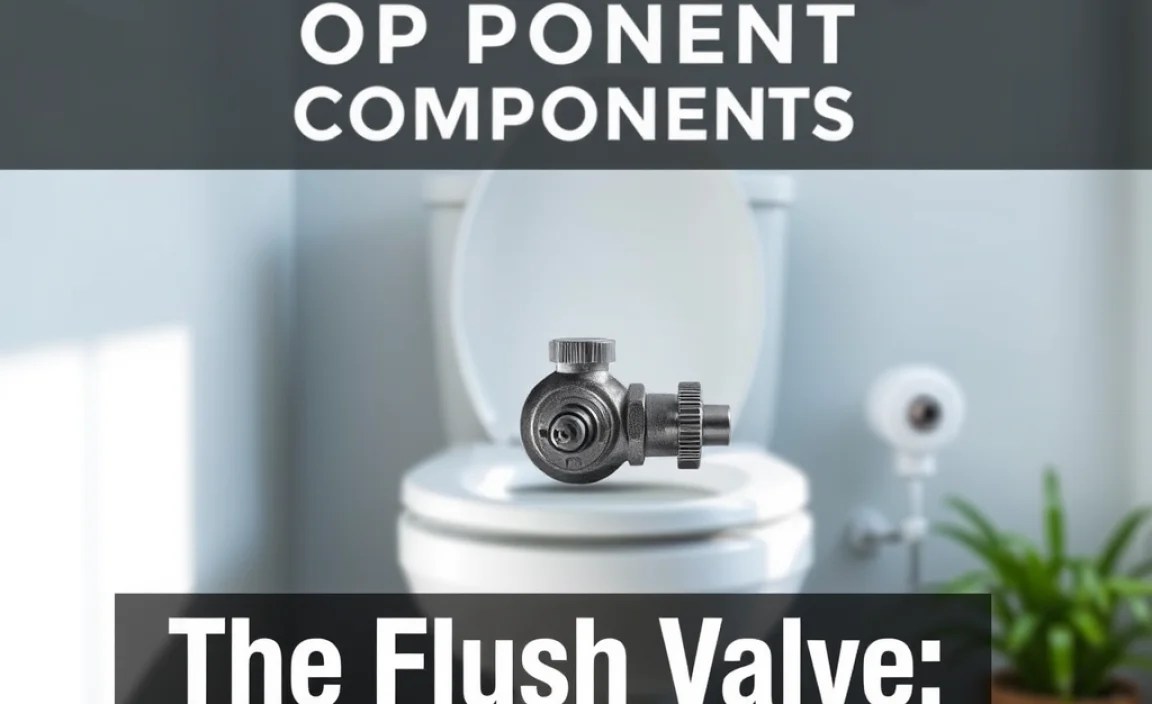
The flush valve is like the gatekeeper of the toilet. It controls when water leaves the tank. Located at the tank’s bottom, it opens to release water. This water cleans the bowl and carries waste away. The valve works together with the flapper. When the flapper lifts, the valve opens. This lets water rush through. Once the flapper closes, the valve seals the tank. This system is key to the toilet’s operation.
- The flush valve opens to release water.
- It works with the flapper to control flow.
- Located at the tank bottom.
- Ensures water cleans the bowl.
- Closes to seal the tank.
The flush valve’s size affects the flush’s power. Larger valves let more water through quickly. This can enhance cleaning efficiency. Some modern toilets use dual-flush valves. These offer different flush strengths. One for liquid waste, another for solid. The flush valve is a smart invention in toilet engineering.
Fun Fact or Stats: Dual-flush toilets can save around 67% more water compared to single-flush!
What Are Dual-Flush Valves?
Dual-flush valves are a smart addition to modern toilets. They offer two flushing options: one for liquids and one for solids. This helps save water. How? By using less water for liquid waste. The flush button usually has two parts. Press one for a half flush, both for a full flush. Isn’t it amazing how a simple choice can conserve so much water?
How Does The Flush Valve Affect Flushing?
The flush valve’s size matters. A larger valve lets more water flow at once. This can improve flushing power. It ensures the bowl is cleaned effectively. Modern toilets often have larger flush valves. This helps maintain efficiency while using less water. Have you ever thought about how valve size impacts performance? It’s a small detail with a big impact!
What Happens When the Flush Valve Fails?
If the flush valve fails, the toilet can’t flush properly. Water might keep running, wasting gallons. Or, the bowl might not clear completely. This can lead to unpleasant odors or clogs. Regular maintenance can prevent these problems. A simple check can ensure the flush valve works well. Isn’t it important to keep an eye on this tiny but essential part?
Plumbing Pipes: The Hidden Heroes

Hidden behind walls, plumbing pipes are heroes in a bathroom. They carry water to and from the toilet. Clean water flows in through one set of pipes. Wastewater leaves through another. These pipes connect the toilet to the main sewer line. A complex network of pipes ensures everything runs smoothly. Without them, toilets wouldn’t function! They are crucial components of a toilet in plumbing.
- Pipes carry clean water to the toilet.
- Wastewater leaves through separate pipes.
- Connects toilet to the main sewer line.
- Runs behind walls, out of sight.
- Ensure smooth toilet operation.
Plumbing pipes are made from durable materials. Common ones include PVC, copper, or steel. Each type offers different benefits. PVC is lightweight and easy to install. Copper is strong and resists corrosion. Steel is sturdy and long-lasting. Choosing the right pipe material is important for a reliable plumbing system.
Fun Fact or Stats: The Romans used lead pipes to supply water in ancient times!
What Are PVC Pipes?
PVC pipes are popular in modern plumbing. Why? Because they’re lightweight and easy to work with. PVC stands for polyvinyl chloride. These pipes don’t rust, unlike metal ones. They’re also easy to cut and join. This makes installation quicker and cheaper. Have you seen white plastic pipes in a hardware store? Those are usually PVC! Isn’t it cool how plastic pipes have transformed plumbing?
Why Are Copper Pipes Used?
Copper pipes have been used for decades. They’re known for their strength and longevity. Copper doesn’t rust, helping maintain water quality. It can handle high temperatures, making it suitable for hot water. These pipes might cost more, but they last longer. Have you ever heard of water pipes that last for generations? That’s copper for you!
How Do Pipes Connect to Toilets?
The connection between pipes and toilets is vital. A pipe at the back of the toilet brings clean water in. Another pipe at the bottom takes waste away. Special seals prevent leaks at these connections. It’s important they fit well to avoid water wastage. Ever thought about how these simple connections keep everything flowing smoothly?
The Role of Seals and Gaskets

Seals and gaskets play a key role in toilet plumbing. They prevent water from leaking. Seals are found where the toilet connects to the floor and pipes. Gaskets are used inside the tank and between parts. They ensure tight connections. Without them, toilets would leak, wasting water and causing damage. They’re small but mighty in the world of plumbing.
- Seals prevent leaks at floor connections.
- Gaskets ensure tight seals inside the tank.
- They stop water wastage.
- Prevent damage to floors and walls.
- Ensure efficient toilet operation.
Over time, seals and gaskets can wear out. This might cause leaks or inefficiencies. Regular checks and replacements help maintain them. Many are made from rubber, known for being flexible and water-resistant. Have you ever thought about how small parts can prevent big problems? That’s the beauty of seals and gaskets!
Fun Fact or Stats: A leaking toilet can waste up to 200 gallons of water a day!
What Are Toilet Seals?
Toilet seals play a vital role in preventing leaks. They are usually wax or rubber. These seals sit between the toilet base and the floor. They stop water from escaping when flushed. Over time, they can wear out and need replacing. Have you ever thought about how important a simple seal can be? It keeps your bathroom dry and clean!
How Do Gaskets Work?
Gaskets are like soft buffers that create tight seals. Found inside the toilet tank, they stop water from leaking between parts. They’re often made of rubber because it’s flexible and creates a snug fit. These gaskets need to be checked regularly. A worn gasket can cause leaks. Isn’t it amazing how such tiny pieces play a huge role in plumbing?
Why Are Leaks Bad?
Leaks are bad for many reasons. They waste water, leading to higher bills. Leaks can also cause damage to floors and walls. This leads to costly repairs. Toilets with leaks may not flush properly either. Regular checks can help find leaks early. Ever thought about how a tiny leak can lead to big problems? It’s important to fix them quickly!
Conclusion
Understanding the components of a toilet in plumbing helps us appreciate its complexity. From the tank to the pipes, each part has a role. These components work together for a simple flush. Knowing how they work can help us maintain toilets better. Next time you use a toilet, think of all the parts working in harmony!
FAQs
Question: What are the main components of a toilet?
Answer: The main components of a toilet include the tank, bowl, flush valve, and seals. Each part works together to ensure efficient flushing. Understanding these components of toilet in plumbing helps maintain and repair toilets.
Question: How does a toilet tank work?
Answer: The toilet tank holds water for flushing. When you press the flush handle, the flapper lifts. This releases water into the bowl, cleaning it. The fill valve then refills the tank for the next flush.
Question: What does the flush valve do?
Answer: The flush valve controls water flow from the tank to the bowl. It opens when the flapper lifts during a flush. This allows a rush of water to clean the bowl. It’s essential for effective flushing in plumbing.
Question: Why is the toilet bowl important?
Answer: The toilet bowl holds water and waste before flushing. Its design helps remove waste efficiently. The bowl connects to the plumbing system and has a smooth surface for cleaning. It’s a crucial part of the toilet.
Question: How do plumbing pipes work with toilets?
Answer: Plumbing pipes deliver clean water to the toilet and carry waste away. They connect the toilet to the main sewer line. Pipes are hidden behind walls but are essential for toilet operation and efficiency.
Question: What are seals and gaskets in a toilet?
Answer: Seals and gaskets prevent water leaks in toilets. Seals are between the toilet and the floor. Gaskets are inside the tank. They ensure tight connections and stop water wastage, helping toilets work efficiently.
