
Quick Summary: Tiles offer durability and aesthetics with essential components like the tile body, glaze, and adhesive. Alternatives like linoleum, vinyl, or wood flooring have their own unique structures and installation needs. Understanding these components ensures you choose the right material for your DIY project, ensuring lasting beauty and function.
Ever feel overwhelmed by the sheer number of choices when it comes to flooring or wall finishes? You’re not alone! Deciding between classic tiles and a host of other options can be confusing. This guide breaks down the key “components” of tiles and their popular alternatives in a way that makes sense for any DIY project. We’ll explore what makes each material tick, so you can feel confident picking the perfect finish for your home. Get ready to transform your space with simple, clear advice!
Understanding Tile Essentials: What You Need to Know
Tiles are a popular choice for a reason. They’re durable, easy to clean, and come in an endless array of styles. But what exactly is a tile? Let’s break down its core components.
1. The Tile Body
This is the foundation of your tile. Think of it as the tile’s bones. The material of the body significantly impacts the tile’s properties like strength, water absorption, and how it feels underfoot. Here are the most common tile body types:
- Ceramic: Made from a mix of clay, sand, and water, fired at high temperatures. It’s a versatile option, great for walls and low-traffic floors. Less dense ceramic tiles might not be ideal for wet areas or floors that see a lot of action.
- Porcelain: A type of ceramic, but made with denser clay and fired at even higher temperatures. This makes porcelain incredibly hard, dense, and less porous (meaning it absorbs very little water – great for bathrooms and kitchens!). You’ll often see it specified as “vitrified,” which indicates its glass-like, non-porous quality. For a deeper dive into the manufacturing and properties of porcelain, the American Ceramic Society offers excellent insights.
- Stone: Natural materials like marble, granite, slate, and travertine. Each brings unique beauty and characteristics. Stone tiles are generally very durable but can be porous and require sealing to protect against stains and moisture.
2. The Glaze and Finish
This is the decorative layer applied to the tile body. It’s what gives the tile its color, pattern, and texture. The glaze also adds a protective barrier.
- Glazed: The most common type. A glass-like coating is fused to the tile body. This makes it waterproof, stain-resistant, and easy to clean. The finish can be glossy, matte, or textured.
- Unglazed: The tile body itself is the finished surface. These tiles (like many natural stones or quarry tiles) often have a more natural, earthy look. They usually require sealing for protection.
- Through-body: For porcelain tiles, the color and pattern often extend all the way through the tile’s body. This means any chips or scratches are less noticeable because the color beneath is the same.
3. The Adhesive and Grout
These are crucial components, even though they aren’t part of the tile itself. They hold everything together and protect your installation.
- Tile Adhesive (Thin-set Mortar/Tile Mastic): This is what sticks the tile to your subfloor or wall.
- Thin-set Mortar: A cement-based adhesive mixed with water or latex. It’s what professionals usually recommend for wet areas and heavy-duty applications because it creates a strong, waterproof bond.
- Tile Mastic: A pre-mixed, glue-like adhesive. It’s easier to use but generally not recommended for areas exposed to moisture or heavy traffic.
- Grout: The material that fills the spaces (grout lines) between tiles.
- Cementitious Grout: The most common type, made from Portland cement. It can be sanded (for wider gaps) or unsanded (for narrower gaps). It’s porous and usually needs to be sealed.
- Epoxy Grout: More expensive but highly durable, stain-resistant, and waterproof. It’s a great choice for busy kitchens or bathrooms.
Popular Alternatives: What Makes Them Different?
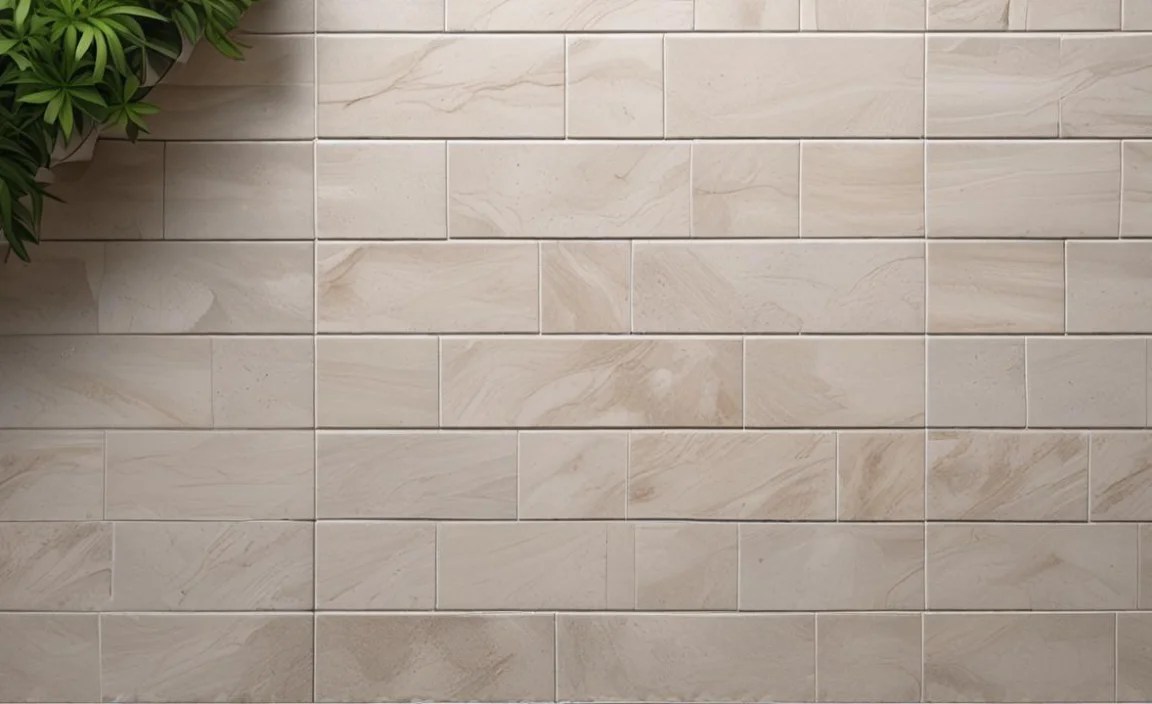
While tiles are fantastic, there are many other great flooring and wall covering options. Let’s explore some popular alternatives and their unique components and characteristics.
1. Vinyl Flooring
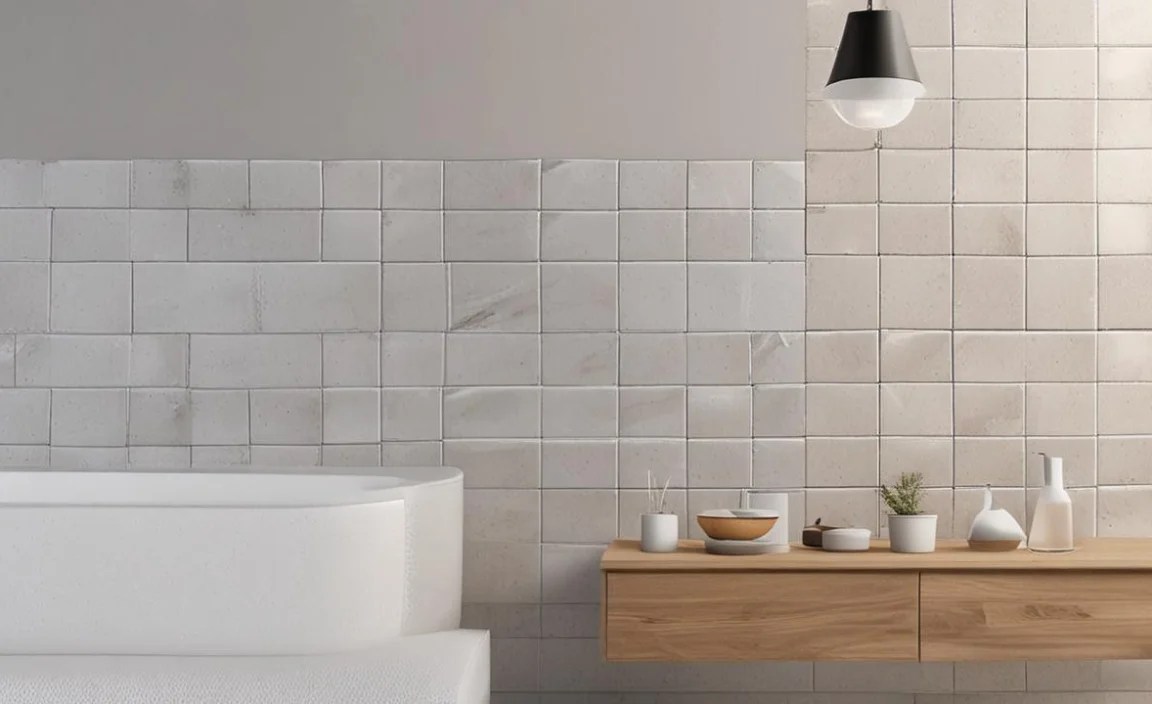
Vinyl is a champion of practicality and affordability. It’s a synthetic material that has come a long way in terms of style and durability.
- Luxury Vinyl Tile (LVT) & Plank (LVP): These are highly popular and mimic the look of wood or stone. Their structure is typically:
- Wear Layer: The top protective coating that resists scratches and scuffs. Thicker wear layers mean more durability.
- Design Layer: This is the printed film that gives the vinyl its realistic wood or stone appearance.
- Core Layer: The bulk of the vinyl, providing stability and structure. This can vary from solid vinyl to stone-plastic composite (SPC) or wood-plastic composite (WPC) for enhanced rigidity and water resistance.
- Backing Layer: Provides cushioning and moisture resistance. Some vinyl has an attached underlayment for added comfort and sound dampening.
- Sheet Vinyl: Comes in large rolls. It’s typically made of multiple layers laminated together, offering a continuous, waterproof surface. It’s very budget-friendly and good for kitchens and bathrooms.
2. Laminate Flooring
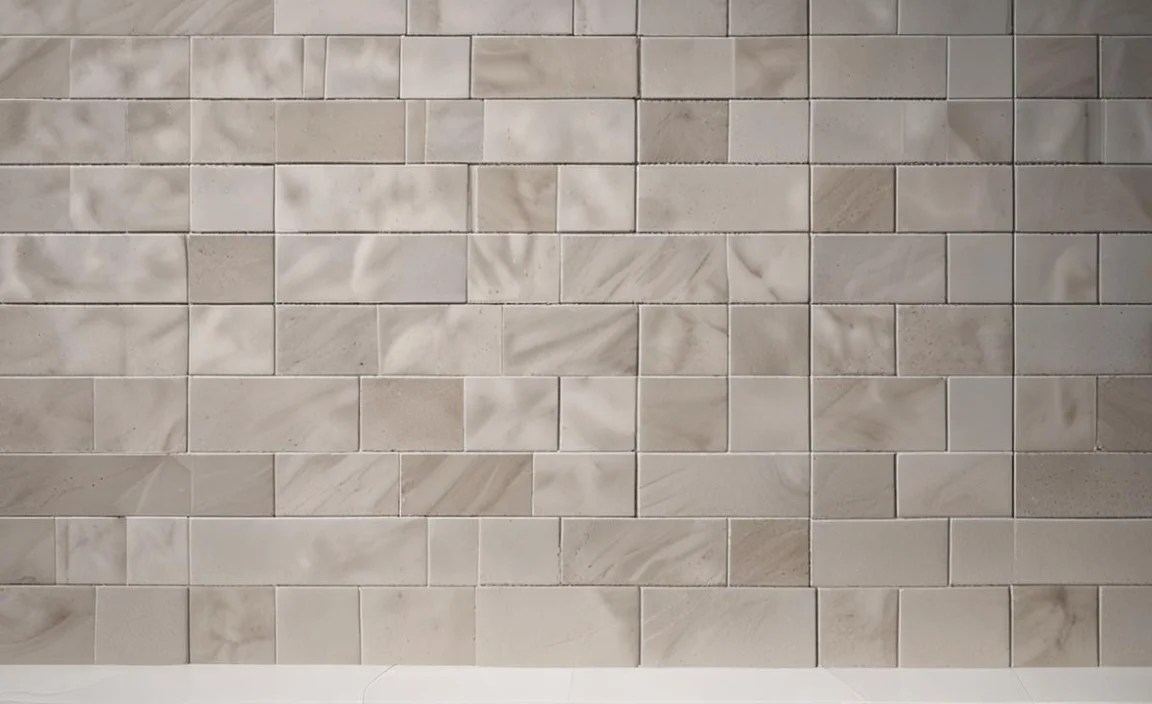
Laminate flooring offers the look of wood or stone at a more accessible price point. It’s constructed in layers, with a photographic image providing the visual appeal.
- Wear Layer: A clear, tough topcoat that protects against scratches, fading, and stains.
- Design Layer: A high-resolution photographic image that mimics wood, stone, or tile.
- Core Layer: Made from high-density fiberboard (HDF) or medium-density fiberboard (MDF), providing stability and impact resistance.
- Backer Layer: A moisture-resistant layer that balances the core and prevents warping.
Important Note: While laminate can look like wood, its core is wood composite. This means it’s not waterproof and should be kept away from excessive moisture. For water-prone areas, look for water-resistant laminate options.
3. Engineered Wood Flooring
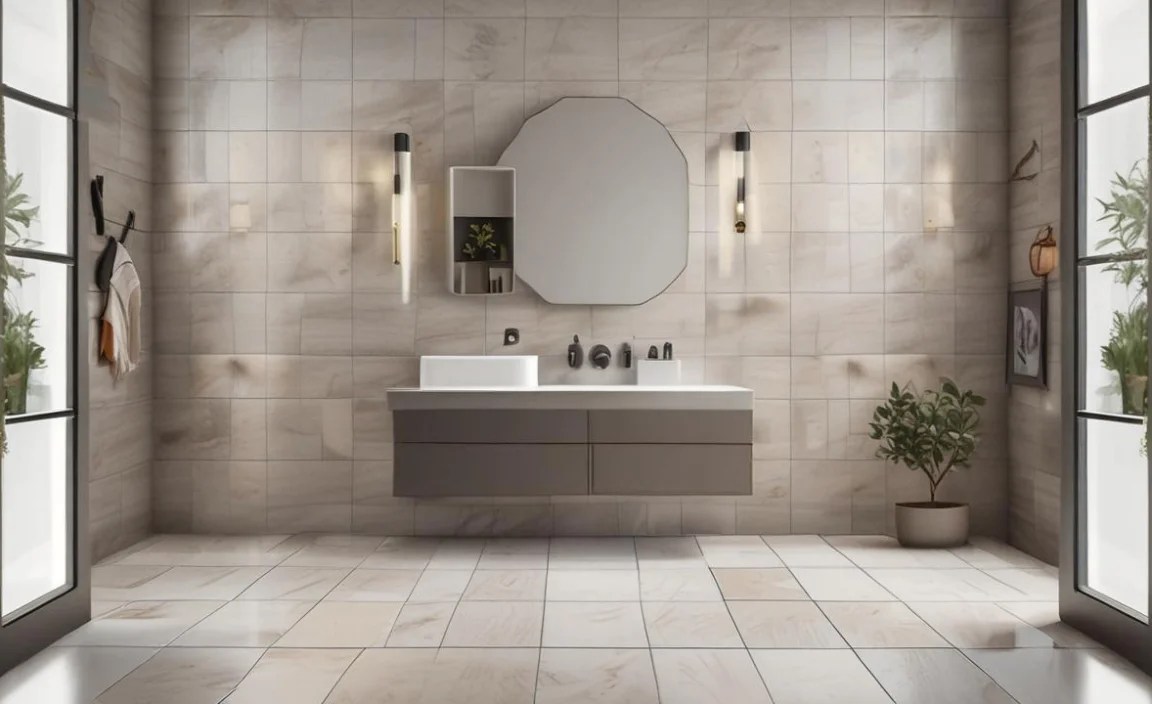
This is a fantastic compromise between the classic beauty of hardwood and improved stability. It’s composed of layers bonded together.
- Wear Layer (Veneer): The top layer of real hardwood (oak, maple, etc.) that you see and feel. The thickness of this layer determines how many times it can be sanded and refinished.
- Core Layers: Multiple layers of plywood or HDF are cross-laminated underneath the veneer. This construction makes engineered wood more stable and less prone to expanding or contracting with changes in humidity compared to solid hardwood.
- Backer Layer: The bottom layer, often a balancing veneer, which further enhances stability.
Engineered wood can be installed on, above, or below grade and is often compatible with radiant heating systems. For more on flooring types and their installation complexities, the National Association of Home Builders (NAHB) provides great homeowner-focused advice.
4. Natural Stone vs. Engineered Stone
Both offer the elegance of stone, but their composition differs significantly.
- Natural Stone: Quarried directly from the earth. Think marble, granite, slate, travertine.
- Pros: Unique natural beauty, high durability, can increase home value.
- Cons: Can be expensive, porous (requires sealing), heavy, can be slippery when wet, requires specialized tools for cutting.
- Engineered Stone (Quartz): Made from crushed natural quartz crystals (up to 90%) mixed with resins and pigments.
- Pros: Extremely durable, non-porous (stain and bacteria resistant, no sealing needed), consistent appearance, scratch and heat resistant.
- Cons: Can be more expensive than some natural stones, seams can be visible, less resistant to extreme heat than granite.
5. Concrete Flooring
Polished or stained concrete is a modern and robust option, especially for basements or garages, but increasingly popular in living spaces too.
- The Concrete Slab: This is the structural foundation itself, usually a mix of cement, aggregate (sand and gravel), and water.
- Finishes: Concrete floors can be left as-is, polished to varying degrees of sheen, stained to add color, or even sealed with epoxy for extra protection and a glossy look.
- Sealants: Crucial for protecting against stains and moisture, especially if the concrete is not naturally dense or if you want to add color.
Concrete is poured in place, so its “components” are integral to its structure. Its durability and ability to be customized make it a compelling alternative.
Comparing Components at a Glance
Let’s put some of this information into a quick comparison table to help you see the differences clearly.
| Material Type | Primary Structural Components | Key Protective/Decorative Layer | Installation Essentials | Common Use Cases |
|---|---|---|---|---|
| Ceramic Tile | Clay, Sand, Water (fired) | Glaze (various finishes) | Thin-set mortar or mastic, Grout | Walls, Floors (low to moderate traffic) |
| Porcelain Tile | Denser Clay, Feldspar (fired) | Glaze (often through-body color) | Thin-set mortar, Grout | Floors (high traffic), Bathrooms, Kitchens |
| Natural Stone Tile | Quarried Stone (e.g., Marble, Granite) | Polished or natural surface, Sealant needed | Thin-set mortar, Grout, Sealant | Floors, Walls, Countertops (requires sealing) |
| Luxury Vinyl Plank (LVP) | Vinyl core (often composite – SPC/WPC) | Wear layer, Printed Design layer | Click-lock (floating), Adhesive (glue-down) | Floors ( kitchens, bathrooms, living areas) |
| Laminate Flooring | High-Density Fiberboard (HDF) core | Wear layer, Photographic design layer | Click-lock (floating) | Floors (living areas, bedrooms – avoid moisture) |
| Engineered Wood | Plywood/HDF core layers | Real hardwood veneer | Nails, staples, glue, or floating click-lock | Floors (any level, various rooms) |
| Concrete | Cement, Aggregate, Water (slab) | Polished finish, Stain, Sealant, or Epoxy | N/A (structural); Sealant for finish | Floors (basements, garages, modern living spaces) |
Pros and Cons: Tiles vs. Alternatives
Making the right choice involves weighing the benefits and drawbacks for your specific situation.
Tile: The Pros
- Extreme Durability: Especially porcelain and natural stone, they can last for decades.
- Water Resistance: Many tiles, particularly porcelain, are excellent in wet environments.
- Easy Maintenance: Simple to clean spills and dirt.
- Aesthetic Variety: Available in countless colors, patterns, and textures.
- Resale Value: High-quality tile installations can add value to a home.
- Excellent for Radiant Heating: Tiles transfer heat efficiently.
Tile: The Cons
- Hardness: Can be hard on the feet and prone to cracking if heavy objects are dropped.
- Cold Underfoot: Can feel cold unless paired with underfloor heating.
- Installation Complexity: Often requires specialized tools and knowledge, though DIY is possible.
- Grout Maintenance: Grout lines can stain and require sealing and cleaning.
- Cost: Some natural stones and high-end porcelain can be expensive.
Alternatives: The Pros
- Ease of Installation (Many): Vinyl planks and laminate often feature DIY-friendly click-lock systems.
- Comfort Underfoot: Vinyl, laminate, and engineered wood tend to be warmer and softer than tile.
- Cost-Effectiveness: Many alternatives are more budget-friendly than tile.
- Water Resistance (Some): Vinyl flooring is generally waterproof, making it ideal for kitchens and bathrooms.
- Aesthetics: Excellent replication of natural materials like wood and stone.
Alternatives: The Cons
- Durability Varies: The wear layer on vinyl and laminate can scratch or fade over time, especially in high-traffic areas.
- Moisture Sensitivity (Some): Laminate core can swell if exposed to excessive moisture.
- Repairability: Damaged planks or pieces can be more difficult to replace seamlessly than individual tiles.
- Resale Value: While improving, some alternatives may not add as much perceived value as quality tile.
- “Hollow” Sound: Some floating floors can have a less solid feel or sound compared to tile.
Choosing the Right Material for Your DIY Project
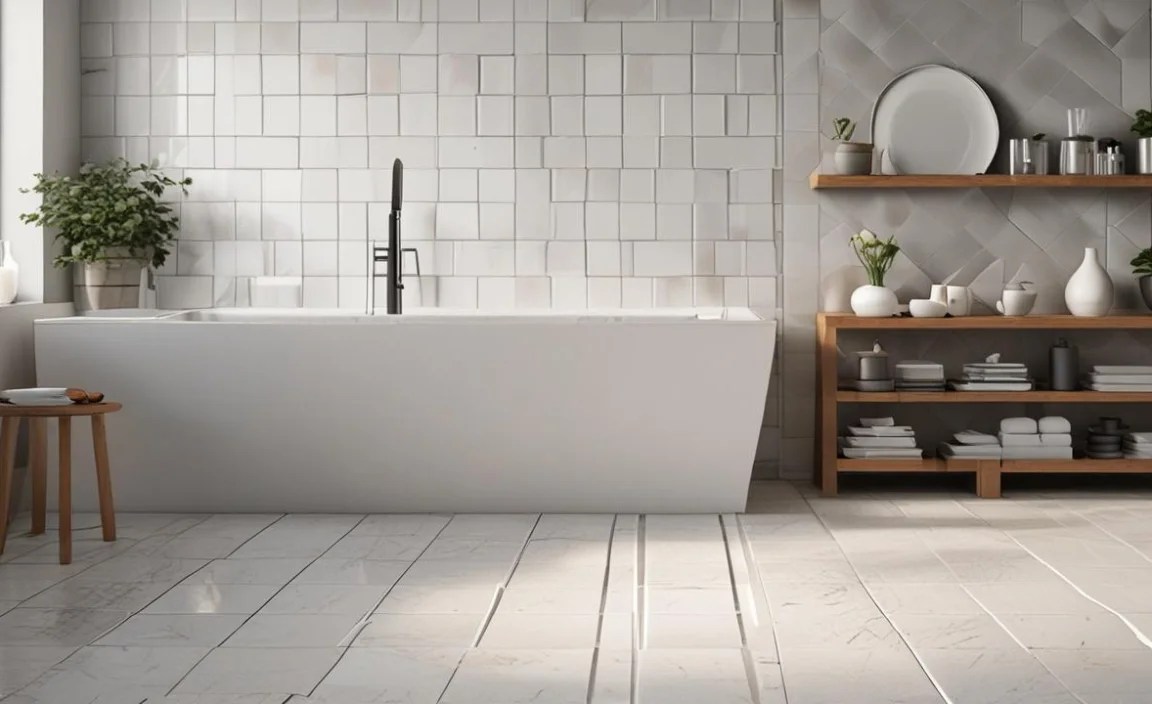
When you’re standing in the store or browsing online, thinking about the “components” can help you make a smart decision. Consider these questions:
- Where will it be installed? High-moisture areas like bathrooms and kitchens demand water-resistant materials. High-traffic zones need durable wear layers or dense bodies.
- What’s your budget? Factor in not just the material cost but also the adhesive, grout, underlayment, and any special tools you might need.
- What’s your DIY skill level? Click-lock systems (like some vinyl and laminate) are generally easier for beginners than mortar-based tile installation.
- What look are you going for? Do you want the authentic feel of natural stone, the warmth of wood, or the sleekness of modern tile?
- How much maintenance are you willing to do? Natural stone needs sealing, some grout needs regular cleaning, while vinyl often just needs a quick wipe-down.
FAQ: Tile Components & Alternatives
Q1: What’s the biggest difference between ceramic and porcelain tile components?
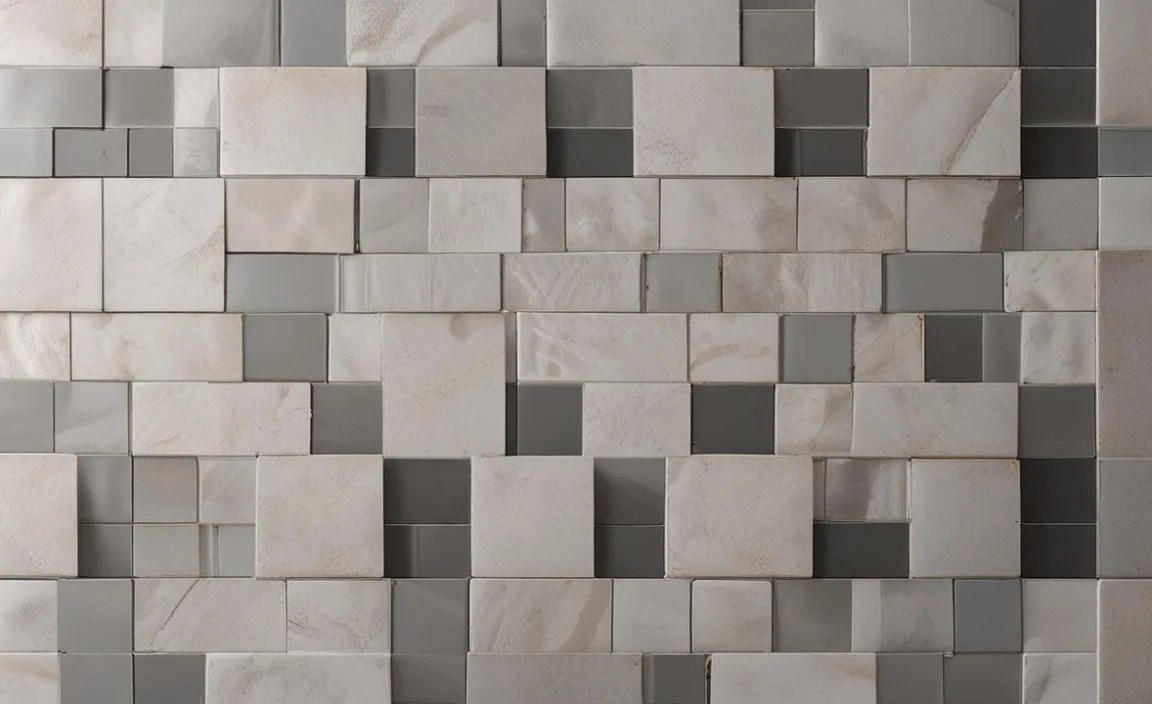
A1: Porcelain tiles are made from denser clay and fired at higher temperatures, making them harder, denser, and much less porous (water absorbent) than ceramic tiles. This makes porcelain ideal for floors and wet areas.
Q2: Is vinyl flooring really waterproof?
A2: Most modern vinyl flooring, especially Luxury Vinyl Tile (LVT) and Plank (LVP), is waterproof. The material itself doesn’t absorb water, and many have a waterproof core. However, always check the specific product details, and ensure joints are sealed if it’s not a click-lock system.
Q3: Can I install tile over my existing floor?

A3: Often, yes! The key is
