
Quick Summary: An exhaust fan is a home appliance designed to remove stale air, moisture, odors, and pollutants from a room by venting them outside. They are crucial for maintaining healthy indoor air quality and preventing moisture-related issues like mold and mildew.
Ever feel that lingering smell in the kitchen after cooking, or notice a foggy bathroom that just won’t clear? That’s where an exhaust fan comes in, and understanding what it is and how it works is simpler than you might think! These unsung heroes of your home quietly work to make your living spaces fresher and healthier. They’re not complicated gadgets; they’re essential tools for good airflow.
This guide is designed to break down everything you need to know about exhaust fans, from their basic definition to their importance in your home. We’ll make sure you feel confident about managing and benefiting from these handy devices.
What Exactly Is An Exhaust Fan?

At its core, the definition of an exhaust fan for beginners is straightforward: it’s a ventilation device that pulls unwanted air out of a space and pushes it outside. Think of it like a tiny, dedicated wind tunnel for your home!
Unlike ceiling fans that just move air around within a room, exhaust fans are designed to remove air. They accomplish this by creating a gentle suction that draws air through a vent and expels it through an exterior duct. This process is vital for controlling various indoor air problems.
Why Are Exhaust Fans So Important for Your Home?

The importance of exhaust fans often gets overlooked until a problem arises. They play a critical role in:
- Removing Moisture: This is perhaps their most well-known function. In kitchens and bathrooms, cooking, showering, and even breathing release a lot of water vapor. Without an exhaust fan, this moisture can condense on surfaces, leading to mold and mildew growth.
- Eliminating Odors: Cooking smells, pet odors, and bathroom odors can quickly make a home unpleasant. Exhaust fans effectively whisk these away before they can settle into furniture or fabrics.
- Improving Air Quality: Beyond moisture and odors, exhaust fans help remove airborne pollutants like dust, cooking fumes, and chemicals from cleaning products. This contributes to a healthier indoor environment, which is especially important for people with allergies or respiratory issues.
- Preventing Structural Damage: Persistent moisture trapped indoors can damage paint, drywall, wood, and even insulation over time. Proper ventilation with an exhaust fan helps protect your home’s structure.
The U.S. Environmental Protection Agency (EPA) recommends proper ventilation as a key strategy for improving indoor air quality. <a href=”https://www.epa.gov/indoor-air-quality-iaq/residential-air-cleaning-and-filtration–home” target=”_blank”>Learn more about improving indoor air quality on the EPA website.
Common Places You’ll Find Exhaust Fans

Exhaust fans are strategically placed in areas of the home where moisture and odors are most likely to accumulate. The most common locations include:
1. Bathrooms
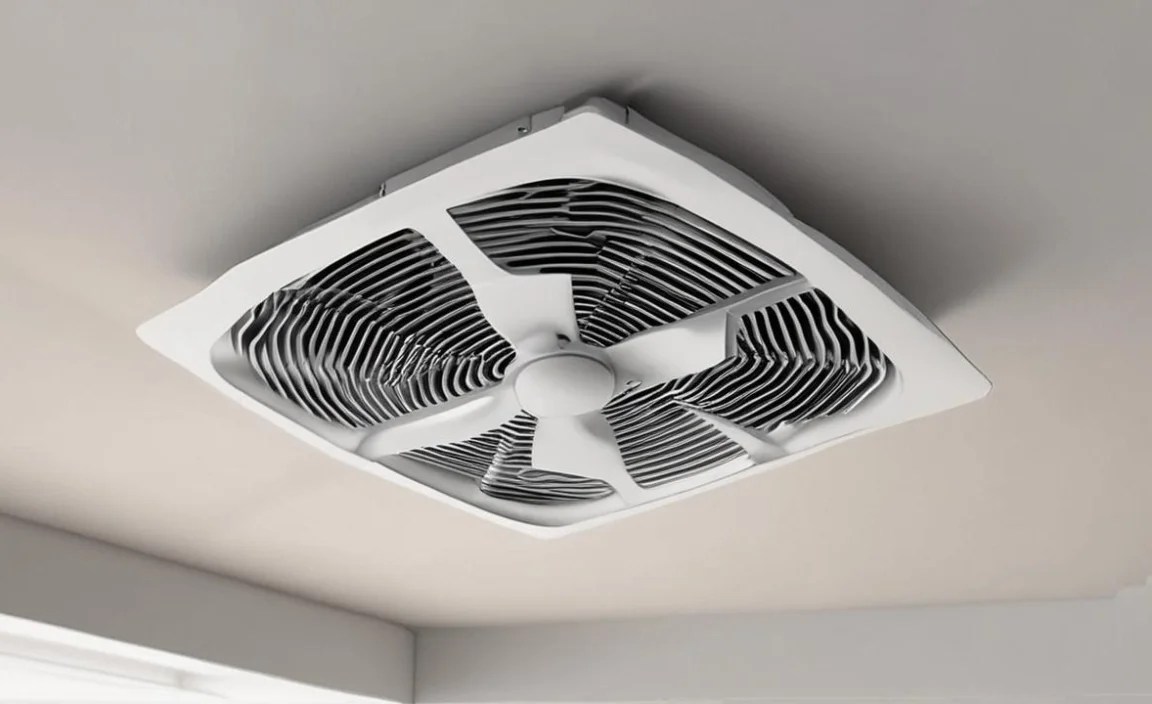
This is probably the most familiar spot for an exhaust fan. After a shower or bath, steam fills the air. A bathroom exhaust fan is essential for removing this moisture to:
- Prevent mildew and mold growth on walls, ceilings, and in grout.
- Stop mirrors from fogging up excessively.
- Quickly clear out any unpleasant odors.
2. Kitchens
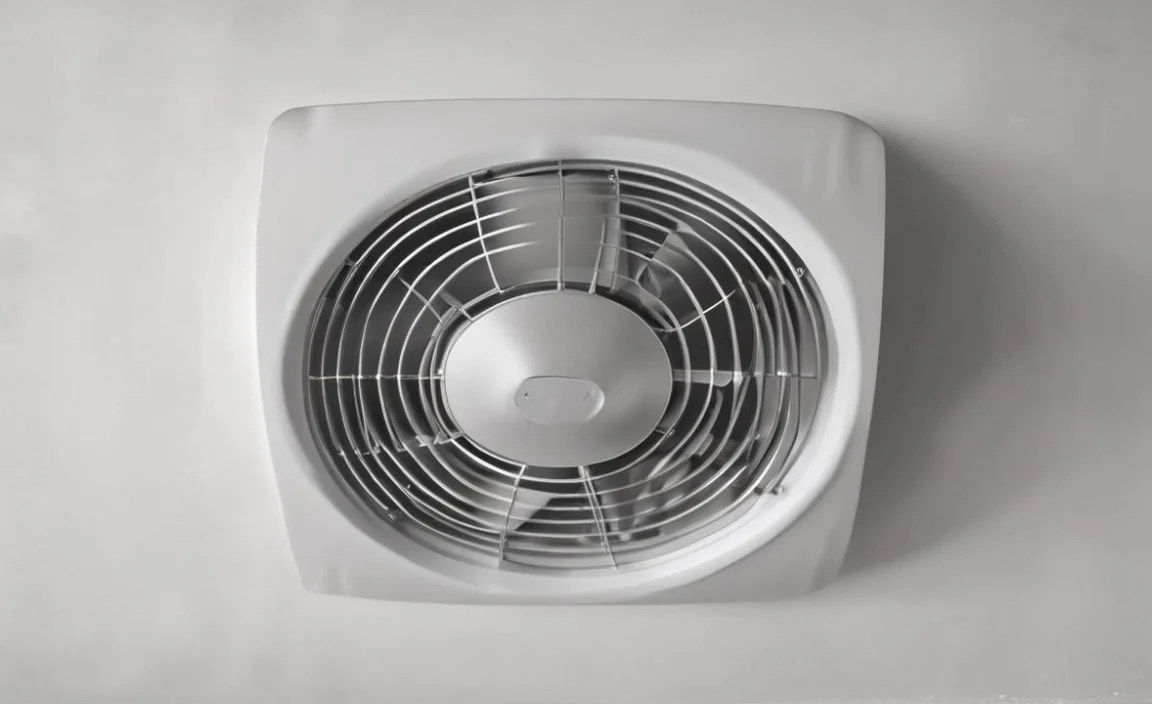
Kitchens generate a lot of heat, steam, and cooking fumes. A kitchen exhaust fan, often integrated into a range hood, helps to:
- Remove smoke, grease particles, and cooking odors from the air.
- Reduce the overall humidity in the kitchen.
- Prevent grease buildup on cabinets and appliances.
Some kitchen exhaust fans are vented to the outside, while others simply recirculate air through a filter. Vented fans are generally more effective at removing moisture and pollutants.
3. Laundry Rooms
While less common than in bathrooms or kitchens, some laundry rooms benefit from an exhaust fan. Washing machines can add humidity, and dryers (especially older ones) might not vent all their moisture outside effectively. An exhaust fan here can help:
- Control humidity levels.
- Prevent musty smells from developing.
4. Garages and Workshops
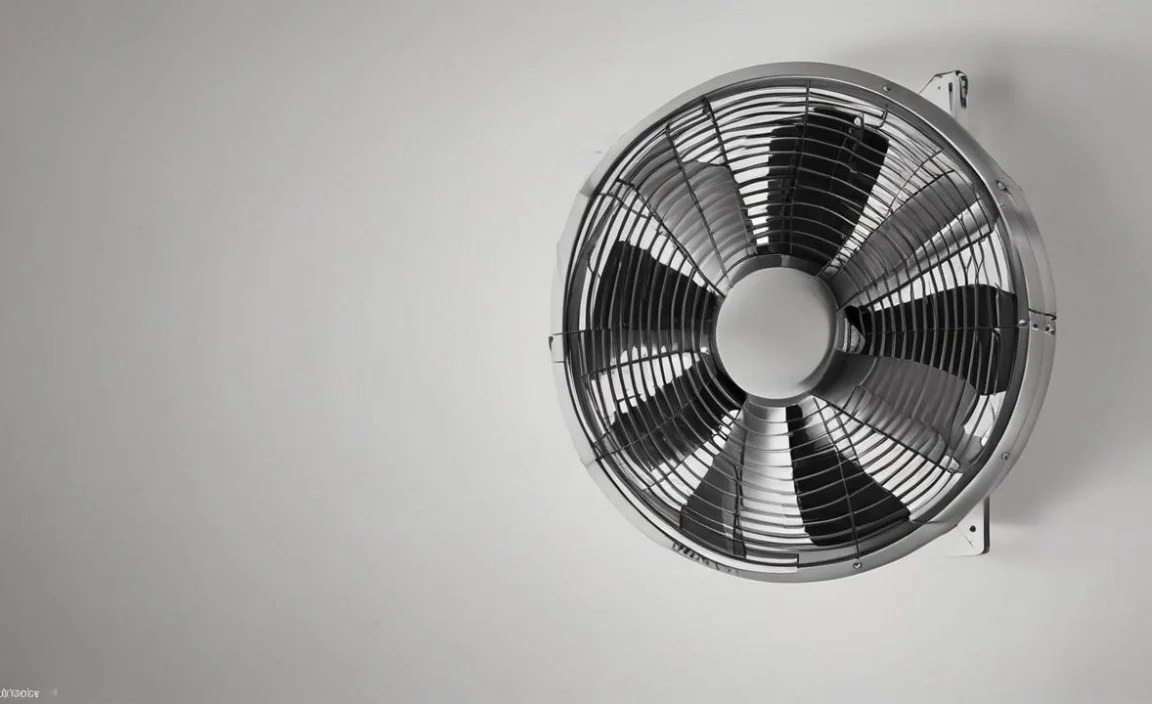
In these areas, exhaust fans can be used to vent out fumes from cars, solvents, paints, or other chemicals, improving safety and air quality.
Types of Exhaust Fans

Exhaust fans come in various forms, each suited for different applications. Understanding these types can help you choose the right one if you ever need to replace or install one.
1. Axial Fans
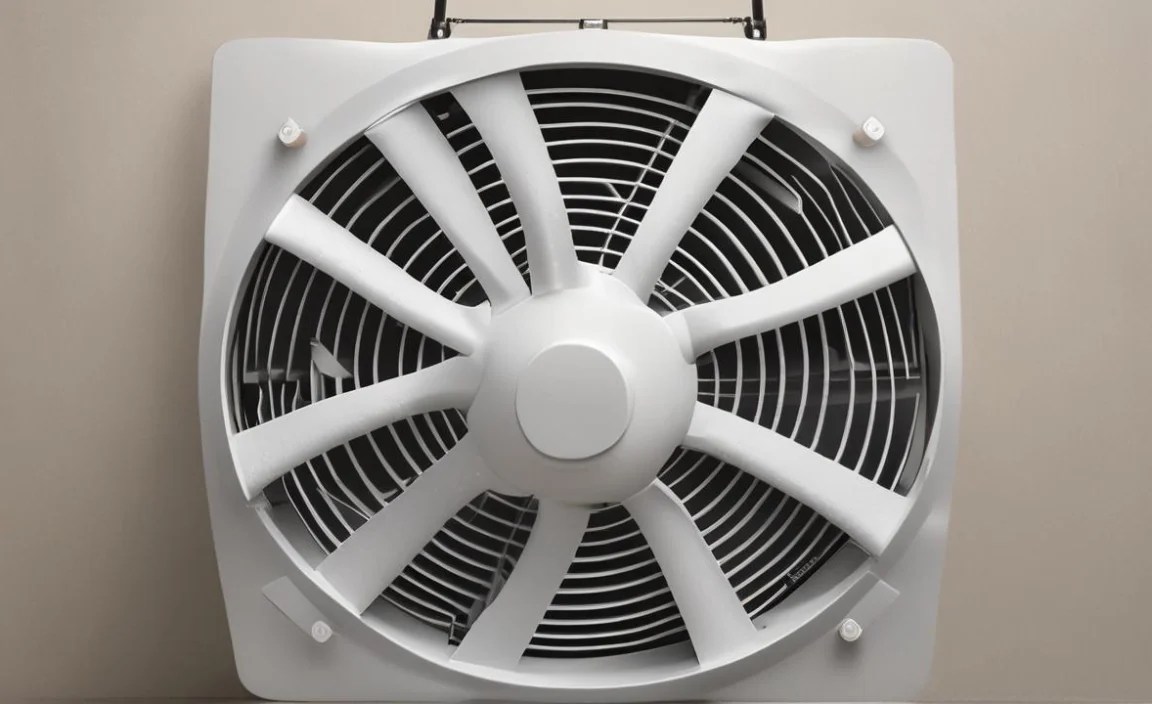
These are the most common type. Air is drawn in parallel to the fan’s shaft and then expelled in the same direction. Think of a typical bathroom or kitchen fan. They are good for general ventilation where airflow volumes aren’t extremely high but ducting runs are relatively short and straight.
2. Centrifugal Fans (Blower Fans)

These fans use a rotating impeller to force air outwards at a right angle to the intake. They can handle higher static pressures, meaning they are more effective at moving air through longer or more restrictive ductwork (like systems with bends). You’ll often find these in more powerful kitchen hoods or specialized industrial applications.
3. Inline Exhaust Fans
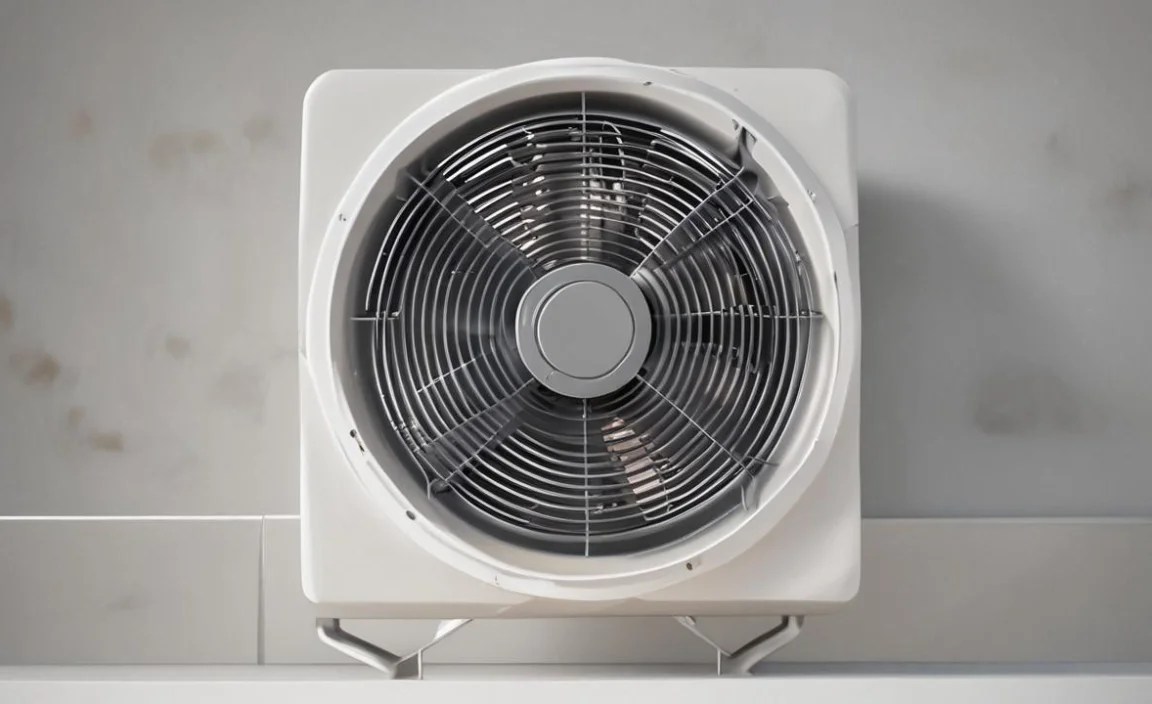
These fans are mounted in the ductwork itself, away from the room they serve. This can be a great solution for:
- Minimizing noise in the room (the fan unit is often in an attic or crawl space).
- Achieving stronger airflow, as they are often more powerful than typical wall-mounted fans.
- Ventilating multiple areas with a single, more robust system.
4. Through-the-Wall Fans
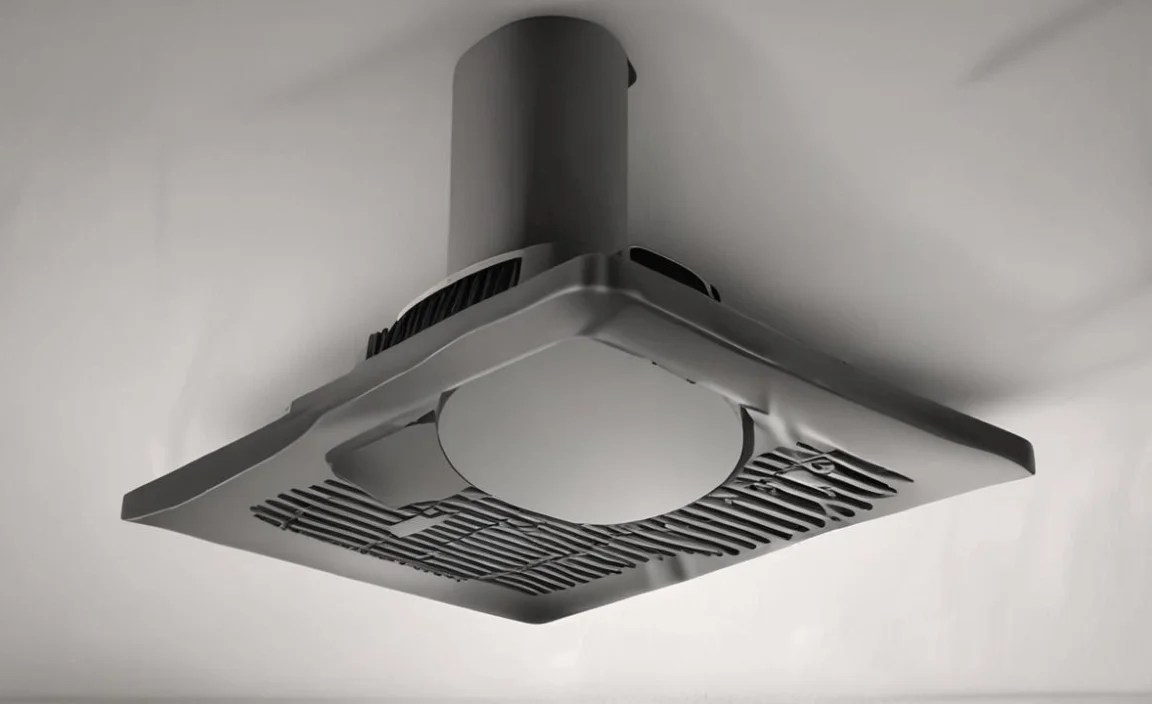
As the name suggests, these fans are installed directly through an exterior wall. They are often used in areas without existing ductwork, like garages or older homes. They provide a direct path for air to be expelled outside.
5. Window Fans
While often used for intake (bringing fresh air in), some window fans can be set to an exhaust mode to pull stale air out. They are a temporary or easy solution for temporary ventilation needs.
How Does An Exhaust Fan Actually Work?
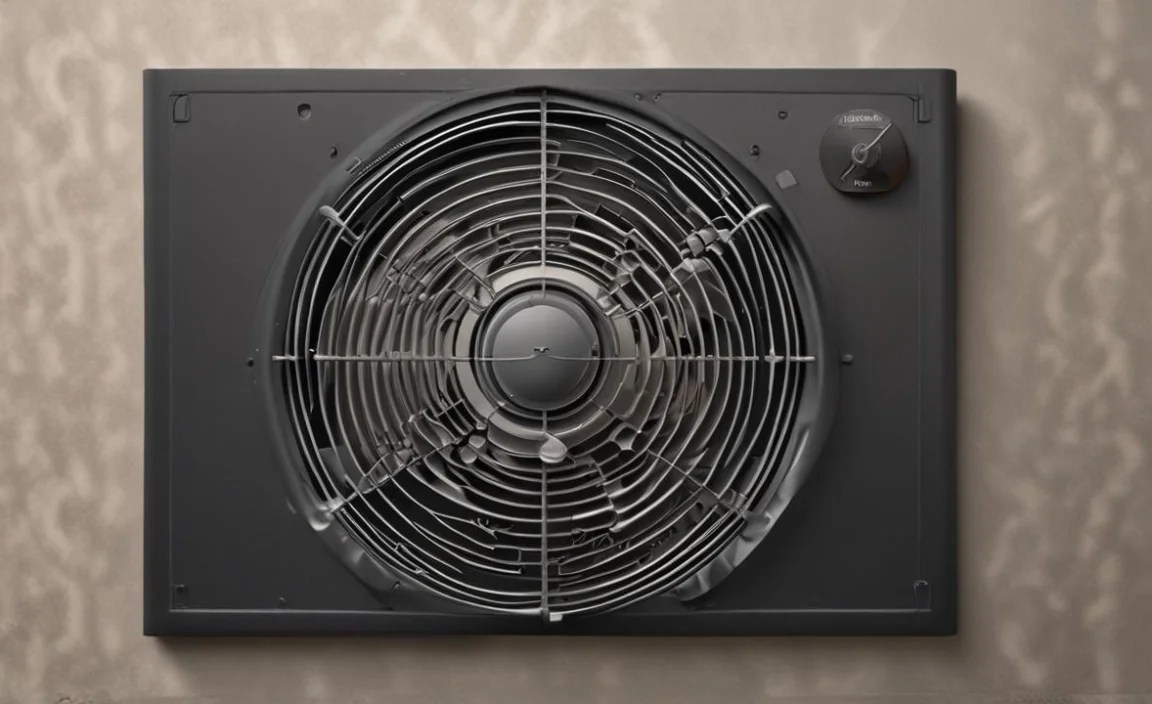
It’s a simple but effective process. Here’s a breakdown:
- Motor and Blades: At the heart of every exhaust fan is a motor connected to fan blades.
- Airflow Creation: When powered on, the motor spins the blades. The shape and angle of the blades are designed to push air away from them.
- Creating Negative Pressure: As the fan pushes air out, it creates a slightly lower pressure inside the room compared to the outside. This difference in pressure naturally draws more air into the room to equalize it, and the fan continues to expel this air.
- Venting Outside: The air that is pushed out by the fan is directed through a duct system that leads to an exterior vent cover on your house. This ensures that the moist, stale, or odorous air is completely removed from your living space.
Many exhaust fans also have features like dampers, which are little doors that automatically close when the fan is off. This prevents outside air, insects, or even unwanted drafts from coming back into your home through the vent.
Key Components of an Exhaust Fan System

A typical exhaust fan setup involves a few key parts working together:
- The Fan Unit: This is the visible part, usually a grill covering the motor and fan. It’s what you see in your bathroom or kitchen ceiling.
- The Motor: The powerhouse that drives the fan blades.
- Fan Blades: The spinning components that move the air.
- Ductwork: The tube or pipe that carries the air from the fan unit to the outside. This can be made of flexible or rigid material.
- Exterior Vent Cap: The cover on the outside of your house that allows air to escape and often includes a backdraft damper and a screen to keep pests out.
For optimal performance, proper sizing and installation of these components are crucial. Factors like duct length, the number of bends, and the CFM (Cubic Feet per Minute) rating of the fan all play a role. If you’re considering a new installation, consulting resources from organizations like HVAC.edu can provide valuable insights into ventilation systems.
Understanding Fan Ratings: CFM and Sones
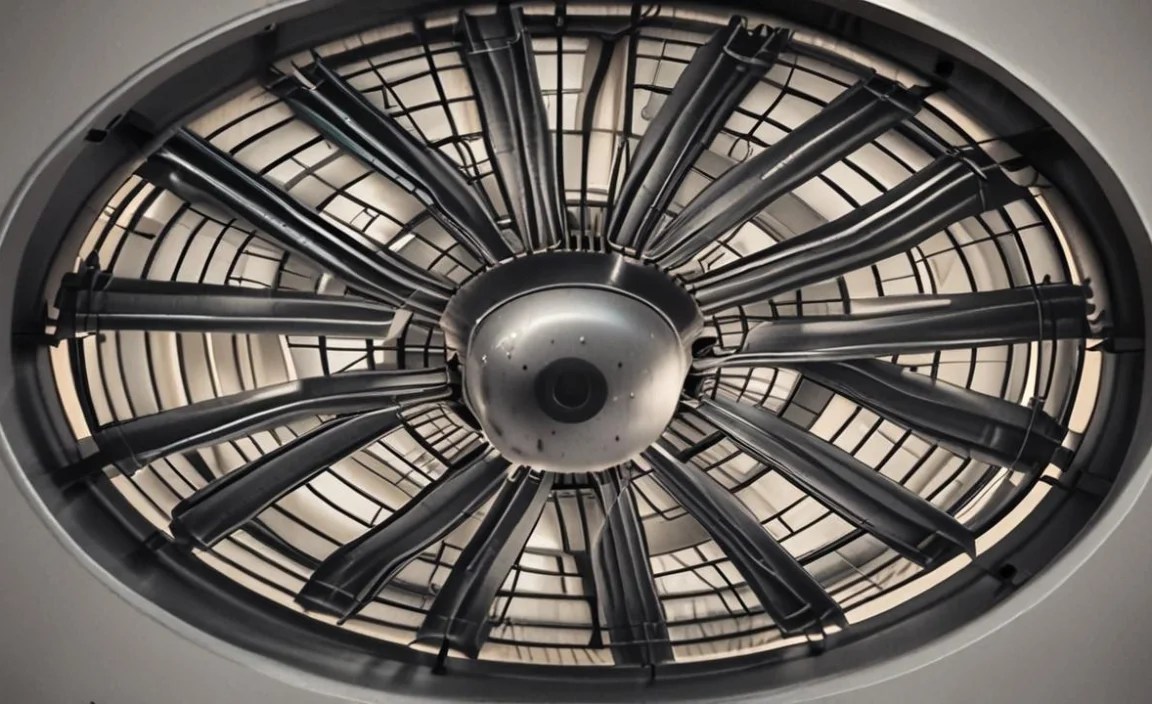
When you’re looking at exhaust fans, you’ll often see two key ratings: CFM and Sones. Don’t let them intimidate you!
CFM (Cubic Feet per Minute)
Definition: CFM measures the volume of air an exhaust fan can move per minute. It tells you how powerful the fan is in terms of airflow capacity.
Why it matters: A higher CFM means the fan can remove more air and moisture from a room more quickly. The right CFM depends on the size of the room. Too low, and it won’t be effective; too high, and it might be overkill and potentially create drafts.
General Guideline (for bathrooms): Aim for at least 1 CFM per square foot of bathroom floor space. For a 100 sq ft bathroom, a 100 CFM fan is a good starting point. Larger bathrooms or those with separate tubs/showers may need higher CFM.
Sones
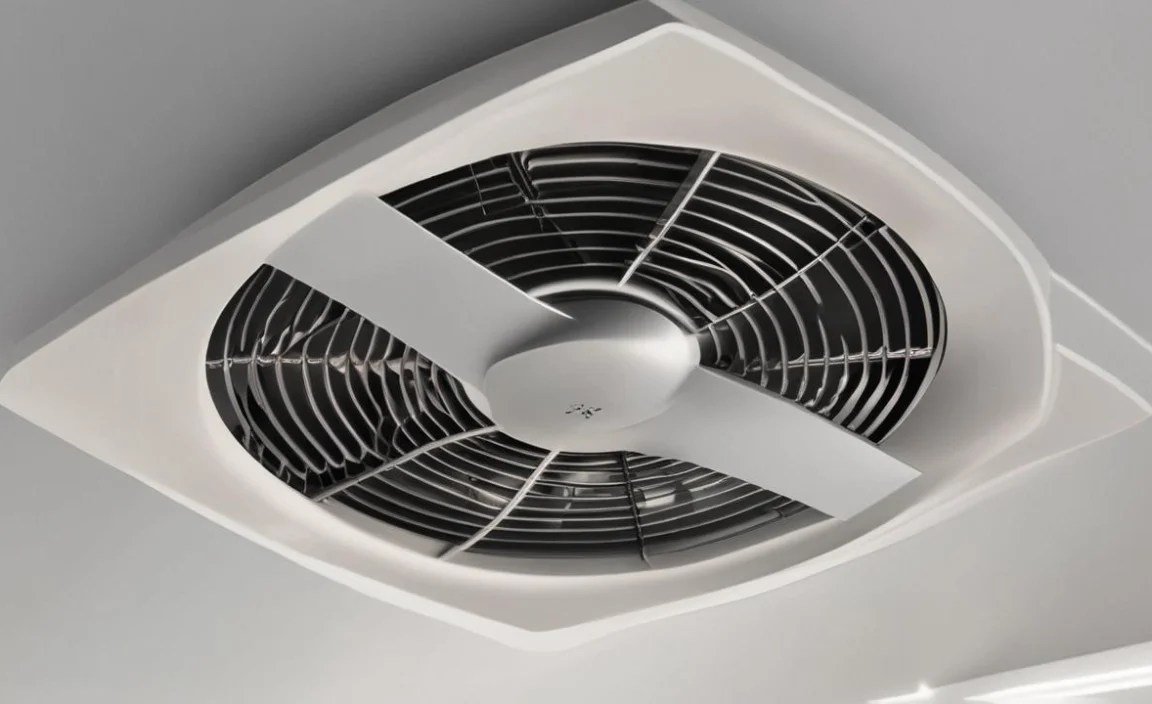
Definition: Sones measure how loud a fan is. It’s a unit of perceived loudness.
Why it matters: Lower sone ratings mean a quieter fan. A fan rated at 1.0 sone is considered very quiet, while a fan rated at 4.0 sones will be noticeably louder. In bathrooms, especially those close to bedrooms, a quiet fan is often preferred.
Table: Understanding Fan Ratings
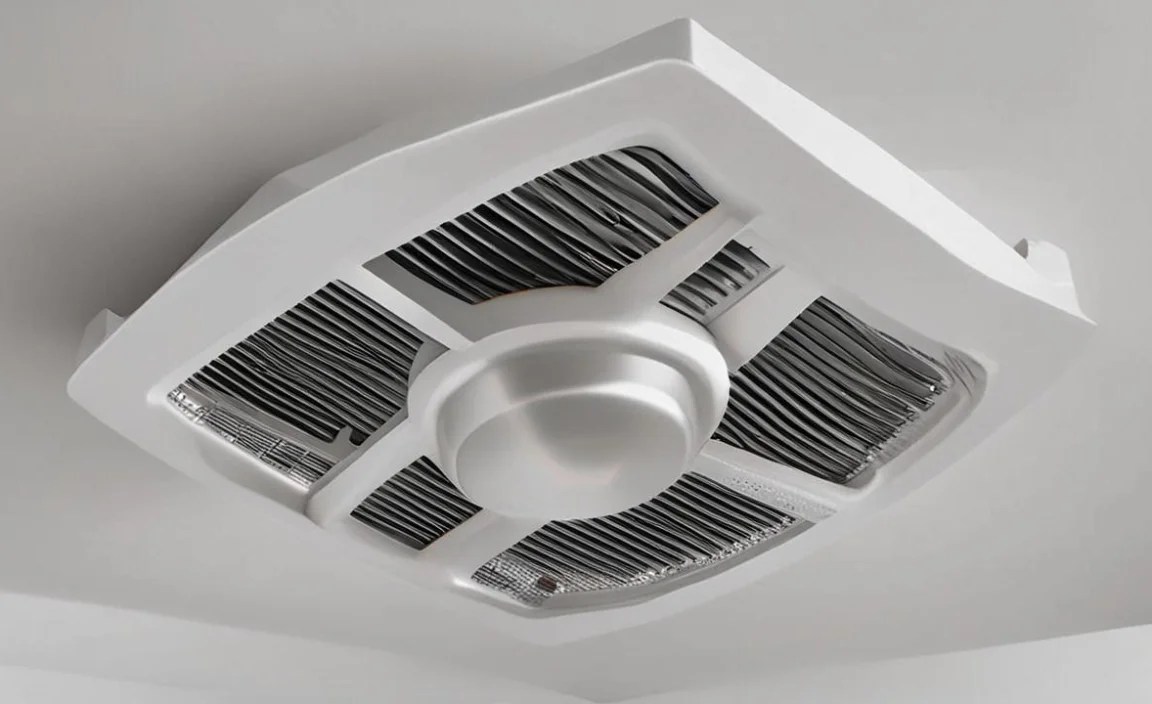
| Rating | What it Measures | For Beginners | Ideal Range (General Recommendation) |
|---|---|---|---|
| CFM (Cubic Feet per Minute) | Airflow volume | How much air the fan can move (power) | Bathroom: 50-110 CFM (depending on size). Kitchen: 100-400+ CFM (depending on stove type). |
| Sones | Sound level | How loud the fan is (quietness) | Bathroom: 1.0 to 2.0 Sones is generally considered quiet. |
Choosing a fan with an appropriate CFM ensures effective ventilation, while a low sone rating ensures comfort. It’s a balance!
Installation Basics for Beginners
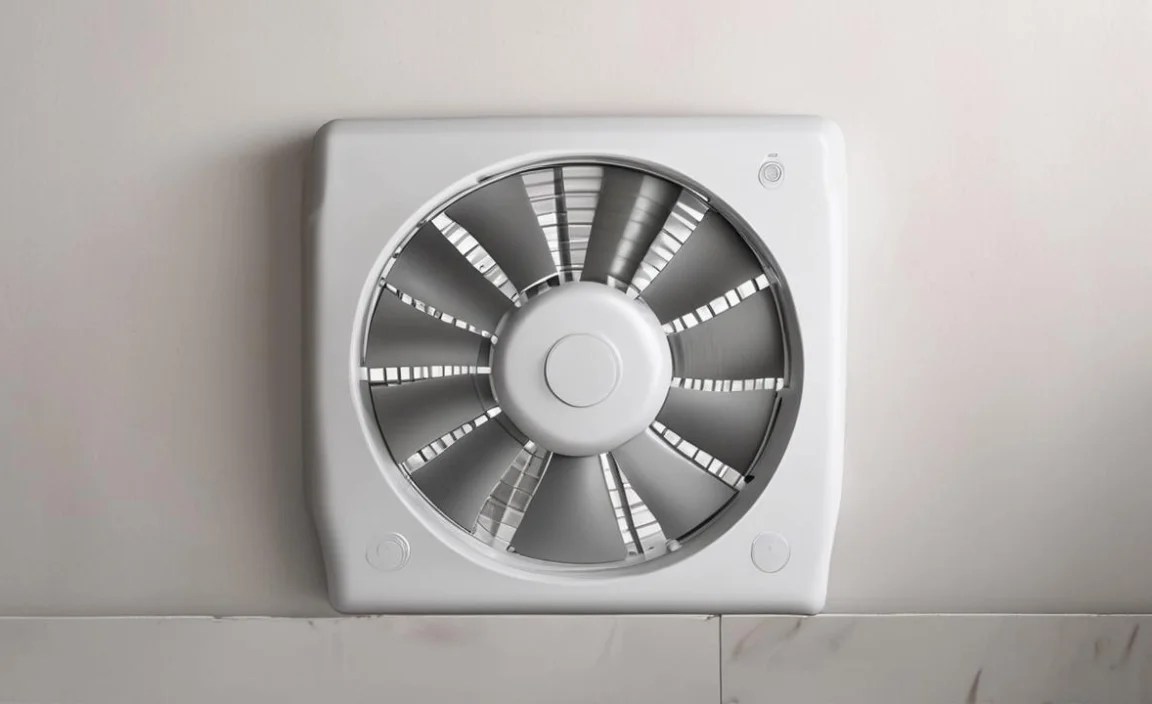
Installing an exhaust fan can range from a simple replacement job to a more involved project if ductwork is needed. For beginners, it’s often best to start with replacing an existing unit.
Replacing an Existing Fan
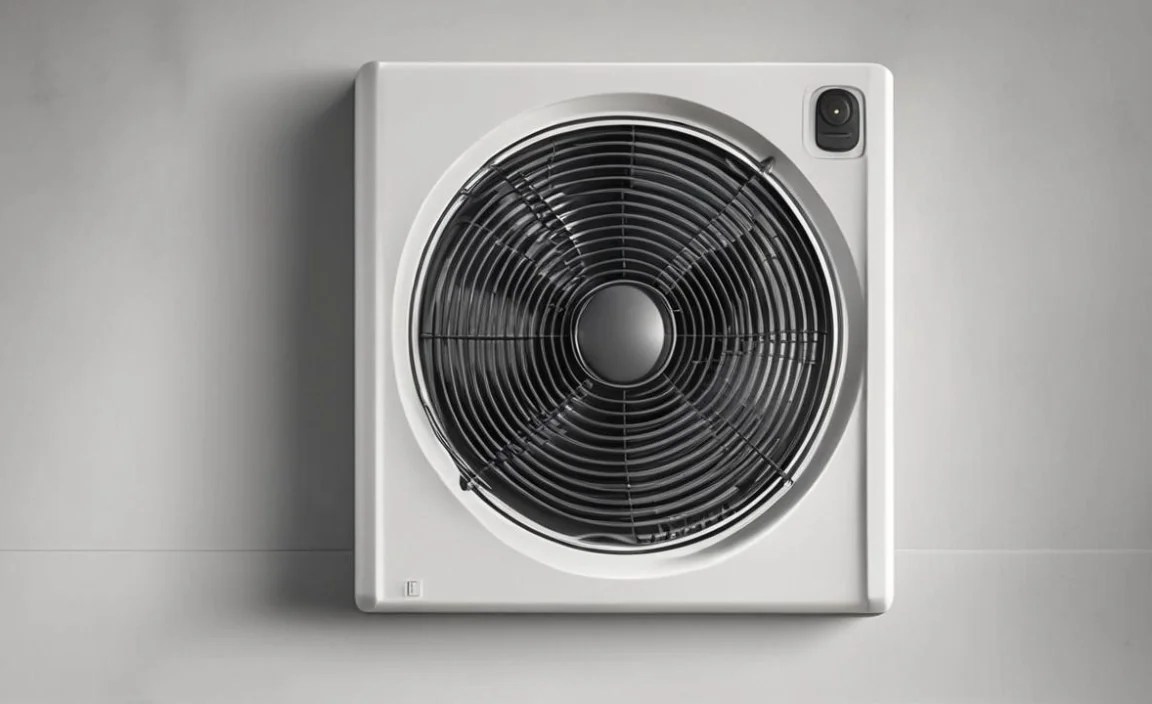
- Safety First: Turn Off Power! Locate the circuit breaker that controls the bathroom or kitchen fan and switch it OFF. Double-check it’s off by trying to turn the fan/light on.
- Remove the Old Fan: Unscrew the grille. You might need to detach the housing from the ceiling joists and disconnect the wiring.
- Install the New Fan: Mount the new fan housing securely. Connect the wiring according to the manufacturer’s instructions (usually black to black, white to white, and ground to ground).
- Attach the Grille and Test: Snap or screw the new grille in place. Turn the power back on at the breaker and test the fan.
Installing a New Fan (More Advanced)
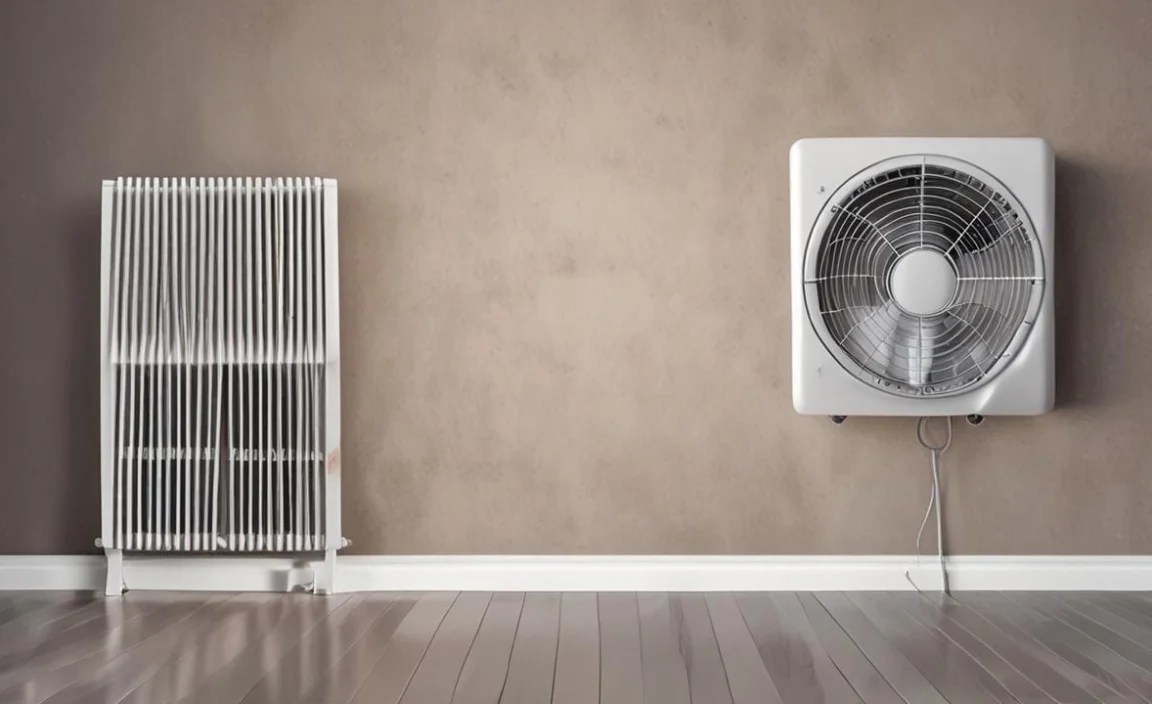
If you don’t have an existing fan, installation is more complex and often involves cutting into the ceiling/wall, running ductwork through attics or crawl spaces, and connecting to an exterior vent. This may require:
- Cutting a hole in the ceiling for the fan housing.
- Running ductwork from the fan to an exterior wall or roof vent.
- Installing an exterior vent cap.
- Running electrical wiring to power the fan, which often requires professional electrical work.
Important Note: For new installations or complex electrical work, it’s highly recommended to consult a qualified electrician or HVAC professional. For DIYers, reputable sources like This Old House offer detailed guides, but always prioritize safety and call a pro if you’re unsure.
Maintenance Tips to Keep Your Fan Running Smoothly
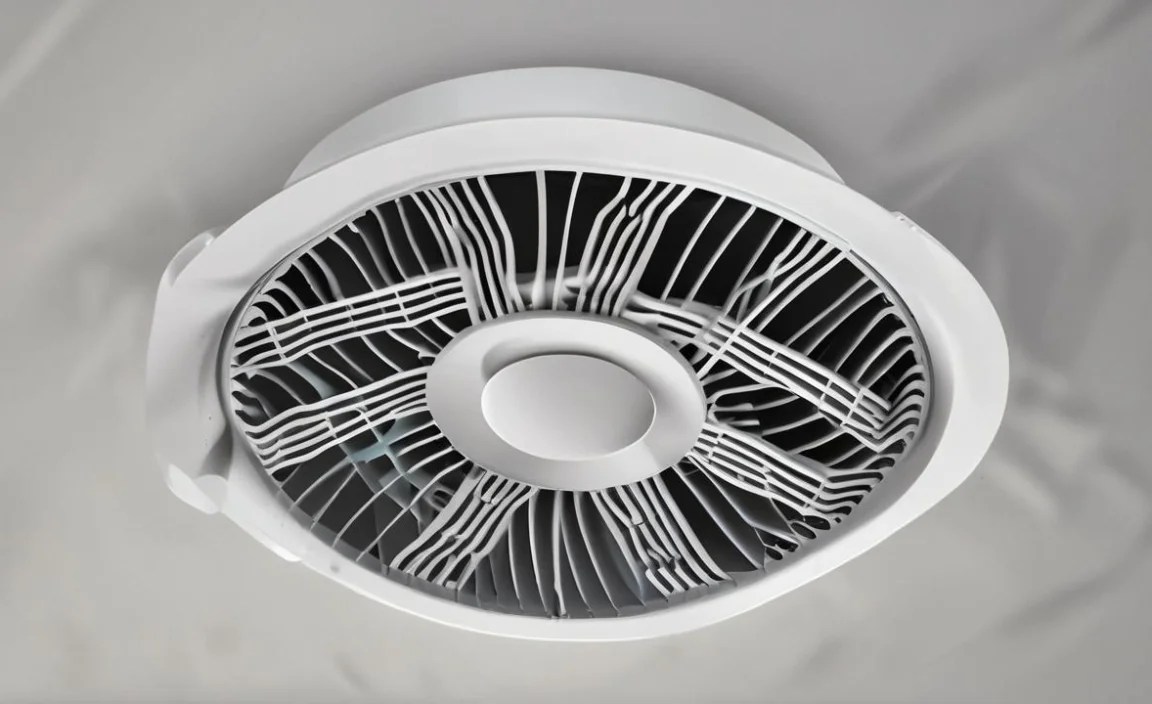
Exhaust fans don’t require a lot of maintenance, but a little attention will keep them running efficiently and quietly for years.
Cleaning the Grille and Fan Blades

- Frequency: Every 6-12 months.
- How-to:
- Again, turn off the power at the breaker! Safety is paramount when working with electrical appliances.
- Remove the decorative grille. Most simply snap off with a gentle pull or have small retaining clips.
- Wipe down the grille with a damp cloth and mild detergent.
- For the fan blades, use a vacuum cleaner with a brush attachment or a slightly damp cloth to remove dust and debris. Be gentle to avoid damaging the blades or motor.
- Reassemble once everything is dry.
Checking the Ductwork and Vents
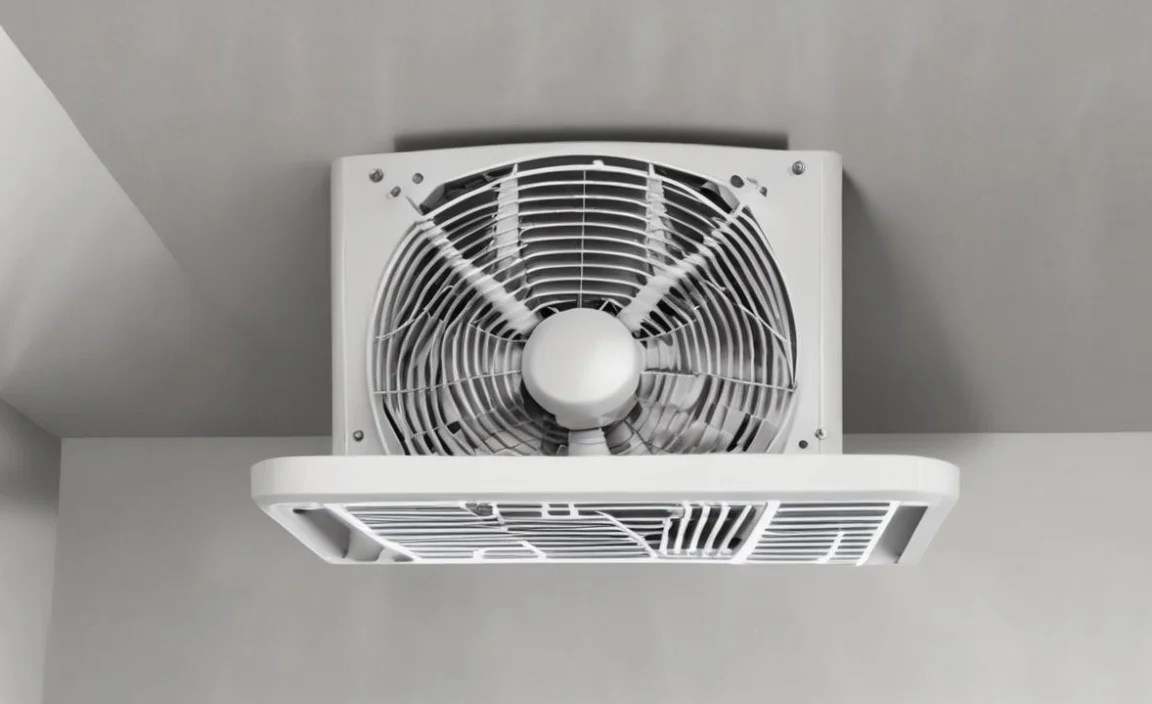
Frequency: Annually, or if you notice reduced airflow.
How-to:
- Ensure power is OFF at the breaker.
- Check the exterior vent cap. Ensure it’s clear of leaves, bird nests, or other obstructions. Make sure the backdraft damper (if present) is moving freely.
- If possible and safe to access, inspect the ductwork for kinks, damage, or blockages. Lint buildup in ducts can be a fire hazard, so clear any visible obstructions.
A clean vent and clear ductwork are essential for the fan to do its job effectively. Blocked ducts reduce airflow, strain the motor, and can lead to moisture buildup in the ductwork itself.
Lubrication (Older Fans)
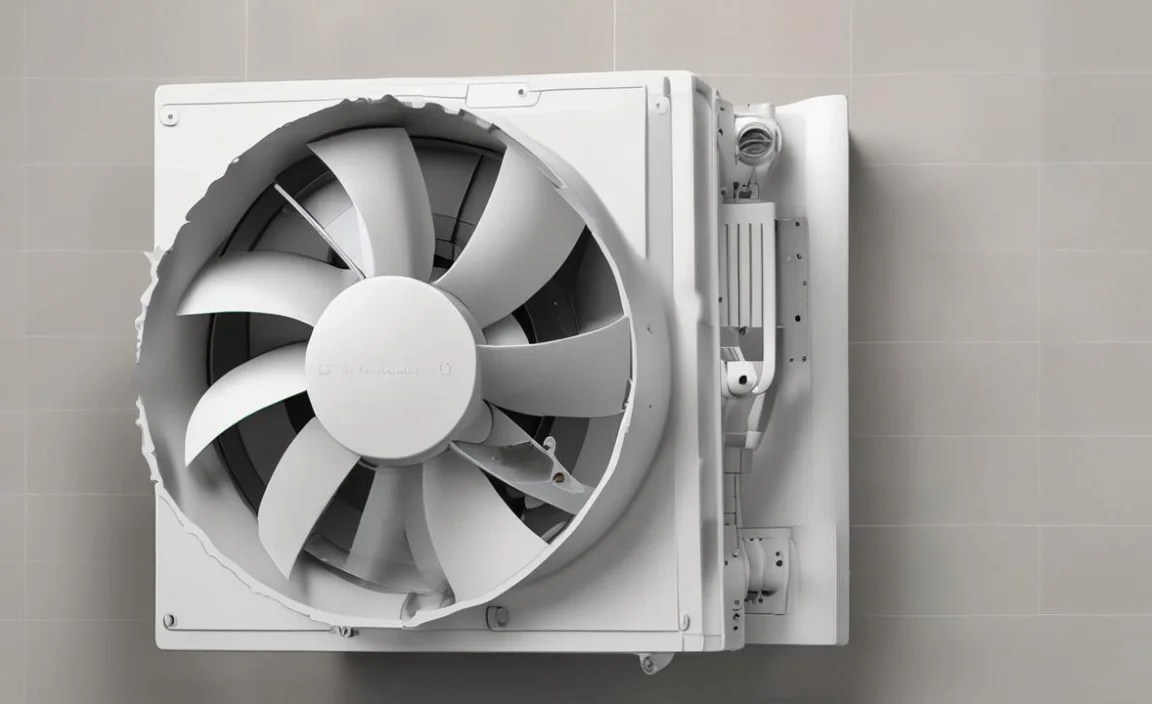
Many modern exhaust fans have sealed, permanently lubricated motors. However, older models might have oil ports.
- Check your fan’s manual. If your fan requires lubrication, use only a few drops of electric motor oil as specified.
- Over-oiling can cause dust to accumulate and damage the motor.
When to Call a Professional
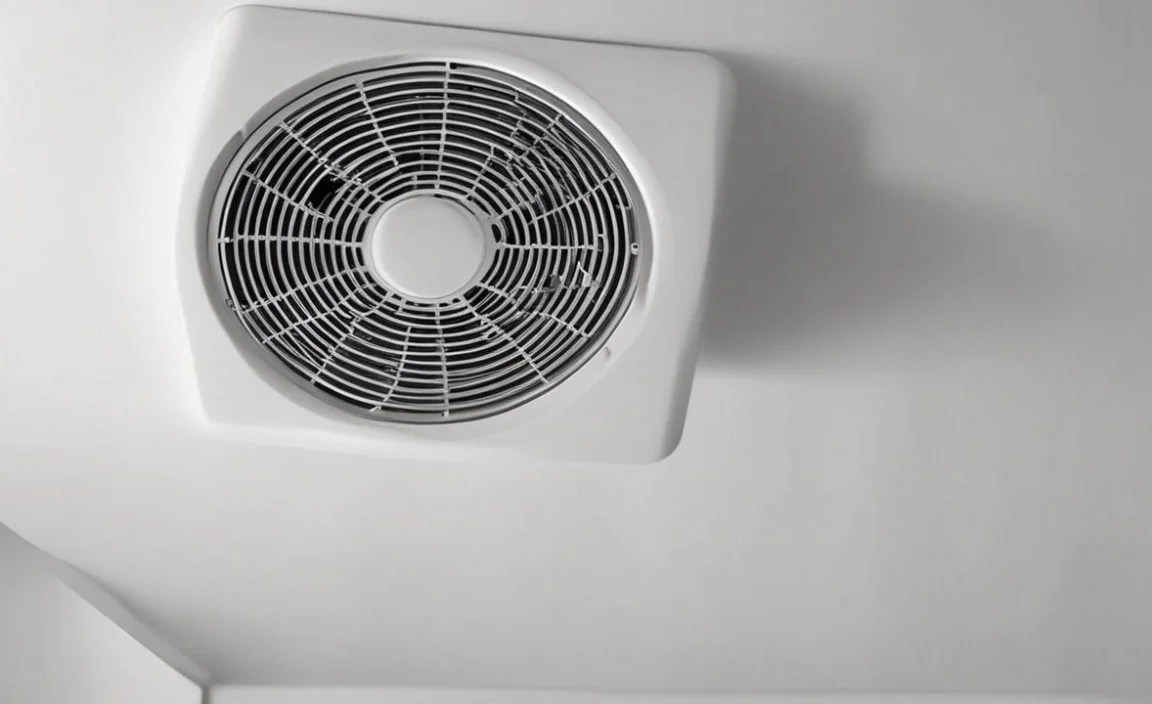
While many exhaust fan tasks are DIY-friendly, there are times when it’s best to bring in an expert:
- New Installations: Especially if running new ductwork and electrical lines.
- Electrical Issues: If the fan doesn’t turn on, trips the breaker repeatedly, or shows signs of electrical problems.
- Strange Noises: Grinding, squealing, or rattling sounds that suggest a motor issue or something loose.
- Persistent Moisture Problems: If the fan runs constantly but you still have issues with mold, mildew, or condensation, the fan might be undersized, the ducting could be blocked or improperly installed, or there might be a larger ventilation issue.
- Access Difficulties: If the fan is in a hard-to-reach area and you don’t feel comfortable accessing it safely.
Don’t hesitate to call an HVAC technician or electrician if you’re unsure. They have the tools and expertise to diagnose and fix problems safely and effectively.
FAQ: Your Exhaust Fan Questions Answered
Q1: What is the main purpose of an exhaust fan?

A1: The main purpose of an exhaust fan is to remove stale air, moisture, odors, grease, and pollutants from a room and vent them to the outside, thereby improving indoor air quality and preventing related problems like mold or smells.
Q2: How do I know if my exhaust fan is working properly?

A2: You can test your fan by holding a small piece of tissue paper up to the grille while the fan is on. If the paper is held firmly against the grille, the fan is drawing air effectively. You should also be able to feel air being expelled from the exterior vent.
Q3: My bathroom fan is very loud. What can I do?

A3: Loudness is measured in Sones. If your fan is too loud, you can replace it with a quieter model that has a lower sone rating (e.g., 1.0 to 2.0 sones). Sometimes, a vibrating grille or fan housing can also cause noise, which might be fixable by ensuring all parts are securely attached.
Q4: How often should I clean my exhaust fan?
A4: It’s generally recommended to clean the grille
