
Quick Summary:
A shower is a plumbing fixture designed for bathing, using a spray of water to rinse the body. This guide demystifies shower components and functions for beginners, covering everything from types to essential maintenance, ensuring a confident and comfortable experience.
Ever felt a little lost when talking about your bathroom? Maybe you’ve heard terms like “shower head,” “valve,” or “drain” and wondered what they truly mean. Don’t worry, you’re not alone! Understanding the basics of your shower is super important for keeping your bathroom in tip-top shape and making sure your daily refresh is always pleasant. This guide is here to break it all down in a way that’s easy to grasp, no matter your DIY experience level. We’ll explore what a shower is, how it works, and what makes it tick, so you can feel like a pro. Get ready to transform that confusion into confidence!
What Exactly is a Shower? A Simple Breakdown

At its core, a shower is a place where you stand or sit to get clean using a controllable spray of water. Think of it as a personal water booth designed for rinsing off. Unlike a bathtub, which you fill with water to soak in, a shower uses water continuously while you’re in it. This makes it a faster, and often more water-efficient, way to wash.
The magic happens through a system of pipes that bring hot and cold water to a special control, usually a faucet or a mixing valve. This valve lets you adjust the water temperature and pressure. From there, the water travels up to a shower head, which is where the water comes out in a spray. All the used water then goes down a drain to be taken away by your home’s plumbing.
Why Understanding Your Shower Matters
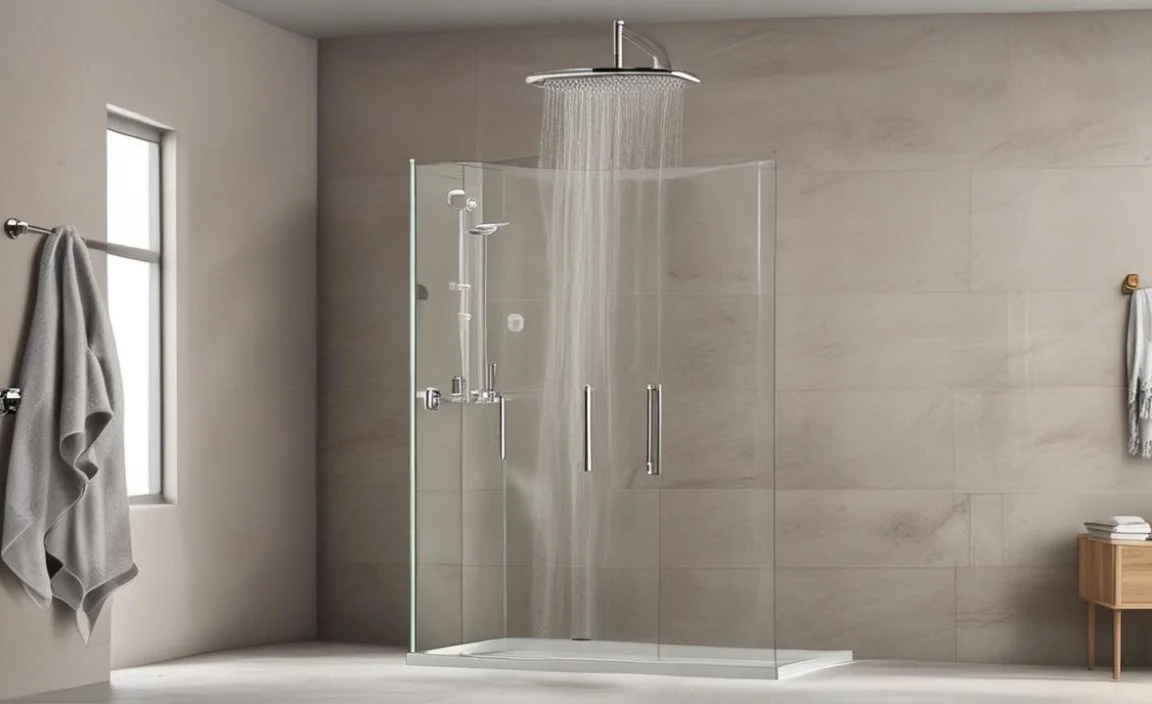
Knowing the different parts of your shower and how they work isn’t just for handy folks. It empowers you to:
- Troubleshoot minor issues: A leaky faucet or a clogged drain becomes less intimidating when you know what’s involved.
- Make informed choices: When it’s time to upgrade or replace parts, you’ll know what to look for.
- Maintain your bathroom efficiently: Simple cleaning and upkeep can prevent bigger problems down the line.
- Enhance your showering experience: From choosing a new shower head to understanding water pressure, you can make your daily routine better.
Anatomy of a Shower: Key Components Explained
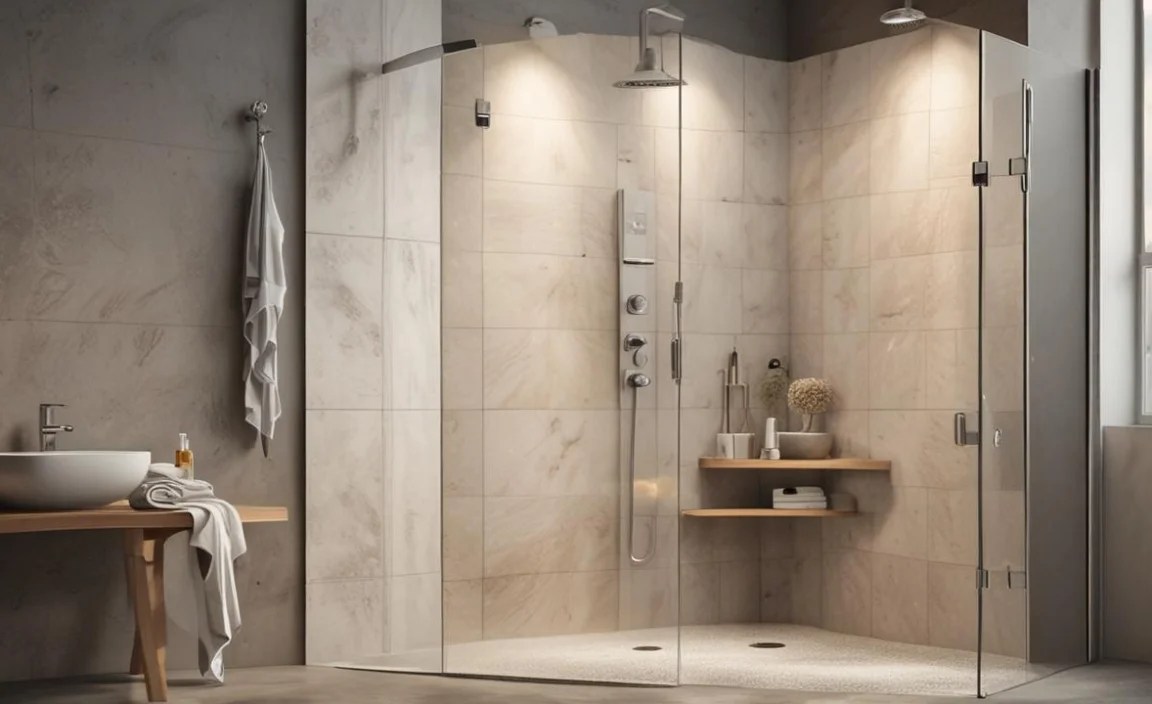
Let’s take a closer look at the individual parts that make up a typical shower. Knowing these terms will help you navigate any shower-related task or discussion with confidence.
1. The Shower Valve (The Brains of the Operation)

This is arguably the most important part of your shower. The shower valve is hidden behind your shower wall, and it’s responsible for controlling the flow and temperature of the water. When you turn the handle(s), you’re operating the valve.
- How it works: It takes hot and cold water lines from your home’s plumbing and mixes them according to your setting. It then sends this tempered water to the shower head and/or tub spout.
- Types of Valves:
- Compression Valves: Older and less common now, these use a washer that presses against a seat to stop water flow. They can wear out over time.
- Cartridge Valves: These use a movable stem and a cartridge to control water. They are very common and easier to repair.
- Ball Valves: These have a rotating ball with holes that align to control water.
- Thermostatic Valves: These are the most advanced, designed to maintain a precise water temperature, preventing scalding. They are often found in premium shower systems.
2. The Shower Handle(s) (Your Control Panel)
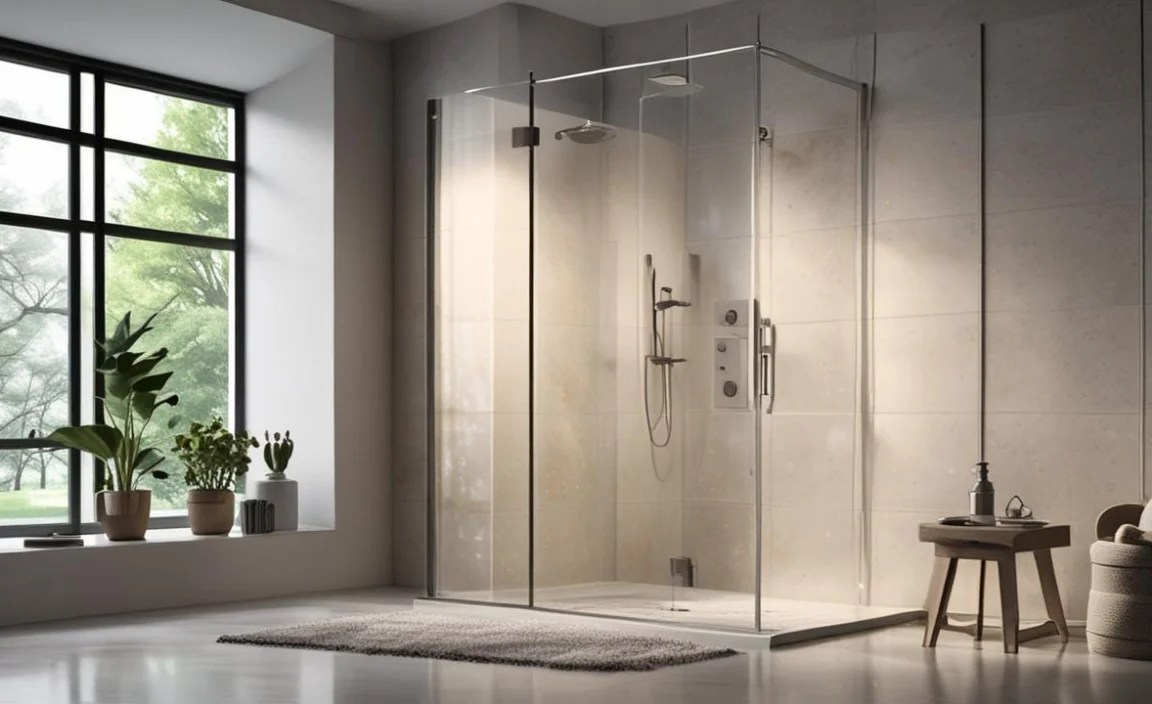
These are the parts you see and touch from the outside of the shower wall. They are connected to the shower valve and allow you to:
- Turn the water on and off.
- Adjust the water temperature (hot and cold).
- Often, adjust the water pressure or flow.
You might have a single handle that controls both temperature and flow, or two separate handles (one for hot, one for cold) that you turn and pull to control flow. Modern multi-function showers might have multiple handles or a digital control panel.
3. The Shower Head (The Water Sprayer)
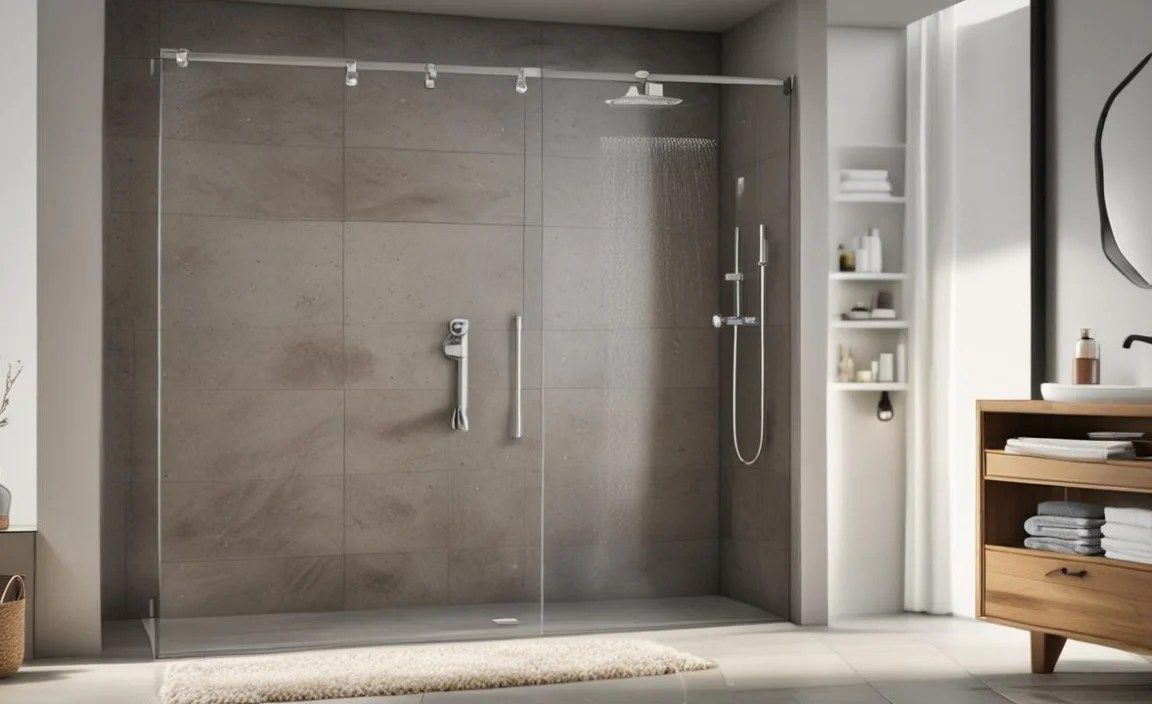
This is the fixture that sprays the water onto you. There’s a wide variety of shower heads available, each offering a different experience.
- Fixed Shower Heads: Mounted directly to the shower arm, these usually can’t be moved.
- Adjustable Shower Heads: These can swivel or pivot to direct the spray.
- Handheld Shower Heads: These are connected by a flexible hose, allowing you to move them around easily. Great for rinsing specific areas, bathing children, or cleaning the shower itself.
- Rainfall Shower Heads: Larger in diameter and designed to mimic the gentle falling of rain.
- Body Sprays: Small jets installed directly into the shower wall to provide a massage-like experience.
The type of shower head can dramatically impact your water usage and the feel of your shower. For tips on choosing the right shower head, check out resources like Energy Saver from the U.S. Department of Energy, which discusses efficient options.
4. The Shower Arm and Flange

The shower arm is the pipe that sticks out from the wall and connects to the shower head. It’s typically made of metal. The flange is the decorative metal plate that covers the hole where the shower arm enters the wall, providing a finished look.
5. The Tub Spout (If applicable)
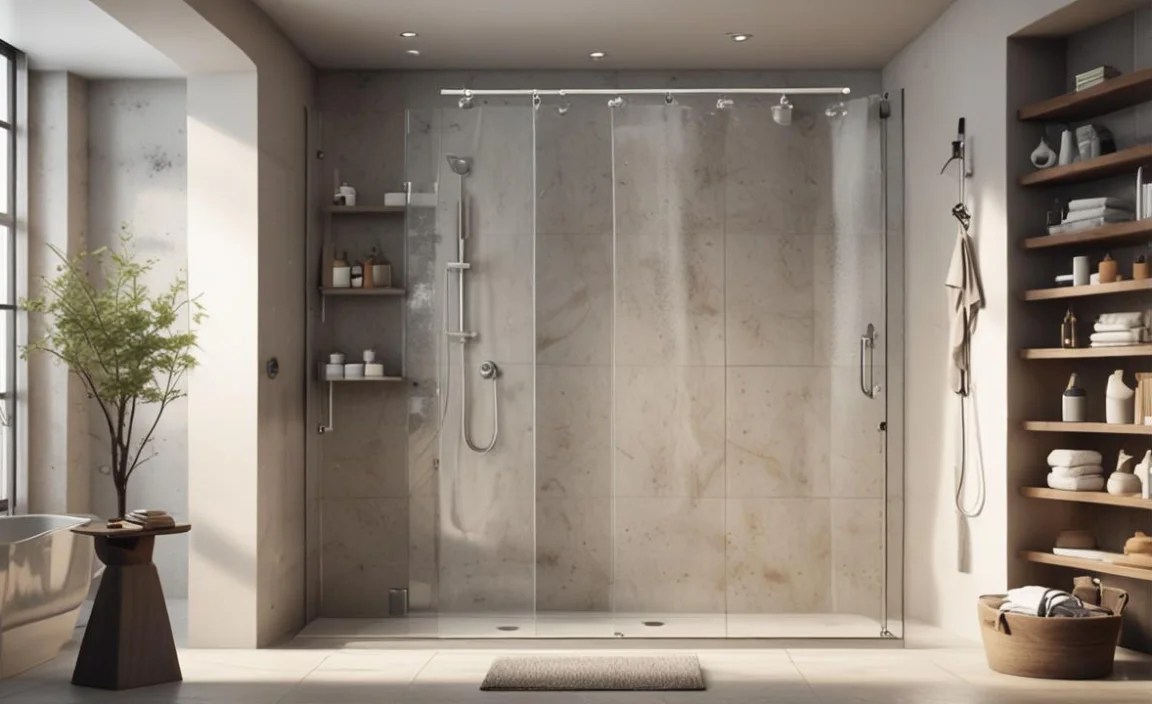
If your shower is in a bathtub/shower combination, you’ll have a tub spout at the bottom. Many tub spouts have a small pull-ring or diverter. Pulling this redirects water from the spout up to the shower head, allowing you to shower instead of filling the tub.
6. The Shower Drain
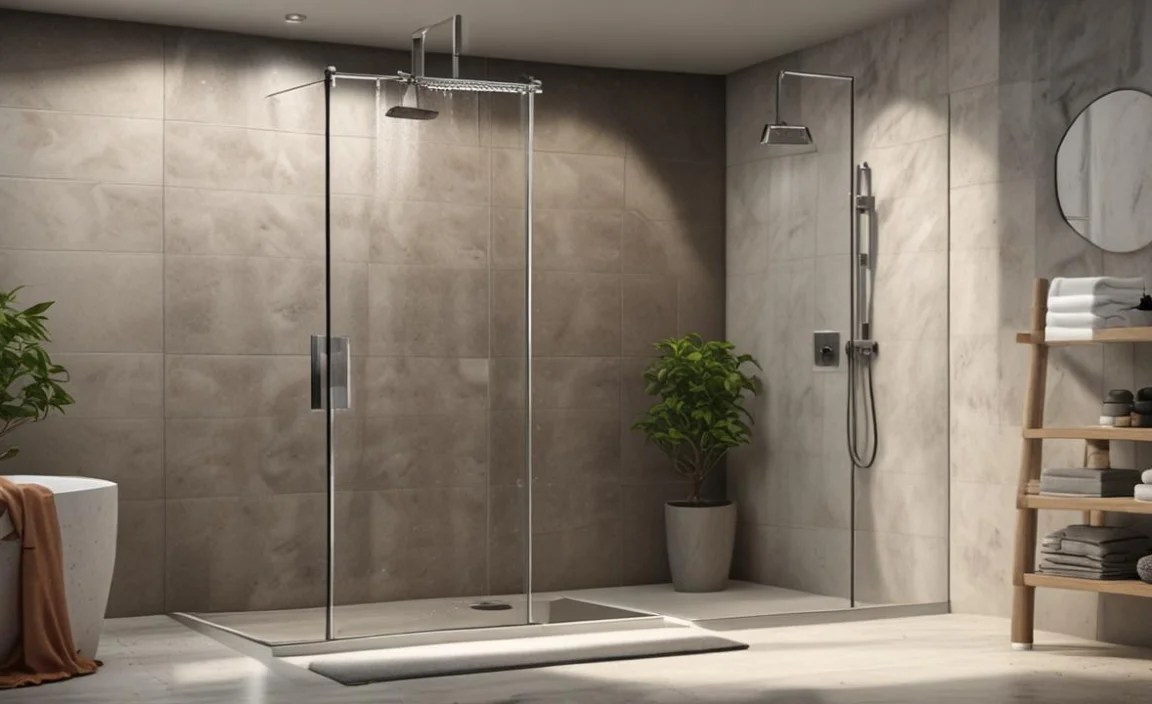
Essential for preventing floods! The drain is located on the shower floor and collects all the water, sending it down to your home’s drainage system. Drains typically have a cover or grate to catch hair and debris, preventing clogs.
Common drain types include:
- With strainers: These have a removable screen to catch hair.
- Screw-in or snap-in covers: These are decorative and cover the drain opening.
- Center-set drains: These have a stopper mechanism in the center.
7. Shower Enclosure (Walls and Door/Curtain)

This is what keeps the water inside the shower area. It can be:
- Walls: Typically made of tile, solid surface materials, or acrylic/fiberglass panels.
- Door: A glass or plastic door with a frame.
- Shower Curtain: A fabric or plastic curtain hung on a rod.
How a Shower Works: The Water Flow Journey

Understanding the step-by-step journey water takes to get to you is pretty fascinating and simple:
- Water Supply: Your home’s plumbing system delivers hot and cold water through pipes to your shower valve. Typically, the hot water comes from your water heater.
- Valve Control: When you turn the shower handle(s), you’re manipulating the shower valve. This action opens pathways within the valve to allow hot and cold water to flow.
- Temperature Mixing: The shower valve precisely mixes the hot and cold water to reach your desired temperature. Thermostatic valves are particularly good at keeping this temperature consistent.
- To the Fixtures: Once mixed, the water is directed either to the tub spout (if it’s set to fill the tub) or to the shower arm.
- Through the Shower Arm: The water travels through the shower arm, which is the pipe extending from the wall.
- Out the Shower Head: Finally, the water sprays out of the numerous small holes in the shower head, creating the refreshing shower experience.
- Down the Drain: After it washes over you, the water falls to the shower floor and flows into the drain, making its way through the waste pipes of your home’s plumbing system.
Shower vs. Bath: A Quick Comparison
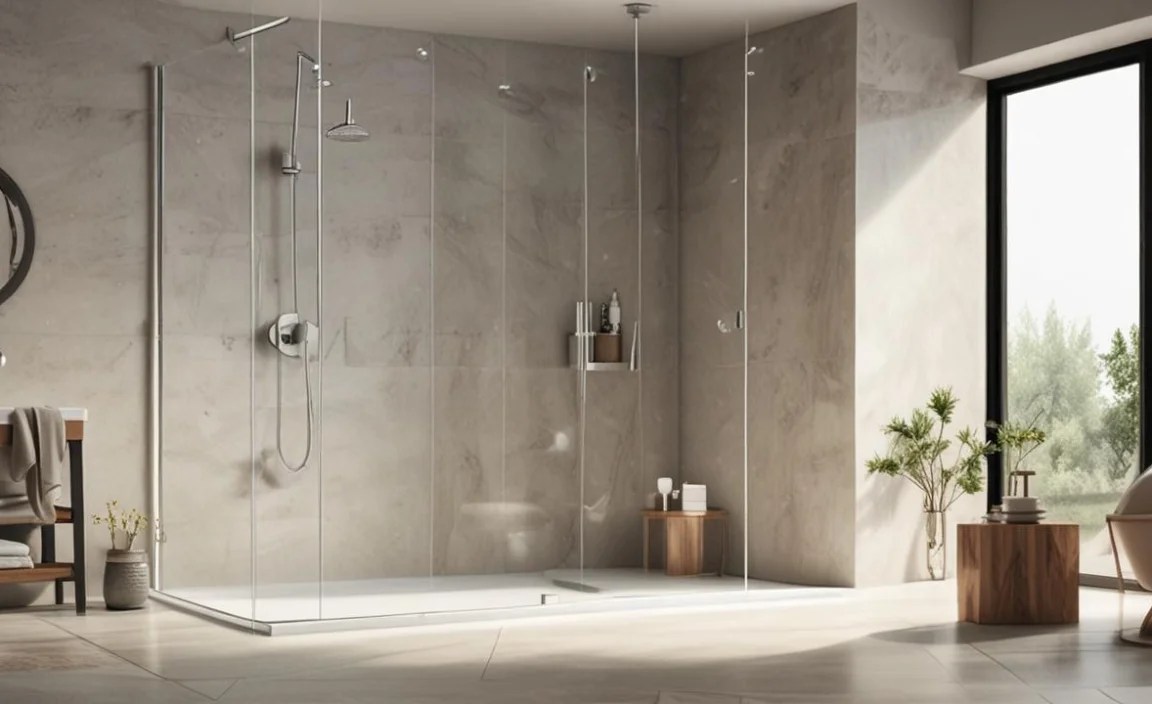
While both are methods of getting clean, showers and baths offer different experiences and have different considerations.
| Feature | Shower | Bath |
|---|---|---|
| Water Usage | Generally uses less water per use (especially with low-flow heads) | Uses significantly more water to fill the tub |
| Time Efficiency | Quicker; ideal for busy mornings | Takes longer to fill and uses water for soaking |
| Experience | Invigorating, rinsing, can be therapeutic with massage jets | Relaxing, soaking, a chance to unwind |
| Cleaning Type | Rinsing off day’s dirt and sweat | Soaking to cleanse and relax |
| Accessibility | Can be adapted for various mobility needs (walk-in showers) | Requires stepping over the tub wall |
| Water Type | Flowing spray | Still water (initially) |
Choosing the Right Shower Components

When it comes time to pick out new parts for your shower, or if you’re building a new one, here are some factors to consider:
Shower Heads: What to Look For
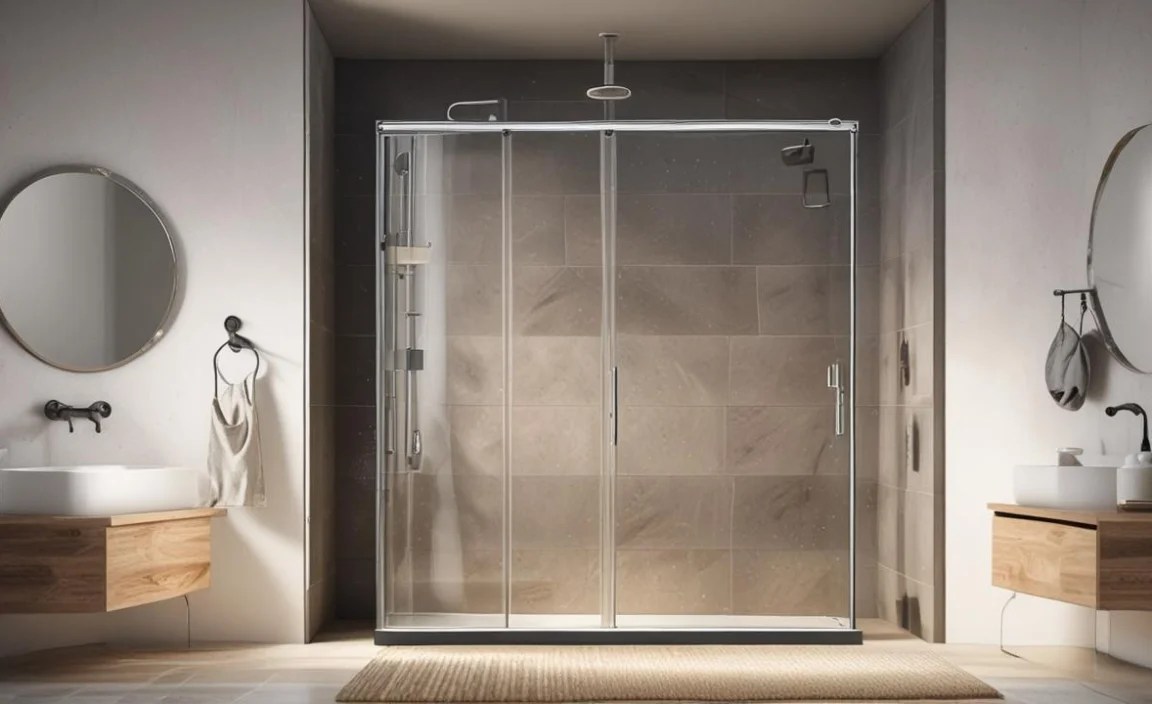
This is where you can really customize your shower experience!
- Flow Rate: Measured in gallons per minute (GPM). Standard shower heads in the US are mandated to be 2.5 GPM or less. WaterSense labeled shower heads use at least 20% less water than standard ones. EPA WaterSense provides excellent resources on water-efficient options.
- Spray Patterns: Do you want a strong, forceful jet, a gentle massage, or a soft rainfall? Many heads offer multiple settings.
- Type: Fixed, handheld, rainfall, or body jets? Consider what’s most practical for your needs. Handhelds are fantastic for families and assist with cleaning.
- Finish: Chrome, brushed nickel, oil-rubbed bronze, matte black – choose one that matches your bathroom’s aesthetic.
Shower Valves: When to Upgrade

You might consider upgrading your shower valve if:
- You’re experiencing inconsistent water temperatures or pressure drops.
- Scalding is a concern – Thermostatic or anti-scald valves are a great safety feature, especially with children or elderly users.
- You want to install a more complex shower system (like multiple body jets or a rain shower head) that requires a specific type of valve.
Replacing a shower valve involves working behind the wall, so this might be a job for a plumber unless you’re comfortable with more advanced DIY work. Resources from reputable plumbing supply sites or government building codes can offer guidance but always prioritize safety.
Shower Drains: Preventing Problems
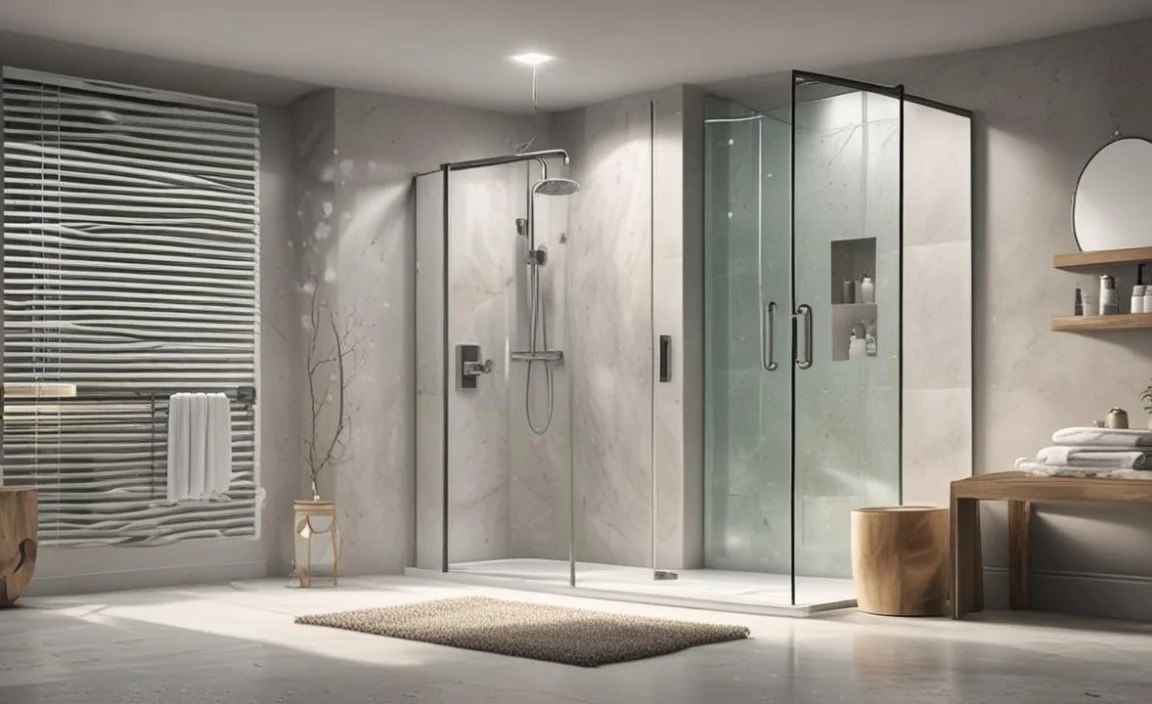
A well-functioning drain is crucial. When choosing or cleaning one:
- Look for ease of cleaning: A drain with a removable hair catcher is a lifesaver.
- Consider the finish: Match it to your other fixtures.
- Ensure proper installation: A poorly installed drain can lead to leaks.
Basic Shower Maintenance for Beginners
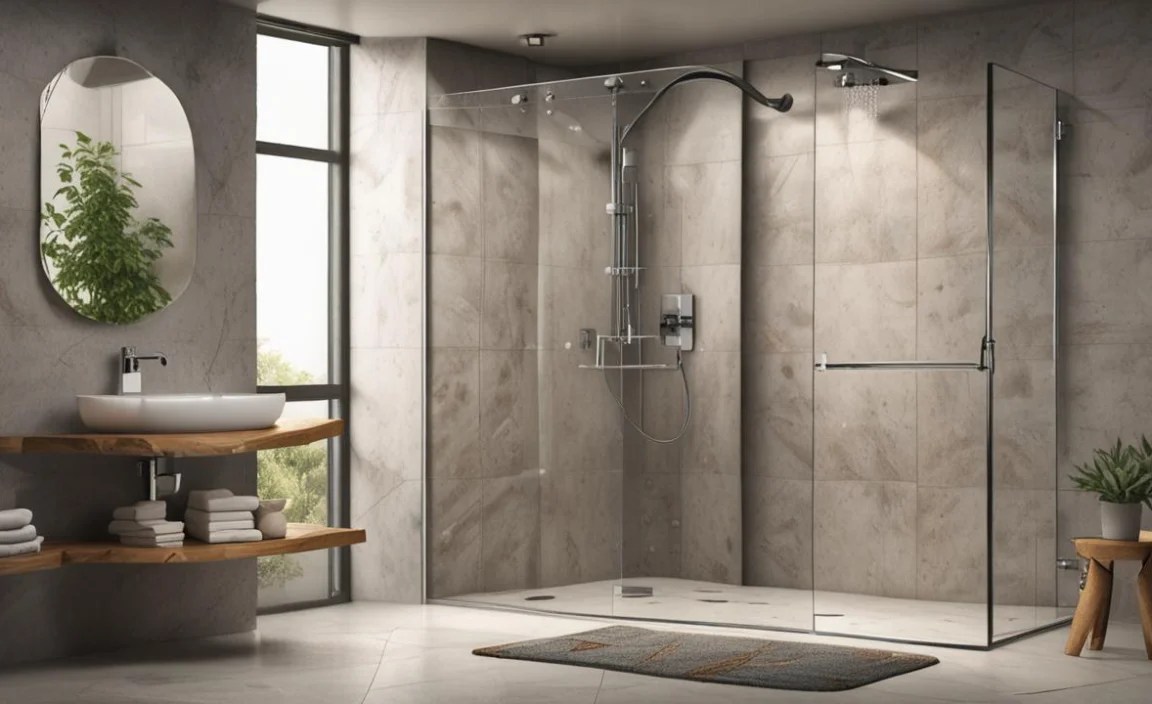
Keeping your shower in good working order doesn’t require advanced skills. A little regular attention goes a long way!
Daily/Weekly Quick Checks:
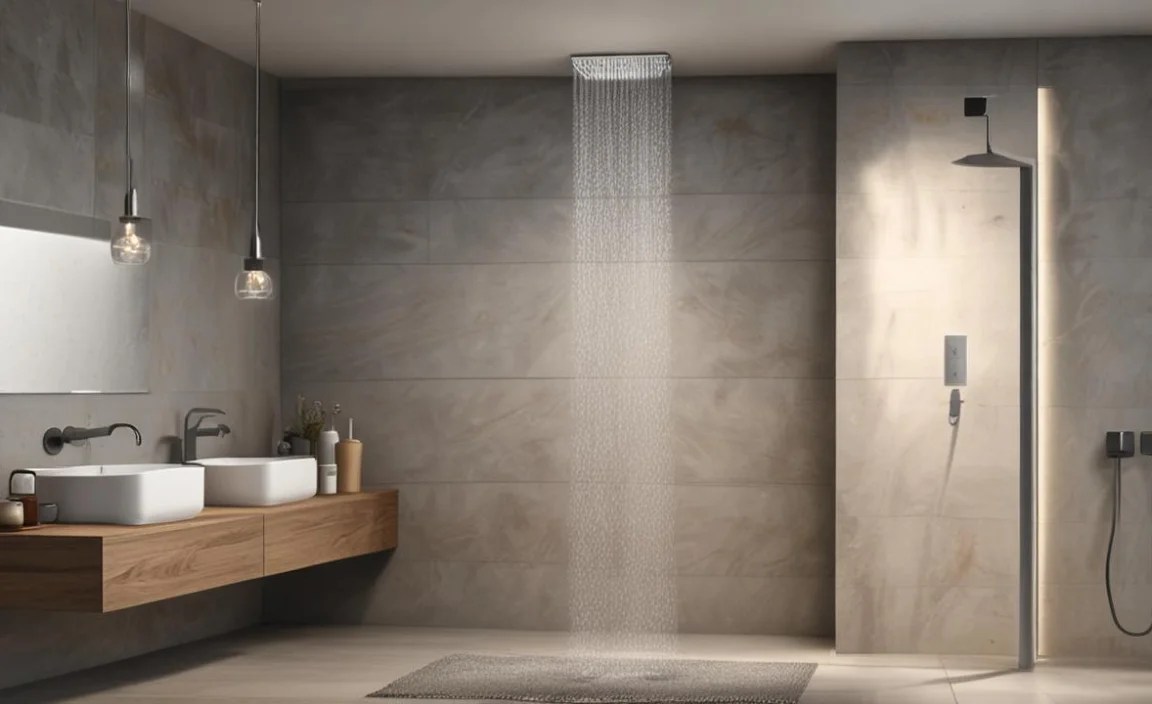
- Rinse with cool water: After each shower, a quick rinse with cooler water can help wash away soap scum and mineral deposits before they dry.
- Wipe down: Use a squeegee or microfiber cloth to wipe down the shower walls, door, or curtain liner after showering. This prevents water spots and mold growth.
- Check the drain: Quickly glance to see if any hair is accumulating near the drain cover.
Monthly Maintenance Tasks:
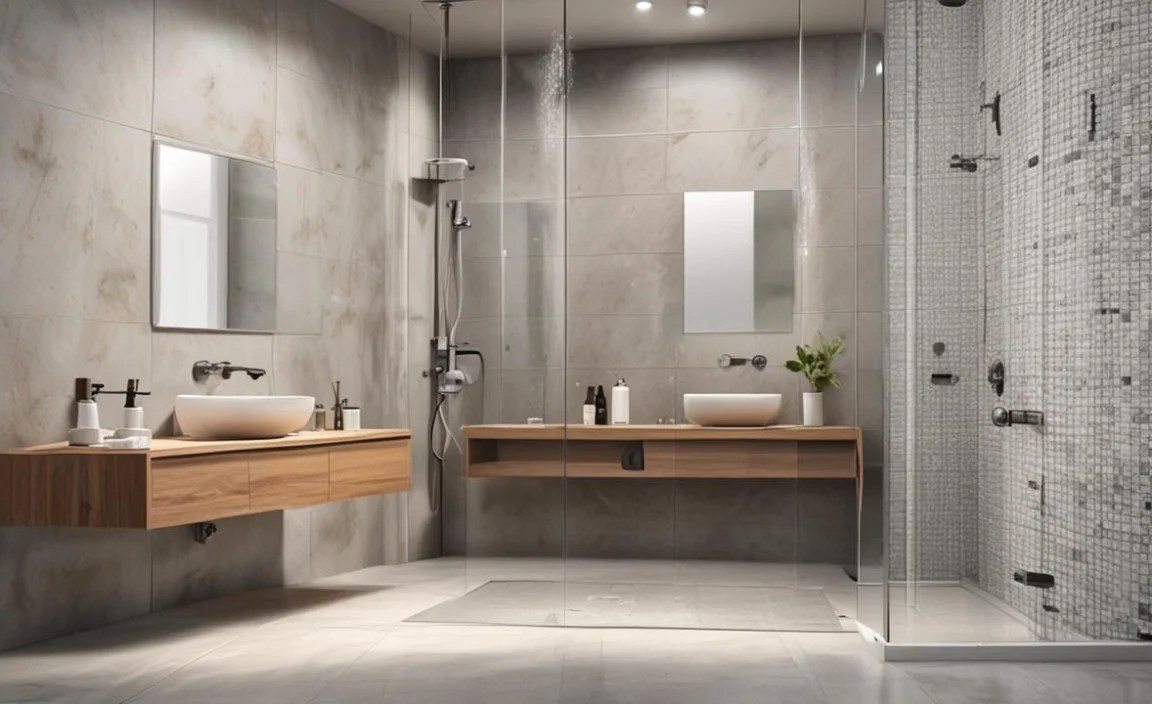
- Clean the shower head: To prevent mineral buildup (like limescale) that can clog the spray nozzles:
- Quick Fix: Fill a plastic bag with white vinegar, tie it around the shower head so the nozzles are submerged, and leave it overnight. In the morning, remove the bag and run the hot water for a minute to flush out loosened deposits.
- Scrubbing: Use an old toothbrush to gently scrub away any remaining residue.
- Clean the drain: Remove any accumulated hair from the drain cover. For deeper cleaning, use a drain cleaner or a mix of baking soda and vinegar followed by hot water.
- Wipe down fixtures: Use a mild bathroom cleaner to wipe down the handles, spout, and drain cover.
- Clean the shower enclosure: Wash down the tiles, grout, glass doors, or shower curtain liner with an appropriate bathroom cleaner to prevent soap scum and mildew.
Seasonal/Annual Checks:

- Inspect seals and caulk: Check around the tub, shower base, and any glass enclosures for cracks or deterioration in the caulk. Re-caulk as needed to prevent water damage.
- Check for leaks: Notice any new drips from fixtures or around the base? Address them promptly. A small drip now can save a big repair later.
- Water pressure assessment: If you notice a significant drop in water pressure that isn’t resolved by cleaning the shower head, it might indicate a valve issue or a deeper plumbing problem.
Common Shower Problems and Beginner Solutions
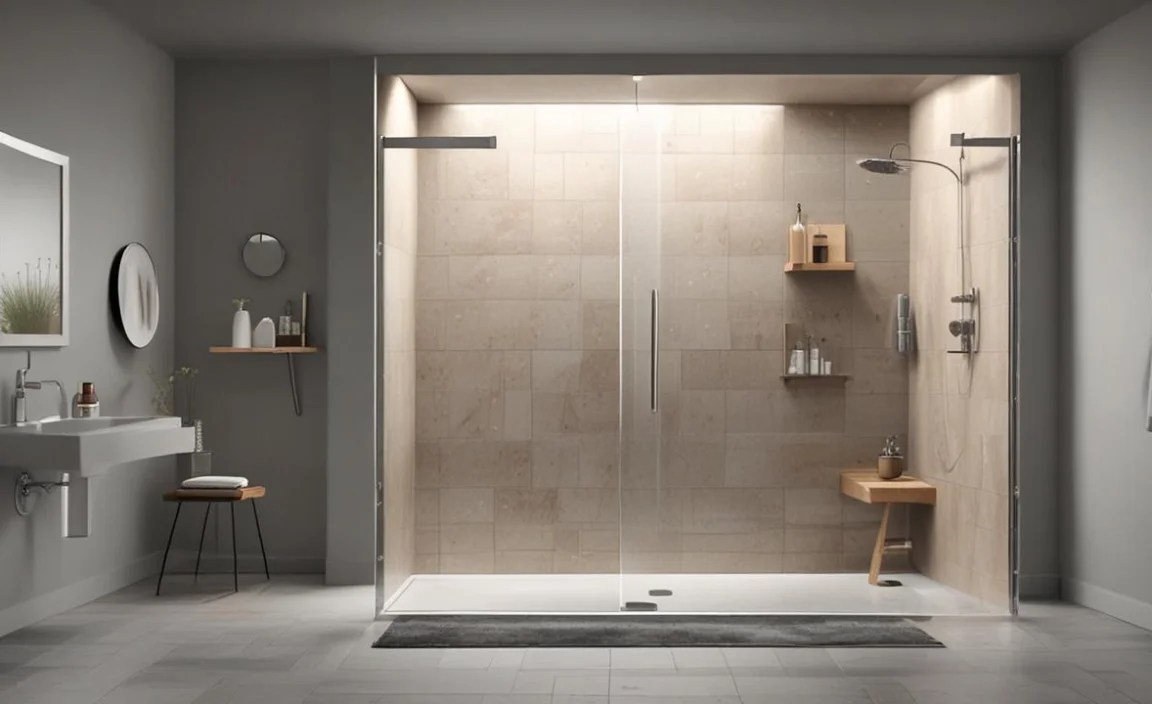
Even with regular care, you might encounter some common shower issues. Here’s how to tackle them:
| Problem | Likely Cause | Beginner Solution |
|---|---|---|
| Low Water Pressure | Clogged shower head, partially closed shut-off valve, mineral buildup in pipes, or issues with the main water supply. |
|
| Dripping Shower Head | Worn-out washer or O-ring inside the shower valve, or a loose shower head connection. |
|
| Water Temperature Fluctuates Wildly | Faulty shower valve (thermostatic or cartridge), or a problem with the water heater. |
|
| Leaky Shower Faucet/Handle | Damaged O-rings or cartridge within the shower valve. |
|
| Slow-Draining Shower | Hair, soap scum, or other debris blocking the drain or the pipe below. |
|
