
Quick Summary:
Confused about shower types or alternatives? This guide breaks down shower descriptions and offers smart solutions, from classic showerheads to innovative freestanding tubs and spa-like features, helping you choose the perfect bathroom upgrade for your space and needs.
We all love a good shower, but sometimes the sheer variety can be overwhelming. You might be staring at a bathroom renovation plan or just trying to replace a worn-out fixture, and suddenly you’re faced with terms like ‘rainfall showerhead,’ ‘body jets,’ or even ‘steam shower.’ What does it all mean? And what are the best alternative solutions if a traditional shower just isn’t cutting it? Don’t worry, we’ve all been there! This guide is designed to demystify the world of showers and explore some truly genius alternatives. You’ll learn exactly what to look for, understand the pros and cons, and discover how to make the best choice for your bathroom. Get ready to transform your daily routine into a refreshing escape.
Understanding Shower Basics: What’s What?
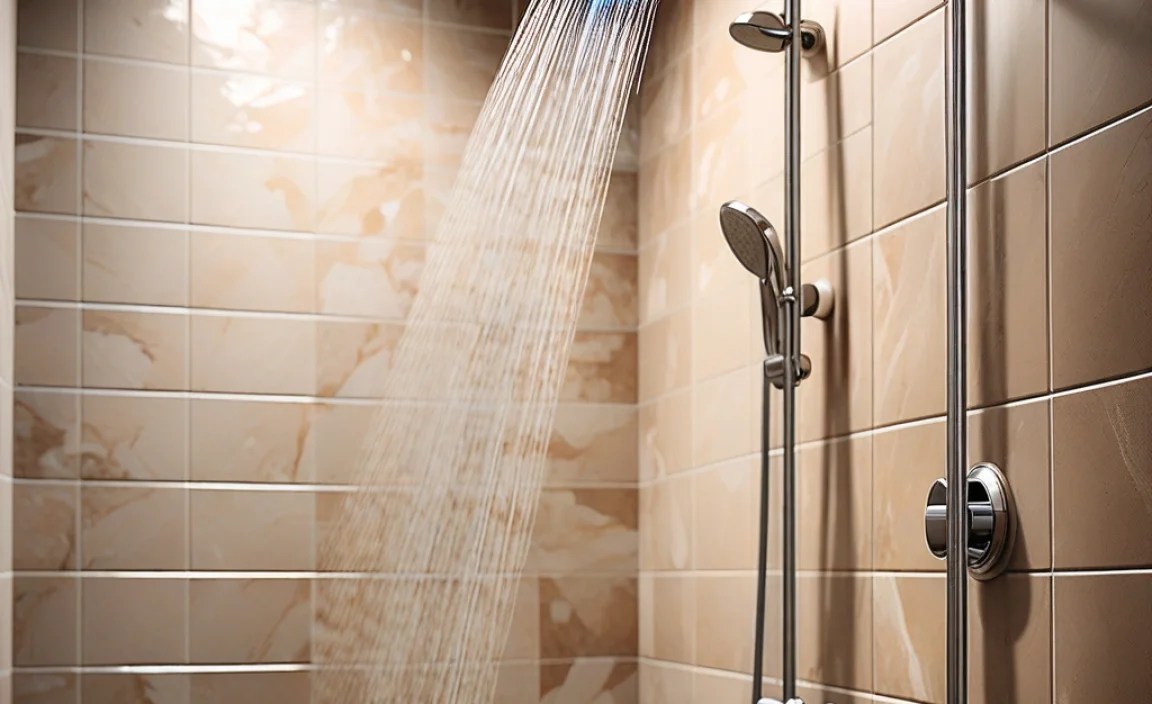
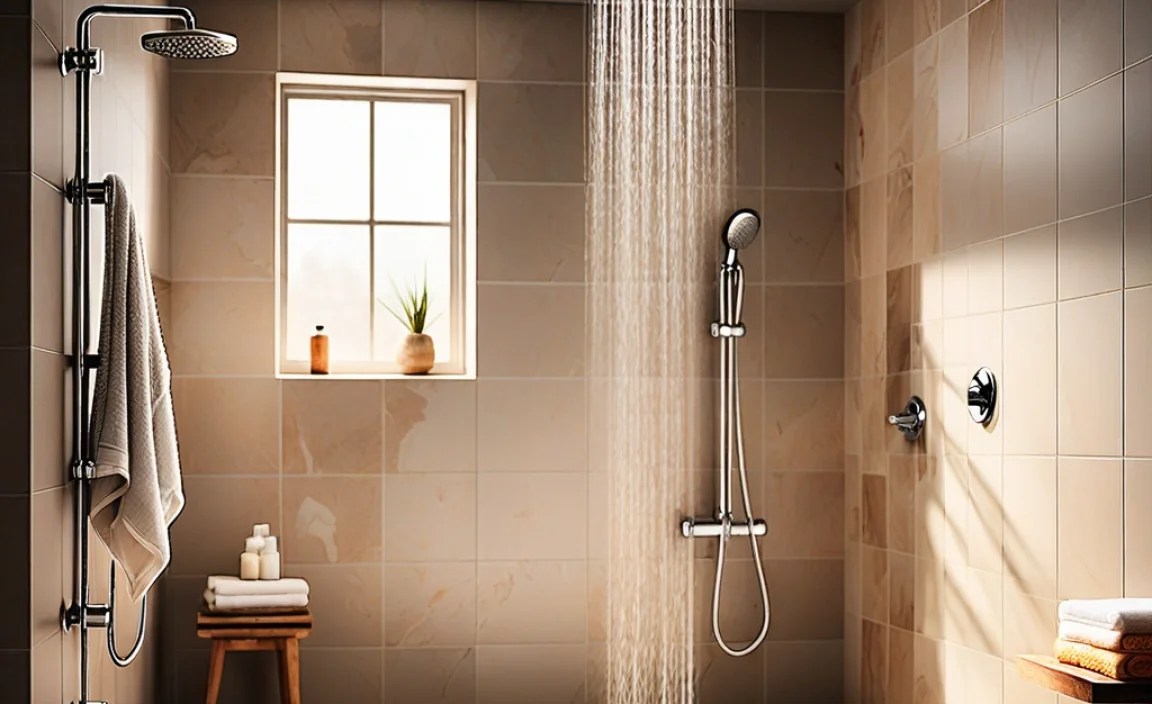
When we talk about a ‘shower,’ we’re usually referring to a specific area in a bathroom designed for washing oneself under a controlled spray of water. But within that broad category, there are many variations. The key components that define a shower experience are the showerhead, the controls, and the enclosure. Understanding these parts helps you differentiate between various types and appreciate the ‘genius solutions’ that have evolved.
The Heart of the Shower: Showerheads Explained
The showerhead is arguably the most crucial part of your shower. It’s what delivers the water, and its design significantly impacts the water pressure, spray pattern, and overall experience. Here’s a look at common types:
- Fixed Showerheads: These are the most basic and common type. They are mounted directly to the shower arm extending from the wall. They offer a straightforward spray and are generally easy to install and maintain. While functional, they offer limited adjustability.
- Adjustable Showerheads: Similar to fixed ones, but they allow you to change the spray pattern. Common settings include a strong, direct stream for rinsing, a wider spray for general use, and sometimes a massage setting. This adds a layer of customization to your shower.
- Handheld Showerheads: These come with a flexible hose and a mounted bracket, allowing you to detach the showerhead for targeted rinsing. They are fantastic for washing pets, children, or cleaning the shower itself. Many offer multiple spray settings.
- Rainfall Showerheads: Designed to mimic the gentle falling of rain, these are typically larger in diameter and mounted overhead or on a longer shower arm. They provide a wide, immersive spray experience that many find incredibly relaxing.
- High-Pressure Showerheads: Engineered to maximize water flow and create a stronger stream, even in homes with lower water pressure. These are great for those who crave a powerful rinse.
- Low-Flow Showerheads: Designed to conserve water and energy by reducing the amount of water used per minute without significantly compromising the shower experience. They are an eco-friendly and cost-saving option. You can learn more about water-saving fixtures from the EPA WaterSense program.
Controlling Your Flow: Shower Valves and Trim
The shower valve controls the water temperature and flow rate. The trim kit is the visible part you interact with, including the handle and escutcheon plate. Different types of valves offer varying levels of control:
- Single-Handle Valves: The most common. One handle controls both temperature (left for hot, right for cold) and flow (up/down or side to side). Simple and easy to use.
- Dual-Handle Valves: Separate handles for hot and cold water. This allows for precise temperature mixing but can be slower to adjust.
- Thermostatic Valves: These are more advanced. Once you set your desired temperature, it maintains it consistently, even if there are pressure fluctuations elsewhere in the house (like someone flushing a toilet). This prevents sudden blasts of hot or cold water.
- Pressure-Balancing Valves: A type of valve that automatically adjusts hot and cold water flow to maintain a consistent temperature, preventing scalding or sudden chills.
Defining the Space: Shower Enclosures
The enclosure keeps water within the shower area. Options range from simple curtain rods to elaborate glass doors:
- Shower Curtains: The most budget-friendly and easiest to install/replace. They offer flexibility but can sometimes stick to you or make the bathroom feel smaller.
- Sliding Glass Doors: A popular choice for smaller bathrooms. They slide on a track and save space compared to swinging doors.
- Pivot/Hinged Glass Doors: These swing outwards, offering a more substantial feel and often a more frameless or semi-frameless look. They require more clearance space.
- Neo-Angle Showers: These shower enclosures are designed to fit into a corner and have a three-sided, angled shape, often featuring a glass door.
- Doorless Showers (Walk-in Showers): These open spaces rely on intelligent room layout and potentially a strategically placed showerhead and drain to prevent water from escaping. They offer excellent accessibility.
Beyond the Basic Shower: Genius Alternative Solutions
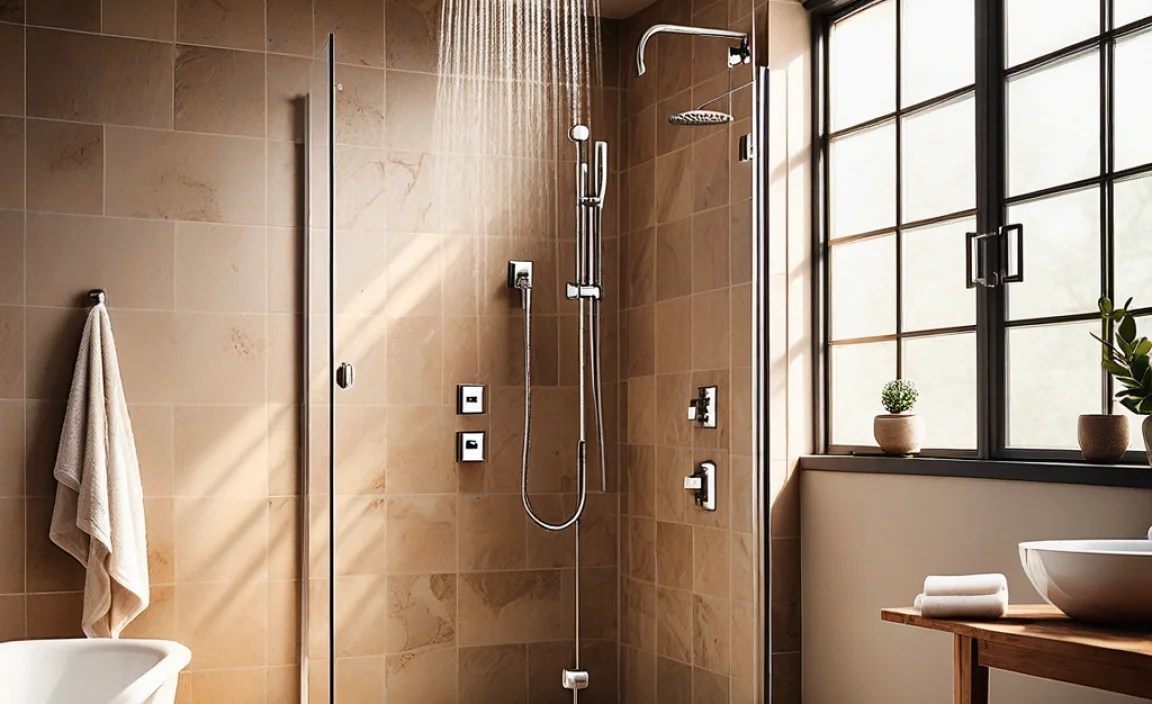
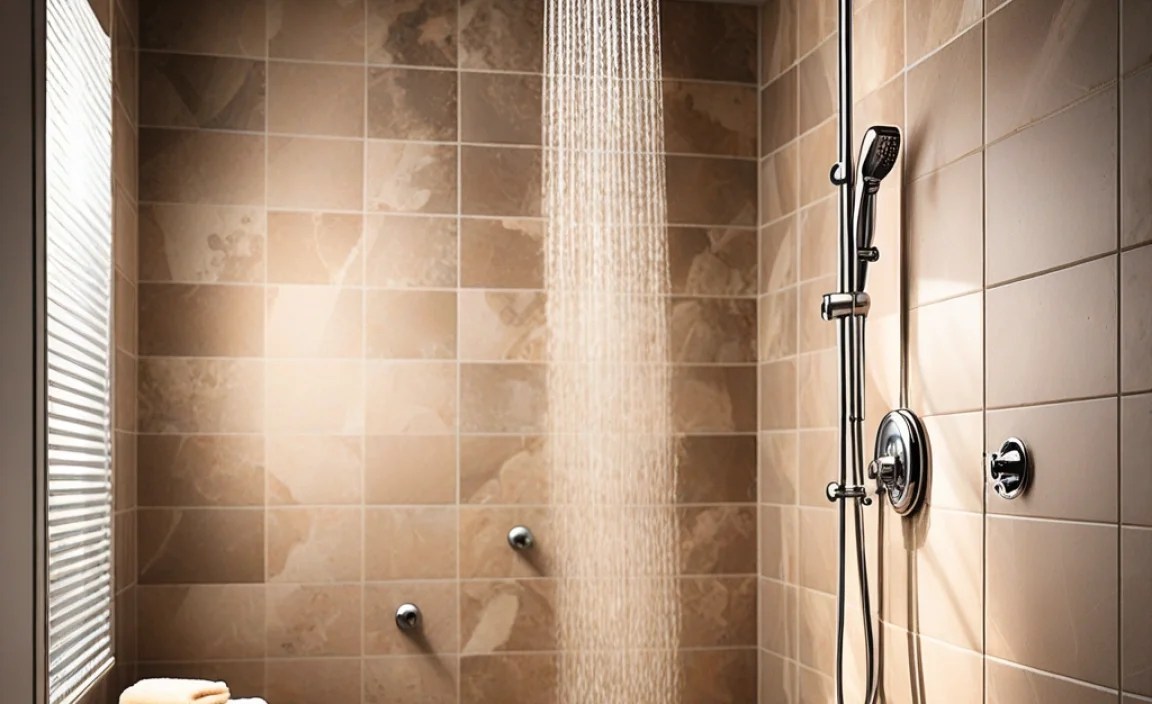
Sometimes, a standard shower setup just doesn’t meet your needs or desires. Whether it’s about luxury, space-saving, or accessibility, there are some fantastic alternatives out there that deserve consideration.
1. The Luxury Spa Experience: Steam Showers
Imagine stepping into your bathroom and into a warm, Turkish bath. That’s the essence of a steam shower. These enclosed shower units generate steam, creating a humid, therapeutic environment. The added benefit? Many steam shower systems can also function as regular showers.
Key Features:
- Integrated steam generator.
- Often include features like built-in seating, aromatherapy dispensers, and chromotherapy (colored lighting).
- Can typically be controlled with a digital panel for temperature and duration.
Pros:
- Incredible relaxation and stress relief.
- Potential health benefits, such as clearing sinuses and soothing muscles.
- Adds significant luxury and resale value to a home.
Cons:
- Significantly higher installation cost due to the generator and specialized enclosure.
- Requires adequate ventilation to prevent moisture buildup in the bathroom.
- May require upgrades to your electrical system.
2. The Soaking Retreat: Luxury Bathtubs & Freestanding Tubs
While showers are great for a quick clean, nothing beats a long, relaxing soak. Luxury bathtubs, especially freestanding models, have made a major comeback, offering both a functional bathing solution and a stunning design centerpiece for the bathroom.
Types to Consider:
- Alcove Tubs: Designed to fit into a three-walled recess; common with shower/tub combos.
- Drop-in Tubs: Installed into a deck or platform, giving a built-in look.
- Undermount Tubs: Installed beneath a countertop, creating a sleek, seamless look.
- Freestanding Tubs: These are unattached to walls and can be placed anywhere in the bathroom, acting as a dramatic focal point. Materials range from classic acrylic and cast iron to modern solid surface and copper.
Pros:
- Ultimate relaxation and therapeutic soaking.
- Great for families with young children who need baths.
- Freestanding tubs can elevate the bathroom’s aesthetic.
Cons:
- Require more water than showers, increasing utility costs.
- Takes longer to fill and drain.
- Can be more challenging to clean around.
- Some people find them less practical for a quick daily wash.
3. The Integrated Solution: Shower & Tub Combos
This is the classic, space-saving solution found in many homes. A single unit that functions as both a shower and a bathtub within an alcove. Modern advancements have made these much more appealing than the utilitarian versions of the past.
Upgrades to Consider:
- Upgraded Showerheads: Install a rainfall showerhead or a handheld option for a more luxurious feel.
- Thermostatic Valves: Ensure consistent, safe water temperatures.
- Stylish Enclosures: Replace outdated curtains with sleek glass doors.
- Bench Seating: Add a built-in or removable bench for comfort.
Pros:
- Excellent space-saver, ideal for smaller bathrooms.
- Offers the versatility of both showering and bathing.
- Generally more affordable and easier to install than separate units.
Cons:
- Can feel cramped for taller individuals when used as a shower.
- The bathing experience might be less luxurious than a dedicated, deep soaking tub.
- Can be challenging to find aesthetically pleasing options that fit modern design styles.
4. The Minimalist Approach: Wet Rooms
A wet room is essentially a fully waterproofed bathroom or a sealed-off shower area. The entire space is designed to get wet, with a sloped floor leading to a central drain. Often, there’s no separate shower screen or curtain, creating an open-plan feel.
Key Characteristics:
- Complete waterproofing of walls and floor.
- A sloped floor leading to a floor drain.
- Usually features a walk-in shower area without a tray or enclosure.
- Often uses a single, high-quality showerhead (like a rainfall or wall-mounted option).
Pros:
- Creates a spacious, open-plan feel, especially in small bathrooms.
- Excellent accessibility, making it ideal for the elderly or those with mobility issues.
- Very easy to clean.
- Modern and minimalist aesthetic.
Cons:
- Requires professional waterproofing, which can be costly.
- Once installed, it’s difficult to change; it’s a significant alteration to the room.
- Maintaining a dry area outside the shower can be a challenge if not properly designed.
- Can be difficult to keep the entire bathroom warm during showers.
5. The Multi-Sensory Experience: Body Jets and Shower Panels
For those who crave an invigorating shower experience, body jets and multi-function shower panels offer a spa-like treatment right at home. These systems integrate multiple showerheads and jets into a single unit.
What They Offer:
- Body Jets: Small, adjustable jets installed in the shower walls that provide targeted water massage.
- Shower Panels: A vertical fixture typically mounted on the wall that combines a showerhead, handheld wand, and multiple body jets, all controlled by a single panel.
- Hydro-massage: The combined effect of water pressure from multiple points for a therapeutic massage.
Pros:
- Intense and invigorating shower experience.
- Can offer therapeutic benefits for muscle aches and pains.
- Adds a high-end, modern touch to the bathroom.
Cons:
- Can be complex to install, often requiring additional plumbing.
- Higher water usage compared to a standard showerhead.
- May require good water pressure to function effectively.
- Maintenance can be more involved due to multiple components.
Choosing the Right Solution for You
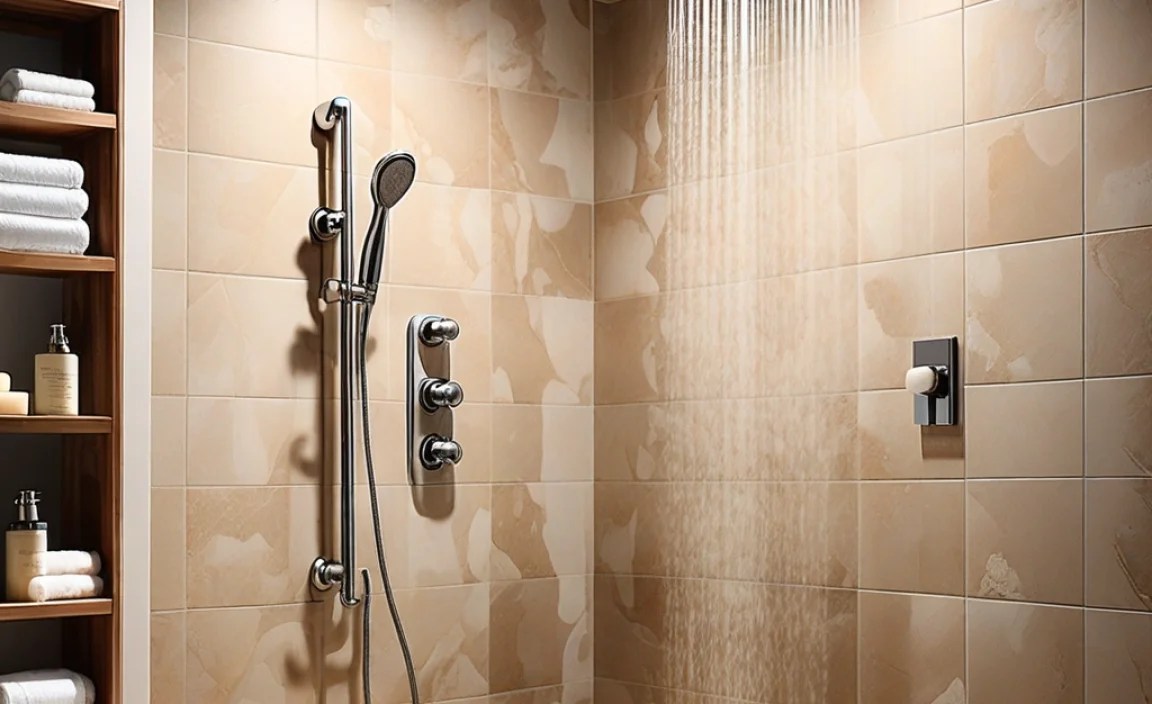
Selecting the best shower or alternative involves looking at several factors. It’s not just about what looks good; it’s about what works for your space, your lifestyle, and your budget.
Factor 1: Bathroom Size and Layout
This is often the biggest constraint. A large master bathroom can easily accommodate a luxurious freestanding tub, a spacious walk-in shower, or even a wet room. Smaller bathrooms, however, benefit from space-saving solutions like alcove shower/tub combos, compact shower cabins, or clever use of sliding glass doors.
Small Bathrooms:
- Shower & Tub Combo with glass doors.
- Walk-in shower with a single glass panel and no door.
- Corner shower units.
Medium Bathrooms:
- Larger walk-in shower with hinged glass doors.
- Shower enclosure with body jets.
- Standard tub with upgraded fixtures.
Large Bathrooms:
- Luxurious freestanding tub.
- Spacious steam shower.
- Wet room concept.
- Large multi-zone shower with rainfall head, body jets, and handheld wand.
Factor 2: Lifestyle and Daily Routine
Do you or your family members prefer quick rinses to start the day, or are long, relaxing soaks more your style? Are there young children or elderly individuals in the household who might benefit from specific features?
- Busy Professionals: A high-pressure showerhead or a shower panel with body jets offers a quick, invigorating wash.
- Families with Kids: A shower/tub combo provides essential bathing flexibility. Handheld showerheads are also invaluable.
- Those Seeking Relaxation: A deep soaking tub, a rainfall showerhead, or a steam shower will be more appealing.
- Individuals with Mobility Issues: Walk-in showers, wet rooms, and grab bars are paramount for safety and independence.
Factor 3: Budget and Installation Costs
The price tag for bathroom upgrades can vary dramatically. Basic showerheads and curtains are inexpensive, while steam generators, complex shower panels, and custom glass enclosures can add thousands to a renovation project.
Consider not just the cost of the fixture itself but also the installation. Complex systems might require additional plumbing, electrical work, or specialized waterproofing, all of which increase the overall expense. Always get quotes from qualified professionals.
Here’s a general cost comparison:
| Fixture/System | Estimated Cost Range (Fixture Only) | Typical Installation Complexity |
|---|---|---|
| Basic Fixed Showerhead | $20 – $50 | Low |
| Handheld Showerhead System | $50 – $150 | Low |
| Rainfall Showerhead | $100 – $300 | Medium |
| Shower/Tub Combo Unit | $300 – $1,000+ | Medium to High |
| Glass Shower Enclosure | $300 – $2,000+ | Medium to High |
| Luxury Freestanding Tub | $800 – $5,000+ | Medium |
| Shower Panel with Body Jets | $200 – $1,000+ | High (may require new plumbing) |
| Steam Shower Generator System | $500 – $2,500+ | High (requires electrical and plumbing work) |
| Wet Room Waterproofing | $500 – $1,500+ (for materials and labor) | High (specialized skill) |
Note: These are estimates and can vary significantly based on brand, features, and location. Installation costs are not included and can often exceed fixture costs.
Factor 4: Water Pressure and Flow Rate
The performance of any shower system is heavily dependent on your home’s water pressure. If you have notoriously low water pressure, a high-flow showerhead might be disappointing, and a system with numerous body jets might not be effective. In such cases, a good quality high-pressure showerhead or a system with a pressure-balancing valve is essential.
For optimal performance, especially with multi-jet systems or steam showers, ensure your home has adequate water pressure. You can measure your home’s water pressure using a simple gauge that screws onto an outdoor faucet or washing machine hookup. For most modern plumbing systems, a pressure between 40 and 80 psi is ideal. The Minneapolis Water Works provides further insights into water pressure recommendations.
