
Quick Summary: A vanity offers significant bathroom storage and style, but choosing the right one involves weighing its aesthetic benefits against potential costs, space limitations, and installation complexities. This guide breaks down the pros and cons to help you make an informed decision for your bathroom upgrade.
Is your bathroom feeling a bit cluttered or lacking that special something? Many of us dream of a bathroom that’s not only functional but also a personal sanctuary. A bathroom vanity can be a game-changer, adding both much-needed storage and a significant style boost. However, figuring out if a vanity is the right choice for your space can feel a little overwhelming, especially with all the options out there.
Don’t worry! We’re here to simplify things. This guide will walk you through everything you need to know about bathroom vanities, clearly explaining their advantages and disadvantages so you can confidently decide if it’s the perfect addition for your home. Get ready to transform your bathroom!
Understanding the Bathroom Vanity: More Than Just a Sink

At its core, a bathroom vanity is a unit that typically combines a sink, countertop, and storage cabinets or drawers. It serves as the central hub for your bathroom’s hygiene and grooming activities, while also playing a crucial role in the room’s overall design. Think of it as the kitchen cabinet for your bathroom – it houses your toiletries, cleaning supplies, and other essentials, keeping them neatly out of sight.
Vanities come in an astonishing variety of styles, sizes, materials, and configurations, catering to every taste and bathroom layout. From sleek, modern floating designs to more traditional freestanding units, there’s a vanity to match almost any aesthetic. Understanding this variety is key to appreciating both the benefits and potential drawbacks as we explore their pros and cons.
The Upside: Why a Vanity Might Be Your Bathroom’s Best Friend (Pros)

Vanities bring a wealth of benefits to a bathroom, transforming a purely functional space into something more organized, stylish, and efficient. Let’s dive into the advantages:
1. Enhanced Storage Solutions
This is often the biggest selling point for a vanity. Bathrooms, especially smaller ones, can quickly become overrun with toiletries, cleaning products, extra towels, and personal items. A vanity provides dedicated storage space, which can include:
- Deep drawers perfect for toiletries, hair dryers, and styling tools.
- Lower cabinets ideal for bulkier items like extra toilet paper, cleaning supplies, or spare towels.
- Shelves within cabinets for easy organization.
This built-in storage helps maintain a clutter-free environment, making your bathroom feel larger and more serene. It’s a practical solution for keeping everyday necessities organized and accessible.
2. Elevated Style and Aesthetics
A vanity is a statement piece for your bathroom. It can dramatically upgrade the look and feel of the entire room. The countertop material, the cabinet finish, the sink style, and the hardware all contribute to the overall aesthetic. Whether you’re going for a spa-like retreat, a minimalist modern look, or a cozy traditional vibe, there’s a vanity design that can help you achieve it.
The right vanity can tie together the different elements of your bathroom, creating a cohesive and appealing design. It’s one of the most impactful ways to modernize or personalize a bathroom.
3. Increased Countertop Space
Beyond just storage, vanities provide valuable countertop real estate. This is incredibly useful for:
- Placing everyday items like toothbrushes, soap dispensers, and razors within easy reach.
- Having space for decorative items like small plants or scented candles.
- Setting down items while you’re getting ready, like makeup or hair products.
Ample countertop space makes your daily routines smoother and more convenient.
4. Improved Functionality and Plumbing Integration
Vanities are designed to house a sink and its associated plumbing. This integration is key to a functional bathroom. Whether it’s a pedestal sink that has minimal storage or a wall-mounted sink, a vanity provides a structured and often more convenient way to manage the sink and plumbing:
- It neatly conceals the plumbing pipes and connections, making the bathroom look much cleaner and more professional.
- It provides a stable base for the sink and countertop, ensuring it’s securely installed.
- For freestanding vanities, it acts as a self-contained unit, simplifying installation compared to fitting a sink into an existing cabinet or custom structure.
This thoughtful design ensures that the essential function of the sink is paired with practical utility and a polished look.
5. Potential Increase in Home Value
A well-chosen and well-installed bathroom vanity can be a significant selling point if you decide to sell your home. A modern, functional, and stylish bathroom is a major draw for potential buyers. Investing in a quality vanity can contribute to a higher perceived value of your home and make your bathrooms more appealing.
6. Variety of Styles and Options
The market offers an incredible range of vanities to suit every need and budget:
- Freestanding Vanities: These are the most common, resembling a piece of furniture. They are typically easier to install.
- Wall-Mounted (Floating) Vanities: These are attached directly to the wall, creating a modern look and making cleaning the floor underneath easier.
- Undermount vs. Drop-in Sinks: Undermount sinks are installed beneath the countertop for a sleek look and easy counter cleaning, while drop-in sinks have a rim that sits on top of the countertop and are generally easier to install.
- Materials: From durable quartz and natural stone countertops to solid wood and engineered wood cabinets, the material choices are vast.
This extensive variety means you can find a vanity that perfectly matches your desired aesthetic and functional requirements.
The Downsides: What to Consider Before You Buy (Cons)
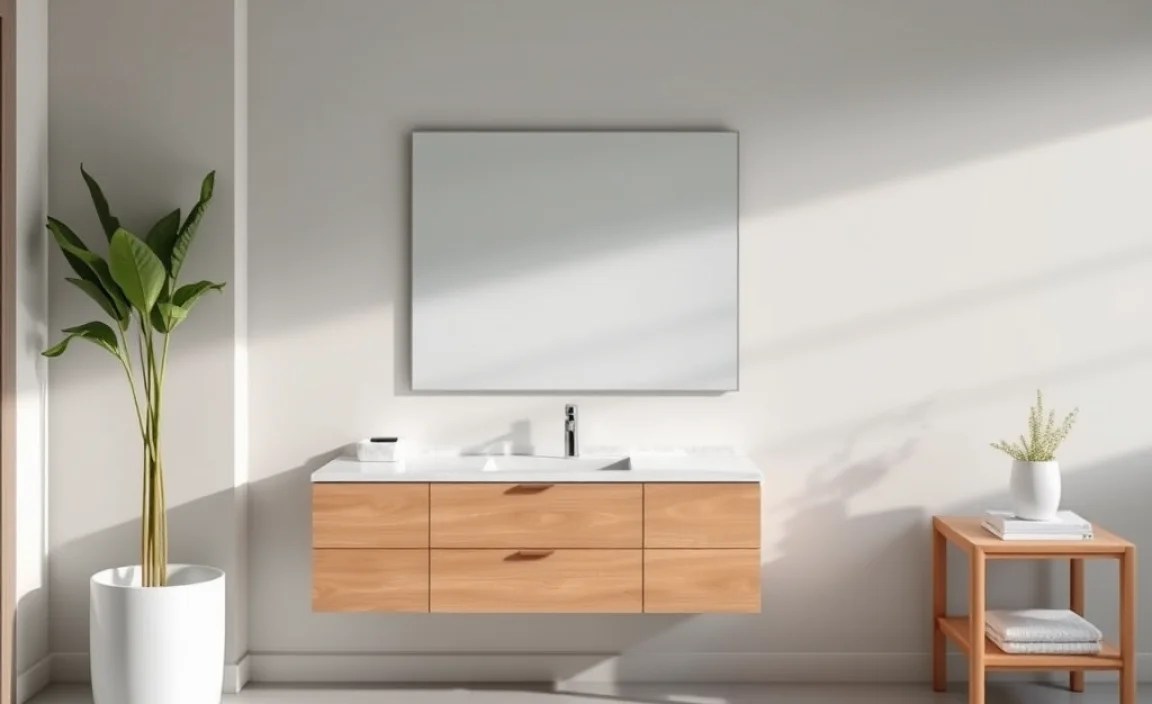
While vanities offer many advantages, it’s crucial to be aware of the potential drawbacks to make sure it’s the right fit for your specific situation.
1. Cost
Vanities can represent a significant investment. The price varies widely based on:
- Size: Larger vanities naturally cost more.
- Materials: High-end countertop materials like granite or marble, and solid wood cabinets will increase the price, whereas laminate or MDF with a veneer will be less expensive.
- Brand and Quality: Premium brands and high-quality construction come with a higher price tag.
- Features: Integrated sinks, soft-close drawers, or specialized hardware can add to the cost.
Beyond the vanity itself, you might also need to factor in the cost of a new faucet, sink (if not included), installation labor, and potential plumbing modifications.
2. Space Limitations and Fit
Vanities require a certain amount of space. If you have a very small bathroom, a large vanity can make the room feel cramped and awkward to navigate. Careful measurement is essential. You need to consider:
- The width and depth of the vanity unit itself.
- Adequate clearance for opening doors and drawers.
- Space for the toilet and any other bathroom fixtures.
- Legroom around the sink area for comfortable use.
An improperly sized vanity can hinder movement and make your bathroom less functional. For highly compact spaces, a simple sink with minimal or no under-sink storage might be a better option.
3. Installation Complexity and Cost
While some freestanding vanities are relatively straightforward to install, others, especially wall-mounted or custom units, can be more complex and may require professional plumbing and carpentry skills. This can add significantly to the overall cost and hassle.
DIY installation is possible for some units, but it requires basic plumbing knowledge (connecting water supply and drainage) and carpentry skills (securing the unit to the wall, leveling). If you’re not experienced, hiring a professional is often the safest and most reliable route. According to the HomeTips, incorrect installation can lead to leaks and structural damage.
4. Material Maintenance and Durability
The materials chosen for your vanity’s countertop and cabinet will dictate their maintenance needs and longevity:
- Natural Stone (Granite, Marble): Beautiful but porous; requires sealing and can stain or etch if not properly maintained.
- Engineered Quartz: Non-porous, very durable, and low maintenance, but can be more expensive.
- Laminate/MDF: More budget-friendly but less durable and susceptible to water damage if the edges aren’t sealed well.
- Solid Wood: Can be beautiful and durable but needs to be protected from moisture.
Understand the maintenance requirements of your chosen materials. Neglecting them can lead to premature wear, damage, and costly repairs.
5. Plumbing and Electrical Considerations
If you’re replacing an existing vanity or sink, you’ll need to connect it to your bathroom’s existing plumbing. If you’re installing a vanity in a new location or a bathroom that previously had only a pedestal sink, you might need to run new plumbing lines, which can be a significant undertaking.
Some people also incorporate lighting or electrical outlets into their vanity design. If you need to add or move electrical wiring, this is a job that definitely requires a qualified electrician to ensure safety and compliance with building codes, as noted by resources like the This Old House guide on vanity replacement.
6. Potential for Water Damage
Bathrooms are inherently moist environments. If a vanity isn’t properly constructed, sealed, or installed, water can seep into cabinet joints, drawers, or electrical components, leading to mold, rot, and structural damage. This is particularly true for lower-quality materials or if spills are not cleaned up promptly. Regular checks and prompt cleanup are vital.
Vanity Types: A Quick Overview and Their Pros/Cons
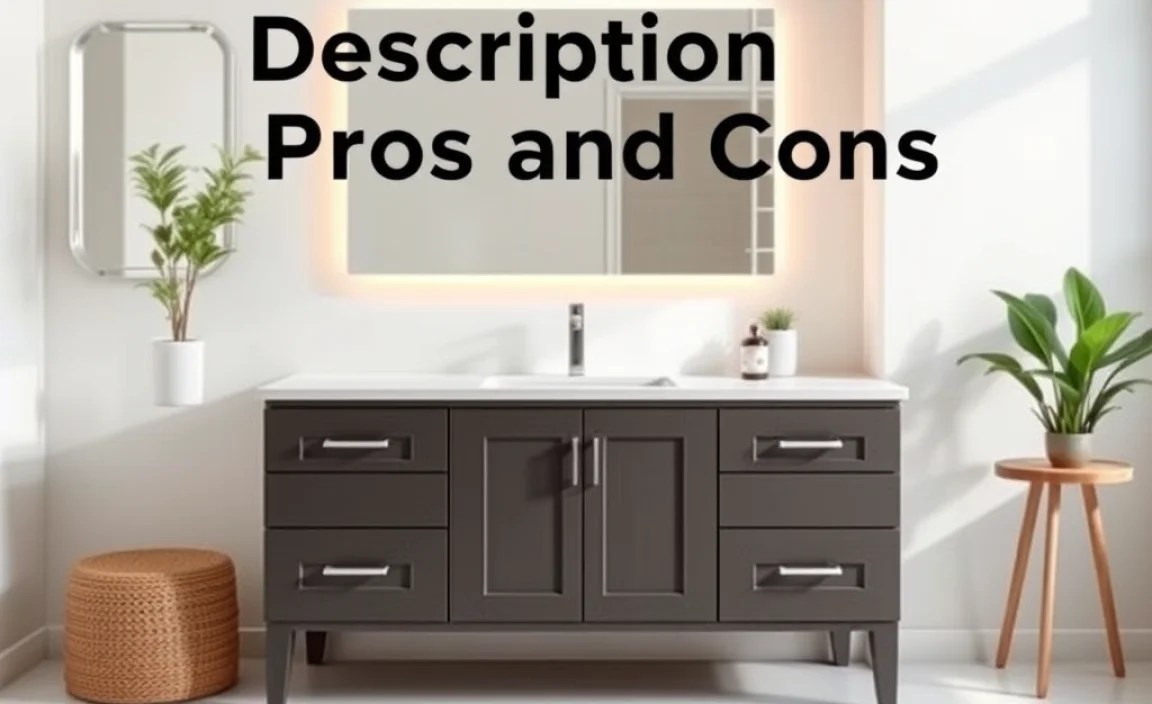
To help you make a decision, let’s quickly look at the most common types of vanities and their specific trade-offs.
| Vanity Type | Pros | Cons |
|---|---|---|
| Freestanding Vanity | Looks like furniture, often easier to install, doesn’t require wall mounting (though typically secured for stability), variety of styles. | Can take up more floor space, may be harder to clean under if it sits directly on the floor, potential for tipping if not secured. |
| Wall-Mounted (Floating) Vanity | Modern look, maximizes floor space, easy to clean underneath, provides an open feel. | Requires secure wall mounting (studs are crucial), installation can be more complex/expensive, may offer less storage depth. |
| Pedestal Sink (No Vanity Storage) | Very space-saving, cost-effective, simple installation, classic look. | Virtually no storage, limited countertop space, plumbing is exposed. |
| Console Vanity | Often has open shelving below, can be wall-mounted or freestanding, less bulky than a full cabinet. | Limited concealed storage, exposed plumbing in many designs. |
When choosing, consider not just the look but how the design impacts usability and maintenance specific to your bathroom.
Choosing the Right Countertop Material
The countertop is a focal point of any vanity and plays a big role in both aesthetics and upkeep. Here’s a look at popular choices:
Laminate
- Pros: Most affordable option, wide variety of colors and patterns, easy to clean.
- Cons: Not as durable as other materials, susceptible to scratches, heat, and moisture damage if edges are not properly sealed.
Solid Wood
- Pros: Natural beauty, warm aesthetic, can be refinished.
- Cons: Requires regular sealing and maintenance to protect against moisture and stains, can be prone to warping or cracking in humid environments.
Granite
- Pros: Natural beauty, each slab is unique, durable, heat resistant.
- Cons: Porous (requires regular sealing to prevent stains), can be expensive, heavy, requires professional installation.
Marble
- Pros: Luxurious, elegant, classic look.
- Cons: Very porous and soft (prone to etching, staining, and scratching), requires diligent sealing and careful maintenance, one of the most expensive options.
Quartz (Engineered Stone)
- Pros: Extremely durable, non-porous (stain and scratch resistant), low maintenance, wide range of consistent colors and patterns.
- Cons: Can be more expensive than laminate or granite, can be damaged by extreme heat, less unique than natural stone.
For a beginner-friendly, low-maintenance option, quartz is often highly recommended. It offers a great balance of durability, aesthetics, and ease of care.
Installation: A Beginner’s Look
Installing a vanity might sound daunting, but understanding the basic steps can demystify the process. Remember to always prioritize safety and consult professional resources if unsure.
1. Preparation is Key
- Turn off Water Supply: Locate the main water shut-off valve for your house or the individual shut-off valves for the hot and cold water lines to your sink.
- Drain Lines: Open the faucet to release any remaining water pressure in the lines.
- Disconnect Plumbing: Use a pipe wrench or adjustable wrench to disconnect the water supply lines from the faucet, and unscrew the P-trap (the U-shaped pipe under the sink) from the drainpipe and the sink tailpiece. You might need a bucket to catch any residual water.
- Remove Old Vanity: Disconnect the old vanity from the wall if it’s secured. Carefully lift and remove it.
- Clean the Area: Thoroughly clean the floor and walls where the new vanity will be installed.
2. Placing the New Vanity
- Position the Vanity: Carefully place the new vanity in its intended location. Ensure it is level. Use shims if necessary.
- Secure the Vanity: For freestanding vanities, they are sometimes secured to the wall with screws through a mounting board or cleat at the top back of the unit. Floating vanities must be secured to wall studs using appropriate hardware. Use a stud finder to locate studs and anchor the vanity securely.
3. Connecting the Plumbing
- Install Faucet and Sink: If your sink and faucet aren’t pre-installed on the vanity, now is the time to install them according to the manufacturer’s instructions.
- Connect Water Supply Lines: Attach new, braided stainless steel water supply lines to your faucet’s inlets and connect them to the shut-off valves. Hand-tighten first, then snug with a wrench (don’t overtighten).
- Connect the Drain: Reassemble or install the P-trap, connecting it to the sink’s tailpiece and the wall’s drainpipe. Ensure all connections are tight to prevent leaks.
4. Testing for Leaks
- Turn Water On Slowly: Turn the shut-off valves back on slowly.
- Check Everything: Inspect all plumbing connections (supply lines, faucet base, drain pipe connections) for any signs of dripping. Run hot and cold water for a few minutes, and flush the toilet if applicable. Check again for leaks.
- Tighten as Needed: If you find any leaks, gently tighten the corresponding connection.
For a detailed visual guide and more in-depth information, resources like the Family Handyman offer excellent step-by-step instructions with diagrams.
Frequently Asked Questions (FAQ)
Q1: What is the main purpose of a bathroom vanity?
A1: A bathroom vanity primarily combines a sink, countertop, and storage for toiletries and bathroom essentials, significantly improving organization and aesthetics in the bathroom.
Q2: Are bathroom vanities difficult to install?
A2: Installation varies. Freestanding vanities are typically easier, while wall-mounted or custom ones can be more complex and often require professional help. Basic plumbing and carpentry skills are usually needed.
Q3: What is the most durable countertop material for a vanity?
A3: Engineered quartz is widely considered one of the most durable and low-maintenance options, resisting stains, scratches, and heat damage effectively.
